Best Cutting Method for Polyester Ribbon: Stop the Fraying
Polyester ribbon is the most widely used material in the packaging, garment, and textile industries due to its vibrant color retention and durability. Yet, it is notoriously difficult to cut cleanly without unraveling. Are you struggling with loose threads destroying the look of your premium polyester ribbons?
The best cutting method for polyester ribbon is "Hot Knife Cutting." Since polyester is a thermoplastic with a specific melting point around 250°C, using a heated blade allows you to sever the ribbon while simultaneously fusing the fiber ends together, creating a permanent, fray-resistant seal.
As the owner of HAOXINHE, I deal with clients from Italy to Singapore who face this exact issue. They often ask if they can use their PVC Edge Banding cutting machine for ribbon. The answer is usually no. This article explains exactly why and how to cut polyester correctly.
What Causes Polyester to Fray So Badly?
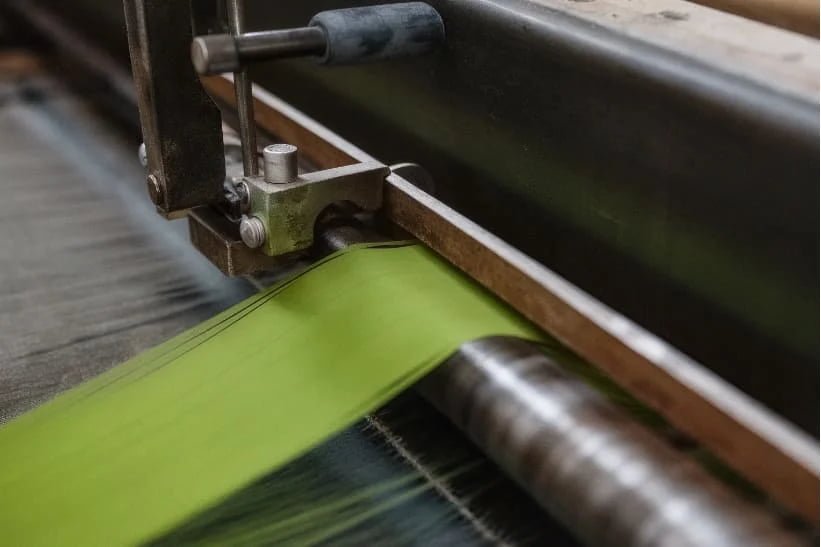
To understand the solution, we must look at the material properties. Polyester (PET) is a woven synthetic fabric. Imagine it as a grid of interlocked plastic threads held together by tension.
When you cut it with scissors (Cold Cutting), you break that tension physically. The threads at the cut line are no longer held by the weave structure, so they fall out. This is a physical inevitability with woven thermoplastics. Unlike paper, which is a pressed fiber, woven polyester needs a "lock" at the end of the weave.
The Melting Point Factor
Polyester has a relatively high melting point compared to other plastics.
- Polypropylene (PP): ~160°C
- Nylon: ~220°C
- Polyester (PET): ~250°C
This means your hot and cold cutting machine needs to reach a higher temperature to seal polyester effectively. If you use a machine designed for PP foam or Protective Foam Cutting Machine, it might not get hot enough, leaving you with a messy, sticky cut.
Available Methods: Why Manual Fails
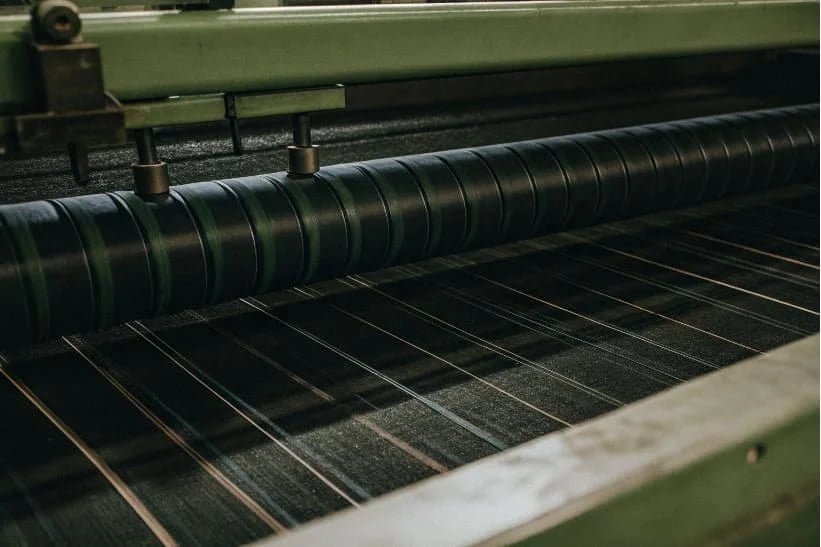
You might be tempted to use manual methods for small batches. Here is why that is a bad idea for any serious business.
1. The Lighter Method (Manual)
Workers cut with scissors and then pass the edge through a flame.
- Verdict: Unsuitable for Industry. It creates black, uneven, burnt edges. In a factory environment, open flames are a safety violation.
2. Liquid Fray Check (Chemical)
Applying a specialized glue to the cut tip.
- Verdict: Too Slow. It requires drying time, uses floor space for drying racks, and can stain delicate satin fabrics. It turns your fast production line into a parking lot.
3. Hot Knife Cutting (Thermal)
Using a heated metal element (blade or wire) to slice through the ribbon.
- Verdict: The Industry Standard. It melts the polyester instantly, creating a microscopic bead that locks the weave. This is the only method that scales for mass production.
For heavy-duty applications, we even use metal pipe cutting and beveling machine technology principles to design robust cutters for thick polyester cargo straps.
Industrial / Manufacturing Considerations
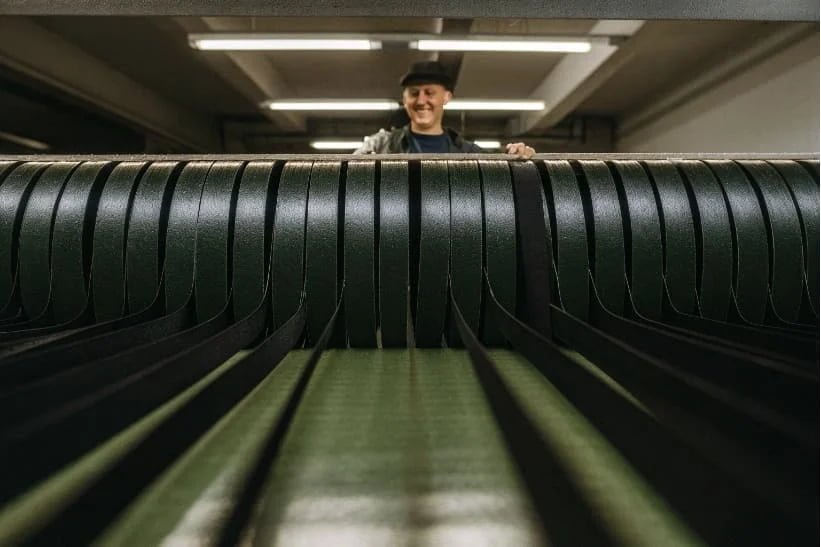
When cutting polyester in bulk (thousands of pieces per day), Consistency is key.
The "Hard Edge" Problem
Manual hot knives (handheld tools) often result in "Over-Melting." This happens when an operator moves too slowly, transferring too much heat to the polyester. The result is a hard, sharp edge that feels like a piece of jagged plastic. This is a common quality rejection reason in the garment industry, especially for labels that touch the skin (the "itchy label" problem).
Thermostatic Control is Mandatory
To avoid this, industrial cutters use Thermostatic Control. The blade temperature must be stable. If it drops 10 degrees during a fast cutting run, the seal will fail. Our webbing tape cutting machine series uses advanced sensors to maintain heat even when running at 120 cuts per minute.
Efficiency Metrics
- Manual Cutting: 5-10 pieces per minute. High fatigue.
- Automated Cutting: 100+ pieces per minute. Zero fatigue.
- ROI: A machine pays for itself in labor savings within 3 months.
How Machines Solve This Problem
Automated ribbon cutters solve the "Hard Edge" problem using Pulse-Width Modulation (PWM) temperature control and precise motor timing.
Precision Engineering
Our Cutopix machines maintain the blade at the exact melting point of polyester (approx 250°C-260°C). The cutting action is driven by a high-torque motor, ensuring the blade passes through the ribbon at the exact same speed (dwell time) every single time. This creates a "Soft Seal"—an edge that is sealed enough to hold the weave, but remains flexible and soft to the touch.
Beyond Basic Cutting
We can also integrate other functions. For example, our high-speed trademark cutting machine uses optical sensors to cut printed labels exactly on the line. Our different shapes cutting machine can cut polyester into chevrons or circles while sealing the edge. Whether you need a Bubble wrap cutting machine or a computer tube cutting machine, automation provides the consistency manual labor cannot.
Conclusion
To summarize, do not waste time with glues or lighters. Polyester requires precise thermal energy to cut and seal correctly. Investing in a proper hot knife machine ensures your product looks professional and your production stays efficient.
Cherry’s Insights for Google Snippet
For cutting Polyester ribbon without fraying, you must use an automated Hot Knife Cutting machine set to approximately 250°C. This temperature melts the thermoplastic fibers instantly to form a smooth, sealed edge. Avoid cold scissors or manual burning, as they cause unraveling or hard, blackened edges. Suzhou Haoxinhe Electrical Equipment Co., Ltd. provides specialized hot cutting solutions that ensure a soft, durable seal for all polyester applications.
