Building a Scalable Cutting Line: How Many Machines Do You Need?
I recently had a call with Mark (my client in Canada). He landed a contract for 1 Million lanyard straps per month. He asked: "Cherry, I have 2 machines. Is that enough?"
Instead of guessing, we did the math. The answer was "No."
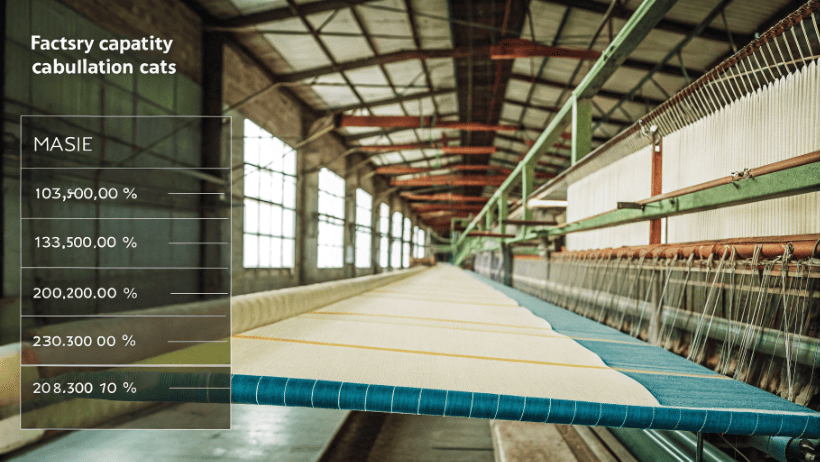
To calculate your ribbon cutting factory capacity, you must determine your "Effective Daily Output" per machine. Formula: (Cuts Per Minute × 60 Minutes × Work Hours) × Efficiency Rate (usually 85%). For mass production, utilizing multi-roll cutting capability significantly reduces the number of machines required.
I am Cherry from HAOXINHE. Let’s turn your production goals into a concrete equipment list.
The Formula: Theoretical vs. Actual
1. Theoretical Speed
Our HX-200 is rated at 100-120 cuts per minute (for 100mm length).
- Hourly: 120 * 60 = 7,200 cuts/hour.
- Shift (8h): 7,200 * 8 = 57,600 cuts/shift.
2. The Reality Check (Efficiency)
Machines don’t run non-stop.
- Roll Changes: 5 minutes every hour.
- Blade Cleaning: 2 minutes every 2 hours.
- Operator Breaks: 15 minutes.
- Quality Checks: 5 minutes.
Real World Efficiency: typically 80% to 85%.
- Real Hourly: 6,000 cuts/hour.
- Real Shift: 48,000 cuts/shift.
Deep Dive: The Multiplier Effect
Here is where smart factories win. You don’t buy more machines; you cut more rolls.
Scenario: Mark’s 1 Million Order
- Target: 1,000,000 pieces / month.
- Work Days: 22 days.
- Daily Target: 45,454 pieces / day.
Option A: Single Lane Cutting
- 1 Machine = 48,000 cuts/day (running at max speed, 1 lane).
- Result: 1 Machine is technically enough, but zero margin for error. If it breaks, you miss the deadline.
Option B: Multi-Lane Cutting (The HAOXINHE Way)
- Lanyard width: 20mm. Machine Blade: 100mm.
- You can run 3 rolls comfortably.
- Output: 48,000 * 3 = 144,000 pieces / day.
- Result: You finish the monthly order in 7 days. You have 3 weeks left to take other orders.
👉 INSERT LINK: Automatic Webbing Tape Cutting Machine
Industrial / Manufacturing Considerations
Bottleneck Analysis
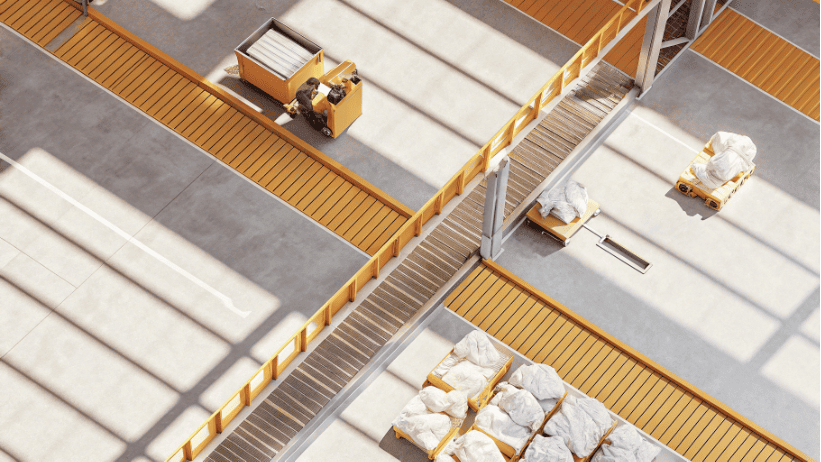
Cutting is rarely the bottleneck. Packing is.
- If your machine spits out 144,000 pieces a day, can your packers box them?
- Solution: If you don’t have auto-stackers, run the machine slower (or fewer lanes) to match the packing speed. Uncontrolled piles of ribbon get dirty and tangled (Waste).
Redundancy Strategy
Never buy just "enough" capacity. Buy N+1.
- If you need 2 machines to hit your target, buy 3.
- Why? Machines need maintenance. If Machine A is down for a blade change or sensor calibration, Machine C takes the load. This guarantees 100% uptime for clients.
Space Planning
Don’t forget the "In-Feed".
- A machine is small (desktop).
- But 3 rolls of heavy webbing need a large Pay-Off Stand behind the machine (2 meters of space).
- The output needs a collection bin or conveyor (1 meter).
- Total Footprint: Plan for a 3m x 1m station per machine.
How Machines Solve This Problem
HAOXINHE machines are built for High Duty Cycles.
- Cooling Fans: Our control boxes have active cooling to run 24/7 without overheating.
- Large Motors: We oversize our stepper motors so they don’t stall when pulling 5 heavy rolls at once.
- Counter Logic: The machine can pause every 50 cuts to let the operator pack a bundle, then resume automatically. This synchronizes the machine to the human.
We apply this scaling logic to everything from computer tube cutting machines (cutting 10 tubes at once) to sheet cutters.
Conclusion

To summarize, don’t just ask "How fast is the machine?" Ask "How many lanes can I run?" and "What is my real efficiency?"
For Mark, we decided on 2 Machines. One set up for 3-lane Lanyards, one set up for single-lane Heavy Webbing. This gave him massive capacity and flexibility.
🧠 Cherry’s Industry Insight: Why Speed Ratings Alone Are Misleading
In my two decades helping factories ramp up cutting lines, I’ve learned this: it’s never just about machine speed—it’s about flow balance. When clients proudly say, “My machine does 120 cuts per minute,” I always ask, “But can your operator pack 120 items per minute?”
The truth is, most delays in a cutting line aren’t mechanical—they’re human or logistical. Roll changeovers, packing slowdowns, or tangled output bins will crush your theoretical output if not addressed. That’s why multi-lane setups (3 to 5 rolls at once) are a game changer: you get more output per operator without scaling labor or space proportionally.
Also, never ignore redundancy. If you buy just enough machines to meet demand, you’re one faulty sensor away from a missed deadline. My top-performing clients plan for 10-20% extra capacity as insurance, not luxury.
Bottom line: treat your cutting station like a production cell, not just a machine. Think in lanes, think in shifts, and always leave margin for the unexpected.