How to Cut Seatbelt Webbing: The Industrial Standard for Automotive Safety
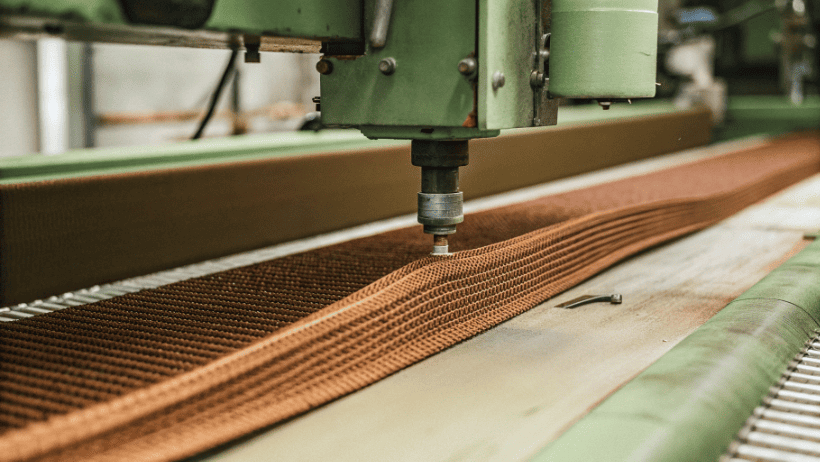
Manufacturing automotive safety belts, cargo lashings, or child car seat straps is a high-stakes business. Unlike a gift ribbon, if a seatbelt fails, lives are at risk. Therefore, the cutting process must meet strict safety standards (like FMVSS 209 or ECE R16).
To cut seatbelt webbing effectively, manufacturers must use a Heavy-Duty Pneumatic Hot Knife. This method seals the polyester fibers instantly to prevent fraying (which can weaken the weave) while maintaining the structural integrity of the strap. Cold cutting is strictly prohibited for seatbelts as unsealed edges unravel under load.
I am Cherry from HAOXINHE. We supply machines to Tier 1 automotive suppliers. In this industry, "clean looking" is not enough; the cut must be structurally sound. Here is how to achieve compliance.
What is the Best Way to Cut Seatbelt Webbing?
The only industry-approved method is Thermal Sealing under Pressure1.
Why Handheld Tools Fail
You might see DIY videos using a lighter or a handheld soldering iron.
- The Risk: This creates an uneven seal. The "Heat Affected Zone2" (HAZ) creates a brittle spot. Under crash impact, the belt might snap at the cut line because the plastic became too hard and brittle.
The Automated Solution
An industrial webbing tape cutting machine controls two variables that humans cannot:
- Temperature: Maintained exactly at ~260°C (Polyester melting point).
- Pressure: Our HX-160HL Pneumatic Cutter3 slams the blade down with 300kg of force. This forces the heat through the dense weave in 0.5 seconds, creating a uniform, flexible seal that doesn’t compromise tensile strength.
👉 INSERT LINK: HX-160HL Parachuting Climbing Webbing Rope Cutting Machine
Deep Dive: Solving the "Hard Edge" Issue
Question: "Does hot knife cutting make the seatbelt edge too sharp?"
This is a common B2B question. If the edge is too hard, it cuts into the passenger’s neck or wears out the retractor mechanism.
The "Soft Seal" Technique
To get a seal that is strong but not sharp, you need Blade Geometry4.
- Standard Blade: V-shape edge. Creates a sharp ridge.
- Seatbelt Blade: We use a Flat-Bottom Wedge Blade. It flattens the molten plastic as it cuts, creating a smooth, rounded bead rather than a sharp knife-edge.
Angle Cutting for Assembly
Seatbelts often need an angled cut (typically 45 or 60 degrees) to thread through the anchor bolts easily.
Our Rotary Bevel Cutting Machine is programmed to cut these angles automatically while maintaining the same pneumatic sealing pressure.
Industrial / Manufacturing Considerations
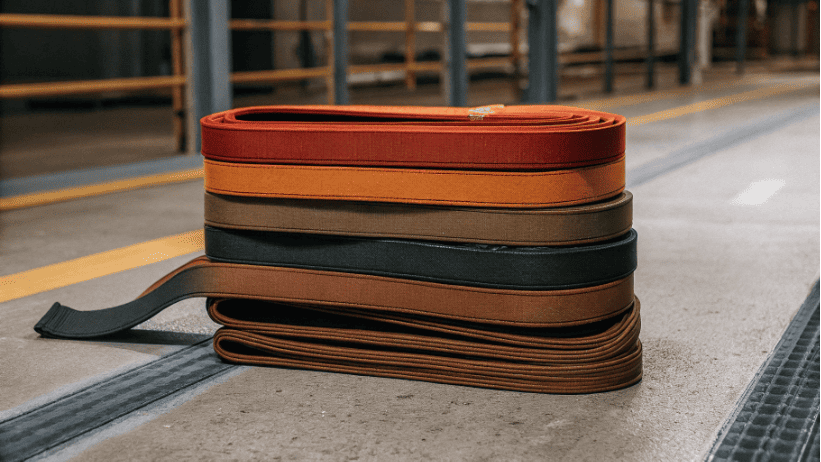
Efficiency in Mass Production
Automotive contracts are huge (e.g., 50,000 cars = 250,000 seatbelts).
- Multi-Roll: Seatbelt webbing is wide (48mm-50mm). Our wide-format machines can run 2-3 rolls simultaneously.
- Waste Reduction: Seatbelt webbing is expensive. Our ±1mm accuracy saves roughly $5,000/year in material per machine compared to older mechanical cam cutters.
Smoke Management
Polyester smoke contains oligomers that can clog factory sensors. As discussed in our [Fume Extraction Guide](https://www.millerwelds.com/resources/article-library/8-best-practices-for-weld-fume-management)5, active exhaust is mandatory for seatbelt lines.
How Machines Solve This Problem
The HAOXINHE HX-160HL is specifically tuned for this sector.
- Safety Guards: Full enclosure with interlocks. If an operator opens the door, the blade freezes.
- Length Verification: We can integrate encoders to verify length before cutting, ensuring zero non-compliant parts reach the assembly line.
Conclusion
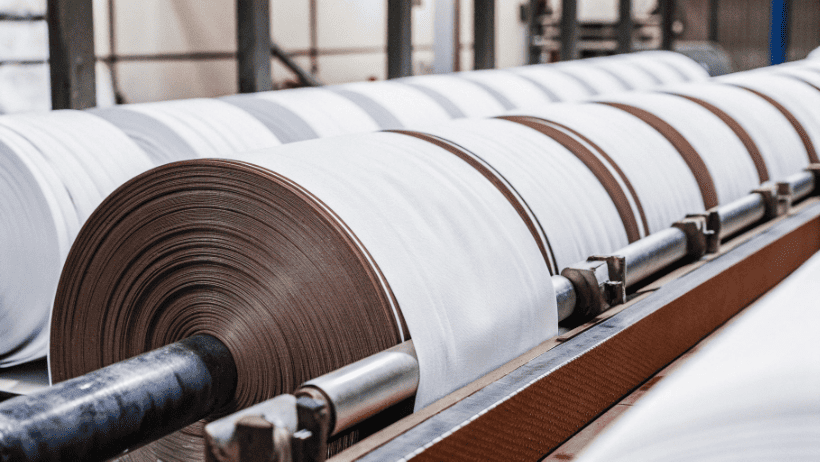
To summarize, cutting seatbelts is about Safety Compliance. You need a machine that delivers high force and precise heat to create a seal that withstands crash test forces. Do not compromise with light-duty ribbon cutters.
🚗 Industry Insight: What Separates Certified from Substandard in Seatbelt Cutting
After years of working with automotive suppliers, one hard truth stands out: seatbelt rejections don’t happen on the sewing table—they start at the cutter. One improperly sealed cut can cause a belt to fail pull tests, costing thousands in wasted material and line stoppage.
The key differentiator? Thermal penetration depth. Low-end hot knives only melt the surface. In contrast, industrial pneumatic blades apply pressure through the entire webbing thickness—ensuring the internal fibers are fused, not just the top threads. This is critical for meeting FMVSS 209 tensile strength requirements.
Another insider tip: OEMs are now requesting angle-cut verification reports as part of their PPAP submission. If your cutter doesn’t track angle precision and seal integrity, you may not even pass audit. Investing in programmable rotary hot knives is no longer optional—it’s a ticket to stay in the auto supply chain.
-
Learn about this industry-approved method that guarantees the integrity of seatbelt cuts. ↩
-
Understanding HAZ is vital for ensuring the safety and reliability of seatbelt manufacturing. ↩
-
Discover how this advanced cutter enhances the quality and safety of seatbelt production. ↩
-
Explore the importance of blade design in achieving safe and effective seatbelt edges. ↩
-
Learn about essential fume management techniques to maintain a safe working environment. ↩
