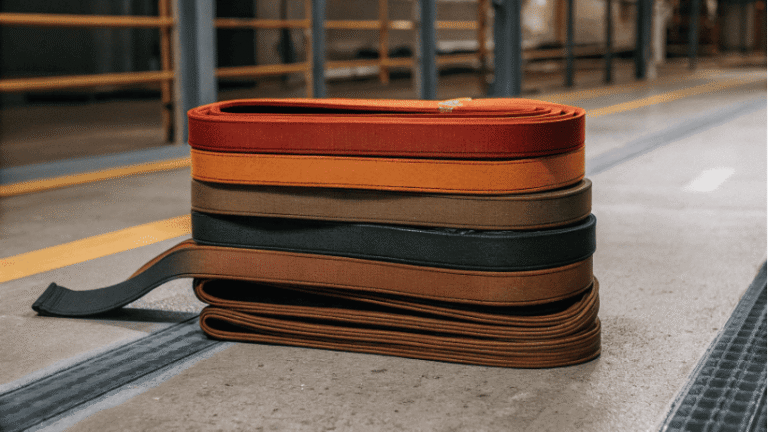
What materials are used for ribbon cutting?
Are you planning a production run for straps, labels, or decorative bows but feel unsure about which cutting technology matches your specific material? In the industrial manufacturing sector, failing to identify the chemical composition of your ribbon material is the number one cause of poor edge quality, burnt fabric, and wasted inventory.
The materials used for ribbon cutting generally fall into two categories: Thermoplastics (Synthetic) and Natural Fibers. The vast majority of industrial ribbon cutting involves synthetic materials like Polyester (PET), Nylon (Polyamide), and Polypropylene (PP) because they are "thermoplastic," meaning they can be melted and sealed by a hot knife to prevent fraying.
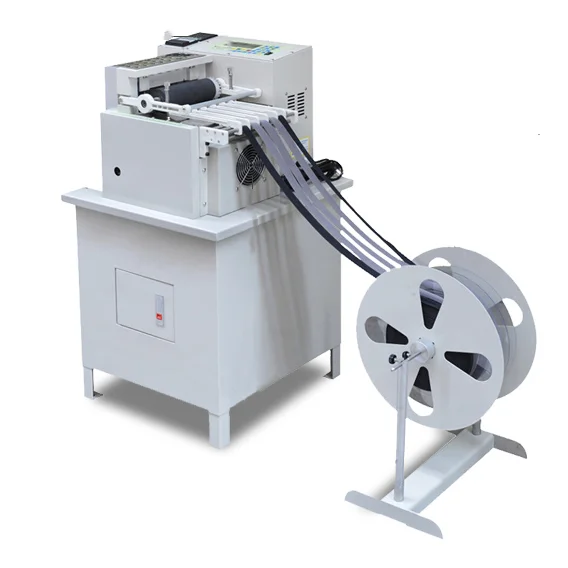
In this article, I will categorize the most common materials used in ribbon manufacturing and explain why the material composition dictates whether you need a Hot Knife (Thermal) or a Cold Knife (Mechanical) cutter. As an expert at HAOXINHE, I will help you match your material to the right machine.
What materials are used for ribbon cutting?
Do you know why your cotton tape unravels even after passing through a hot cutter, or why your nylon webbing turns black and hard at the edges? The confusion regarding material properties often leads factory managers to use the wrong settings or equipment, resulting in structural failures or aesthetically displeasing products that customers reject.
The specific materials used for ribbon cutting determine the processing method. Synthetic materials like Satin, Grosgrain (Polyester), and Nylon Webbing are ideal for "Hot Cutting" because they melt at temperatures between 200°C and 260°C to form a sealed edge. Natural materials like Cotton, Silk, or Jute cannot be heat-sealed; they must be "Cold Cut" and then sewn or glued.
Deep Dive: Analyzing Ribbon Materials for Automation
In my 12 years of OEM experience at HAOXINHE, I have tested thousands of material samples sent by clients from all over the world. The "cutability" of a ribbon is entirely dependent on its fiber composition.
To help you understand which machine you need, we must break down the materials into their specific industrial groups.
1. Polyester (PET) – The Industry Standard
Polyester is the most common material we see. It includes Satin ribbons, Grosgrain ribbons, and many garment labels.
- Why it works: Polyester has a melting point of around 250°C-260°C. It responds perfectly to a hot knife.
- The Result: When cut with a Cutopix automated machine, polyester forms a very small, smooth bead. It is not scratchy, making it perfect for clothing labels or gift packaging.
2. Nylon (Polyamide) – The Heavy Duty Choice
Nylon is often used for cargo straps, pet leashes, and military webbing because of its high tensile strength.
- The Challenge: Nylon melts at a lower temperature (around 220°C) but can oxidize quickly. If you cut it too hot or too slow, the edge becomes yellow or black (carbonized).
- The Solution: Cutting nylon requires a sharp, thin blade and precise temperature control. A "Cold Dwell" feature is often recommended to cool the blade slightly after the cut to prevent the edge from becoming brittle.
3. Polypropylene (PP) – The Economy Option
PP is lightweight and cheap, often used for disposable bag handles or light packaging.
- Characteristics: It has a low melting point (~160°C-170°C).
- Cutting Advice: It cuts very fast. However, because it melts so easily, it can leave "strings" or residue on the blade. Operators need to clean the blade more frequently when cutting PP webbing.
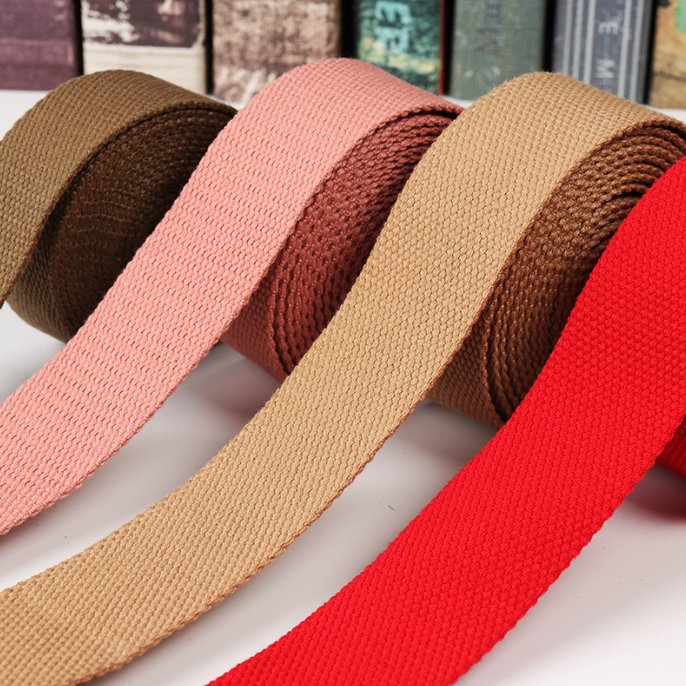
4. Natural Fibers (Cotton, Jute, Silk)
This is where many manufacturers make mistakes.
- The Physics: These materials are cellulose or protein-based. They do not melt; they burn and turn to ash.
- Processing: You cannot use a hot knife on 100% cotton tape. It will catch fire or leave a charred black edge that smudges. For these materials, you must use a Cold Knife (Guillotine) cutter. To prevent fraying, you must then fold and sew the edge, or apply liquid adhesive.
5. Specialty Composites (Velcro, Elastic, Reflective Tape)
- Velcro (Hook & Loop): Usually Nylon or Polyester base. Requires a heavy-duty blade to cut through the thick "hook" side without crushing it.
- Elastic: Contains rubber or spandex threads mixed with polyester. The challenge here is not the cutting, but the tension. If you stretch it during cutting, the length will be wrong. Our machines use "Pre-feeding" systems to relax the elastic before the blade touches it.
Material Selection & Machine Matching Table
Below is a guide to help you choose the right cutting method based on your material inventory.
| Material Type | Common Names | Composition | Recommended Cutting Method | Typical Melting Temp |
|---|---|---|---|---|
| Synthetic | Satin, Taffeta, Organza | Polyester / Acetate | Hot Knife (Light Duty) | 230°C – 260°C |
| Synthetic (Heavy) | Webbing, Seatbelt, Cargo Strap | Nylon / High-Tenacity PET | Hot Knife (Heavy Duty) | 215°C – 240°C |
| Synthetic (Elastic) | Braided Elastic, Knitted Elastic | Spandex + Polyester | Hot Knife + Tension Control | 200°C – 230°C |
| Synthetic (Plastic) | PP Webbing, Bag Handles | Polypropylene | Hot Knife (Low Temp) | 160°C – 175°C |
| Natural | Twill Tape, Canvas, Ribbon | 100% Cotton / Linen | Cold Knife Only | N/A (Burns) |
| Fastener | Velcro, Magic Tape | Nylon / Polyester Mix | Hot Knife (High Pressure) | 220°C – 250°C |
As you can see, "Ribbon" is a broad term. If you try to cut a cotton ribbon on a machine designed for nylon webbing, you will have a fire hazard. Conversely, if you cut nylon on a cold cutter designed for paper, you will have a fraying mess.
Conclusion
To summarize, the materials used for ribbon cutting are primarily synthetic thermoplastics like Polyester and Nylon which require Hot Knife Thermal Sealing to prevent fraying, while natural fibers like Cotton require Cold Cutting and secondary processing. Understanding your material’s chemical properties is the only way to select the correct automation equipment for your production line.
Call to Action (CTA)
Are you unsure if your specific ribbon material can be hot cut, or are you struggling to find the right temperature settings? Send your material samples to HAOXINHE for a comprehensive lab test. We will test your specific ribbon on our Cutopix machines, determine the optimal temperature and speed, and send you a video report along with the cut samples. Contact me at cherryhaoxinhesz@gmail.com or visit our website to request your free material test today.