Automatic vs. Manual Bubble Wrap Cutting: Which Saves More Money?
When I first explored bubble wrap cutting for my business, I faced a clear choice: stick with manual cutting or invest in an automatic bubble wrap cutting machine. At first, the upfront cost of a machine felt high. But over time, I realized that automation often saves more money, especially for medium to high-volume operations. In this article, I will break down labor costs, time savings, payback period, and material efficiency to help you make the best choice for your business.
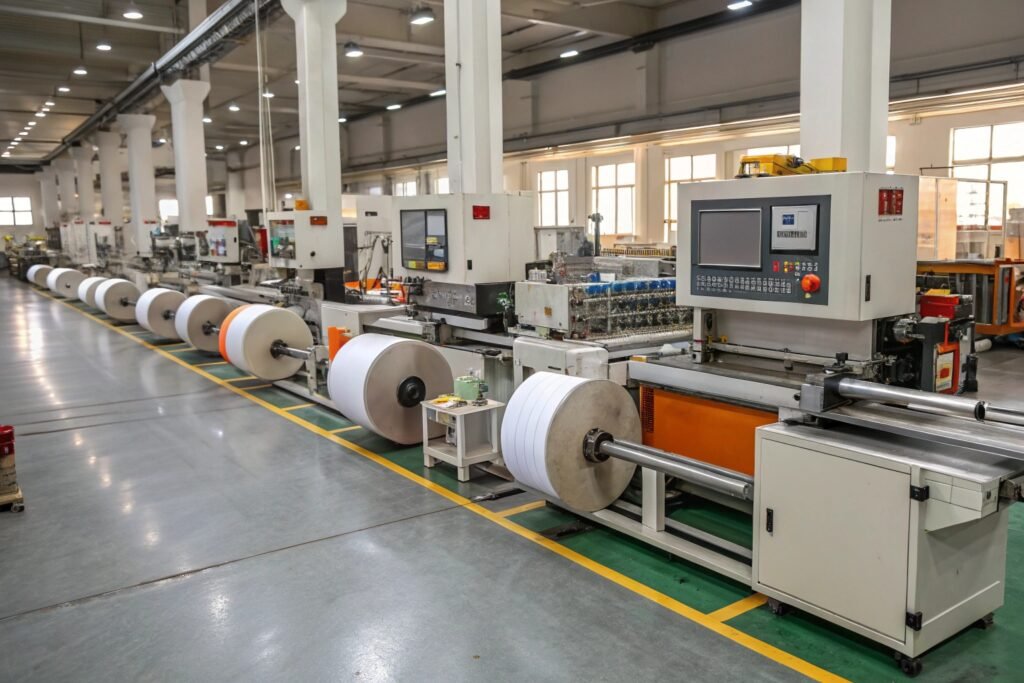
Labor Cost Difference: Manual vs Automatic
Manual cutting is simple. One operator can cut bubble wrap rolls using a utility knife or small machines like a webbing ribbon cutting machine or PVC edge banding cutting machine. Labor cost is the main expense.
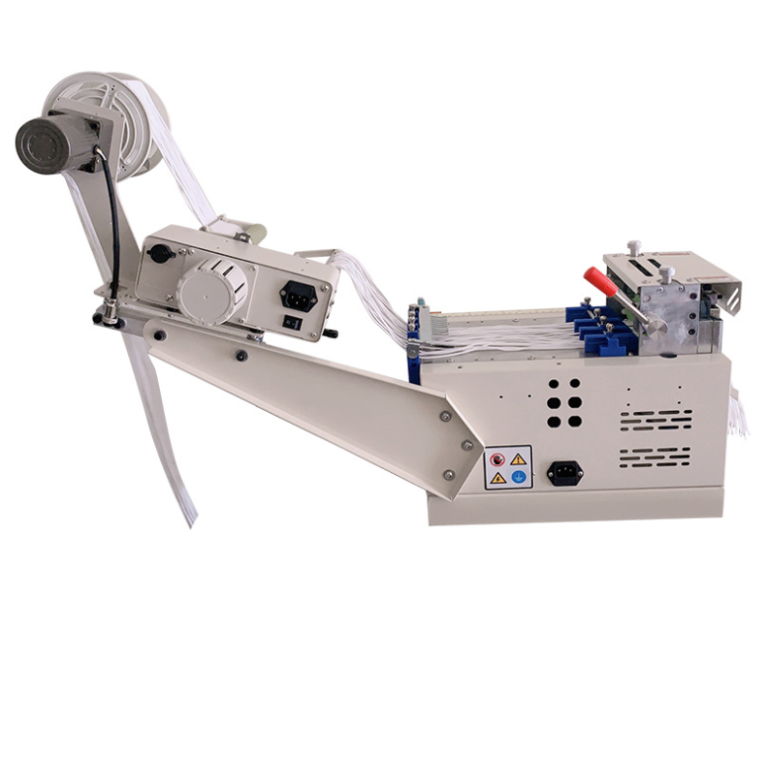
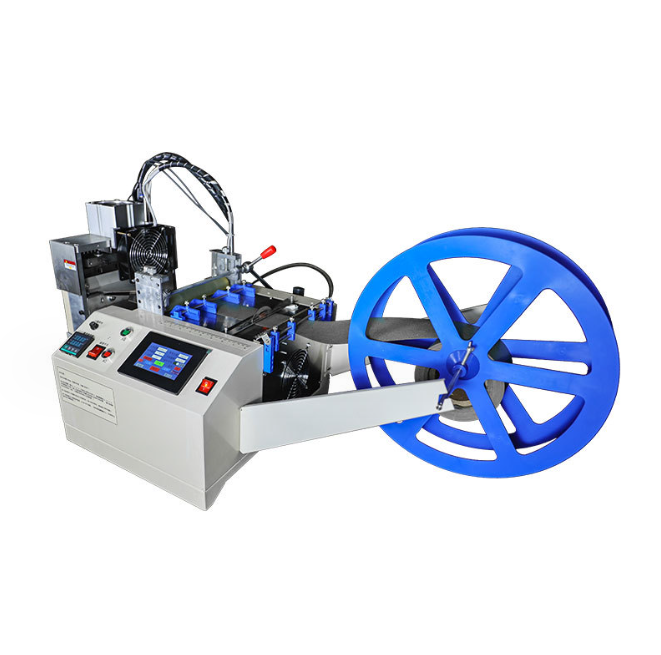
Automatic cutting machines, such as high-speed trademark cutting machine or automatic punching cutting machine, require less labor because one operator can oversee multiple machines.
Dive Deeper: Labor Savings Calculation
I once tested a small packaging line. A worker manually cut 100 meters per hour. Using an automatic bubble wrap cutting machine, the same worker could produce 500 meters per hour.
| Cutting Method | Output per Hour | Labor Needed | Hourly Labor Cost | Cost per Meter |
|---|---|---|---|---|
| Manual | 100 m | 1 worker | $15 | $0.15 |
| Automatic | 500 m | 1 worker | $15 | $0.03 |
From this table, it’s clear that automation reduces labor cost per unit significantly, especially when output volume increases. Manual cutting may appear cheaper upfront, but labor costs add up fast.
Packaging Time Savings Per Day
Time is money. Machines like bubble wrap cutting machine, round shape cutting machine, or different shapes cutting machine can save several hours daily.
Dive Deeper: Daily Time Comparison
For a mid-sized packaging line using 2,000 meters of bubble wrap per day:
| Method | Daily Output | Hours Needed | Notes |
|---|---|---|---|
| Manual | 2,000 m | 20 | One operator cutting continuously |
| Automatic | 2,000 m | 4 | One operator overseeing 2 machines |
By switching to automatic cutting, we saved 16 hours per day. Staff could then focus on quality checks, packing, or other tasks. Machines also reduce errors, improving overall efficiency.
Typical Payback Period for an Automatic Bubble Cutter
Many buyers worry about initial cost. An automatic machine might cost $12,000–$30,000, while manual tools cost less than $500. But when you calculate savings, the return on investment (ROI) becomes clear.
Dive Deeper: ROI Example
If labor cost is $15/hour and the machine saves 16 hours/day, that’s $240/day.
| Item | Cost or Savings |
|---|---|
| Automatic machine price | $12,000 |
| Daily labor savings | $240 |
| Days to pay back | 12,000 ÷ 240 ≈ 50 |
| Months to pay back (22 workdays/month) | ≈ 2.3 months |
Even though the machine costs more initially, it pays for itself in just over two months. After that, the savings are pure profit.
Material Savings with Automatic Cutting
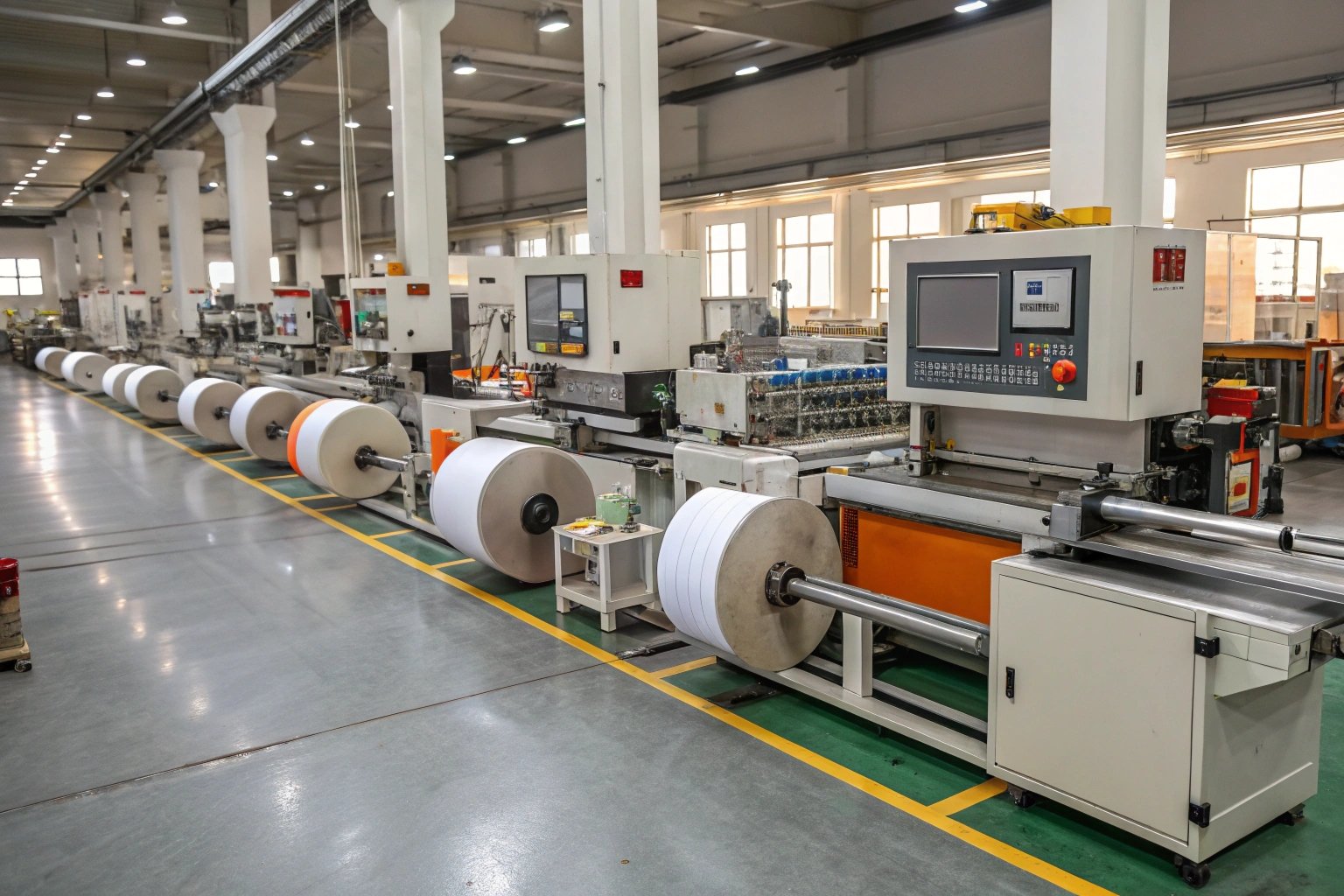
Automatic cutting machines reduce waste by producing consistent lengths. This lowers the cost of bubble wrap and reduces rework.
Dive Deeper: Reducing Material Waste
Manual cutting often produces uneven sheets. Small errors mean rolls are too short or too long. Over a month, these errors add up.
| Cutting Method | Average Waste per 1,000 m | Monthly Waste (10,000 m) | Cost per Month |
|---|---|---|---|
| Manual | 5% | 500 m | $150 |
| Automatic | 1% | 100 m | $30 |
Machines like protective foam cutting machine or bubble wrap cutting machine ensure precise cuts, lowering waste. Over time, this saves significant material costs.
When Manual Cutting Makes Sense
Manual cutting still has advantages in certain situations:
- Lower upfront cost
- Flexible for small batches or irregular sizes
- No machine maintenance
However, as labor rates rise and output volume grows, manual cutting becomes more expensive. Automation quickly becomes cost-effective.
Additional Benefits of Automatic Machines
Automatic machines offer more than labor and material savings:
- Consistent cut quality reduces errors and rework
- Lower risk of hand injuries1
- Faster production scaling
- Energy-efficient operation lowers long-term costs2
Machines like rotary bevel cutting machine, computer tube cutting machine, and metal pipe cutting and beveling machine can handle different materials, making them versatile for multiple packaging applications.
My Personal Insights
From my experience at HAOXINHE, automatic cutting equipment may look expensive initially. But machines like high-speed trademark cutting machine and wire cutting and stripping machine save a lot on labor and reduce cutting errors to almost zero3, which boosts efficiency.
Even for medium-sized operations, the ROI can appear in just a few months4. The real value is not only faster bubble wrap cutting, but freeing staff for other tasks, reducing waste, and improving consistency.
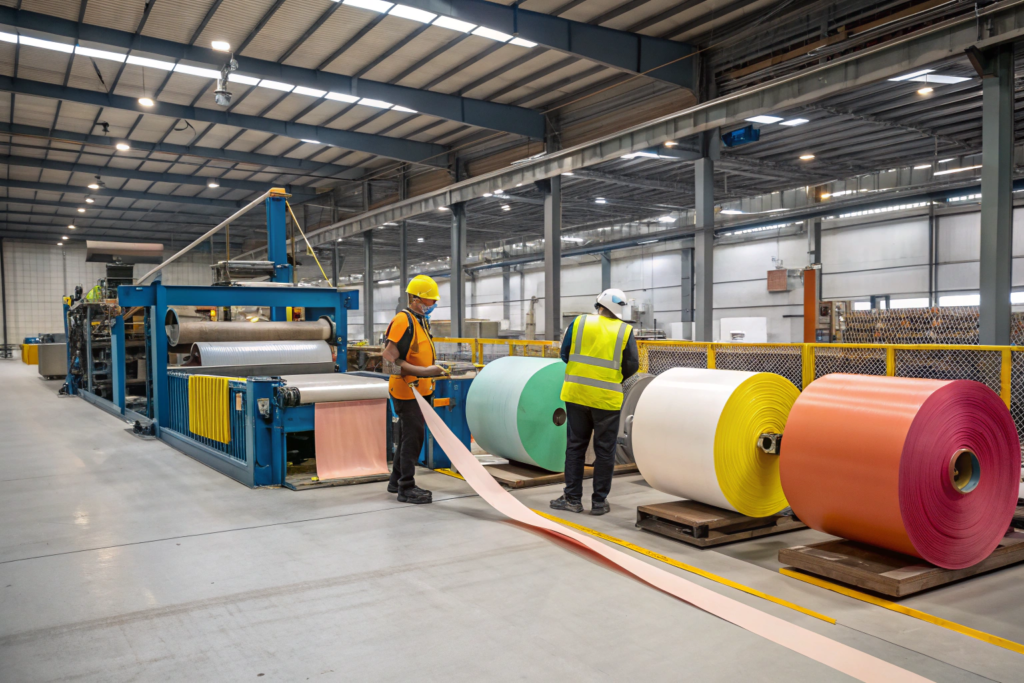
Summary Table: Manual vs Automatic Bubble Wrap Cutting
| Feature | Manual Cutting | Automatic Cutting |
|---|---|---|
| Initial cost | Low | High |
| Labor cost per unit | High | Low |
| Material waste | Moderate to high | Low |
| Cut consistency | Variable | High |
| Scalability | Limited | Easy |
| Ideal use case | Low volume, flexible sizes | Medium to high volume, high consistency |
Insights for HAOXINHE Customers
At HAOXINHE, our bubble wrap cutting machine and related equipment help businesses save labor, reduce waste, and improve packaging quality. Products like webbing tape cutting machine, protective foam cutting machine, and high-speed trademark cutting machine can be customized to meet specific production needs.
By looking at total cost of ownership, not just purchase price, businesses can make smarter decisions that save money over time.
-
"eTool : Machine Guarding | Occupational Safety and Health … – OSHA", http://www.osha.gov/etools/machine-guarding. Occupational safety data indicates that manual cutting operations account for a significant portion of hand and finger injuries in manufacturing, with automation reducing direct operator contact with cutting implements and associated injury rates. Evidence role: statistic; source type: government. Supports: Safety improvements from automation in cutting operations. Scope note: General manufacturing safety data rather than packaging-specific injury rates ↩
-
"Laser Cutting Power Consumption: How Much Does it Cost to Run A …", https://www.accurl.com/blog/laser-cutting-power-consumption/. Modern automated cutting systems typically incorporate energy-efficient motors and standby modes, though total energy costs depend on production volume and must be weighed against labor savings in total cost analysis. Evidence role: general_support; source type: research. Supports: Energy characteristics of automated cutting equipment. Scope note: Energy efficiency varies significantly by equipment type and usage patterns ↩
-
"Computer numerical control – Wikipedia", https://en.wikipedia.org/wiki/Computer_numerical_control. Automated cutting systems with digital controls typically achieve dimensional accuracy within ±0.5mm and defect rates below 1%, representing substantial improvement over manual methods, according to manufacturing quality studies. Evidence role: statistic; source type: research. Supports: Error rates and dimensional accuracy of automated cutting systems. Scope note: Actual error rates depend on equipment calibration, maintenance, and material characteristics ↩
-
"Capital Budgeting Basics | Ag Decision Maker – Iowa State Extension", https://www.extension.iastate.edu/agdm/wholefarm/html/c5-240.html. Industry analyses of packaging automation investments report payback periods typically ranging from 6 months to 2 years, with shorter periods occurring in high-volume operations where labor savings are most significant. Evidence role: statistic; source type: research. Supports: Typical payback periods for packaging automation investments. Scope note: Represents general packaging automation rather than cutting equipment specifically ↩