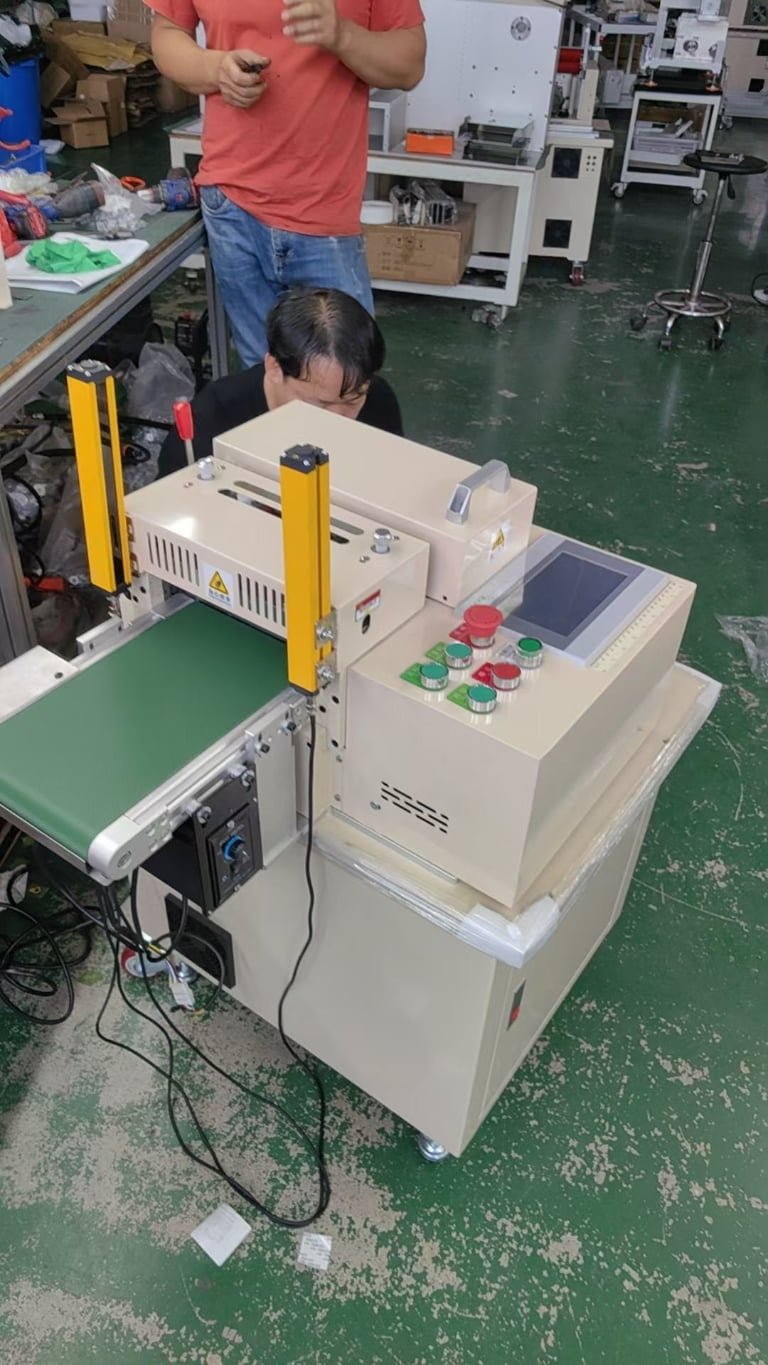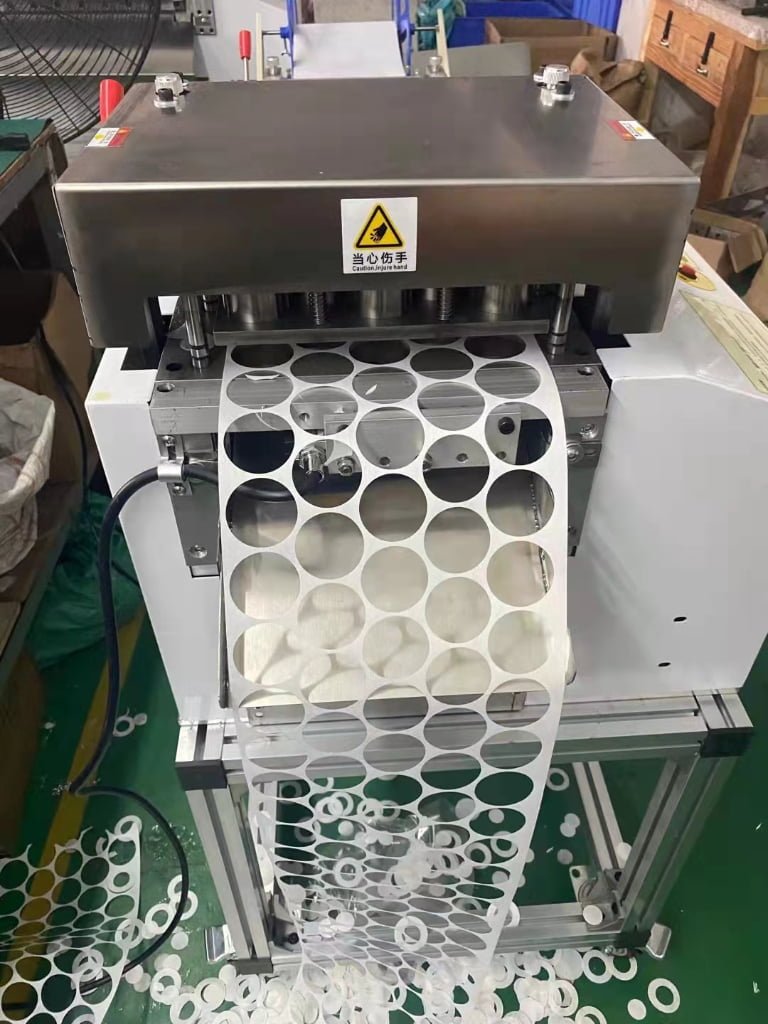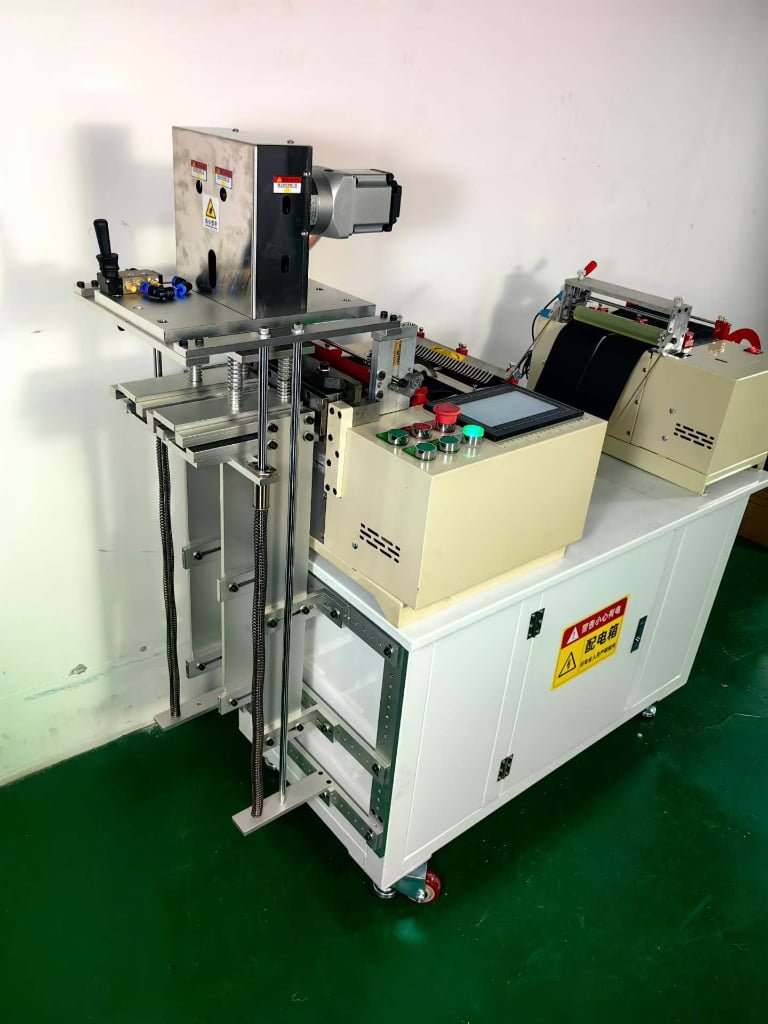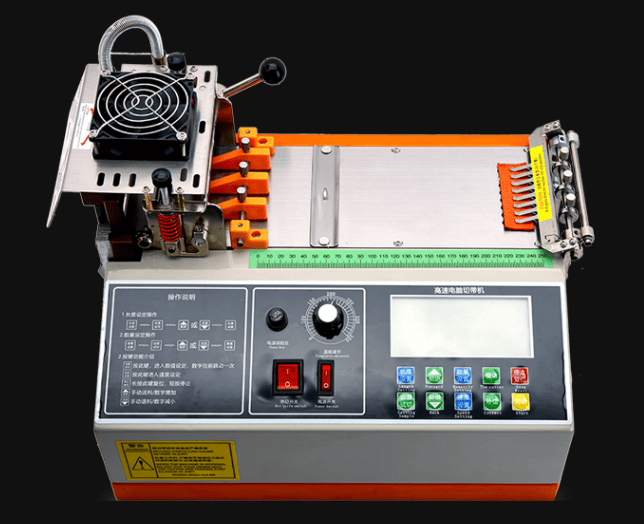
What Are the Common Quality Issues With Automatic Webbing Angle Cutting Machines?
When customers invest in an automatic webbing angle cutting machine, they usually expect three things: clean cutting edges, accurate angles, and stable cutting lengths1. These three points directly influence production efficiency, product appearance, and customer satisfaction.
However, during daily production, some factories may experience problems such as cutting burrs, angle deviation, inconsistent lengths, melted edges, or unstable output. These problems are common in many cutting applications, including webbing, ribbons, labels, straps, textile materials, and industrial fabrics.
From my experience in the cutting machine industry, most quality problems do not come from one single reason. They usually happen because of several factors working together, including blade condition, feeding accuracy, machine adjustment, material characteristics, operator skills, and maintenance2.
A high-quality automatic webbing angle cutting machine should not only cut materials quickly. It should also maintain stable quality during long working hours.
For factories producing safety belts, bags, pet products, harnesses, packaging materials, and textile accessories, even a small cutting error can create large production losses. A few millimeters of length difference or an incorrect angle can cause assembly problems and customer complaints.
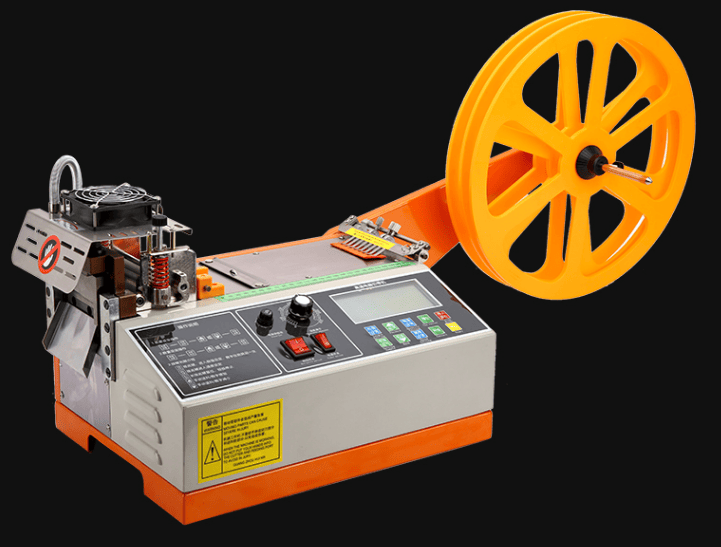
What are the most common quality problems with automatic webbing angle cutting machines?
The most common quality issues can be divided into five main categories:
| Quality Problem | Common Cause | Production Result |
|---|---|---|
| Cutting burrs or rough edges | Dull blade, wrong temperature, poor cutting setting | Poor appearance and extra trimming work |
| Angle deviation | Blade alignment problem or mechanical adjustment error | Incorrect product shape |
| Inconsistent lengths | Feeding system problems or sensor errors | Different product sizes |
| Burned or melted edges | Incorrect hot knife temperature | Damaged material surface |
| Machine stopping or unstable operation | Electrical or mechanical problems | Lower production efficiency |
These problems can happen on different types of equipment, including:
- Automatic webbing angle cutting machine
- Webbing tape cutting machine
- Hot and cold cutting machine
- High-speed trademark cutting machine
- Automatic punching cutting machine
- Round shape cutting machine
- Rotary bevel cutting machine
- Different shapes cutting machine
- Webbing ribbon cutting machine
Each machine has different functions, but the basic quality control principles are similar.
A reliable machine should help operators reduce manual adjustment and maintain stable production quality.
Why do cutting burrs appear on automatic webbing angle cutting machines?
Cutting burrs are one of the most common complaints from factories3. Burrs usually appear as rough edges, loose fibers, uneven surfaces, or unfinished cuts.
For webbing and ribbon materials, clean edges are especially important because these products are often visible to end customers.
For example, a luggage strap manufacturer needs smooth edges because rough cutting can affect product appearance. A safety belt factory needs accurate cutting because edge quality can influence further sewing and assembly.
Main reasons for cutting burrs
| Cause | Explanation | Solution |
|---|---|---|
| Dull cutting blade | The blade cannot cut fibers cleanly | Replace or sharpen blade |
| Wrong blade type | Blade does not match material | Select suitable cutting system |
| Incorrect cutting speed | Machine moves too fast for material | Adjust speed parameters |
| Poor material tension | Material moves during cutting | Improve feeding and fixing |
| Wrong hot knife temperature | Heat is too low or too high | Adjust temperature |
The cutting blade is one of the most important parts of the machine. A damaged or worn blade creates more pressure during cutting. Instead of making a clean cut, the blade pushes and pulls the material, creating rough edges.
For hot cutting machines, temperature control is also important. If the temperature is too low, synthetic webbing may not seal properly. If the temperature is too high, the edge may become burned or sticky.
A professional machine supplier should help customers select the correct cutting method based on material type.
For example:
| Material | Recommended Cutting Method |
|---|---|
| Polyester webbing | Hot knife or ultrasonic cutting |
| Cotton tape | Cold cutting or special blade cutting |
| Nylon strap | Hot cutting with temperature control |
| Plastic sheet | Cold blade or special cutting system |
| Foam material | Dedicated foam cutting solution |
At HAOXINHE, I focus on matching machine functions with customer materials because different materials require different cutting solutions.
How can angle deviation problems be eliminated?
Angle accuracy is one of the most important functions4 of an automatic webbing angle cutting machine.
Many products require special angles instead of simple straight cuts. Examples include:
- Safety straps
- Bag handles
- Decorative ribbons
- Labels
- Industrial belts
When the cutting angle is incorrect, the final product may not fit during assembly.
Common reasons for angle deviation
1. Blade alignment problems
The cutting blade must stay in the correct position. If the blade becomes loose or the machine is not adjusted properly, the cutting angle can change.
2. Mechanical wear
After long-term operation, some parts may develop small gaps. These gaps can affect cutting accuracy.
3. Incorrect machine settings
Modern machines use digital controls. Wrong angle parameters can create repeated errors.
| Problem | Effect | Improvement |
|---|---|---|
| Loose blade holder | Angle changes during cutting | Tighten and check parts |
| Worn transmission parts | Movement becomes unstable | Replace damaged parts |
| Wrong software settings | Incorrect angle output | Check parameters |
| Poor material positioning | Material shifts | Improve fixing system |
A good automatic webbing angle cutting machine should have a stable positioning system. The material should stay fixed during cutting so the blade can create the same angle repeatedly.
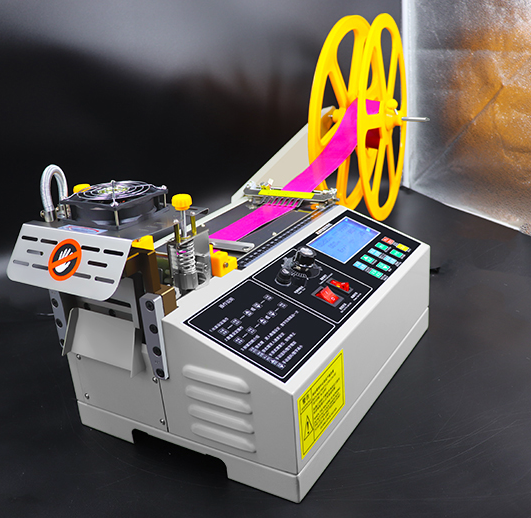
Why are webbing cutting lengths inconsistent?
Length accuracy is another important quality standard for factories.
Customers often order thousands or millions of pieces. If every piece does not have the same length, production problems can happen later.
Common examples include:
- Different strap lengths
- Uneven ribbon pieces
- Incorrect label sizes
- Assembly difficulties
Main causes of inconsistent lengths
| Cause | Problem |
|---|---|
| Material slipping during feeding | Length becomes different |
| Sensor error | Machine stops at wrong position |
| Incorrect parameter setting | Wrong cutting size |
| Roller wear | Feeding distance changes |
| Operator mistake | Wrong production setup |
The feeding system plays a major role in length accuracy.
A good machine needs:
- Stable feeding rollers5
- Accurate sensors
- Reliable motor control
- Easy parameter adjustment
For high-volume factories, a high-speed trademark cutting machine or automatic cutting system must maintain accuracy even at high production speed.
This is why professional buyers should test machines before purchase. A machine may look fast, but stable accuracy is more important than only speed.
How do hot knife problems affect cutting quality?
Many webbing materials are synthetic fibers. They need heat cutting to prevent edge fraying.
A hot knife system can provide clean sealing, but incorrect temperature control can create problems.
Common hot knife problems
| Problem | Cause | Result |
|---|---|---|
| Low temperature | Insufficient heating | Material does not seal |
| High temperature | Excessive heat | Burn marks or melting |
| Unstable heating | Electrical issue | Different cutting quality |
| Dirty knife surface | Material buildup | Poor cutting result |
A good hot and cold cutting machine should provide stable temperature control.
Cooling design is also important6 because long production hours create heat. Proper heat management protects electronic components and keeps cutting quality stable.
How does maintenance improve cutting quality?
Many cutting problems can be prevented with simple maintenance.
Factories should create a regular inspection system.
Daily maintenance
| Task | Purpose |
|---|---|
| Clean cutting area | Remove waste materials |
| Check blade condition | Maintain sharp cutting |
| Check machine sound | Find early problems |
| Clean sensors | Maintain accuracy |
Weekly maintenance
| Task | Purpose |
|---|---|
| Check screws | Prevent vibration |
| Lubricate moving parts | Reduce wear |
| Check feeding system | Maintain length accuracy |
Monthly maintenance
| Task | Purpose |
|---|---|
| Inspect electrical system | Prevent sudden stops |
| Check motors | Maintain stable movement |
| Review cutting quality | Find repeated problems |
Maintenance is not only about repairing machines. It is about preventing quality problems before they affect production.
How should buyers choose a reliable automatic webbing angle cutting machine supplier?
When purchasing industrial cutting equipment, buyers should evaluate more than price.
A reliable supplier should provide:
| Evaluation Point | Why It Matters |
|---|---|
| Factory experience | Shows production ability |
| Machine testing | Reduces delivery problems |
| Spare parts support | Helps long-term operation |
| Technical communication | Improves installation |
| Custom solutions | Matches different materials |
Many international buyers from Europe, North America, and Southeast Asia need suppliers who understand export requirements.
They need:
- Stable production time
- Clear technical information
- Reliable certificates
- Fast communication
- Long-term support
A good supplier should become a production partner, not only a machine seller.
HAOXINHE Insights: How I help customers avoid cutting quality problems
At HAOXINHE, I understand that customers buy cutting machines because they need stable production results.
My company focuses on manufacturing professional cutting equipment for global markets.
I provide solutions for industries such as:
- Packaging
- Printing labels
- Textile products
- Pet products
- Plastic materials
- Industrial straps
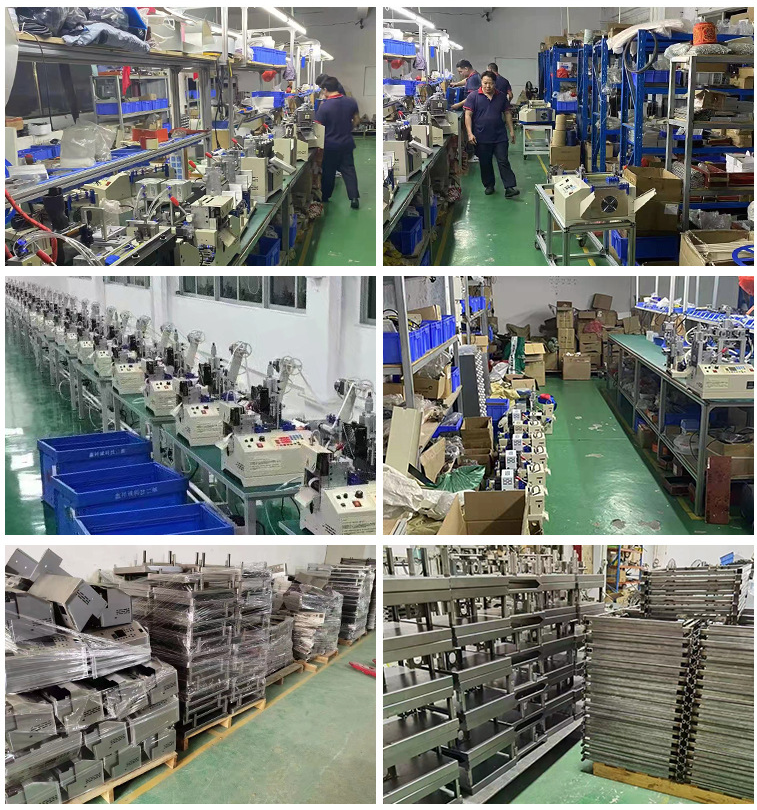
I operate a factory with five production lines, and I focus on quality control during manufacturing.
| HAOXINHE Advantage | Customer Benefit |
|---|---|
| Professional machine design | Stable cutting performance |
| Customization ability | Suitable for different materials |
| Factory production control | Better delivery reliability |
| Export experience | Easier international cooperation |
| Technical support | Faster problem solving |
I know that customers do not only need a machine. They need confidence that the machine can keep producing good products every day.
My goal is to provide automatic cutting equipment that reduces production problems, improves efficiency, and supports long-term business growth.
Conclusion
The common quality issues of automatic webbing angle cutting machines include cutting burrs, angle deviation, inconsistent lengths, heating problems, and unstable operation.
Most problems can be solved through proper machine selection, correct settings, regular maintenance, and reliable supplier support.
A professional automatic webbing angle cutting machine should provide accurate cutting, stable performance, and long service life.
At HAOXINHE, I continue improving my cutting equipment to help customers achieve better production quality and stronger business results.
-
"Relationship between product quality and customer satisfaction", https://scholarworks.waldenu.edu/cgi/viewcontent.cgi?article=2402&context=dissertations. Studies on manufacturing processes indicate that cutting precision and edge quality significantly affect production efficiency and customer satisfaction by reducing rework and improving product aesthetics. Evidence role: general_support; source type: research. Supports: The connection between cutting quality and its influence on production efficiency, product appearance, and customer satisfaction.. Scope note: The support may vary depending on the specific industry or material being processed. ↩
-
"Methodology for Evaluating the Cutting Force of Planar … – PMC", https://pmc.ncbi.nlm.nih.gov/articles/PMC8704524/. Studies on manufacturing quality control show that factors like blade condition, feeding accuracy, and operator skills collectively influence cutting outcomes. Evidence role: mechanism; source type: research. Supports: The multifactorial nature of quality problems in cutting processes.. Scope note: The relative importance of each factor may vary depending on the specific machine and material. ↩
-
"Analysis of the effects of process parameters on exit burrs …", https://www.sciencedirect.com/science/article/abs/pii/S0924013608003683. Industrial studies report that cutting burrs, characterized by rough edges and loose fibers, are a common defect in manufacturing processes. Evidence role: statistic; source type: research. Supports: The frequency and characteristics of cutting burrs in industrial applications.. Scope note: The prevalence may vary depending on the type of cutting machine and material used. ↩
-
"An Overview of Angle Deviations of Fiber-Reinforced Polymer … – PMC", https://pmc.ncbi.nlm.nih.gov/articles/PMC10343350/. Studies in manufacturing processes highlight that precise angle cuts are essential for the assembly of products like safety straps and decorative ribbons. Evidence role: general_support; source type: research. Supports: The importance of angle accuracy in industrial cutting and its impact on product assembly.. Scope note: The criticality of angle accuracy may depend on the specific product design and application. ↩
-
"Why Is Accuracy and Precision Crucial in Industrial Automation?", https://blogs.bu.edu/jpark3/article-309/. Technical studies on cutting machines emphasize that stable feeding systems and precise sensors are critical for achieving consistent cutting accuracy. Evidence role: mechanism; source type: research. Supports: The role of stable feeding rollers and accurate sensors in maintaining cutting precision.. Scope note: The effectiveness of these features may depend on the specific machine design and application. ↩
-
"(PDF) The Effects of Heat on Electronic Components", https://www.academia.edu/33332385/The_Effects_of_Heat_on_Electronic_Components. Studies on industrial machinery indicate that effective cooling systems prevent overheating, which can degrade electronic components and cutting performance. Evidence role: mechanism; source type: research. Supports: The role of cooling design in protecting electronic components and ensuring stable cutting quality.. Scope note: The specific cooling requirements may vary based on machine type and production conditions. ↩