How Can an Automatic Roll to Sheet Cutting Machine Reduce Material Waste?
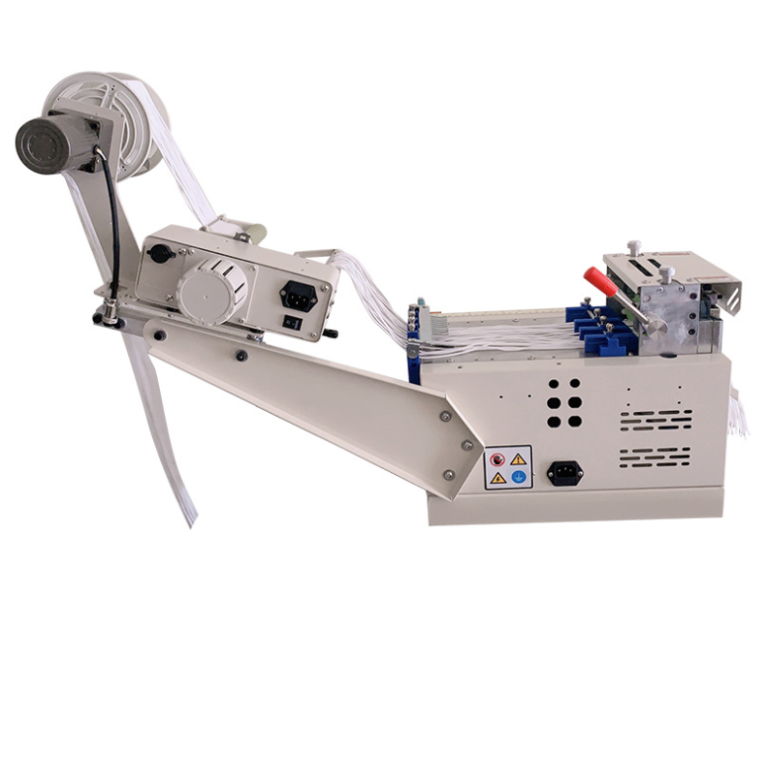
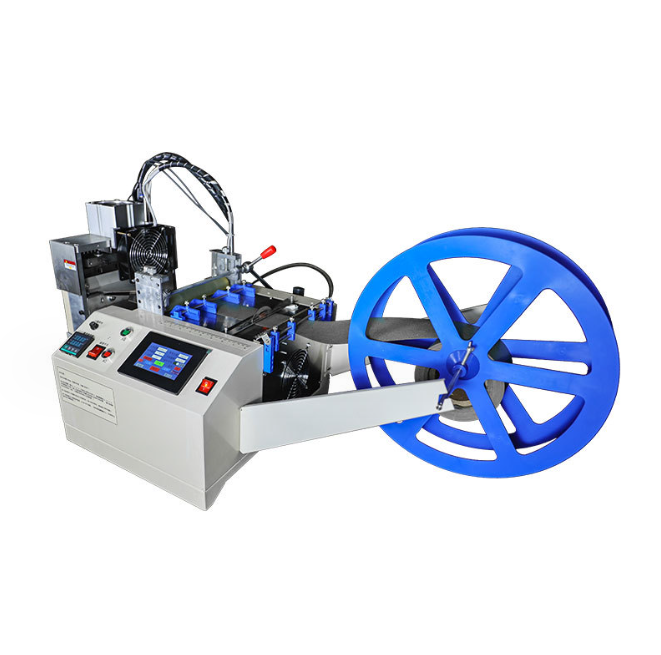
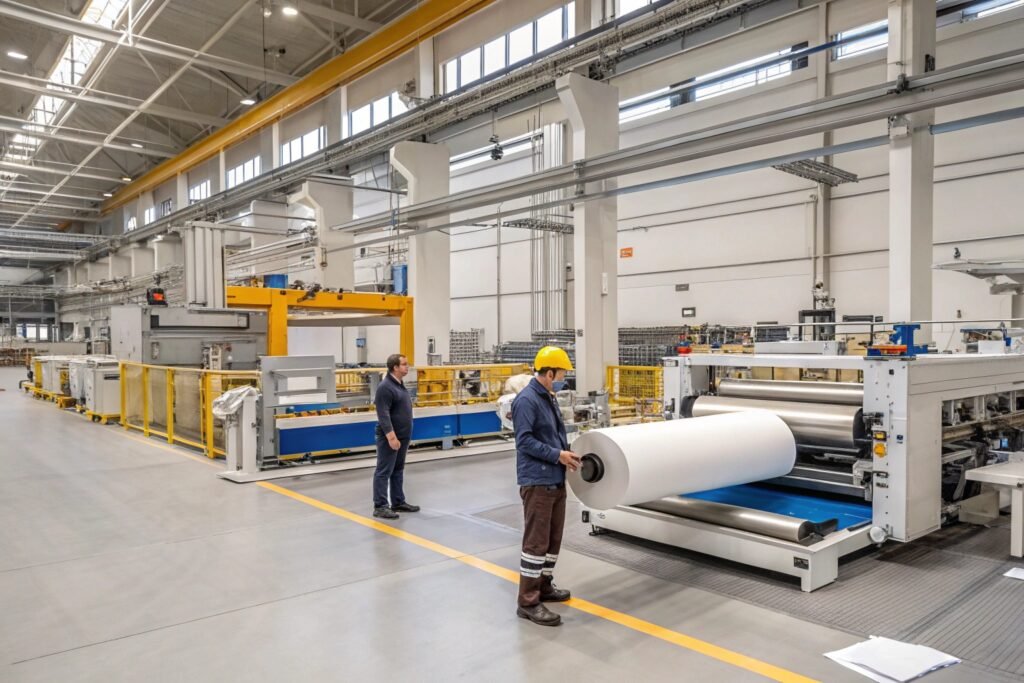
An automatic roll to sheet cutting machine reduces material waste by using automatic feeding, exact length control, stable tension, better alignment, sensor detection, and repeatable blade movement. I use this kind of machine to cut roll materials into accurate sheets, so I can reduce offcuts, skewed edges, wrinkles, repeated trimming, and handling mistakes.
-
Control material accurately. Use automatic feeding, servo length control, and alignment systems to maintain consistent sheet size and straight cuts.
-
Prevent defects during production. Apply tension control and sensor detection to reduce wrinkles, feed drift, and miscuts before waste accumulates.
-
Eliminate downstream losses. Use programmable quantities, precise blade positioning, and automatic stacking to avoid overproduction, rework, and handling damage.
Which Precision Control Technologies Help Maximize Material Utilization?
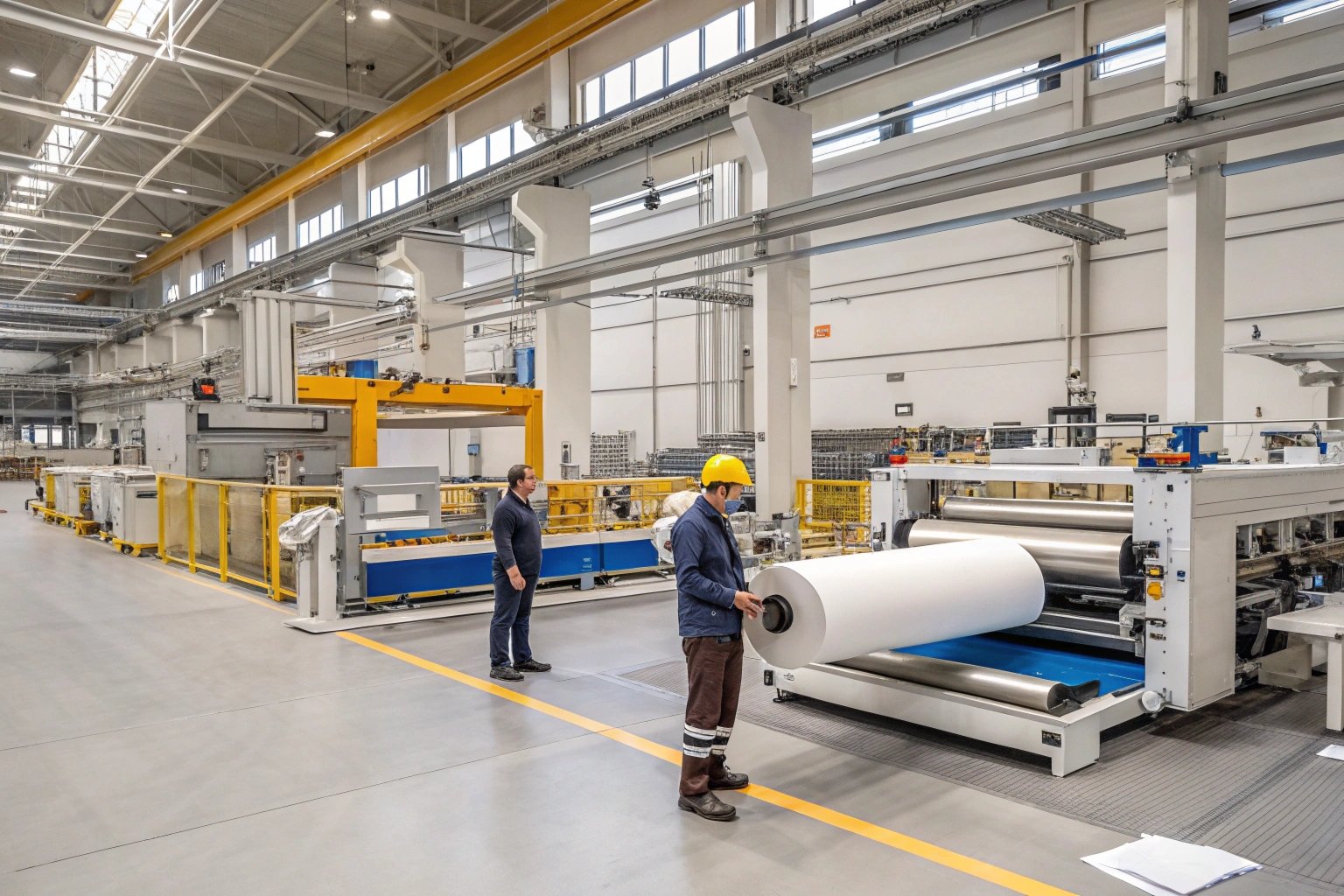
When I look at material waste, I do not only look at the blade. I look at the full cutting process. A roll material can be wasted before the blade even touches it. It can be wasted during feeding. It can be wasted when the tension is unstable. It can be wasted when the material moves left or right. It can also be wasted after cutting, because poor stacking can damage finished sheets.
In my experience, the best waste reduction comes from the combination of accurate feeding, sensor control, stable tension, and consistent blade movement. One technology alone can help. But several technologies working together can bring better results in long production runs.
Key Precision Technologies That Reduce Waste
| Technology | What It Controls | How It Reduces Waste |
|---|---|---|
| Automatic feeding system | Material feed length | Reduces manual measuring errors |
| Servo motor length control | Cut size accuracy | Keeps each sheet the same length |
| Alignment guide system | Material direction | Prevents skewed cuts and uneven edges |
| Automatic tension control | Roll tension | Reduces wrinkles and feed drift |
| Sensor detection | Misfeed and defects | Stops waste before it spreads |
| Programmable control panel | Cut length and quantity | Produces only what is needed |
| Automatic stacking and counting | Finished sheets | Reduces handling damage and counting mistakes |
Automatic Feeding Reduces Manual Measuring Errors
Manual feeding often creates hidden waste. A worker may measure the roll material by hand. The worker may pull too much material. The worker may cut a little longer “just to be safe.” This small extra length can become a large waste when the factory cuts thousands of sheets each day.
With an automatic roll to sheet cutting machine, I can set the cut length on the control panel. The machine feeds the material by itself. The feeding system sends the material forward at a stable distance each time. This makes the cut length more repeatable. It also reduces human error.
For example, if each sheet is 1 mm longer than needed, the loss may look small. But if I cut 20,000 sheets, the extra material becomes 20 meters. That is a full roll section in many production cases. For expensive film, paper, label material, foam, PVC edge banding, or protective packaging material, this waste can cost a lot.
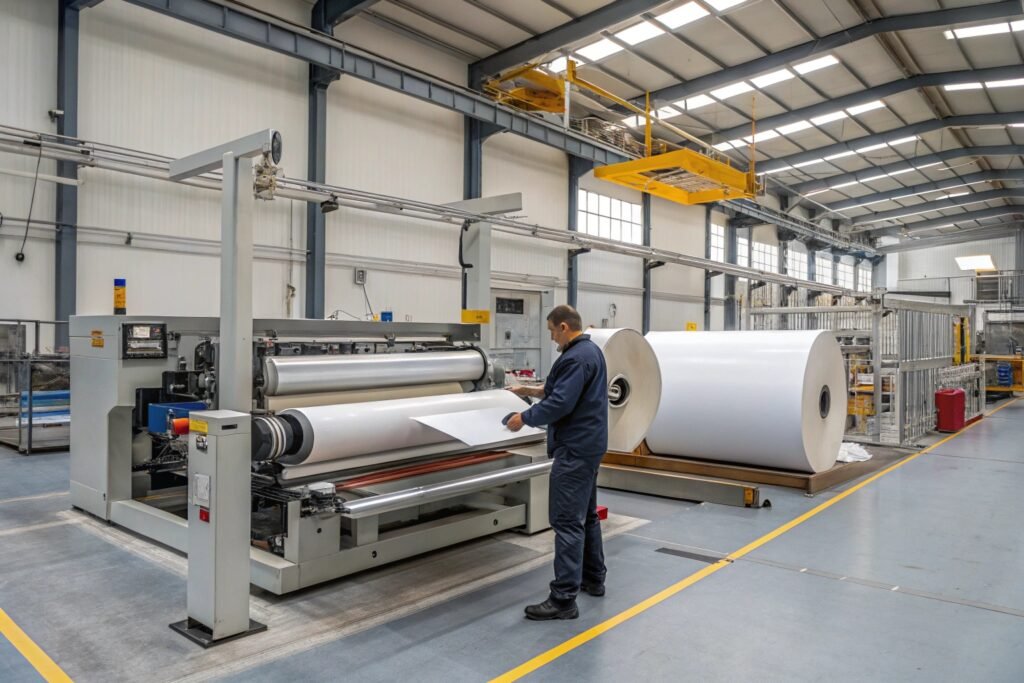
This is why exact length control is important for many machines, such as a webbing tape cutting machine, webbing ribbon cutting machine, bubble wrap cutting machine, PVC edge banding cutting machine, and protective foam cutting machine.
Consistent Cutting Angles Improve Usable Output
A sheet is not useful only because the length is correct. The angle also matters. If the cut angle is not straight, the sheet may have a slanted edge. A slanted edge can create problems in printing, packing, lamination, labeling, or later die cutting.
I have seen cases where a customer thought the machine was wasting material because the length was wrong. After checking the machine, the real issue was cutting angle. The feeding was close, but the blade movement was not stable. The result was uneven sheets. The customer had to trim the edges again. This extra trimming created more waste.
A good automatic roll to sheet cutting machine uses stable blade movement and proper material fixing. The blade cuts in the same position again and again. This helps the factory get more usable sheets from each roll.
| Cutting Problem | Waste Result | Precision Solution |
|---|---|---|
| Slanted cut | Sheets need trimming | Stable blade positioning |
| Uneven edge | Material may be rejected | Accurate cutting guide |
| Blade shift | Repeated rework | Strong mechanical structure |
| Poor pressure | Frayed or rough edge | Proper blade setting |
Better Alignment Prevents Skewed Cuts
Roll material can drift during feeding. It may move slightly to the left or right. This is common with paper film, label stock, plastic film, foam, webbing tape, and other flexible materials. If the machine does not guide the material well, the cut sheets may become skewed.
A skewed cut is a serious waste problem. It can make the sheet size wrong. It can also create uneven borders. For printed materials, it can cut into the design area. For packaging materials, it can make the final product look low quality.
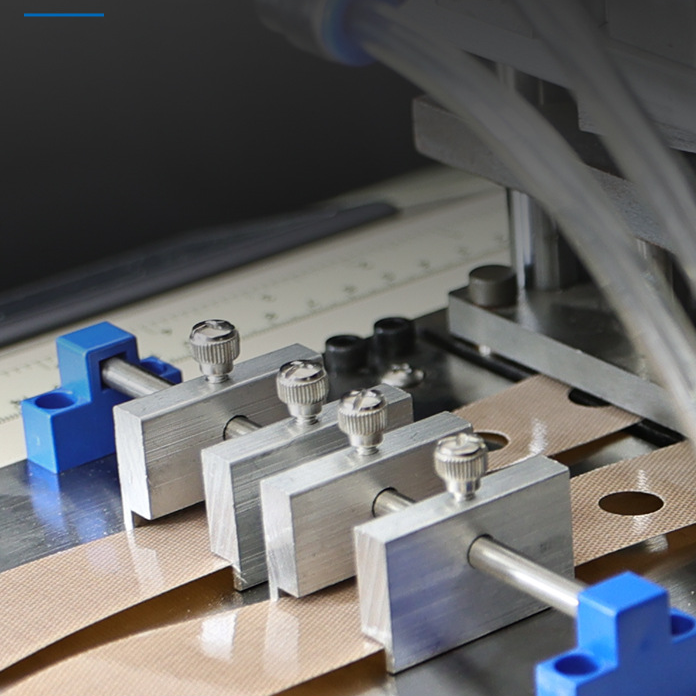
A better alignment system keeps the roll material in the correct path. Side guides, feeding rollers, pressure rollers, and sensors can work together to control the material direction. This is especially useful for high-volume production.
I pay close attention to alignment when I recommend machines like a high-speed trademark cutting machine, automatic punching cutting machine, different shapes cutting machine, and round shape cutting machine. These machines often need accurate positioning because the final shape or hole position must match the customer’s design.
Automatic Tension Control Reduces Wrinkles
Tension control is one of the most important parts of waste reduction. If the roll is too tight, the material may stretch. If the roll is too loose, the material may wrinkle, slip, or feed unevenly. Both problems can create wrong cuts.
Automatic tension control helps the material move smoothly from the roll to the cutting area. It keeps the material flat. It also reduces feed drift. This is very useful for thin films, paper film, label rolls, soft foam, bubble wrap, and flexible plastic sheets.
When tension is stable, the machine can cut more accurately. The material does not move randomly. The blade lands in the right place. The finished sheet looks cleaner.
Sensors Detect Problems Early
Sensors help the machine stop small problems before they become big waste. A sensor can detect misfeeding, missing material, mark position, material edge, or certain defects. When the machine finds a problem early, it can stop or alert the operator.
This is important because waste can grow very fast in automatic production. If a machine runs at high speed with a feeding problem, it may create many bad sheets in a short time. Sensors reduce this risk.
| Sensor Function | Problem It Finds | Waste It Prevents |
|---|---|---|
| Mark sensor | Wrong printed mark position | Mis-cut printed sheets |
| Edge sensor | Material side drift | Skewed sheets |
| Feed sensor | Wrong feeding distance | Wrong size sheets |
| Defect detection | Visible material problem | Bad sheets entering production |
| Counting sensor | Wrong quantity | Overproduction or shortage |
Programmable Cut Lengths Avoid Overproduction
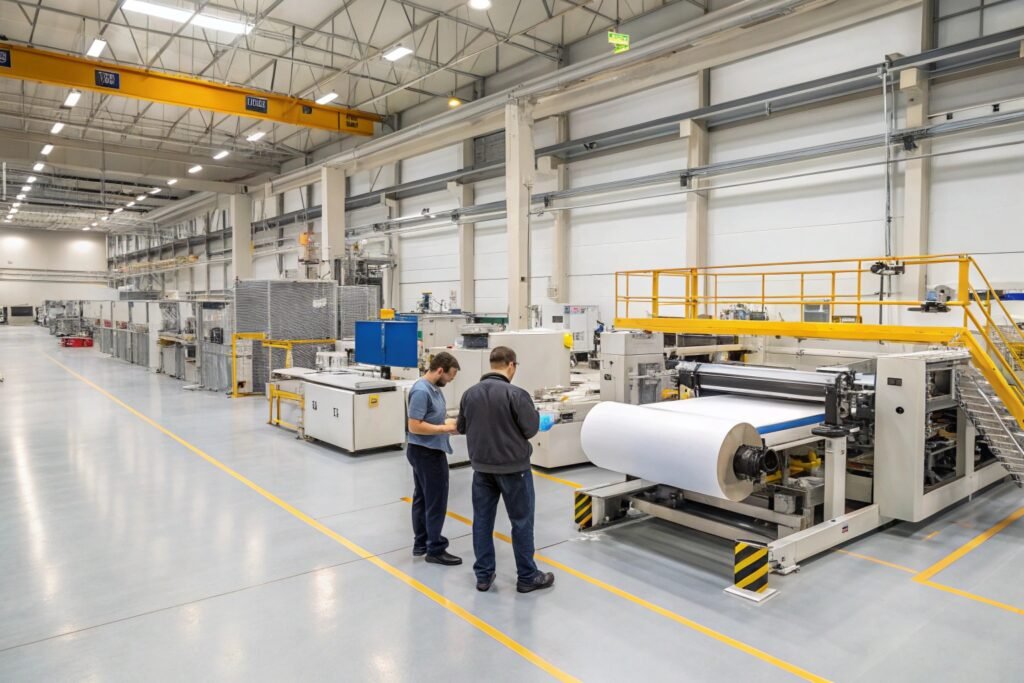
Programmable control makes production more exact. I can set the sheet length, cutting quantity, speed, and sometimes cutting mode. This helps me produce only the number of sheets needed.
This matters because overproduction is also waste. If a factory cuts too many sheets, those extra sheets may sit in storage. They may get dusty, bent, or outdated. For custom orders, extra sheets may not be useful for the next customer.
With programmable settings, the operator can follow the order quantity more closely. This is useful for B2B orders, wholesale production, and custom packaging jobs. It also helps factories manage different materials and sizes with less confusion.
Precise Blade Positioning Reduces Rework
A blade that cuts in the wrong position creates waste. The operator may need to trim the material again. Some sheets may be rejected directly. This increases labor cost and material loss.
Precise blade positioning helps every cut land in the planned place. It also improves the edge quality. For many materials, a clean edge is not only about appearance. It can affect later packing, printing, sealing, or assembly.
This is why blade control matters for machines like a hot and cold cutting machine, rotary bevel cutting machine, computer tube cutting machine, wire cutting and stripping machine, and metal pipe cutting and beveling machine. Different materials need different cutting methods, but the goal is the same. The machine must cut accurately and repeatably.
Automatic Stacking and Counting Reduce Handling Mistakes
Waste does not stop at the cutting blade. Finished sheets can also be damaged during collection. If workers handle sheets by hand, they may bend corners, scratch surfaces, mix quantities, or drop materials.
Automatic stacking and counting can reduce these mistakes. The machine can collect sheets in a more orderly way. It can also count the output more accurately. This helps the operator pack the right quantity and avoid unnecessary rechecking.
For customers in the packaging industry, packaging label industry, paper printing industry, plastic chemical industry, and pet product industry, clean stacking is important. The finished sheet must be easy to pack, ship, and use in the next process.
Where the Biggest Waste Savings Come From
The biggest waste savings usually come from a complete system, not from one single part. A machine can have a sharp blade, but it may still waste material if feeding is poor. A machine can feed well, but it may still waste material if tension is unstable. A machine can cut fast, but it may waste more if sensors cannot catch problems early.
| Waste Source | Best Control Method | Result |
|---|---|---|
| Manual measuring error | Automatic feeding | More accurate length |
| Skewed material | Alignment system | Straighter sheets |
| Wrinkles | Tension control | Cleaner feeding |
| Wrong cut position | Blade positioning | Less trimming |
| Misfeed | Sensors | Early problem detection |
| Overproduction | Programmable quantity | Less unused stock |
| Handling damage | Automatic stacking | Fewer rejected sheets |
From my view, a good automatic roll to sheet cutting machine should help the factory save material in every step. It should control feeding. It should keep the material straight. It should manage tension. It should cut at the right angle. It should detect problems early. It should stack and count finished sheets well.
HAOXINHE Insights
At HAOXINHE, I focus on cutting machines that help factories improve accuracy, reduce waste, and keep production stable. Our products include automatic roll to sheet cutting machines, webbing tape cutting machines, hot and cold cutting machines, high-speed trademark cutting machines, automatic punching cutting machines, round shape cutting machines, rotary bevel cutting machines, different shapes cutting machines, computer tube cutting machines, wire cutting and stripping machines, metal pipe cutting and beveling machines, webbing ribbon cutting machines, bubble wrap cutting machines, PVC edge banding cutting machines, and protective foam cutting machines.
I know many buyers care about quality control, delivery time, certification, logistics, and payment safety. So I do not only look at the machine price. I also look at whether the machine can help the buyer reduce long-term waste and improve production yield.
For a factory buyer, material waste is not a small detail. It affects profit every day. A stable machine can save material, labor, time, and customer trust. This is why I believe precision control is one of the most important values of an automatic roll to sheet cutting machine.