What Is the Best Automatic Roll to Sheet Cutting Machine for Industrial Production?
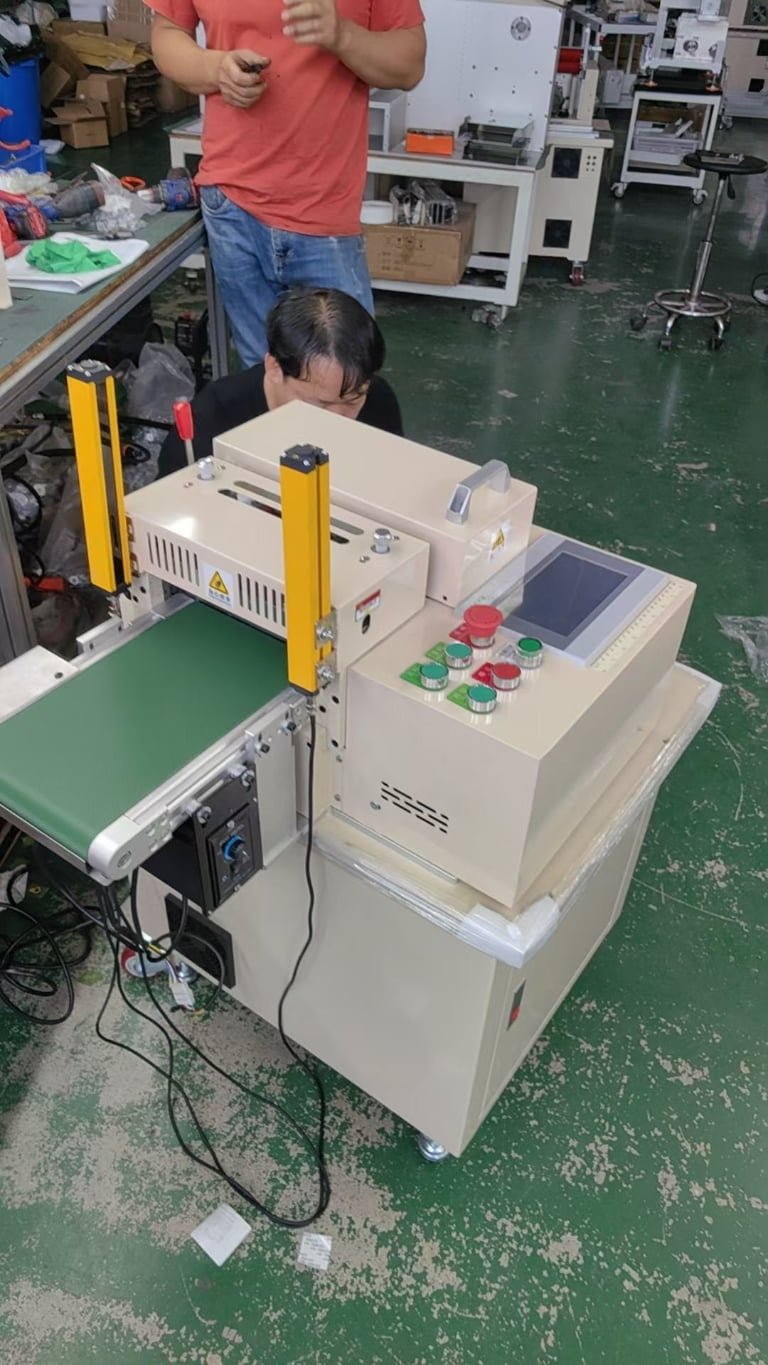
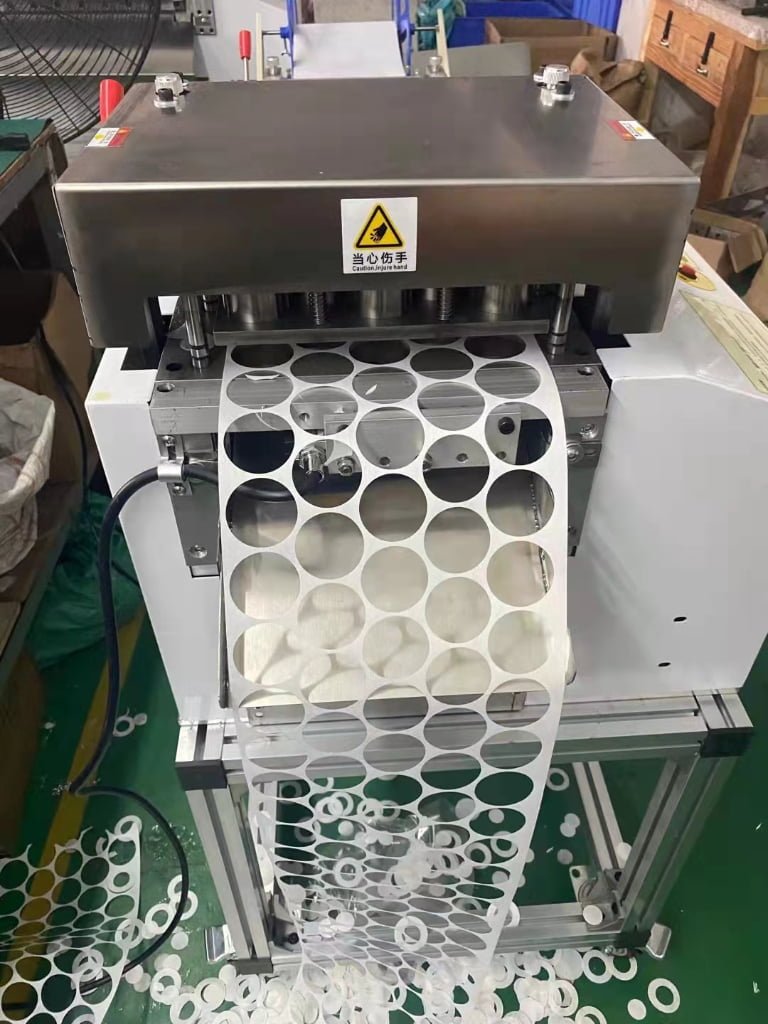
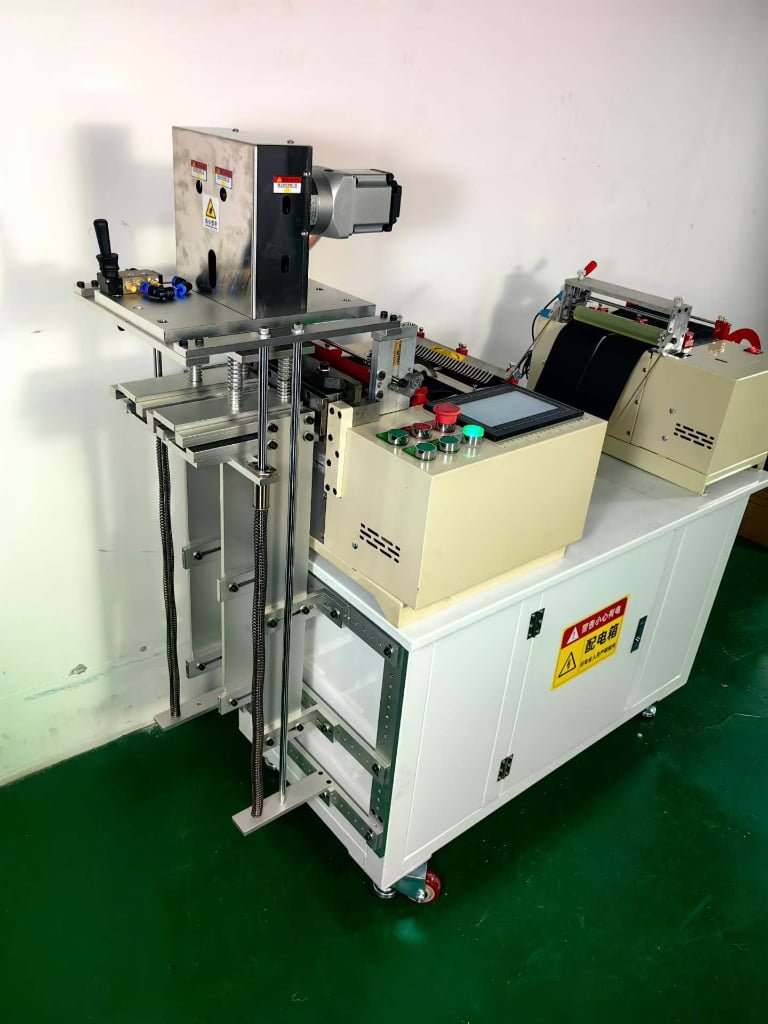
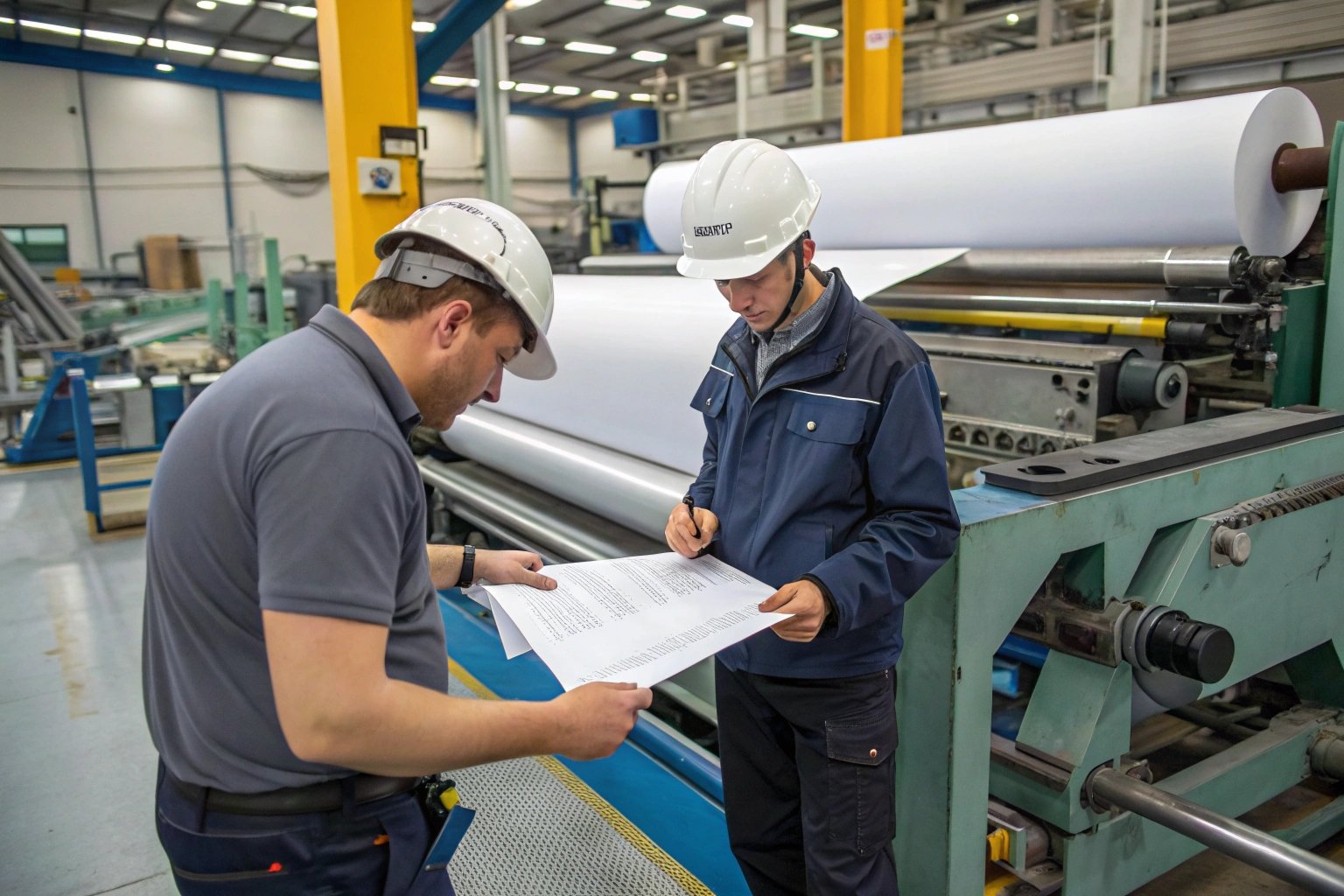
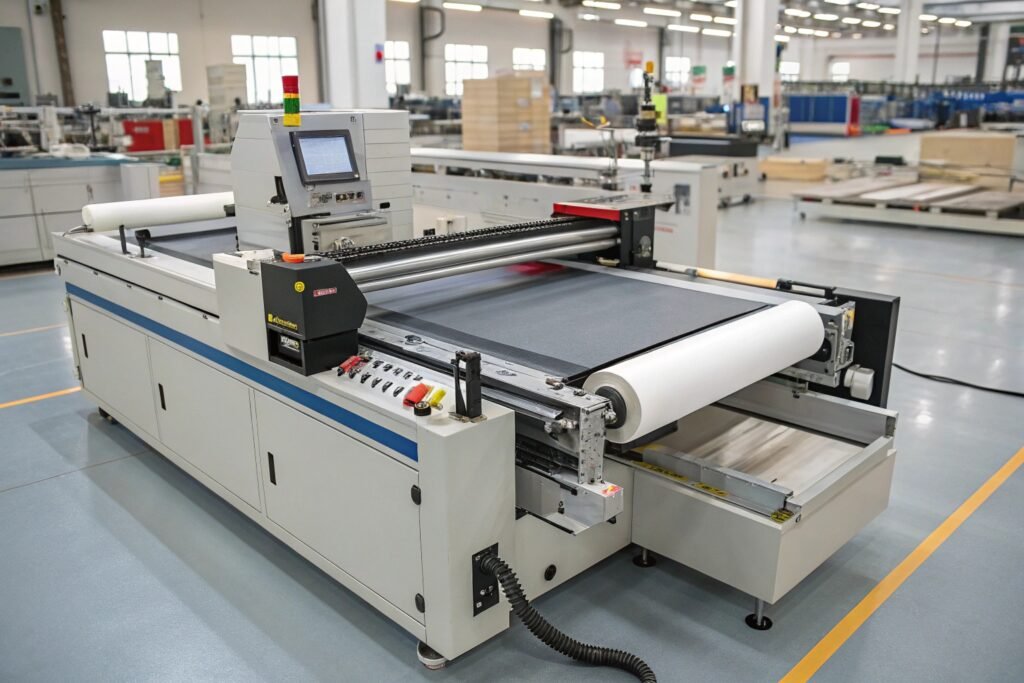
The best automatic roll to sheet cutting machine for industrial production is a machine that combines high cutting accuracy, stable high-speed operation, advanced automation, wide material compatibility, and long-term durability. For manufacturers processing paper, plastic films, foam materials, bubble wrap, laminated products, and industrial sheets, the ideal machine should increase productivity while reducing labor costs and material waste.
When I evaluate industrial cutting equipment, I focus on overall production value rather than purchase price alone. A machine that delivers reliable performance for years will usually generate a much higher return on investment than a lower-cost machine with limited capabilities.
-
Prioritize core performance. The best automatic roll to sheet cutting machine combines high cutting accuracy, stable high-speed operation, servo feeding, automatic tension control, and durable construction for long-term industrial use.
-
Match the machine to production needs. Evaluate material compatibility, required accuracy, production volume, automation level, and operating shifts before selecting equipment.
-
Focus on long-term ROI. Choose a machine that minimizes waste, reduces labor costs, supports multiple materials, and delivers reliable performance with strong technical support and spare parts availability.
Quick Answer: What Makes the Best Roll to Sheet Cutting Machine?
| Feature | Why It Matters |
|---|---|
| High Cutting Accuracy | Reduces waste and improves product quality |
| Stable High-Speed Operation | Increases production capacity |
| Servo Feeding System | Improves cutting consistency |
| Automatic Tension Control | Prevents feeding errors |
| PLC Touchscreen Control | Simplifies operation |
| Material Compatibility | Supports multiple industries |
| Heavy-Duty Construction | Extends machine lifespan |
| Reliable After-Sales Support | Reduces downtime |
Table of Contents
- Which Technical Specifications Matter Most for Large-Scale Manufacturing Operations?
- What Makes a Roll to Sheet Cutting Machine the Best Choice?
- Cutting Accuracy Is the Foundation of Product Quality
- How Production Speed Impacts Manufacturing Efficiency
- Material Compatibility Creates Greater Production Flexibility
- How Automation Reduces Labor Costs and Improves Efficiency
- Why Machine Durability Matters for Long-Term ROI
- Industries That Use Automatic Roll to Sheet Cutting Machines
- Common Mistakes When Buying a Roll to Sheet Cutting Machine
- How to Choose the Right Machine for Your Production Line
- Frequently Asked Questions
- HAOXINHE Insights
Which Technical Specifications Matter Most for Large-Scale Manufacturing Operations?
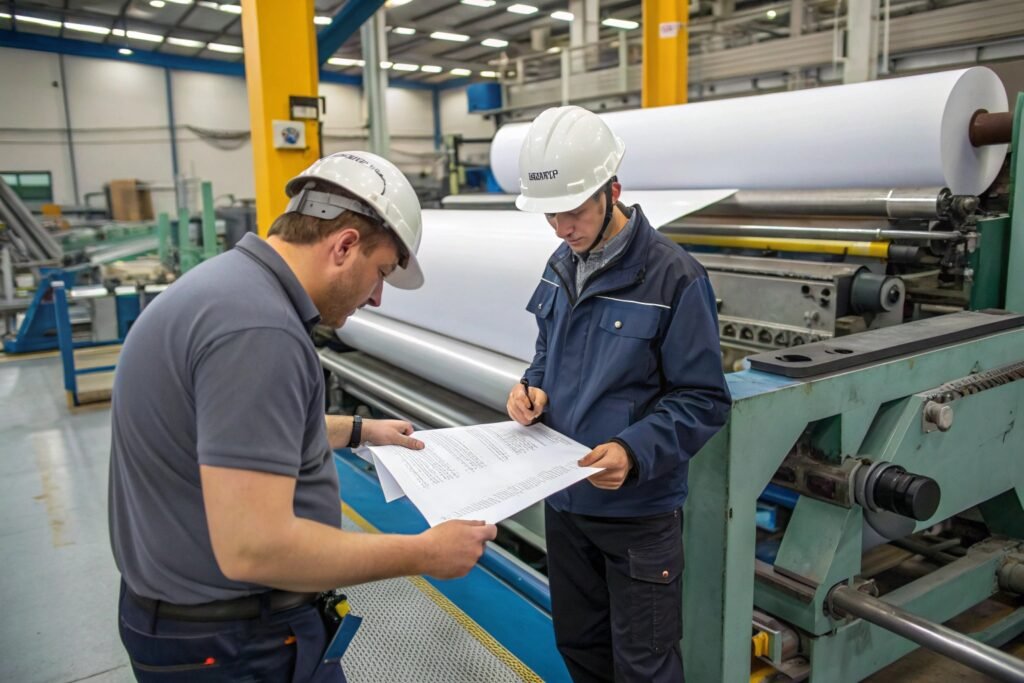
When I evaluate an automatic roll to sheet cutting machine, I focus on the technical specifications that directly affect productivity, product quality, labor costs, and long-term profitability.
Many buyers compare machines based only on width capacity or purchase price. However, industrial production requires a deeper analysis. The wrong machine can create hidden costs through downtime, material waste, inconsistent quality, and maintenance issues.
The most important specifications include:
- Cutting accuracy
- Production speed
- Feeding precision
- Material compatibility
- Automation level
- Tension control
- Machine durability
- Control system performance
What Makes a Roll to Sheet Cutting Machine the Best Choice?
The best machine is not always the fastest machine or the most expensive machine. The best machine is the one that consistently meets production requirements while maintaining stable operation.
I usually evaluate five key areas before recommending equipment.
Precision
Accurate cutting reduces waste and improves finished product quality.
Productivity
Stable high-speed operation increases daily output.
Flexibility
The machine should support different materials and production requirements.
Reliability
Durable construction minimizes downtime.
Automation
Advanced automation reduces labor requirements and improves consistency.
| Evaluation Factor | Importance |
|---|---|
| Cutting Accuracy | Very High |
| Production Speed | Very High |
| Automation | High |
| Material Flexibility | High |
| Durability | Very High |
| Maintenance Requirements | High |
Cutting Accuracy Is the Foundation of Product Quality
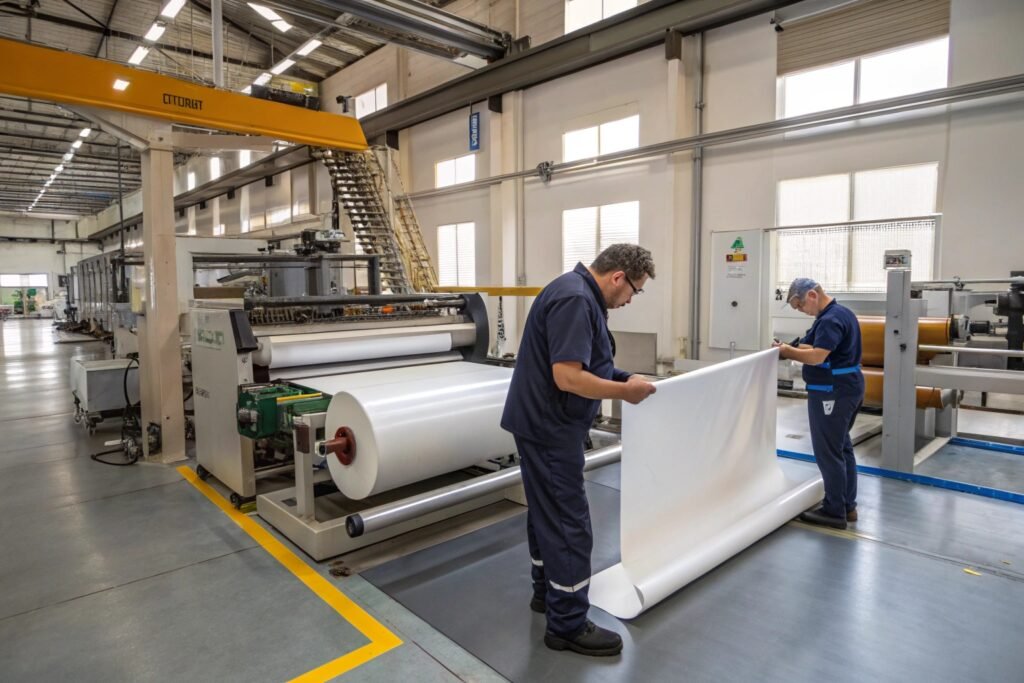
Cutting accuracy directly affects product quality and material utilization.
Even a small variation in sheet length can create problems during printing, laminating, packaging, or assembly operations.
Why Cutting Accuracy Matters
Poor cutting accuracy may result in:
- Material waste
- Product defects
- Registration problems
- Increased rejection rates
- Higher production costs
Technologies That Improve Accuracy
Servo Motor Feeding
Servo motors provide highly accurate positioning and repeatability.
Photoelectric Tracking
The system automatically detects printed marks and adjusts cutting positions.
Precision Rollers
Stable rollers improve feeding consistency.
PLC Control Systems
Advanced PLC systems continuously monitor production performance.
Typical Accuracy Standards
| Application | Recommended Accuracy |
|---|---|
| General Packaging | ±0.5 mm |
| Paper Converting | ±0.3 mm |
| Label Production | ±0.2 mm |
| High-Precision Processing | ±0.1 mm |
How Production Speed Impacts Manufacturing Efficiency
Production speed is one of the most important performance indicators for industrial manufacturers.
Higher production speeds allow factories to increase output and improve equipment utilization.
Typical Production Speed Comparison
| Machine Type | Output Capacity |
|---|---|
| Manual Equipment | 10-20 cuts/min |
| Semi-Automatic Machine | 30-80 cuts/min |
| Standard Automatic Machine | 80-150 cuts/min |
| High-Speed Automatic Machine | 150-300 cuts/min |
Features Supporting High-Speed Production
- Servo feeding technology
- Automatic tension control
- Intelligent software systems
- High-speed cutting assemblies
Stable production speed is often more important than maximum speed because consistency determines actual output over time.
Material Compatibility Creates Greater Production Flexibility
Manufacturers often process different materials throughout the year. A flexible machine allows companies to accept more projects without purchasing additional equipment.
Common Materials Processed
| Material Category | Examples |
|---|---|
| Paper | Kraft paper, coated paper, cardboard |
| Plastic Film | PET, PE, PP, PVC |
| Foam Materials | EVA foam, protective foam |
| Packaging Materials | Bubble wrap, laminated films |
| Textile Materials | Ribbon, tape, webbing |
| Industrial Materials | Composite sheets |
Manufacturers that invest in an Automatic Roll to Sheet Cutting Machine often use complementary equipment such as a Webbing Tape Cutting Machine, Bubble Wrap Cutting Machine, PVC Edge Banding Cutting Machine, Protective Foam Cutting Machine, Hot and Cold Cutting Machine, and High-Speed Trademark Cutting Machine to support different production requirements.
How Automation Reduces Labor Costs and Improves Efficiency
Automation has become a major competitive advantage for modern manufacturers.
Important automation features include:
- Automatic length setting
- Automatic counting
- Automatic stacking
- Error detection systems
- Touchscreen controls
- Automatic tension control
These functions improve consistency, reduce labor costs, and increase productivity.
Why Machine Durability Matters for Long-Term ROI
Industrial cutting machines are long-term investments. Many factories operate equipment continuously for multiple shifts every day.
A durable machine can significantly reduce maintenance expenses and downtime.
Key Areas to Evaluate
- Machine frame strength
- Servo motor quality
- Bearing durability
- Electrical component quality
- Control system reliability
Costs Associated With Downtime
- Missed deliveries
- Overtime labor
- Production interruptions
- Material waste
- Emergency repairs
A reliable machine often delivers lower total ownership costs over its lifetime.
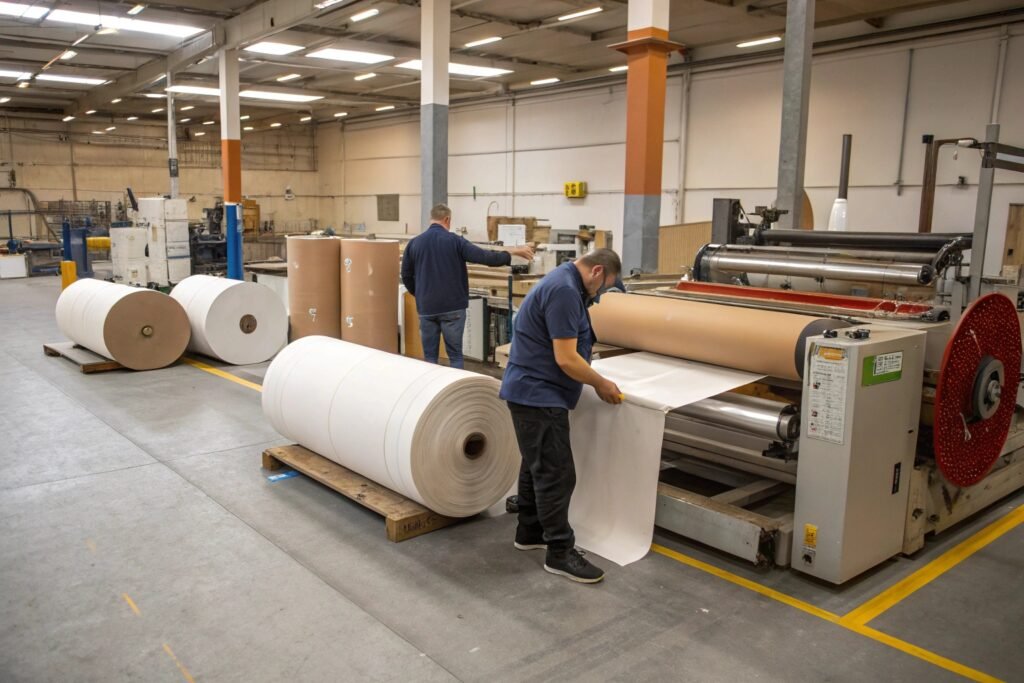
Industries That Use Automatic Roll to Sheet Cutting Machines
Paper Converting Industry
Used for cutting kraft paper, coated paper, and specialty papers.
Packaging Industry
Used for packaging materials, liners, and protective sheets.
Plastic Film Industry
Processes PET, PE, PP, and PVC films.
Foam Manufacturing Industry
Handles protective foam, EVA foam, and insulation materials.
Label Manufacturing Industry
Provides precise sheet cutting for labels and printed products.
Common Mistakes When Buying a Roll to Sheet Cutting Machine
Many buyers make avoidable mistakes during equipment selection.
Common mistakes include:
- Focusing only on machine price
- Ignoring automation features
- Underestimating maintenance costs
- Choosing insufficient width capacity
- Overlooking future production requirements
- Ignoring after-sales service quality
Avoiding these mistakes can significantly improve long-term profitability.
How to Choose the Right Machine for Your Production Line
Before making a purchase, I recommend answering the following questions:
- What materials will be processed?
- What production volume is required?
- What cutting accuracy is necessary?
- How many shifts will the machine operate?
- What level of automation is preferred?
- Is technical support available?
- Are spare parts readily accessible?
These factors help determine the most suitable machine configuration.
Frequently Asked Questions
What materials can an automatic roll to sheet cutting machine process?
Most industrial machines process paper, PET film, PVC film, PE film, foam materials, bubble wrap, laminated materials, and industrial sheets.
What is the ideal cutting speed for industrial production?
Most industrial manufacturers prefer machines capable of maintaining stable operation between 100 and 300 cuts per minute.
Can one machine process multiple materials?
Yes. Modern machines are designed to support a wide range of materials and thicknesses.
How important is servo feeding technology?
Servo feeding significantly improves cutting accuracy and production consistency.
How long does an industrial cutting machine typically last?
With proper maintenance, industrial-grade machines can operate reliably for many years.
HAOXINHE Insights
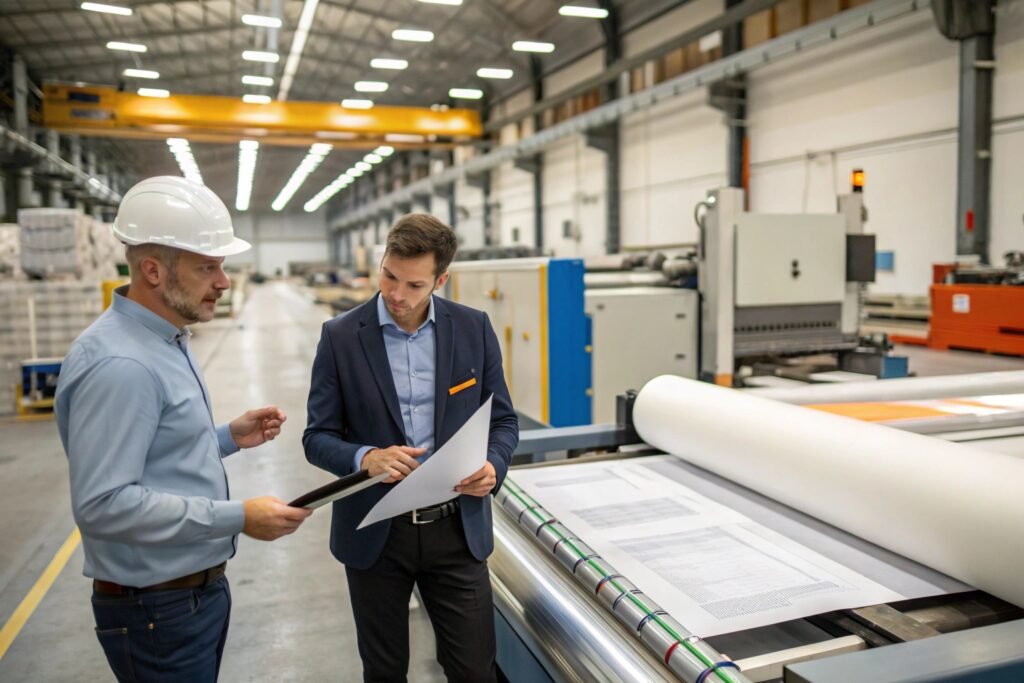
At HAOXINHE, we specialize in providing advanced cutting solutions for industrial manufacturers around the world.
Our product portfolio includes:
- Automatic Roll to Sheet Cutting Machine
- Webbing Tape Cutting Machine
- Hot and Cold Cutting Machine
- High-Speed Trademark Cutting Machine
- Automatic Punching Cutting Machine
- Round Shape Cutting Machine
- Rotary Bevel Cutting Machine
- Different Shapes Cutting Machine
- Computer Tube Cutting Machine
- Wire Cutting and Stripping Machine
- Metal Pipe Cutting and Beveling Machine
- Webbing Ribbon Cutting Machine
- Bubble Wrap Cutting Machine
- PVC Edge Banding Cutting Machine
- Protective Foam Cutting Machine
With multiple production lines and years of manufacturing experience, we serve customers in the packaging, printing, paper converting, label manufacturing, plastic film processing, textile, and industrial materials industries.
Our goal is not only to supply machines but also to help customers improve production efficiency, reduce material waste, lower operating costs, and achieve long-term business growth through reliable cutting technology.