How Much Does an Automatic Roll to Sheet Cutting Machine Cost?
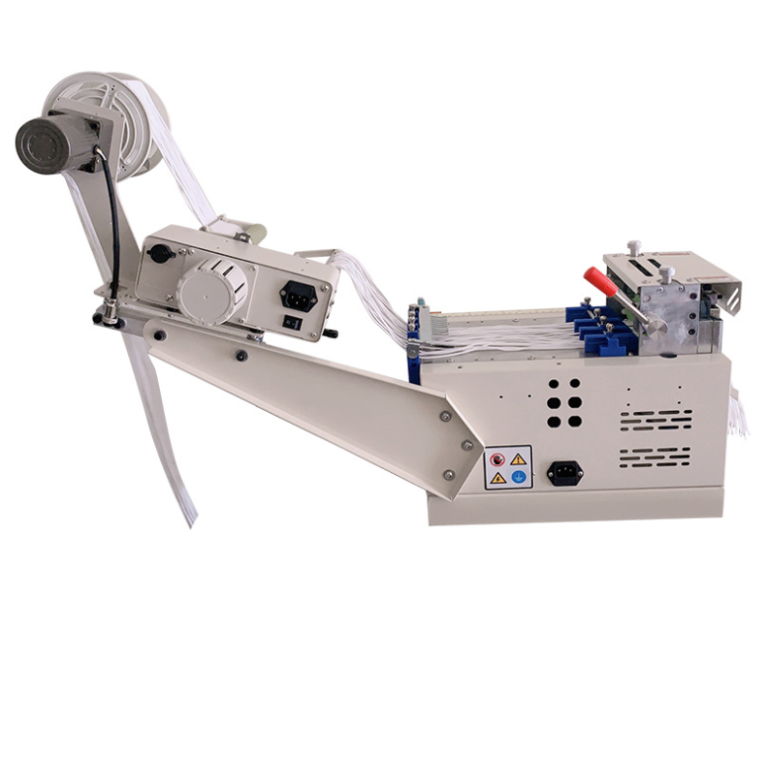
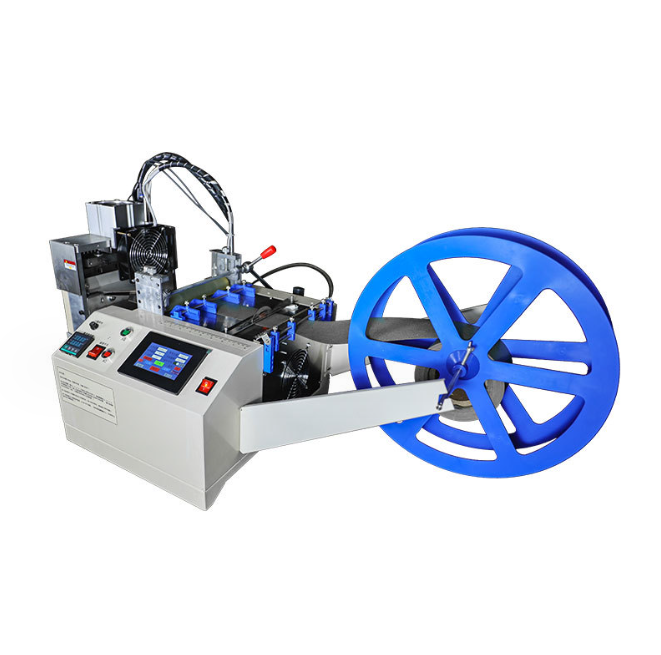
If you are planning to purchase an automatic roll to sheet cutting machine, one of the first questions you will probably ask is: How much does it cost?
The short answer is that automatic roll to sheet cutting machine prices vary widely depending on machine size, cutting width, automation level, production speed, accuracy requirements, and overall build quality.
In today’s market, entry-level automatic roll to sheet cutting machines can cost as little as $1,884, while larger industrial systems can exceed $10,000. Some customized production lines designed for high-volume manufacturing may cost even more.
However, machine price alone does not tell the full story. The real question is not simply how much the machine costs, but how much value it can create over the next five to ten years.
For manufacturers processing paper rolls, PET film, PVC film, bubble wrap, protective foam, webbing materials, ribbons, and laminated products, selecting the right machine requires balancing budget, productivity, reliability, and long-term return on investment.
-
Compare machine categories. Entry-level automatic roll to sheet cutting machines typically cost $1,884–$3,000, while industrial models range from $5,695–$10,398+ depending on width, speed, and automation level.
-
Evaluate cost drivers. Cutting width, servo feeding, PLC controls, automatic counting, tension control, and production speed are the primary factors that increase equipment pricing.
-
Focus on total ROI. Consider reliability, accuracy, maintenance costs, downtime, warranty support, and service availability, not just the initial purchase price.
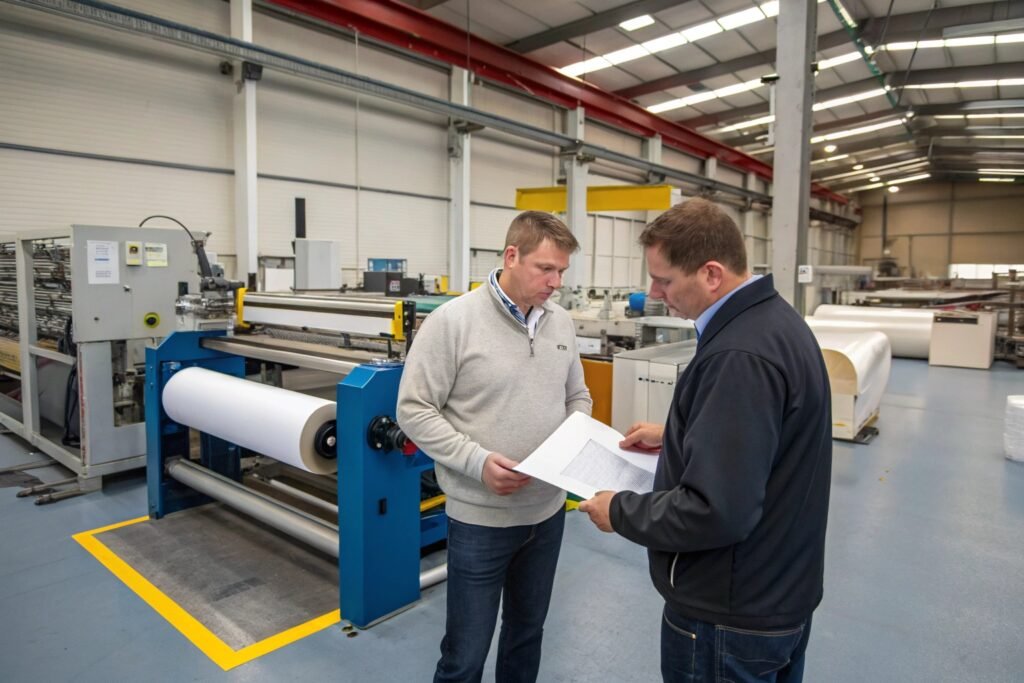
What Factors Influence Equipment Pricing and Return on Investment?
Several factors directly affect the price of an automatic roll to sheet cutting machine. Understanding these factors can help buyers avoid costly purchasing mistakes and choose equipment that truly matches their production needs.
Typical Market Price Range
The current market offers a wide range of machine options.
| Machine Category | Typical Price Range |
|---|---|
| Entry-Level Automatic Cutter | $1,884 – $3,000 |
| Mid-Range Automatic Cutter | $3,000 – $7,000 |
| High-Speed Industrial Machine | $5,695 – $10,398+ |
| Customized Production Line | Custom Quotation |
In India, many mid-range automatic roll cutting machines are commonly listed between ₹2,00,000 and ₹5,50,000 depending on specifications and automation features.
Regional pricing can vary significantly due to labor costs, manufacturing standards, supplier networks, import duties, and service availability.
As a result, buyers in Europe, North America, Southeast Asia, and the Middle East may see very different quotations for machines with similar specifications.
How Does Machine Size Affect Pricing?
One of the most important pricing factors is machine size.
Small-format automatic cutters are generally designed for narrow materials such as labels, ribbons, webbing, and protective films.
These machines require less steel, smaller feeding systems, and lower-powered motors, which helps keep costs relatively low.
Larger industrial roll to sheet cutting machines are built to process wider paper rolls, PET film, PVC film, foam sheets, and laminated materials.
Machine Size vs Cost
| Machine Feature | Impact on Price |
|---|---|
| Narrow Cutting Width | Lower Cost |
| Wide Cutting Width | Higher Cost |
| Light-Duty Frame | Lower Cost |
| Heavy-Duty Frame | Higher Cost |
| Compact Feeding System | Lower Cost |
| Industrial Feeding System | Higher Cost |
As cutting width increases, manufacturers must use stronger machine frames, larger rollers, and more powerful drive systems to maintain stability and cutting precision.
This naturally increases equipment cost.
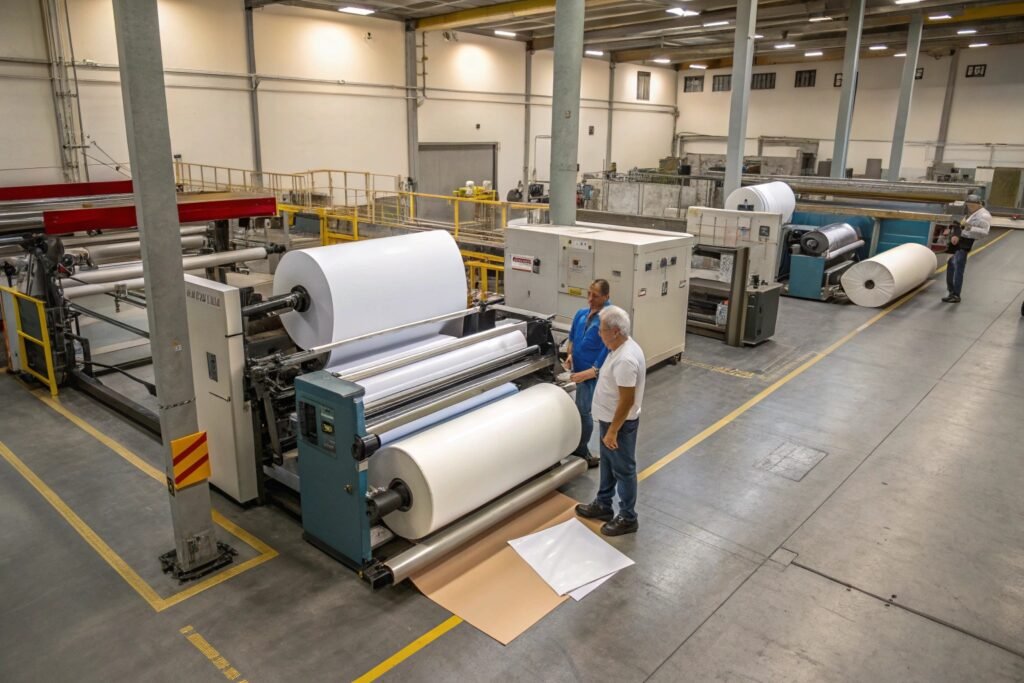
How Do Speed and Automation Influence Price?
Production speed is another major factor.
A machine capable of processing hundreds or thousands of sheets per hour requires more advanced engineering than a basic automatic cutter.
High-speed systems typically include:
- Servo feeding systems
- PLC control systems
- Touchscreen operation
- Automatic tension control
- Precision tracking sensors
- Program storage functions
Machines with programmable length and quantity settings generally cost more than basic cutting systems because they reduce operator involvement and improve production efficiency.
Automation Features and Their Impact
| Feature | Effect on Cost |
|---|---|
| Manual Settings | Lower |
| Programmable Length Control | Higher |
| Automatic Counting | Higher |
| Servo Feeding | Higher |
| PLC Control System | Higher |
| Recipe Storage | Higher |
Although these features increase the initial purchase price, they often generate significant labor savings and productivity improvements over time.
Why Do Industrial Models Cost More?
Industrial-grade automatic roll to sheet cutting machines are designed for demanding production environments.
These machines usually offer:
- Higher cutting accuracy
- Faster operating speeds
- Better tension control
- Longer service life
- Greater production stability
Dive Deeper: Precision Comes at a Cost
Many buyers focus heavily on the machine’s purchase price but overlook the value of cutting precision.
In industries such as paper converting, packaging, printing, and film processing, even small cutting errors can create significant material waste.
A deviation of only a few millimeters may seem minor. However, when thousands of sheets are produced every day, those errors quickly add up.
Higher-end machines use premium servo motors, precision rollers, advanced sensors, and intelligent control systems to maintain accurate feeding and cutting performance.
These components increase manufacturing costs, but they also help reduce waste, improve product quality, and increase customer satisfaction.
For companies processing expensive materials such as PET film or specialty paper, better accuracy often pays for itself very quickly.
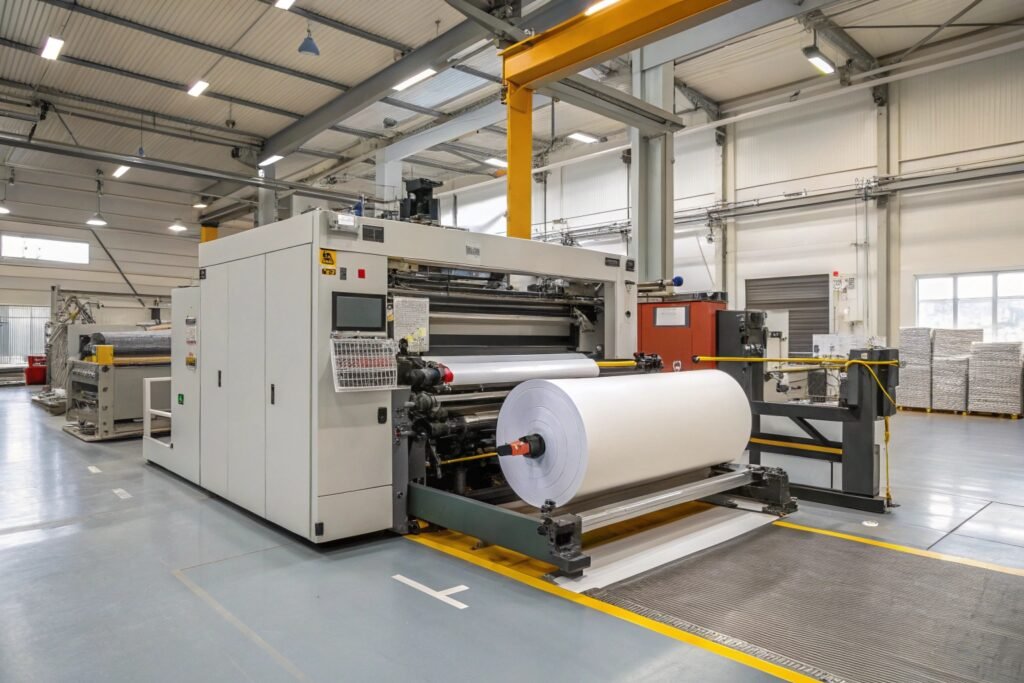
Why Warranty and Service Matter More Than Many Buyers Realize
Many buyers compare machines based only on specifications and price.
However, after-sales service can be equally important.
A machine’s value is not determined solely by what happens on the day it is delivered. It is also determined by how well the supplier supports the equipment over the coming years.
Service Considerations
| Service Item | Customer Benefit |
|---|---|
| Technical Support | Faster troubleshooting |
| Spare Parts Availability | Reduced downtime |
| Installation Assistance | Faster startup |
| Training Support | Easier operation |
| Warranty Coverage | Lower repair costs |
A low-cost machine without reliable support can become very expensive if production stops and replacement parts are difficult to obtain.
Is the Cheapest Machine Really the Best Deal?
This is one of the most common questions I receive from customers.
My answer is usually very simple.
In general, there are expensive machines and cheap machines in every market. Buyers naturally want to save money, and that makes complete sense.
However, in the machinery industry, one principle often proves true:
You usually get what you pay for.
My Personal View on Machine Pricing
From my experience, if you want a machine that performs well and lasts for many years, it is usually better to invest in higher-quality equipment rather than focusing only on the lowest quotation.
When a machine price is extremely low, the manufacturer often has to reduce costs somewhere.
Those reductions may include:
| Area | Potential Result |
|---|---|
| Servo Motors | Lower feeding accuracy |
| PLC Systems | Reduced stability |
| Machine Frame | More vibration |
| Electrical Components | Higher failure rates |
| Bearings | Shorter lifespan |
| Safety Systems | Lower protection level |
At first, the machine may appear to work normally.
However, after several months of continuous production, problems may begin to appear.
Common issues include:
- Inconsistent cutting lengths
- Feeding inaccuracies
- Electrical failures
- Frequent maintenance
- Unexpected downtime
- Difficulty sourcing replacement parts
What initially looked like a cheaper purchase can quickly become a much more expensive investment.
Hidden Costs of Low-Quality Equipment
| Hidden Cost | Business Impact |
|---|---|
| Downtime | Lost production |
| Material Waste | Increased operating cost |
| Repairs | Higher maintenance expenses |
| Delivery Delays | Customer dissatisfaction |
| Extra Labor | Reduced efficiency |
| Frequent Service Calls | Additional costs |
This is why I always encourage customers to evaluate the total cost of ownership rather than focusing solely on the purchase price.
A higher-quality automatic roll to sheet cutting machine may require a larger upfront investment, but it often provides better reliability, higher productivity, lower maintenance costs, and a longer service life.
In many cases, that translates into a much stronger return on investment.
How to Evaluate Return on Investment
The true ROI of an automatic roll to sheet cutting machine comes from several factors working together.
ROI Calculation Factors
| Benefit | Financial Impact |
|---|---|
| Faster Production | Increased output |
| Better Accuracy | Reduced waste |
| Lower Labor Costs | Operating savings |
| Less Downtime | Improved utilization |
| Better Quality | Fewer customer complaints |
| Longer Lifespan | Reduced replacement costs |
Manufacturers that focus on long-term value rather than only initial purchase price often achieve better profitability over the life of the machine.
Conclusion
Automatic roll to sheet cutting machine prices can range from less than $2,000 for entry-level models to more than $10,000 for industrial production systems. The final price depends on machine size, cutting width, automation level, production speed, accuracy requirements, and service support.
While budget is always important, the cheapest machine is not always the best investment. For manufacturers seeking long-term productivity, stable performance, and lower operating costs, machine quality, reliability, and supplier support are often far more important than the initial purchase price alone.
Choosing the right automatic roll to sheet cutting machine is not simply about spending less today. It is about creating more value for your business over the years ahead.