What Materials Can an Automatic Roll to Sheet Cutting Machine Process?
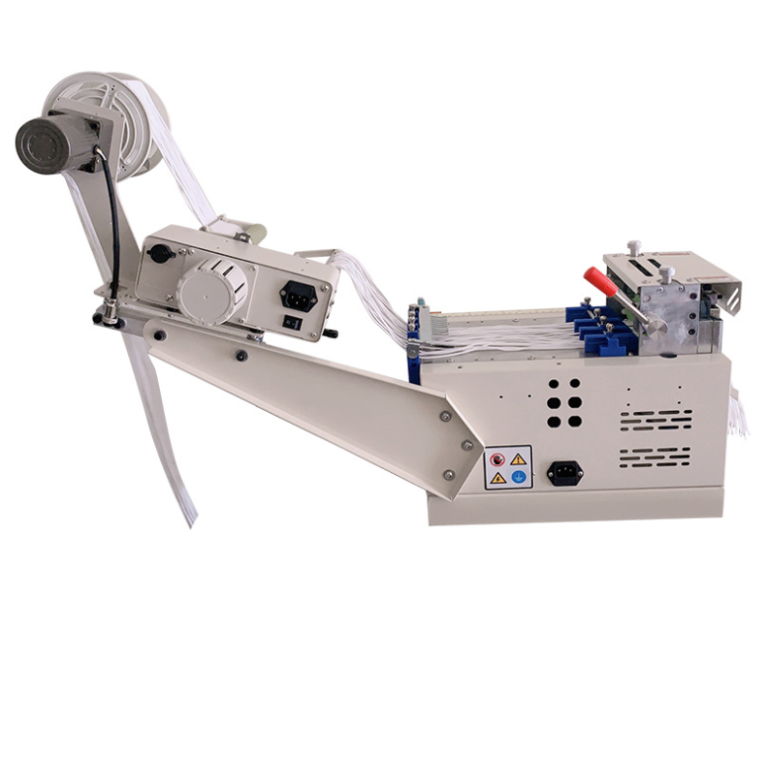
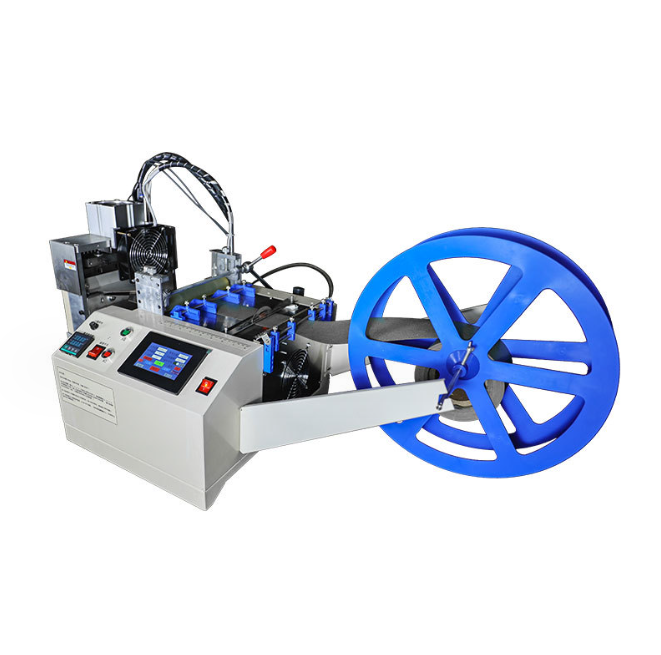
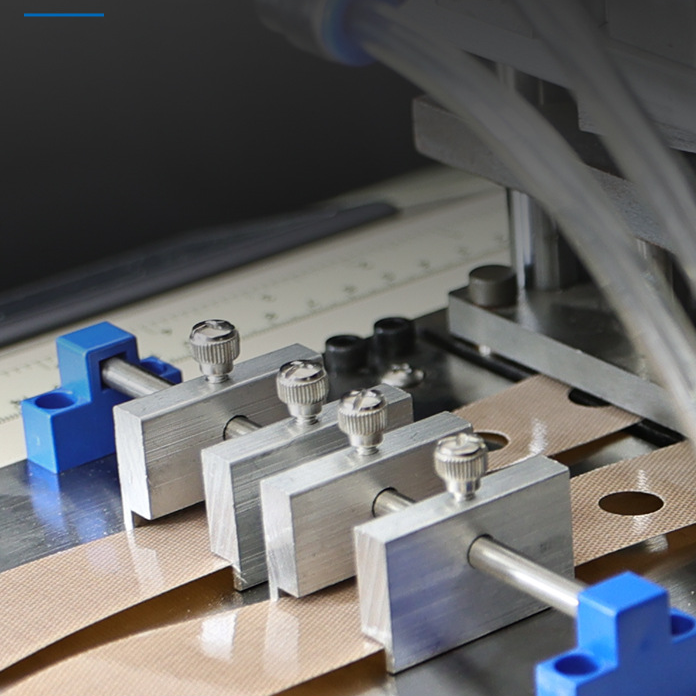
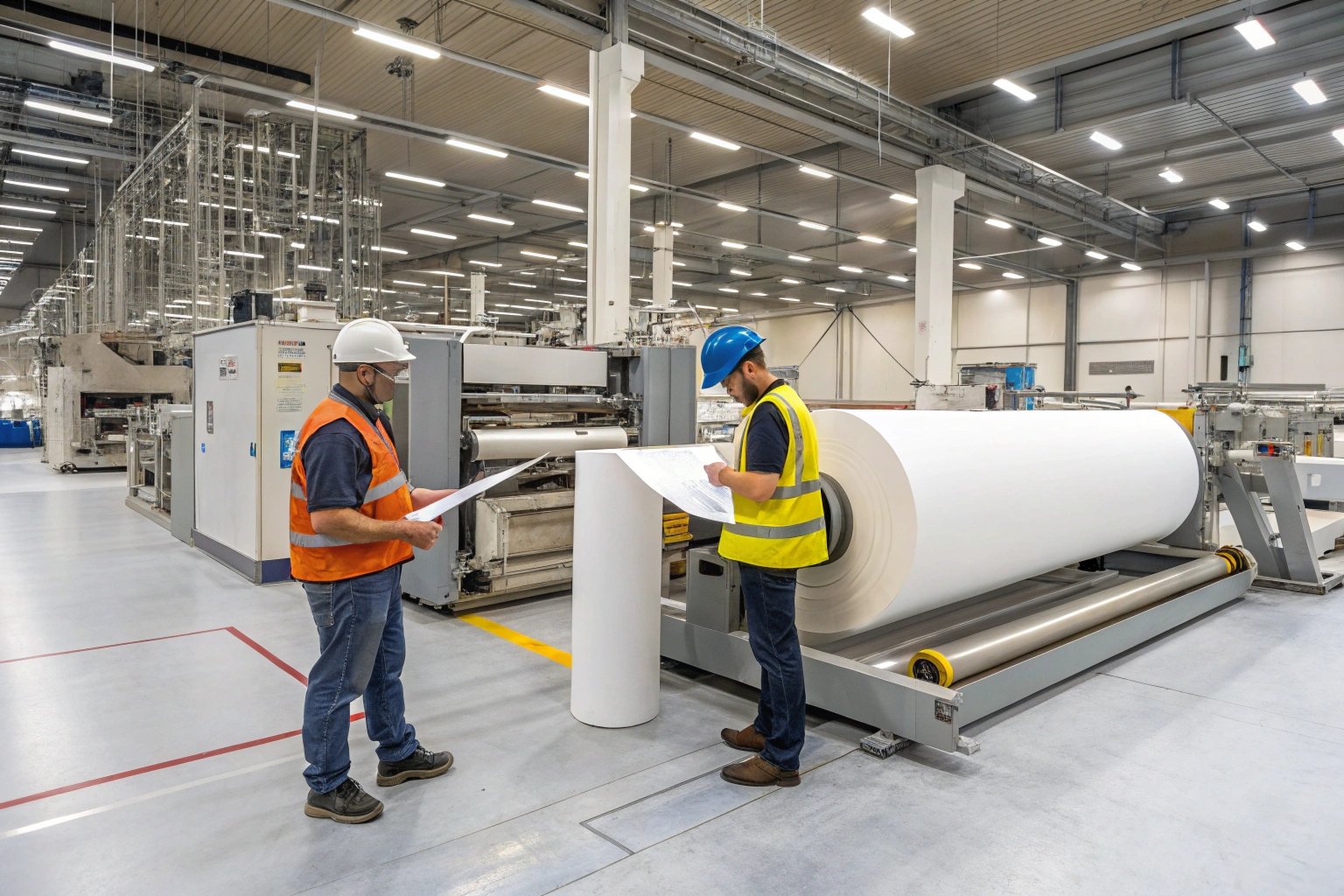
An automatic roll to sheet cutting machine can process a wide range of materials, including paper, plastic film, metal foil, non-woven fabric, adhesive tape, laminated paper, printed paper rolls, bubble wrap, insulation materials, conductive materials, shielding materials, and many other flexible roll-fed products. The exact material range depends on the machine’s cutting system, feeding mechanism, blade type, tension control system, and thickness capacity.
For manufacturers in packaging, printing, labeling, medical products, electronics, and industrial converting industries, the ability to process different materials on a single machine can improve production flexibility and reduce equipment investment.
An automatic roll to sheet cutting machine can process paper, plastic films, metal foils, non-woven fabrics, adhesive materials, foam, bubble wrap, and other flexible roll-fed materials. The exact material range depends on cutting method, tension control, thickness capacity, and feeding system design.
-
Evaluate material characteristics. Check thickness, flexibility, surface properties, and stretch behavior to ensure stable feeding and clean cutting.
-
Match machine technology. Use appropriate blade systems, tension control, and feeding mechanisms based on material type and accuracy requirements.
-
Consider production demands. Review roll diameter, precision requirements, and output volume to maximize efficiency, reduce waste, and improve long-term performance.
How Do Material Characteristics Affect Machine Selection and Performance?
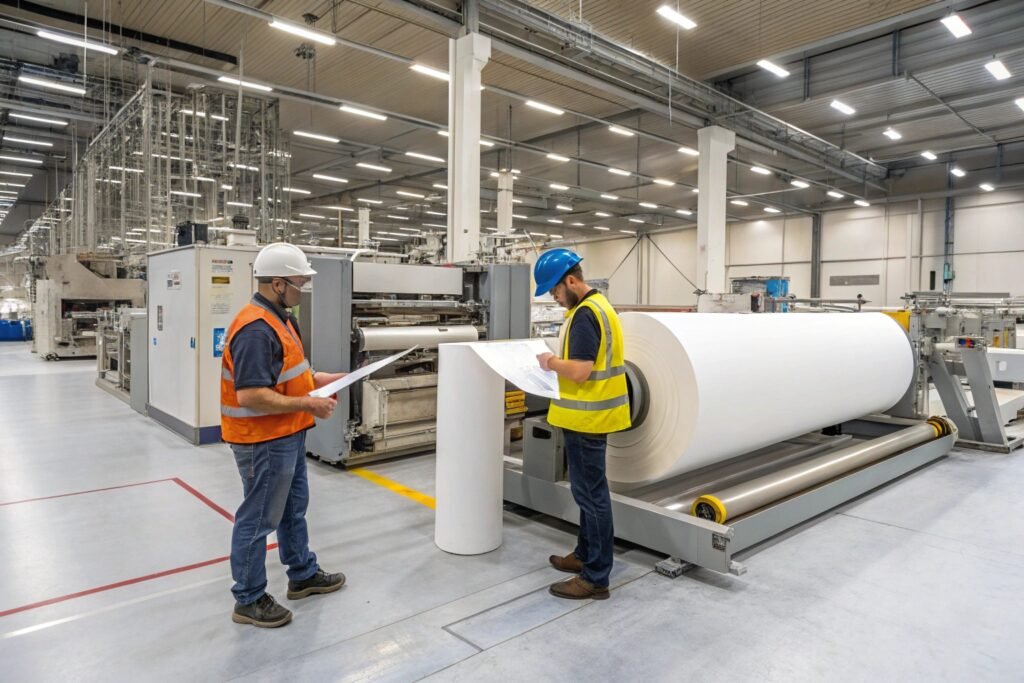
When I help customers choose an automatic roll to sheet cutting machine, I do not start by looking at machine speed. I first look at the material itself. Every material behaves differently during feeding and cutting. Some materials stretch easily. Some materials wrinkle. Some materials are thick and rigid. Others are thin and delicate.
A machine that performs perfectly with paper may not be suitable for plastic film. A machine designed for bubble wrap may struggle with metal foil. This is why understanding material characteristics is one of the most important parts of machine selection.
In my experience, the best machine is not always the most expensive one. The best machine is the one that matches the material’s flexibility, thickness, surface properties, and cutting accuracy requirements.
Common Materials Processed by Automatic Roll to Sheet Cutting Machines
Modern roll to sheet cutting machines are designed to handle many types of materials used across different industries.
Material Categories
| Material Type | Common Applications |
|---|---|
| Paper | Printing, packaging, labels |
| Laminated paper | Premium packaging, food packaging |
| Printed paper rolls | Commercial printing, labels |
| Plastic film | Packaging, protective films |
| Metal foil | Electronics, insulation |
| Non-woven fabric | Medical, hygiene, packaging |
| Adhesive tape | Industrial tapes, labels |
| Bubble wrap | Protective packaging |
| Foam materials | Cushioning, insulation |
| Conductive materials | Electronics manufacturing |
| Shielding materials | EMI protection |
| Fabric and textile materials | Apparel and industrial products |
Because of this flexibility, many manufacturers use one machine for multiple product lines. This can increase equipment utilization and improve return on investment.
Paper Materials Are Among the Most Common Applications
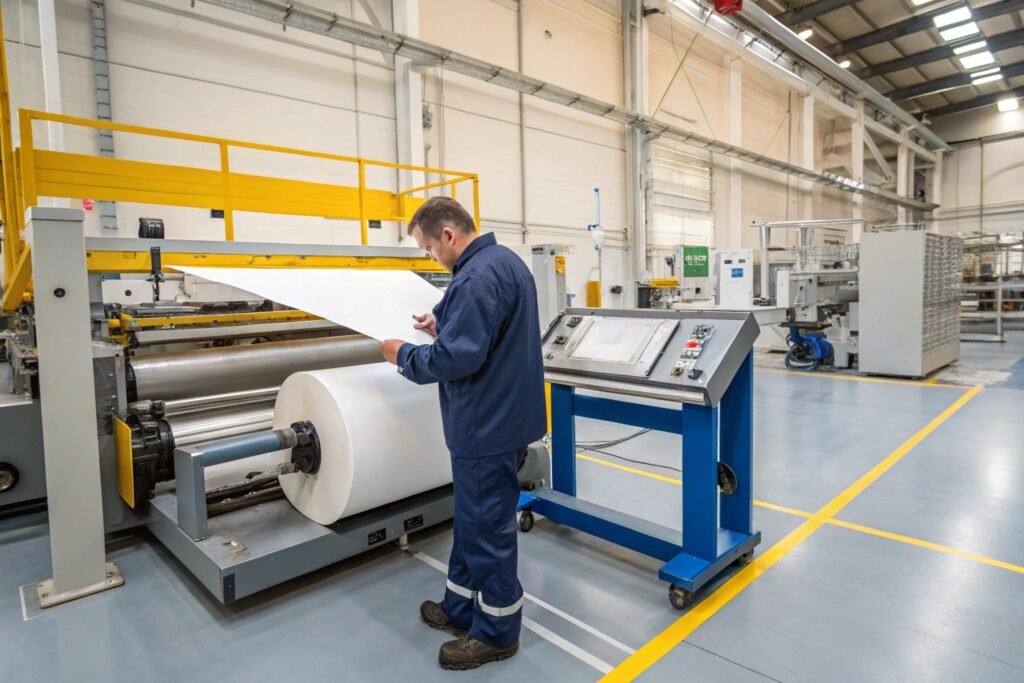
Paper is one of the easiest materials to process on a roll to sheet cutting machine. It has stable dimensions, good rigidity, and predictable feeding characteristics.
I often see customers processing:
- Kraft paper
- Coated paper
- Offset paper
- Art paper
- Packaging paper
- Printing paper
- Label paper
Many machines also process laminated paper and printed paper rolls. These materials require higher positioning accuracy because cutting errors can affect graphics, logos, and registration marks.
Why Paper Is Easy to Process
| Paper Characteristic | Impact on Cutting |
|---|---|
| Good rigidity | Stable feeding |
| Low stretch | Consistent sheet size |
| Flat surface | Accurate alignment |
| Easy blade penetration | Clean cut edges |
For paper converters and printing companies, accurate sheet length is critical because downstream processes depend on consistent sheet dimensions.
Plastic Films Require Better Tension Control
Plastic films are widely used in packaging, labeling, protective coatings, and industrial products. These materials often require higher precision than paper because they can stretch during feeding.
Common plastic film materials include:
- PET film
- PVC film
- PE film
- PP film
- BOPP film
- Protective films
- Release liners
Plastic films are usually thin and flexible. If the machine tension is too high, the material can stretch. If tension is too low, wrinkles can form.
Why Tension Control Matters
Thin plastic films can change dimensions during production. Even a small amount of stretching may create cutting errors.
A high-quality automatic roll to sheet cutting machine uses:
- Servo feeding systems
- Automatic tension control
- Edge alignment systems
- Precision sensors
These systems help maintain accurate sheet sizes throughout long production runs.
Rotary Blades Often Work Best for Films
Thin flexible materials often perform better with rotary cutting systems because the blade moves continuously and smoothly.
Benefits include:
- Reduced tearing
- Cleaner cut edges
- Higher speeds
- Less material stress
This is especially important for high-value films used in electronics and specialty packaging.
Non-Woven Fabrics Are Growing in Popularity
Non-woven materials are becoming more common in modern manufacturing. These materials are widely used in:
- Medical products
- Surgical products
- Hygiene products
- Packaging products
- Filtration products
I often recommend automatic roll to sheet cutting machines for non-woven applications because these materials cut cleanly and feed efficiently.
Advantages of Non-Woven Materials
| Feature | Benefit |
|---|---|
| Lightweight | Easy feeding |
| Flexible | High-speed processing |
| Clean cutting behavior | Reduced scrap |
| Wide availability | Lower material cost |
Medical and hygiene industries often require large production volumes. Automatic cutting helps maintain consistency while reducing labor costs.
Metal Foils Require Different Cutting Approaches
Metal foil behaves very differently from paper or film. It has less flexibility and often requires greater cutting force.
Common foil materials include:
- Aluminum foil
- Copper foil
- Battery foil
- Insulation foil
These materials may need:
- Stronger blade systems
- Higher machine rigidity
- More cutting pressure
- Specialized blade materials
Challenges When Processing Metal Foil
Metal foils can create burrs if blade condition is poor. They can also deform if tension settings are incorrect.
For these applications, machine construction quality becomes very important.
I always recommend evaluating:
- Frame strength
- Blade quality
- Feeding accuracy
- Servo control performance
before selecting equipment for foil processing.
Bubble Wrap and Foam Materials Need Specialized Handling
Bubble wrap and protective foam products are becoming increasingly important in modern packaging.
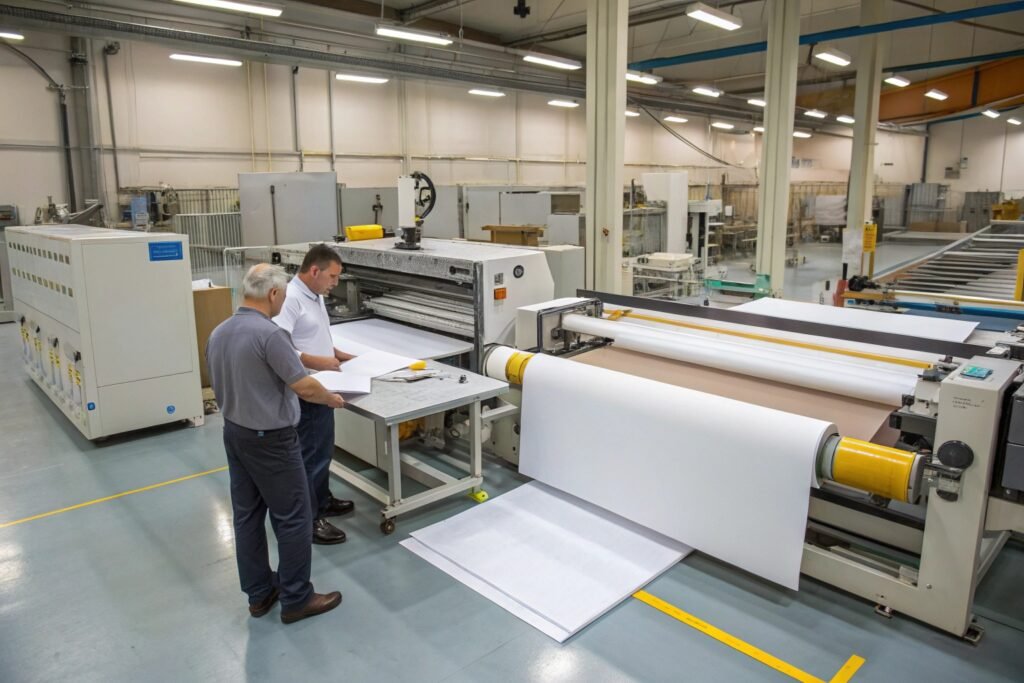
These materials behave differently because they compress during feeding and cutting.
Common examples include:
- Bubble wrap
- EPE foam
- PE foam
- Protective packaging foam
- Cushion materials
Machines designed for these products often require:
- Larger feeding rollers
- Adjustable pressure systems
- Specialized blade geometry
This is one reason why dedicated Bubble Wrap Cutting Machines and Protective Foam Cutting Machines have become popular in packaging production facilities.
Key Requirements for Foam Processing
| Requirement | Reason |
|---|---|
| Stable feeding | Prevent compression errors |
| Sharp blade | Clean edge quality |
| Proper pressure control | Avoid deformation |
| Accurate length control | Reduce scrap |
Without proper machine settings, foam products can become compressed, resulting in inaccurate sheet lengths.
Adhesive Materials Need Accurate Feeding and Blade Selection
Adhesive-backed materials can create unique challenges because they tend to stick to machine components.
Examples include:
- Adhesive labels
- Double-sided tape
- Industrial tapes
- Protective tapes
These materials often require:
- Anti-stick rollers
- Special blade coatings
- Precise tension control
- Accurate web guiding systems
This is particularly important for label converters that require highly repeatable sheet sizes.
Thickness Directly Influences Machine Selection
Material thickness is one of the first specifications I evaluate when recommending equipment.
Different thickness ranges require different cutting technologies.
Thickness and Cutting Method Comparison
| Material Thickness | Preferred Cutting Method |
|---|---|
| Very thin films | Rotary blade cutting |
| Thin paper | Rotary or guillotine cutting |
| Medium materials | Standard guillotine cutting |
| Thick foam | Heavy-duty guillotine cutting |
| Metal foil laminates | Reinforced cutting systems |
Thin materials prioritize precision and tension control.
Thicker materials prioritize cutting force and machine rigidity.
This is why machine specifications should always match the intended material range.
Roll Diameter Also Affects Performance
Many buyers focus only on material thickness, but roll diameter is equally important.
Large rolls offer:
- Longer production runs
- Fewer roll changes
- Better productivity
However, larger rolls also create:
- Higher material weight
- Greater tension variation
- Increased inertia during acceleration
A machine designed for small rolls may struggle with large industrial rolls.
Before purchasing, I always review:
- Maximum roll diameter
- Maximum roll weight
- Feeding system capacity
- Unwinding system design
These factors significantly affect long-term production performance.
Material Flexibility Determines Control Requirements
Material flexibility often has more impact than thickness.
For example:
- Thin paper is flexible but stable.
- Thin plastic film is flexible and stretchable.
- Metal foil is thin but less elastic.
- Foam is thick and compressible.
Each material requires different control strategies.
Material Behavior Comparison
| Material | Flexibility | Stretch Risk | Control Requirement |
|---|---|---|---|
| Paper | Medium | Low | Standard control |
| Plastic film | High | High | Advanced tension control |
| Non-woven fabric | High | Medium | Stable feeding |
| Metal foil | Low | Low | Strong cutting force |
| Foam | High | Low | Compression control |
Understanding these characteristics helps manufacturers choose the right machine from the beginning.
Why Precision Requirements Matter
Some industries can tolerate small cutting variations. Others cannot.
For example:
- Packaging inserts may allow minor variation.
- Printed labels require exact positioning.
- Electronic materials often need extremely precise dimensions.
- Medical products require consistent sizing for compliance reasons.
When precision requirements increase, machine features become more important.
These may include:
- Servo-driven feeding
- CCD positioning systems
- Mark registration sensors
- Automatic tension control
- Precision blade adjustment
The required accuracy level often determines the final machine configuration.
Choosing the Right Machine for Your Material
The best automatic roll to sheet cutting machine is not determined by speed alone. It depends on how well the machine matches the material characteristics.
Before selecting a machine, I always evaluate:
- Material type
- Material thickness
- Material flexibility
- Surface characteristics
- Roll diameter
- Required cutting accuracy
- Production volume
A machine that perfectly matches these requirements will provide higher productivity, better cut quality, lower scrap rates, and longer equipment life.
HAOXINHE Insights
At HAOXINHE, I work with customers processing a wide range of roll materials, including paper, laminated paper, printed paper, plastic film, non-woven fabric, adhesive materials, bubble wrap, foam products, textile materials, conductive materials, and industrial insulation products.
Our product range includes automatic roll to sheet cutting machines, webbing tape cutting machines, hot and cold cutting machines, high-speed trademark cutting machines, automatic punching cutting machines, round shape cutting machines, rotary bevel cutting machines, different shapes cutting machines, computer tube cutting machines, wire cutting and stripping machines, metal pipe cutting and beveling machines, webbing ribbon cutting machines, bubble wrap cutting machines, PVC edge banding cutting machines, and protective foam cutting machines.
I always encourage buyers to focus on material characteristics before comparing machine prices. In many cases, the right machine specification can reduce waste, improve cutting quality, and increase production efficiency far more than simply choosing a faster machine. The most successful projects usually start with a clear understanding of the material being processed and then matching the machine configuration to those exact production requirements.