Why Are Manufacturers Upgrading to Automatic Roll to Sheet Cutting Machines?
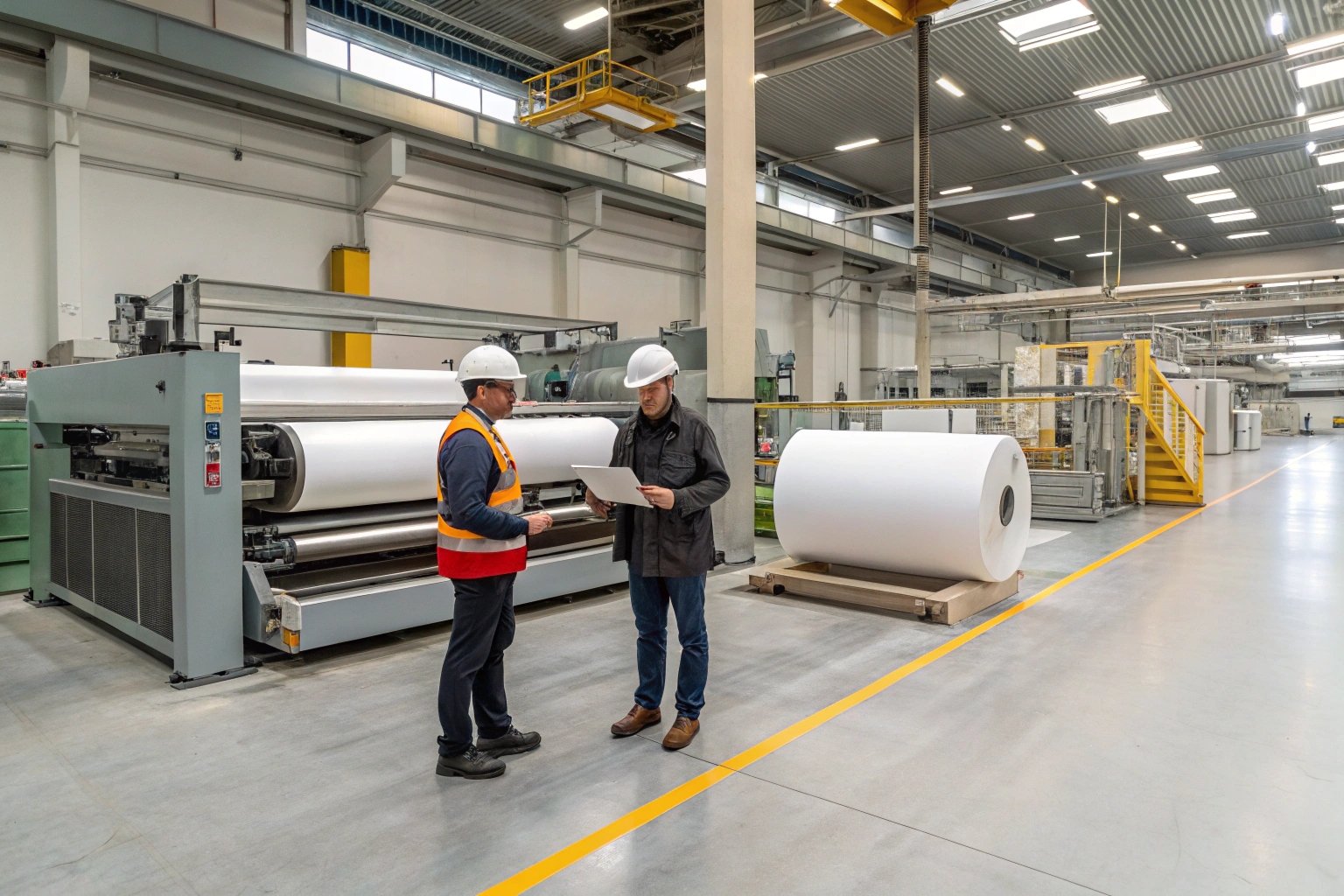
Manufacturers across the packaging, paper converting, printing, plastic film, foam, and textile industries are upgrading to automatic roll to sheet cutting machines at an accelerating pace. I have personally seen how production requirements have changed over the last few years. Customers now expect shorter lead times, higher quality standards, and lower costs. These expectations place significant pressure on manufacturers to improve efficiency while maintaining product consistency.
Traditional cutting methods often struggle to meet these demands. Manual cutting requires more labor, creates production bottlenecks, and increases the possibility of dimensional variations. As production volumes continue to increase, these limitations become even more obvious.
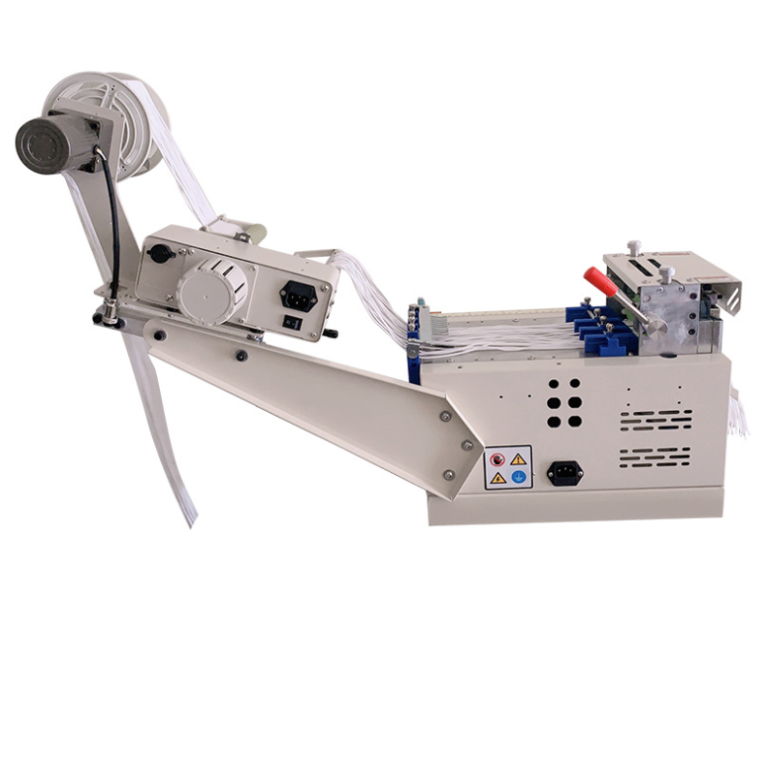
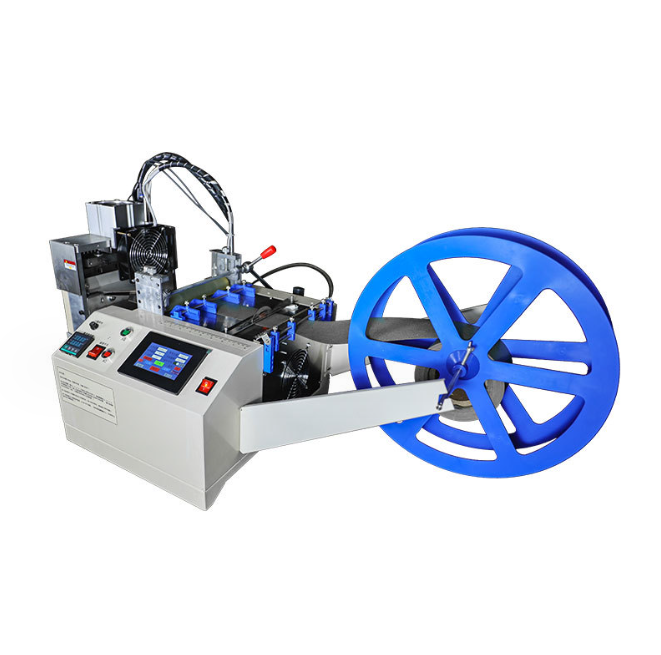
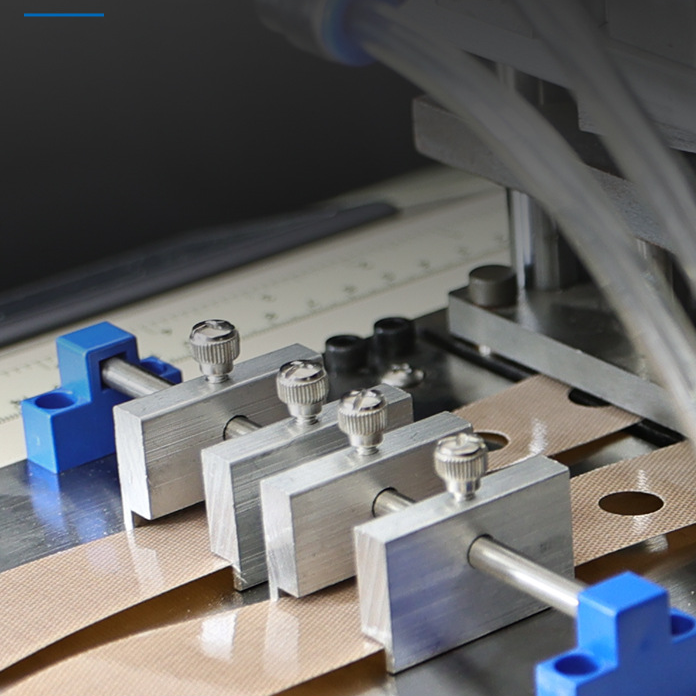
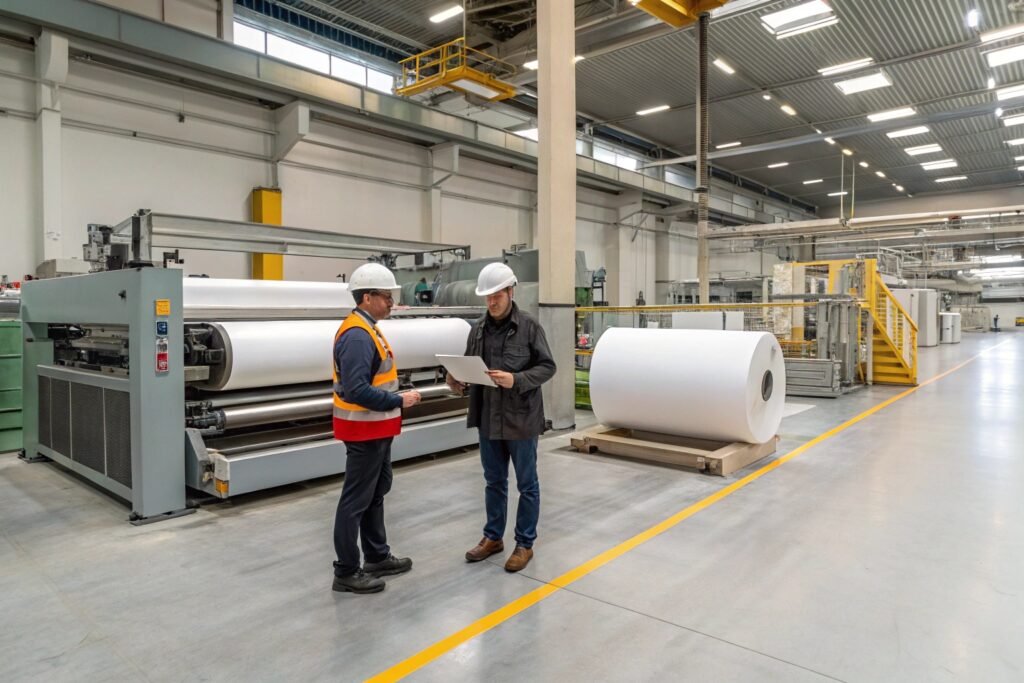
An automatic roll to sheet cutting machine helps solve these challenges by combining servo feeding technology, programmable controls, automatic tension systems, and precision cutting mechanisms into one integrated solution. This technology allows manufacturers to process paper, PET film, PVC film, bubble wrap, foam materials, webbing, ribbons, laminated products, and many other roll materials with greater speed and accuracy.
-
Increase productivity. Automatic roll to sheet cutting machines reduce manual handling, automate feeding and counting, and can boost production output by 30%–100% compared with manual processes.
-
Improve quality and reduce waste. Servo feeding, tension control, and sensor-based positioning deliver consistent sheet dimensions, lower scrap rates, and better product quality.
-
Lower operating costs. Automation reduces labor dependency, improves safety, enables faster changeovers, and delivers stronger long-term ROI through higher efficiency and less downtime.
Why More Manufacturers Are Choosing Automated Cutting Systems
The move toward automation is driven by several important factors. Manufacturers are not simply purchasing new machines. They are investing in long-term productivity, quality improvement, and operational stability.
| Manufacturing Challenge | How Automation Helps |
|---|---|
| High Labor Costs | Reduces manual operation |
| Slow Production Speed | Increases throughput |
| Material Waste | Improves cutting precision |
| Quality Variations | Delivers consistent results |
| Frequent Job Changes | Supports programmable settings |
| Safety Concerns | Reduces blade exposure |
| Production Bottlenecks | Enables continuous operation |
Many factory owners discover that automation pays for itself through labor savings, reduced waste, and increased production capacity.
How Does Automation Improve Productivity and Operational Efficiency?
Automation improves productivity by reducing manual intervention and allowing machines to operate at consistently high speeds. Instead of relying on operators to continuously monitor material positioning and cutting length, the machine performs these tasks automatically.
In many converting facilities, cutting departments become production bottlenecks. Operators spend time measuring lengths, adjusting materials, and handling finished sheets. These repetitive tasks limit output and increase labor costs.
Automatic roll to sheet cutting machines eliminate much of this manual work. The operator enters the required sheet length and quantity through a touchscreen interface, and the machine handles the rest.
Dive Deeper: The Real Impact of Automation on Factory Throughput
When I visit manufacturing plants, I often notice that managers focus heavily on machine speed. However, actual productivity depends on the entire production process rather than cutting speed alone.
A manual cutting process may require:
- Material positioning
- Length measurement
- Feeding adjustments
- Sheet counting
- Stacking finished products
Each step consumes time. Small delays accumulate throughout the day.
By contrast, an automatic roll to sheet cutting machine integrates these processes into a continuous workflow. Servo motors maintain precise feeding. PLC systems monitor operation. Automatic counting functions reduce manual handling.
Productivity Comparison
| Cutting Method | Typical Productivity |
|---|---|
| Manual Cutting | Low |
| Semi-Automatic Cutting | Medium |
| Automatic Roll to Sheet Cutting | High |
| Servo-Controlled Automatic Cutting | Very High |
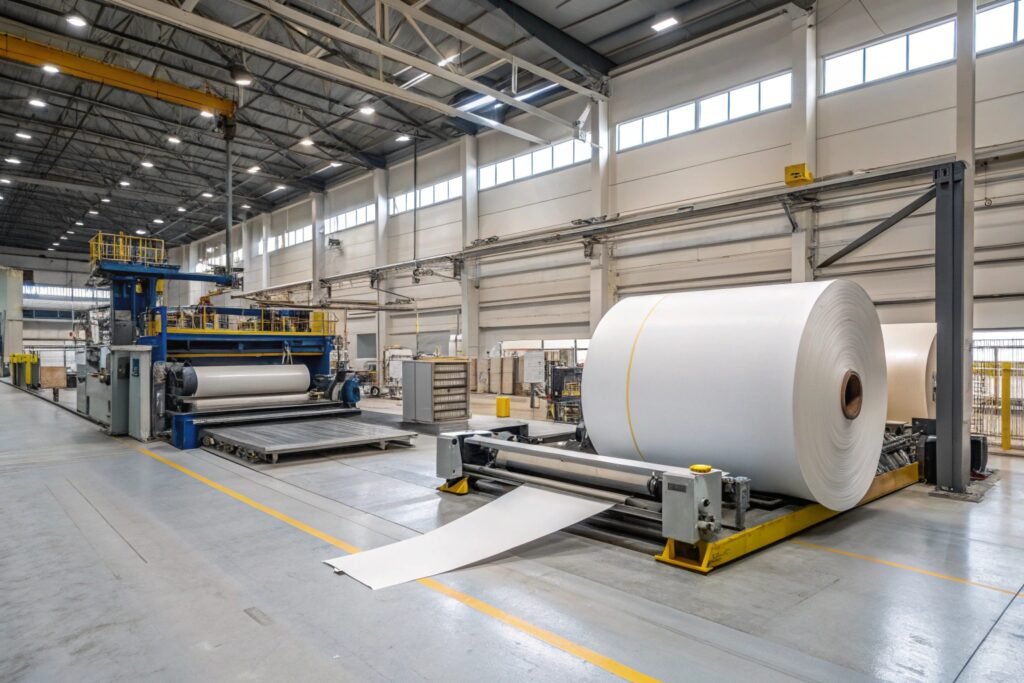
In many cases, manufacturers report production increases of 30% to 100% after upgrading from manual systems. The exact improvement depends on material type, sheet length, and production volume.
For businesses processing large paper rolls, plastic films, or foam materials, these gains can significantly improve profitability.
How Does Precision Cutting Reduce Material Waste?
Material costs represent a significant portion of manufacturing expenses. Even small cutting inaccuracies can generate substantial waste over time.
Automatic roll to sheet cutting machines improve precision through advanced technologies:
- Servo feeding systems
- Photoelectric sensors
- PLC controls
- Automatic tension regulation
- High-speed cutting mechanisms
These technologies ensure that each sheet meets the programmed dimensions.
Dive Deeper: Why Accuracy Matters More Than Most Manufacturers Realize
Many manufacturers underestimate the cost of small dimensional errors. A cutting deviation of only a few millimeters may appear insignificant. However, when processing thousands of sheets every day, these errors quickly accumulate.
Consider a production line processing PET film or paper rolls. If each sheet is slightly longer than required, excess material is consumed continuously throughout the production run.
Sources of Material Waste
| Cause | Result |
|---|---|
| Feeding Inaccuracy | Length Variation |
| Tension Fluctuation | Material Distortion |
| Manual Measurement Errors | Inconsistent Sheets |
| Blade Wear | Poor Cut Quality |
Automatic systems minimize these variables by maintaining consistent feeding and cutting performance.
The result includes:
- Lower scrap rates
- Reduced raw material consumption
- Better product quality
- Lower production costs
For industries operating on tight margins, waste reduction often delivers substantial annual savings.
Why Is Consistent Product Quality So Important?
Customers expect every order to meet the same quality standards. Variations between production batches can damage customer trust and increase rejection rates.
Manual cutting processes often depend heavily on operator experience. Different operators may produce slightly different results. Fatigue can also affect consistency.
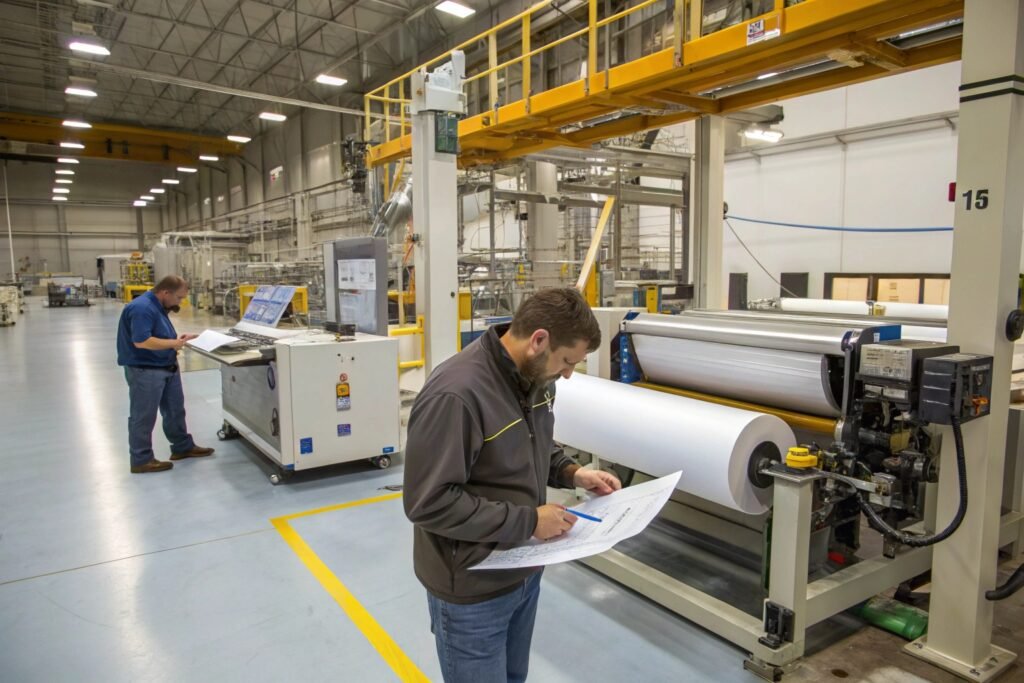
Automatic roll to sheet cutting machines remove much of this variability by using programmed parameters and automated controls.
Dive Deeper: Consistency Creates Long-Term Customer Confidence
I often hear manufacturers focus on machine speed during purchasing decisions. However, consistency is often even more valuable.
A customer receiving sheets that vary in length may experience difficulties during downstream operations such as:
- Printing
- Laminating
- Packaging
- Die cutting
- Label production
When product dimensions remain stable, downstream production becomes more efficient.
Quality Benefits of Automated Cutting
| Quality Factor | Manual Cutting | Automatic Cutting |
|---|---|---|
| Length Accuracy | Variable | Highly Consistent |
| Repeatability | Moderate | Excellent |
| Operator Influence | High | Low |
| Batch Consistency | Moderate | Excellent |
This consistency improves customer satisfaction and strengthens supplier relationships.
How Does Automation Increase Production Flexibility?
Modern manufacturers rarely produce a single product. Most factories process multiple materials and customer orders every day.
An automatic roll to sheet cutting machine allows operators to quickly switch between jobs through programmable settings.
Parameters can include:
- Sheet length
- Cutting quantity
- Feeding speed
- Material type
- Tension settings
Dive Deeper: Faster Changeovers Create Hidden Productivity Gains
Many production managers focus on machine operating speed. However, setup time can be equally important.
Imagine a converter processing:
- PET film in the morning
- Bubble wrap in the afternoon
- Foam materials in the evening
Without programmable controls, operators must manually adjust machine settings for each production run.
Modern automatic systems store multiple production recipes. Operators simply select the desired program from the touchscreen interface.
Benefits of Program Storage
| Feature | Benefit |
|---|---|
| Stored Recipes | Faster Setup |
| Touchscreen Interface | Easier Operation |
| Automatic Parameters | Fewer Errors |
| Quick Recall | Improved Productivity |
These improvements help manufacturers process smaller batches more profitably while maintaining efficiency.
How Does Automation Improve Workplace Safety?
Safety remains a major concern in industrial production environments.
Traditional cutting operations often place operators close to moving blades and feeding systems. This increases the risk of workplace injuries.
Automatic roll to sheet cutting machines improve safety through:
- Protective guarding
- Automatic feeding
- Emergency stop systems
- Safety interlocks
- Reduced manual handling
Safety Advantages
| Safety Feature | Benefit |
|---|---|
| Safety Guards | Reduced Blade Exposure |
| Auto Feeding | Less Operator Contact |
| Emergency Stop | Rapid Shutdown |
| PLC Monitoring | Safer Operation |
A safer workplace helps reduce downtime, improve employee morale, and support compliance with safety regulations.
How Does Automation Reduce Labor Dependency?
Many manufacturers face labor shortages and rising labor costs. Recruiting and retaining skilled operators can be difficult.
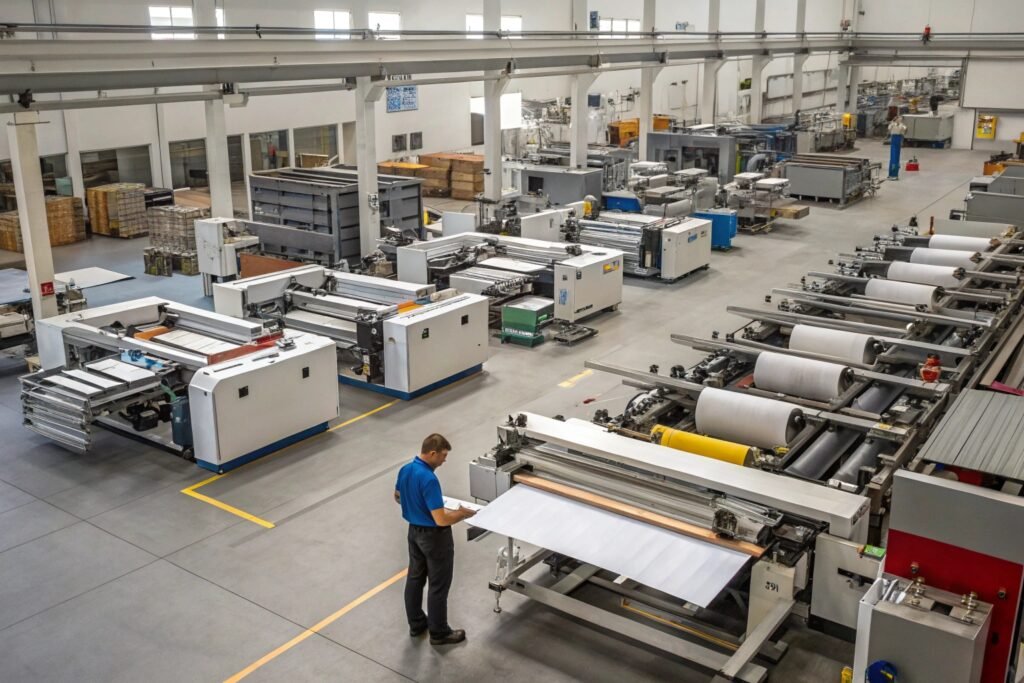
Automatic cutting systems reduce dependency on manual labor by automating repetitive tasks.
A single operator can often oversee multiple machines simultaneously.
Labor Advantages
- Lower labor costs
- Easier training
- Reduced operator fatigue
- Higher labor efficiency
- More stable production performance
For manufacturers facing workforce challenges, automation provides a practical solution for maintaining production capacity.
Why Does Automation Deliver Strong ROI?
The return on investment from automation comes from multiple sources working together.
| Benefit | Financial Impact |
|---|---|
| Faster Production | Higher Revenue Potential |
| Better Accuracy | Reduced Waste |
| Lower Labor Costs | Operating Savings |
| Improved Quality | Fewer Customer Claims |
| Enhanced Safety | Reduced Risk |
| Less Downtime | Better Asset Utilization |
When these savings accumulate over several years, the machine often generates value far beyond its initial purchase cost.
Manufacturers that delay automation may find themselves at a disadvantage compared with competitors that can produce faster, cheaper, and more consistently.
Why Automation Is Becoming the Industry Standard
The packaging, paper converting, printing, textile, foam, and film industries continue to face growing pressure to increase efficiency while controlling costs.
Automatic roll to sheet cutting machines provide a practical solution by combining:
- High-speed production
- Precision cutting
- Consistent quality
- Reduced labor dependency
- Improved workplace safety
- Greater manufacturing flexibility
For companies seeking sustainable growth, automation is no longer simply a machine upgrade. It is a strategic investment that supports long-term competitiveness and profitability.
Insights: How HAOXINHE Helps Manufacturers Upgrade Their Cutting Operations
At HAOXINHE, we specialize in advanced cutting equipment designed to help manufacturers improve productivity, accuracy, and operational efficiency.
Our product range includes:
- Webbing Tape Cutting Machine
- Hot and Cold Cutting Machine
- High-Speed Trademark Cutting Machine
- Automatic Punching Cutting Machine
- Round Shape Cutting Machine
- Rotary Bevel Cutting Machine
- Different Shapes Cutting Machine
- Computer Tube Cutting Machine
- Wire Cutting and Stripping Machine
- Metal Pipe Cutting and Beveling Machine
- Roll to Sheet Cutting Machine
- Webbing Ribbon Cutting Machine
- Bubble Wrap Cutting Machine
- PVC Edge Banding Cutting Machine
- Protective Foam Cutting Machine
Why Manufacturers Choose HAOXINHE
| Advantage | Customer Benefit |
|---|---|
| Factory Direct Supply | Competitive Pricing |
| Custom Machine Design | Better Process Matching |
| Multiple Production Lines | Stable Delivery |
| Export Experience | Reliable Global Service |
| Quality Control System | Consistent Machine Performance |
We work with customers in Europe, North America, Southeast Asia, and many other regions. Our goal is to help manufacturers achieve higher productivity, lower production costs, and better product quality through reliable cutting automation solutions.
As manufacturing continues to evolve, investing in advanced cutting technology will remain one of the most effective ways to improve efficiency and maintain a competitive advantage.