Is Your Warehouse Wasting Hours on Manual Bubble Wrap Cutting?
Many warehouse managers focus on shipping speed, inventory accuracy, and labor cost. But one hidden problem often stays unnoticed for years: manual bubble wrap cutting.
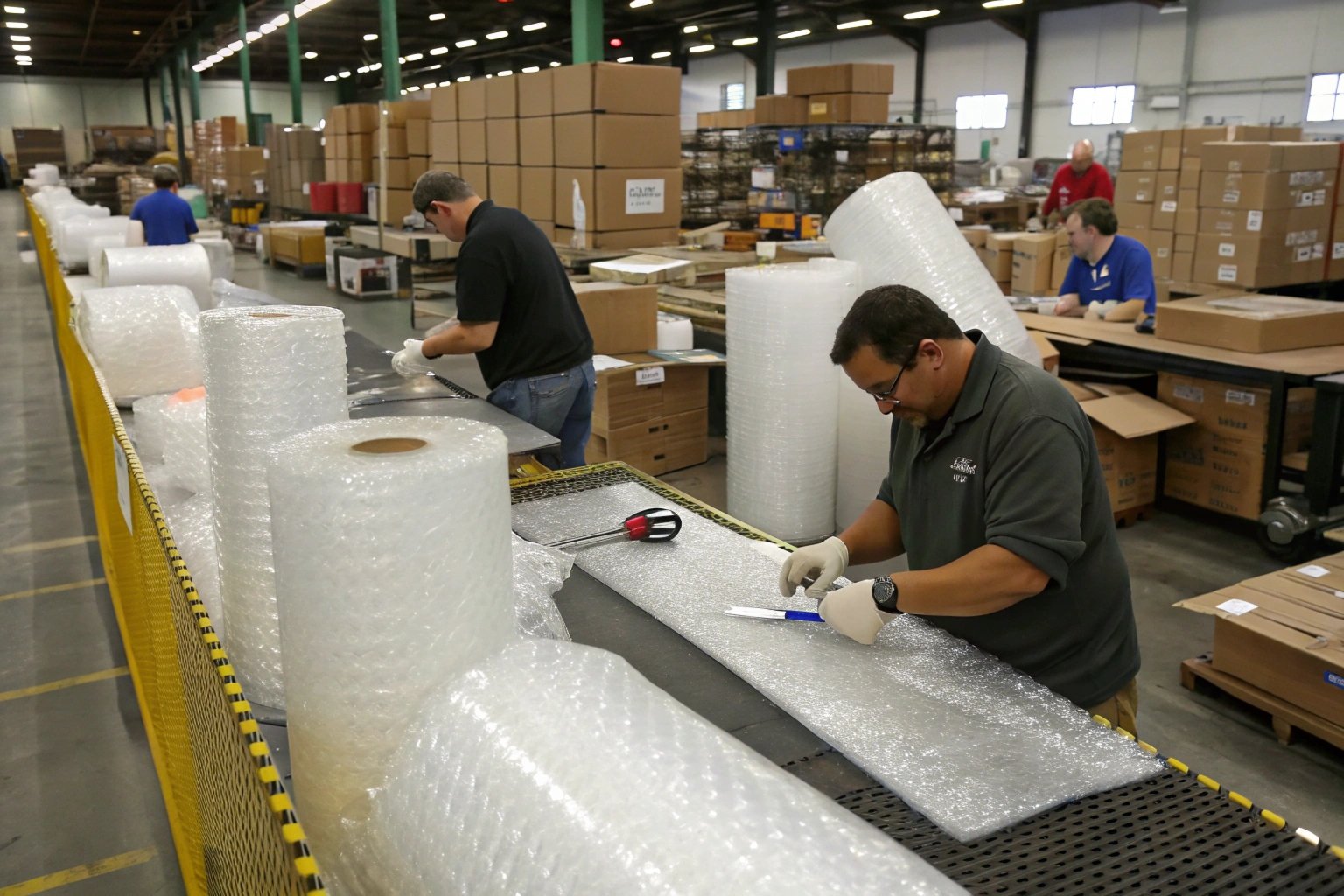
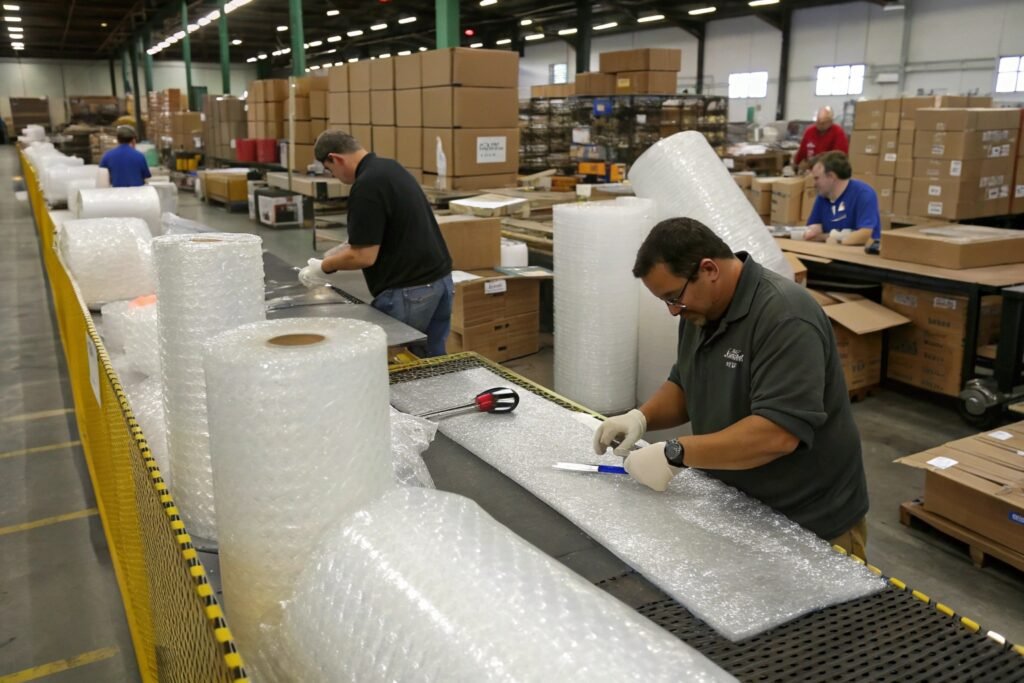
At first, the process looks simple. A worker pulls bubble wrap from a roll, measures it roughly, cuts it by hand, and packs the item. Each cut may only take a few seconds. But when this process repeats hundreds or thousands of times every day, those seconds quietly become lost labor hours.
I have seen many warehouses where packing teams constantly stop to cut bubble wrap manually. During busy shipping periods, workers begin forming small bottlenecks around packing stations1. Some employees wait for materials. Others rush and make uneven cuts. Managers then add overtime labor just to keep up with order volume.
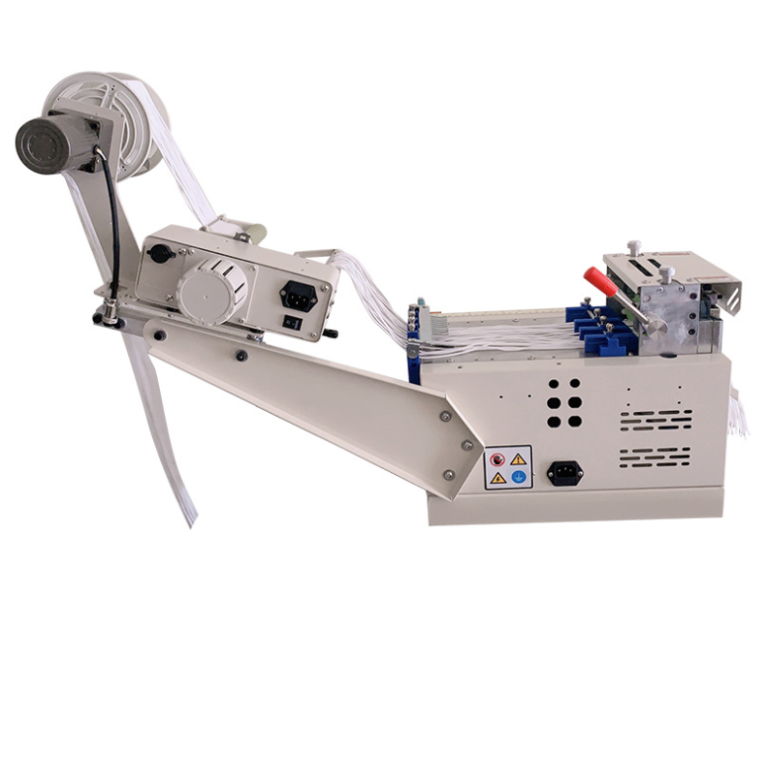
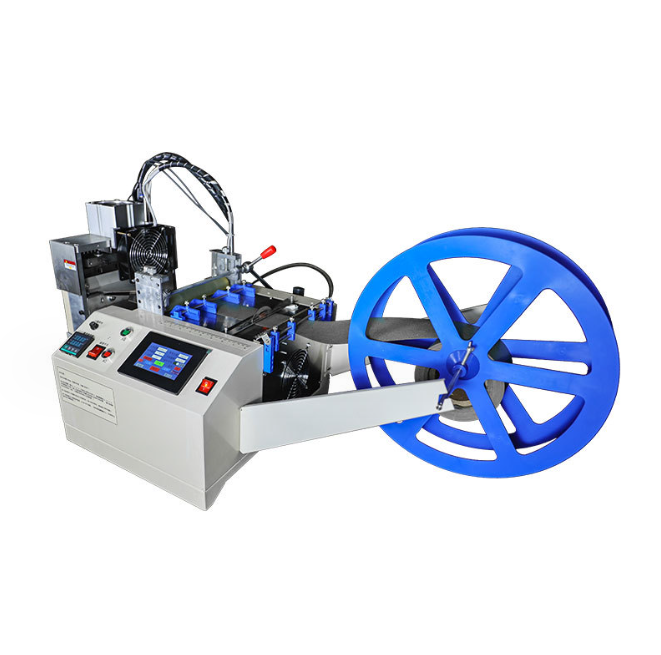
This is where automation changes the situation. An automatic bubble wrap cutting machine does not only increase speed. It removes repetitive manual tasks that slow down the entire shipping flow.
In this article, I will explain how manual bubble wrap cutting wastes time, how to calculate the hidden labor cost, and why many warehouses now automate this process.
Why Manual Bubble Wrap Cutting Becomes a Hidden Warehouse Bottleneck
Many warehouses do not realize packaging preparation is slowing operations until shipping volume grows.
Manual cutting creates small interruptions throughout the packing flow:
- Workers stop packing to measure material
- Bubble wrap rolls become tangled
- Employees wait for available cutting tools
- Incorrect cuts require recutting
- Packing stations become crowded
Each delay looks minor by itself. But together they create a serious productivity problem.
Common Signs of a Packaging Bottleneck
| Warning Sign | Operational Impact |
|---|---|
| Packers waiting for bubble wrap | Reduced throughput |
| Long lines at packing stations | Delayed shipments |
| Frequent recutting | Material waste |
| Overtime during peak seasons | Higher labor cost |
| Uneven package appearance | Poor customer experience |
| Workers constantly measuring material | Slower packing speed |
These problems become more serious in e-commerce and high-volume fulfillment operations.
Even a small delay per package can scale into many lost labor hours every day.
What Are the Signs That Your Packing Department Needs Automation?
Many companies wait too long before automating packaging processes.
Usually, the warning signs appear gradually.
Common Indicators That Automation Is Needed
1. Workers Spend More Time Preparing Materials Than Packing
If packers spend excessive time:
- Pulling rolls
- Measuring wrap
- Trimming material
- Correcting cuts
then manual preparation is already reducing efficiency.
2. Shipping Delays Increase During Busy Periods
Peak seasons expose weak packaging workflows very quickly2.
When order volume increases:
- Packing queues grow
- Workers rush
- Cutting mistakes increase
- Overtime becomes necessary
This often means the packaging process cannot scale efficiently.
3. Material Waste Keeps Rising
Manual cutting usually creates inconsistent usage3.
Some workers use too much bubble wrap. Others use too little.
This creates:
- Higher material cost
- Inconsistent protection quality
- More damaged shipments
4. Labor Costs Keep Increasing
Many warehouses solve packaging slowdowns by adding more workers.
But adding labor to an inefficient process often creates only temporary improvement.
Automation usually provides more stable long-term efficiency.
5. Packaging Quality Changes Between Shifts
Manual cutting depends heavily on worker habits and experience.
Different shifts may produce:
- Different cut lengths
- Different wrapping quality
- Different material usage
Automation standardizes the process4.
How to Calculate the Total Hours Spent on Cutting Materials Manually
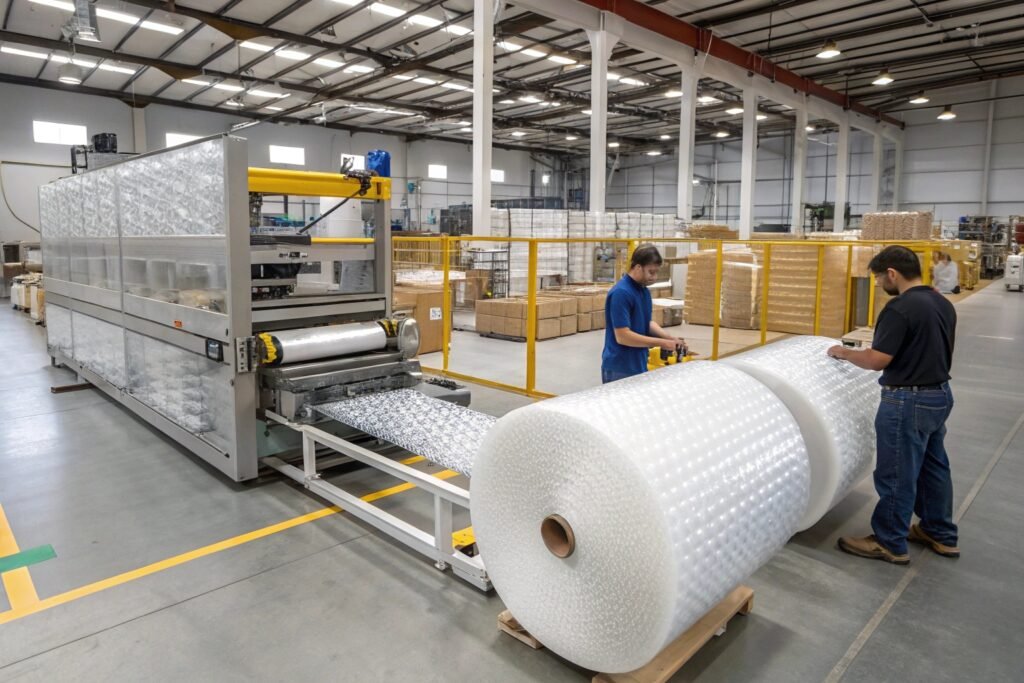
Many warehouse owners underestimate how much time manual cutting consumes because the task is divided into tiny repeated actions.
The best method is measuring the average cutting time per package.
Basic Formula
Seconds spent cutting per package
× Packages per day
÷ 3600
= Daily labor hours spent on cutting
Example Calculation
| Variable | Value |
|---|---|
| Cutting time per package | 20 seconds |
| Packages per day | 2,000 |
| Total cutting time daily | 11.1 hours |
That means the warehouse spends over 11 labor hours every day only preparing bubble wrap.
Now calculate yearly impact:
| Variable | Value |
|---|---|
| Daily cutting hours | 11.1 |
| Working days yearly | 300 |
| Total yearly cutting hours | 3,330 hours |
That equals:
- Multiple full-time employees
- Significant overtime expense
- Reduced warehouse throughput
Dive Deeper: Why Small Delays Become Massive Labor Costs
Many managers ignore packaging delays because each delay feels insignificant.
A worker may only spend:
- 15 seconds cutting material
- 10 seconds repositioning rolls
- 5 seconds correcting alignment
That looks harmless.
But warehouse operations work on repetition.
Small Delays Scale Rapidly
| Orders Per Day | Extra Seconds Per Order | Total Lost Hours |
|---|---|---|
| 500 | 20 sec | 2.7 hours |
| 2,000 | 20 sec | 11.1 hours |
| 5,000 | 20 sec | 27.8 hours |
Now consider peak season conditions:
- Workers become tired
- Mistakes increase
- Material jams happen
- Cutting quality drops
The delay becomes even larger.
This creates secondary operational problems:
Idle Workers
Sometimes one worker handles bubble wrap preparation while several packers wait behind that station.
The real labor loss is not only the cutter’s time. It is also the waiting time from other workers.
Overtime Costs
When shipments fall behind schedule, managers often add:
- Extra shifts
- Temporary workers
- Weekend labor
But the root issue may simply be slow material preparation.
Throughput Instability
Manual workflows often create unpredictable output rates.
Some hours move smoothly. Others slow down badly.
Automation creates more stable production flow.
This is why many warehouses invest in:
- Bubble wrap cutting machine
- Webbing tape cutting machine
- Hot and cold cutting machine
- Automatic punching cutting machine
- Protective foam cutting machine
These systems remove repetitive manual actions from the workflow.
How Does Manual Bubble Wrap Preparation Slow Down Peak Shipping Periods?
Peak seasons expose every weak point inside a warehouse.
During normal periods, manual cutting may appear manageable. But once order volume spikes, the process begins slowing everything down.
Common Peak-Season Problems
| Problem | Result |
|---|---|
| Workers rush cutting | More mistakes |
| Bubble wrap shortages | Packing interruptions |
| Material queues form | Shipping delays |
| Employee fatigue rises | Lower productivity |
| Recutting increases | More waste |
In busy periods, packaging speed becomes critical.
A warehouse may process:
- Black Friday orders
- Holiday sales
- Promotional campaigns
- Export rush shipments
Every second matters.
Manual cutting creates interruptions because workers constantly stop the packing flow to prepare cushioning material.
Automation reduces these interruptions.
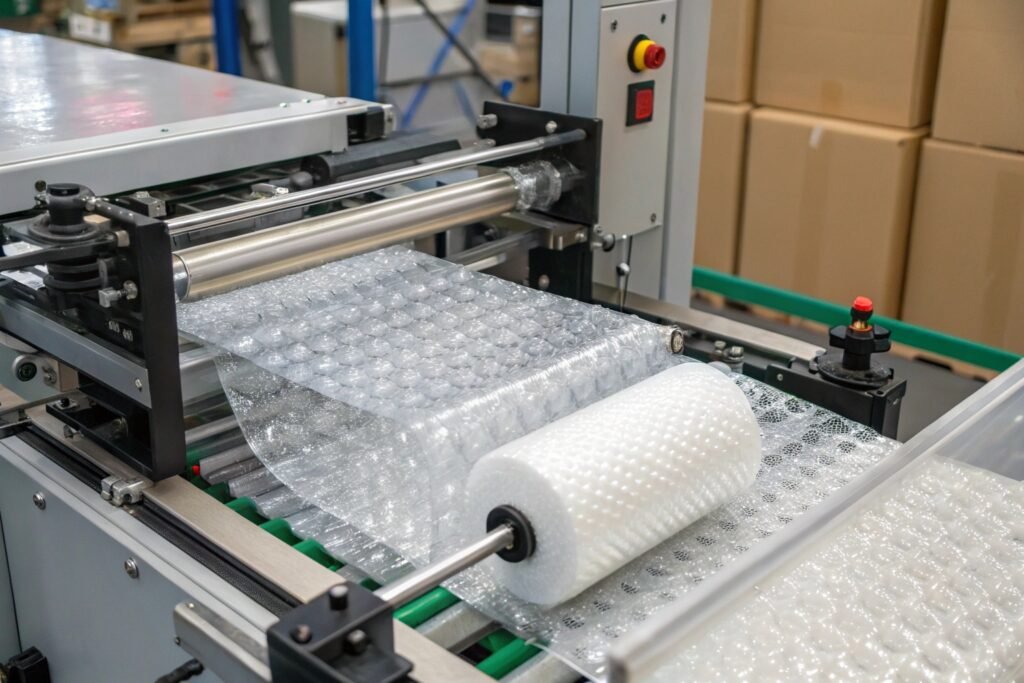
An automatic bubble wrap cutting machine can:
- Feed material continuously
- Cut preset lengths instantly
- Maintain stable output speed
- Reduce waiting time between packages
This helps warehouses maintain shipping speed even under heavy order pressure.
Why Manual Bubble Wrap Preparation Creates Workflow Imbalance
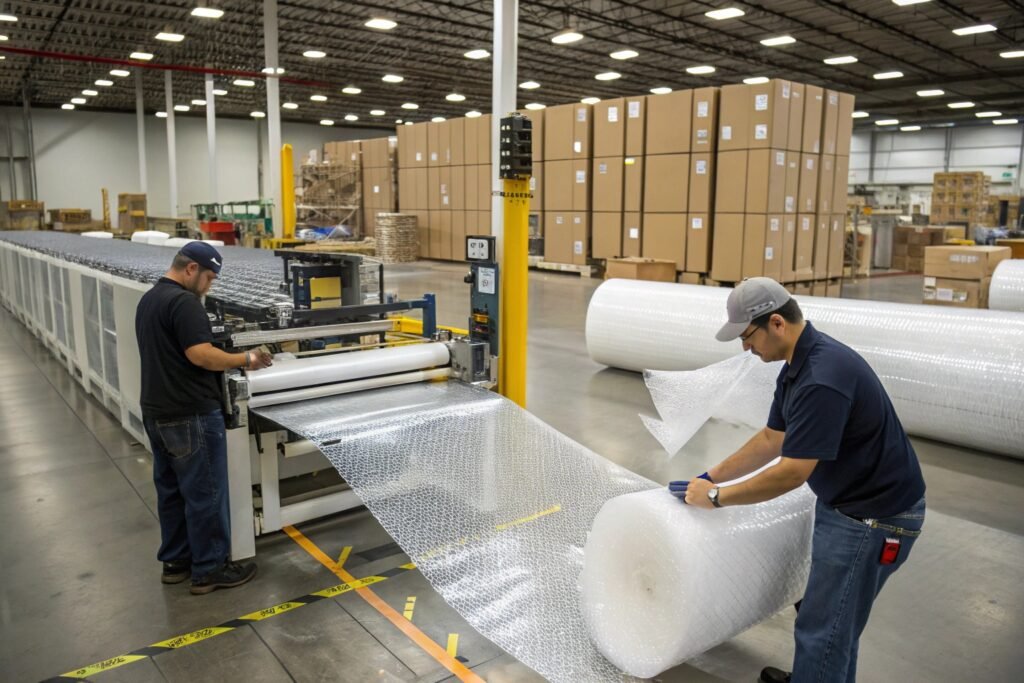
Warehouse efficiency depends on balance between stations.
If one step becomes slower than the others, the entire operation slows down.
Manual bubble wrap cutting often becomes that slow step.
For example:
| Workflow Step | Speed |
|---|---|
| Picking | Fast |
| Scanning | Fast |
| Packing | Medium |
| Manual bubble wrap cutting | Slow |
| Label printing | Fast |
The slowest step controls overall throughput5.
This creates:
- Workstation congestion
- Idle labor
- Inconsistent order flow
- Delayed carrier pickups
Automation helps balance workflow speed more evenly.
What Other Value-Added Tasks Can Workers Do If Cutting Is Automated?
One major benefit of automation is labor reallocation.
Instead of spending time on repetitive cutting, workers can focus on higher-value warehouse tasks.
Better Uses for Warehouse Labor
| Higher-Value Task | Business Benefit |
|---|---|
| Order picking | Faster fulfillment |
| Quality inspection | Fewer customer complaints |
| Exception handling | Better shipping accuracy |
| Inventory checks | Improved stock accuracy |
| Packing optimization | Lower shipping cost |
| Custom packaging | Better customer experience |
Many warehouses struggle with labor shortages6. Automation helps companies use existing employees more efficiently.
Dive Deeper: Why Labor Reallocation Matters More Than Labor Reduction
Many people think automation only replaces workers. In reality, many warehouses already face labor shortages.
The real goal is usually improving labor allocation.
When employees spend hours cutting bubble wrap manually, they are performing very low-value repetitive work.
That time could instead support:
- Faster order processing
- Better quality control
- Reduced shipping errors
- Improved customer satisfaction
Example Scenario
Without automation:
| Task | Time Distribution |
|---|---|
| Manual cutting | 35% |
| Actual packing | 40% |
| Waiting/repositioning | 15% |
| Error correction | 10% |
With automation:
| Task | Time Distribution |
|---|---|
| Material preparation | 5% |
| Actual packing | 65% |
| Quality checks | 15% |
| Exception handling | 15% |
The warehouse becomes more productive without necessarily increasing headcount.
This is especially important for fast-growing businesses.
As order volume grows, repetitive manual work scales badly. Automation scales much more efficiently.
That is why many companies now automate multiple material handling processes using:
- Bubble wrap cutting machine
- PVC edge banding cutting machine
- Different shapes cutting machine
- Rotary bevel cutting machine
- Computer tube cutting machine
- Wire cutting and stripping machine
- Metal pipe cutting and beveling machine
The objective is always similar:
- Reduce repetitive labor
- Improve consistency
- Increase throughput
- Support scalable operations
How Automation Improves Packaging Consistency
Customers notice packaging quality more than many warehouses expect7.
Manual cutting often creates:
- Uneven wrap sizes
- Excessive material usage
- Poor package appearance
Automation helps standardize packaging dimensions.
Benefits include:
- Cleaner presentation
- Better protection consistency
- Lower material cost
- More professional branding
This becomes especially important for export businesses and premium product brands.
How Automated Bubble Wrap Cutting Reduces Material Waste
Manual cutting often leads to:
- Overcutting
- Crooked trimming
- Damaged edges
- Incorrect measurements
An automatic bubble wrap cutting machine improves:
- Length precision
- Repeatability
- Material control
Comparison Between Manual and Automatic Cutting
| Factor | Manual Cutting | Automatic Cutting |
|---|---|---|
| Length consistency | Variable | Stable |
| Material waste | Higher | Lower |
| Operator dependency | High | Low |
| Packaging speed | Inconsistent | Predictable |
| Labor intensity | High | Lower |
More accurate dispensing also improves inventory planning because managers can predict material consumption more reliably.
Conclusion
Manual bubble wrap cutting may look like a small task, but in high-volume warehouses it can quietly consume large amounts of labor time.
The problem becomes especially serious during peak shipping periods when small delays multiply across thousands of orders.
An automatic bubble wrap cutting machine helps solve this by:
- Reducing repetitive manual work
- Improving packaging flow
- Lowering material waste
- Increasing throughput consistency
- Freeing workers for higher-value tasks
- Supporting scalable warehouse operations
For many warehouses, automation is no longer just about convenience. It is about removing a recurring labor bottleneck that slows the entire shipping process.
Insights Related to HAOXINHE
1. HAOXINHE focuses on improving packaging workflow efficiency
HAOXINHE machines are designed to reduce repetitive manual cutting and improve overall production flow stability.
2. Precision feeding systems reduce unnecessary delays
Stable material feeding helps maintain continuous packaging operations during high-volume shipping periods.
3. HAOXINHE supports customizable automation solutions
Different warehouses have different packaging needs. HAOXINHE provides flexible machine configurations for various materials and production scales.
4. Automation helps reduce overtime pressure
By improving cutting speed and consistency, HAOXINHE equipment helps warehouses handle peak-season demand more efficiently.
5. HAOXINHE machines support multiple cutting applications
The company produces:
- Bubble wrap cutting machine
- Webbing tape cutting machine
- Hot and cold cutting machine
- High-speed trademark cutting machine
- Automatic punching cutting machine
- Round shape cutting machine
- Rotary bevel cutting machine
- Different shapes cutting machine
- Computer tube cutting machine
- Wire cutting and stripping machine
- Metal pipe cutting and beveling machine
- PVC edge banding cutting machine
- Protective foam cutting machine
6. Automated cutting improves material utilization
More accurate cutting lengths help reduce hidden material waste during packaging operations.
7. HAOXINHE systems help standardize packaging quality
Preset cutting programs create more consistent packaging results across different operators and shifts.
8. Reduced manual handling lowers worker fatigue
Automation minimizes repetitive cutting motions and helps improve labor efficiency.
9. HAOXINHE machines support scalable warehouse growth
As shipping volume increases, automated cutting helps maintain stable throughput without proportionally increasing labor.
10. Data-driven operations become easier
Automated systems make it easier to track production output, material usage, and packaging efficiency.
Insights Related to HAOXINHE
1. HAOXINHE Helps Warehouses Eliminate Hidden Packaging Bottlenecks
One of the biggest operational problems in modern warehouses is not always labor shortage — it is workflow imbalance. HAOXINHE automatic bubble wrap cutting machines help eliminate repetitive manual cutting tasks that quietly slow down packing speed, create workstation congestion, and reduce overall throughput. In high-volume fulfillment operations, removing even a few seconds from each package can translate into hundreds of saved labor hours annually. :contentReference[oaicite:0]{index=0}
2. Precision Feeding Systems Improve Packaging Flow Stability
In fast-moving shipping environments, unstable material feeding often causes packing interruptions, inconsistent output, and operator delays. HAOXINHE machines use precision feeding systems that maintain continuous material flow, helping warehouses achieve more predictable packaging speed during peak order periods. This becomes especially valuable during Black Friday, holiday surges, and export rush seasons where operational consistency directly affects delivery performance. :contentReference[oaicite:1]{index=1}
3. HAOXINHE Supports Scalable Packaging Automation
Different industries require different cutting solutions. HAOXINHE provides flexible machine configurations for bubble wrap, foam, webbing tape, PVC edge banding, tubes, wires, and specialty materials. This allows manufacturers and warehouses to scale automation gradually instead of redesigning entire production lines at once — a strategy many fast-growing operations now prefer to reduce implementation risk and improve ROI. :contentReference[oaicite:2]{index=2}
4. Automation Reduces Long-Term Labor Pressure
Many warehouse managers mistakenly solve packaging slowdowns by adding overtime labor. In reality, repetitive manual cutting creates compounding labor inefficiencies that scale poorly as order volume increases. HAOXINHE automation systems help companies reduce overtime dependency, stabilize output rates, and improve workforce allocation without continuously increasing headcount.
-
"Packing Station Design Eliminate Bottlenecks & Inefficiency", https://www.apexwarehousesystems.com/eliminate-bottlenecks-errors-how-to-optimize-your-packing-station-for-peak-efficiency/. Warehouse operations research identifies material preparation as a common constraint point in packing workflows, where sequential dependencies and resource contention create throughput limitations that propagate through downstream processes. Evidence role: mechanism; source type: research. Supports: that material preparation activities can create bottlenecks in warehouse packing operations. Scope note: The citation addresses general material handling bottlenecks rather than specifically bubble wrap cutting operations ↩
-
"[PDF] Response Strategies for Demand Surges in Last‐Mile Logistics", https://dr.lib.iastate.edu/server/api/core/bitstreams/f5fb0f5c-f284-44b8-83aa-004bd37bd006/content. Operations management research demonstrates that peak demand periods function as stress tests for production systems, revealing capacity constraints and process inefficiencies that remain hidden during normal operating conditions. Evidence role: mechanism; source type: research. Supports: that demand surges expose latent inefficiencies in operational workflows. Scope note: The citation supports the general principle of demand-driven stress testing but does not specifically address packaging workflows ↩
-
"Dimensional Accuracy and Measurement Variability in CNC-Turned …", https://pmc.ncbi.nlm.nih.gov/articles/PMC12194426/. Human factors research consistently demonstrates that manual measurement and cutting operations exhibit greater inter-operator and intra-operator variability compared to automated systems, due to differences in technique, fatigue, and perceptual judgment. Evidence role: mechanism; source type: research. Supports: that manual cutting processes exhibit higher variability than automated alternatives. ↩
-
"Selected Determinants of Machines and Devices Standardization in …", https://pmc.ncbi.nlm.nih.gov/articles/PMC9822156/. Manufacturing and quality control research demonstrates that automated systems reduce process variability by eliminating human-dependent factors such as technique variation, fatigue effects, and measurement inconsistency, resulting in more predictable output characteristics. Evidence role: mechanism; source type: research. Supports: that automation reduces process variability and improves standardization. ↩
-
"Bottleneck factors impacting nurses’ workflow and the opportunity to …", https://pmc.ncbi.nlm.nih.gov/articles/PMC11389255/. The Theory of Constraints, formalized by Eliyahu Goldratt, establishes that any system’s throughput is limited by its slowest constraint or bottleneck, a principle widely applied in manufacturing and logistics operations management. Evidence role: mechanism; source type: education. Supports: that the slowest process step determines overall system throughput. ↩
-
"Employment in Transportation and Warehousing Industries", https://www.bls.gov/spotlight/2024/keeping-america-moving-employment-in-transportation-and-warehousing-industries/home.htm. U.S. Bureau of Labor Statistics data indicates persistent labor challenges in the warehousing and storage sector, with job openings frequently exceeding available workers, particularly during peak e-commerce periods and in regions with high fulfillment center concentration. Evidence role: statistic; source type: government. Supports: that warehouse and logistics operations face labor availability challenges. Scope note: The citation provides general labor market context but does not quantify specific shortage severity or geographic distribution ↩
-
"The Impact of Visual Elements of Packaging Design on Purchase …", https://pmc.ncbi.nlm.nih.gov/articles/PMC11851823/. Consumer behavior research in e-commerce contexts demonstrates that packaging quality, presentation, and unboxing experience contribute to overall customer satisfaction and brand perception, with poorly packaged items generating negative reviews and increased return rates. Evidence role: general_support; source type: research. Supports: that packaging quality influences customer perception and satisfaction. Scope note: The citation addresses general packaging perception but does not specifically isolate bubble wrap cutting quality as a factor ↩