Can a Bubble Wrap Cutting Machine Handle Large Bubbles and Heavy-Duty Materials?
Many packaging factories no longer use only standard lightweight bubble wrap. Today, many industries require:
- Large-bubble protective packaging
- Multi-layer bubble foam
- Laminated air cushion materials
- Reinforced industrial bubble wrap
- Heavy-duty protective films
Because of this, many buyers ask an important question:
“Can a standard bubble wrap cutting machine handle large bubbles and heavy-duty materials?”
The short answer is:
Yes — but only if the machine is designed for the material thickness, bubble size, and structural complexity you need.
Not all bubble wrap cutting machines are the same. Some machines are built only for lightweight packaging films. Others are designed for industrial-grade materials with higher thickness and stronger structure.
In this article, I will explain:
- Maximum thickness and bubble height limits
- Blade wear problems with heavy-duty materials
- How machines avoid bubble bursting
- How feeding rollers manage textured or multi-layer materials
- What buyers should check before purchasing
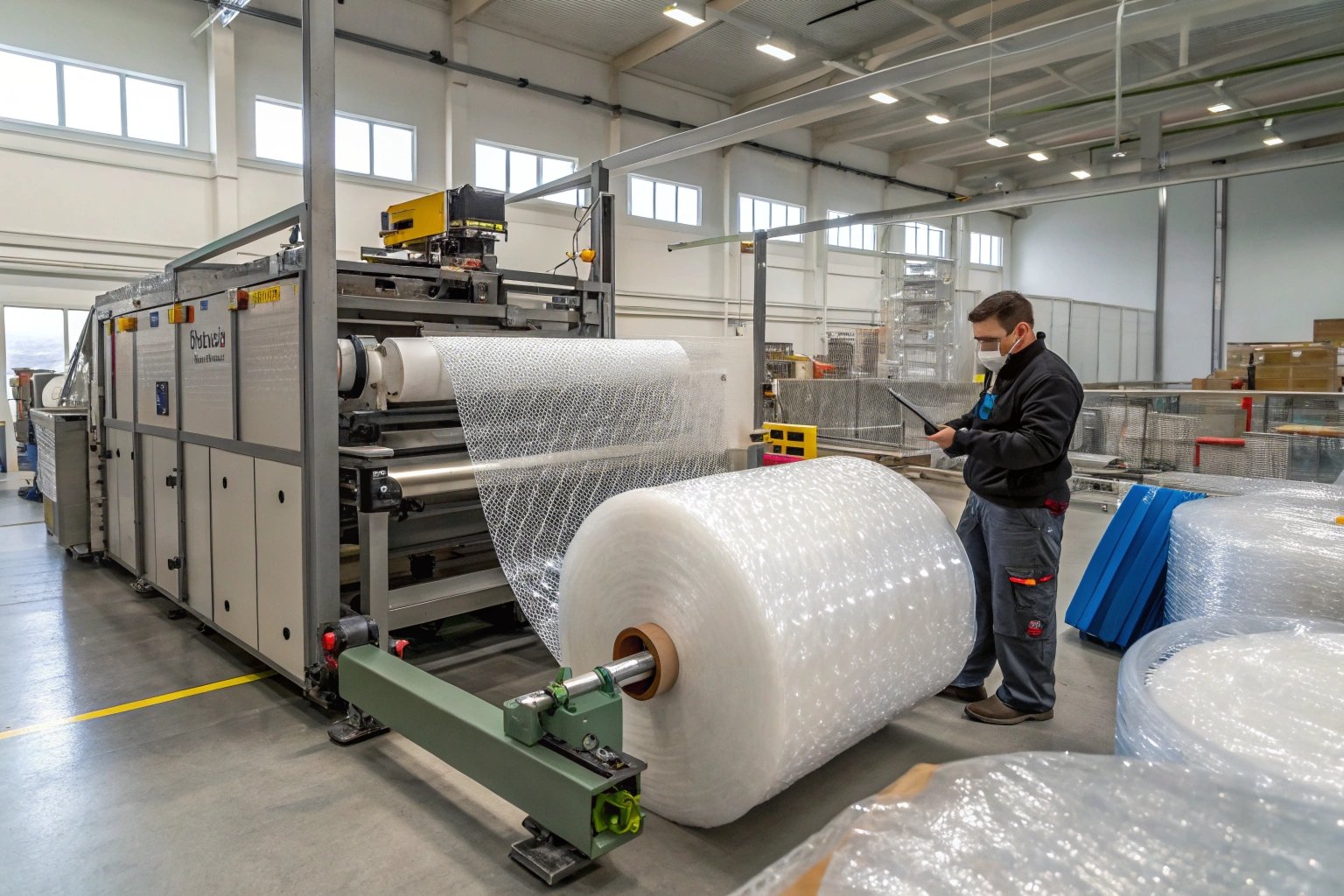
Yes, a bubble wrap cutting machine can handle large bubbles and heavy-duty materials, but the machine must be designed for thicker, softer, and multi-layer packaging structures.
- Industrial machines typically process materials from 2 mm to 30 mm+1 using rotary shear, compression, or pneumatic cutting systems.
- Adjustable roller pressure and servo feeding help prevent bubble bursting, wrinkling, and feeding instability.
- Heavy-duty laminated materials increase blade wear, so buyers should verify thickness limits, roller design, motor strength, and blade configuration before purchasing.
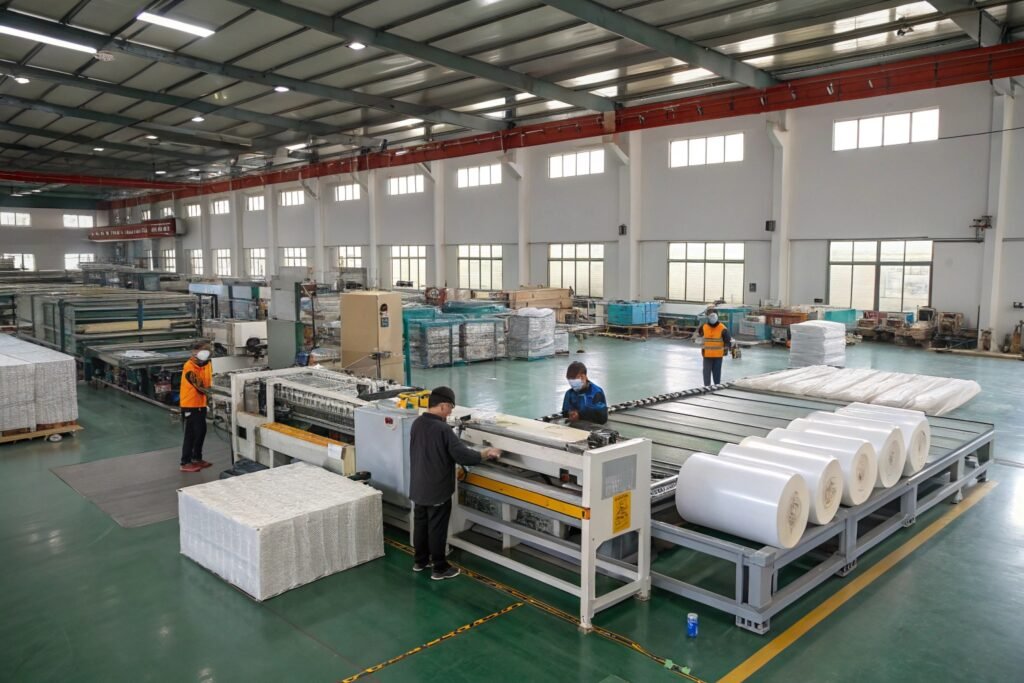
Why Bubble Size and Material Thickness Matter
Bubble wrap may look simple, but the structure changes greatly depending on the application.
Standard Bubble Wrap vs Heavy-Duty Bubble Wrap
| Material Type | Typical Structure |
|---|---|
| Standard bubble wrap | Thin single-layer film |
| Large-bubble wrap | Larger air chambers |
| Heavy-duty wrap | Thicker plastic film |
| Laminated bubble wrap | Multi-layer structure |
| Foam-bubble composite | Bubble + foam protection |
The cutting behavior changes as the material becomes:
- Thicker
- Softer
- More compressible
- More textured
This directly affects machine design requirements.
Can Bubble Wrap Cutting Machines Handle Large Bubbles?
Yes, many industrial machines can handle large-bubble materials. However, machine configuration becomes very important.
What Counts as “Large Bubble” Material?
Bubble sizes vary widely.
| Bubble Type | Approximate Bubble Height |
|---|---|
| Small bubble | 3–5 mm |
| Medium bubble | 8–10 mm |
| Large bubble | 15–25 mm |
| Heavy-duty cushioning bubble | 25 mm+ |
Standard office-style cutters may struggle with larger bubbles because the material becomes more compressible and uneven.
Industrial systems are better equipped for this.
Why Large Bubbles Are Harder to Cut
Large bubbles create several challenges:
Uneven Surface Pressure
The material surface is not flat.
Material Compression
The bubbles compress under roller pressure.
Feeding Instability
The roll may shift slightly during transport.
Air Pocket Sensitivity
Too much cutting pressure may burst the bubbles2.
Because of this, machine feeding systems become extremely important.
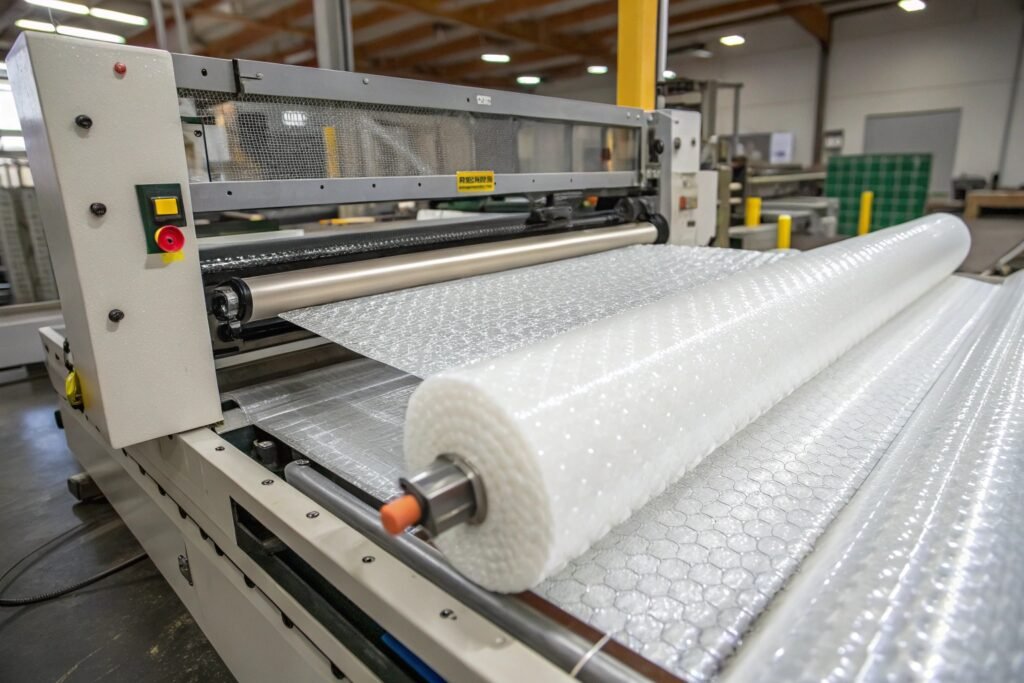
What Is the Maximum Thickness or Bubble Height the Blade Can Pass?
There is no single universal number because machines vary greatly.
However, industrial bubble wrap cutting systems commonly process:
| Material Type | Typical Thickness Range |
|---|---|
| Standard bubble wrap | 2–6 mm |
| Medium industrial bubble wrap | 8–15 mm |
| Heavy-duty bubble foam | 15–30 mm |
| Multi-layer protective foam | 30 mm+ |
Blade Clearance Is Critical
The blade system must provide enough clearance for the material height.
Machines may use:
- Rotary shear blades
- Compression cutting systems
- Pneumatic blade systems
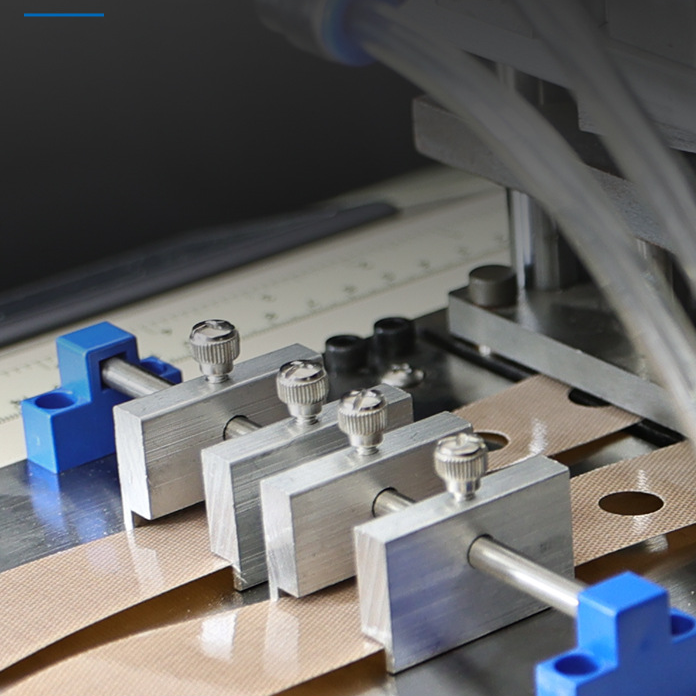
- Adjustable blade gaps
These systems help the blade pass through thick materials smoothly.
Industrial Machines Often Include Adjustable Pressure Systems
Advanced machines allow operators to adjust:
- Blade pressure
- Roller pressure
- Feeding tension
- Cutting depth
This improves compatibility with different bubble sizes.
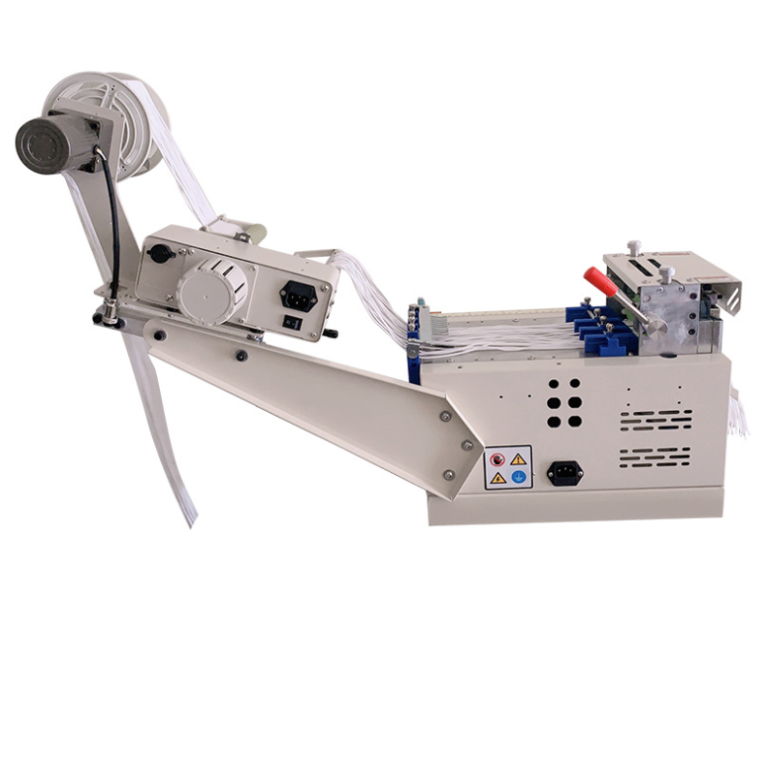
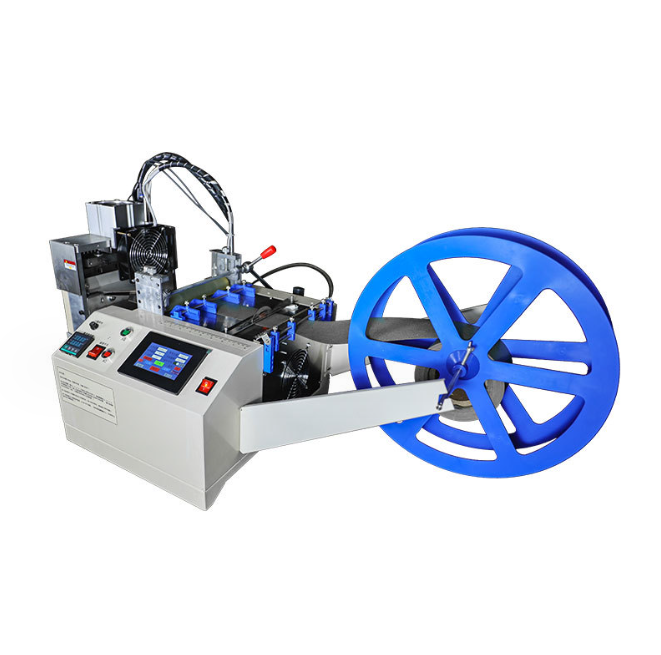
At HAOXINHE, our Bubble Wrap Cutting Machine, Protective Foam Cutting Machine, and different shapes cutting machine can be customized for different material thickness requirements.
Does Heavy-Duty Bubble Wrap Wear Out Blades Faster?
Yes. Heavy-duty and laminated materials usually increase blade wear3.
Why Blade Wear Increases
Heavy-duty materials create more resistance during cutting.
This causes:
- Higher friction
- More blade heat
- Faster edge dulling
- Greater motor load
Materials That Accelerate Blade Wear
| Material Type | Blade Wear Level |
|---|---|
| Standard bubble wrap | Low |
| Thick laminated film | Medium |
| Reinforced plastic film | High |
| Foam composite material | High |
| Fiberglass-backed material | Very high |
Signs of Blade Wear
Operators may notice:
- Rough edges
- Tearing
- Material stretching
- Increased cutting noise
- Uneven cuts
This usually means blade replacement is needed.
Which Blade Systems Handle Heavy Materials Best?
Different blade technologies perform differently.
Rotary Shear Cutting
Rotary systems are very common for industrial bubble wrap4.
Advantages
- Smooth cutting motion
- Lower impact force
- Better high-speed operation
Compression Cutting
Compression systems press the material against a fixed edge.
Advantages
- Stable sheet cutting
- Good for soft materials
- Lower bubble damage risk
Pneumatic Blade Systems
Pneumatic systems use air pressure to assist cutting.
Advantages
- Stronger cutting force
- Better for thick materials
- Reduced operator effort
This is often useful for:
- Heavy-duty bubble wrap
- Foam laminates
- Multi-layer packaging materials
How Does the Machine Prevent Large Air Bubbles From Bursting?
This is one of the biggest technical challenges in bubble wrap processing.
Industrial machines use several methods to protect the air pockets.
Controlled Roller Pressure
Too much roller pressure crushes the bubbles.
Modern machines use adjustable pressure systems5.
Operators Can Fine-Tune:
- Feeding pressure
- Roller compression
- Material tension
This reduces air loss during transport.
Stable Feeding Speed
Sudden acceleration may stretch the material.
Servo-controlled feeding systems maintain stable motion.
Sharp Blade Geometry
A dull blade pushes and compresses the material instead of slicing cleanly6.
Sharp blades reduce cutting force.
Proper Blade Angle
Blade angle affects:
- Cutting smoothness
- Material deformation
- Bubble compression
This is why industrial machines often use optimized blade geometry.
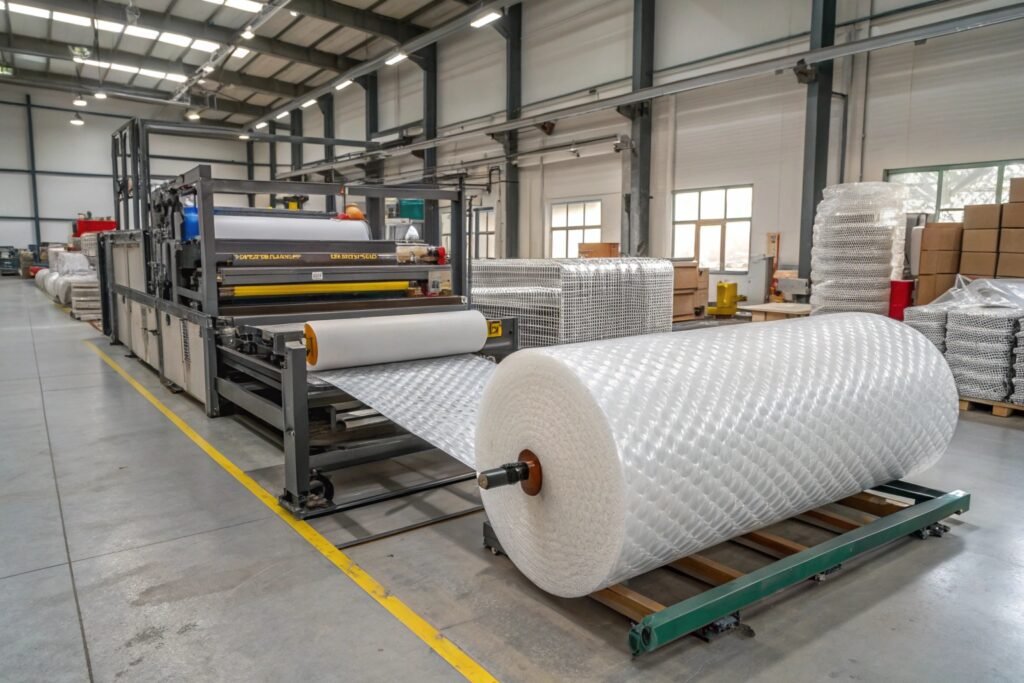
Can Feeding Rollers Grip Textured or Multi-Layer Materials Smoothly?
Yes — but roller design matters greatly.
Why Multi-Layer Materials Are Harder to Feed
Heavy-duty materials may include:
- Textured surfaces
- Foam layers
- Reinforced film
- Laminated structures
These materials behave differently from smooth plastic films.
Problems may include:
- Slippage
- Wrinkling
- Uneven tension
- Feeding drift
Industrial Machines Use Specialized Rollers
Common Roller Types
| Roller Type | Purpose |
|---|---|
| Rubber rollers | Better grip |
| Knurled rollers | Textured material feeding |
| Silicone rollers | Soft pressure control |
| Servo rollers | Precision feeding |
Tension Control Systems Are Also Important
Advanced machines monitor:
- Material tension
- Feeding speed
- Roller synchronization
This helps maintain smooth movement even with difficult materials.
At HAOXINHE, we optimize roller systems for many soft materials, including:
- Bubble wrap
- Foam
- PVC edge banding
- Webbing tape
- Protective films
This improves feeding accuracy and production stability.
What Happens If the Machine Is Not Designed for Heavy-Duty Materials?
This is a common problem when buyers choose low-cost machines without checking specifications carefully.
Common Problems
| Problem | Cause |
|---|---|
| Bubble bursting | Excess roller pressure |
| Material slipping | Weak feeding rollers |
| Uneven cutting | Poor blade system |
| Blade breakage | Excessive resistance |
| Motor overload | Material too thick |
| Feeding jams | Poor tension control |
Many low-cost machines are only designed for lightweight bubble wrap.
Heavy-duty materials require stronger mechanical structure.
Important Specifications Buyers Should Check
Before purchasing a machine, buyers should confirm several important points.
Material Thickness Range
Ask:
What is the maximum material thickness?
Bubble Height Compatibility
Ask:
Has the machine been tested with large-bubble materials?
Roller Type
Ask:
What feeding roller system is used?
Blade Technology
Ask:
Is the machine using rotary shear, compression cutting, or pneumatic cutting?
Motor Strength
Heavy materials require stronger drive systems7.
Can One Machine Handle Both Standard and Heavy-Duty Bubble Wrap?
Yes, many industrial systems are designed for multi-material flexibility.
Adjustable Systems Make This Possible
Modern machines may include:
- Adjustable roller pressure
- Variable cutting speed
- Interchangeable blades
- Servo feeding systems
This allows factories to process:
- Thin bubble wrap
- Thick foam materials
- Laminated protective packaging
on one machine.
At HAOXINHE, many customers request customized systems that support both:
- Standard packaging production
- Heavy industrial protective materials
This improves production flexibility and reduces equipment investment.
Bubble Wrap Cutting Technology Compared With Other Material Cutting Systems
The technology used for heavy-duty bubble wrap is very similar to other industrial cutting applications.
Shared Technologies
| Machine Type | Shared Technology |
|---|---|
| Webbing ribbon cutting machine | Servo feeding |
| Hot and cold cutting machine | Material tension control |
| Rotary bevel cutting machine | Rotary blade cutting |
| Protective Foam Cutting Machine | Soft material handling |
| PVC Edge Banding Cutting Machine | Precision feeding |
Because of this, experienced manufacturers can adapt machine platforms across multiple industries.
Insights About HAOXINHE Heavy-Duty Cutting Solutions
We Customize Machines for Different Material Structures
At HAOXINHE, we know that packaging materials vary greatly between industries.
Some customers process:
- Thin e-commerce bubble wrap
- Thick industrial cushioning materials
- Multi-layer foam laminates
Because of this, we customize:
- Roller systems
- Blade configurations
- Feeding pressure
- Automation level
based on actual material requirements.
We Focus on Feeding Stability
Large bubbles and soft materials require smooth feeding control.
Our systems focus heavily on:
- Servo synchronization
- Roller grip optimization
- Material tension stability
- Precision cutting alignment
This helps reduce bubble bursting and material waste.
We Support Multiple Industrial Applications
Our cutting equipment includes:
- Bubble Wrap Cutting Machine
- Protective Foam Cutting Machine
- Hot and cold cutting machine
- Webbing ribbon cutting machine
- Different shapes cutting machine
- Automatic punching cutting machine
- Rotary bevel cutting machine
These systems support a wide range of soft packaging and protective materials.
Conclusion
Yes, a bubble wrap cutting machine can handle large bubbles and heavy-duty materials — but only if the machine is designed correctly for the application.
The most important factors include:
- Material thickness
- Bubble height
- Blade system
- Roller design
- Feeding stability
- Motor strength
Heavy-duty and laminated materials usually increase blade wear and require stronger feeding systems.
Large air bubbles also require careful pressure control to avoid bursting during feeding and cutting.
Modern industrial machines solve these challenges using:
- Adjustable roller pressure
- Precision feeding systems
- Rotary shear cutting
- Pneumatic assistance
- Optimized blade geometry
Before purchasing a machine, buyers should always confirm:
- Maximum width capacity
- Thickness compatibility
- Bubble size support
- Feeding technology
- Blade configuration
The right machine improves production efficiency, reduces waste, and increases long-term operating stability.
-
"Heat sealing evaluation and runnability issues of flexible paper …", https://bioresources.cnr.ncsu.edu/resources/heat-sealing-evaluation-and-runnability-issues-of-flexible-paper-materials-in-a-vertical-form-fill-seal-packaging-machine/. Industrial cutting systems for flexible packaging materials commonly accommodate thickness ranges from approximately 2 mm to 30+ mm, though specific capabilities vary by machine design and manufacturer specifications. Evidence role: statistic; source type: research. Supports: typical thickness processing ranges for industrial cutting machinery. Scope note: This represents general industry capabilities rather than universal standards, as individual machine specifications may differ significantly based on design and intended application. ↩
-
"Cutting soft materials: how material differences shape the response", https://pmc.ncbi.nlm.nih.gov/articles/PMC12789027/. Air-filled cushioning materials exhibit pressure-sensitive behavior where excessive localized force can compromise seal integrity and cause air pocket rupture, a consideration documented in packaging materials research examining the relationship between processing forces and material integrity. Evidence role: mechanism; source type: paper. Supports: the mechanical behavior of air-filled cushioning materials under compression and cutting forces. Scope note: While the general principle is established in materials science, specific pressure thresholds vary significantly based on film thickness, seal strength, and bubble geometry. ↩
-
"Root Causes and Mechanisms of Failure of Wind Turbine Blades", https://pmc.ncbi.nlm.nih.gov/articles/PMC9101399/. Cutting tool wear rates increase with material thickness, hardness, and structural complexity, as documented in tribology research examining blade-material interactions, with laminated and reinforced materials generating higher friction and thermal loads that accelerate edge degradation. Evidence role: mechanism; source type: paper. Supports: the relationship between material properties and cutting tool wear rates. Scope note: Actual wear rates depend on multiple factors including blade material, cutting speed, cooling methods, and specific material composition, making direct quantitative predictions difficult without controlled testing. ↩
-
"[PDF] Flexible Packaging Industry Segment Profile Analysis", https://www.cga.ct.gov/env/tfs/20170216_Task%20Force%20to%20Study%20Methods%20for%20Reducing%20Consumer%20Packaging%20that%20Generates%20Solid%20Waste/20170719/Flexible%20Packaging%20Association%20-%20Industry%20Segment%20Profile%20Analysis.pdf. Rotary cutting systems are commonly employed in flexible packaging and film processing operations due to their continuous motion capabilities and suitability for high-speed production environments, as reflected in packaging machinery industry documentation and equipment specifications. Evidence role: general_support; source type: institution. Supports: the prevalence of rotary cutting technology in flexible packaging material processing. Scope note: While rotary systems are common, the specific prevalence in bubble wrap processing versus other cutting methods is difficult to quantify without comprehensive industry surveys. ↩
-
"Pressure Control & Relief", https://encyclopedia.che.engin.umich.edu/pressure-control/. Contemporary industrial material processing equipment increasingly incorporates adjustable pressure control systems to accommodate varying material properties and thicknesses, reflecting broader trends toward flexible manufacturing capabilities documented in packaging and converting machinery technical specifications. Evidence role: general_support; source type: institution. Supports: the incorporation of adjustable pressure systems in modern industrial cutting equipment. Scope note: The term ‘modern machines’ is imprecise, and the prevalence of this feature varies significantly across equipment categories, price points, and manufacturers. ↩
-
"Effects of Hardness, Blade Angle and the Micro-Geometry of … – PMC", https://pmc.ncbi.nlm.nih.gov/articles/PMC10420138/. Blade sharpness fundamentally affects cutting mechanics, with sharp edges enabling shear-dominated cutting while dull edges increase compressive and tensile stresses in the material, a principle documented in cutting mechanics research examining the transition from clean shearing to material deformation and tearing. Evidence role: mechanism; source type: paper. Supports: the relationship between blade sharpness and cutting mechanism in material processing. ↩
-
"Cutting Power – an overview | ScienceDirect Topics", https://www.sciencedirect.com/topics/engineering/cutting-power. Material processing equipment requires drive system capacity proportional to cutting forces, which increase with material thickness, density, and mechanical strength, a fundamental principle in machinery design where motor power and torque specifications must accommodate maximum anticipated loads as documented in mechanical engineering design references. Evidence role: mechanism; source type: education. Supports: the relationship between material properties and required drive system capacity in processing equipment. ↩