How to Cut Flexible Plastic Tubing?
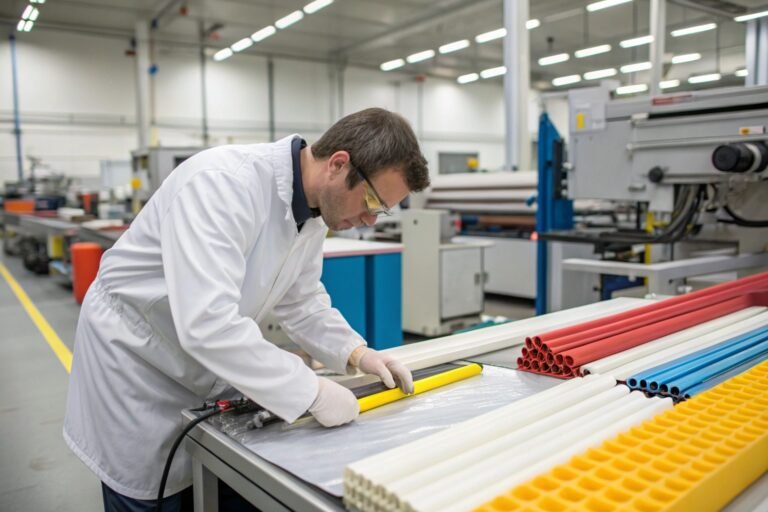
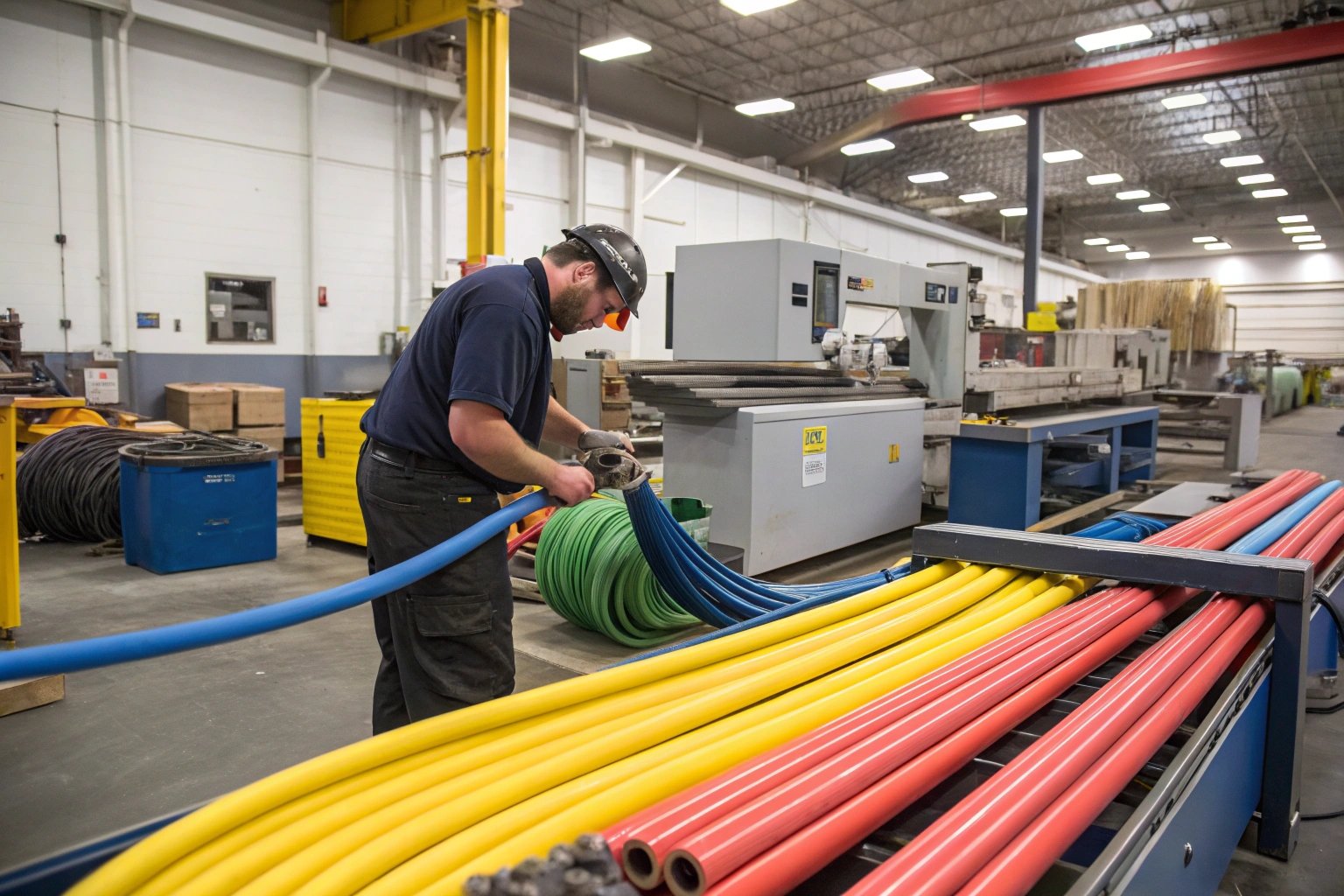
Flexible plastic tubing is used in many industries, including automotive systems, medical equipment, water filtration, pneumatic systems, food processing, and industrial manufacturing. I often work with different types of tubing such as PVC tubing, polyurethane tubing, silicone tubing, polyethylene tubing, and rubber tubing. While these materials are flexible and easy to install, many people struggle to cut them properly.
A poor cut can create several problems. The tubing may not fit securely onto fittings. The connection may leak under pressure. The edge may become crushed, jagged, or uneven. In production environments, inaccurate cuts can also lead to wasted material and lower efficiency.
The good news is that flexible plastic tubing can be cut smoothly and accurately when the correct tools and techniques are used. Whether I am cutting a single piece of tubing by hand or processing thousands of pieces in a factory, the same basic principles apply. A sharp cutting tool, proper support, accurate measurements, and controlled cutting pressure are the keys to achieving professional results.
Clean and square cuts are especially important when tubing must connect to barbed fittings, push-to-connect fittings, compression fittings, or automated assembly systems. Even a small angle error can affect performance.
In this guide, I will explain the best methods for cutting flexible plastic tubing, the tools that work best, common mistakes to avoid, and how manufacturers achieve precise and repeatable cuts in large-scale production.
How to Cut Thick Rubber Tubing?
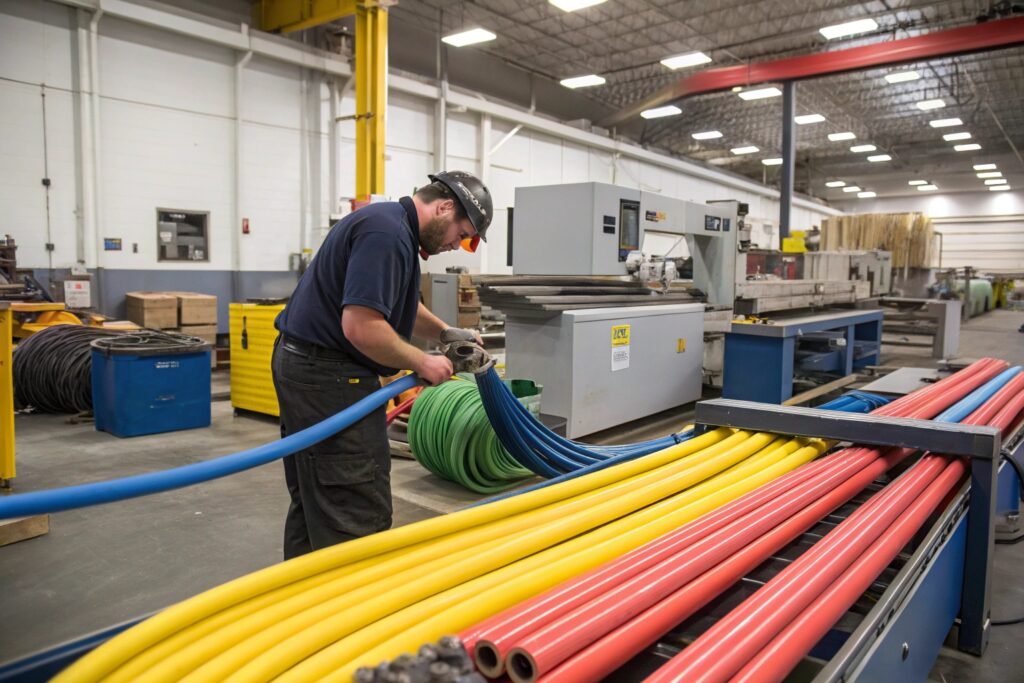
Cutting thick rubber tubing can be more challenging than cutting standard plastic tubing because rubber is softer, more elastic, and more resistant to blade penetration. Many people find that thick rubber tubing tends to compress, stretch, or deform during cutting. Instead of producing a clean edge, the cut may become rough, angled, or uneven.
I have found that the secret to cutting thick rubber tubing successfully is not using more force. Instead, the key is using the right cutting tool, proper preparation, and controlled cutting techniques.
Why Thick Rubber Tubing Is Difficult to Cut
Rubber behaves differently from rigid materials. When pressure is applied, the tubing often compresses before the blade actually cuts through it. This can cause the tubing to flatten and shift during the cutting process.
Several factors make thick rubber tubing difficult to cut:
| Challenge | Impact on Cutting |
|---|---|
| High Elasticity | Tubing stretches during cutting |
| Thick Walls | Increased resistance |
| Soft Surface | Blade can wander |
| Compression | Uneven cut angles |
| Flexible Shape | Difficult to stabilize |
Because of these characteristics, achieving a perfectly square cut requires more attention than simply slicing through the material.
Select the Correct Cutting Tool
The cutting tool has the greatest influence on cut quality.
For most thick rubber tubing applications, I recommend using either a sharp utility knife, a heavy-duty razor blade, or a specialized tubing cutter designed for flexible materials.
A sharp blade slices through the tubing cleanly and reduces deformation.
Recommended Cutting Tools
| Tool Type | Performance | Recommended Use |
|---|---|---|
| Utility Knife | Excellent | General rubber tubing |
| Razor Blade | Excellent | Precision cuts |
| Tubing Cutter | Excellent | Repeatable production work |
| Ratcheting Cutter | Very Good | Small diameter tubing |
| Fine-Tooth Saw | Fair | Large tubing |
| Dull Blade | Poor | Not recommended |
Special-purpose tube cutters are often the best solution when accuracy and repeatability are important. These tools are specifically designed to keep the tubing square during cutting.
Mark the Cut Before Starting
One mistake I frequently see is cutting without first marking the desired length.
Before making any cut, I measure carefully and mark the exact location. This simple step improves accuracy and helps ensure every piece is cut to the correct length.
Benefits of Marking First
Better Accuracy
A visible guide line reduces measurement errors.
Consistent Production
Multiple pieces can be cut to identical lengths.
Straighter Cuts
The blade has a clear path to follow.
Reduced Waste
Fewer mistakes mean less material loss.
| Marking Method | Accuracy |
|---|---|
| Permanent Marker | Good |
| Tape Guide | Very Good |
| Measuring Jig | Excellent |
| Automated Stop Block | Production Grade |
When precision matters, proper marking should never be skipped.
Stabilize the Tubing Before Cutting
Support is critical when cutting thick rubber tubing.
If the tubing moves during the cut, the blade may drift and create an uneven edge. The tubing may also twist, causing the final cut to become angled.
I always place the tubing on a stable workbench or flat surface before cutting.
Best Practices for Tubing Support
Use a Flat Surface
A stable workbench provides maximum control.
Hold Close to the Cut Line
Supporting the material near the blade reduces movement.
Prevent Twisting
The tubing should remain aligned throughout the cut.
Use Clamps When Necessary
For large-diameter tubing, soft clamps can improve stability.
Cut Slowly With Steady Pressure
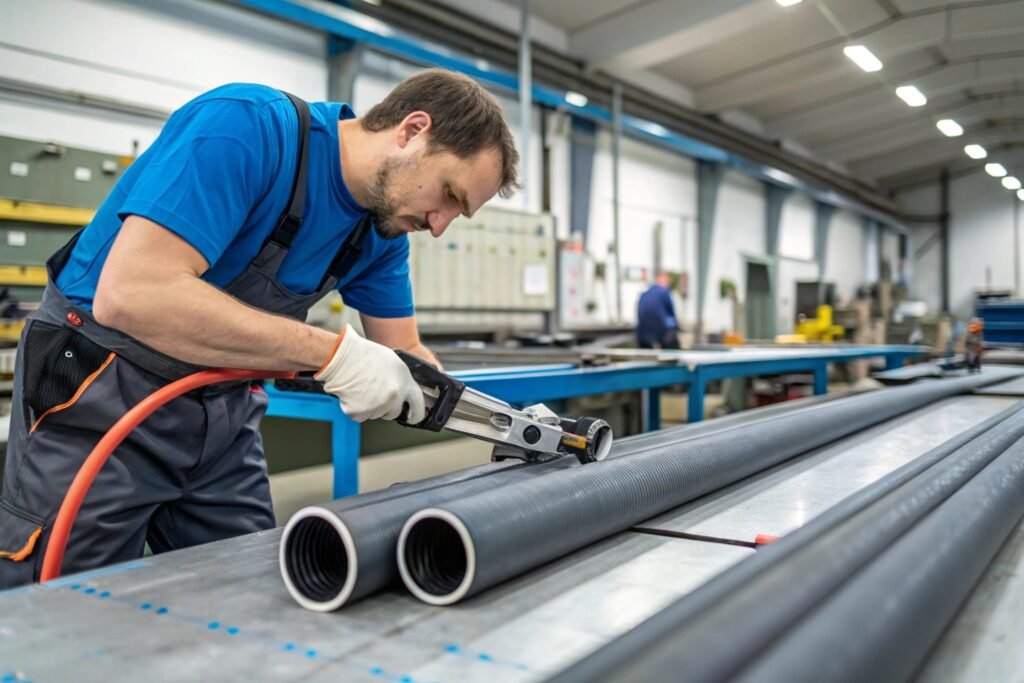
Many operators try to force the blade through thick rubber tubing. This usually creates more problems than it solves.
Instead, I apply slow and steady pressure while allowing the blade to do the work.
A controlled cut offers several advantages:
| Cutting Style | Result |
|---|---|
| Slow and Steady | Clean Edge |
| Fast and Aggressive | Rough Edge |
| Excessive Force | Distorted Tubing |
| Controlled Motion | Accurate Cut |
Slow cutting also improves safety because the blade remains under control.
Rotate the Tubing During the Cut
A useful technique for thicker tubing is rotating the tube slightly as the cut progresses.
Rather than cutting straight through from one side, I gradually work around the circumference. This helps maintain a straighter edge and reduces blade drift.
Advantages of Rotation Cutting
- Better edge consistency
- Improved cut accuracy
- Reduced material deformation
- Easier blade control
- Cleaner finished appearance
This method is particularly useful when cutting larger diameter rubber tubing.
Deal With Burrs and Rough Edges
Some cutting methods may leave small burrs or rough areas after the cut is complete.
This is especially common when using:
- Fine-tooth saws
- Multi-purpose knives
- Older blades
After cutting, I inspect the edge carefully and remove any imperfections.
Edge Finishing Methods
| Finishing Method | Purpose |
|---|---|
| Light Trimming | Remove rough spots |
| Sharp Blade Cleanup | Improve edge quality |
| Deburring Tool | Smooth edges |
| Inspection | Verify cut quality |
Clean edges improve both appearance and functionality.
Why Square Cuts Matter
Many people underestimate the importance of a square cut.
When rubber tubing connects to fittings, valves, or connectors, the tubing must sit evenly against the mating surface.
A crooked cut can cause:
- Leakage
- Poor sealing
- Reduced pressure resistance
- Difficult installation
- Premature wear
Benefits of Square Cuts
| Benefit | Result |
|---|---|
| Better Seal | Reduced leaks |
| Easier Installation | Faster assembly |
| Professional Appearance | Higher quality |
| Improved Reliability | Longer service life |
This is one reason why manufacturers often use dedicated tube cutting systems instead of manual methods.
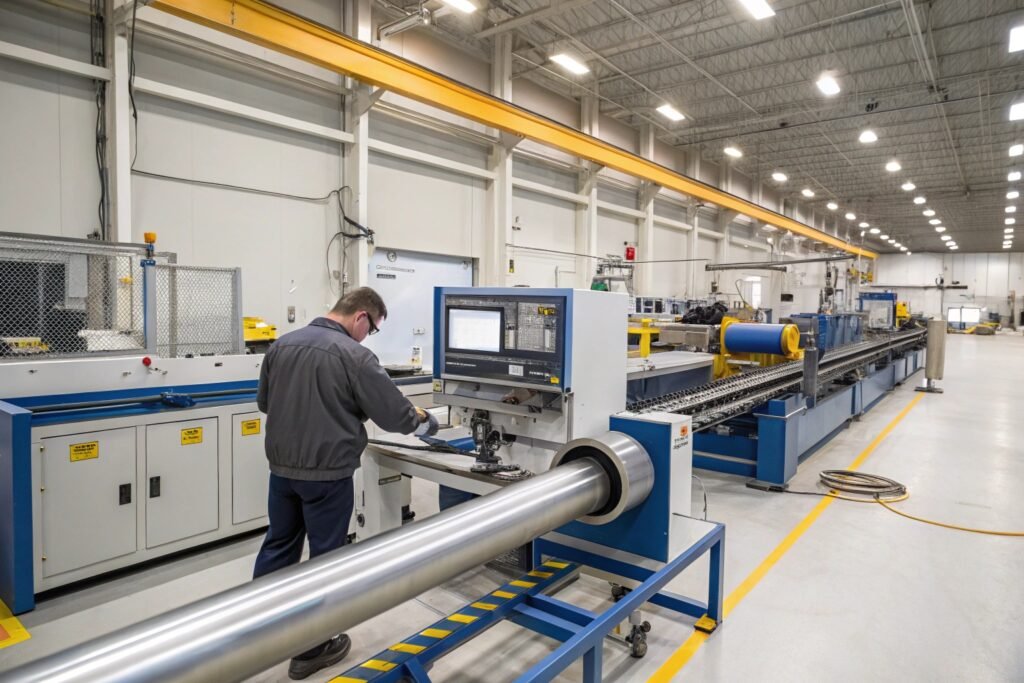
Industrial Solutions for Rubber and Plastic Tubing Cutting
Manual cutting is suitable for small jobs, but industrial manufacturers often need thousands of identical cuts every day.
Automated cutting equipment offers significant advantages in speed, consistency, and precision.
Common industrial cutting equipment includes:
- Computer tube cutting machine
- Webbing tape cutting machine
- Hot and cold cutting machine
- Automatic punching cutting machine
- Round shape cutting machine
- Rotary bevel cutting machine
- Different shapes cutting machine
- Wire cutting and stripping machine
- Metal pipe cutting and beveling machine
- Bubble wrap cutting machine
- PVC Edge Banding cutting machine
- Protective Foam Cutting Machine
For flexible plastic tubing and thick rubber tubing, a computer tube cutting machine is often the preferred solution because it can automatically feed, measure, and cut tubing to exact lengths with excellent repeatability.
Common Mistakes to Avoid
Several mistakes repeatedly appear during tubing cutting operations.
| Mistake | Consequence |
|---|---|
| Using a Dull Blade | Jagged Edges |
| No Measurement Mark | Wrong Length |
| Poor Support | Uneven Cuts |
| Excessive Force | Material Distortion |
| Cutting Too Fast | Rough Finish |
| Ignoring Edge Cleanup | Poor Fitment |
Avoiding these mistakes can dramatically improve cutting quality.
Final Thoughts
The best way to cut thick rubber tubing is to use a sharp cutting tool, mark the desired length carefully, stabilize the tubing on a flat surface, and apply steady cutting pressure. Rotating the tubing slightly during cutting can help create a straighter edge, while proper cleanup ensures a professional finish. For manufacturers that require high-volume production and precise repeatability, automated solutions such as a computer tube cutting machine provide the highest level of accuracy, efficiency, and consistency.