How to Cut Nylon Webbing Without Fraying?
Nylon webbing is one of the most commonly used materials in industries such as outdoor equipment, pet products, military gear, luggage manufacturing, safety harnesses, cargo straps, and industrial lifting systems. It is strong, lightweight, flexible, and highly durable. However, one problem appears almost immediately after cutting: fraying.
When nylon webbing is cut, thousands of synthetic fibers become exposed. These loose fibers can quickly unravel, creating a messy appearance and reducing product quality. In severe cases, continued fraying may shorten the useful life of the webbing.
I often find that many people focus only on making the cut itself. In reality, preventing fraying is equally important. A perfectly straight cut can still fail if the edge is not properly sealed afterward.
The best solution combines three key factors:
- A clean and accurate cut
- Proper edge sealing
- Controlled handling during the cutting process
- The best way to cut nylon webbing without fraying is to use a hot knife, which cuts and heat-seals the synthetic fibers in a single step, creating clean, durable edges.
- Because nylon webbing is made from woven synthetic fibers, exposed edges can quickly unravel if they are not properly sealed after cutting.
- When a hot knife is unavailable, a sharp utility knife, razor blade, or scissors combined with immediate heat sealing can effectively reduce fraying and improve edge quality.
- Applying masking tape before cutting, making a single smooth cut, and carefully controlling heat during sealing helps produce professional-looking, fray-resistant results.
- For commercial production, automated webbing cutting machines offer the highest level of precision, consistency, and efficiency by integrating measuring, cutting, and sealing into one streamlined process.
When these elements work together, nylon webbing can be cut with professional-quality results that remain clean and durable over time.
Why Does Nylon Webbing Fray?
Nylon webbing is constructed from woven synthetic fibers.
Once the woven structure is cut, the individual filaments are no longer locked together at the edge. As the material flexes during use, these loose fibers begin to separate.
Factors That Increase Fraying
| Factor | Effect |
|---|---|
| Dull Cutting Tools | More Loose Fibers |
| Rough Cuts | Increased Fraying |
| No Edge Sealing | Rapid Fiber Separation |
| Frequent Movement | Faster Wear |
| Heavy Use | Accelerated Fraying |
Understanding why fraying occurs helps determine the best prevention method.
Why Edge Sealing Matters
Many users assume the cutting tool alone determines the final result.
However, edge sealing is often just as important as the cut itself.
A sealed edge:
- Locks fibers together
- Improves appearance
- Increases durability
- Reduces maintenance
- Extends product life
For nylon webbing, sealing is usually necessary whenever long-term performance is important.
Best Method: Use a Hot Knife
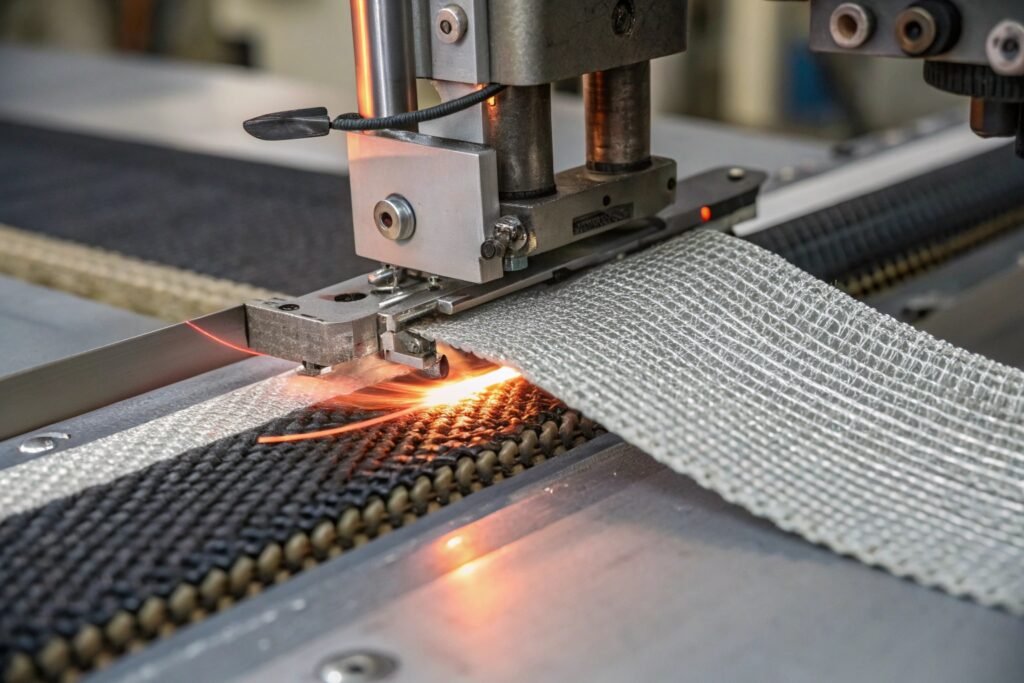
The most effective way to cut nylon webbing without fraying is to use a hot knife.
A hot knife combines cutting and sealing into one operation. As the heated blade passes through the nylon, the fibers melt and fuse together along the cut edge.
Advantages of a Hot Knife
| Benefit | Result |
|---|---|
| Cuts and Seals Simultaneously | Faster Processing |
| Prevents Fraying | Cleaner Edges |
| Improves Appearance | Professional Finish |
| Reduces Labor | Fewer Finishing Steps |
| High Repeatability | Consistent Results |
This is why hot knives are commonly used in professional webbing production.
How a Hot Knife Works
The heated blade melts the synthetic fibers as it cuts.
The molten fibers immediately fuse together and form a sealed edge once cooled.
Because nylon is a thermoplastic material, it responds particularly well to this process.
Why Hot Knives Produce Better Results
Compared to traditional cutting tools:
| Tool | Edge Quality | Fraying Resistance |
|---|---|---|
| Scissors | Fair | Low |
| Utility Knife | Good | Low |
| Rotary Cutter | Good | Low |
| Hot Knife | Excellent | Excellent |
For repeatable, fray-free cutting, hot knives remain the preferred solution.
Cutting Nylon Webbing Without a Hot Knife
Not everyone has access to a hot knife.
Fortunately, it is still possible to achieve good results using common tools.
Step 1: Apply Masking Tape
Before cutting, wrap masking tape around the cutting area.
This provides several benefits:
- Holds fibers together
- Improves cutting accuracy
- Reduces loose strands
- Creates a visible cut line
Step 2: Use a Sharp Cutting Tool
Choose one of the following:
- Sharp scissors
- Utility knife
- Razor blade
A single smooth cut works much better than repeated sawing motions.
Why One Smooth Cut Matters
| Cutting Method | Result |
|---|---|
| Single Pass | Cleaner Edge |
| Sawing Motion | More Fraying |
| Dull Blade | Rough Edge |
| Sharp Blade | Smooth Edge |
The cleaner the initial cut, the easier the sealing process becomes.
Step 3: Seal the Edge Immediately
After cutting, the edge should be sealed as quickly as possible.
The longer the fibers remain exposed, the more likely they are to separate.
Common sealing methods include:
- Lighter
- Heat gun
- Soldering tool
- Hot knife
Careful heat application melts the fibers and locks them together.
Heat Control Is Critical
The goal is to melt nylon, not burn it.
Correct Heat Levels
| Heat Level | Result |
|---|---|
| Too Low | Poor Sealing |
| Moderate | Ideal Fusion |
| Too High | Burned Edge |
Burned nylon can become brittle and unattractive.
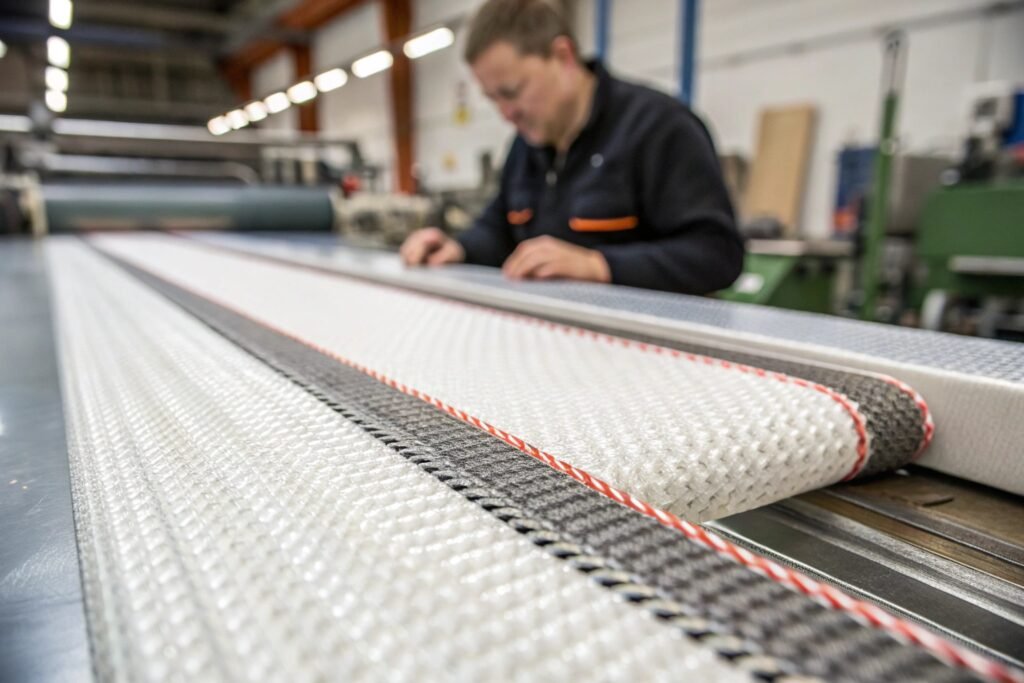
Step 4: Press the Warm Edge
One useful technique is gently pressing the warm edge against a smooth surface.
This helps:
- Flatten loose fibers
- Improve sealing
- Create a cleaner appearance
- Produce a stronger edge
Benefits of Edge Pressing
| Benefit | Result |
|---|---|
| Better Fusion | Stronger Seal |
| Smoother Surface | Better Appearance |
| Reduced Fiber Exposure | Less Fraying |
| Improved Consistency | Professional Finish |
This simple step can significantly improve edge quality.
Creating Repeatable Results
For occasional projects, manual cutting methods work well.
However, repeatability becomes increasingly important as production volume increases.
Manufacturers often need:
- Identical lengths
- Consistent edge quality
- Fast processing speed
- Minimal labor
Challenges of Manual Cutting
| Challenge | Impact |
|---|---|
| Operator Variation | Inconsistent Results |
| Measuring Errors | Length Differences |
| Uneven Sealing | Variable Quality |
| Slow Processing | Lower Productivity |
These limitations often lead companies to adopt automated cutting systems.
Industrial Solutions for Nylon Webbing Cutting
Large-scale production requires more efficient methods.
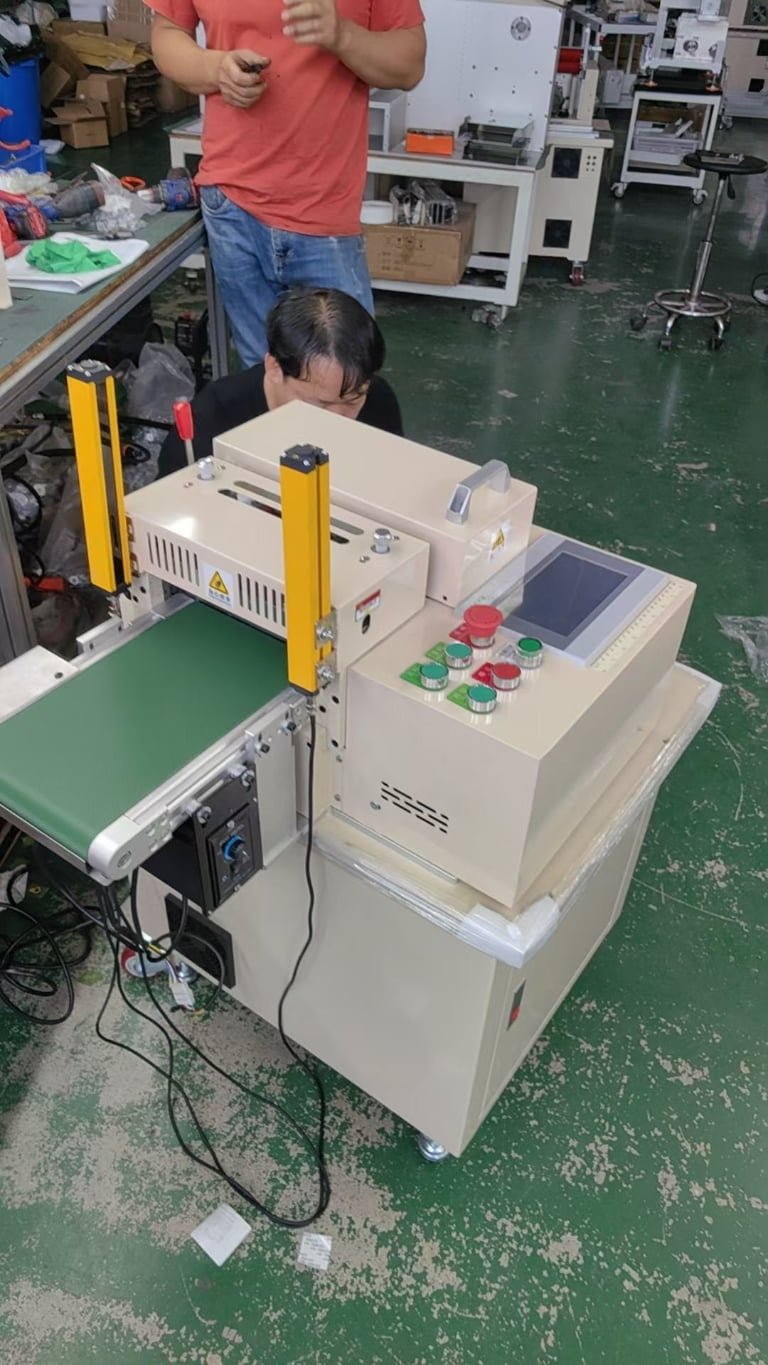
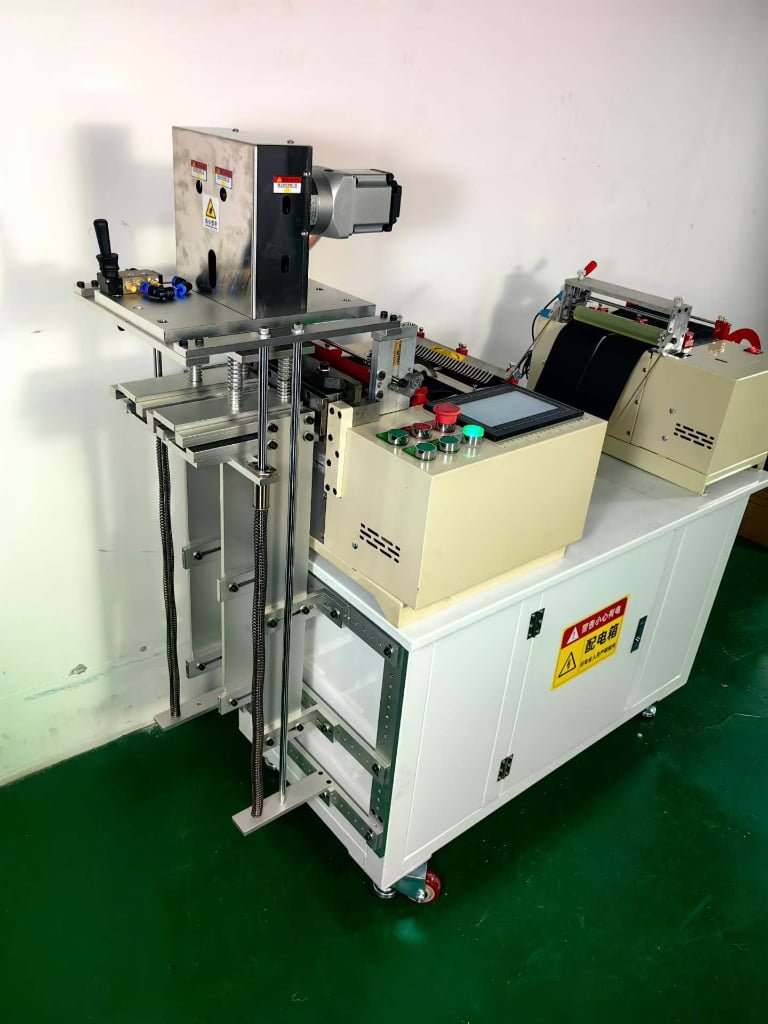
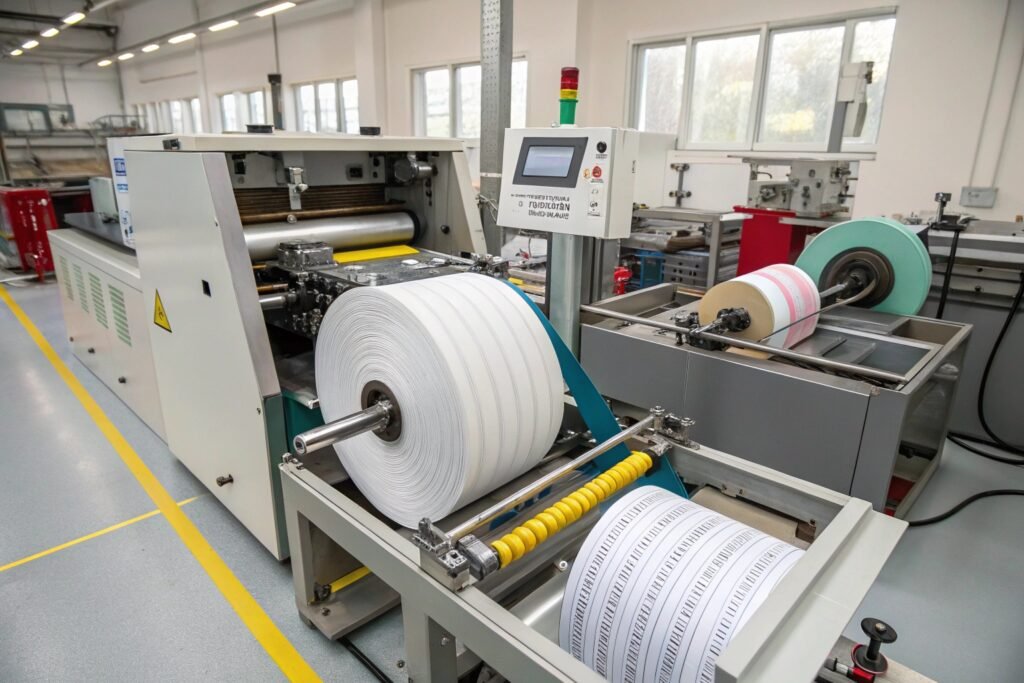
Industrial cutting equipment can automatically:
- Measure material
- Feed webbing
- Cut precise lengths
- Seal edges
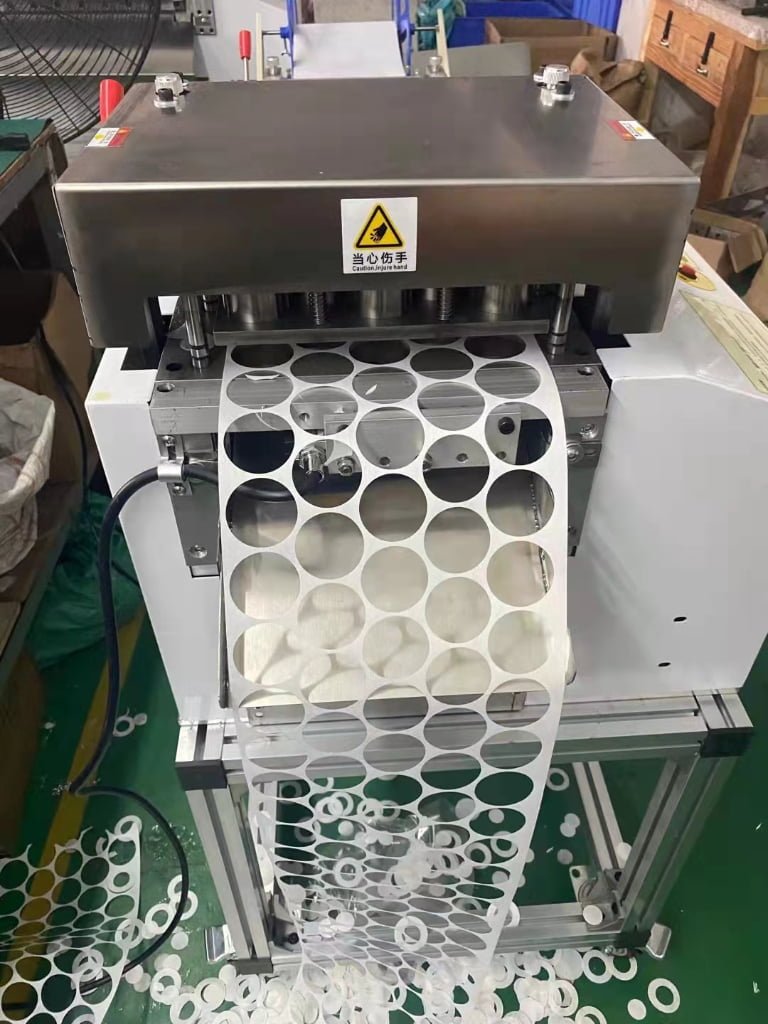
- Punch holes
- Create custom shapes
Common Equipment Used
- Webbing tape cutting machine
- Hot and cold cutting machine
- High-speed trademark cutting machine
- Automatic punching cutting machine
- Round shape cutting machine
- Rotary bevel cutting machine
- Different shapes cutting machine
These systems provide significantly greater consistency than manual methods.
Benefits of Automated Cutting
| Benefit | Result |
|---|---|
| Faster Production | Higher Output |
| Accurate Lengths | Better Quality |
| Sealed Edges | Less Fraying |
| Reduced Labor | Lower Costs |
| Consistent Performance | Better Reliability |
For nylon webbing manufacturers, automated hot-cutting systems are often the most efficient solution.
What Tool Is Used to Cut Metal Straps?
Metal straps require very different cutting tools than nylon webbing.
Unlike synthetic materials, metal cannot be melted and sealed during cutting. Instead, specialized cutting tools are used to shear, snip, or cut through the metal material.
The best tool depends on the type, thickness, and width of the metal strap.
Common Metal Strap Cutting Tools
Tin Snips
Suitable for lighter-gauge metal straps.
Aviation Snips
Provide additional cutting leverage.
Strap Cutters
Designed specifically for packaging and steel strapping applications.
Bolt Cutters
Useful for heavier steel straps.
Power Shears
Used for high-volume industrial cutting.
Metal Strap Cutting Tool Comparison
| Tool | Best For | Cutting Capacity |
|---|---|---|
| Tin Snips | Thin Straps | Light Duty |
| Aviation Snips | Medium Straps | Medium Duty |
| Strap Cutter | Packaging Straps | Medium Duty |
| Bolt Cutter | Steel Straps | Heavy Duty |
| Power Shear | Industrial Production | High Volume |
Safety Considerations
Cut metal straps carefully because cut edges can be extremely sharp.
Always use:
- Safety gloves
- Eye protection
- Proper cutting tools
Poor cutting techniques may cause:
- Edge burrs
- Material distortion
- Safety hazards
Nylon Webbing vs Metal Straps
| Feature | Nylon Webbing | Metal Strap |
|---|---|---|
| Cutting Method | Hot Knife or Blade | Shearing Tool |
| Edge Sealing | Required | Not Required |
| Fraying Risk | High | None |
| Heat Cutting | Suitable | Not Suitable |
| Industrial Equipment | Hot Cutting Machines | Metal Shears |
The correct tool depends entirely on the material being processed.
Conclusion
The best way to cut nylon webbing without fraying is to use a hot knife because it cuts and seals the material simultaneously. If a hot knife is unavailable, a sharp blade combined with immediate heat sealing can still produce good results. Clean cuts, controlled heat, and proper edge finishing are all essential for preventing fraying. For large-scale production, automated webbing tape cutting machines provide the most reliable and repeatable solution. Metal straps require entirely different tools, such as tin snips, strap cutters, bolt cutters, or industrial shears, depending on the material thickness and application.
Insights From HAOXINHE
At HAOXINHE, I work closely with manufacturers that process nylon webbing, polyester straps, elastic bands, hook-and-loop tape, ribbons, tubing, foam materials, and other flexible products. One pattern I consistently observe is that edge quality directly affects product value.
Many manufacturers initially focus on cutting speed. However, poor edge quality often creates hidden costs through rework, material waste, and customer complaints. For synthetic webbing materials, investing in a professional webbing tape cutting machine, hot and cold cutting machine, or automatic punching cutting machine can significantly improve production consistency.
By combining measuring, feeding, cutting, and sealing into one operation, these systems help manufacturers reduce labor costs, improve edge quality, eliminate fraying, and achieve higher productivity while maintaining strict quality standards.