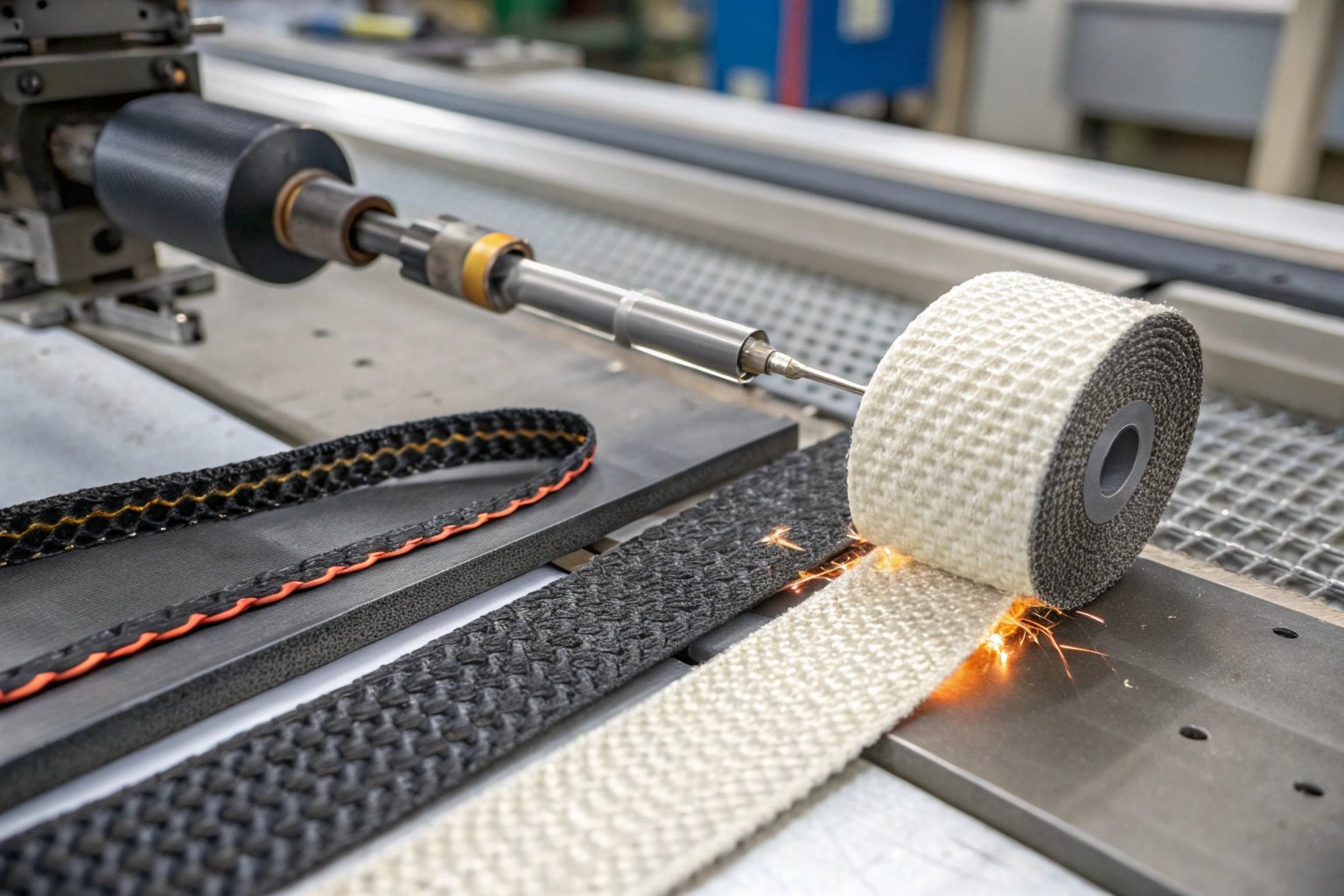
How to Melt Nylon Webbing Together?
Nylon webbing is one of the most widely used materials in the world. I often see it used in backpacks, pet collars, safety harnesses, military gear, luggage straps, outdoor equipment, and industrial lifting products. Nylon is popular because it offers high strength, flexibility, abrasion resistance, and durability. However, when nylon webbing is cut, the exposed fibers can quickly begin to fray if the edges are not properly sealed.
- Melting nylon webbing together requires controlled heat, proper alignment, and consistent pressure to create a clean, secure bond while minimizing fraying.
- A hot knife is the preferred tool because it provides precise temperature control, allowing nylon fibers to melt and fuse evenly without excessive burning or material damage.
- For the best results, the webbing ends should be cleanly cut, lightly melted, quickly joined, accurately aligned, and pressed together until fully cooled.
- While heat fusion can create a temporary or semi-permanent connection, stitching combined with fusion offers the highest strength and durability for load-bearing applications such as harnesses, straps, and safety equipment.
- In industrial production, automated hot-cutting and webbing processing machines improve consistency, reduce labor costs, and deliver reliable edge sealing and bonding for large-scale nylon webbing manufacturing.
In some applications, simply sealing the cut ends is enough. In other situations, two pieces of nylon webbing need to be joined together. This is where melting or fusing the material can be useful. By carefully applying heat, the nylon fibers soften and fuse into a single bonded section. When performed correctly, this process creates a cleaner appearance and helps reduce fraying.
However, nylon melting requires careful control. Too little heat will not create a strong bond. Too much heat can burn the material, weaken the fibers, or create a brittle joint. Understanding the correct technique is essential for achieving reliable results.
Whether I am working on a small DIY project or evaluating industrial webbing production methods, I always focus on controlling heat, alignment, pressure, and timing throughout the fusion process.
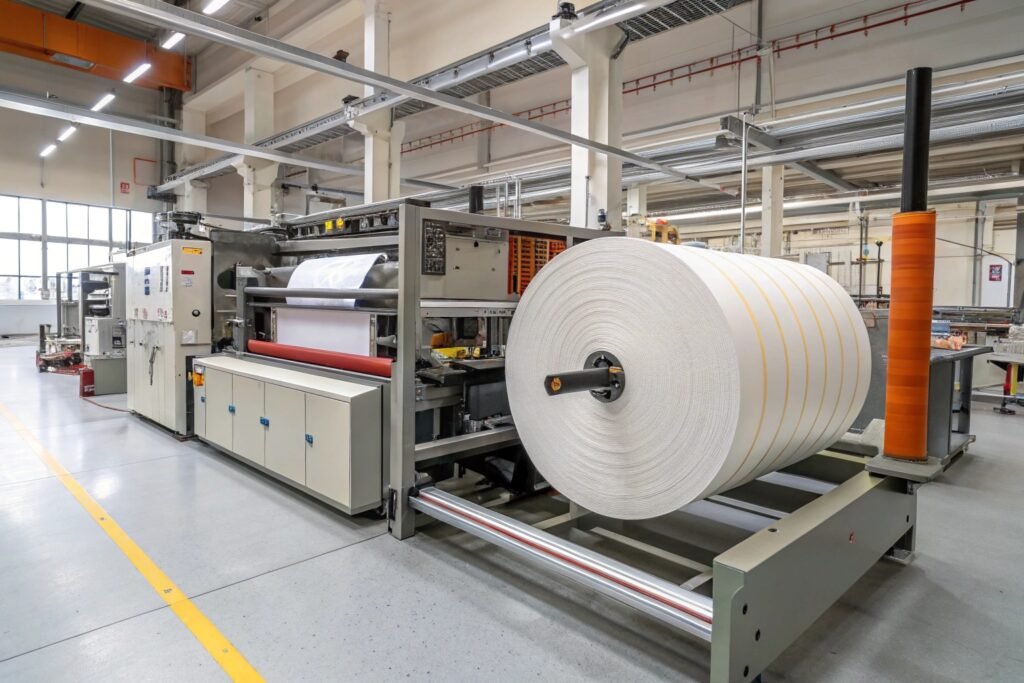
Why Melt Nylon Webbing Together?
There are several reasons why people choose to fuse nylon webbing.
The most common reason is preventing fraying. When nylon fibers are exposed after cutting, they can unravel over time. Melting seals the fibers together and creates a more finished edge.
Fusion can also be useful when:
- Extending a webbing strap
- Creating custom strap lengths
- Making prototype products
- Repairing damaged webbing
- Preparing material before sewing
Although melting can create a temporary bond, it should not be viewed as a replacement for proper stitching when high strength is required.
Benefits of Nylon Fusion
| Benefit | Description |
|---|---|
| Reduced Fraying | Seals loose fibers |
| Cleaner Appearance | Professional finish |
| Faster Assembly | Less finishing work |
| Temporary Joining | Useful for positioning |
| Improved Edge Stability | Better handling |
For structural applications, fused webbing is often reinforced with sewing to maximize durability.
Methods Used to Melt Nylon Webbing
Several heat sources can be used to melt nylon webbing.
Open Flame
A lighter or small torch can soften nylon quickly.
This method is inexpensive and convenient but offers limited heat control.
Hot Knife
A hot knife uses a heated blade to cut and melt nylon simultaneously.
This method provides better accuracy and more consistent results.
Industrial Hot Cutting Equipment
Factories often use automated hot cutting systems that combine feeding, measuring, cutting, and sealing into a single operation.
Comparison of Fusion Methods
| Method | Precision | Speed | Edge Quality |
|---|---|---|---|
| Lighter | Fair | Fast | Fair |
| Torch | Fair | Fast | Fair |
| Hot Knife | Excellent | Fast | Excellent |
| Automatic Cutter | Excellent | Very Fast | Excellent |
For most professional applications, a hot knife provides the best balance between control and efficiency.
Step-by-Step Guide to Melting Nylon Webbing Together
Successfully fusing nylon webbing requires several steps.
Step 1: Prepare the Webbing
Start by cutting both ends cleanly.
A sharp blade creates smoother edges and improves bonding quality.
Inspect the cut surfaces and remove any loose fibers before heating.
Step 2: Apply Controlled Heat
Use a lighter, hot knife, or controlled heating source to soften the nylon.
The goal is to melt the fibers slightly, not burn them.
Important Warning
Avoid exposing the material to excessive heat.
Burned nylon may:
- Become brittle
- Lose strength
- Discolor
- Produce uneven surfaces
Heat Control Guidelines
| Heat Level | Result |
|---|---|
| Too Low | Poor Fusion |
| Moderate | Ideal Bond |
| Too High | Burn Damage |
Proper temperature control is the key to successful fusion.
Step 3: Overlap the Softened Ends
Once the nylon becomes molten, quickly overlap the two ends.
Timing is critical because nylon cools rapidly after heat is removed.
Why Speed Matters
Nylon begins hardening almost immediately.
If the material cools before joining:
- Bond strength decreases
- Surface contact reduces
- Fusion quality suffers
I always prepare the pieces in advance so they can be joined immediately after heating.
Step 4: Maintain Proper Alignment
Alignment is one of the most overlooked factors.
The webbing ends should remain square and evenly positioned.
Common Alignment Problems
| Problem | Effect |
|---|---|
| Crooked Joint | Uneven Load Distribution |
| Misaligned Edges | Poor Appearance |
| Partial Contact | Weak Bond |
Taking a few extra seconds to align the webbing properly often produces much better results.
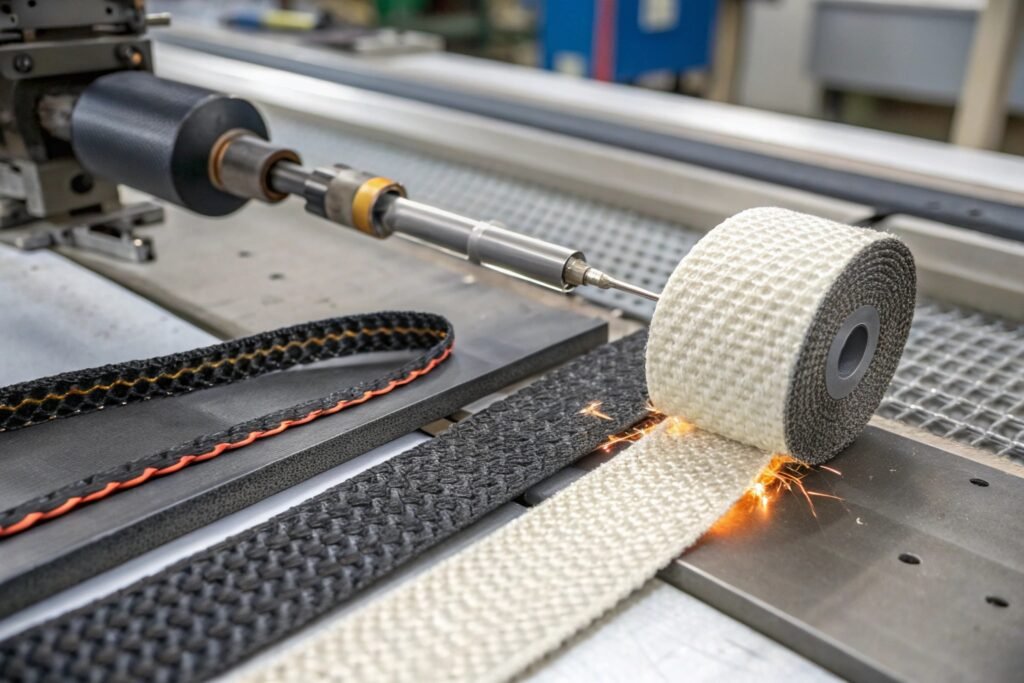
Step 5: Apply Pressure
After joining the softened surfaces, apply pressure to help the nylon bond evenly.
I usually press the fused section between smooth, flat surfaces.
This offers several advantages:
- Improves contact area
- Creates a flatter profile
- Produces a cleaner appearance
- Reduces trapped air pockets
Pressure Benefits
| Benefit | Result |
|---|---|
| Better Bonding | Increased Contact |
| Smoother Surface | Improved Appearance |
| Reduced Gaps | Stronger Joint |
| Uniform Thickness | Better Consistency |
Pressure should be firm but not excessive.
Step 6: Allow the Joint to Cool
After pressing, allow the fused section to cool completely.
Do not bend, stretch, or load the webbing while it is still warm.
Cooling time is usually short, but waiting ensures the material reaches maximum stability.
Why a Hot Knife Produces Better Results
Although open flames can melt nylon webbing, hot knives usually provide much better results.
A hot knife offers:
- More consistent heat
- Better edge control
- Cleaner appearance
- Less burning
- Improved repeatability
Hot Knife vs Open Flame
| Feature | Hot Knife | Open Flame |
|---|---|---|
| Precision | Excellent | Fair |
| Heat Control | Excellent | Limited |
| Appearance | Excellent | Variable |
| Repeatability | High | Low |
| Production Suitability | High | Low |
For professional webbing fabrication, hot knives are generally preferred.
Common Mistakes When Fusing Nylon Webbing
Many failures occur because of a few simple mistakes.
Applying Too Much Heat
Excessive heat can burn the nylon and weaken the structure.
Applying Too Little Heat
Insufficient heat prevents proper fusion.
Delayed Joining
Waiting too long allows the material to cool before bonding.
Poor Alignment
Misaligned sections often create weak joints.
No Pressure During Cooling
Without pressure, the fused area may contain gaps.
Mistake Summary
| Mistake | Consequence |
|---|---|
| Too Much Heat | Brittle Joint |
| Too Little Heat | Weak Fusion |
| Slow Assembly | Poor Bond |
| Misalignment | Uneven Joint |
| No Pressure | Reduced Contact |
Testing on scrap material first can help determine the correct heat and pressure settings.
Reinforcing Fused Webbing With Stitching
Although melted nylon can create a useful bond, I generally recommend sewing the webbing afterward if the application must carry significant loads.
Examples include:
- Safety harnesses
- Pet leashes
- Climbing gear
- Industrial straps
- Lifting equipment
Why Sewing Improves Strength
Stitching provides:
- Mechanical reinforcement
- Better load distribution
- Higher reliability
- Longer service life
Bonding vs Sewing
| Method | Strength |
|---|---|
| Fusion Only | Moderate |
| Sewing Only | High |
| Fusion + Sewing | Highest |
Combining both methods usually provides the best overall performance.
How Long Does a Hot Knife Last?
A hot knife is one of the most effective tools for cutting and sealing nylon webbing. However, many users wonder how long the blade and heating system will remain effective.
The answer depends on several factors:
- Usage frequency
- Operating temperature
- Material type
- Maintenance practices
- Blade quality
Typical Hot Knife Lifespan
For light workshop use, a quality hot knife may last for many years.
In industrial environments where machines operate daily, blades may require replacement periodically due to wear and carbon buildup.
Factors That Affect Blade Life
| Factor | Effect on Lifespan |
|---|---|
| Continuous Operation | Shortens Life |
| Excessive Temperature | Increases Wear |
| Dirty Materials | Creates Residue |
| Proper Cleaning | Extends Life |
| High-Quality Blades | Longer Service Life |
Signs a Hot Knife Needs Attention
Common warning signs include:
- Slower cutting performance
- Increased smoke production
- Rougher cut edges
- Material sticking to the blade
- Visible blade damage
Regular inspection helps maintain cutting quality.
Maintenance Tips
Clean the Blade Regularly
Remove residue after use.
Avoid Excessive Heat
Use only the temperature necessary for the material.
Store Properly
Protect the blade from impact damage.
Replace Worn Components
Timely replacement maintains performance and safety.
Expected Service Life
| Usage Level | Typical Lifespan |
|---|---|
| Hobby Use | Several Years |
| Light Production | 1–3 Years |
| Heavy Industrial Use | Blade Replacements As Needed |
With proper maintenance, the heating system often lasts significantly longer than the blade itself.
Conclusion
Melting nylon webbing together is an effective way to seal fibers and create temporary or semi-permanent bonds. The process requires controlled heat, proper alignment, quick assembly, and consistent pressure. A hot knife generally produces cleaner and more reliable results than an open flame because it offers better temperature control and edge quality. For applications that must withstand significant loads, sewing after fusing provides additional strength and security.
Insights From HAOXINHE
At HAOXINHE, I frequently work with manufacturers that process nylon webbing, polyester straps, hook-and-loop tape, elastic bands, ribbons, and technical textiles. Through years of experience, I have found that edge quality plays a major role in both product appearance and manufacturing efficiency.
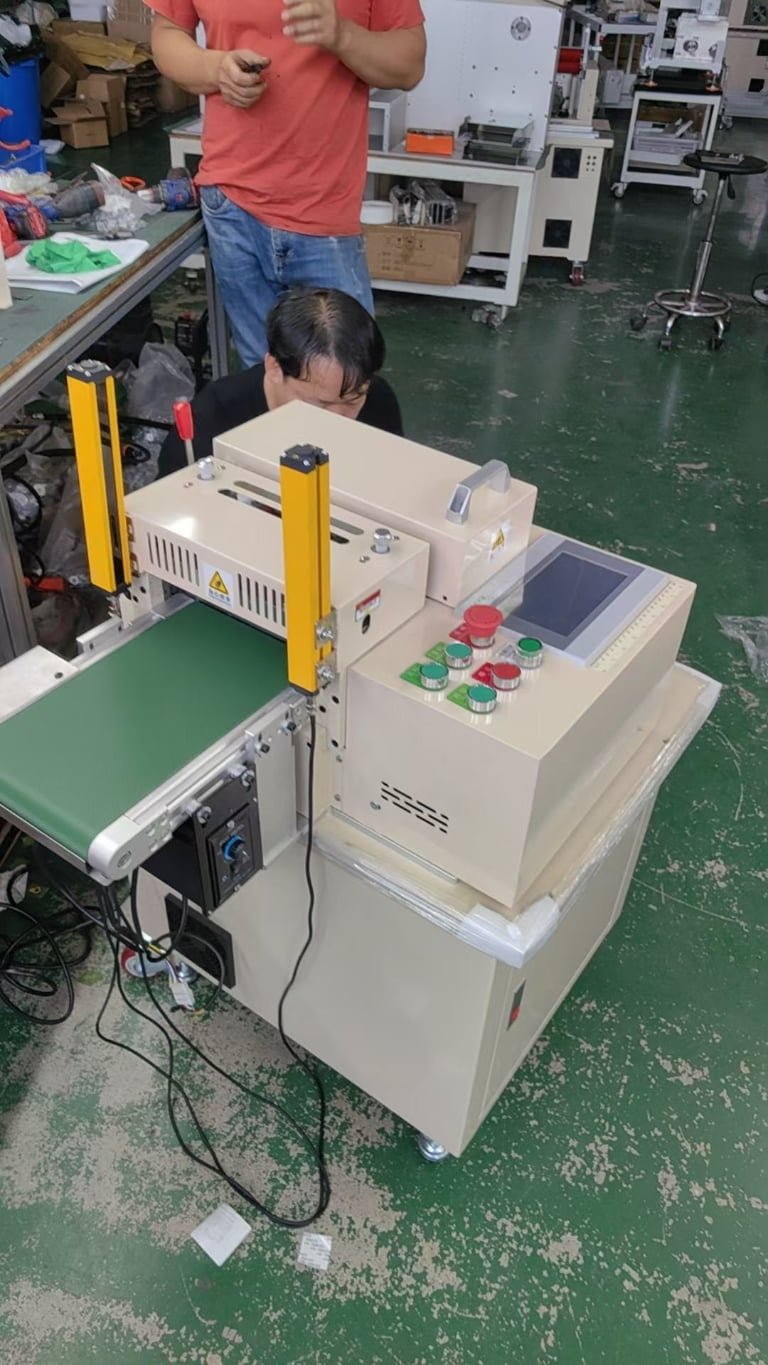
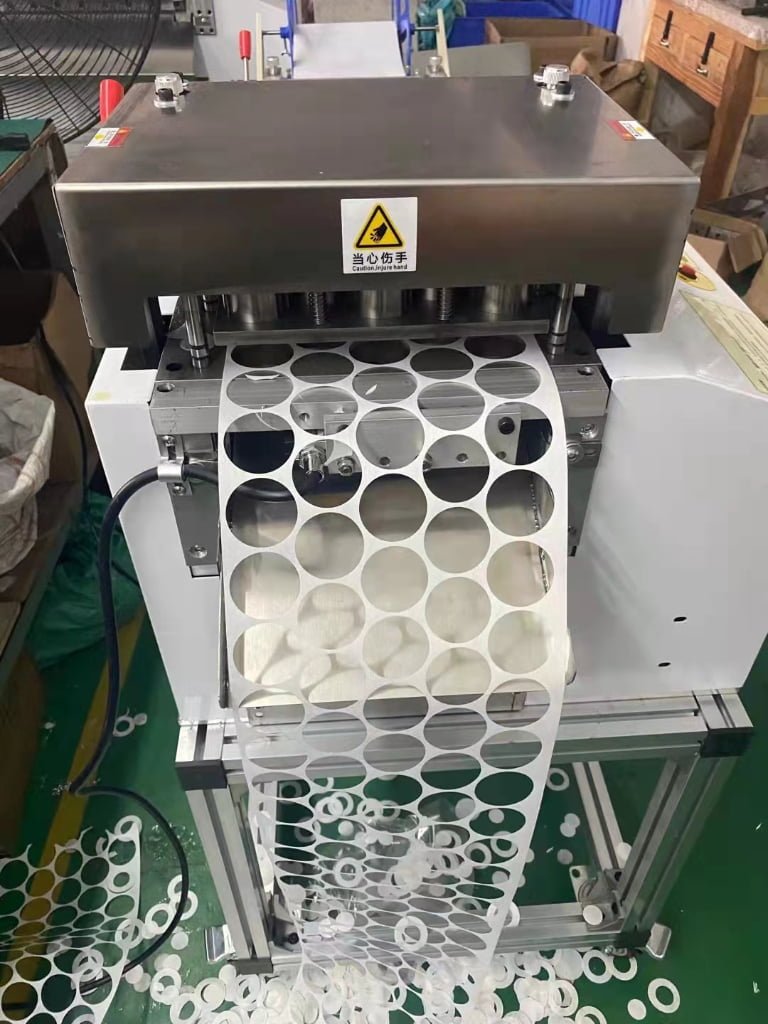
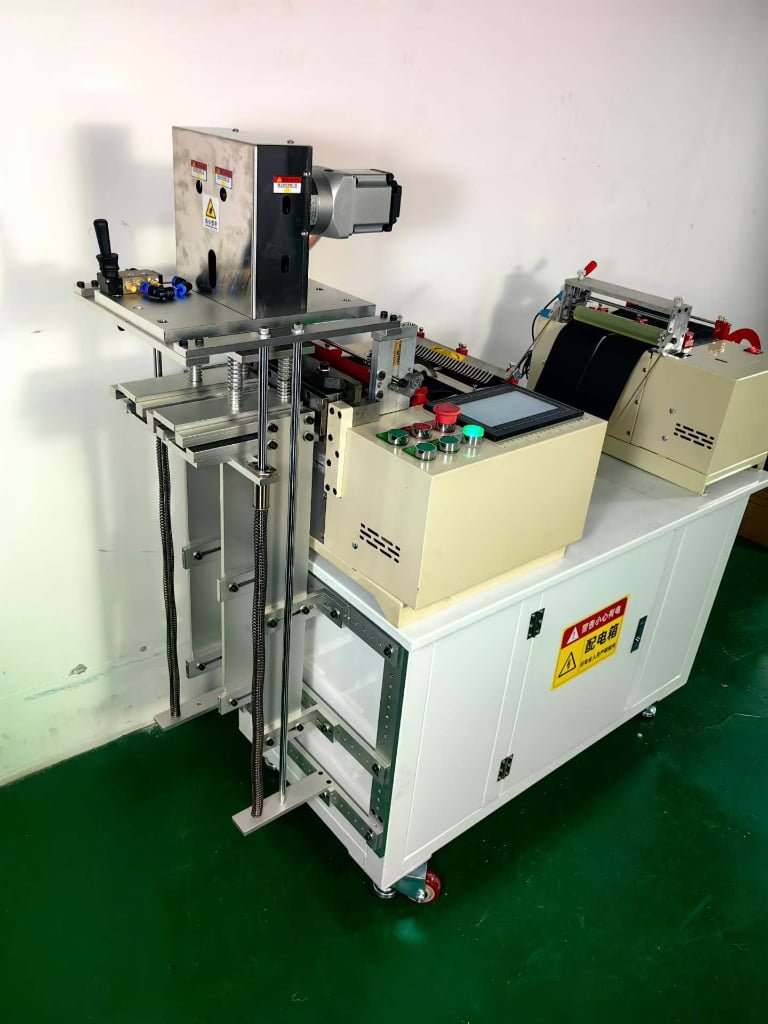
For companies handling large production volumes, manual melting methods often become inconsistent and labor intensive. Automated solutions such as a webbing tape cutting machine, hot and cold cutting machine, high-speed trademark cutting machine, and automatic punching cutting machine provide more repeatable results while reducing labor costs.
A professional hot cutting system can cut, seal, and process webbing in a single operation. This improves production speed, minimizes fraying, reduces material waste, and helps manufacturers maintain consistent product quality across every batch.

[…] Nylon melts during cutting, which seals the edge and prevents fraying.1 […]