What’s the Point of a Hot Knife?
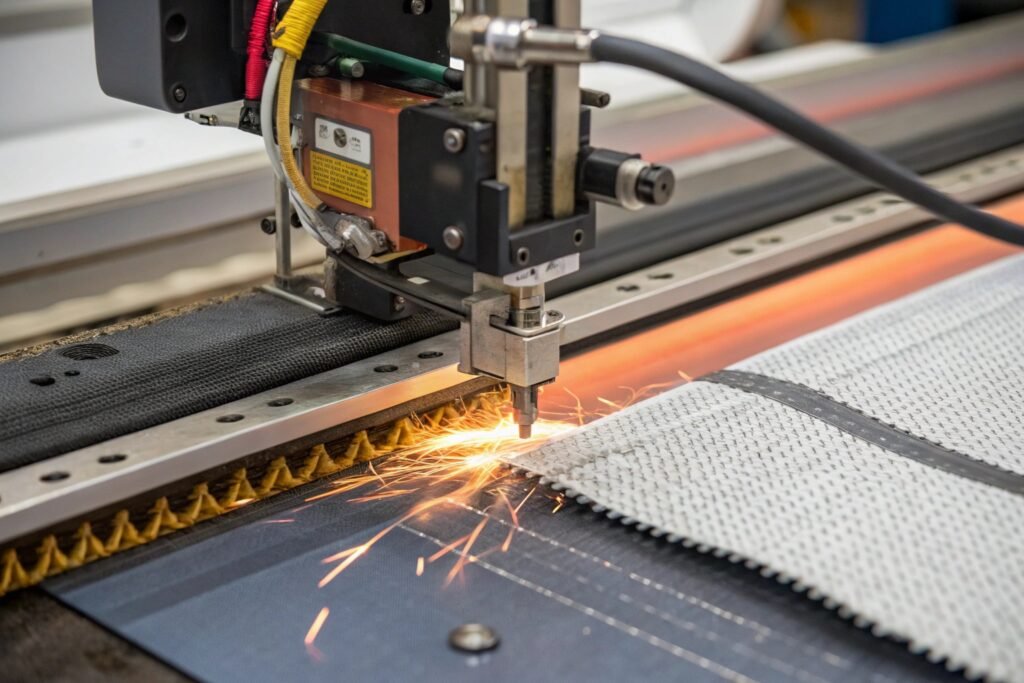
A hot knife is a specialized cutting tool that uses heat to cut through materials while simultaneously sealing the cut edge. Unlike traditional knives, scissors, or rotary cutters that physically slice through fibers, a hot knife works by heating a metal blade until it is hot enough to melt synthetic materials. This unique process allows the material to be cut and sealed in a single operation.
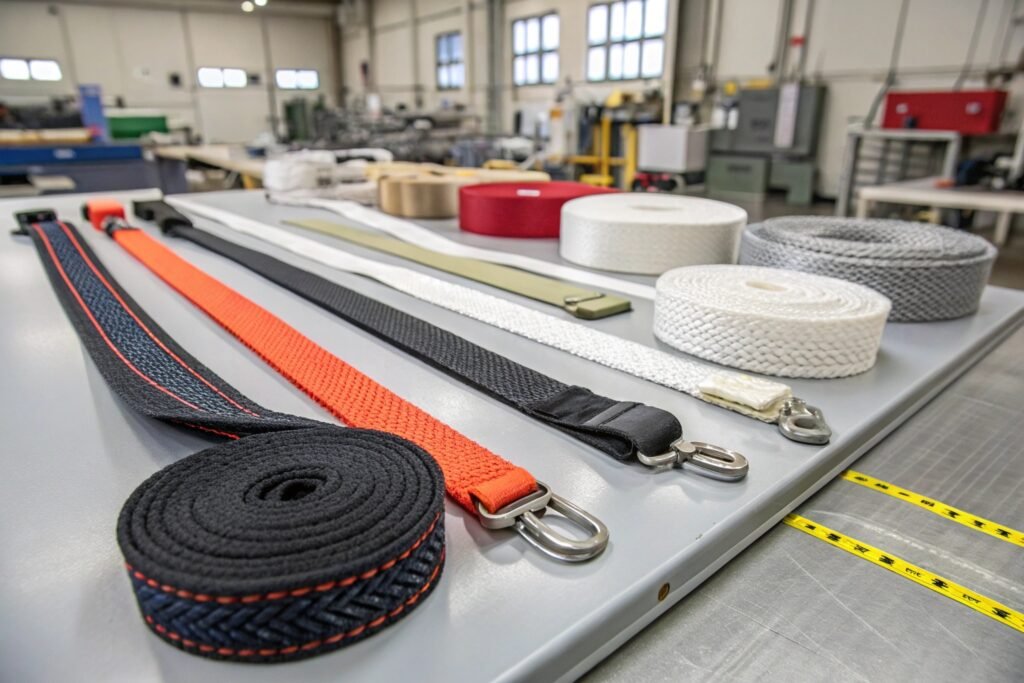
I often see hot knives used in industries that work with nylon webbing, polyester straps, ropes, hook-and-loop tape, braided sleeving, synthetic fabrics, ribbons, and technical textiles. These materials tend to fray when cut with ordinary tools. Loose fibers can affect product appearance, create quality issues, and require additional finishing work.
The main purpose of a hot knife is to eliminate these problems. By melting the material as it cuts, the hot knife fuses the exposed fibers together and creates a smooth, sealed edge.
For manufacturers, this means faster production, better consistency, and less waste. For hobbyists and small workshops, it means cleaner cuts and fewer finishing steps.
In many applications, the hot knife is not simply a cutting tool. It is a cutting and edge-finishing tool combined into one device.
How Does a Hot Knife Work?
The operating principle of a hot knife is relatively simple.
A heating element raises the blade temperature until it becomes hot enough to melt thermoplastic materials.
When the blade contacts synthetic fibers:
- The material softens.
- The fibers separate.
- The edges melt.
- The molten fibers fuse together.
- The edge cools and solidifies.
Unlike scissors or utility knives, which mechanically cut through fibers, a hot knife cuts by melting polymer filaments.
Traditional Cutting vs Hot Knife Cutting
| Feature | Hot Knife | Traditional Blade |
|---|---|---|
| Cutting Method | Melting | Slicing |
| Edge Sealing | Yes | No |
| Fraying Prevention | Excellent | Poor |
| Finishing Required | Minimal | Often Required |
| Synthetic Materials | Excellent | Good |
This combination of cutting and sealing is what makes hot knives so valuable for many industrial applications.
Why Is Fraying Such a Problem?
Many synthetic materials are made from woven or braided fibers.
When these fibers are cut with ordinary tools, the ends become exposed. Over time, the fibers can loosen and unravel.
This can create several problems:
- Poor product appearance
- Reduced durability
- Additional labor costs
- Difficult assembly
- Increased material waste
For products such as pet collars, luggage straps, safety harnesses, tactical equipment, and outdoor gear, fraying can significantly reduce perceived quality.
Common Materials That Fray
| Material | Fraying Risk |
|---|---|
| Nylon Webbing | High |
| Polyester Webbing | High |
| Rope | High |
| Braided Sleeving | High |
| Synthetic Ribbon | Medium |
| Cotton Webbing | Low |
A hot knife helps eliminate this problem by sealing the fibers immediately after cutting.
Materials That Benefit Most From Hot Knife Cutting
Hot knives are particularly effective when used on thermoplastic materials.
These materials soften and melt when exposed to heat.
Common Applications
Nylon Webbing
Widely used for straps, harnesses, pet products, and industrial equipment.
Polyester Webbing
Popular in cargo control systems, outdoor products, and safety equipment.
Rope
Synthetic ropes often fray rapidly without heat sealing.
Braided Sleeving
Electrical and cable management products require clean sealed edges.
Hook and Loop Tape
Heat sealing prevents edge deterioration.
Suitable Materials
| Material | Hot Knife Performance |
|---|---|
| Nylon | Excellent |
| Polyester | Excellent |
| Polypropylene | Excellent |
| Braided Sleeving | Excellent |
| Synthetic Rope | Excellent |
For these materials, a hot knife often produces the best combination of appearance and durability.
Materials That Should Not Be Cut With a Hot Knife
Not every material responds well to heat.
Natural fibers typically burn rather than melt.
Materials That Are Not Ideal
- Cotton
- Wool
- Silk
- Linen
- Paper-based fabrics
Instead of forming a sealed edge, these materials may:
- Burn
- Discolor
- Produce smoke
- Become brittle
Material Compatibility
| Material Type | Hot Knife Suitable? |
|---|---|
| Nylon | Yes |
| Polyester | Yes |
| Polypropylene | Yes |
| Cotton | No |
| Wool | No |
| Silk | No |
Understanding material compatibility helps avoid quality problems.
Benefits of Using a Hot Knife
There are several reasons why manufacturers choose hot knives instead of conventional cutting tools.
Cleaner Edges
One of the biggest advantages is edge quality.
The sealed edge looks smoother and more professional than a mechanically cut edge.
Less Fraying
Since the fibers are fused together, unraveling is greatly reduced.
Faster Production
Cutting and sealing happen at the same time.
This eliminates separate finishing operations.
Better Product Consistency
Every cut receives the same treatment.
This improves quality control.
Reduced Labor Costs
Fewer manual finishing steps mean less labor.
Hot Knife Advantages Summary
| Benefit | Result |
|---|---|
| Edge Sealing | Reduced Fraying |
| Faster Processing | Higher Productivity |
| Better Appearance | Improved Quality |
| Less Waste | Lower Costs |
| Consistent Results | Better Reliability |
These advantages explain why hot knives are commonly found in manufacturing environments.
Why Hot Knives Improve Production Efficiency
Production speed is one of the biggest reasons companies invest in hot knife technology.
Without a hot knife, manufacturers often need separate operations:
- Cut the material.
- Seal the edge.
- Inspect the cut.
- Remove loose fibers.
With a hot knife, these tasks are combined into a single step.
Productivity Comparison
| Process | Number of Steps |
|---|---|
| Traditional Cutting | 3–4 Steps |
| Hot Knife Cutting | 1 Step |
This efficiency becomes especially valuable when thousands of pieces must be processed every day.
Applications That Benefit Most
- Webbing straps
- Safety belts
- Hook-and-loop products
- Ribbons
- Technical textiles
- Braided sleeving
In these industries, production speed directly affects profitability.
Do You Need a Hot Knife?
The answer depends on the material, production volume, and quality requirements.
If you occasionally cut a few pieces of webbing or rope, a sharp blade and manual edge sealing may be sufficient.
However, if you regularly process synthetic materials, a hot knife can save significant time and improve quality.
Situations Where a Hot Knife Is Highly Recommended
Frequent Cutting Operations
Regular production work benefits greatly from faster processing.
Fraying Is a Concern
Materials such as nylon and polyester perform much better with sealed edges.
Professional Appearance Matters
Products sold to customers require clean, consistent finishing.
Large Quantities Must Be Processed
Repeatability becomes increasingly important as production volume grows.
Situations Where a Hot Knife May Not Be Necessary
Natural Fabrics
Heat does not provide significant advantages.
Very Low Production Volumes
Occasional cutting may not justify the investment.
Non-Fraying Materials
Some materials do not require edge sealing.
Do You Need a Hot Knife? Quick Guide
| Situation | Recommendation |
|---|---|
| Nylon Webbing Production | Yes |
| Polyester Strap Cutting | Yes |
| Rope Manufacturing | Yes |
| Occasional DIY Use | Maybe |
| Cotton Fabric Cutting | No |
| Paper Products | No |
For synthetic materials, most users quickly notice the benefits once they begin using a hot knife.
Manual Hot Knives vs Automatic Cutting Systems
A handheld hot knife works well for small operations.
However, manufacturers often require higher productivity.
Manual Hot Knife
Best for:
- Small workshops
- Repair work
- Prototypes
- Custom production
Automatic Hot Cutting Systems
Best for:
- Large production runs
- Consistent lengths
- Reduced labor
- Higher output
Equipment Comparison
| Feature | Manual Hot Knife | Automatic Cutter |
|---|---|---|
| Speed | Medium | High |
| Accuracy | Good | Excellent |
| Labor Requirement | High | Low |
| Repeatability | Good | Excellent |
As production volume increases, automated solutions become more cost-effective.
Industrial Applications of Hot Knife Technology
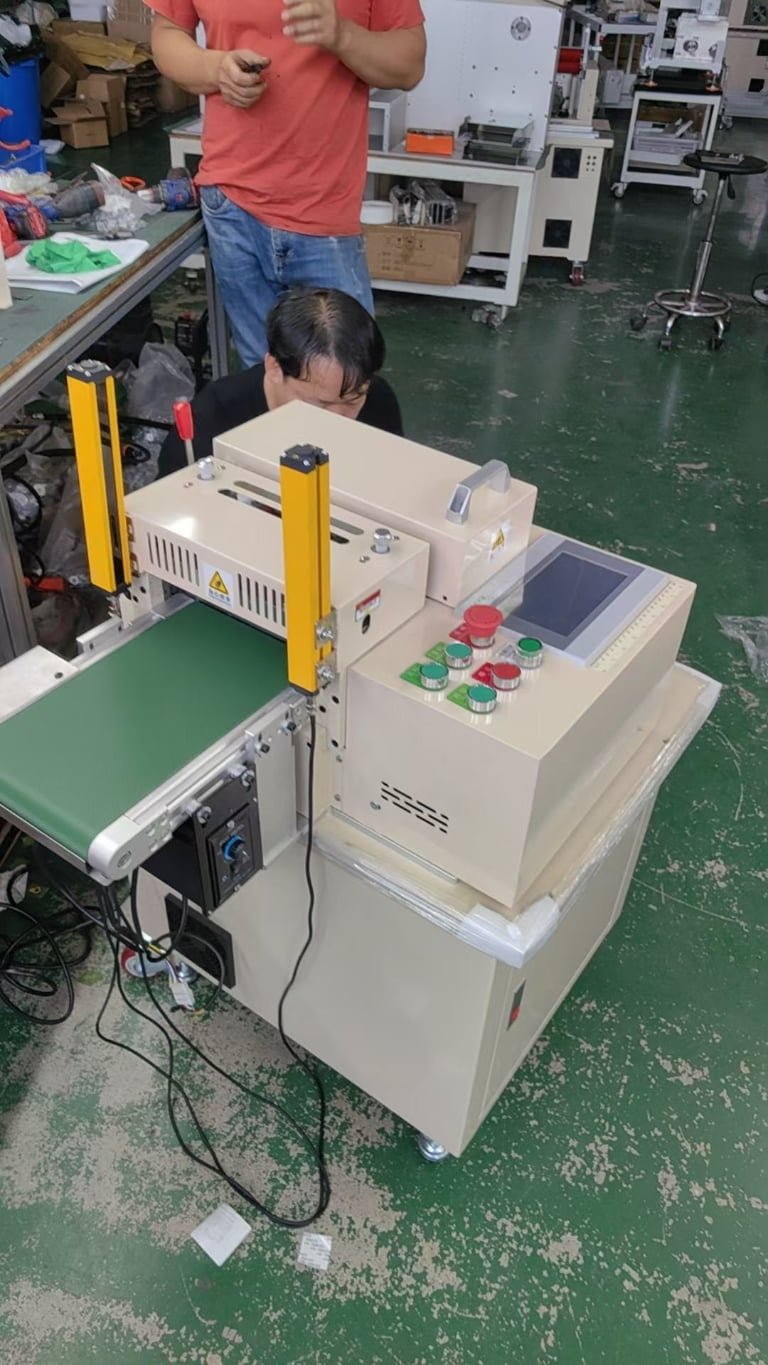
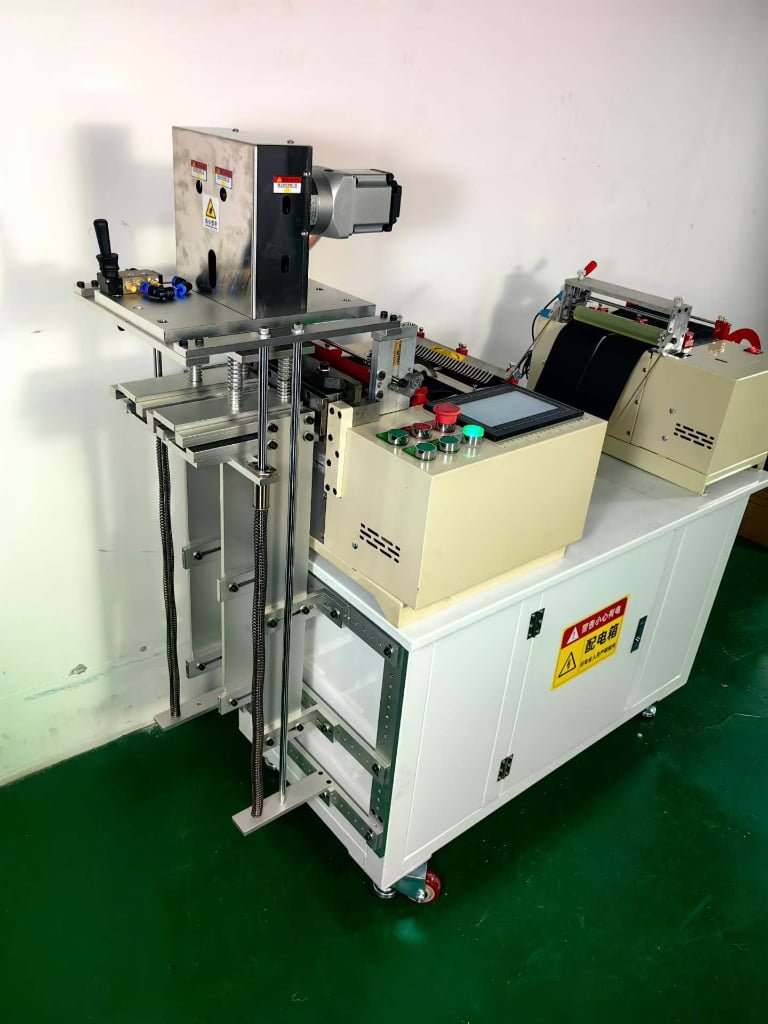
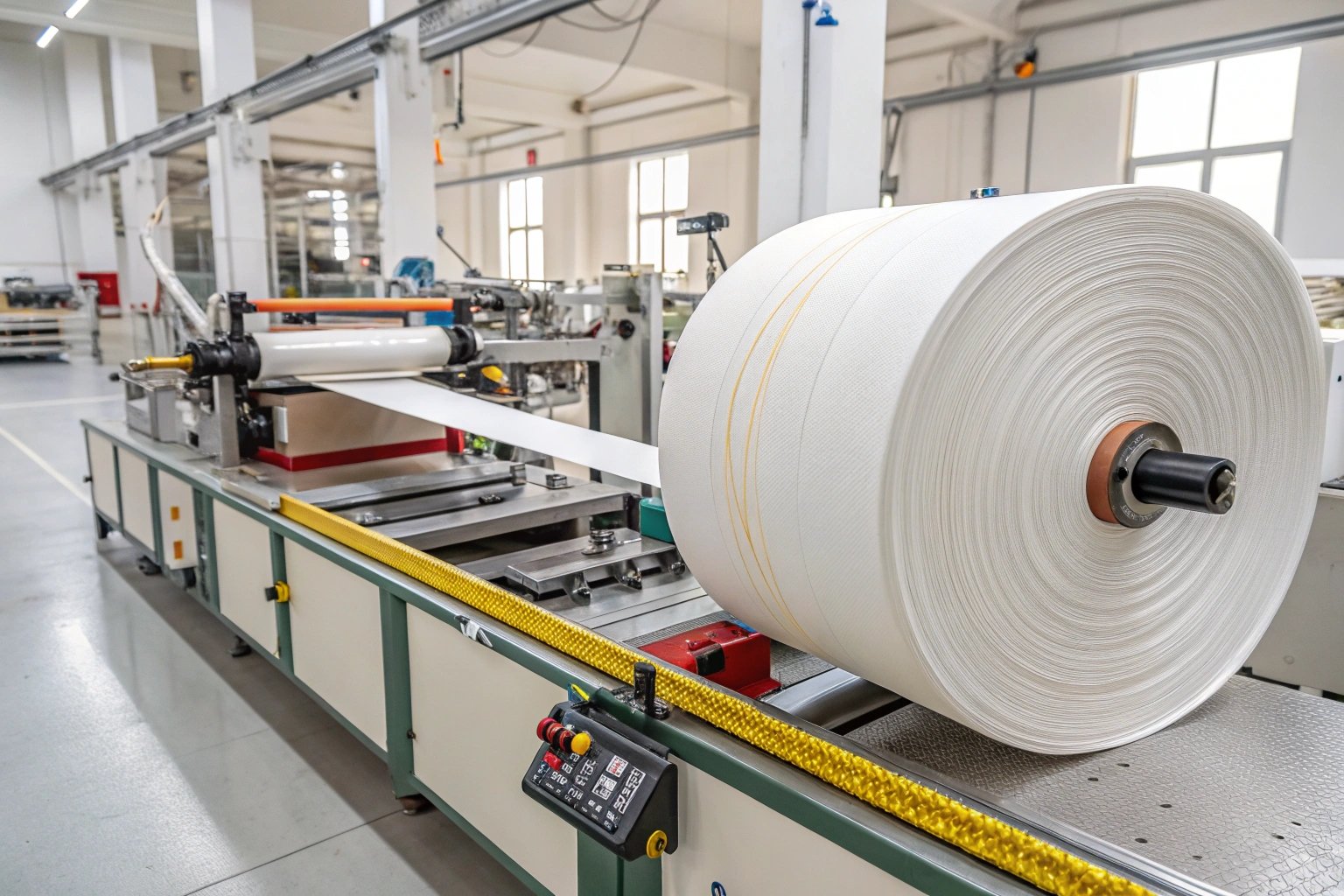
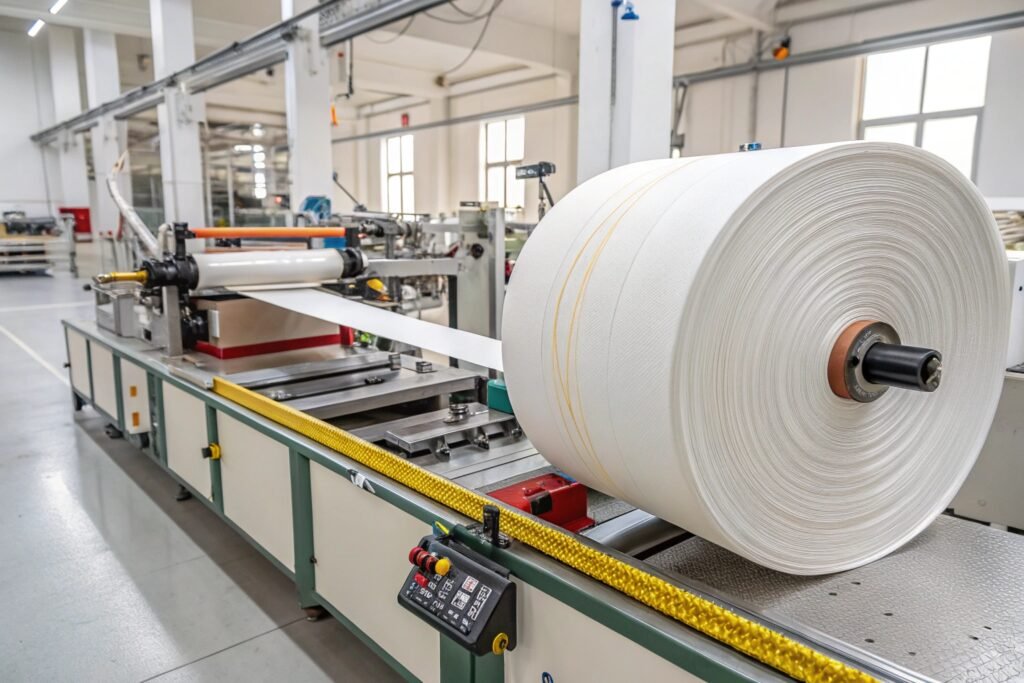
Modern factories often integrate hot cutting into automated production lines.
Common equipment includes:
- Webbing tape cutting machine
- Hot and cold cutting machine
- High-speed trademark cutting machine
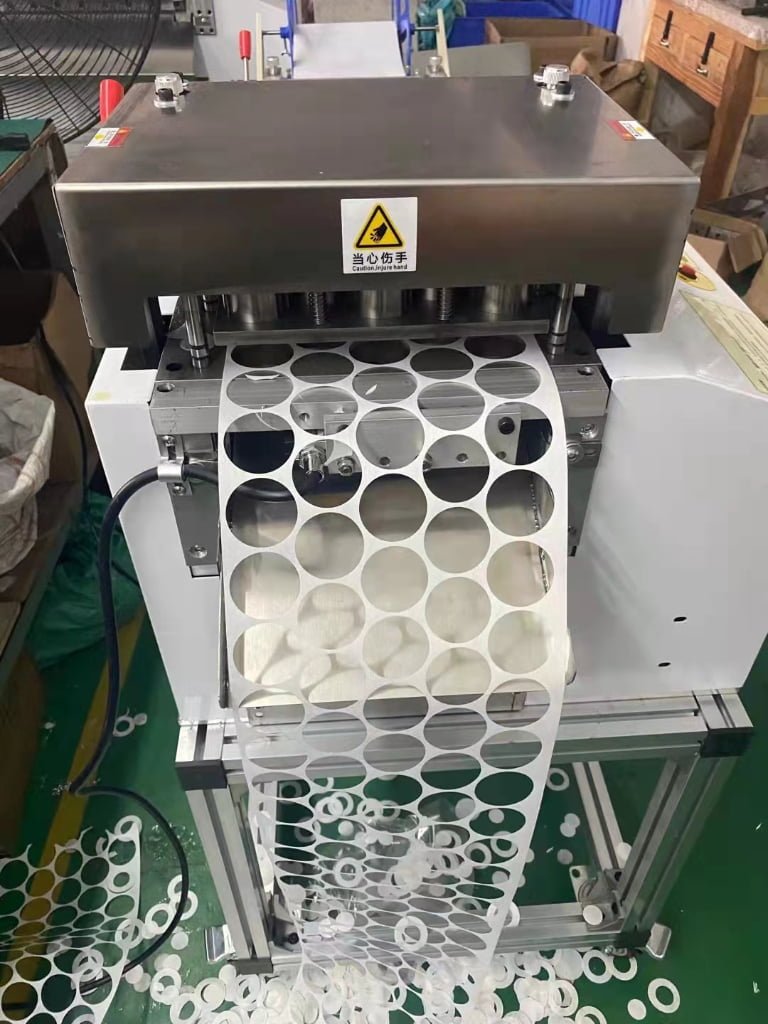
- Automatic punching cutting machine
- Round shape cutting machine
- Rotary bevel cutting machine
- Different shapes cutting machine
These systems can automatically:
- Measure material
- Feed webbing
- Cut precise lengths
- Seal edges
- Punch holes
- Process shapes
The result is greater efficiency and more consistent product quality.
Conclusion
The point of a hot knife is simple: it cuts and seals synthetic materials at the same time. This prevents fraying, improves edge quality, reduces finishing work, and increases production efficiency. For materials such as nylon webbing, polyester straps, synthetic rope, and technical textiles, a hot knife often produces cleaner and more professional results than scissors, utility knives, or rotary cutters. Whether used in a small workshop or a large manufacturing facility, the main advantage of a hot knife is combining cutting, sealing, and speed into one efficient operation.
Insights From HAOXINHE
At HAOXINHE, I work with customers that process nylon webbing, polyester straps, hook-and-loop tape, ribbons, elastic bands, and other synthetic materials every day. One thing I consistently observe is that edge quality directly impacts both production efficiency and product appearance.
For companies producing large quantities of webbing products, manual cutting often creates bottlenecks. Loose fibers, inconsistent lengths, and additional sealing operations increase labor costs and reduce efficiency. This is why many manufacturers upgrade to automated solutions such as a webbing tape cutting machine, hot and cold cutting machine, high-speed trademark cutting machine, or automatic punching cutting machine.
By combining cutting and sealing into one operation, these machines help manufacturers improve consistency, reduce waste, increase output, and maintain high-quality standards across every production batch.