How to Scale Your Packaging Department Without Hiring More Staff?
Many warehouse managers face the same problem today.
Order volume keeps growing. Customer expectations keep rising. Shipping deadlines become tighter every month. Still, labor shortages continue to make hiring difficult and expensive.
I have talked with many packaging department managers who say the same thing:
“We need more output, but we cannot keep adding workers.”
This is now one of the biggest challenges in logistics, e-commerce fulfillment, and manufacturing packaging operations.
The good news is that scaling a packaging department does not always require more staff. In many cases, the smarter solution is improving operational efficiency through automation, workflow optimization, and better material handling systems.
Today, many companies increase packaging output by using equipment like:
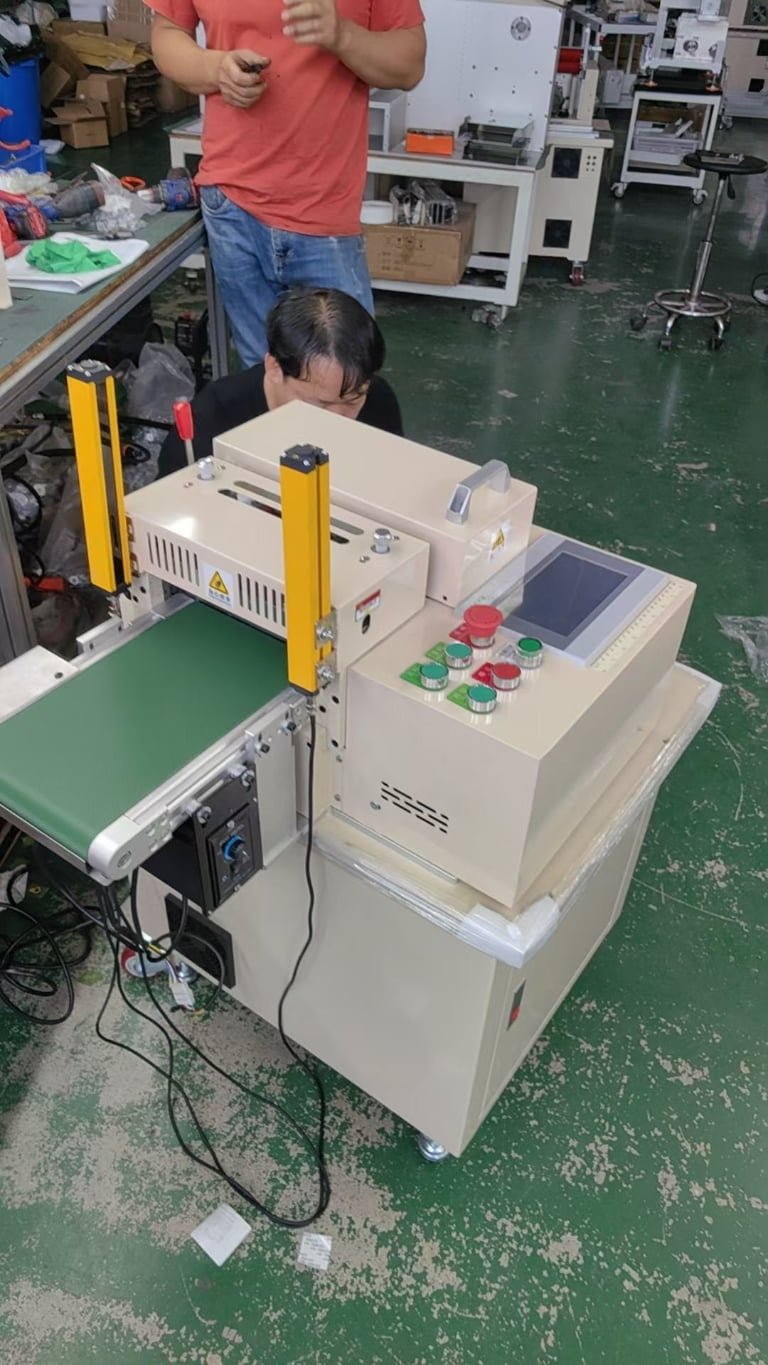
- Bubble wrap cutting machine
- webbing tape cutting machine
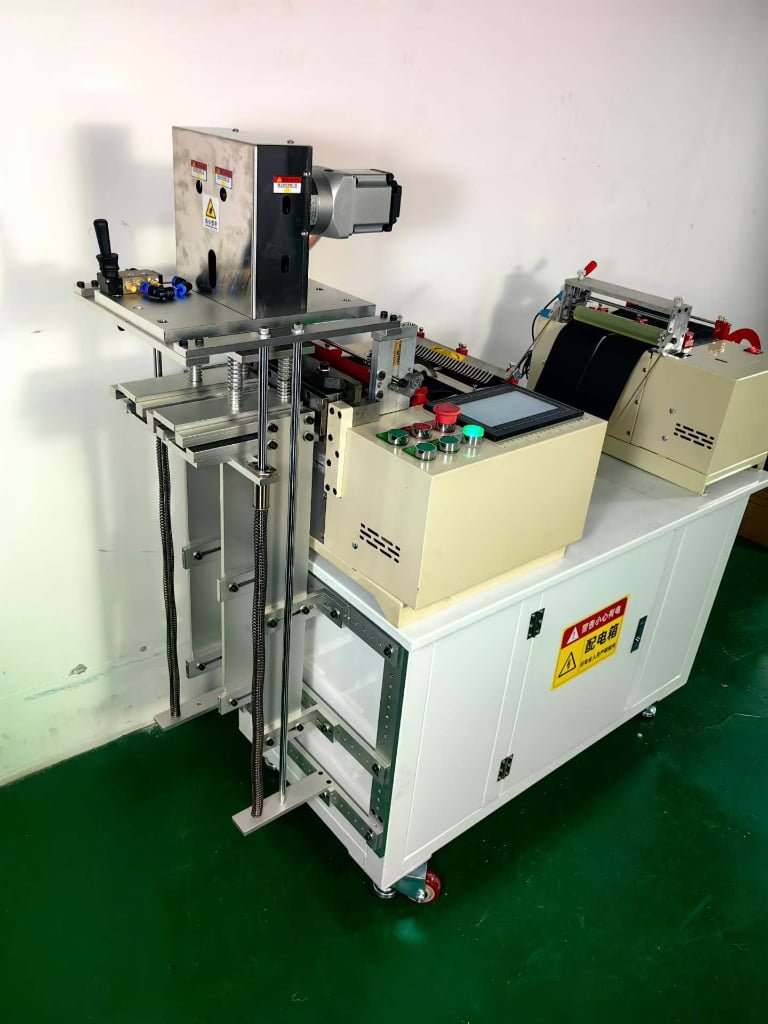
- hot and cold cutting machine
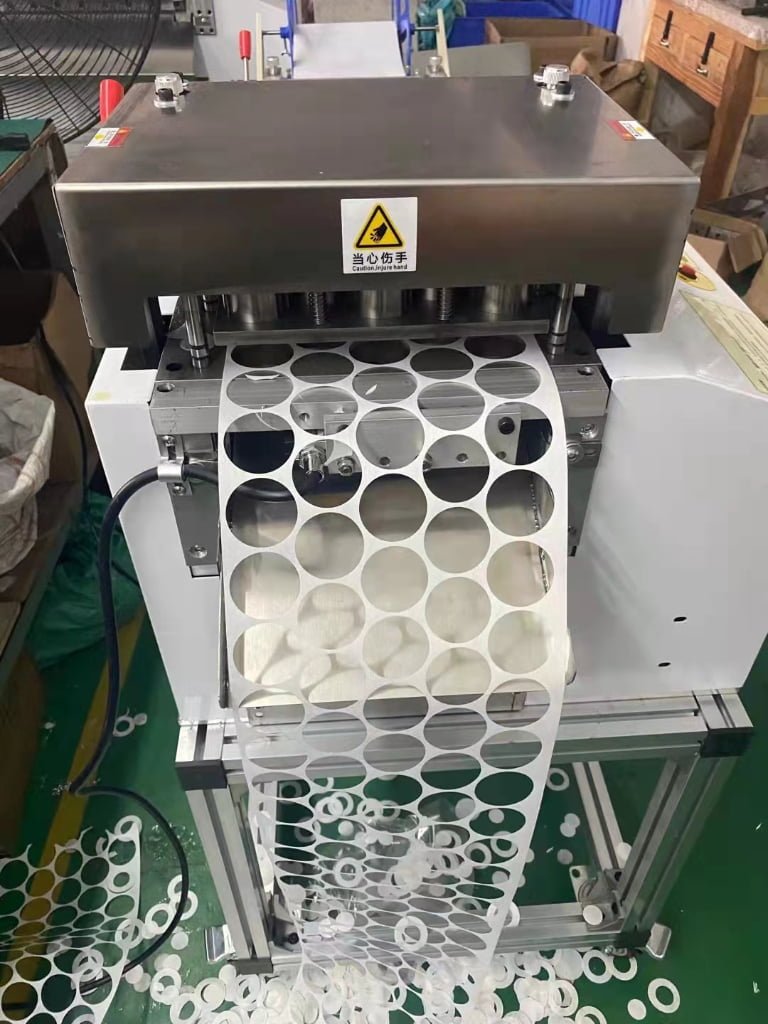
- automatic punching cutting machine
- Protective Foam Cutting Machine
- PVC Edge Banding cutting machine
- computer tube cutting machine
These systems help one operator complete work that previously required multiple employees.
In this article, I will explain how packaging departments can scale efficiently without increasing labor costs.
-
Manual bubble wrap cutting slows warehouse operations by creating bottlenecks1, uneven workflows, and packaging delays during peak shipping periods.
-
Inconsistent manual cutting increases material waste, dimensional shipping costs2, and long-term logistics expenses across large fulfillment networks.
-
Automated cutting systems improve packaging consistency by producing accurate sheet sizes and reducing human error during preparation.
-
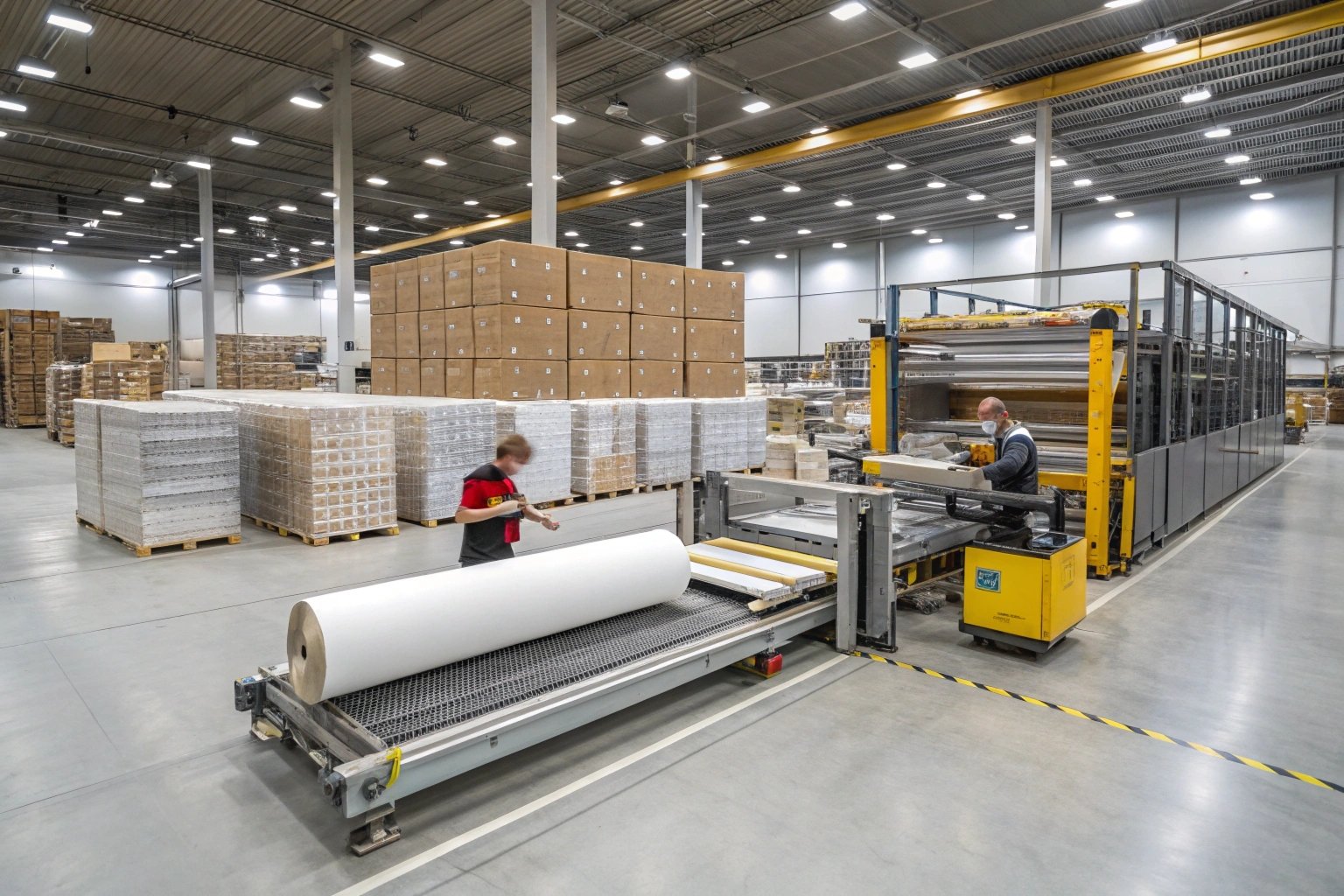
Modern logistics centers use automated cutting equipment to support conveyor systems, barcode workflows, and high-speed fulfillment operations.
-
Companies adopting packaging automation gain better scalability, lower labor dependency, and more stable operational performance over time.
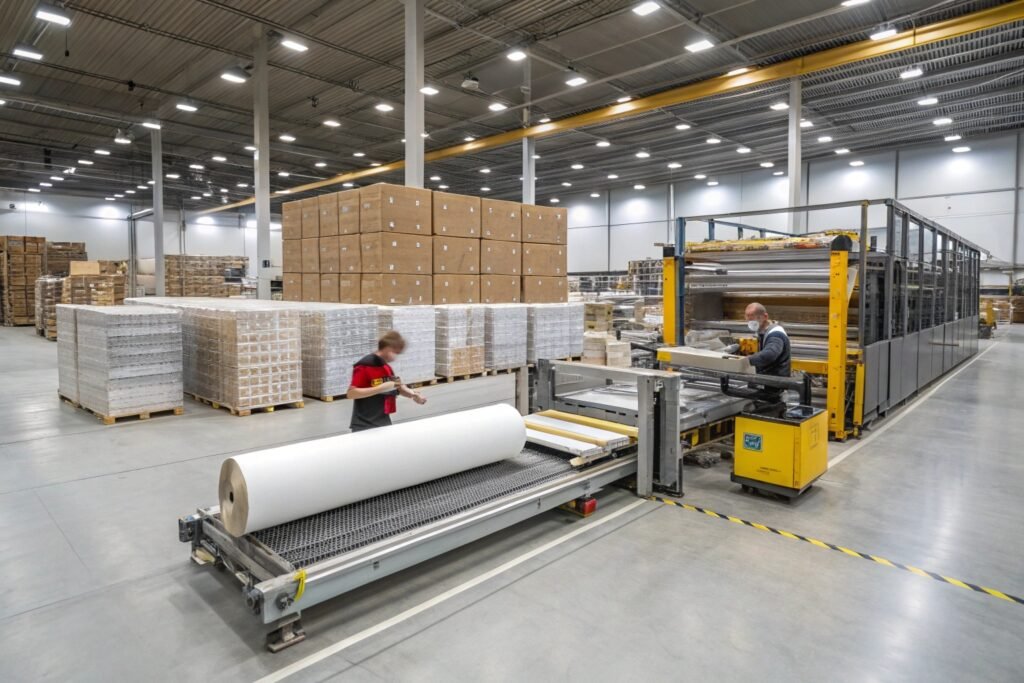
Why Hiring More Workers Is No Longer the Best Scaling Strategy
For many years, companies solved packaging growth simply by hiring more workers.
This approach worked when labor was:
- Easy to find
- Affordable
- Stable
- Easy to train
But the situation has changed.
Today, many fulfillment centers struggle with:
- High employee turnover
- Seasonal labor shortages
- Rising wages
- Longer training time
- Lower workforce stability
Because of this, adding more workers often creates more management complexity instead of solving efficiency problems.
Labor Costs Continue Rising
The total cost of hiring is much higher than hourly wages alone.
Companies must also pay for:
- Recruitment
- Training
- Overtime
- Insurance
- Supervision
- Safety management
- Employee turnover
These hidden costs grow quickly as teams expand.
Hidden Labor Expenses in Packaging Operations
| Labor Factor | Cost Impact |
|---|---|
| Training new workers | Lower short-term productivity |
| High turnover | Repeated hiring expenses |
| Overtime pay | Increased operating cost |
| Seasonal staffing | Inconsistent quality |
| Human errors | Rework and damaged shipments |
| Supervisor workload | More management overhead |
Many companies now realize that scaling through labor alone is difficult to sustain long term.
How Automation Solves Labor Shortages in the Shipping Department
Automation helps companies increase packaging capacity without depending entirely on workforce expansion.
The goal is not replacing people completely.
The real goal is allowing fewer workers to produce more output with higher consistency.
Automation Removes Repetitive Tasks
In many packaging departments, workers spend large amounts of time on repetitive manual work such as:
- Cutting bubble wrap
- Measuring foam sheets
- Preparing tape
- Sorting packaging materials
- Moving cartons
- Repeating identical packing steps
These repetitive tasks consume time without adding much value.
Automation removes much of this manual workload.
For example, a Bubble wrap cutting machine can automatically:
- Measure material length
- Cut consistent sheet sizes
- Increase preparation speed
- Reduce operator movement
This allows workers to focus on packing accuracy and shipment flow instead of material preparation.
One Worker Can Handle More Orders
When repetitive tasks are automated, each employee becomes more productive.
Instead of:
- Preparing materials manually
- Walking between stations
- Fixing inconsistent cuts
workers can process more shipments continuously.
Productivity Comparison
| Operation Type | Average Output Capacity |
|---|---|
| Fully manual packaging | Low consistency |
| Semi-automated packaging | Medium-high efficiency |
| Automated material prep | High throughput stability |
Many warehouses double output without doubling staff3 simply by improving material handling efficiency.
Automation Reduces Training Difficulty
Manual packaging often depends heavily on worker experience.
Experienced workers usually:
- Pack faster
- Waste less material
- Make fewer mistakes
New workers need time to learn.
Automated systems simplify many tasks, making onboarding easier.
Machines like:
- hot and cold cutting machine
- automatic punching cutting machine
- different shapes cutting machine
help standardize processes so operators can achieve stable results faster.
Automation Improves Worker Retention
Workers often leave repetitive packaging jobs because the work is physically exhausting.
Automation reduces:
- Repetitive motion
- Heavy lifting
- Manual cutting fatigue
- Stress during peak season
This creates a more stable working environment and reduces turnover pressure.
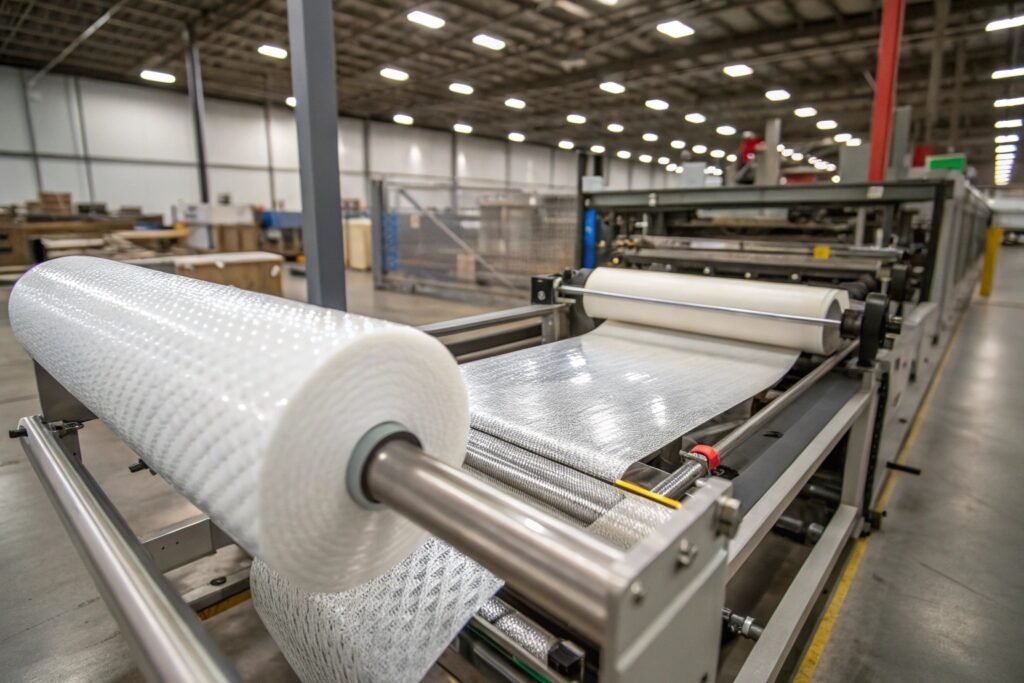
What Machinery Allows One Operator to Manage Multiple Packing Tasks?
Modern packaging equipment is no longer designed for only one single task.
Today, many systems combine:
- Material feeding
- Measuring
- Cutting
- Sorting
- Dispensing
- Positioning
This allows one operator to oversee several packaging functions at the same time.
Multi-Function Equipment Improves Efficiency
Many companies now choose versatile equipment because it reduces labor dependency.
For example:
- A Bubble wrap cutting machine prepares cushioning material automatically
- A Protective Foam Cutting Machine processes foam inserts quickly
- A webbing tape cutting machine cuts straps and ribbons precisely
- A PVC Edge Banding cutting machine supports furniture packaging production
- A computer tube cutting machine handles tube material preparation automatically
One worker can supervise multiple machines simultaneously.
Centralized Material Preparation Reduces Bottlenecks
Instead of each packer cutting materials individually, centralized automation systems prepare packaging materials for the entire department.
This creates:
- Better workflow balance
- Faster packing speed
- Less workstation congestion
- Reduced material waste
Common Packaging Automation Equipment
| Equipment | Main Function |
|---|---|
| Bubble wrap cutting machine | Cushion material preparation |
| Hot and cold cutting machine | Clean synthetic material cutting |
| Automatic punching cutting machine | Hole punching automation |
| Rotary bevel cutting machine | Angled edge cutting |
| Round shape cutting machine | Circular material cutting |
| Different shapes cutting machine | Custom profile processing |
| Wire cutting and stripping machine | Cable preparation |
| Metal pipe cutting and beveling machine | Industrial pipe processing |
Semi-Automation Is Often Enough
Some companies believe they need fully robotic packaging systems to scale operations.
In reality, semi-automation often delivers excellent results at lower cost.
Simple automation upgrades can already:
- Reduce labor hours
- Increase output
- Improve consistency
- Reduce worker fatigue
Even small improvements in material handling can create major operational gains.
How to Double Your Daily Packaging Output With Fixed Labor Overhead
Many managers think output growth always requires proportional labor growth.
But this is not true when efficiency improves.
The key is increasing output per labor hour.
Remove Time Waste Inside the Packaging Workflow
Most packaging departments lose time in small inefficient activities such as:
- Walking to material stations
- Waiting for cutting tools
- Searching for supplies
- Recutting incorrect materials
- Fixing packaging mistakes
These small delays accumulate throughout the day.
Common Packaging Workflow Losses
| Workflow Problem | Result |
|---|---|
| Poor workstation layout | Extra walking |
| Shared cutting tools | Waiting time |
| Material shortages | Packing interruptions |
| Inconsistent packaging | Rework |
| Manual measurements | Slower throughput |
Improving workflow efficiency often increases output immediately without hiring additional workers.
Standardized Packaging Speeds Up Operations
Standardized packaging procedures help every worker follow the same efficient process.
This reduces:
- Decision-making time
- Packaging variation
- Material waste
- Training difficulty
Automation supports standardization by producing consistent material sizes every time.
Batch Similar Orders Together
Grouping similar products improves packaging speed.
Workers can:
- Use the same packaging setup
- Reduce material changeovers
- Repeat workflows more efficiently
This method is especially effective for e-commerce fulfillment centers and 3PL warehouses.
Packaging Metrics Matter
Smart managers track:
- Orders packed per hour
- Material waste percentage
- Packaging time per shipment
- Rework frequency
- Labor efficiency ratio
These metrics reveal operational bottlenecks clearly.
The goal is not simply working harder.
The goal is improving throughput efficiency.
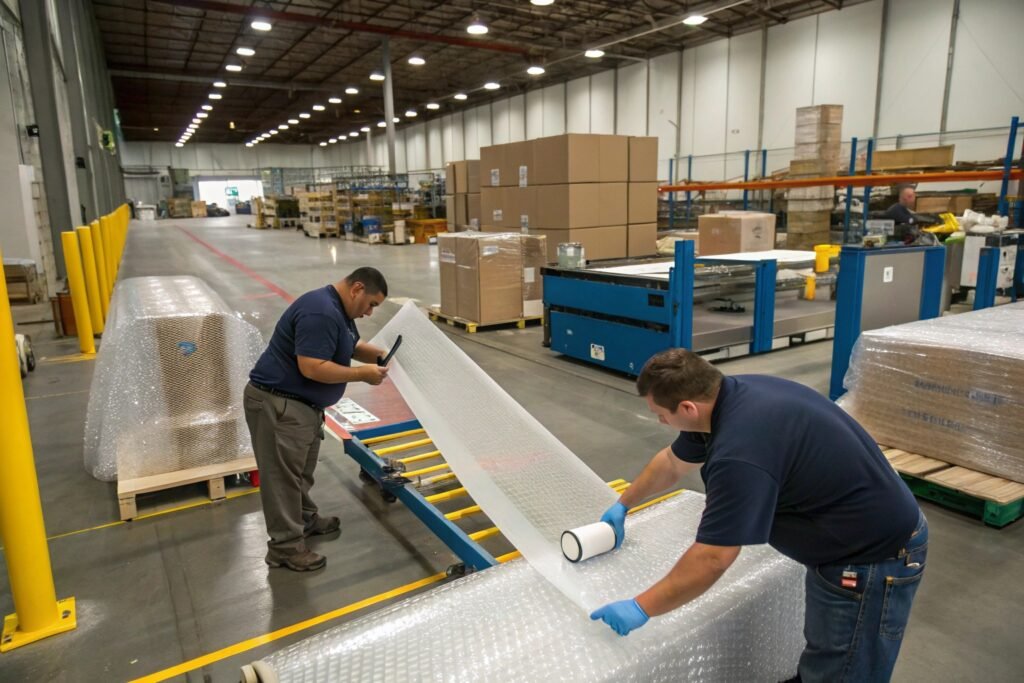
–
Why Investing in Equipment Is More Scalable Than Hiring Seasonal Workers
Seasonal demand creates major challenges for logistics operations.
During peak periods, companies often hire temporary workers quickly.
Still, this creates many hidden problems.
Seasonal Workers Usually Require More Supervision
Temporary staff often:
- Lack packaging experience
- Work more slowly
- Create more errors
- Waste more materials
Managers then spend more time supervising instead of improving operations.
Automation Creates Stable Output Year-Round
Machines maintain:
- Consistent speed
- Stable quality
- Repeatable performance
They do not:
- Call in sick
- Require retraining
- Forget procedures
- Change performance daily
This stability is extremely valuable during peak order periods.
Equipment Investment Creates Long-Term Returns
Hiring costs repeat every year.
Equipment investment creates long-term operational value.
Long-Term Scalability Comparison
| Scaling Method | Long-Term Stability |
|---|---|
| Seasonal hiring | Low |
| Overtime expansion | Medium-low |
| Workflow optimization | High |
| Packaging automation | Very high |
Over time, automation usually delivers lower total operating cost.
Automation Helps Companies Scale Predictably
As order volume grows, automated systems can expand gradually.
Companies can:
- Add additional machines
- Upgrade software controls
- Expand production cells
- Improve workflow integration
This creates scalable operational growth without proportional labor expansion.
Modern Customers Expect Faster Shipping
Fast fulfillment is now a competitive advantage4.
Companies that rely heavily on manual processes often struggle with:
- Delayed dispatch
- Packaging inconsistency
- Labor shortages during peak seasons
Automation helps maintain reliable shipping performance even during rapid business growth.
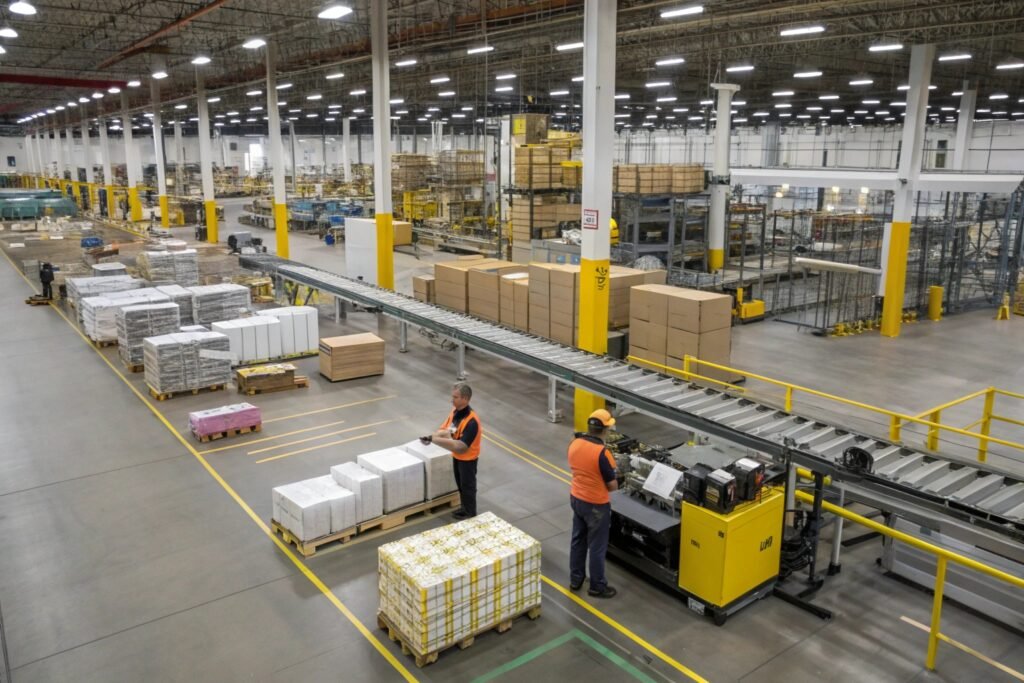
Why Packaging Efficiency Directly Impacts Profitability
Many companies underestimate how much packaging efficiency affects total business performance.
Packaging influences:
- Labor cost
- Shipping cost
- Damage rates
- Customer satisfaction
- Fulfillment speed
Small operational improvements create large financial impact at scale.
Faster Packaging Improves Order Capacity
When packaging speed increases:
- More orders ship daily
- Carrier cutoff times are easier to meet
- Same-day fulfillment becomes possible
This improves customer experience and operational flexibility.
Reduced Errors Lower Total Costs
Packaging mistakes create:
- Returns
- Repacking labor
- Replacement products
- Customer complaints
Automation reduces inconsistency and improves quality control5.
Better Material Usage Reduces Waste
Machines produce:
- Consistent cuts
- Accurate dimensions
- Lower scrap rates
This reduces packaging material expenses over time.
Systems like:
- Bubble wrap cutting machine
- Protective Foam Cutting Machine
- hot and cold cutting machine
- webbing tape cutting machine
help companies optimize packaging material usage while maintaining protection quality.
Conclusion
Scaling a packaging department no longer means simply hiring more workers.
Today, the smarter approach is improving efficiency through:
- Automation
- Workflow optimization
- Standardized packaging
- Better material preparation
- Smarter equipment investment
Automation helps solve labor shortages by allowing fewer workers to achieve higher output with greater consistency.
Equipment like:
- Bubble wrap cutting machine
- webbing tape cutting machine
- automatic punching cutting machine
- Protective Foam Cutting Machine
- computer tube cutting machine
- different shapes cutting machine
allows packaging departments to increase throughput without proportional labor growth.
As shipping demand continues rising worldwide, scalable packaging operations will become a major competitive advantage for logistics companies, manufacturers, and fulfillment centers.
Insights About HAOXINHE
HAOXINHE focuses on helping industrial customers improve packaging and material processing efficiency through advanced cutting equipment solutions.
The company provides customizable machinery for:
- Logistics packaging
- Foam processing
- Textile cutting
- Tube processing
- PVC material handling
- Protective packaging preparation
HAOXINHE Equipment Advantages
| Product | Main Benefit |
|---|---|
| Bubble wrap cutting machine | Faster cushioning preparation |
| Hot and cold cutting machine | Clean and efficient cutting |
| Webbing tape cutting machine | Precision strap cutting |
| Protective Foam Cutting Machine | Stable foam processing |
| Automatic punching cutting machine | Integrated punching efficiency |
| Computer tube cutting machine | Automated tube preparation |
| Different shapes cutting machine | Flexible custom cutting |
| Rotary bevel cutting machine | Precise angled cuts |
Why Global Buyers Work With HAOXINHE
- Strong factory production capacity
- Stable product quality
- Competitive B2B pricing
- Custom machine support
- Export experience in Europe and North America
- Fast communication and technical support
HAOXINHE continues helping packaging and logistics companies reduce labor dependency, improve throughput, and build more scalable operations for long-term growth.
-
"Supply Chain: Warehouse & Materials Management – Kresge Guides", https://kresgeguides.bus.umich.edu/SupplyChain/warehouse-materials-management. Operations research in warehouse environments has identified that manual material preparation tasks, including cutting and measuring activities, can create workflow bottlenecks when these preparatory steps are not synchronized with downstream packing operations, though the magnitude of impact depends on facility layout and process design. Evidence role: mechanism; source type: research. Supports: how manual material preparation activities can create workflow bottlenecks. Scope note: The specific impact of bubble wrap cutting has limited direct research documentation ↩
-
"Dimensional weight – Wikipedia", https://en.wikipedia.org/wiki/Dimensional_weight. Major shipping carriers use dimensional weight pricing (also called DIM weight), which calculates shipping costs based on package volume rather than actual weight when volume exceeds certain thresholds, meaning that oversized packaging can significantly increase shipping expenses even when the actual product weight remains constant. Evidence role: definition; source type: institution. Supports: the concept and mechanism of dimensional weight pricing in shipping. ↩
-
"[PDF] Automation and Distribution Center Labor Effectiveness: A Case …", https://digitalcommons.bryant.edu/cgi/viewcontent.cgi?article=1002&context=honors_gscm. Case studies and industry analyses of warehouse automation implementations have documented substantial productivity improvements, with some operations reporting output increases of 50-100% or more following automation investments, though actual results vary widely based on baseline efficiency, technology type, and implementation quality. Evidence role: general_support; source type: research. Supports: productivity improvements achievable through warehouse automation. Scope note: The claim of doubling output is presented as typical rather than as a best-case scenario ↩
-
"Omnichannel battle between Amazon and Walmart: Is the focus on …", https://pmc.ncbi.nlm.nih.gov/articles/PMC7492145/. Consumer research and retail industry analyses have consistently identified delivery speed as a significant factor in e-commerce purchase decisions and customer satisfaction, with multiple studies indicating that faster shipping options influence both conversion rates and customer loyalty, particularly in competitive product categories. Evidence role: expert_consensus; source type: research. Supports: the importance of delivery speed in e-commerce customer satisfaction and competitive positioning. ↩
-
"[PDF] A Robust Technique to Perform Product Quality Inspection", https://scholarworks.utrgv.edu/cgi/viewcontent.cgi?article=1947&context=etd. Quality management and manufacturing research has established that automated systems typically reduce process variation compared to manual operations by eliminating human inconsistency factors, though automation effectiveness depends on proper equipment calibration, maintenance, and integration with quality monitoring systems. Evidence role: mechanism; source type: research. Supports: how automation affects process consistency and quality outcomes. Scope note: Quality improvements depend significantly on implementation quality and ongoing system maintenance ↩