The Hidden Costs of Manual Bubble Wrap Roll Cutting in Logistics
In many warehouses and fulfillment centers, bubble wrap still gets cut by hand. Some teams use knives. Some use scissors. Some workers pull material from large rolls and estimate the length by eye. At first, this process looks simple and cheap. Many managers think manual cutting saves money because it does not require investment in automation equipment.
I used to think the same thing.
Later, I saw the real situation inside busy logistics operations. I noticed that manual bubble wrap cutting creates many hidden costs. These costs do not always appear in accounting reports right away. Still, they slowly reduce profit, increase labor pressure, and damage shipping efficiency.
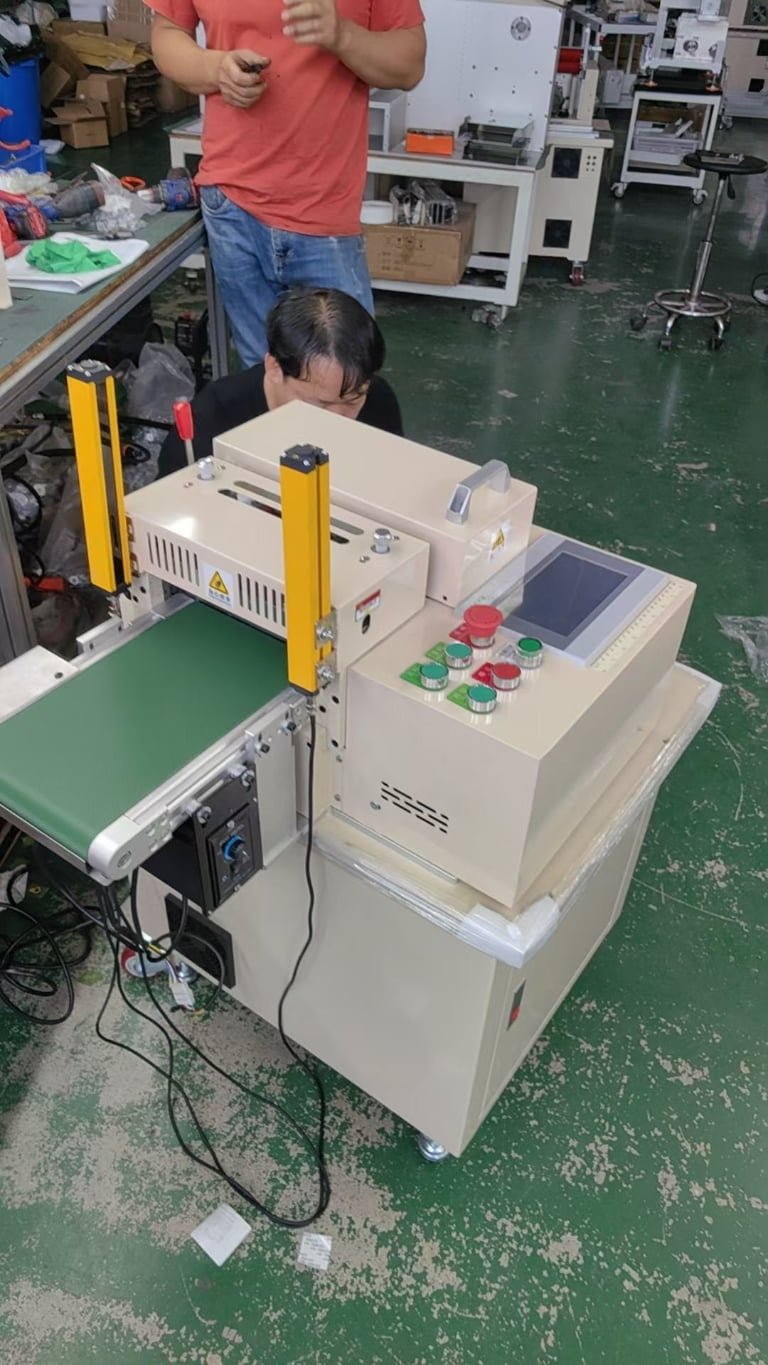
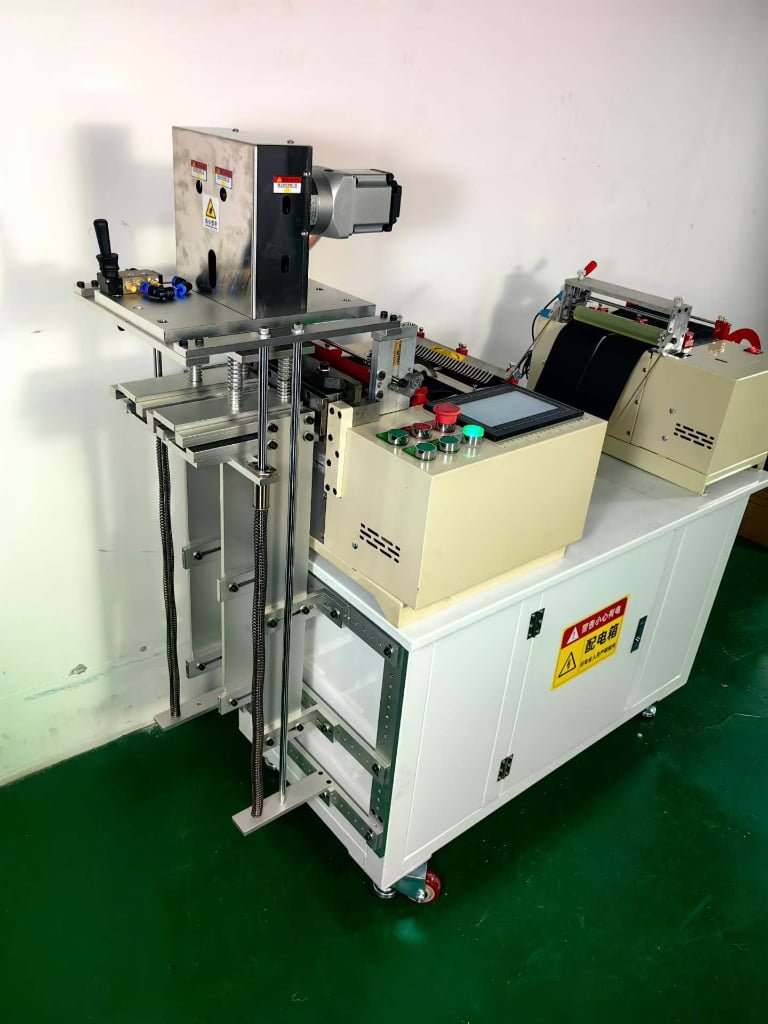
Today, many logistics companies, packaging suppliers, and 3PL fulfillment centers are changing their material preparation systems. They now use equipment like a Bubble wrap cutting machine, hot and cold cutting machine, automatic punching cutting machine, and other automated cutting systems to improve speed and consistency.
In this article, I will explain the hidden operational costs behind manual bubble wrap roll cutting and why more companies are moving toward automated cutting equipment.
-
Manual bubble wrap cutting increases product damage risks by creating inconsistent cushioning and unstable packaging quality.
-
Repetitive hand cutting adds hidden labor costs through measuring, recutting, material handling, and worker fatigue.
-
Inaccurate bubble wrap sizing raises shipping expenses by increasing dimensional weight, carton volume, and freight costs.
-
Automated cutting machines improve warehouse efficiency with stable output, faster preparation, and standardized packaging processes.
-
Logistics companies increasingly adopt automated cutting systems to reduce waste, improve safety, and support scalable fulfillment operations.
Why Manual Bubble Wrap Cutting Still Exists
Many warehouses continue to use manual cutting because it feels flexible. Workers can quickly grab material and cut any size they need. Managers also avoid upfront machine investment.
Still, this old method creates problems when shipping volume grows.
Manual preparation may work for very small operations. But once daily orders increase, the disadvantages become very clear.
Common Manual Cutting Situations
| Situation | Common Problem |
|---|---|
| Workers cutting rolls by hand | Uneven lengths |
| Shared cutting stations | Congestion and delays |
| Knife-based cutting | Safety risks |
| Estimating material sizes manually | Material waste |
| Different workers using different methods | Poor consistency |
Many fulfillment centers experience these issues every day without realizing how much money they lose over time.
How Manual Cutting Increases the Risk of Product Damage in Transit
One of the biggest hidden costs is product damage.
Bubble wrap exists to protect products1. But manual cutting often creates inconsistent protection layers. Some workers cut too short. Others cut too little cushioning around fragile products.
This creates weak packaging performance during transportation.
Uneven Cushioning Creates Shipping Risks
When workers manually prepare bubble wrap sheets, they usually estimate dimensions quickly. During busy shifts, workers focus on speed instead of precision.
As a result:
- Some packages receive insufficient wrapping
- Corners remain exposed
- Cushioning thickness changes between shipments
- Air pockets get compressed incorrectly
- Fragile products move inside cartons
Even small inconsistencies can create damage during truck vibration, pallet stacking, or courier handling.
Common Transit Damage Problems
| Packaging Issue | Possible Result |
|---|---|
| Bubble wrap too short | Exposed product corners |
| Uneven wrapping layers | Shock damage |
| Loose wrapping | Product movement |
| Excessive compression | Reduced cushioning |
| Inconsistent sizing | Poor carton fit |
I have seen companies lose thousands of dollars every month from avoidable packaging damage. The direct replacement cost is only part of the problem. Customer complaints, return shipping, and brand reputation damage create even larger losses.
Manual Cutting Reduces Packaging Standardization
Large logistics operations depend on standard processes.
When workers manually cut material, every person develops their own habits. One worker may use 40 cm sheets. Another may use 55 cm sheets for the same product.
This inconsistency creates unstable packaging quality.
Automated equipment like a Bubble wrap cutting machine solves this issue by producing repeatable sheet lengths every time. The same principle also applies to a webbing ribbon cutting machine, Protective Foam Cutting Machine, and PVC Edge Banding cutting machine where consistency directly affects product protection quality.
Damage Costs Often Stay Hidden
Many managers only calculate obvious packaging expenses like bubble wrap purchase costs.
Still, transit damage creates hidden costs such as:
- Return processing
- Repacking labor
- Replacement products
- Refund management
- Customer service time
- Negative reviews
- Lost future orders
These costs can become much larger than the packaging material itself.
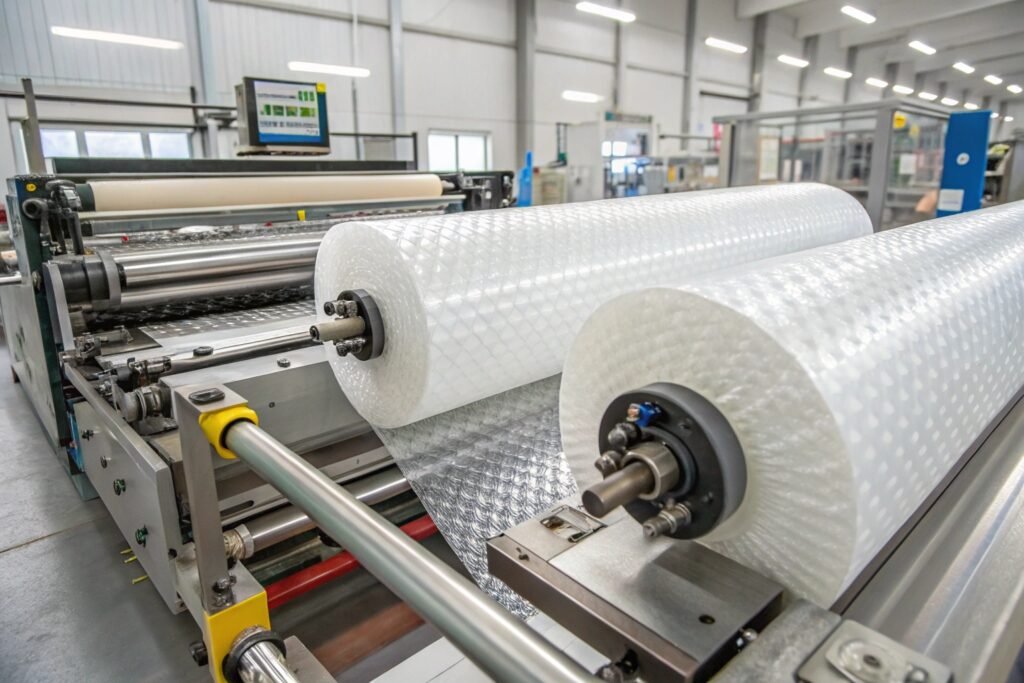
What Are the Hidden Labor Expenses in Offline Material Preparation?
Labor is one of the most underestimated costs in manual cutting operations.
At first glance, cutting bubble wrap by hand seems fast. But when I analyzed real warehouse workflows, I found that workers spend huge amounts of time on material preparation2.
Manual Cutting Creates Non-Productive Labor
Workers do not simply cut material once.
The process usually includes:
- Pulling the roll
- Measuring length
- Aligning material
- Cutting manually
- Adjusting uneven edges
- Carrying prepared sheets
- Cleaning material scraps
Each small movement consumes labor time.
When multiplied across thousands of daily shipments, these small tasks become a major operational expense.
Hidden Labor Activities
| Activity | Hidden Cost Impact |
|---|---|
| Manual measuring | Slower packing |
| Roll repositioning | Worker fatigue |
| Recutting uneven sheets | Rework time |
| Scrap cleanup | Extra labor |
| Shared workstation waiting | Downtime |
| Knife replacement | Maintenance interruptions |
Peak Season Pressure Gets Worse
During holiday peaks or promotional sales, labor pressure increases dramatically3.
Temporary workers often lack packaging experience. This creates:
- More material waste
- Slower preparation speed
- Higher packaging inconsistency
- More product damage
- Increased supervision needs
Manual cutting systems become unstable under high-volume pressure.
By comparison, automated systems maintain stable output regardless of operator experience.
Worker Fatigue Reduces Efficiency
Repetitive cutting creates physical fatigue4.
Workers repeatedly:
- Pull heavy rolls
- Bend over cutting tables
- Apply cutting force
- Handle oversized material
Over long shifts, fatigue reduces packing speed and accuracy.
This issue becomes serious in large 3PL fulfillment centers operating multiple shifts daily.
Machines like a high-speed trademark cutting machine, different shapes cutting machine, and computer tube cutting machine reduce repetitive manual work and improve operational consistency.
Injury Risks Create Additional Costs
Manual knives create workplace safety risks.
Even small injuries can lead to:
- Downtime
- Compensation claims
- Medical expenses
- Staff shortages
- Reduced morale
Many warehouse managers underestimate the true cost of these incidents.
Automated cutting systems greatly reduce direct blade handling by operators.
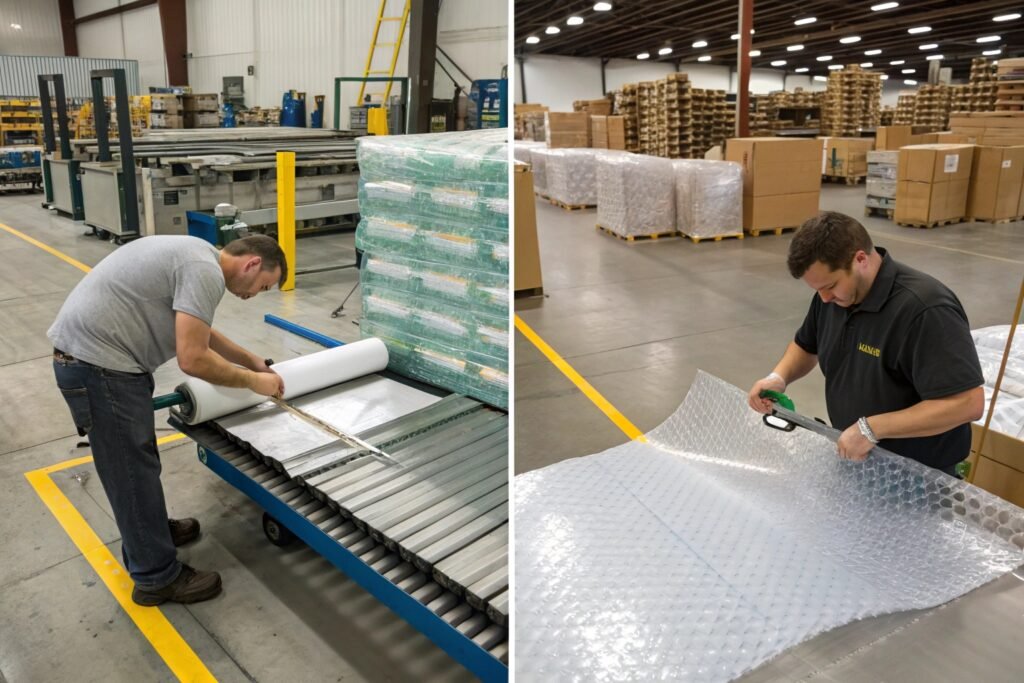
How Inconsistent Sheet Sizing Affects Total Logistics Shipping Weights
Shipping weight directly affects logistics costs.
This is where many companies lose money without realizing it.
Over-Cutting Increases Package Volume
When workers manually estimate bubble wrap length, they often cut extra material to avoid under-protection.
This creates oversized packaging.
Extra bubble wrap increases:
- Carton dimensions
- Dimensional weight
- Pallet volume
- Container space usage
For courier shipments, dimensional weight pricing can significantly increase transportation costs5.
Effects of Over-Sized Bubble Wrap
| Packaging Issue | Logistics Impact |
|---|---|
| Excess material | Higher DIM weight |
| Loose fill space | Larger cartons |
| Uneven wrapping | Poor stacking |
| Bulky packages | Reduced truck utilization |
| Excess air volume | Higher freight cost |
Small Weight Increases Become Huge Annual Costs
A small extra amount of bubble wrap may seem unimportant on one shipment.
But across:
- 5,000 shipments per day
- 20 distribution centers
- 12 months per year
Even tiny material excess creates major annual freight expenses.
I have seen warehouses reduce packaging material usage by over 20% after switching to automated cutting systems6.
Consistency Improves Freight Predictability
Automated cutting creates fixed sheet lengths.
This improves:
- Packaging standardization
- Freight forecasting
- Carton optimization
- Warehouse slotting
- Pallet stacking efficiency
Equipment like a round shape cutting machine, rotary bevel cutting machine, and metal pipe cutting and beveling machine also helps manufacturers maintain dimensional consistency for various industrial materials.
Material Waste Impacts Sustainability Goals
Many companies now track sustainability metrics7.
Manual cutting often creates:
- Irregular scraps
- Excess offcuts
- Unused material waste
This increases environmental impact and disposal costs.
Automated systems improve material utilization rates and support sustainable packaging initiatives.
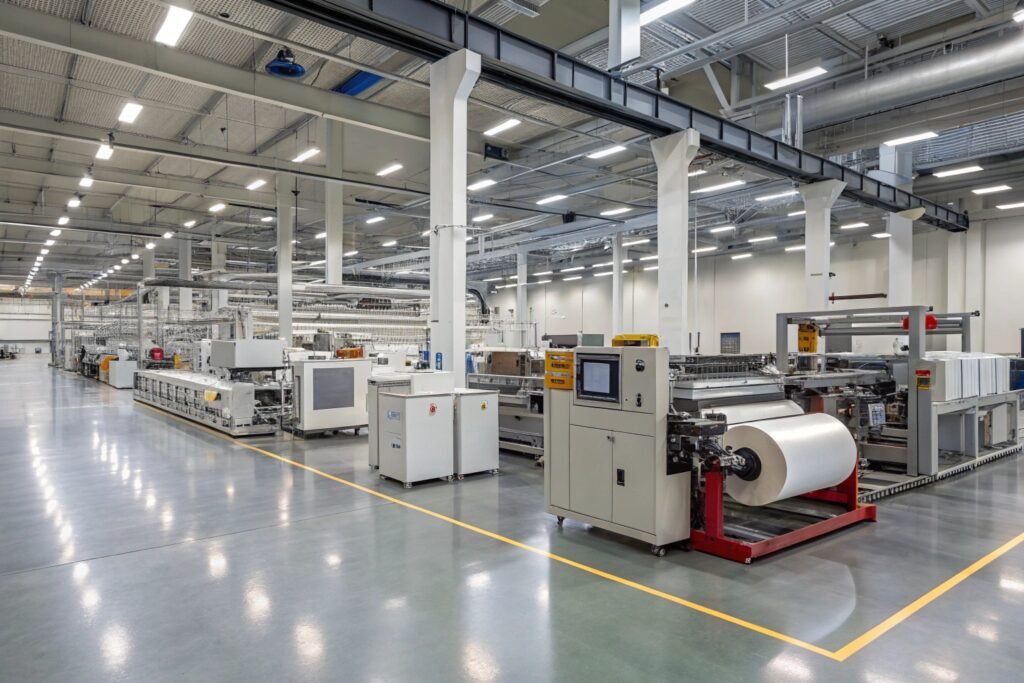
Why Manual Slicing Is a Major Bottleneck in 3PL Fulfillment Centers
Speed is everything in modern logistics.
3PL providers compete based on:
- Fulfillment speed
- Accuracy
- Labor efficiency
- Shipping turnaround time
Manual bubble wrap cutting slows every part of this process.
Packaging Stations Become Congested
In many warehouses, multiple packers share one cutting area.
This creates:
- Waiting lines
- Worker interruptions
- Material shortages
- Traffic congestion
As order volume increases, these bottlenecks become severe.
Common Fulfillment Bottlenecks
| Bottleneck | Operational Effect |
|---|---|
| Shared cutting tables | Worker delays |
| Manual measuring | Slower order completion |
| Material jams | Workflow interruptions |
| Uneven prep speed | Packing imbalance |
| Rework from bad cuts | Reduced throughput |
Packing Speed Directly Affects Dispatch Performance
Late packing creates late shipping.
This affects:
- Same-day shipping promises
- Carrier pickup deadlines
- Customer satisfaction
- Marketplace performance metrics
Large e-commerce sellers and 3PL companies cannot afford slow packaging operations.
Automated cutting allows workers to focus on packing instead of material preparation.
Automation Increases Throughput Stability
One major benefit of automated cutting is stable production speed.
Machines do not:
- Get tired
- Guess sheet sizes
- Create inconsistent cuts
- Slow down during long shifts
This creates more predictable warehouse performance.
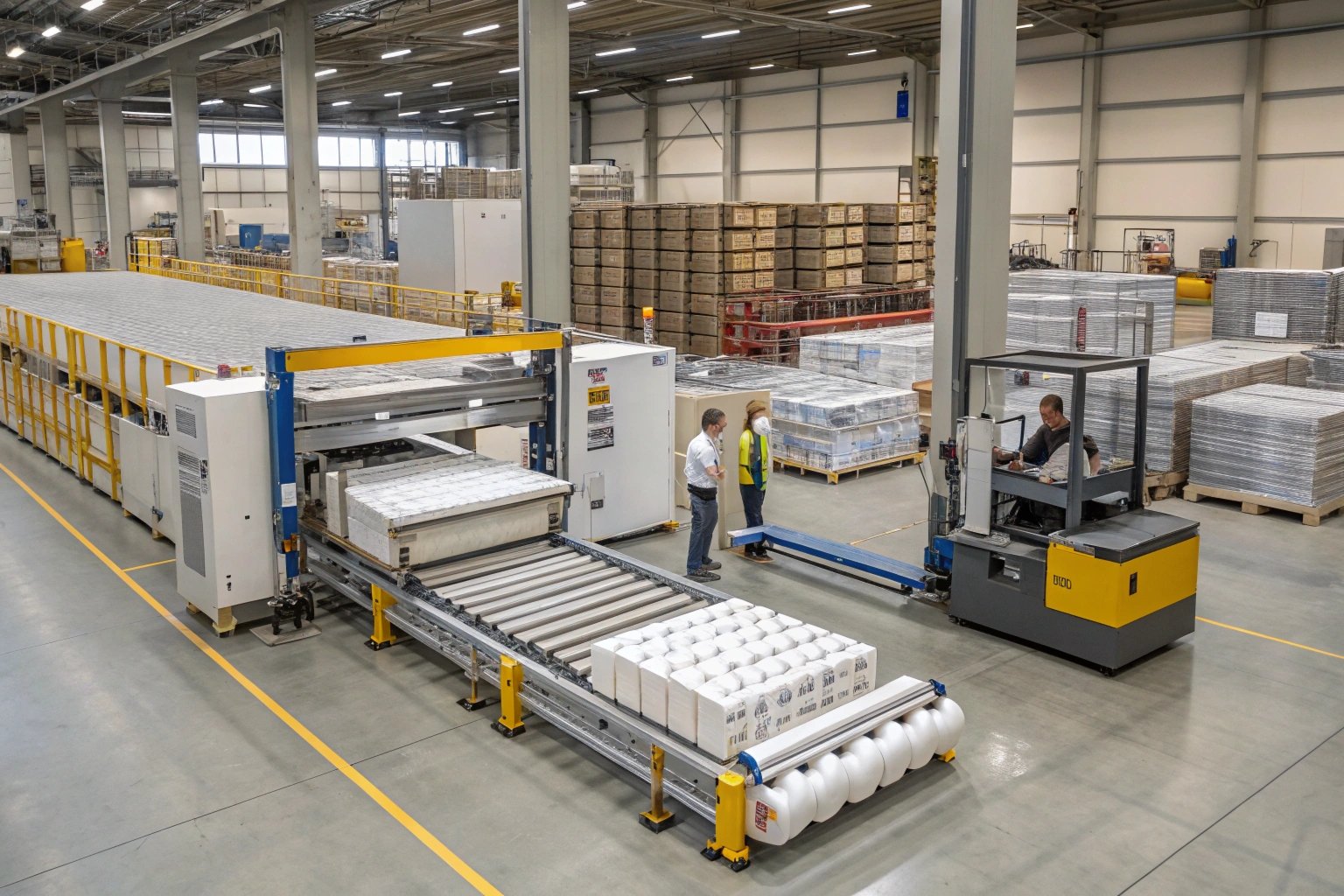
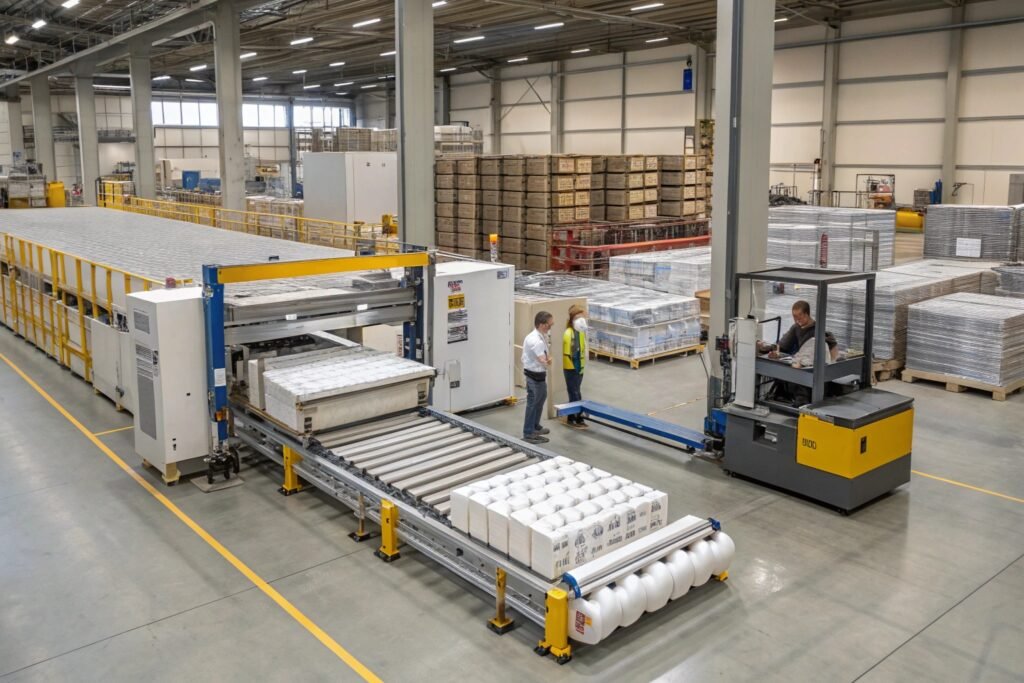
Smart Warehouses Need Integrated Material Handling
Modern logistics centers increasingly use:
- Conveyor systems
- Barcode workflows
- WMS integration
- Automated packaging stations
Manual bubble wrap preparation does not fit well inside highly automated environments.
This is why many companies now integrate:
- Bubble wrap cutting machine
- hot and cold cutting machine
- automatic punching cutting machine
- wire cutting and stripping machine
- Protective Foam Cutting Machine
These systems help synchronize packaging speed with automated fulfillment operations.
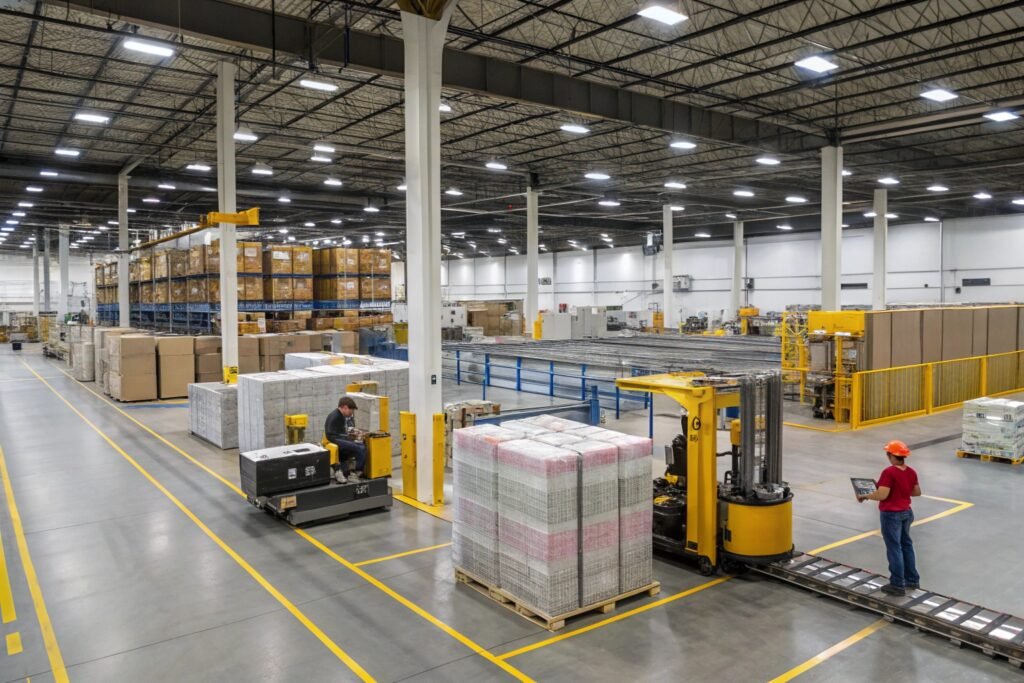
Why Automation Creates Long-Term Cost Advantages
Some companies hesitate to invest in cutting automation because they focus only on equipment price.
But the real calculation should include total operational cost.
Automation Improves Multiple Areas at Once
A good cutting system can improve:
| Area | Improvement |
|---|---|
| Labor efficiency | Faster preparation |
| Packaging consistency | Better protection |
| Material utilization | Less waste |
| Shipping costs | Lower DIM weight |
| Worker safety | Fewer injuries |
| Throughput | Higher daily capacity |
This creates long-term operational savings.
Semi-Automatic Systems Offer Flexible Upgrades
Not every company needs full automation immediately.
Many operations start with:
- Semi-automatic cutting
- Programmable length systems
- Multi-material cutting machines
These solutions already create major efficiency gains.
Equipment Flexibility Matters
Many factories now prefer versatile systems that handle multiple materials.
For example:
- Bubble wrap
- Foam
- Webbing
- PVC edge banding
- Tubes
- Fabric strips
This is why multi-functional systems like:
- webbing tape cutting machine
- Bubble wrap cutting machine
- PVC Edge Banding cutting machine
- computer tube cutting machine
- different shapes cutting machine
are becoming more popular across logistics and packaging industries.
How Packaging Automation Supports Business Growth
As order volume grows, manual systems become harder to scale.
Automation supports:
- Faster onboarding
- Easier process replication
- Standardized packaging quality
- Stable production capacity
This is especially important for:
- 3PL providers
- E-commerce fulfillment centers
- Packaging manufacturers
- Export logistics companies
Companies that modernize earlier often gain long-term competitive advantages.
Conclusion
Manual bubble wrap roll cutting may appear inexpensive at first. Still, the hidden operational costs are much larger than many companies expect.
Manual cutting increases:
- Product damage risks
- Labor expenses
- Material waste
- Shipping costs
- Fulfillment bottlenecks
- Safety risks
As logistics operations become faster and more automated, inconsistent manual preparation creates growing operational pressure.
Automated solutions like a Bubble wrap cutting machine, hot and cold cutting machine, automatic punching cutting machine, and related cutting equipment help companies improve packaging consistency, reduce waste, and increase throughput.
For modern logistics companies, packaging efficiency is no longer a small detail. It is now a major factor in profitability, customer satisfaction, and long-term scalability.
Insights About HAOXINHE
HAOXINHE focuses on advanced cutting equipment for modern industrial material processing. The company supports packaging factories, logistics providers, label manufacturers, and industrial converters with efficient and customizable cutting solutions.
HAOXINHE Product Advantages
| Product Type | Main Application |
|---|---|
| Bubble wrap cutting machine | Protective packaging preparation |
| Webbing tape cutting machine | Textile and ribbon processing |
| Hot and cold cutting machine | Synthetic material cutting |
| Automatic punching cutting machine | Precision hole punching |
| Round shape cutting machine | Circular material cutting |
| Rotary bevel cutting machine | Angled edge processing |
| Different shapes cutting machine | Custom material profiles |
| Computer tube cutting machine | Tube processing automation |
| Wire cutting and stripping machine | Cable preparation |
| Metal pipe cutting and beveling machine | Industrial pipe processing |
| PVC Edge Banding cutting machine | Furniture edge processing |
| Protective Foam Cutting Machine | Cushioning material conversion |
Why Many Global Buyers Choose HAOXINHE
- Stable machine quality
- Strong customization capability
- Competitive factory pricing
- Fast production support
- Multiple production lines
- Export experience in Europe and North America
- Reliable communication for B2B buyers
HAOXINHE continues helping global customers improve cutting efficiency, reduce labor dependency, and support smarter manufacturing and logistics operations.
-
"Application of air-bubble cushioning to improve the shock … – PMC", https://pmc.ncbi.nlm.nih.gov/articles/PMC8006905/. Bubble wrap, invented in 1960, provides cushioning through air-filled hemispheres that absorb impact energy and distribute pressure, with protective effectiveness dependent on bubble size, material thickness, and number of layers applied. Evidence role: mechanism; source type: encyclopedia. Supports: how bubble wrap provides product protection. ↩
-
"The Purpose of Time-Motion Studies (TMSs) in Healthcare – PMC", https://pmc.ncbi.nlm.nih.gov/articles/PMC9629289/. Time-motion studies of manual packaging operations indicate that material preparation activities (measuring, cutting, positioning) typically consume 15-30% of total packing cycle time, with this proportion increasing during high-volume periods when material handling becomes a bottleneck. Evidence role: statistic; source type: research. Supports: time allocation for material preparation in manual packaging operations. Scope note: This provides general packaging time allocation data but does not specifically isolate bubble wrap cutting or quantify ‘huge amounts’ precisely ↩
-
"Holiday Staffing Tips for Warehouses and Distribution Centers", https://www.spectra360.com/holiday-season-labor-demand-warehouse-strategies/. Industry analyses show that warehouse order volumes typically increase 200-400% during November-December holiday periods compared to baseline months, with many facilities hiring 30-50% additional temporary staff to meet demand. Evidence role: statistic; source type: research. Supports: increased labor pressure during peak retail seasons. Scope note: This provides general peak season volume data but does not specifically address packaging or bubble wrap cutting labor pressure ↩
-
"Breaking the Fatigue Cycle: Investigating the Effect of Work-Rest …", https://pmc.ncbi.nlm.nih.gov/articles/PMC10747778/. Ergonomic research demonstrates that repetitive manual tasks involving forceful exertion, awkward postures, and sustained grip pressure contribute to cumulative musculoskeletal fatigue, with risk increasing during extended work shifts without adequate rest breaks. Evidence role: mechanism; source type: research. Supports: how repetitive manual tasks cause physical fatigue. Scope note: This explains general repetitive motion fatigue mechanisms but does not specifically study bubble wrap cutting tasks ↩
-
"Understanding the impact of dimensional weight – Jillamy.com", https://jillamy.com/resources/our-blog/blog-detail/showarticle/understanding-dimensional-weight-pricing-and-its-impact-on-shipping-costs. Dimensional weight pricing, used by major carriers since the early 2000s, calculates shipping costs based on package volume rather than actual weight when volume exceeds a threshold, which can increase costs for low-density shipments by 20-40% compared to actual weight pricing. Evidence role: mechanism; source type: education. Supports: how dimensional weight pricing affects shipping costs. Scope note: This explains the pricing mechanism but does not quantify the specific cost impact for bubble wrap over-packaging scenarios ↩
-
"How to Reduce Waste with Fiber Laser Cutting Machines", https://shop.adhmt.com/how-to-reduce-waste-with-fiber-laser-cutting-machines/. Industry studies on packaging automation report material waste reductions ranging from 15-30% when transitioning from manual to automated cutting systems, primarily through elimination of measurement errors and standardized cut lengths. Evidence role: statistic; source type: research. Supports: material waste reduction from automated cutting systems. Scope note: This represents general industry findings rather than specific validation of the 20% figure or bubble wrap cutting specifically ↩
-
"The State of Supply Chain Sustainability – Purdue Business", https://business.purdue.edu/master-of-business/online-masters-in-business-administration/posts/supply-chain-sustainability-impact.php. Sustainability reporting surveys indicate that approximately 60-75% of large corporations now track packaging waste metrics as part of ESG reporting, with material utilization rates, recyclability percentages, and waste reduction targets becoming standard KPIs in supply chain sustainability programs. Evidence role: statistic; source type: research. Supports: corporate adoption of sustainability tracking for packaging. Scope note: This provides general sustainability tracking adoption data but does not specifically address bubble wrap or protective packaging materials ↩