What Is the Best Machine for Cutting Anti-Static Bubble Wrap?
Anti-static bubble wrap plays a critical role in electronics packaging. Unlike standard bubble wrap, anti-static materials are designed to prevent electrostatic discharge (ESD) that can damage sensitive electronic components1 such as circuit boards, semiconductors, sensors, and computer chips.
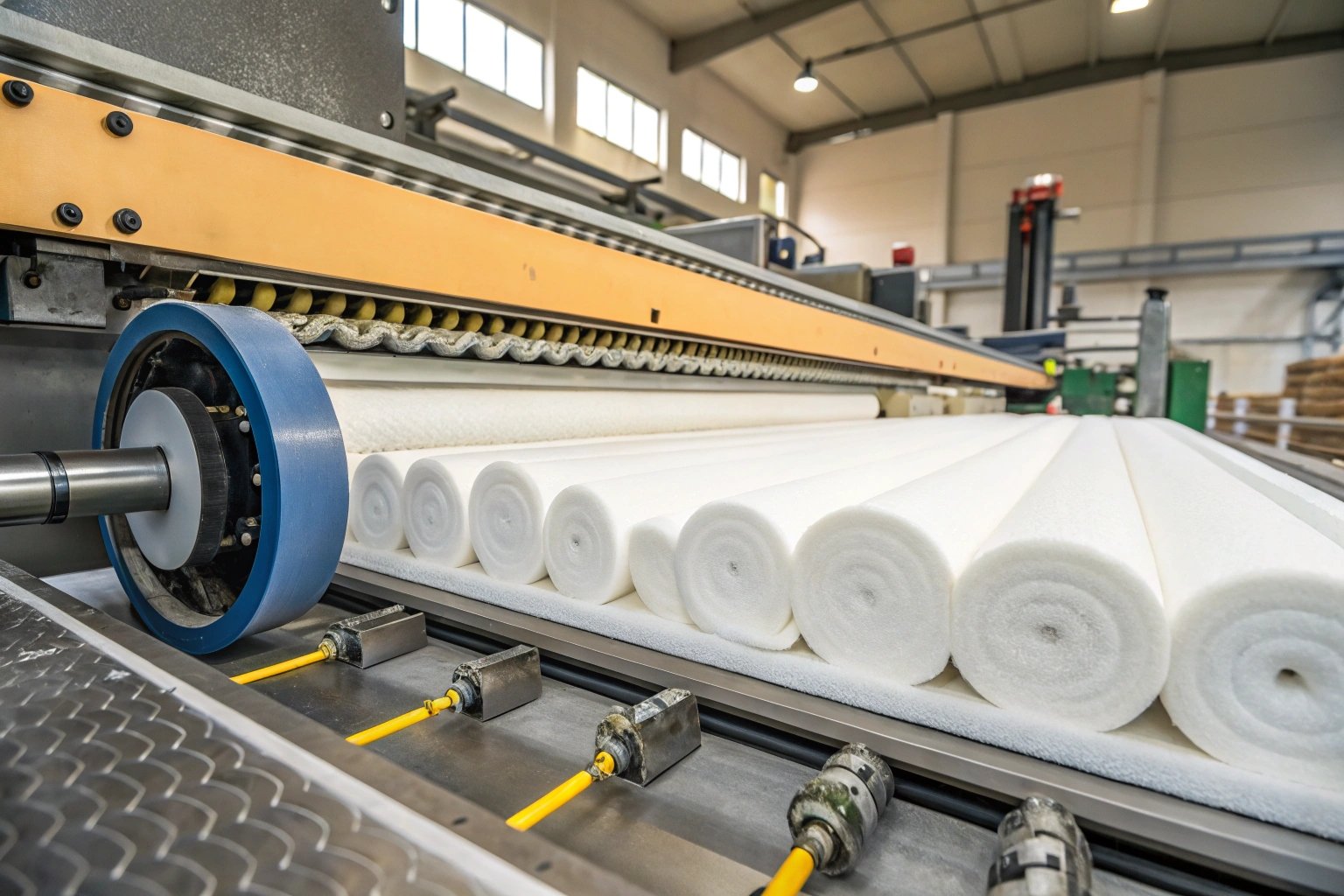
I often see buyers underestimate how different anti-static bubble wrap behaves during cutting and feeding. Standard cutting machines may damage the anti-static coating, create unstable tension, or generate unwanted static during high-speed operation.
That is why selecting the correct Bubble wrap cutting machine for ESD-safe materials requires more attention to tension control, blade quality, grounding systems, and material handling stability.
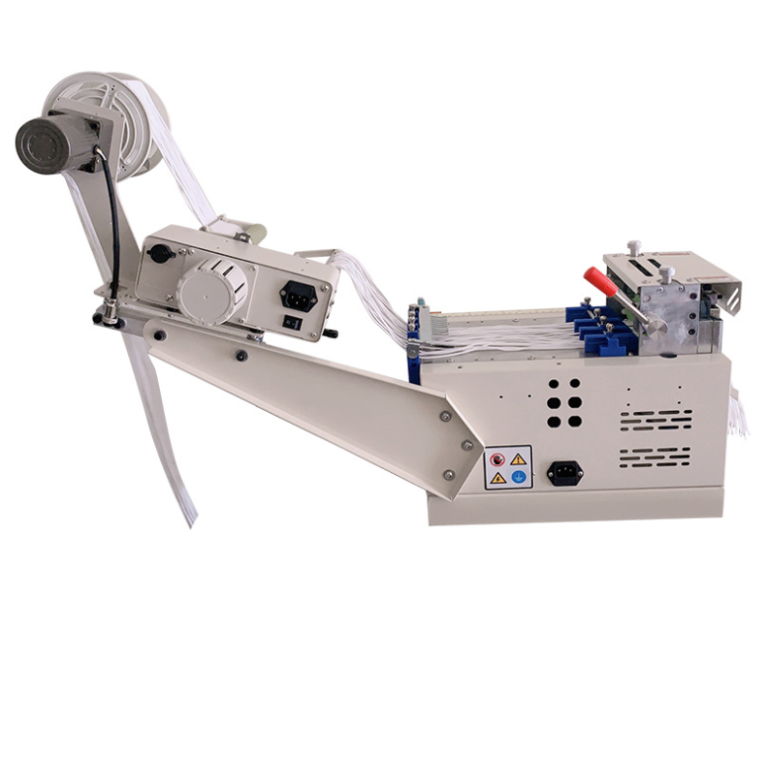
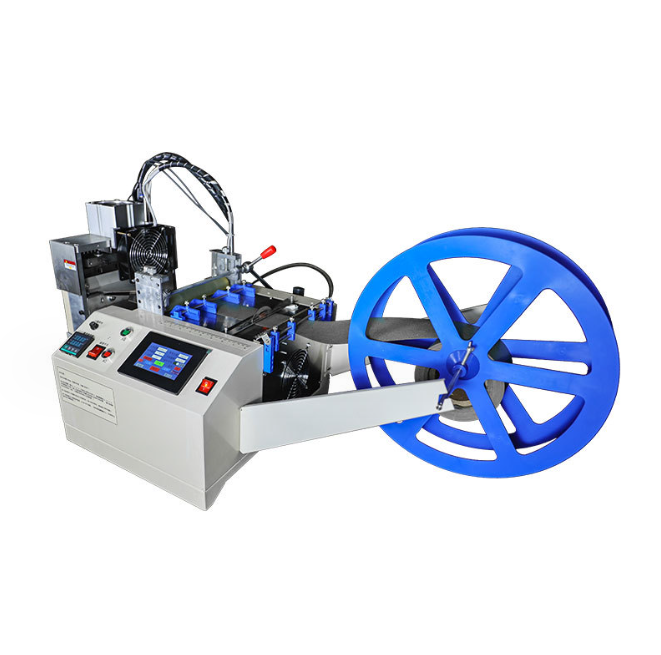
At HAOXINHE, I manufacture industrial cutting systems including Bubble wrap cutting machine equipment, automatic punching cutting machine systems, Protective Foam Cutting Machine solutions, webbing ribbon cutting machine machines, hot and cold cutting machine systems, and PVC Edge Banding cutting machine equipment. Through years of industrial experience, I understand the unique handling requirements of anti-static packaging materials.
In this guide, I will explain how to choose the best machine for cutting anti-static bubble wrap and how to maintain stable ESD protection during production.
The best bubble wrap cutting machine depends on production volume, material type, automation requirements, and packaging precision.
- Choose servo-controlled systems with stable tension control for accurate feeding and cleaner cuts.
- Select modular punching and perforation functions for custom packaging designs and multi-SKU production.
- Prioritize long-term reliability, sample testing, and automation compatibility instead of focusing only on machine price.
Modern industrial cutters improve efficiency, reduce material waste, and support high-speed packaging operations across e-commerce, electronics, and logistics industries.
Why Do Electronics Manufacturers Require Specialized Anti-Static Wrap?
Electronics manufacturers use anti-static bubble wrap because standard packaging materials can generate static electricity during movement, friction, or handling.
Even small static discharges may damage sensitive electronic products.
Anti-static bubble wrap helps safely package:
- Circuit boards
- Computer chips
- Medical electronics
- Communication equipment
- Sensors
- Semiconductors
- Automotive electronics
These materials reduce the risk of electrostatic discharge by dissipating static charges safely.
Standard Bubble Wrap vs. Anti-Static Bubble Wrap
| Feature | Standard Bubble Wrap | Anti-Static Bubble Wrap |
|---|---|---|
| Static Protection | None | Yes |
| Electronics Safety | Poor | Excellent |
| Surface Coating | Standard PE Film | ESD Additive Coating |
| Static Dissipation | No | Controlled |
| Electronics Packaging | Not Recommended | Recommended |
Anti-static films often contain special additives that reduce surface resistance2 and improve static dissipation.
Dive Deeper: Why ESD Protection Matters in Electronics Manufacturing
Electrostatic discharge is one of the hidden dangers inside electronics production environments.
A static spark too small for humans to feel can still destroy sensitive electronic components.
Common Sources of Static Electricity
| Source | Static Risk |
|---|---|
| Plastic Film Friction | High |
| Fast Material Feeding | High |
| Dry Air Conditions | High |
| Operator Handling | Medium |
| Conveyor Systems | Medium |
Standard bubble wrap may generate static through friction during packaging or transport.
Anti-static bubble wrap reduces this risk by using specially treated film surfaces.
Why Cutting Quality Is Critical
The anti-static layer is usually located on the film surface.
Poor cutting methods may:
- Damage the coating
- Create rough edges
- Generate excess friction
- Reduce ESD protection effectiveness
That is why a professional Bubble wrap cutting machine for ESD materials must provide:
- Stable feeding
- Precise tension control
- Clean cutting edges
- Low-friction material handling
Electronics manufacturers often require strict consistency because automated packaging lines depend on accurate sheet dimensions and stable material quality.
For this reason, programmable sheet length control becomes very important in anti-static packaging production.
What Is the Best Type of Machine for Cutting Anti-Static Bubble Wrap?
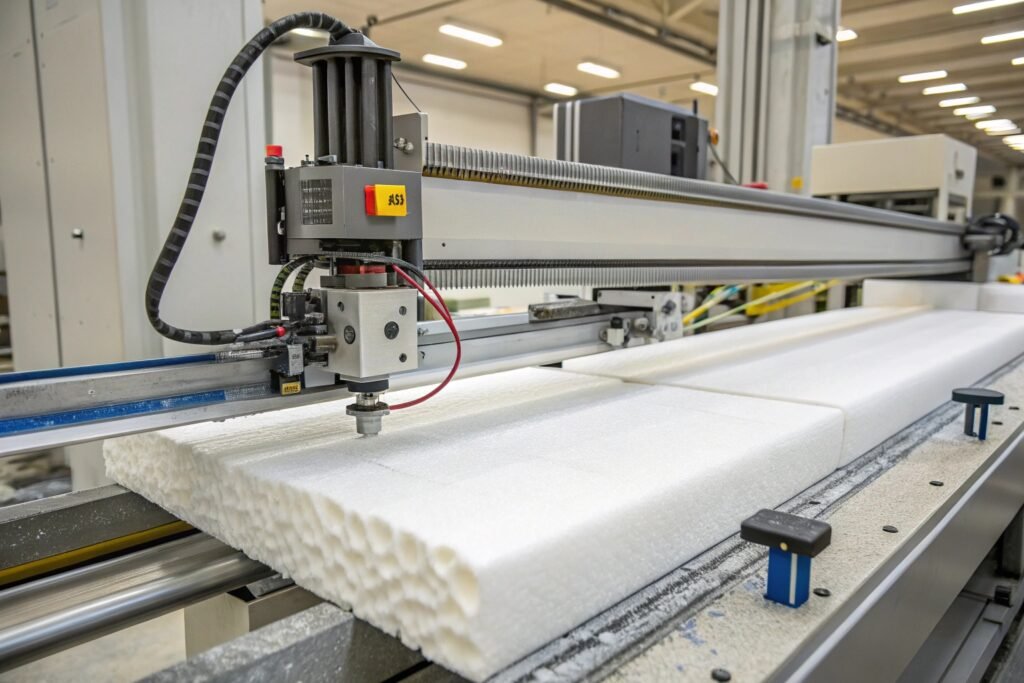
The best machine is usually a precision roll-to-sheet Bubble wrap cutting machine with stable tension control and programmable feeding systems.
Anti-static bubble wrap is more sensitive than standard packaging film. The machine must avoid:
- Excessive stretching
- Surface scratching
- Uneven feeding
- Bubble crushing
- High-friction contact
Recommended Machine Features
| Feature | Why It Matters |
|---|---|
| Servo Feeding System | Stable material movement |
| Adjustable Tension Control | Prevents stretching |
| Precision Rotary Cutting | Cleaner edges |
| Programmable Length Control | Consistent sheet size |
| Low-Friction Rollers | Protects coating |
| Static Dissipation Design | Reduces ESD risk |
Automatic or semi-automatic feeding systems are strongly recommended.
Manual cutting creates inconsistent tension and increases the risk of damaging the anti-static surface.
Dive Deeper: Why Tension Control Is So Important for ESD Materials
Anti-static films behave differently from ordinary bubble wrap.
The coating may become damaged if:
- Feeding pressure is too high
- Roll tension becomes unstable
- Material drifts sideways
- Rollers generate excessive friction
Common Feeding Problems
| Problem | Result |
|---|---|
| Excessive Tension | Film stretching |
| Low Tension | Material slipping |
| Uneven Feeding | Crooked sheets |
| Rough Rollers | Surface scratches |
| Poor Alignment | Inconsistent cuts |
A professional Bubble wrap cutting machine uses servo motors and balanced rollers to maintain stable movement3 across the full roll width.
Why Precision Matters
Electronics packaging often requires exact dimensions because automated packaging systems rely on consistent sheet sizes.
A programmable system helps operators control:
- Sheet length
- Feeding speed
- Cutting intervals
- Material positioning
This improves production consistency while protecting the anti-static film surface.
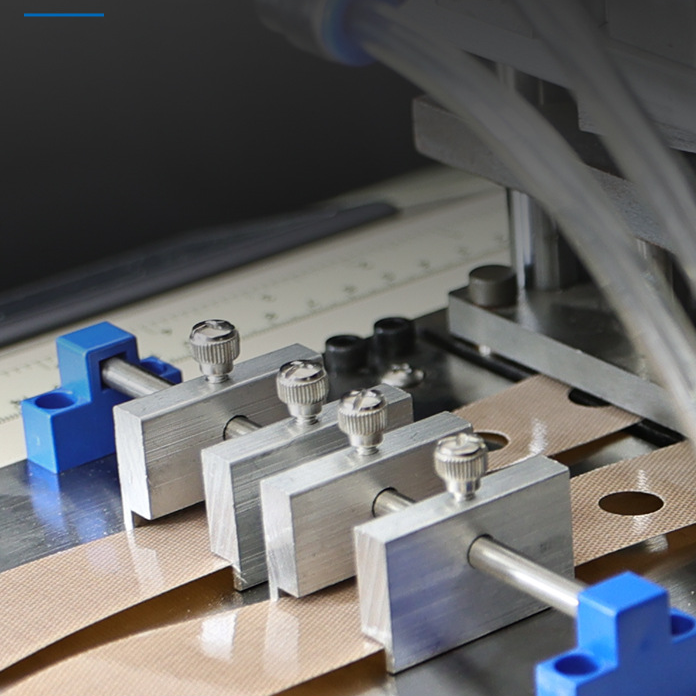
At HAOXINHE, I often recommend precision rotary cutting systems because they generate cleaner cuts with lower mechanical stress compared to rough guillotine-style blades.
How Does the Machine Handle Static Build-Up During High-Speed Cutting?
Static generation increases rapidly during high-speed material movement.
Friction between rollers, film surfaces, and cutting blades may create electrostatic charge accumulation if the machine lacks proper grounding and static control systems.
Common Static Control Methods
| Static Control Method | Purpose |
|---|---|
| Machine Grounding | Safely dissipates charge |
| Anti-Static Rollers | Reduce friction charging |
| Ionizing Bars4 | Neutralize static buildup |
| Conductive Brushes | Discharge static |
| Humidity Control | Reduces static generation |
Advanced Bubble wrap cutting machine systems may integrate ionizing bars directly into the feeding section.
Dive Deeper: Understanding Static Build-Up During High-Speed Production
Static electricity becomes more serious as production speed increases.
Why Static Builds Up During Cutting
When anti-static film moves quickly across rollers, friction transfers electrons between surfaces5.
This creates electrostatic charge buildup.
High-Risk Areas
| Machine Area | Static Risk |
|---|---|
| Feeding Rollers | High |
| Cutting Blades | Medium |
| Material Separation | High |
| Rewinding Sections | High |
Without proper grounding, static charges may:
- Attract dust
- Damage electronic products
- Cause feeding instability
- Reduce ESD protection reliability
Grounding Systems
A proper grounding system safely transfers static charge away from the machine.
Most industrial systems use:
Conductive Frames
The machine frame connects directly to earth ground.
Conductive Rollers
Special roller coatings reduce charge accumulation.
Ionizing Bars
Ionizers release balanced ions to neutralize static on moving film surfaces.
Why Humidity Matters
Dry air increases static generation dramatically6.
Many electronics factories maintain controlled humidity levels to reduce ESD risks during packaging production.
At HAOXINHE, I recommend combining mechanical grounding with ionizing systems for high-speed anti-static bubble wrap processing lines.
Are There Specific Blade Materials Recommended for Anti-Static Films?
Yes. Blade material selection is extremely important for anti-static film cutting.
The blade must produce clean cuts without damaging the ESD coating.
Recommended Blade Materials
| Blade Material | Advantage |
|---|---|
| Carbide Steel | High durability |
| Tungsten Carbide | Excellent wear resistance |
| Precision Rotary Blades | Low-friction cutting |
| Hardened Tool Steel | Stable edge retention |
Sharp precision blades reduce friction and minimize surface damage.
Dive Deeper: Why Blade Quality Directly Affects ESD Protection
Many low-cost cutting machines use poor-quality blades that create rough edges and excessive friction.
This may:
- Damage anti-static coatings
- Generate extra static
- Create material debris
- Reduce packaging quality
Why Rotary Cutting Works Well
Rotary cutting systems create smoother material separation compared to rough chopping systems.
Benefits include:
- Cleaner edges
- Lower mechanical stress
- Reduced bubble crushing
- Less surface friction
Blade Maintenance Matters
Even high-quality blades eventually become dull.
Signs of Blade Wear
| Blade Problem | Production Result |
|---|---|
| Dull Edge | Rough cuts |
| Surface Damage | ESD coating wear |
| Uneven Blade Pressure | Material deformation |
| Blade Contamination | Dust buildup |
Anti-static coatings may also collect dust or adhesive residue over time.
That is why industrial Bubble wrap cutting machine systems should support:
- Easy blade cleaning
- Fast blade replacement
- Adjustable cutting pressure
At HAOXINHE, I often recommend modular blade systems because they simplify maintenance and reduce production downtime.

What Groundings or Accessories Are Needed to Safely Cut ESD Materials?
Proper ESD safety requires more than just anti-static film.
The cutting machine itself must also support safe electrostatic discharge management.
Recommended ESD Accessories
| Accessory | Function |
|---|---|
| Earth Grounding System | Static discharge path |
| Ionizing Bars | Neutralize charges |
| Conductive Rollers | Reduce static buildup |
| ESD Mats | Protect work surfaces |
| Humidity Controllers | Reduce static generation |
| Conductive Brushes | Discharge film surfaces |
Some advanced systems also include static monitoring equipment.
Dive Deeper: Building a Complete ESD-Safe Cutting Environment
Many buyers assume anti-static film alone solves static problems. In reality, the entire production environment affects ESD safety.
Machine Grounding Is Essential
Every industrial Bubble wrap cutting machine processing ESD materials should connect to a reliable earth grounding system.
Without grounding:
- Static charges accumulate
- Dust contamination increases
- Electronic component safety decreases
Operator Protection
Operators may also generate static through clothing and movement.
Many electronics factories require:
- ESD wrist straps
- Conductive shoes
- Grounded flooring
- Anti-static uniforms
Environmental Controls
Humidity plays a major role in static generation.
Recommended Environmental Conditions
| Condition | Recommendation |
|---|---|
| Relative Humidity | 40–60% |
| Air Cleanliness | Low dust |
| Ground Resistance | Controlled |
| Temperature Stability | Consistent |
Why Supplier Testing Matters
Different anti-static bubble wrap formulations behave differently.
Some films:
- Generate more friction
- Stretch more easily
- Require lower feeding pressure
That is why HAOXINHE strongly recommends sample testing before final machine selection.
Testing actual customer material helps verify:
- Feeding stability
- Cutting quality
- Static control performance
- Blade compatibility
- Production speed limits
This reduces purchasing risk and improves long-term production reliability.
Key Questions to Ask Before Buying an Anti-Static Bubble Wrap Cutter
| Question | Why It Matters |
|---|---|
| Can the machine process anti-static film safely? | Verifies compatibility |
| Is tension control adjustable? | Prevents stretching |
| Are ionizing systems available? | Improves static control |
| What blade materials are used? | Affects cut quality |
| Can you test my material sample? | Reduces purchasing risk |
| Is the feeding system servo-controlled? | Improves precision |
| Are replacement blades available? | Simplifies maintenance |
A supplier experienced with ESD packaging materials will usually provide better technical guidance.
Conclusion
The best Bubble wrap cutting machine for anti-static materials combines precise tension control, clean cutting technology, stable feeding systems, and proper ESD protection features.
Electronics manufacturers require anti-static bubble wrap because even small electrostatic discharges may damage sensitive components.
A professional anti-static cutting system should include:
- Servo feeding
- Precision cutting blades
- Grounding systems
- Ionizing control
- Stable tension adjustment
- Easy maintenance access
Choosing the correct machine helps protect both packaging quality and electronic product safety.
At HAOXINHE, I continue developing industrial cutting systems that support modern ESD packaging applications with stable production performance and customizable automation solutions.
HAOXINHE Insights
HAOXINHE specializes in industrial cutting and automation equipment for packaging materials, flexible films, foam products, and industrial processing applications.
My product range includes:
- Bubble wrap cutting machine
- Automatic punching cutting machine
- Protective Foam Cutting Machine
- Webbing ribbon cutting machine
- Hot and cold cutting machine
- PVC Edge Banding cutting machine
- High-speed trademark cutting machine
- Rotary bevel cutting machine
- Different shapes cutting machine
- Computer tube cutting machine
- Wire cutting and stripping machine
- Metal pipe cutting and beveling machine
Why Customers Choose HAOXINHE
| HAOXINHE Strength | Customer Benefit |
|---|---|
| Precision Servo Feeding | Stable material control |
| Advanced Tension Systems | Better ESD film protection |
| Modular Blade Design | Easier maintenance |
| Industrial Automation Support | Higher productivity |
| Material Compatibility Testing | Lower purchasing risk |
| Remote Technical Support | Faster troubleshooting |
I always recommend testing real anti-static bubble wrap material before machine selection because ESD packaging performance depends heavily on film structure, feeding stability, and static control during production.
-
"Electrostatic Discharge – an overview | ScienceDirect Topics", https://www.sciencedirect.com/topics/engineering/electrostatic-discharge. Research from electronics standards organizations confirms that electrostatic discharge events, even below human perception thresholds, can cause immediate failure or latent damage to semiconductor devices and integrated circuits through oxide breakdown, junction damage, or metallization melting. Evidence role: mechanism; source type: research. Supports: ESD can damage or destroy sensitive electronic components including semiconductors and circuit boards. Scope note: The citation should specify voltage thresholds and component sensitivity ranges rather than making absolute claims ↩
-
"High-Density Polyethylene/Carbon Black Composites … – PMC", https://pmc.ncbi.nlm.nih.gov/articles/PMC10747577/. Materials science research explains that anti-static additives in polymer films typically work through migration to the surface where they attract moisture to create a conductive layer, or through incorporation of inherently conductive materials that create charge dissipation pathways, thereby reducing surface resistivity from typical insulating levels (>10^12 ohms/square) to static-dissipative ranges (10^9-10^11 ohms/square). Evidence role: mechanism; source type: research. Supports: Anti-static additives in polymer films function by reducing surface resistivity through various mechanisms. Scope note: The specific mechanism and effectiveness depend on additive type, concentration, and environmental conditions, particularly humidity ↩
-
"What are the Advantages of Servo Motors?", https://www.a-m-c.com/servomotor-advantages/. Motion control engineering references indicate that servo motors with closed-loop feedback control offer advantages including precise position and velocity control, rapid response to speed changes, consistent torque across speed ranges, and the ability to maintain tension control during acceleration and deceleration, making them well-suited for precision web handling and material feeding applications. Evidence role: mechanism; source type: education. Supports: Servo motor systems provide precise motion control advantages for material handling applications. Scope note: The practical benefits depend on proper system design, tuning, and integration with tension control systems; simpler applications may not require servo-level precision ↩
-
"Corona discharge – Wikipedia", https://en.wikipedia.org/wiki/Corona_discharge. Industrial static control research explains that ionizing bars generate balanced positive and negative ions (typically through corona discharge or other ionization methods) which are attracted to oppositely charged surfaces, where they neutralize accumulated static charges; effectiveness depends on ion balance, air flow, distance to target, and environmental conditions. Evidence role: mechanism; source type: research. Supports: Air ionization systems neutralize static charges on surfaces. Scope note: Ionizers require proper maintenance, positioning, and environmental control to function effectively; they may be less effective in high-speed applications or with certain material types ↩
-
"Triboelectric effect – Wikipedia", https://en.wikipedia.org/wiki/Triboelectric_effect. Physics references explain that the triboelectric effect occurs when two materials come into contact and then separate, causing electrons to transfer from one material to another based on their relative positions in the triboelectric series, with the magnitude of charge transfer depending on material properties, contact area, separation speed, and surface conditions. Evidence role: mechanism; source type: encyclopedia. Supports: Contact and separation of dissimilar materials causes charge transfer through the triboelectric effect. Scope note: The exact mechanisms at the atomic level remain subjects of ongoing research, and charge generation depends on numerous factors including surface contamination and environmental conditions ↩
-
"Electrical properties of atmospheric moist air – NASA ADS", https://ui.adsabs.harvard.edu/abs/1988crdc.rept…..C/abstract. Physics research demonstrates that water vapor in air increases atmospheric conductivity, allowing static charges to dissipate more readily; at relative humidity below 30%, charge accumulation increases significantly because dry air provides poor conductivity, while humidity above 50% substantially reduces static buildup through enhanced surface and air conductivity. Evidence role: mechanism; source type: research. Supports: Lower relative humidity increases static electricity generation and accumulation. Scope note: The relationship is non-linear and also depends on material properties, temperature, and surface contamination