How Much Does an Industrial Bubble Wrap Cutting Machine Cost?
When buyers start searching for a Bubble wrap cutting machine, one of the first questions they ask is simple: “How much does it cost?” The answer depends on many factors including automation level, machine size, cutting speed, punching features, and long-term production requirements.
I often see buyers focus only on the machine’s listed price. However, the true investment includes installation, shipping, spare parts, tooling, and long-term maintenance costs. A cheap machine may save money upfront but create expensive production problems later.
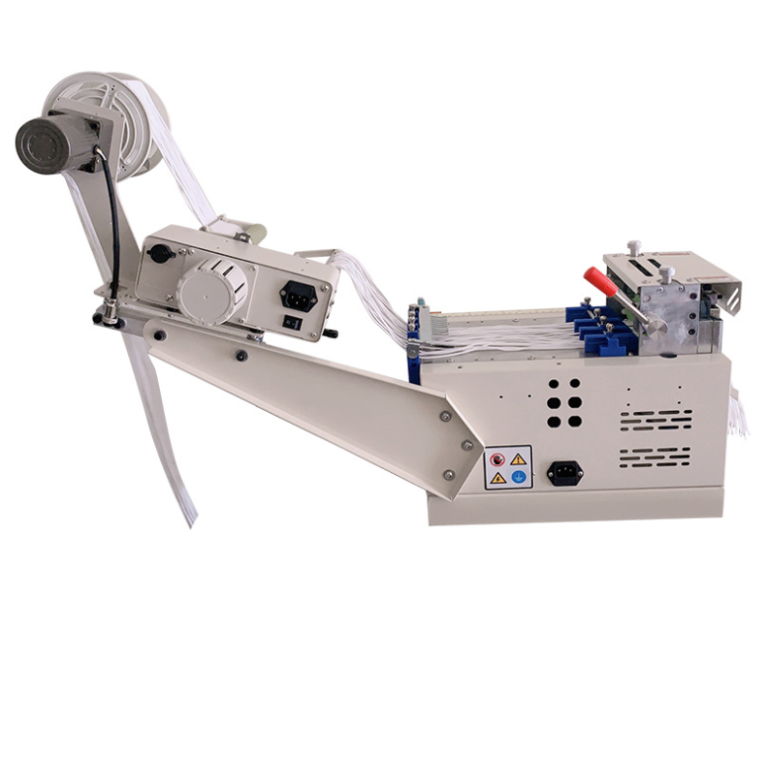
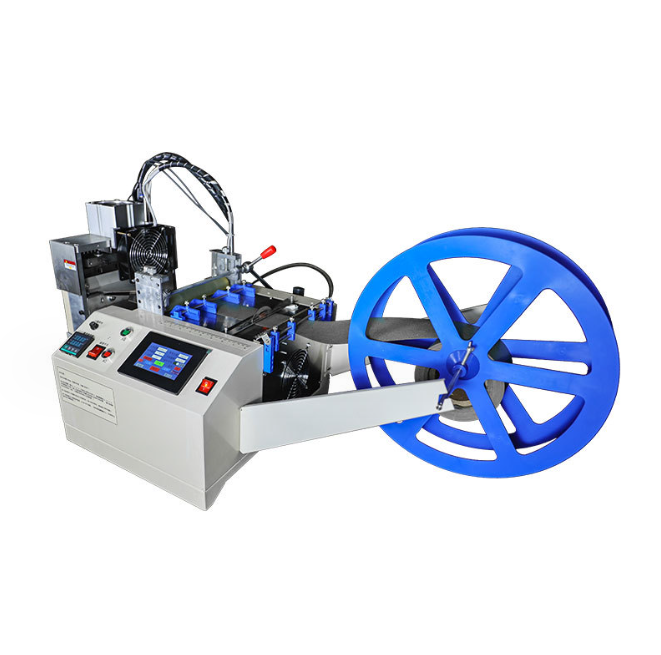
At HAOXINHE, I manufacture industrial cutting equipment including Bubble wrap cutting machine systems, automatic punching cutting machine solutions, hot and cold cutting machine equipment, webbing ribbon cutting machine systems, Protective Foam Cutting Machine solutions, and PVC Edge Banding cutting machine models. Through years of experience, I have learned that choosing the correct machine requires balancing price, performance, and long-term reliability.
In this guide, I will explain the real cost structure of industrial bubble wrap cutting machines, what drives machine pricing, and how to request a professional quotation from factory suppliers.
Custom bubble wrap sheeting machines improve packaging flexibility by combining precision perforation, programmable punching, and automated feeding in one system.
- Use digital servo controls to adjust punch spacing, hole positions, and sheet length accurately.
- Select modular perforation blades for easy-tear lines, vent holes, and retail packaging designs.
- Choose multi-function systems that switch between solid cutting and punching modes to support multiple packaging SKUs with less downtime and lower material waste.
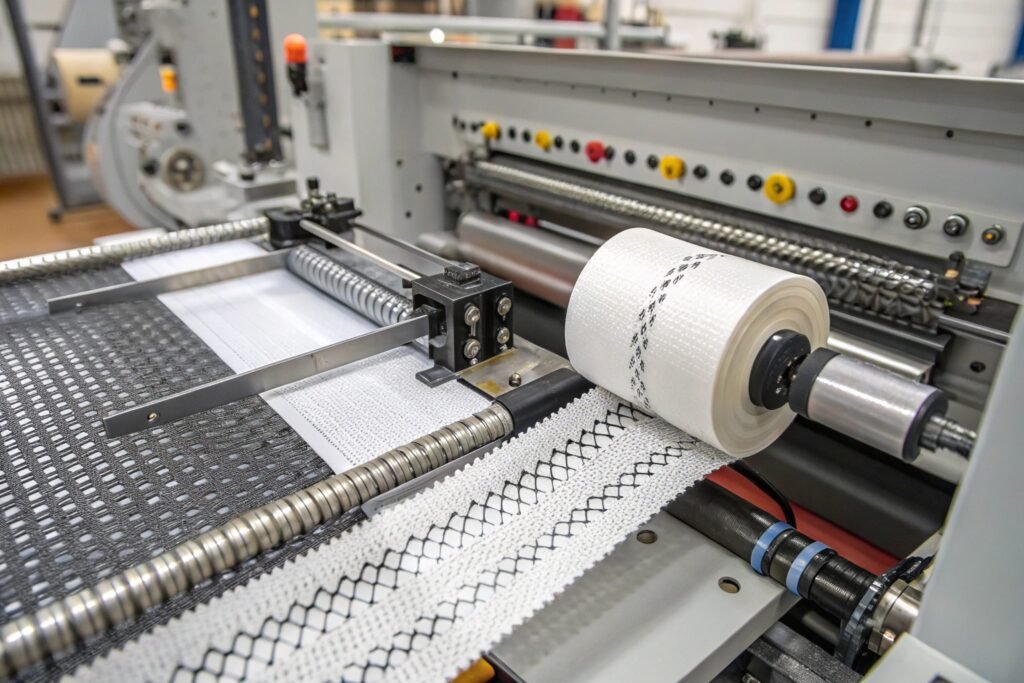
What Is the Average Price of an Industrial Bubble Wrap Cutting Machine?
Industrial Bubble wrap cutting machine prices vary widely depending on machine type and automation level.1
General Price Ranges
| Machine Type | Typical Price Range |
|---|---|
| Manual or Semi-Automatic | $500–$600 |
| Entry-Level Automatic | $1,500–$3,500 |
| Mid-Range PLC-Controlled | $3,500–$7,100 |
| Fully Automatic High-Speed | $12,000–$25,000+ |
| Complete Production Line | $30,000+ |
For most small and medium factories, the best value usually falls between $1,500 and $5,800.
These machines often provide:
- Automatic feeding
- PLC touch screen controls
- Adjustable cut length
- Stable tension control
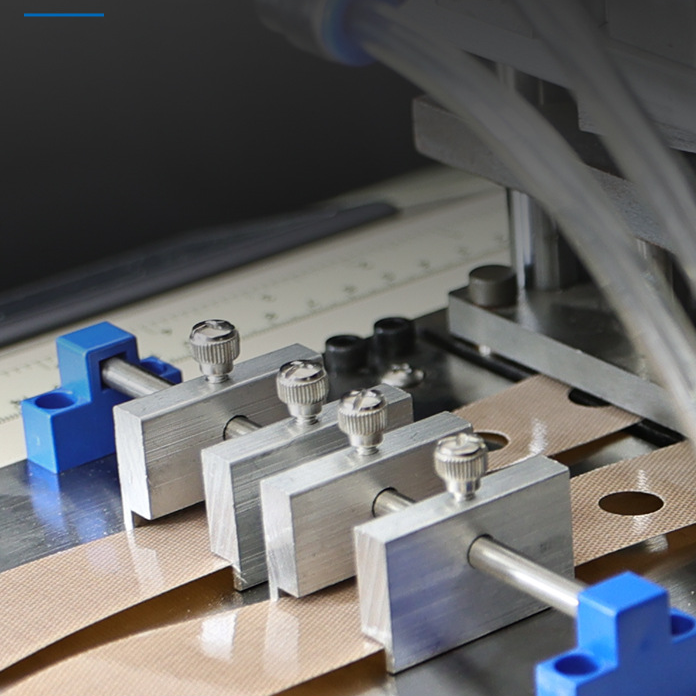
- Industrial blade systems
- Moderate production speeds
What Are the Primary Factors That Drive Up the Price of a Cutter?
Many technical features affect machine pricing. Two machines may look similar externally but differ greatly in internal components, feeding accuracy, and long-term reliability.
Main Price Drivers
| Factor | Effect on Price |
|---|---|
| Automation Level | High impact |
| Maximum Roll Width | Medium to high |
| Cutting Speed | High impact |
| Servo Feeding System | High impact |
| Punching Function | Medium impact |
| PLC Control System | Medium impact |
| Blade Quality | Medium impact |
| Tension Control Accuracy | High impact |
| Material Compatibility | Medium impact |
| Production Stability | High impact |
Machines designed for 24-hour industrial production cost much more than simple workshop machines.2
Dive Deeper: Why Machine Prices Vary So Much
Many buyers compare prices online and become confused because machines with similar photos may have completely different prices.
The reason is simple: internal engineering quality matters more than appearance.
Automation Level Changes Everything
A simple semi-automatic Bubble wrap cutting machine may require manual feeding and manual operation.
A fully automatic machine may include:
- Servo feeding systems
- Auto tension control
- PLC touch screen operation
- Pneumatic punching
- Automatic stacking
- Recipe memory systems
These advanced features increase both productivity and price.
Feeding Accuracy and Tension Control
Cheap machines often lack stable tension control.
Without proper tension management:
- Sheet lengths become inconsistent
- Material drifts sideways
- Bubble film wrinkles
- Material waste increases
That is why high-quality industrial systems use servo motors and advanced roller balancing systems.
Blade and Mechanical Construction
Industrial-grade blade systems cost more because they:
- Last longer
- Maintain sharper cutting edges
- Reduce downtime
- Improve cut quality
Machine frame quality also matters.
Heavy-Duty Industrial Construction
High-end machines use:
| Component | Purpose |
|---|---|
| Reinforced Steel Frames | Vibration reduction |
| Precision Rollers | Stable feeding |
| Servo Motors | Higher accuracy |
| Industrial PLC Systems | Reliable control |
| Pneumatic Systems | Faster operation |
Low-cost machines often use lighter materials that wear out faster under continuous production.
At HAOXINHE, I always recommend buyers focus on long-term operational stability instead of only the initial machine price.
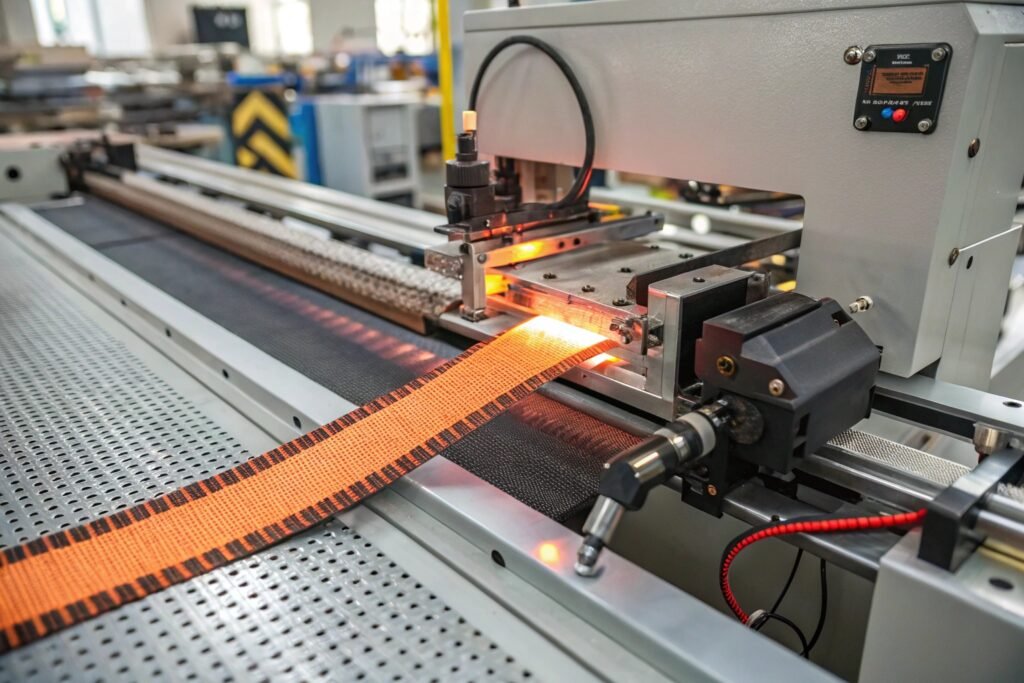
How Much Budget Should You Allocate for Entry-Level vs. High-End Models?
Your budget should match your real production needs.
Buying a machine that is too small creates bottlenecks later. Buying an oversized system wastes investment capital.
Recommended Budget by Factory Size
| Factory Type | Recommended Budget |
|---|---|
| Small Workshop | $500–$2,000 |
| Small Factory | $2,000–$5,800 |
| Medium Factory | $5,800–$12,000 |
| High-Volume Industrial Plant | $12,000–$25,000+ |
| Full Bubble Wrap Production Line | $30,000+ |
For most factories producing under 1,000 sheets daily, mid-range machines usually provide the best ROI.
Dive Deeper: Choosing the Right Machine Without Overspending
Many buyers assume that the most expensive machine is always the best choice. That is not always true.
The correct machine depends on:
- Daily output volume
- Material thickness
- Labor cost
- Available floor space
- Future production growth
Entry-Level Machines
Entry-level Bubble wrap cutting machine systems usually work well for:
- Small workshops
- Startup packaging companies
- Low daily production
However, these machines may lack:
- Stable tension control
- Servo feeding
- High cutting speed
- Precision registration
- Long-term durability
Mid-Range Machines
Mid-range systems often provide the best balance.
Typical features include:
- PLC touch screen controls
- Automatic feeding
- Adjustable cut length
- Better cutting accuracy
- Improved blade durability
These machines fit most small and medium factories very well.
High-End Industrial Systems
Fully automatic high-speed systems support:
- Continuous production
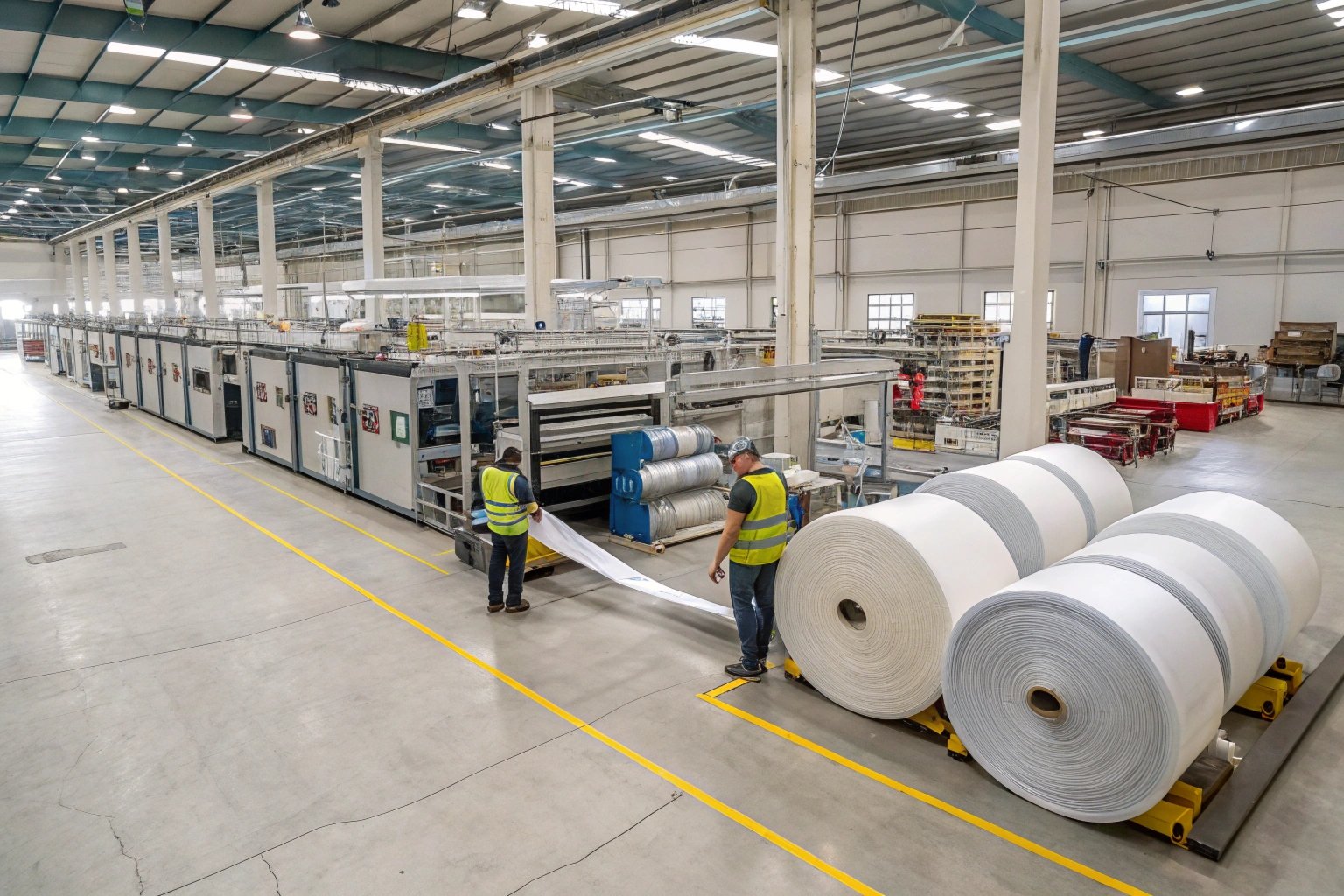
- Large roll diameters
- Advanced punching systems
- Automatic stacking
- Servo synchronization
- Multi-roll feeding
These machines are designed for large industrial operations with demanding production schedules.
ROI Consideration
A reliable industrial Bubble wrap cutting machine reduces:
- Labor cost
- Material waste
- Downtime
- Maintenance interruptions
Over time, these savings may exceed the original machine price difference.
That is why experienced buyers often prioritize reliability and service support over the cheapest quotation.
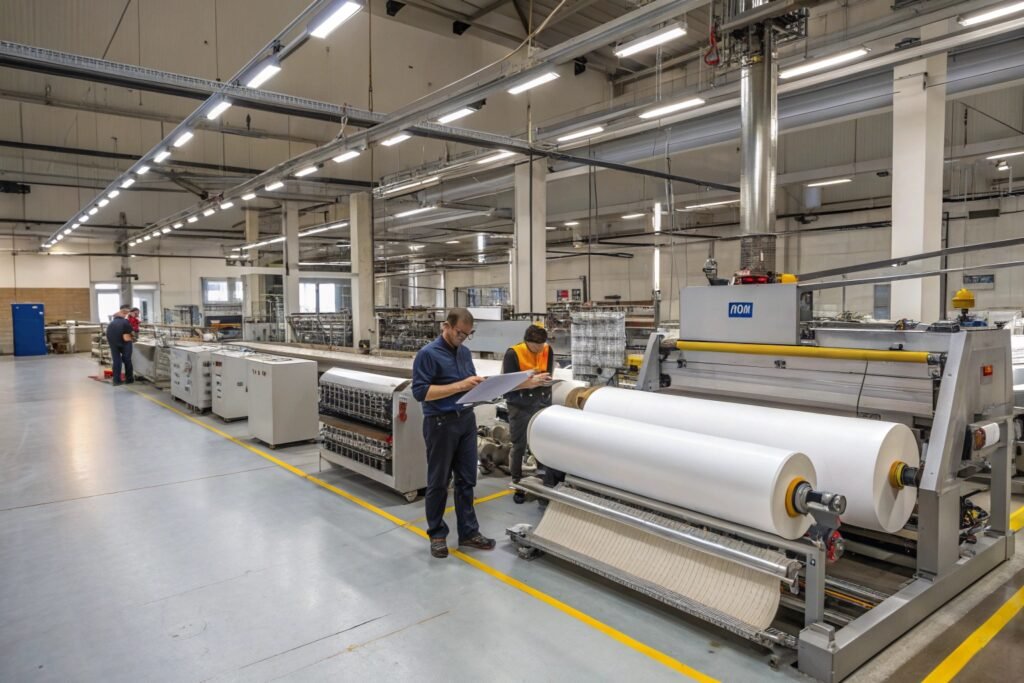
Are There Hidden Costs Like Installation, Custom Duties, or Air Compressors?
Yes. Hidden costs are very common in industrial equipment purchasing.
Many buyers focus only on FOB machine price and later discover additional expenses.
Common Hidden Costs
| Additional Cost | Typical Impact |
|---|---|
| Shipping Fees | Medium to high |
| Import Duties | Country dependent |
| Installation | Medium |
| Air Compressor | Required for pneumatic systems |
| Spare Parts | Long-term cost |
| Replacement Blades | Ongoing cost |
| Tooling Customization | Medium |
| Operator Training | Sometimes required |
| Voltage Conversion | Possible extra cost |
These additional costs may add 10–30% beyond the machine price.
Dive Deeper: Understanding Total Ownership Cost
The machine price itself is only part of the investment.
Shipping Costs
Industrial Bubble wrap cutting machine systems are large and heavy.
Shipping costs depend on:
- Machine dimensions
- Packaging method
- Shipping destination
- Ocean freight rates
Wooden export packaging may also increase shipping size and freight cost.3
Import Duties and Customs
Every country has different import tax structures.4
Buyers should confirm:
- HS code classification
- Import duty rates
- VAT or GST charges
- Customs clearance fees
Pneumatic System Costs
Pneumatic machines require additional support equipment.
Pneumatic Setup Components
| Component | Needed? |
|---|---|
| Air Compressor | Yes |
| Air Dryer | Recommended |
| Air Hose System | Yes |
| Moisture Filter | Recommended |
These items may significantly increase setup cost.
Spare Parts and Blade Replacement
Industrial cutting blades wear over time.
High-quality suppliers should provide:
- Spare blade availability
- Technical support
- Replacement parts inventory
- English manuals
Installation and Training
Some advanced automatic punching cutting machine systems require:
- On-site installation
- Operator training
- Calibration support
Machines with remote diagnostics and online support may cost more initially but reduce downtime later.
At HAOXINHE, I always recommend buyers request a full cost breakdown before placing orders.
How to Request a Detailed Price Quotation from Factory Sales
Many buyers ask suppliers only one question:
“How much is the machine?”
This approach often produces inaccurate quotations because the supplier does not fully understand the production requirements.
A professional inquiry should include detailed production information.
Important Information to Provide
| Information | Why It Matters |
|---|---|
| Material Type | Determines feeding design |
| Roll Width | Determines machine size |
| Bubble Thickness | Affects pressure settings |
| Daily Production Volume | Determines automation level |
| Required Cut Length | Determines feeding accuracy |
| Punching Requirements | Determines tooling design |
| Voltage Requirements | Electrical compatibility |
| Factory Layout | Space planning |
The more detailed your request, the more accurate the quotation becomes.
Dive Deeper: How to Get Better Quotations from Chinese Factories
Factory sales teams receive many incomplete inquiries every day.
If buyers provide only basic information, suppliers often send generic quotations that may not match real production needs.
Best Practice for RFQ Preparation
Before contacting suppliers, prepare:
Material Samples
Actual material samples help factories test feeding stability and cutting quality.
Technical Drawings
Provide:
- Hole positions
- Sheet dimensions
- Perforation layouts
- Tolerance requirements
Production Goals
Clearly explain:
- Daily output targets
- Future expansion plans
- Shift schedules
- Automation preferences
Questions Buyers Should Ask Suppliers
| Question | Purpose |
|---|---|
| Can you test my material? | Verifies compatibility |
| What is the feeding accuracy? | Confirms precision |
| Is remote support available? | Reduces downtime risk |
| What spare parts are included? | Lowers maintenance risk |
| How long is blade life? | Predicts operating cost |
| Is custom tooling available? | Supports future flexibility |
Why Sample Testing Is Important
Bubble wrap behaves differently depending on:
- Bubble size
- Film thickness
- Material density
- Surface friction
A machine that works for one material may perform poorly on another.
That is why HAOXINHE always recommends sample validation before final machine confirmation.
This process helps reduce purchasing risk and improves production success after installation.
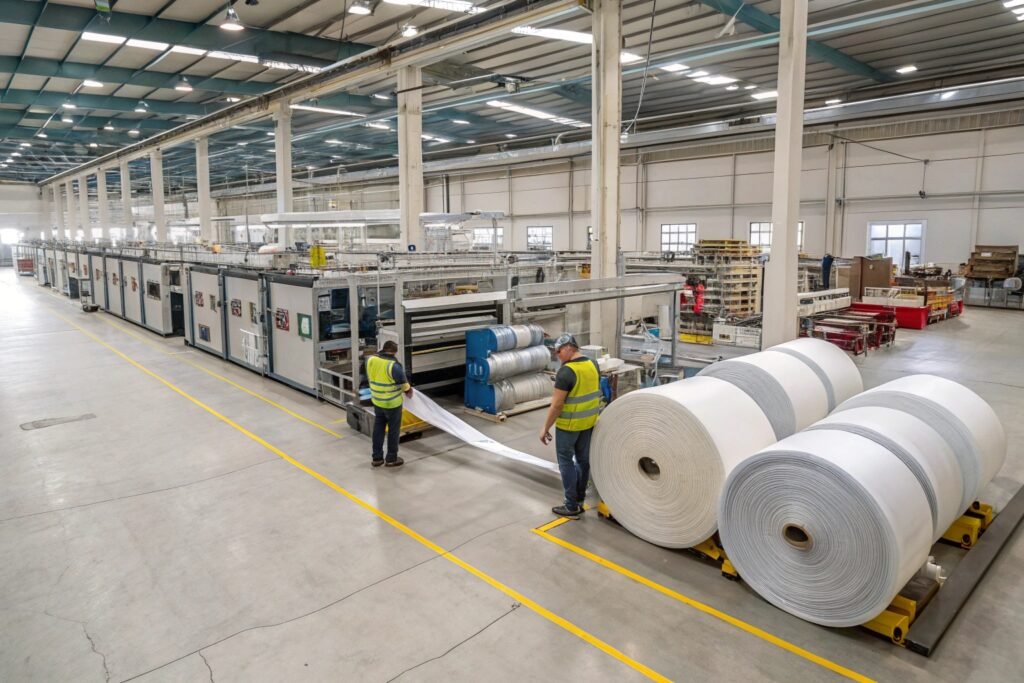
How to Avoid Buying the Wrong Bubble Wrap Cutter
Many machine purchasing mistakes happen because buyers focus only on low price.
Common Buyer Mistakes
| Mistake | Result |
|---|---|
| Buying Based Only on Price | Poor long-term reliability |
| Ignoring Feeding Accuracy | Uneven cuts |
| No Sample Testing | Material compatibility problems |
| Underestimating Future Growth | Capacity limitations |
| Ignoring After-Sales Service | Longer downtime |
A reliable machine should support stable production for many years.5
Conclusion
Industrial Bubble wrap cutting machine prices vary greatly depending on automation level, cutting speed, feeding precision, punching capability, and long-term durability.
For most small and medium factories, mid-range PLC-controlled systems provide the best balance between price and performance.
However, buyers should also budget for:
- Shipping
- Installation
- Import duties
- Spare parts
- Air compressors
- Tooling replacement
The best machine is not always the cheapest one. A reliable system with stable feeding, durable blades, and good technical support often delivers much higher long-term value.
At HAOXINHE, I help customers select cutting solutions that match real production needs while reducing operational risks and improving packaging efficiency.
HAOXINHE Insights
HAOXINHE specializes in industrial cutting and automation equipment for flexible packaging materials and industrial processing applications.
My product range includes:
- Bubble wrap cutting machine
- Automatic punching cutting machine
- Webbing ribbon cutting machine
- Hot and cold cutting machine
- Protective Foam Cutting Machine
- PVC Edge Banding cutting machine
- High-speed trademark cutting machine
- Rotary bevel cutting machine
- Different shapes cutting machine
- Computer tube cutting machine
- Wire cutting and stripping machine
- Metal pipe cutting and beveling machine
Why Customers Choose HAOXINHE
| HAOXINHE Strength | Customer Benefit |
|---|---|
| Industrial Mechanical Design | Longer service life |
| Servo Feeding Technology | Higher accuracy |
| Flexible Automation Solutions | Better scalability |
| Custom Tooling Support | Wider material compatibility |
| Stable Tension Control | Reduced material waste |
| Remote Technical Support | Faster troubleshooting |
I continue helping global packaging manufacturers improve production efficiency with reliable industrial cutting systems designed for modern factory environments.
-
"Packaging Automation Equipment: Complete Pricing Breakdown", https://www.hhdesignmfg.com/feeds/blog/packaging-automation-equipment-price. Industry analyses of packaging machinery markets confirm that automation level significantly influences equipment pricing, with fully automated systems typically commanding premium prices over semi-automatic alternatives due to servo systems, PLC controls, and integrated feeding mechanisms. Evidence role: general_support; source type: research. Supports: that automation level is a primary driver of industrial packaging machinery pricing. Scope note: General packaging machinery pricing studies may not isolate bubble wrap cutting equipment specifically ↩
-
"[PDF] Manufacturing & Design Area", https://www.me.utexas.edu/images/academics/MS-NTNR-Requirements_11-28-2023.pdf. Industrial engineering principles establish that equipment designed for continuous operation requires reinforced structural components, enhanced cooling systems, industrial-grade motors, and precision bearings that significantly increase manufacturing costs compared to intermittent-duty workshop equipment. Evidence role: mechanism; source type: education. Supports: that continuous-duty industrial machinery requires enhanced engineering specifications that increase manufacturing costs. ↩
-
"Transportation Cost Modeling of International Containerized …", https://cait.rutgers.edu/wp-content/uploads/2018/03/usda-report-final_transportation-cost-modeling-of-international-containerized-soybean.pdf. Logistics and freight transportation studies confirm that protective export packaging, including wooden crates and reinforced pallets, increases overall shipment dimensions and volumetric weight, which directly impacts freight charges under dimensional weight pricing models commonly applied in international shipping. Evidence role: mechanism; source type: research. Supports: that protective export packaging increases shipment dimensions and consequently affects freight charges. ↩
-
"Harmonized Tariff Schedule", https://hts.usitc.gov/. The World Customs Organization’s Harmonized System provides a standardized classification framework, but individual countries maintain sovereign authority to set import duty rates, value-added taxes, and customs procedures, resulting in substantial variation in total import costs across jurisdictions. Evidence role: general_support; source type: institution. Supports: that import taxation varies significantly across national jurisdictions. ↩
-
"Publication 946 (2025), How To Depreciate Property – IRS", https://www.irs.gov/publications/p946. Industrial engineering standards and accounting practices for manufacturing equipment typically establish expected useful lives ranging from 7 to 15 years for production machinery, depending on duty cycle, maintenance practices, and equipment quality, with properly maintained industrial-grade systems often exceeding initial depreciation periods. Evidence role: general_support; source type: education. Supports: that industrial production equipment is typically designed and expected to provide multi-year operational service. ↩