Common Mistakes to Avoid When Setting Up a Bubble Roll Slitting and Sheeting Machine
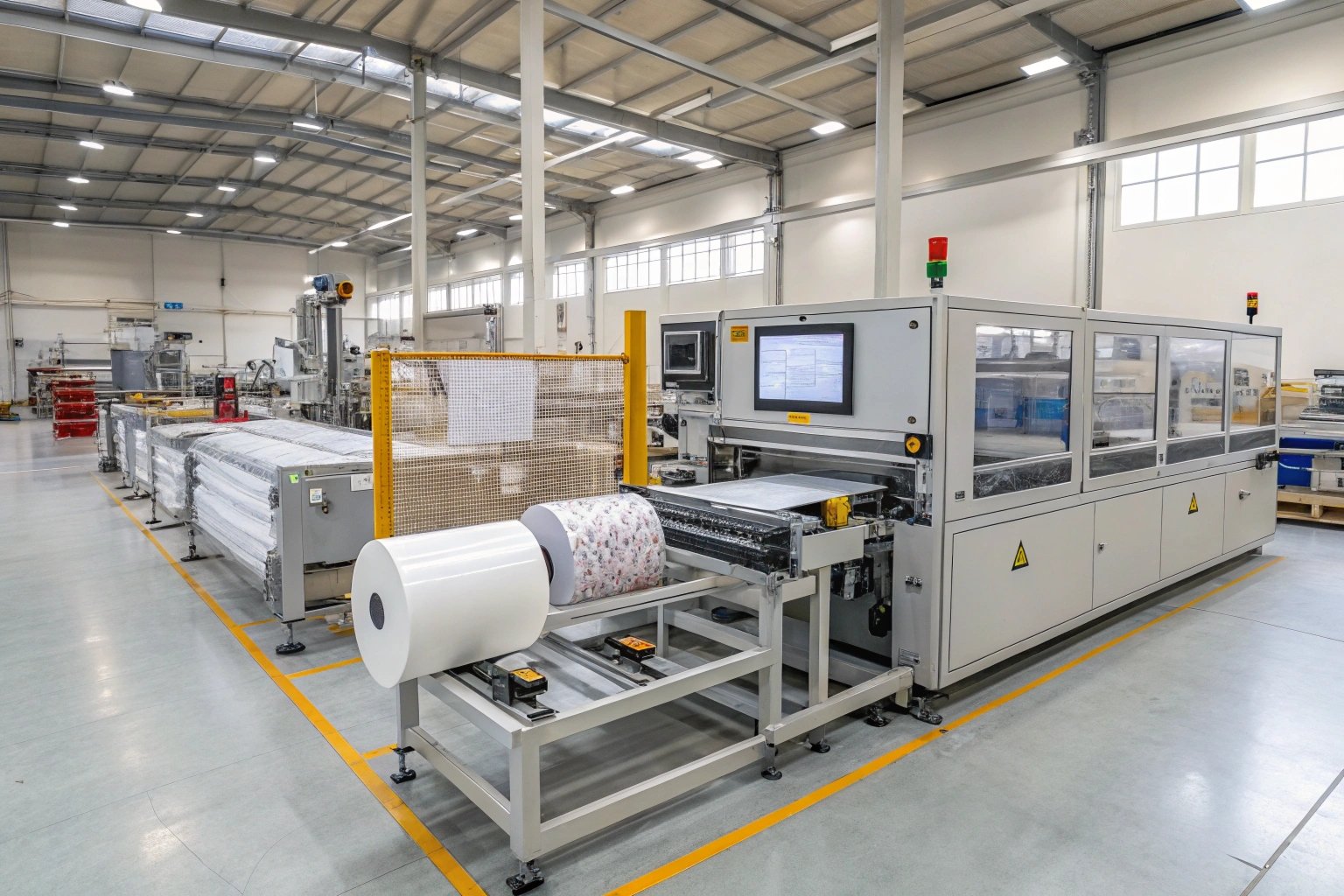
A Bubble Roll Slitting and Sheeting Machine can dramatically improve packaging efficiency, material utilization, and production speed1. Many manufacturers use these machines to convert large bubble wrap rolls into narrower rolls, custom sheets, or pre-cut packaging materials for shipping operations.
However, even the most advanced machine can produce poor results if it is not installed and configured correctly. Many first-time users focus only on production speed and overlook the importance of proper setup. Small installation mistakes can lead to tracking problems, inaccurate cuts, blade damage, electrical failures, and costly downtime.
I have seen situations where a brand-new machine experienced problems within the first few hours simply because the initial setup process was rushed. In many cases, the machine itself was not the problem. The issue came from improper installation, incorrect parameter settings, or skipped testing procedures.
In this guide, I will explain the most common mistakes to avoid when setting up a Bubble Roll Slitting and Sheeting Machine and how to ensure smooth operation from the very first production run.
- Proper setup of a Bubble Roll Slitting and Sheeting Machine is essential for achieving accurate cuts, stable material tracking, longer blade life, and consistent production performance.
- Common installation mistakes—including unlevel machine placement, incorrect electrical connections, skipped sensor calibration, and improper tension settings—can lead to tracking errors, material waste, and costly downtime.
- Correct calibration of sensors, unwind tension, and cutting parameters ensures precise sheet lengths, reliable slitting accuracy, and smooth material handling.
- Performing manual test cuts before full production helps identify alignment, pressure, and tracking issues early, preventing blade damage and reducing startup risks.
- A structured setup process combined with operator training and preventive checks improves machine reliability, minimizes maintenance costs, and maximizes long-term productivity.
Why Proper Machine Setup Matters
The installation stage is the foundation of long-term machine performance.
A correctly installed machine provides:
- Stable material feeding
- Accurate slitting performance
- Consistent sheet lengths
- Longer blade life
- Better operator safety
- Reduced maintenance costs
A poorly installed machine often causes:
- Material drifting
- Wrinkled bubble wrap
- Uneven sheet lengths
- Premature blade wear
- Electrical faults
- Production interruptions
Setup Impact Comparison
| Proper Installation | Improper Installation |
|---|---|
| Smooth tracking | Material wandering |
| Accurate cutting | Uneven cuts |
| Stable tension | Wrinkles and slack |
| Long blade life | Early blade damage |
| Consistent production | Frequent downtime |
Mistake #1: Installing the Machine on an Unlevel Floor
One of the most overlooked setup errors is installing the machine on an uneven surface.
Many operators assume that a few millimeters of floor variation will not affect production. In reality, machine leveling directly impacts material tracking performance.
Why Is Unlevel Machine Installation a Major Cause of Material Tracking Errors?
Bubble wrap travels through multiple rollers, guide systems, sensors, and cutting stations.
When the machine frame is not level:
- Roller alignment changes
- Material tension becomes uneven
- Web tracking shifts
- Slitting accuracy decreases
Common Symptoms
| Symptom | Possible Cause |
|---|---|
| Material drifting left | Frame tilt |
| Material drifting right | Uneven roller alignment |
| Wrinkles in web path | Machine leveling issue |
| Uneven slit widths | Tracking instability |
| Poor rewind quality | Roll misalignment |
Dive Deeper: How Small Leveling Errors Become Large Production Problems
Many operators are surprised when a slight machine tilt creates major tracking problems. The reason is that web materials naturally follow the path of least resistance.
When one side of the machine sits lower than the other, roller pressure distribution changes. The bubble wrap slowly moves toward one side as it passes through the machine. At slow speeds, the issue may appear minor. At higher speeds, the drift becomes much more noticeable.
The result is inconsistent slit widths, wasted material, and poor finished product quality.
Tracking errors also place additional stress on guide rollers and blades. Over time, this can increase maintenance requirements and reduce machine lifespan.
Before installation, I always recommend checking the floor using a precision level. Adjustable leveling feet should then be used to ensure the entire frame remains perfectly horizontal.
This same principle applies not only to Bubble Wrap Cutting Machines but also to Webbing Ribbon Cutting Machines, Protective Foam Cutting Machines, PVC Edge Banding Cutting Machines, and other precision cutting equipment.
Mistake #2: Connecting the Wrong Electrical Voltage
Electrical setup mistakes can cause immediate damage.
Before powering on any machine, operators must verify voltage requirements.
What Happens If You Connect the Wrong Electrical Voltage to the Controller?
The controller is one of the most sensitive components in the machine.
Incorrect voltage can damage:
- PLC systems
- Servo drives
- Touch screens
- Sensors
- Power supplies
- Inverters
Potential Consequences
| Wrong Voltage Condition | Result |
|---|---|
| Overvoltage | Component damage |
| Undervoltage | System instability |
| Incorrect phase connection | Motor faults |
| Poor grounding | Electrical interference |
| Voltage fluctuation | Control errors |
Warning Signs
- Controller fails to start
- Display remains blank
- Alarm messages appear
- Motors fail to respond
- Burning smell from electrical cabinet
Dive Deeper: Why Electrical Verification Must Happen Before Startup
Many machine failures occur before the first production run even begins.
In international manufacturing environments, electrical standards vary widely. Some facilities use 220V systems. Others use 380V, 400V, 415V, or 480V2 configurations.
A machine designed for one voltage may not tolerate another.
Modern cutting equipment contains expensive electronic components that are highly sensitive to voltage variations. A controller damaged by incorrect power supply may require replacement, causing delays and additional costs.
Before startup, operators should verify:
Electrical Setup Checklist
| Item | Verification |
|---|---|
| Input voltage | Match machine specification |
| Frequency | 50Hz or 60Hz as required |
| Phase configuration | Correct wiring |
| Grounding | Confirm earth connection |
| Circuit protection | Proper breakers installed |
Following these steps can prevent costly damage and ensure reliable operation from day one.
Mistake #3: Skipping Sensor Calibration
Many modern Bubble Roll Slitting and Sheeting Machines rely on sensors for positioning, tracking, and length control.
Sensor calibration is essential before production begins.
How to Properly Calibrate the Initial Sensor Position Before the First Run?
Every sensor must be aligned with the correct reference position.
Basic Calibration Process
- Load material correctly.
- Set reference point.
- Align sensor with target position.
- Verify signal response.
- Run low-speed test cycle.
- Confirm repeatability.
Common Sensor Functions
| Sensor Type | Purpose |
|---|---|
| Length sensor | Controls sheet size |
| Edge guide sensor | Maintains tracking |
| Registration sensor | Detects marks |
| Home sensor | Machine positioning |
| Safety sensor | Operator protection |
Dive Deeper: Why Incorrect Sensor Positioning Creates Multiple Problems
Sensors serve as the machine’s eyes3.
When a sensor is misaligned, the machine receives incorrect information. Even a few millimeters of error can affect cutting accuracy.
For example, if the length sensor reference point is incorrect, every sheet may be slightly longer or shorter than intended. A small error repeated thousands of times can create significant material waste.
Edge guide sensors face similar challenges. If the sensor cannot correctly detect material position, the web may drift continuously during operation.
Many new users assume factory settings are sufficient. However, shipping vibrations, installation adjustments, and local operating conditions can all affect sensor alignment.
This is why a complete calibration procedure should always be performed after installation.
Machines such as Bubble Wrap Cutting Machines, High-Speed Trademark Cutting Machines, Different Shapes Cutting Machines, and Round Shape Cutting Machines all rely heavily on accurate sensor positioning for consistent performance.
Mistake #4: Ignoring Unwind Tension Settings
Proper tension control is critical.
Many startup problems originate from incorrect unwind tension.
Common Tension Problems
| Tension Condition | Result |
|---|---|
| Too high | Material stretching |
| Too low | Wrinkling |
| Uneven tension | Tracking errors |
| Fluctuating tension | Cut inconsistency |
Common Symptoms
- Loose web path
- Bubble wrap wrinkles
- Poor slitting accuracy
- Roll telescoping
- Inconsistent sheet length
Dive Deeper: Why Tension Stability Controls Cut Quality
Bubble wrap behaves differently than many other packaging materials because of its air-filled structure4.
Excessive tension can compress the bubbles5 and distort material dimensions. Insufficient tension allows the material to move unpredictably through the machine.
Both situations negatively affect cutting quality.
Stable tension allows the material to move smoothly through guide rollers and cutting stations. This improves cut accuracy and extends blade life.
For high-volume operations, automatic tension control systems can provide additional consistency.
Mistake #5: Skipping the Manual Test Cut
One of the biggest mistakes during machine setup is rushing directly into full production.
Many operators assume that if the machine powers on successfully, it is ready to run.
This assumption can be expensive.
Why Skipping the Manual Test Cut Can Damage Your Brand-New Blades
A manual test cut allows operators to verify:
- Blade position
- Material alignment
- Sensor response
- Cutting pressure
- Tension settings
Without this verification, blades may contact improper surfaces.
Risks of Skipping Test Cuts
| Potential Problem | Result |
|---|---|
| Blade-to-metal contact | Immediate blade damage |
| Excessive blade pressure | Premature wear |
| Incorrect alignment | Uneven cuts |
| Sensor errors | Material waste |
| Tracking issues | Blade loading |
Dive Deeper: Why Test Cuts Save Money
A new blade is extremely sharp and designed for precise cutting.
However, sharpness alone does not guarantee long service life.
Improper setup can damage a blade within minutes. If the blade strikes a roller, support shaft, or metal guide, the cutting edge may chip immediately.
Once damaged, cut quality deteriorates rapidly.
A simple manual test cut provides an opportunity to identify problems before high-speed production begins. Operators can verify cut depth, pressure settings, and alignment while minimizing material waste.
I always recommend performing several low-speed cuts before increasing production speed. This small investment of time can prevent significant maintenance expenses later.
This recommendation applies not only to Bubble Wrap Cutting Machines but also to Protective Foam Cutting Machines, Hot and Cold Cutting Machines, Rotary Bevel Cutting Machines, and Automatic Punching Cutting Machines.
Additional Setup Mistakes to Avoid
Poor Blade Selection
Using the wrong blade type may cause:
- Jagged edges
- Incomplete cuts
- Excessive wear
Ignoring Static Electricity
Static can cause:
- Material sticking
- Tracking problems
- Dust attraction
- Sheet stacking issues
Poor Air Shaft Inflation
Insufficient inflation can lead to:
- Roll slippage
- Off-center winding
- Material wandering
Lack of Operator Training
Even the best machine cannot compensate for poor operating practices.
Proper training improves:
- Safety
- Productivity
- Cut quality
- Equipment lifespan
Machine Setup Checklist Before First Production Run
| Inspection Item | Status |
|---|---|
| Machine level verified | □ |
| Electrical voltage confirmed | □ |
| Grounding checked | □ |
| Sensor calibration completed | □ |
| Blade installation verified | □ |
| Tension adjusted | □ |
| Air shaft inspected | □ |
| Static control system checked | □ |
| Manual test cut completed | □ |
| Safety devices tested | □ |
Conclusion
A Bubble Roll Slitting and Sheeting Machine can deliver excellent performance, but only when the setup process is completed correctly.
Many startup problems originate from avoidable mistakes such as poor leveling, incorrect electrical connections, skipped sensor calibration, improper tension settings, and neglected test cuts.
Taking time to perform a thorough installation and verification process helps ensure accurate cutting, longer blade life, stable production, and reduced downtime.
The most successful manufacturers understand that machine setup is not merely an installation step. It is the foundation of long-term productivity and product quality.
Insights: Why HAOXINHE Machines Support Easier Installation and Stable Operation
HAOXINHE designs industrial cutting equipment with a focus on reliability, precision, and user-friendly operation.
For manufacturers processing bubble wrap, foam, film, webbing, tubing, and other flexible materials, proper machine setup becomes easier when equipment is designed with stability and adjustability in mind.
HAOXINHE Product Advantages
| Feature | Customer Benefit |
|---|---|
| Adjustable machine structures | Easier installation and leveling |
| Precision cutting systems | Consistent product quality |
| Customizable configurations | Fit different production needs |
| Durable blade assemblies | Longer service life |
| Factory-direct manufacturing | Competitive pricing and support |
HAOXINHE Main Products
- Bubble Wrap Cutting Machine
- Webbing Ribbon Cutting Machine
- Hot and Cold Cutting Machine
- High-Speed Trademark Cutting Machine
- Automatic Punching Cutting Machine
- Round Shape Cutting Machine
- Rotary Bevel Cutting Machine
- Different Shapes Cutting Machine
- Computer Tube Cutting Machine
- Wire Cutting and Stripping Machine
- Metal Pipe Cutting and Beveling Machine
- PVC Edge Banding Cutting Machine
- Protective Foam Cutting Machine
By combining proper installation practices with high-quality cutting equipment, manufacturers can achieve better productivity, lower maintenance costs, and more reliable packaging operations.
-
"[PDF] Optimization of Throughput in Sheet Metal Manufacturing by Tuning …", https://dspace.mit.edu/bitstreams/341296eb-6071-4abf-851d-b5305327a7ce/download. Research on converting equipment demonstrates that automated slitting and sheeting systems can improve material utilization by 15-30% and increase production throughput by 40-60% compared to manual processing methods, though specific gains vary by application and material type. Evidence role: statistic; source type: research. Supports: quantified efficiency improvements from automated slitting and sheeting equipment in manufacturing operations. Scope note: Performance improvements depend on production volume, material characteristics, and operational context ↩
-
"Mains electricity by country – Wikipedia", https://en.wikipedia.org/wiki/Mains_electricity_by_country. International Electrotechnical Commission (IEC) standards document that industrial facilities worldwide operate on various voltage systems, with common three-phase configurations including 380V (China), 400V (Europe), 415V (Australia), and 480V (North America), reflecting regional electrical infrastructure development. Evidence role: general_support; source type: institution. Supports: the diversity of voltage standards used in industrial facilities internationally. ↩
-
"Feedback, Control Systems, Robotics – Automation – Britannica", https://www.britannica.com/technology/automation/Feedback-controls. Control systems engineering establishes that sensors provide real-time feedback on physical parameters (position, speed, temperature, pressure) to control systems, enabling closed-loop operation where actual conditions are continuously compared to setpoints and corrections are automatically applied. Evidence role: mechanism; source type: education. Supports: the function of sensors as feedback devices in automated control systems. ↩
-
"Review Study on Mechanical Properties of Cellular Materials – PMC", https://pmc.ncbi.nlm.nih.gov/articles/PMC11173958/. Bubble wrap consists of two polyethylene film layers with regularly spaced hemispherical air pockets sealed between them, creating a cellular structure where trapped air provides cushioning properties, with typical bubble diameters ranging from 6mm to 25mm depending on application requirements. Evidence role: definition; source type: encyclopedia. Supports: the structural composition of bubble wrap as an air-filled cushioning material. ↩
-
"A Generic Model to Assess the Efficiency Analysis of Cellular Foams", https://pmc.ncbi.nlm.nih.gov/articles/PMC10856058/. Materials science research on cellular cushioning materials shows that tensile forces applied to bubble wrap create localized stress concentrations at bubble walls, causing compression and deformation of air cells when tension exceeds the elastic limit of the polymer film, with permanent dimensional changes occurring at higher stress levels. Evidence role: mechanism; source type: research. Supports: the deformation behavior of air-filled bubble structures under applied tension. ↩