How to Maintain Your Bubble Wrap Cutting Machine to Extend Its Lifespan
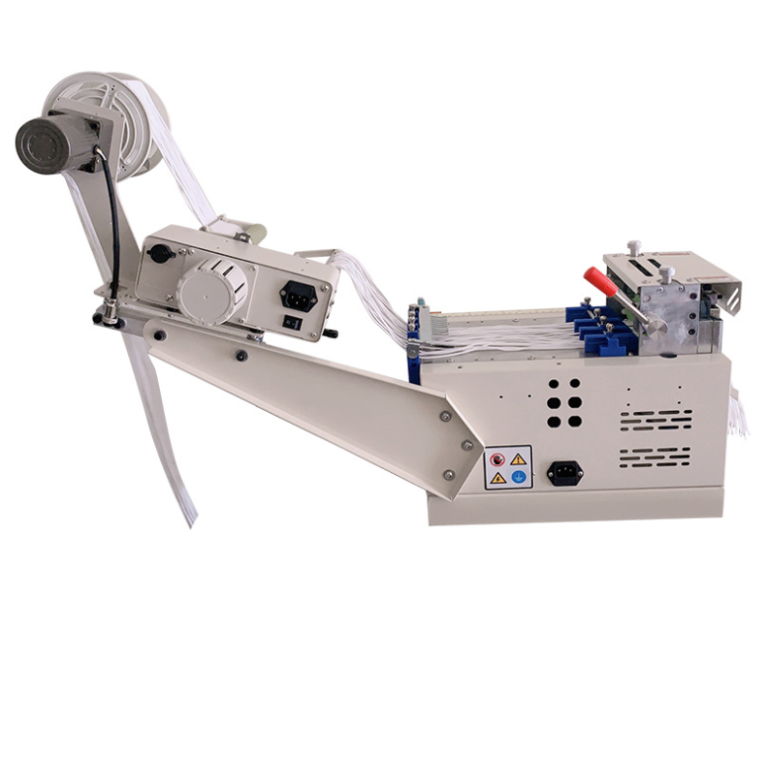
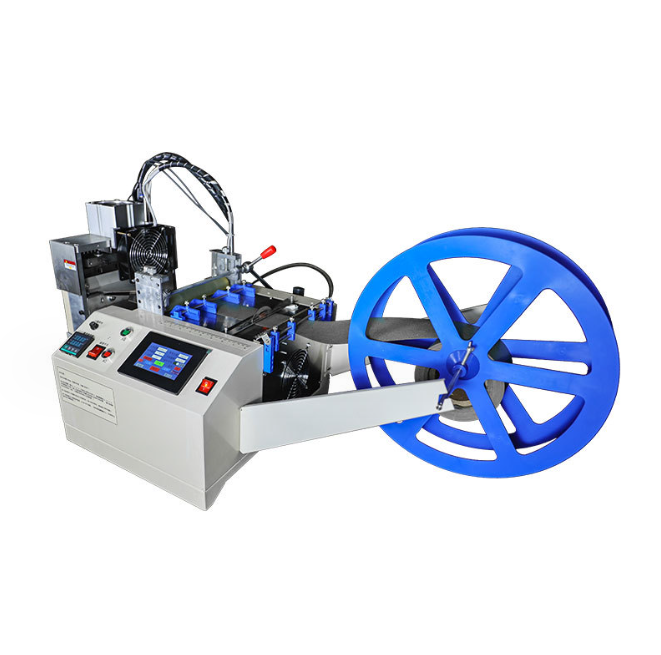
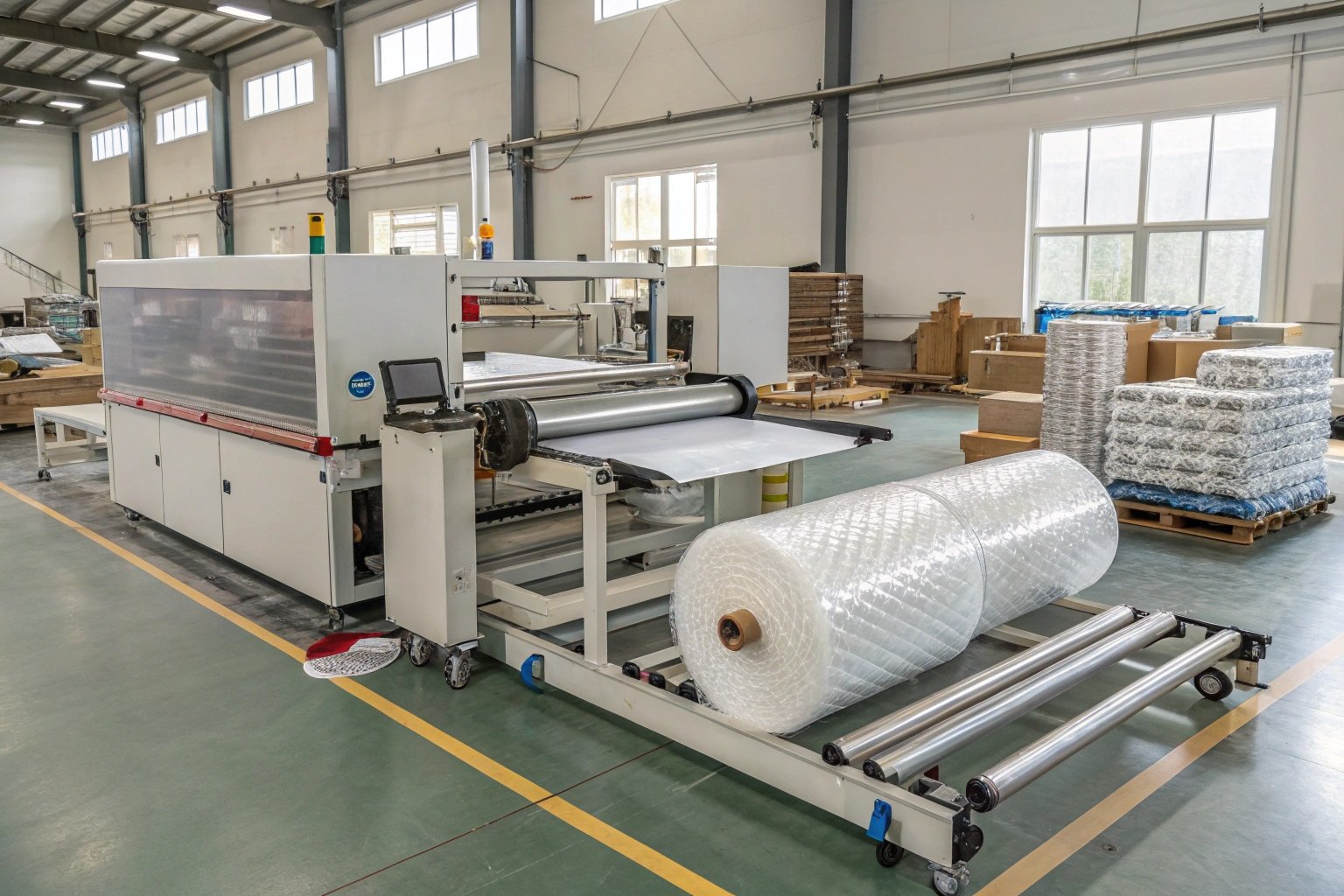
A Bubble Wrap Cutting Machine is a critical piece of equipment in many packaging operations. Whether you are processing protective packaging for e-commerce shipments, industrial products, furniture, electronics, or automotive parts, machine reliability directly affects production efficiency.
Many factory managers focus on machine output and cutting speed. However, the companies that achieve the lowest maintenance costs and longest equipment lifespan usually focus on preventive maintenance.
I have seen factories operate the same cutting machine for more than ten years with minimal downtime. I have also seen machines develop serious problems after only a few years because of poor maintenance habits1.
The difference is rarely the machine itself. The difference is how the machine is maintained.
In this guide, I will explain the most effective maintenance practices for extending the service life of your Bubble Wrap Cutting Machine, including lubrication schedules, roller cleaning methods, blade maintenance, and spare parts planning.
- Proper maintenance is essential for maximizing the lifespan, reliability, and performance of a Bubble Wrap Cutting Machine, helping manufacturers reduce downtime and operating costs.
- A structured preventive maintenance program that includes daily inspections, scheduled lubrication, roller cleaning, and blade monitoring helps maintain cutting accuracy and production efficiency.
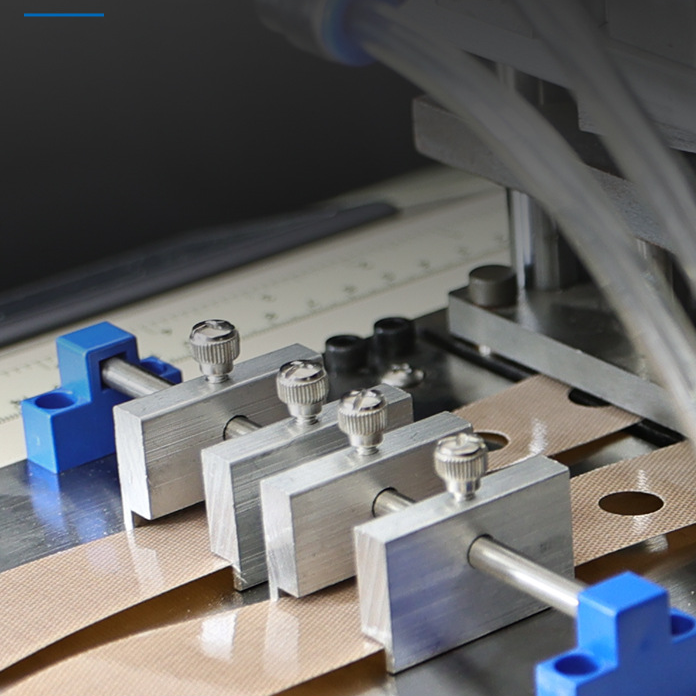
- Regular cleaning of feeding rollers prevents material slippage, inconsistent cut lengths, and packaging defects, ensuring smooth material handling.
- Timely blade sharpening or replacement improves cut quality, reduces machine stress, and extends the service life of critical cutting components.
- Keeping essential spare parts in stock and tracking maintenance activities enables faster repairs, minimizes production interruptions, and supports long-term equipment productivity.
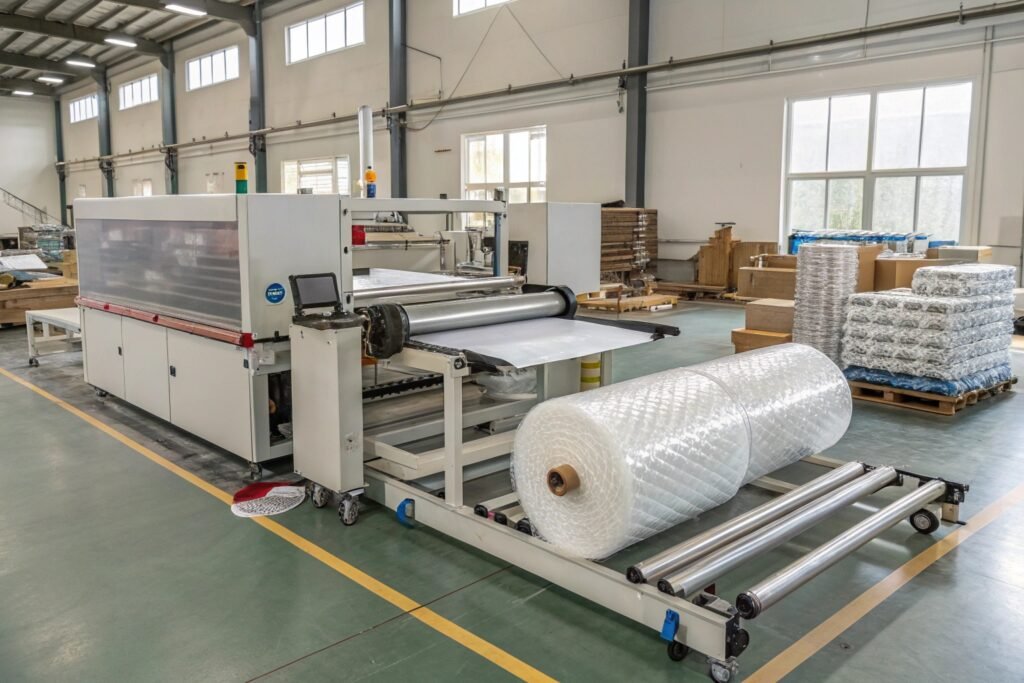
Why Preventive Maintenance Matters
Many maintenance problems begin gradually.
A small amount of dust accumulates.
A blade becomes slightly dull.
A bearing starts producing extra friction.
An air fitting develops a minor leak.
At first, production continues normally. Over time, these small issues combine to create:
- Poor cutting quality
- Increased material waste
- Lower production speed
- Unexpected machine downtime
- Higher repair costs
Preventive maintenance helps eliminate these problems before they become expensive failures.
Benefits of Regular Maintenance
| Maintenance Benefit | Result |
|---|---|
| Reduced machine wear | Longer lifespan |
| Improved cutting accuracy | Better product quality |
| Lower repair costs | Higher profitability |
| Reduced downtime | Better productivity |
| Stable machine performance | Consistent output |
Factories that follow structured maintenance programs typically experience fewer emergency repairs and lower operating costs.
Daily, Weekly, and Monthly Lubrication Schedule for a Bubble Wrap Cutting Machine
Lubrication is one of the simplest and most effective ways to extend machine life.
Moving components generate friction during operation. Without proper lubrication, metal surfaces wear more quickly2 and machine performance declines.
Different components require different lubrication intervals.
Daily Lubrication Tasks
Daily lubrication focuses on high-motion components.
Components to Check Daily
- Linear guide rails
- Sliding assemblies
- Blade movement mechanisms
- Pneumatic cylinder guide rods
- Feed system guide tracks
Daily Inspection Checklist
| Component | Inspection |
|---|---|
| Guide rails | Check lubrication film |
| Sliding blocks | Verify smooth movement |
| Blade assembly | Look for dry surfaces |
| Feed mechanism | Check for abnormal resistance |
Daily Best Practice
I recommend performing lubrication checks at the beginning of each shift.
This simple habit often prevents unnecessary wear throughout the day.
Weekly Lubrication Tasks
Weekly maintenance focuses on components that experience moderate movement and loading.
Components Requiring Weekly Lubrication
- Bearings
- Roller shafts
- Chain drives
- Gear assemblies
- Tension adjustment mechanisms
Weekly Maintenance Table
| Component | Recommended Action |
|---|---|
| Bearings | Apply approved grease |
| Chains | Lubricate evenly |
| Drive gears | Check wear and lubrication |
| Roller shafts | Inspect for contamination |
Why Weekly Lubrication Matters
Weekly lubrication prevents:
- Bearing overheating
- Increased vibration
- Mechanical noise
- Premature component failure
Many machine failures begin with neglected bearings3.
Monthly Lubrication Tasks
Monthly maintenance focuses on deeper inspection and long-term protection.
Monthly Inspection Areas
- Main drive assemblies
- Motor couplings
- Gearboxes
- Pneumatic system components
- Structural fasteners
Monthly Maintenance Checklist
| Component | Maintenance Action |
|---|---|
| Gearbox | Check oil level |
| Couplings | Inspect wear |
| Fasteners | Verify tightness |
| Pneumatic system | Inspect seals |
| Electrical cabinet cooling fans | Clean if necessary |
A monthly maintenance review helps identify developing issues before they cause downtime.
How Do You Clean the Feeding Rollers to Prevent Material Slippage?
Feeding rollers play a major role in cutting accuracy.
When rollers become contaminated, bubble wrap may slip during feeding.
This creates:
- Inconsistent cut lengths
- Wrinkled material
- Misaligned cuts
- Reduced production efficiency
Common Sources of Roller Contamination
Over time, rollers collect:
- Plastic dust
- Bubble wrap residue
- Packaging debris
- Adhesive particles
- Environmental dust
These contaminants reduce roller grip.
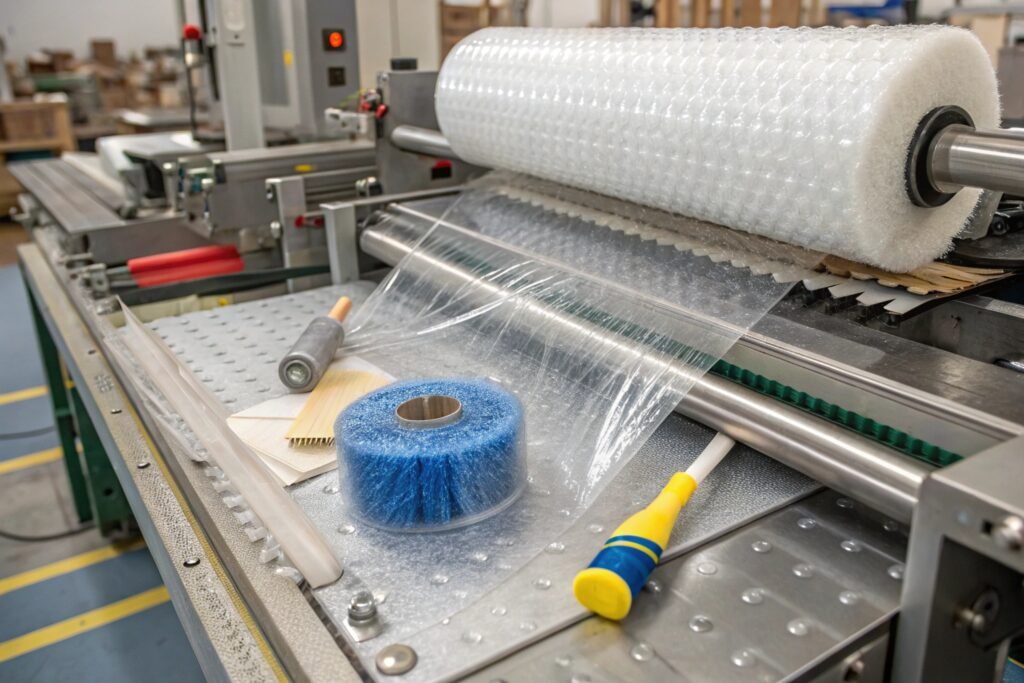
Step-by-Step Roller Cleaning Procedure
Step 1: Power Off the Machine
Always disconnect power before maintenance.
Safety must be the first priority.
Step 2: Remove Loose Debris
Use:
- Soft brush
- Clean cloth
- Compressed air
This removes surface contamination.
Step 3: Clean Roller Surfaces
Apply an approved industrial cleaner.
Avoid aggressive chemicals that may damage roller coatings.
Step 4: Inspect Roller Condition
Look for:
- Cracks
- Flat spots
- Surface hardening
- Uneven wear
Step 5: Perform Feeding Test
After cleaning:
- Load material
- Run several test cycles
- Verify feeding consistency
Signs Your Rollers Need Cleaning
| Symptom | Likely Cause |
|---|---|
| Material slipping | Roller contamination |
| Uneven feeding | Dirty rollers |
| Variable cut lengths | Reduced traction |
| Wrinkled material | Roller buildup |
Regular cleaning helps maintain accurate feeding and improves overall machine performance.
When Should You Sharpen vs. Completely Replace Industrial Cutting Blades?
Blade maintenance directly affects cutting quality.
One of the most common questions I receive is whether a blade should be sharpened or replaced.
The answer depends on blade condition.
When Sharpening Is Appropriate
Sharpening works best when the blade has:
- Minor edge wear
- Small reductions in sharpness
- No structural damage
Suitable Sharpening Conditions
| Blade Condition | Sharpen? |
|---|---|
| Slightly dull | Yes |
| Minor wear | Yes |
| Light edge rounding | Yes |
| Surface contamination | Clean first |
Sharpening can significantly extend blade life when performed correctly.
When Blade Replacement Is Necessary
Some blade damage cannot be repaired.
Replace the blade if you observe:
- Chips
- Cracks
- Deep nicks
- Severe wear
- Blade deformation
Replacement Indicators
| Blade Condition | Replace? |
|---|---|
| Cracked edge | Yes |
| Bent blade | Yes |
| Deep chips | Yes |
| Excessive sharpening history | Yes |
Attempting to reuse severely damaged blades often creates poor cut quality and increases machine stress.
How Often Should Blades Be Inspected?
I recommend:
| Inspection Type | Frequency |
|---|---|
| Visual inspection | Daily |
| Edge quality inspection | Weekly |
| Cutting performance test | Weekly |
| Blade replacement evaluation | Monthly |
Factories processing heavy-duty bubble wrap may require more frequent inspections.
Many manufacturers using a Protective Foam Cutting Machine, webbing tape cutting machine, and PVC Edge Banding Cutting Machine follow similar blade maintenance schedules.
What Spare Parts Inventory Should a Factory Keep on Hand for Quick Repairs?
Unexpected downtime is expensive.
The fastest way to reduce downtime is maintaining a strategic spare parts inventory.
When a critical component fails, waiting for international shipping can halt production for days or even weeks4.
Essential Spare Parts Inventory
Cutting System Components
| Spare Part | Importance |
|---|---|
| Cutting blades | Critical |
| Blade holders | High |
| Blade springs | High |
| Fasteners | Medium |
Feeding System Components
| Spare Part | Importance |
|---|---|
| Feed rollers | Critical |
| Roller bearings | High |
| Shaft couplings | Medium |
| Belts | High |
Pneumatic Components
| Spare Part | Importance |
|---|---|
| Air cylinders | Critical |
| Solenoid valves | High |
| Air fittings | High |
| Air tubing | Medium |
Electrical Components
| Spare Part | Importance |
|---|---|
| Sensors | Critical |
| Relays | High |
| Power supplies | High |
| Emergency switches | High |
Motion Control Components
| Spare Part | Importance |
|---|---|
| Servo motors | Critical |
| Drive modules | Critical |
| Encoder assemblies | High |
| Guide blocks | Medium |
Maintaining these spare parts can dramatically reduce repair times.
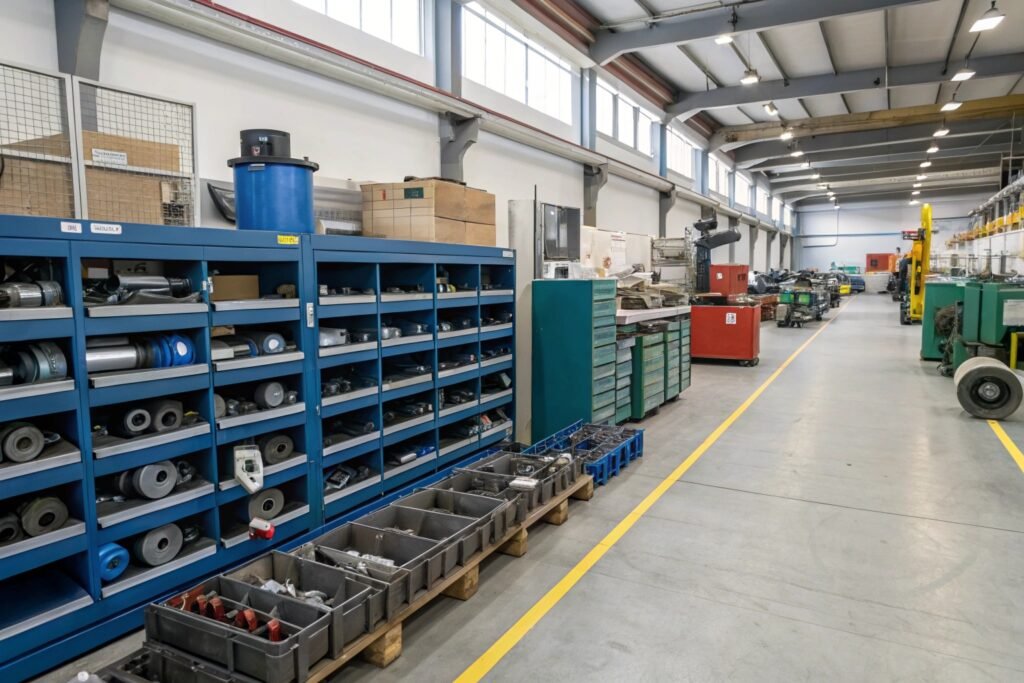
Additional Maintenance Best Practices
Beyond lubrication and spare parts management, several additional habits can extend machine life.
Keep a Maintenance Log
A maintenance log helps track:
- Blade changes
- Lubrication dates
- Repairs
- Component failures
- Inspection results
This information helps identify recurring problems.
Monitor Machine Performance
Operators should pay attention to:
- Unusual noises
- Increased vibration
- Reduced cutting quality
- Slower cycle times
Early detection prevents major failures5.
Train Machine Operators
Operator habits directly affect machine lifespan.
Proper training should include:
- Safe operation
- Material loading procedures
- Daily inspections
- Cleaning methods
- Emergency response procedures
Well-trained operators often identify problems before maintenance personnel notice them.
Use Compatible Materials
Poor-quality bubble wrap may create excessive dust and residue.
Always verify:
- Material thickness compatibility
- Roll weight limits
- Material width specifications
Using appropriate materials reduces machine stress and improves reliability.
Building a Preventive Maintenance Program
The most successful factories treat maintenance as part of production rather than an emergency activity.
A preventive maintenance program should include:
| Task | Daily | Weekly | Monthly |
|---|---|---|---|
| Blade inspection | ✓ | ✓ | ✓ |
| Roller cleaning | ✓ | ✓ | |
| Lubrication | ✓ | ✓ | ✓ |
| Air system inspection | ✓ | ✓ | |
| Alignment verification | ✓ | ||
| Spare parts review | ✓ |
Following a structured schedule helps maximize machine availability and extend equipment lifespan.
HAOXINHE Insights
At HAOXINHE, I have worked with customers across packaging, printing, automotive, textile, foam processing, and industrial manufacturing industries. One lesson remains consistent: machines that receive regular preventive maintenance significantly outperform machines that receive maintenance only after a failure occurs6.
Our cutting equipment portfolio includes:
- Bubble Wrap Cutting Machine
- Webbing Tape Cutting Machine
- Webbing Ribbon Cutting Machine
- Hot and Cold Cutting Machine
- High-Speed Trademark Cutting Machine
- Automatic Punching Cutting Machine
- Round Shape Cutting Machine
- Rotary Bevel Cutting Machine
- Different Shapes Cutting Machine
- Computer Tube Cutting Machine
- Wire Cutting and Stripping Machine
- PVC Edge Banding Cutting Machine
- Protective Foam Cutting Machine
- Metal Pipe Cutting and Beveling Machine
Why Customers Choose HAOXINHE
| HAOXINHE Advantage | Customer Benefit |
|---|---|
| Industrial-grade construction | Longer machine life |
| Custom machine configurations | Better application fit |
| Reliable spare parts support | Faster repairs |
| Technical after-sales service | Reduced downtime |
| Export experience worldwide | Stable long-term support |
A well-maintained Bubble Wrap Cutting Machine can operate efficiently for many years. By following proper lubrication schedules, cleaning feeding rollers regularly, managing blade maintenance correctly, and keeping critical spare parts in stock, factories can maximize productivity while minimizing unexpected downtime and repair costs.
-
"An Advanced Maintenance Approach: Reliability Centered …", https://www.pnnl.gov/projects/om-best-practices/advanced-maintenance-approach-reliability-centered-maintenance. Research in industrial maintenance management demonstrates that inadequate preventive maintenance practices are a primary contributor to premature equipment failure, with studies showing that reactive maintenance strategies result in significantly shorter equipment lifespans compared to structured preventive programs. Evidence role: expert_consensus; source type: research. Supports: that inadequate maintenance practices significantly reduce industrial equipment lifespan. Scope note: While this supports the general principle, specific timeframes (e.g., ‘a few years’) vary by equipment type and operating conditions. ↩
-
"Tribological Properties Study of Solid Lubrication with TiO2 Powder …", https://pmc.ncbi.nlm.nih.gov/articles/PMC9605632/. Tribological studies demonstrate that proper lubrication reduces metal-to-metal contact and wear rates by forming a protective film between surfaces, with inadequately lubricated systems experiencing wear rates orders of magnitude higher than properly lubricated counterparts. Evidence role: mechanism; source type: research. Supports: that inadequate lubrication significantly increases wear rates on metal surfaces. ↩
-
"Bearing Failures: What Causes Them and How to Prevent Them", https://tractian.com/en/blog/bearing-failures-what-causes-them-how-to-prevent-them. Reliability engineering studies identify bearing failures as one of the most common causes of unplanned downtime in rotating machinery, with inadequate lubrication and maintenance cited as primary contributing factors in failure mode analysis. Evidence role: expert_consensus; source type: research. Supports: that bearing-related issues are a significant contributor to machinery failures. Scope note: The proportion of failures attributable to bearings varies by industry and equipment type. ↩
-
"Shipping and Returns – Global Industrial", https://www.globalindustrial.com/shipping?srsltid=AfmBOoroVmTqQe_10mX3Eql0VjqDN2dx7uYK4zSZlljUsjAwbH-l8VMi. Supply chain logistics data shows that international shipping of industrial components typically involves lead times ranging from several days to multiple weeks, depending on origin, destination, customs processing, and shipping method, creating potential production vulnerabilities for manufacturers without local spare parts inventory. Evidence role: general_support; source type: research. Supports: that international shipping of industrial components involves significant lead times. Scope note: Actual shipping times vary significantly based on specific routes, shipping methods, and customs procedures. ↩
-
"From Corrective to Predictive Maintenance—A Review of … – PMC", https://pmc.ncbi.nlm.nih.gov/articles/PMC10346720/. Reliability engineering research supports the principle that early detection of equipment degradation through condition monitoring and regular inspection enables timely intervention, preventing minor issues from progressing to major failures that require extensive repairs or equipment replacement. Evidence role: expert_consensus; source type: research. Supports: that early detection of equipment anomalies enables intervention before catastrophic failures occur. ↩
-
"[PDF] IMPACT OF MAINTENANCE STRATEGY ON RELIABILITY", https://chanansingh.engr.tamu.edu/wp-content/uploads/sites/199/2018/07/imsr1.pdf. Maintenance management research consistently demonstrates that preventive maintenance strategies result in higher equipment availability, longer service life, and lower total maintenance costs compared to reactive (run-to-failure) approaches, with studies showing significant improvements in mean time between failures and reductions in unplanned downtime. Evidence role: expert_consensus; source type: research. Supports: that preventive maintenance strategies yield better equipment performance and reliability outcomes than reactive maintenance. Scope note: Optimal maintenance strategies depend on equipment criticality, failure modes, and cost-benefit analysis for specific applications. ↩