What Is the Best Tool for Cutting Nylon?
Nylon is one of the most widely used synthetic materials in modern manufacturing. I often see nylon used in webbing straps, ropes, pet products, safety harnesses, military gear, luggage accessories, outdoor equipment, and industrial applications. Nylon offers excellent strength, flexibility, abrasion resistance, and durability. However, cutting nylon properly can be challenging because the material tends to fray after being cut.
Many people assume that any sharp cutting tool will work. While scissors or utility knives can certainly cut nylon, they do not always provide the best results. The exposed fibers often begin to unravel immediately after cutting, which creates a rough appearance and may weaken the edge over time.
The best cutting tool depends on several factors:
- Material type
- Production volume
- Required edge quality
- Budget
- Need for edge sealing
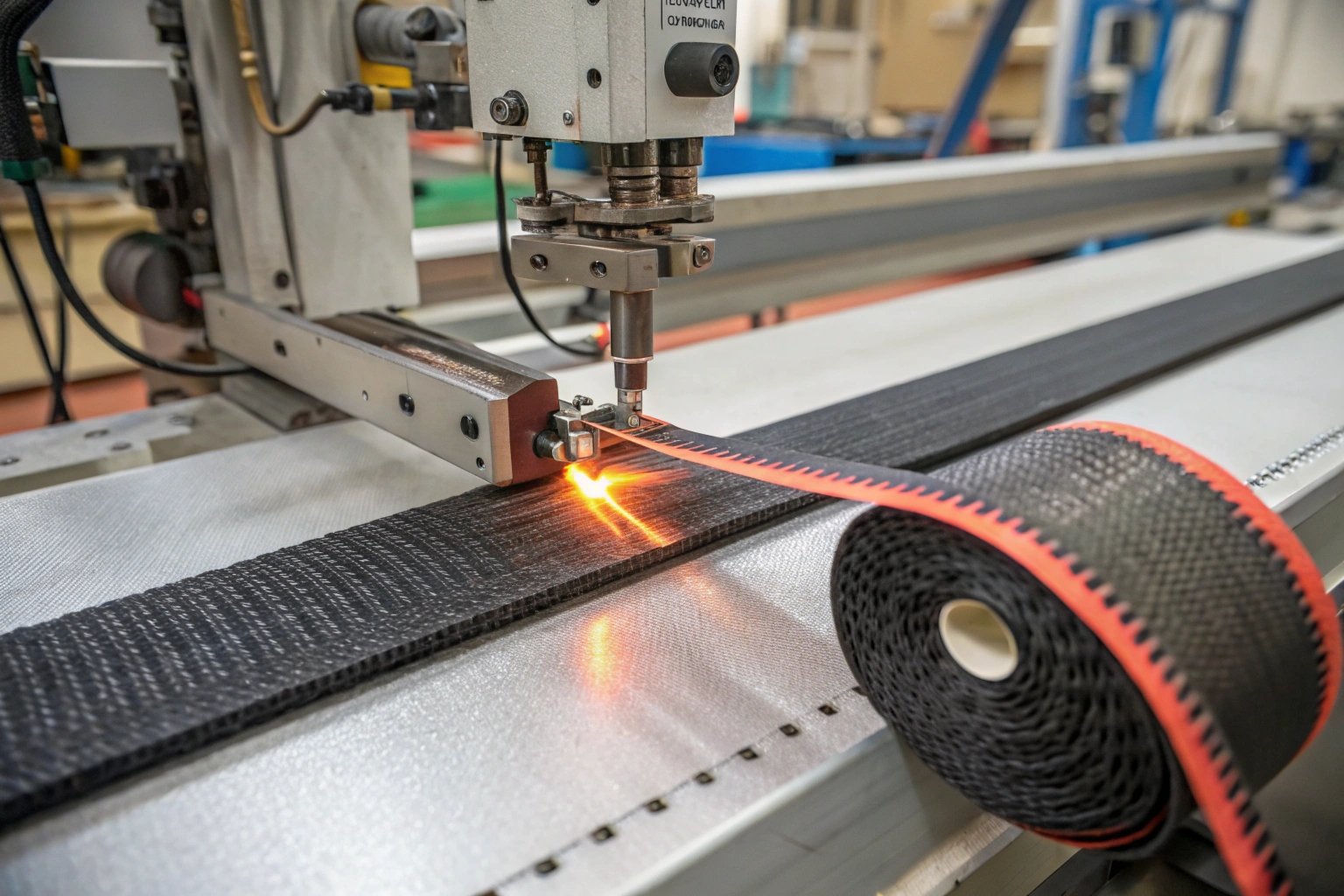
For most nylon webbing and synthetic strap applications, a hot knife is widely considered the best solution because it cuts and seals the material at the same time.
- The best tool for cutting nylon is typically a hot knife cutter, as it cuts and heat-seals the material simultaneously, creating clean edges and preventing fraying.
- Nylon webbing, straps, and synthetic fabrics can unravel quickly after cutting, making edge sealing essential for improving durability, appearance, and long-term performance.
- While scissors, utility knives, and rotary cutters can cut nylon effectively, they usually require an additional heat-sealing step to achieve professional-quality results.
- A hot knife offers the best balance of precision, efficiency, and edge quality, making it the preferred solution for nylon webbing, safety harnesses, cargo straps, pet products, and industrial applications.
- For high-volume manufacturing, automated hot-cutting and webbing cutting machines improve productivity, consistency, and quality by combining measuring, cutting, and sealing into a single streamlined process.
Why Nylon Is Difficult to Cut
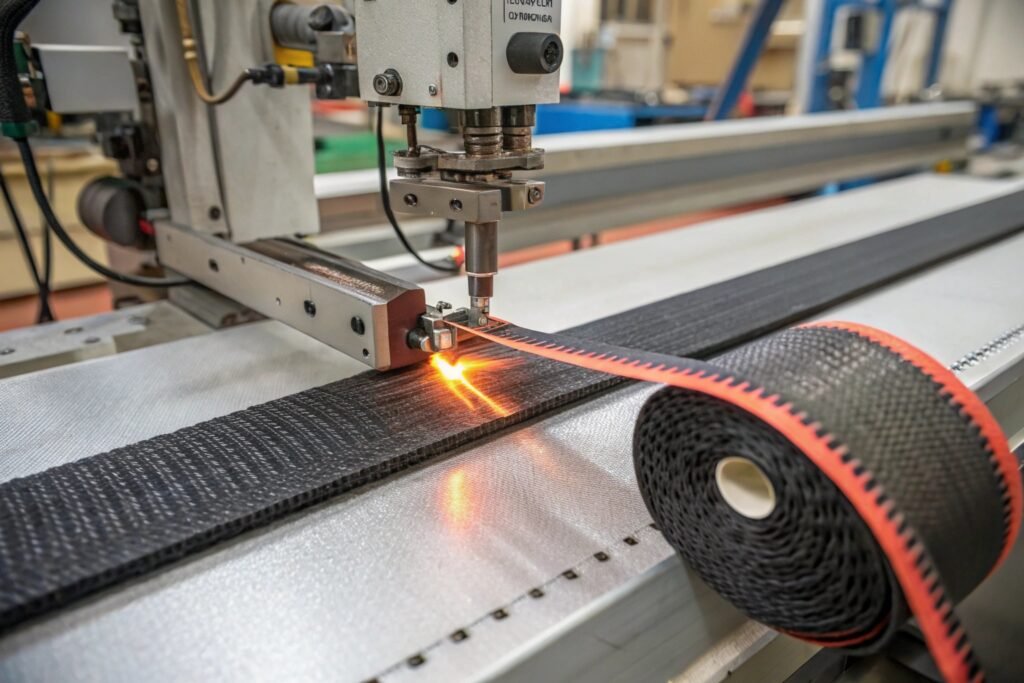
Unlike rigid materials, nylon consists of woven synthetic fibers.
When the material is cut, these fibers become exposed at the edge. Without proper sealing, the fibers can gradually separate and create fraying.
Common Problems After Cutting Nylon
| Problem | Effect |
|---|---|
| Fraying | Reduced appearance quality |
| Loose Fibers | Untidy edges |
| Uneven Cuts | Poor fitment |
| Edge Wear | Shorter product life |
| Additional Labor | Extra finishing work |
This is why choosing the right cutting method is often more important than simply making the cut.
Why Edge Quality Matters
A clean edge improves:
- Product appearance
- Durability
- Customer satisfaction
- Manufacturing consistency
For load-bearing applications such as harnesses, cargo straps, and pet leashes, edge quality becomes even more important.
The Best Tool: Hot Knife Cutter
For most nylon webbing applications, a hot knife cutter is the preferred solution.
Unlike ordinary cutting tools, a hot knife uses heat to cut through the nylon while simultaneously sealing the fibers.
How a Hot Knife Works
The heated blade melts the synthetic fibers as it passes through the material.
The fibers then fuse together and solidify as they cool.
This process creates:
- A clean edge
- Reduced fraying
- Better appearance
- Less finishing work
Benefits of a Hot Knife
| Benefit | Result |
|---|---|
| Cuts and Seals Together | Faster Processing |
| Prevents Fraying | Better Quality |
| Cleaner Edges | Improved Appearance |
| Reduced Labor | Higher Efficiency |
| Consistent Results | Better Production Control |
Because nylon is a thermoplastic material, it responds extremely well to hot knife cutting.
Why Professionals Prefer Hot Knives
A hot knife offers several advantages over traditional cutting methods.
It:
- Eliminates separate sealing steps
- Improves edge quality
- Reduces waste
- Increases production speed
For repeated cutting jobs, a dedicated hot knife cutter typically delivers the cleanest and most consistent results.
Other Tools Used for Cutting Nylon
Although hot knives are usually the best option, other tools can still be useful in certain situations.
Sharp Scissors
Scissors are inexpensive and easy to use.
They work well for:
- Occasional cutting
- Small projects
- Prototype work
However, scissors do not prevent fraying.
Utility Knives
A sharp utility knife can produce accurate cuts when used with a straightedge.
However, edge sealing is still required afterward.
Rotary Cutters
Rotary cutters are commonly used for thin nylon fabrics and textiles.
They offer good cutting speed but provide no edge sealing.
Tool Comparison
| Tool | Edge Quality | Fraying Protection | Cost |
|---|---|---|---|
| Hot Knife | Excellent | Excellent | Medium |
| Scissors | Good | Poor | Low |
| Utility Knife | Good | Poor | Low |
| Rotary Cutter | Good | Poor | Medium |
For professional-quality nylon webbing cutting, hot knives remain the preferred option.
Choosing the Right Tool for Your Needs
Not every project requires industrial equipment.
The best tool often depends on your goals.
If You Need the Lowest Cost
Sharp scissors may be sufficient.
If You Need Clean Edges
A hot knife is the better choice.
If You Need Repeatable Results
A dedicated hot cutter is recommended.
If You Need High Production Output
Industrial cutting equipment becomes the most efficient option.
Quick Selection Guide
| Priority | Recommended Tool |
|---|---|
| Lowest Cost | Scissors |
| Occasional Use | Utility Knife |
| Clean Sealed Edges | Hot Knife |
| High Volume Production | Industrial Web Cutter |
| Best Overall Result | Hot Knife Cutter |
For most users, a hot knife provides the best balance between cost, quality, and efficiency.
Why Fraying Prevention Is More Important Than Tool Cost
Many buyers focus on tool price.
However, edge quality often has a much greater impact on the final product.
A cheap cutting tool may save money initially but create additional labor costs later.
Poor Edges Can Cause
- Product rejection
- Customer complaints
- Additional trimming
- Reduced durability
- Higher waste rates
This is especially important for load-bearing products.
Applications Where Fraying Matters Most
| Application | Importance of Edge Quality |
|---|---|
| Safety Harnesses | Very High |
| Pet Leashes | Very High |
| Cargo Straps | Very High |
| Outdoor Gear | High |
| Fashion Accessories | Medium |
In these applications, minimizing fraying should be a priority.
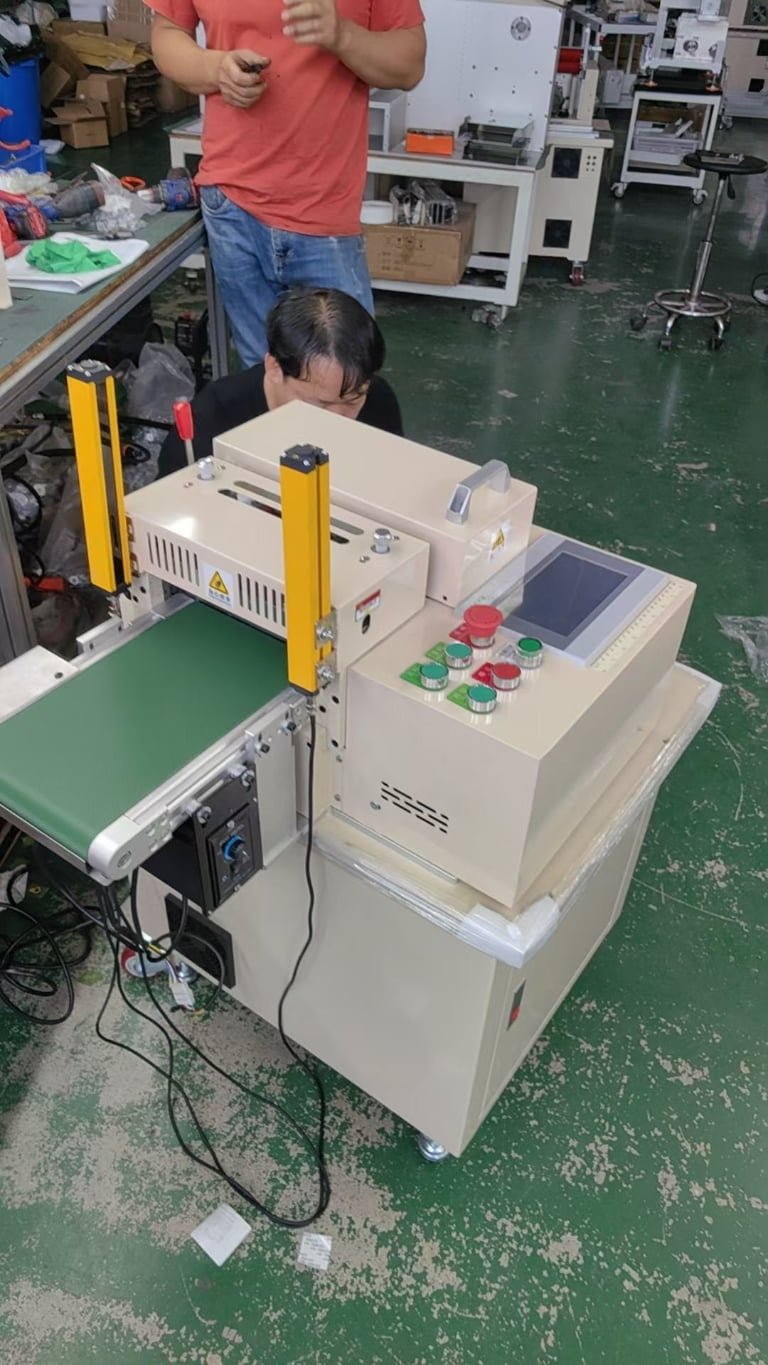
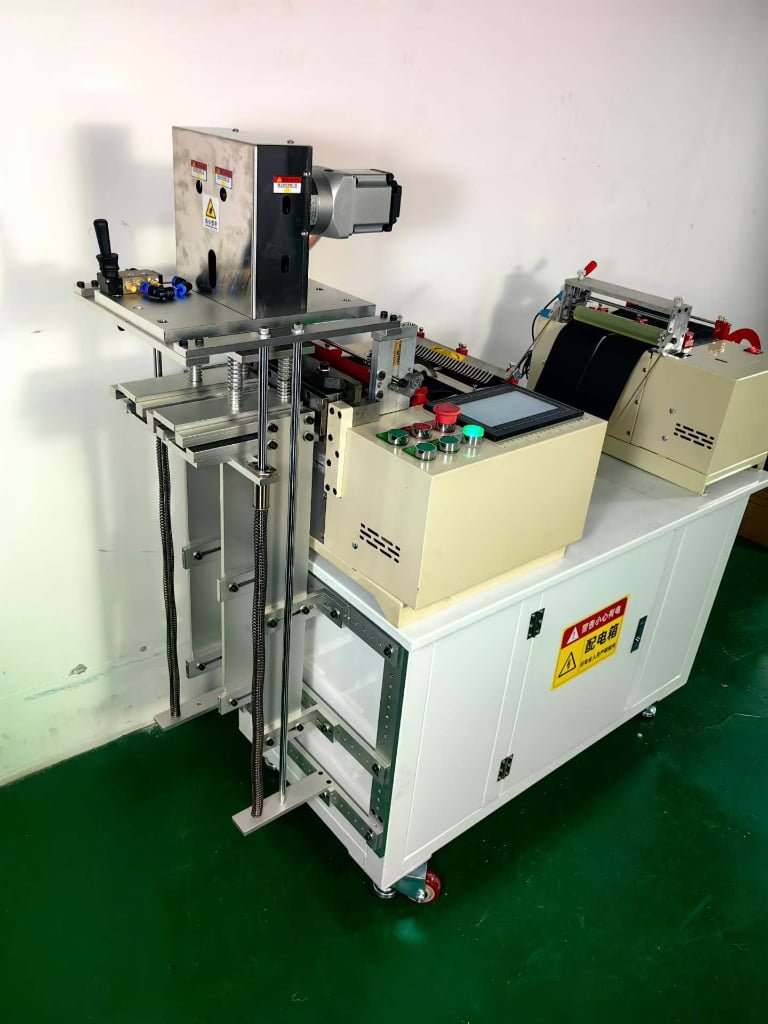
Industrial Nylon Cutting Solutions
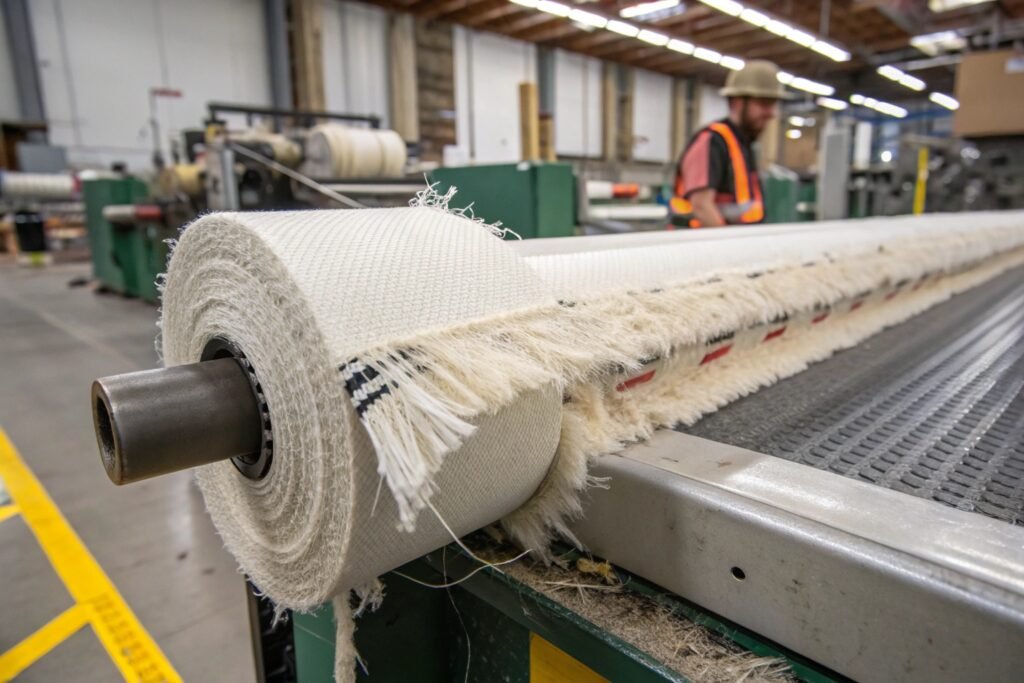
Manufacturers processing large volumes of nylon webbing typically use specialized equipment.
These machines automate:
- Feeding
- Measuring
- Cutting
- Sealing
Common Industrial Equipment
- Webbing tape cutting machine
- Hot and cold cutting machine
- High-speed trademark cutting machine
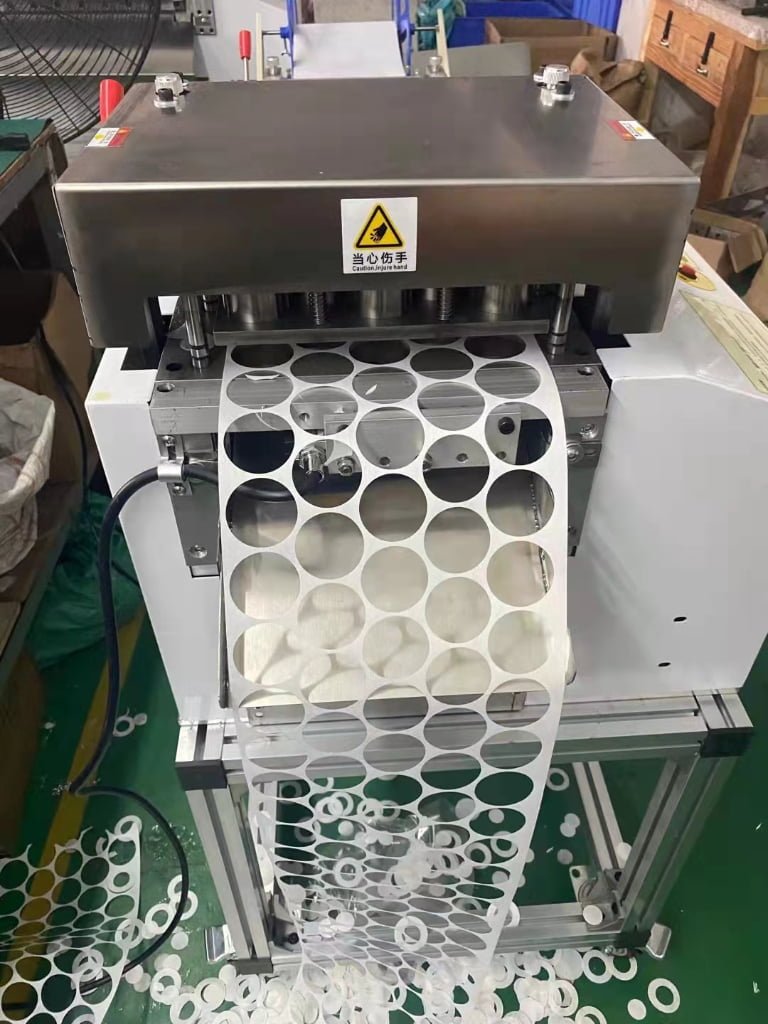
- Automatic punching cutting machine
- Round shape cutting machine
- Rotary bevel cutting machine
- Different shapes cutting machine
These systems improve:
- Speed
- Consistency
- Accuracy
- Production efficiency
For high-volume manufacturing, automated systems are usually the most economical solution.
How to Heat Seal Webbing?
Heat sealing is one of the most effective ways to prevent nylon webbing from fraying.
The process works by melting the exposed synthetic fibers and fusing them together into a sealed edge.
When done correctly, heat sealing creates a cleaner appearance and extends the life of the webbing.
Why Heat Sealing Matters
Cutting alone is not enough.
Synthetic webbing can fray rapidly unless the cut edge is sealed immediately.
Benefits of Heat Sealing
| Benefit | Result |
|---|---|
| Reduced Fraying | Longer Service Life |
| Cleaner Appearance | Professional Finish |
| Better Durability | Stronger Edges |
| Less Maintenance | Reduced Rework |
This is why heat sealing is commonly used after cutting nylon and polyester webbing.
Method 1: Hot Knife Sealing
The easiest method is using a hot knife.
Since the hot knife cuts and seals simultaneously, no additional sealing step is required.
Advantages
- Fast
- Consistent
- Professional results
- Minimal labor
For most users, this is the preferred approach.
Method 2: Manual Heat Sealing
If a hot knife is unavailable, manual sealing can be performed after cutting.
Step 1: Make a Clean Cut
Use:
- Sharp scissors
- Utility knife
- Razor blade
Avoid sawing motions.
A single smooth cut creates a better edge.
Step 2: Apply Controlled Heat
Use a lighter or controlled heat source.
The goal is to melt the nylon fibers slightly.
Important Tip
Do not burn the material.
The objective is to fuse the fibers, not char them.
Heat Control Guide
| Heat Level | Result |
|---|---|
| Too Low | Poor Seal |
| Moderate | Ideal |
| Too High | Burn Damage |
Step 3: Press the Warm Edge
After melting, gently press the edge against a smooth surface.
This helps:
- Flatten loose fibers
- Improve sealing
- Create a cleaner appearance
Step 4: Allow Cooling
Allow the material to cool completely before handling.
This ensures the fused edge solidifies properly.
Common Heat Sealing Mistakes
| Mistake | Consequence |
|---|---|
| Excessive Heat | Burned Edge |
| Insufficient Heat | Weak Seal |
| Uneven Heating | Poor Appearance |
| Delayed Sealing | Increased Fraying |
Proper temperature control is the key to successful heat sealing.
Automated Heat Sealing for Production
Factories often use automated equipment that combines cutting and sealing into one operation.
These systems improve:
- Throughput
- Consistency
- Edge quality
- Labor efficiency
Advantages of Automated Systems
| Benefit | Result |
|---|---|
| Faster Processing | Higher Output |
| Repeatable Lengths | Better Quality |
| Consistent Sealing | Reduced Defects |
| Lower Labor Cost | Improved Efficiency |
For large-scale nylon webbing production, automated hot-cutting systems provide the most reliable results.
Conclusion
The best tool for cutting nylon webbing is usually a hot knife because it cuts and seals the material in one operation. Compared with scissors, utility knives, and rotary cutters, hot knives provide cleaner edges, better fraying resistance, and improved efficiency. Heat sealing is equally important because exposed nylon fibers can quickly unravel if left untreated. Whether performed manually or through automated equipment, proper heat sealing helps create stronger, cleaner, and more professional-looking webbing products.
Insights From HAOXINHE
At HAOXINHE, I work with manufacturers that process nylon webbing, polyester straps, hook-and-loop tape, ribbons, elastic materials, and technical textiles every day. Through years of experience, I have learned that edge quality often determines whether a product looks premium or low quality.
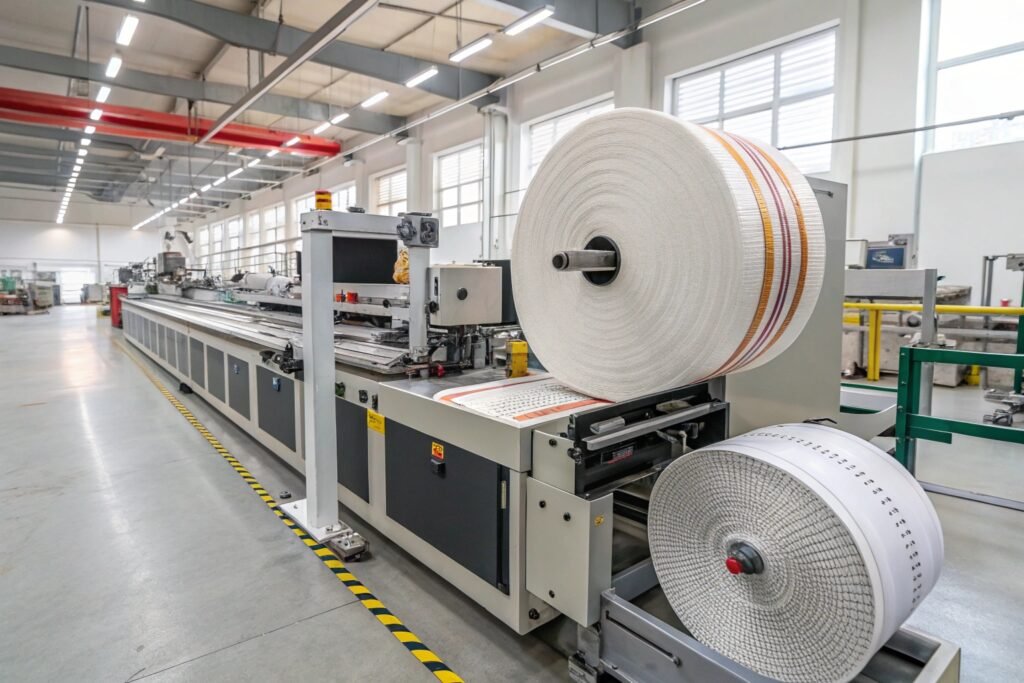
For companies producing large volumes of synthetic webbing products, manual cutting methods can become inefficient and inconsistent. This is why many manufacturers invest in professional equipment such as a webbing tape cutting machine, hot and cold cutting machine, high-speed trademark cutting machine, and automatic punching cutting machine.
By combining cutting and heat sealing into one operation, these machines help improve productivity, reduce fraying, lower labor costs, and maintain consistent product quality across large production runs.

[…] If you are looking for a nylon cutting machine, you may ask one simple question first: Can one machine cut more than just nylon? The answer is yes. Most modern nylon cutting machines are designed to process many synthetic materials, not only nylon …1 […]