Pneumatic vs. Electric Bubble Wrap Cutters: Pros and Cons
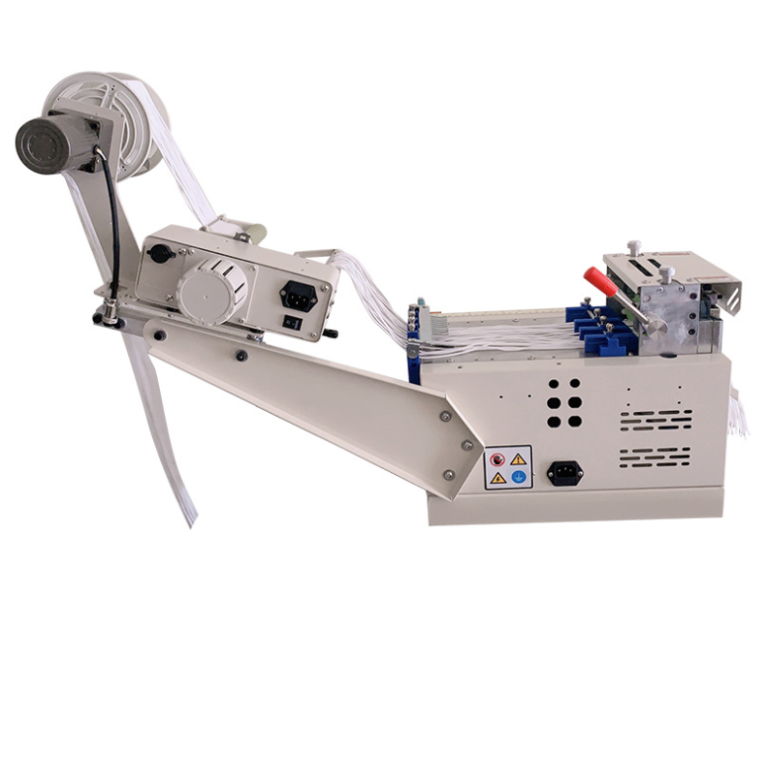
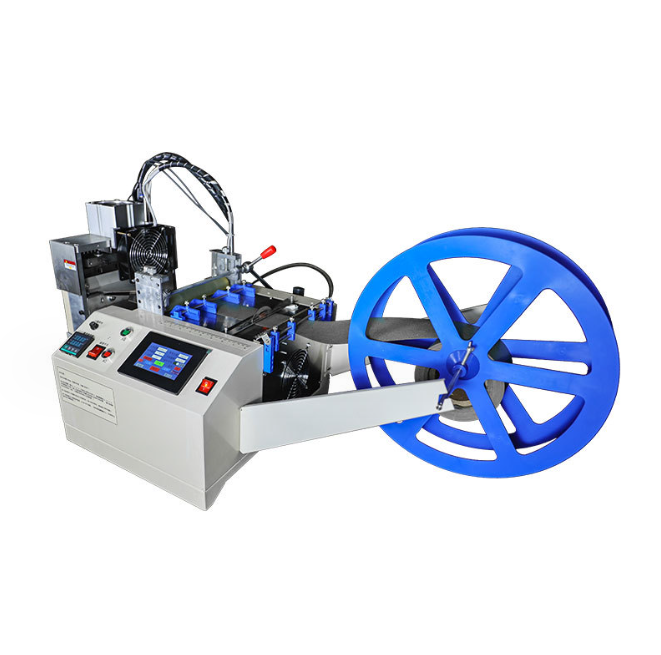
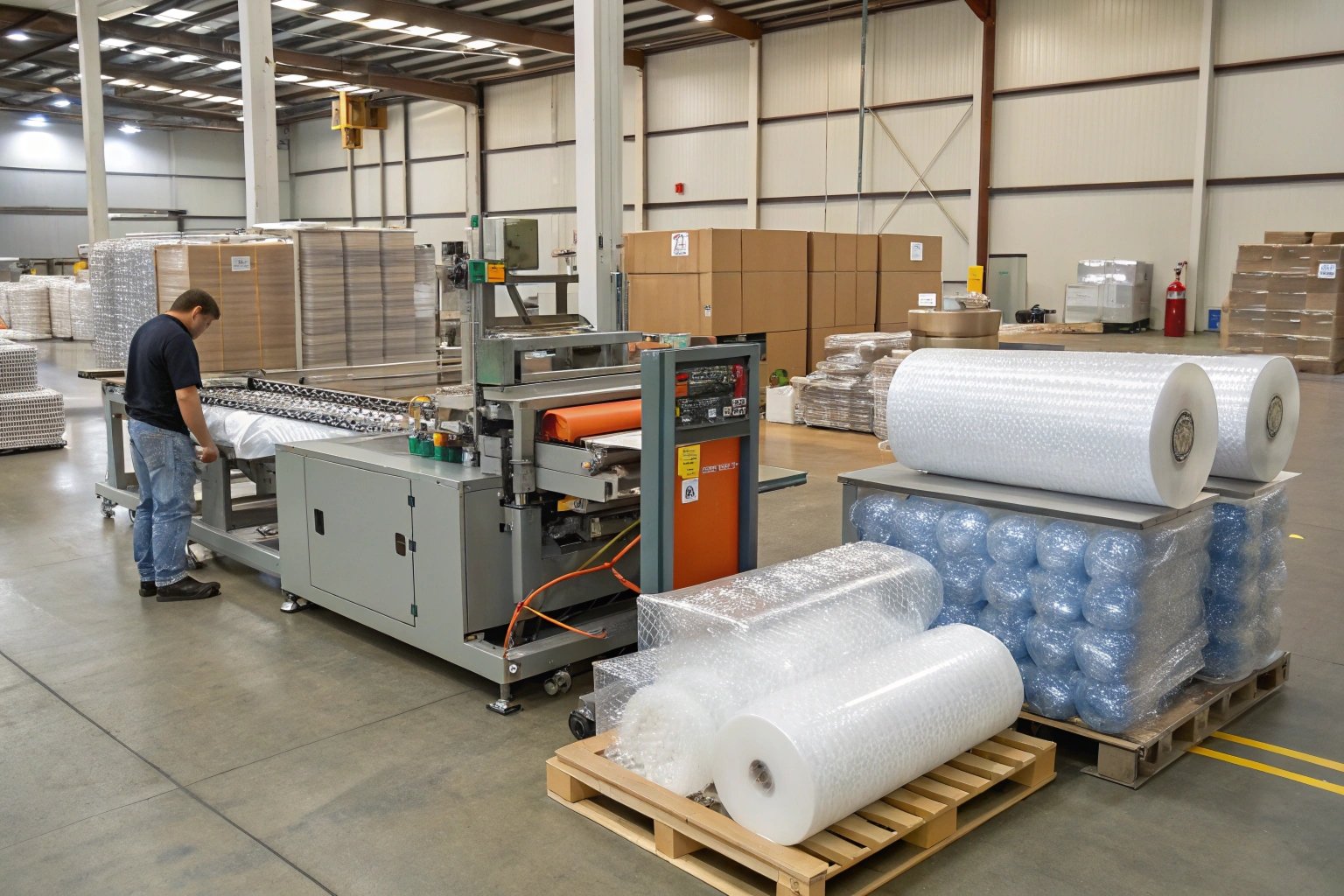
Choosing the right Bubble wrap cutting machine is an important decision for packaging companies, logistics centers, e-commerce warehouses, and industrial production lines. I often see customers comparing pneumatic and electric cutting systems because both technologies offer very different advantages.
Some companies focus on high-speed production and heavy-duty operation. Others care more about noise reduction, portability, maintenance costs, or cutting precision. The correct choice depends on your production environment, workload, and long-term operating goals.
At HAOXINHE, I manufacture many types of industrial cutting equipment including Bubble wrap cutting machine systems, webbing ribbon cutting machine equipment, hot and cold cutting machine models, automatic punching cutting machine systems, Protective Foam Cutting Machine solutions, and PVC Edge Banding cutting machine equipment. Through years of experience, I have learned that understanding the differences between pneumatic and electric systems helps customers avoid expensive mistakes.
In this guide, I will explain the real differences between pneumatic and electric bubble wrap cutters, including speed, maintenance, noise levels, air supply requirements, and long-term operating efficiency.
Pneumatic bubble wrap cutters deliver higher cutting speed and stronger continuous power, while electric cutters provide quieter operation and better precision.
- Choose pneumatic systems for high-volume, multi-shift industrial packaging lines.
- Choose electric systems for compact warehouses requiring low noise and easier maintenance.
- Compare long-term costs, including compressors, maintenance frequency, portability, and production efficiency.
For most packaging companies, the best cutter depends on production volume, workspace conditions, and automation requirements.
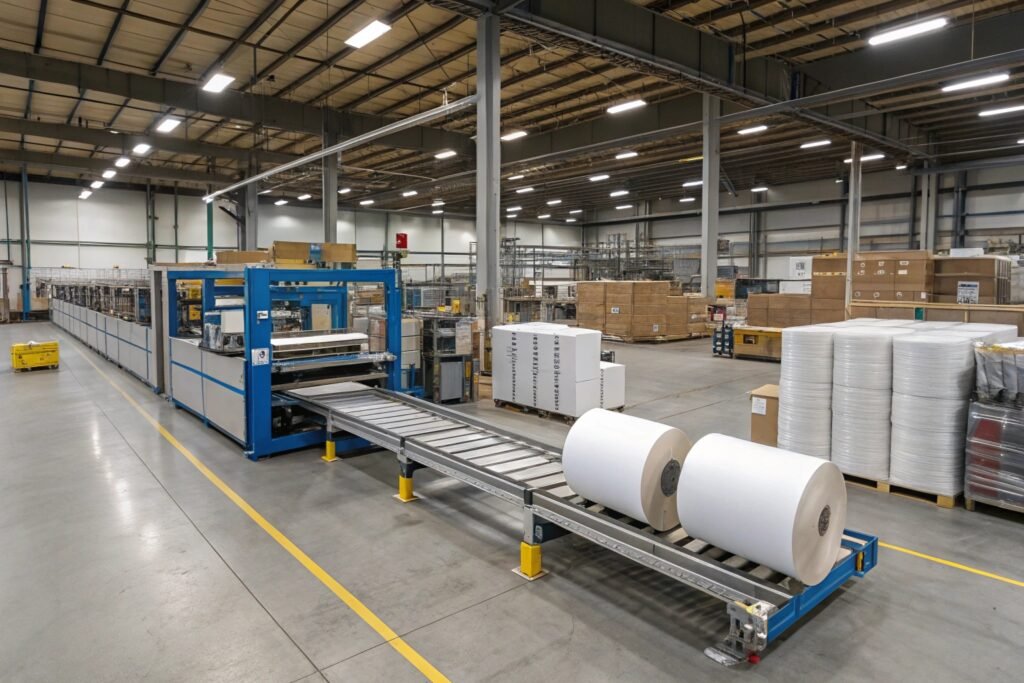
What Is a Pneumatic Bubble Wrap Cutter?
A pneumatic Bubble wrap cutting machine uses compressed air as its power source. The machine connects to an air compressor through air hoses. The compressed air drives the cutting mechanism and feeding system.
Pneumatic systems are widely used in industrial environments because they generate strong torque and maintain stable power during continuous operation.1
These systems are especially suitable for:
- High-volume packaging lines
- Heavy-duty industrial cutting
- Continuous production environments
- Large-scale warehouse operations
- Automated packaging systems
Many industrial factories prefer pneumatic systems because they can operate for long hours without overheating.
What Is an Electric Bubble Wrap Cutter?
An electric Bubble wrap cutting machine uses an electric motor instead of compressed air. These systems may be corded or battery-powered depending on the application.
Electric cutters are known for:
- Higher precision
- Lower noise
- Better portability
- Easier installation
- Lower daily maintenance
Electric systems are popular in smaller warehouses, compact packaging areas, and environments where quiet operation matters.
They are also ideal for companies needing precise and repeatable cuts with minimal operator adjustment.
What Are the Air Supply Requirements for Running a Pneumatic Cutter?
A pneumatic Bubble wrap cutting machine cannot operate without a stable compressed air supply. The air compressor is one of the most important parts of the entire system.
Basic Pneumatic Requirements
| Component | Purpose |
|---|---|
| Air Compressor | Generates compressed air |
| Air Hose | Transfers air to cutter |
| Air Regulator | Controls pressure |
| Moisture Filter | Removes water from air |
| Lubrication System | Protects internal parts |
Most industrial pneumatic cutters require:
- Stable air pressure
- Clean compressed air
- Proper hose connections
- Moisture-free airflow
Without clean air, moisture may damage internal pneumatic components over time2.
Dive Deeper: Why Air Quality Matters in Pneumatic Cutting Systems
Many companies focus only on the cutter itself and forget that the compressor system directly affects cutting performance.
Compressed air powers every cutting cycle in a pneumatic Bubble wrap cutting machine. If air pressure becomes unstable, the machine may produce uneven cuts or inconsistent feeding.
Common Air Supply Problems
| Problem | Result |
|---|---|
| Low Air Pressure | Weak cutting force |
| Moisture in Air Line | Internal corrosion |
| Air Leaks | Reduced efficiency |
| Dirty Air Supply | Valve damage |
| Poor Lubrication | Faster wear |
One major advantage of pneumatic systems is continuous power delivery. Unlike battery-powered tools, pneumatic cutters never slow down due to battery depletion. As long as the compressor has enough air pressure, the cutter maintains stable performance.
Another important benefit is quick recovery time. Even if the compressor tank empties during heavy production, most systems refill within minutes. This is much faster than charging large industrial batteries.
However, companies must understand the maintenance responsibilities that come with compressed air systems.
Pneumatic Maintenance Checklist
Daily Inspection
- Check hoses for leaks
- Drain moisture from compressor tanks
- Verify pressure stability
Weekly Maintenance
- Inspect lubrication systems
- Clean air filters
- Examine connectors
Long-Term Maintenance
- Replace worn hoses
- Inspect seals
- Service compressor motors
For high-volume industrial environments, pneumatic systems remain one of the most reliable choices because they deliver stable cutting power for continuous operation.
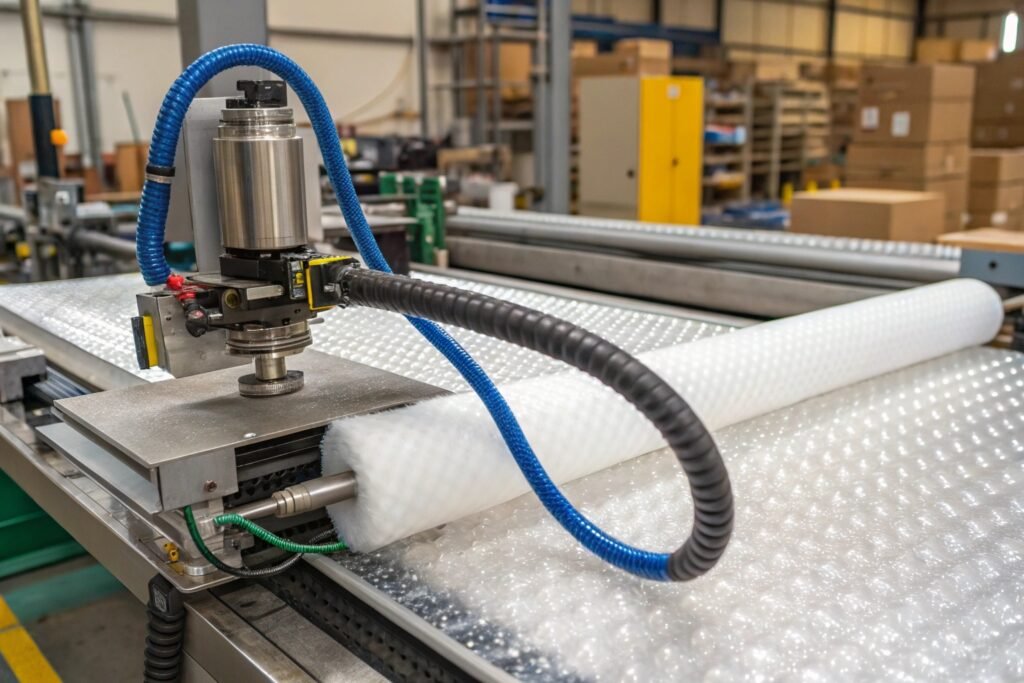
Which Type of Machine Offers Higher Cutting Speeds for High-Volume Lines?
In most industrial situations, pneumatic Bubble wrap cutting machine systems offer higher cutting speeds and stronger continuous power than electric systems.
This is especially true for:
- Heavy-duty cutting
- Thick material processing
- Continuous operation
- Multi-shift production
Pneumatic systems generate high torque using compressed air, which allows the machine to maintain stable cutting force over long production periods.
Speed Comparison Table
| Feature | Pneumatic Cutter | Electric Cutter |
|---|---|---|
| Continuous Power | Excellent | Good |
| Heavy-Duty Operation | Excellent | Moderate |
| High-Speed Production | Excellent | Good |
| Precision Cutting | Good | Excellent |
| Long Continuous Runtime | Excellent | Moderate |
| Heat Resistance | High | Moderate |
Electric systems still perform very well for medium-volume packaging operations, especially when cutting lighter materials.
Dive Deeper: Understanding Real Production Speed Differences
Many people assume machine speed depends only on motor RPM. In reality, production efficiency depends on several factors working together.
Factors Affecting Cutting Speed
| Factor | Importance |
|---|---|
| Torque Stability | Very High |
| Feeding Consistency | Very High |
| Operator Fatigue | Medium |
| Downtime Frequency | Very High |
| Heat Generation | High |
| Material Resistance | High |
Pneumatic systems perform well in demanding industrial conditions because compressed air delivers instant torque repeatedly without major heat buildup.
Electric systems may slow down slightly during continuous heavy loads, especially battery-powered units.3
Why Pneumatic Systems Excel in High-Volume Production
Continuous Operation
Compressed air systems can run for very long periods without overheating.
High Torque Output
Air-powered systems generate strong cutting force for thick packaging materials.
Fast Recovery
The cutting mechanism resets quickly between cutting cycles.
Automation Compatibility
Pneumatic systems integrate easily with automatic sheeting and feeding systems.
For large factories using:
- Bubble wrap cutting machine systems
- Protective Foam Cutting Machine equipment
- Automatic punching cutting machine systems
- Webbing ribbon cutting machine solutions
Pneumatic technology often becomes the preferred solution for industrial automation.
However, electric systems still dominate applications requiring:
- Tight cutting tolerances
- Quiet operation
- Compact installations
- Portable usage
The best choice depends on whether the priority is raw production speed or cutting precision.
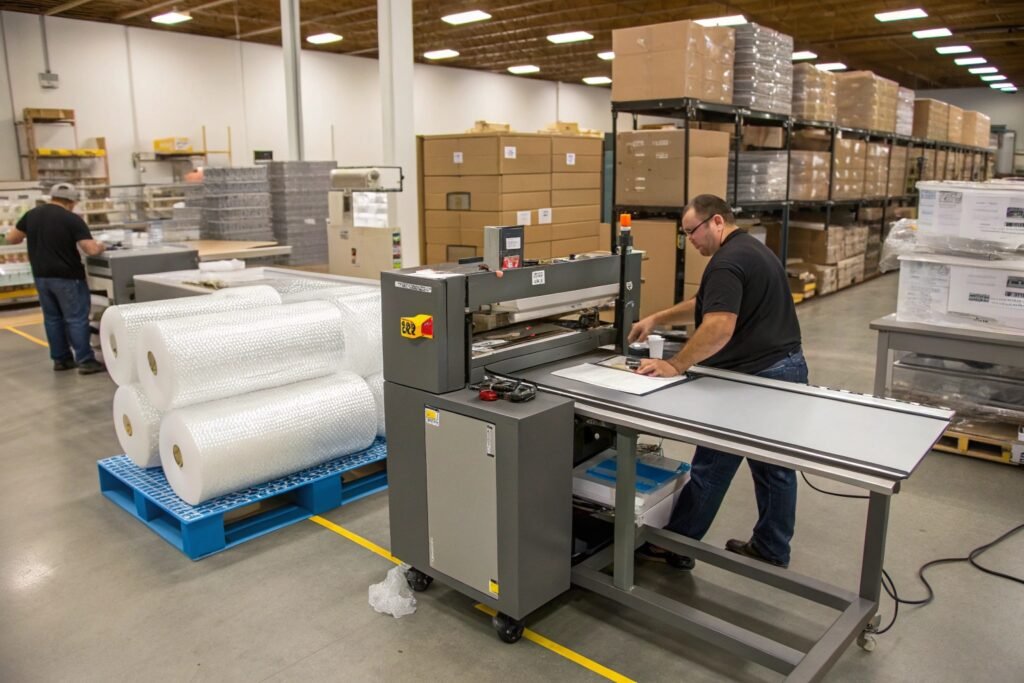
How Do Maintenance Costs Compare Between Electric and Pneumatic Systems?
Maintenance costs vary depending on operating conditions, production volume, and machine quality.
In general:
- Pneumatic systems require more routine maintenance
- Electric systems require less frequent maintenance
- Pneumatic systems may last longer under heavy industrial use
Maintenance Comparison Table
| Maintenance Area | Pneumatic | Electric |
|---|---|---|
| Hose Inspection | Required | Not Needed |
| Compressor Maintenance | Required | Not Needed |
| Lubrication | Frequent | Minimal |
| Electrical Inspection | Minimal | Required |
| Battery Replacement | None | Possible |
| Internal Wear | Low | Moderate |
| Routine Service Frequency | Higher | Lower |
Electric systems are simpler because they do not require compressors, air hoses, or moisture management.
Dive Deeper: Long-Term Ownership Costs Explained
Many buyers compare only the initial purchase price. However, the real cost of ownership includes maintenance, downtime, spare parts, energy consumption, and labor efficiency.
Pneumatic System Maintenance Costs
Pneumatic cutters require additional support equipment:
- Air compressors
- Air dryers
- Moisture filters
- Lubrication systems
- Air hoses
These components increase maintenance responsibilities.
Moisture is one of the biggest long-term risks. Water inside compressed air lines can damage valves and internal pneumatic parts if not removed properly.4
Electric System Maintenance Costs
Electric Bubble wrap cutting machine systems usually require:
- Motor inspection
- Blade replacement
- Electrical connection checks
- Battery replacement for cordless models
Because electric systems contain fewer external support systems, they often require less daily maintenance.
However, electric motors may eventually wear under heavy continuous operation.
Which System Lasts Longer?
In heavy industrial environments, pneumatic systems often achieve longer service life because they contain fewer complex electrical components5.
Which System Costs Less Over Time?
| Production Environment | Better Choice |
|---|---|
| Heavy Industrial Production | Pneumatic |
| Small Warehouse | Electric |
| Portable Usage | Electric |
| Continuous Multi-Shift Operation | Pneumatic |
| Precision Packaging | Electric |
At HAOXINHE, I help customers choose cutting systems based on actual production requirements instead of only machine price.
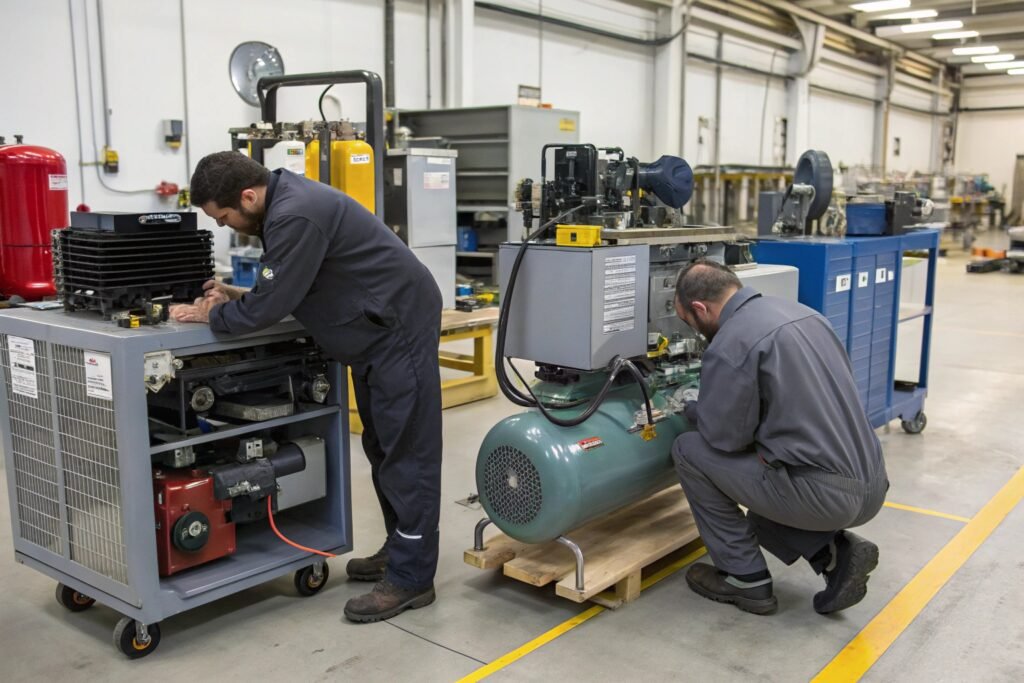
Which Cutter Setup Runs Quieter in a Compact Warehouse Environment?
Electric Bubble wrap cutting machine systems are usually much quieter than pneumatic systems.
This is one of the biggest advantages of electric technology.
Pneumatic systems generate noise from:
- Air compressors
- Air exhaust
- Pressure release
- Hose vibration
Electric systems operate with smoother motor motion and less mechanical impact noise.
Noise Comparison Table
| Noise Source | Pneumatic | Electric |
|---|---|---|
| Compressor Noise | High | None |
| Air Exhaust | High | None |
| Motor Operation | Moderate | Low |
| Vibration | Moderate | Low |
| Overall Noise Level | Higher | Lower |
For compact warehouse environments, electric systems often provide a more comfortable working environment.
Dive Deeper: Why Noise Levels Matter in Packaging Facilities
Noise affects more than comfort. High noise levels can reduce communication efficiency, increase worker fatigue, and create stressful working conditions.6
In smaller warehouses or compact packaging stations, loud compressors may become disruptive.
Benefits of Quiet Electric Operation
Better Communication
Workers can communicate more easily near packaging stations.
Reduced Fatigue
Lower noise levels help reduce mental stress during long shifts.
Improved Workplace Comfort
Quiet systems improve the overall work environment.
Easier Indoor Installation
Electric systems fit well in offices, retail backrooms, and smaller warehouses.
Why Pneumatic Systems Are Louder
The main noise source is usually not the cutter itself. The compressor creates most of the sound.
Compressed air systems produce:
- Air discharge noise
- Mechanical compressor vibration
- Pressure release sounds
Even with noise reduction systems, pneumatic setups are generally louder than electric systems.
When Pneumatic Noise Is Acceptable
Large industrial factories often prioritize productivity over noise reduction.
In these environments:
- Machines already generate high background noise
- Compressors may operate in separate rooms
- Workers wear hearing protection
For these applications, the power advantages of pneumatic systems outweigh the noise disadvantages.
However, for compact warehouse operations or low-noise packaging environments, electric systems are usually the preferred option.
Pneumatic vs. Electric Bubble Wrap Cutters: Quick Comparison
| Feature | Pneumatic Cutter | Electric Cutter |
|---|---|---|
| Power Source | Compressed Air | Electric Motor |
| Cutting Speed | Very High | High |
| Precision | Good | Excellent |
| Noise Level | Higher | Lower |
| Mobility | Limited | Better |
| Maintenance Frequency | Higher | Lower |
| Continuous Operation | Excellent | Good |
| Heavy-Duty Performance | Excellent | Moderate |
| Portability | Lower | Higher |
| Setup Complexity | Higher | Lower |
Which Bubble Wrap Cutter Should You Choose?
The correct machine depends on your operation type.
Choose Pneumatic If You Need:
- High-volume production
- Continuous operation
- Heavy-duty cutting
- Industrial automation
- Long production shifts
Choose Electric If You Need:
- Quiet operation
- Better portability
- Higher precision
- Lower maintenance
- Compact warehouse installation
At HAOXINHE, I help customers select the correct Bubble wrap cutting machine configuration based on their real production environment, packaging material, and workflow goals.
HAOXINHE Insights
HAOXINHE specializes in industrial cutting solutions designed for demanding production environments. I understand that every factory has different packaging challenges, production targets, and workspace limitations.
That is why I provide customized cutting solutions including:
- Bubble wrap cutting machine
- Webbing ribbon cutting machine
- Hot and cold cutting machine
- Automatic punching cutting machine
- High-speed trademark cutting machine
- Protective Foam Cutting Machine
- PVC Edge Banding cutting machine
- Different shapes cutting machine
- Rotary bevel cutting machine
- Computer tube cutting machine
- Wire cutting and stripping machine
- Metal pipe cutting and beveling machine
Why Customers Choose HAOXINHE
| HAOXINHE Strength | Customer Benefit |
|---|---|
| Industrial-Grade Design | Longer machine lifespan |
| Custom Automation Support | Higher production efficiency |
| Stable Cutting Accuracy | Better product consistency |
| Compact Equipment Layout | Space savings |
| Durable Blade Technology | Reduced downtime |
| Multi-Material Compatibility | Greater production flexibility |
I continue improving HAOXINHE cutting systems to help global packaging companies reduce labor costs, increase productivity, and achieve stable long-term performance in modern industrial environments.
-
"[PDF] Improving Compressed Air System Performance", https://www.energy.gov/sites/prod/files/2014/05/f16/compressed_air_sourcebook.pdf. Pneumatic actuators maintain relatively constant force output across their stroke length because compressed air pressure remains stable, unlike electric motors which may experience thermal derating during continuous duty cycles. Evidence role: mechanism; source type: education. Supports: the mechanical principles explaining why pneumatic systems deliver consistent torque during extended operation. Scope note: This describes general pneumatic system characteristics rather than specific performance data for bubble wrap cutting applications ↩
-
"Why Is Moisture In My Pneumatic System? – Guides", https://www.rowse-pneumatics.co.uk/blog/post/why-is-moisture-in-my-pneumatic-system?srsltid=AfmBOopnz9p3HskVm_e9BoqnuZxLOnz3CoMUJcsEgzIeLXe8u7-ArSmJ. Water vapor in compressed air condenses inside pneumatic components, causing rust formation on metal surfaces, washing away lubricants, and freezing in cold conditions, all of which accelerate wear and reduce component lifespan. Evidence role: mechanism; source type: education. Supports: the corrosive and mechanical effects of moisture contamination in pneumatic systems. ↩
-
"Motor Derating Due To High Ambient Temperatures – Kollmorgen", https://www.kollmorgen.com/en-us/blogs/motor-derating-due-to-high-ambient-temperatures. Electric motors generate heat in their windings during operation, and without adequate cooling time, this heat accumulation can trigger thermal protection circuits or cause the motor controller to reduce current delivery, resulting in decreased torque output. Evidence role: mechanism; source type: education. Supports: the thermal limitations affecting electric motor performance during sustained operation. ↩
-
"[PDF] PNEUMATIC SYSTEM CONTAMINATION PROTECTION – NASA", https://extapps.ksc.nasa.gov/reliability/Documents/Preferred_Practices/ops11.pdf. Liquid water in pneumatic lines causes valve seats to corrode, seals to swell or degrade, and moving parts to bind due to rust formation, while also diluting lubricants and potentially freezing in valve bodies under cold conditions. Evidence role: mechanism; source type: education. Supports: the specific ways moisture causes pneumatic component failure. ↩
-
"Mean time between failures – Wikipedia", https://en.wikipedia.org/wiki/Mean_time_between_failures. Pneumatic actuators typically have fewer failure modes than electric motors because they lack electronic controllers, motor windings, and bearings subject to electrical stress, though their service life depends heavily on air quality and proper lubrication maintenance. Evidence role: general_support; source type: education. Supports: factors affecting relative service life of pneumatic versus electric actuation systems. Scope note: This describes general reliability factors rather than providing specific service life data for cutting equipment ↩
-
"The experience of noise in communication-intense workplaces – PMC", https://pmc.ncbi.nlm.nih.gov/articles/PMC9829168/. Occupational health research demonstrates that sustained noise exposure above 85 dBA impairs verbal communication, increases cognitive load leading to faster mental fatigue, and elevates stress hormone levels in workers. Evidence role: expert_consensus; source type: government. Supports: the documented effects of workplace noise on worker performance and wellbeing. Scope note: This describes general workplace noise effects rather than specific impacts in packaging facilities ↩