What Are the Three Types of Cutting Tools?
Cutting tools are essential in manufacturing, machining, fabrication, woodworking, metalworking, and material processing industries. Every day, cutting tools are used to shape, size, drill, mill, bore, trim, and finish countless products. Whether I am working with metal, plastic, foam, tubing, webbing, or composite materials, choosing the correct cutting tool directly affects quality, efficiency, and production costs.
Many people assume cutting tools are classified only by their shape or application. However, one of the most common engineering classifications is based on the number of cutting edges that engage the workpiece during machining. Under this system, cutting tools are divided into three primary categories:
- Single-point cutting tools
- Double-point cutting tools
- Multi-point cutting tools
Each category has unique characteristics and serves different machining purposes. Understanding these three types helps manufacturers select the most efficient tool for a specific application.
In this guide, I will explain how each cutting tool category works, where it is commonly used, and how beginners can choose the most suitable cutting tools for their projects.
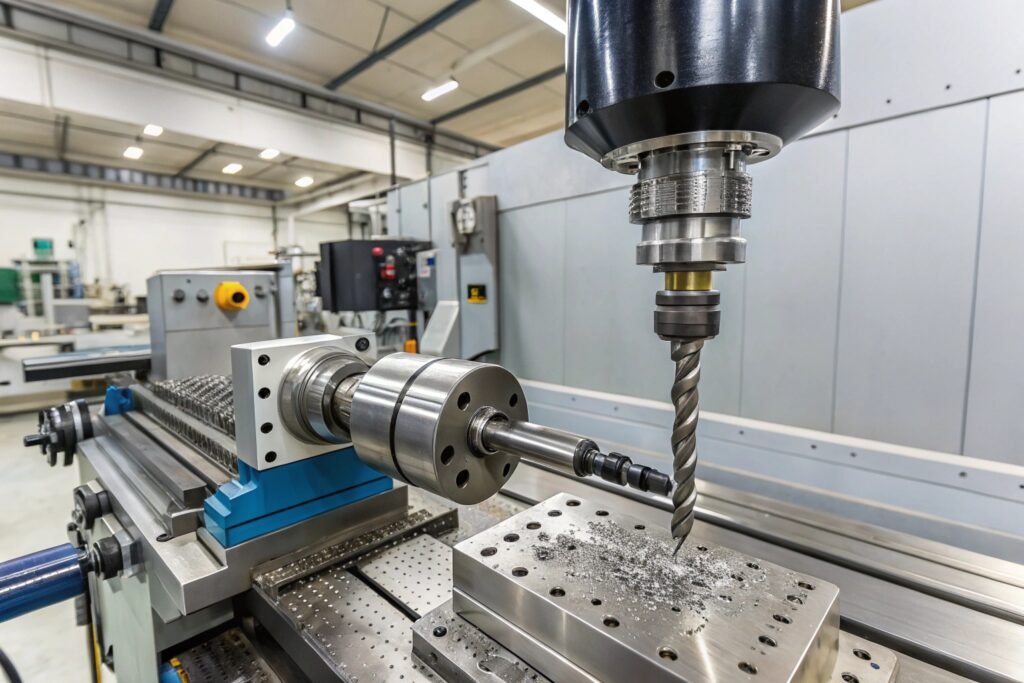
- The three main types of cutting tools are single-point, double-point, and multi-point cutting tools, classified by the number of cutting edges that engage the material during machining.
- Single-point cutting tools are commonly used for turning, boring, shaping, and facing operations where precision and control are essential.
- Double-point cutting tools, such as twist drills, use two cutting edges simultaneously, making them ideal for efficient and accurate hole-making applications.
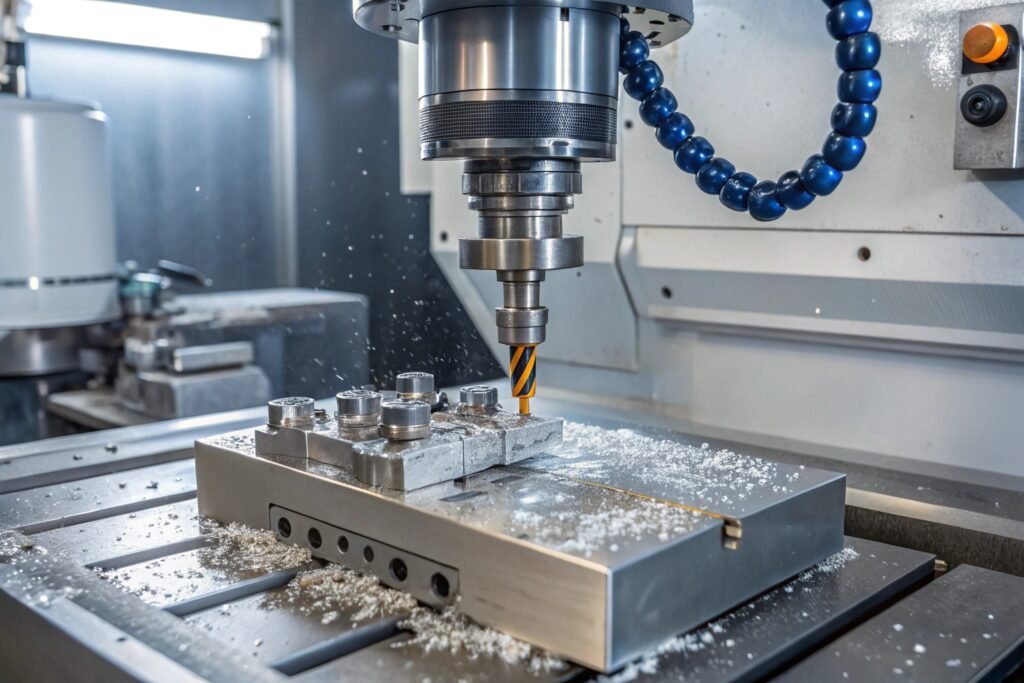
- Multi-point cutting tools including milling cutters, end mills, reamers, and taps provide higher productivity, faster material removal, and improved surface finishes in modern manufacturing.
- Selecting the right cutting tool type depends on material characteristics, machining requirements, production volume, and desired accuracy, helping manufacturers improve efficiency, quality, and operational performance.
Why Cutting Tool Classification Matters
The number of cutting edges influences several important factors:
- Material removal rate
- Surface finish quality
- Tool life
- Production speed
- Machining accuracy
Selecting the wrong tool type can increase production costs and reduce efficiency.
Factors Influenced by Cutting Tool Design
| Factor | Effect |
|---|---|
| Cutting Speed | Production Rate |
| Edge Count | Material Removal |
| Tool Geometry | Surface Finish |
| Material Compatibility | Tool Performance |
| Precision Requirement | Tool Selection |
Understanding the three main tool categories provides a strong foundation for machining and manufacturing decisions.
Single-Point Cutting Tools
A single-point cutting tool uses one primary cutting edge to remove material from a workpiece.
This is one of the simplest and oldest cutting tool designs.
How Single-Point Tools Work
Only one cutting edge contacts the material at any given time.
Material is removed continuously as the tool moves relative to the workpiece.
Common Applications
Single-point tools are commonly used for:
- Turning
- Shaping
- Boring
- Facing
- Planing
Examples of Single-Point Cutting Tools
| Tool | Application |
|---|---|
| Lathe Tool | Turning |
| Boring Bar | Internal Machining |
| Shaper Tool | Surface Shaping |
| Planer Tool | Large Surface Machining |
These tools are often found in lathes and shaping machines.
Advantages of Single-Point Tools
Simple Design
Easy to manufacture and maintain.
High Precision
Suitable for detailed machining operations.
Lower Tool Cost
Generally less expensive than complex cutters.
Limitations
Slower Material Removal
Only one cutting edge removes material.
Longer Machining Time
Less productive for large-scale operations.
Single-Point Tool Summary
| Advantage | Limitation |
|---|---|
| High Precision | Lower Productivity |
| Simple Design | Slower Cutting |
| Easy Maintenance | Limited Material Removal |
Single-point tools are often used when precision is more important than speed.
Double-Point Cutting Tools
A double-point cutting tool contains two cutting edges that participate in material removal.
The most common example is a drill bit.
Why Drill Bits Are Double-Point Tools
A standard twist drill typically has two cutting lips.
Both edges cut simultaneously as the drill rotates.
Common Double-Point Tools
| Tool | Application |
|---|---|
| Twist Drill | Hole Making |
| Center Drill | Starting Holes |
| Certain Specialty Drills | Precision Drilling |
Double-point tools are primarily associated with drilling operations.
Advantages of Double-Point Tools
Faster Material Removal
Two cutting edges share the workload.
Efficient Hole Production
Ideal for creating cylindrical holes.
Good Accuracy
Suitable for many industrial applications.
Limitations
Limited Function Range
Most are designed specifically for drilling operations.
Heat Generation
Higher cutting speeds may increase heat.
Double-Point Tool Summary
| Advantage | Limitation |
|---|---|
| Faster Cutting | Specialized Use |
| Efficient Drilling | Limited Applications |
| Good Productivity | Heat Management Required |
Double-point tools occupy an important middle ground between single-point and multi-point cutting systems.
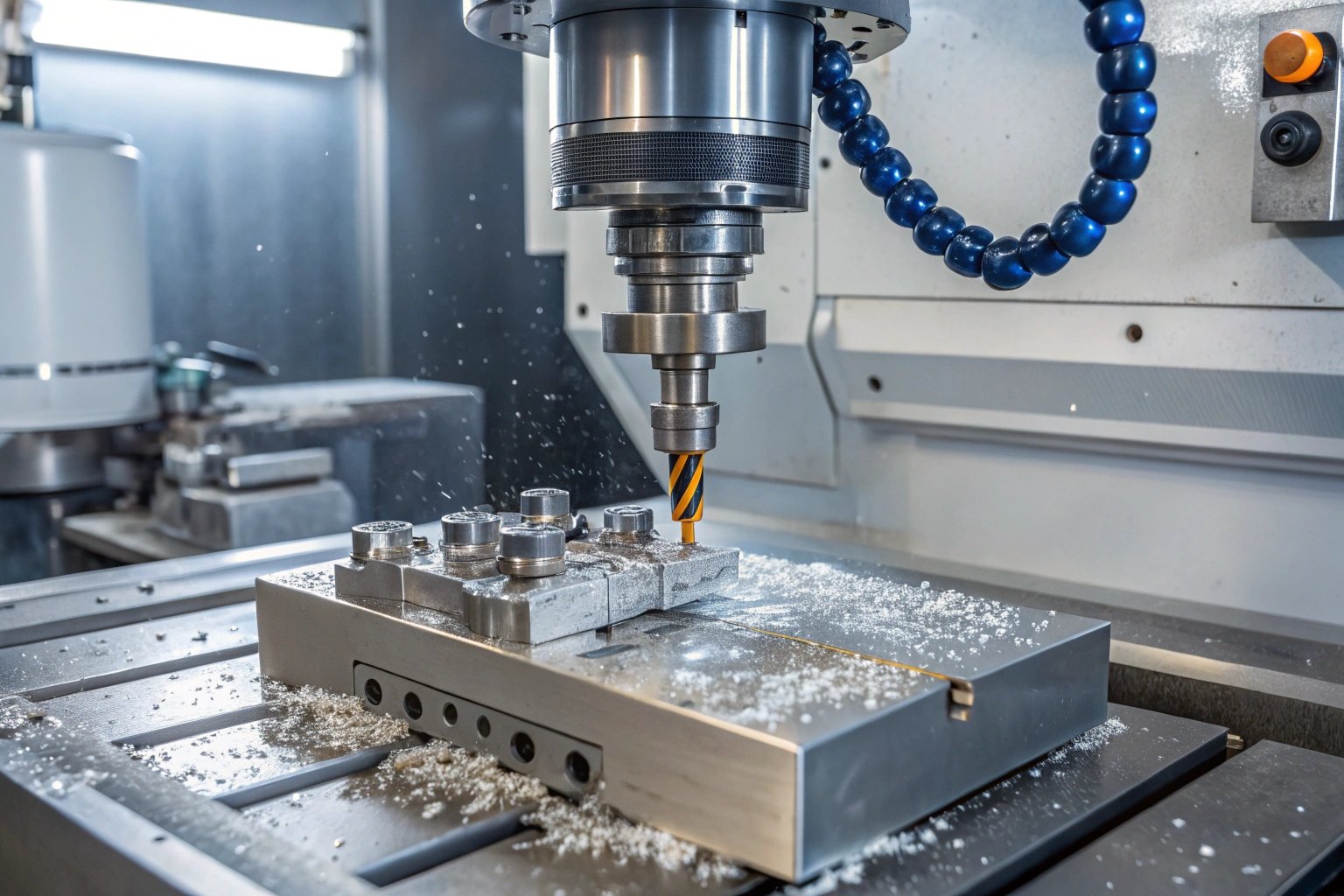
Multi-Point Cutting Tools
Multi-point cutting tools contain more than two cutting edges.
These tools are among the most productive cutting systems used in modern manufacturing.
How Multi-Point Tools Work
Multiple cutting edges engage the material during each rotation or cutting cycle.
This allows greater material removal rates while distributing cutting forces across many teeth.
Common Multi-Point Tools
| Tool | Application |
|---|---|
| Milling Cutter | Surface Machining |
| End Mill | Profiling |
| Reamer | Hole Finishing |
| Tap | Thread Cutting |
| Broach | Internal Shapes |
| Gear Cutter | Gear Production |
Many CNC machining centers rely heavily on multi-point cutting tools.
Advantages of Multi-Point Tools
Higher Productivity
More cutting edges remove material simultaneously.
Better Surface Finish
Multiple cutting actions create smoother surfaces.
Greater Efficiency
Suitable for large production volumes.
Limitations
Higher Cost
More complex manufacturing.
More Maintenance
Additional cutting edges require monitoring.
Multi-Point Tool Summary
| Advantage | Limitation |
|---|---|
| High Speed | Higher Cost |
| Better Surface Finish | More Complex |
| Excellent Productivity | More Maintenance |
For mass production, multi-point tools are often the preferred solution.
Comparing the Three Types of Cutting Tools
Understanding the differences between these categories helps simplify tool selection.
Cutting Tool Comparison
| Feature | Single-Point | Double-Point | Multi-Point |
|---|---|---|---|
| Cutting Edges | 1 | 2 | More Than 2 |
| Productivity | Low | Medium | High |
| Precision | High | High | High |
| Cost | Low | Medium | High |
| Typical Application | Turning | Drilling | Milling |
Each category serves a unique purpose within manufacturing operations.
Other Common Cutting Tools
Beyond the three primary classifications, many specialized cutting tools exist.
Frequently Used Tools
Drills
Used for hole creation.
Reamers
Used for precision hole finishing.
Taps
Used for thread generation.
Countersinks
Used to create tapered openings.
Specialized Cutting Equipment
Modern manufacturing also uses automated systems such as:
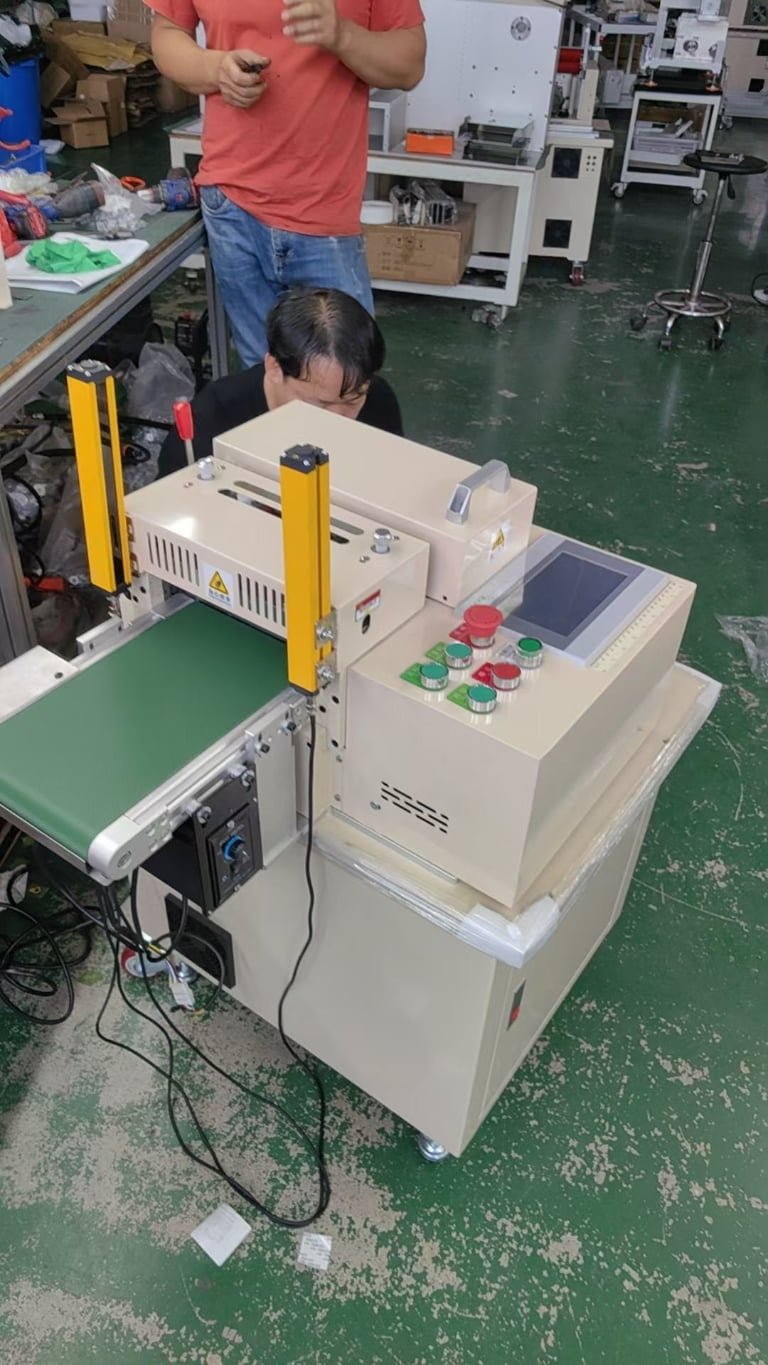
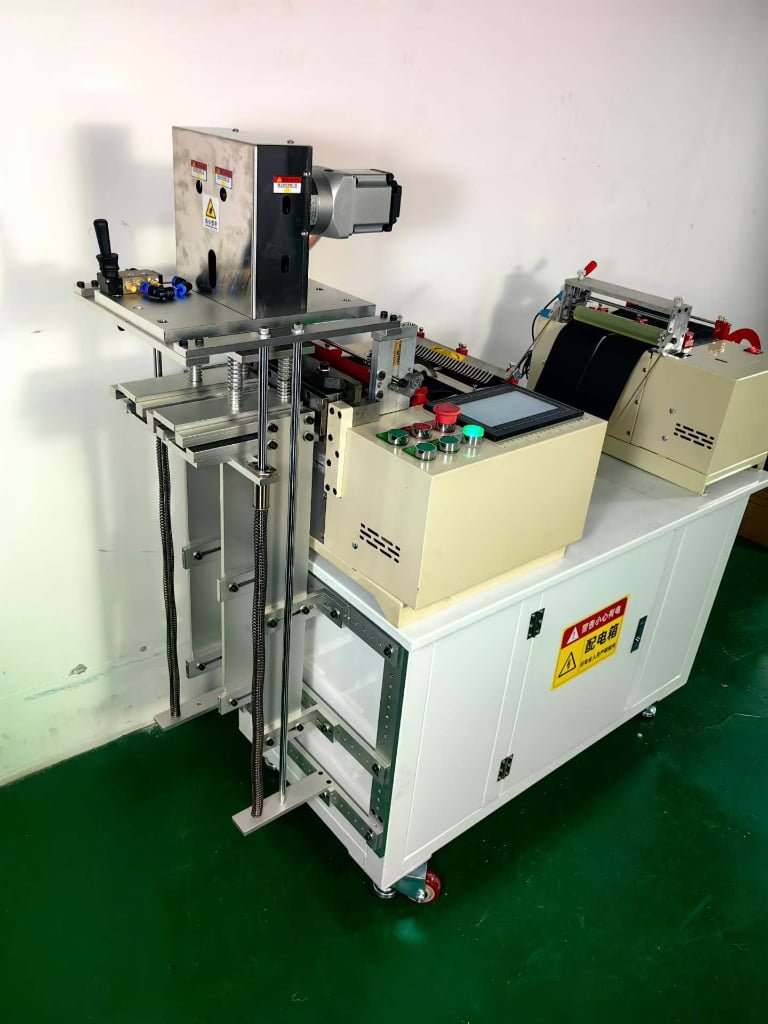
- Computer tube cutting machine
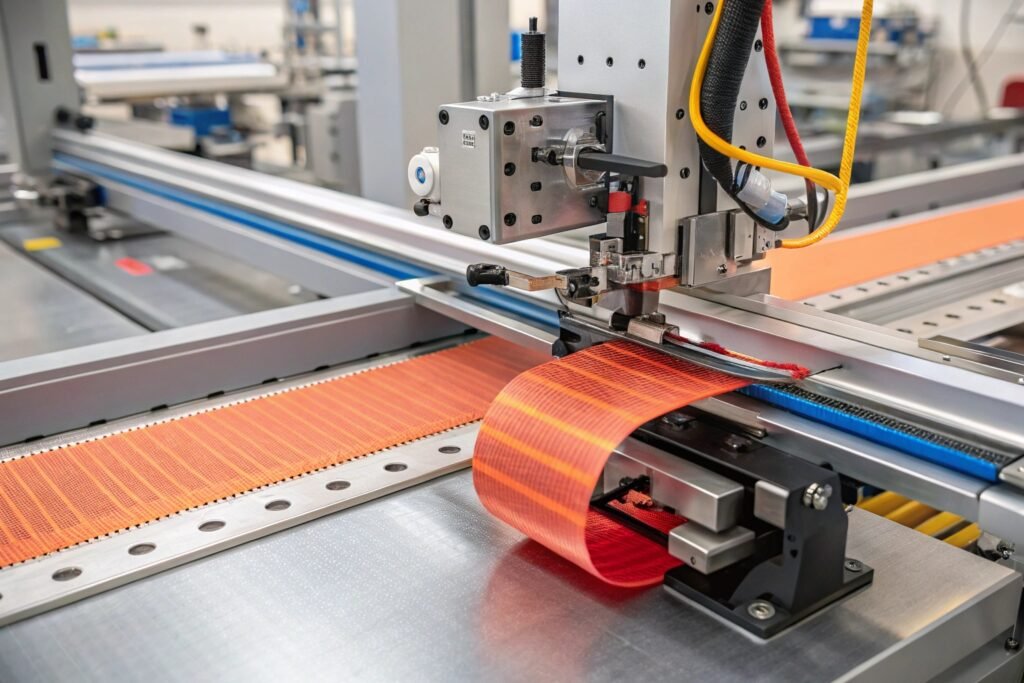
- Webbing tape cutting machine
- Hot and cold cutting machine
- High-speed trademark cutting machine
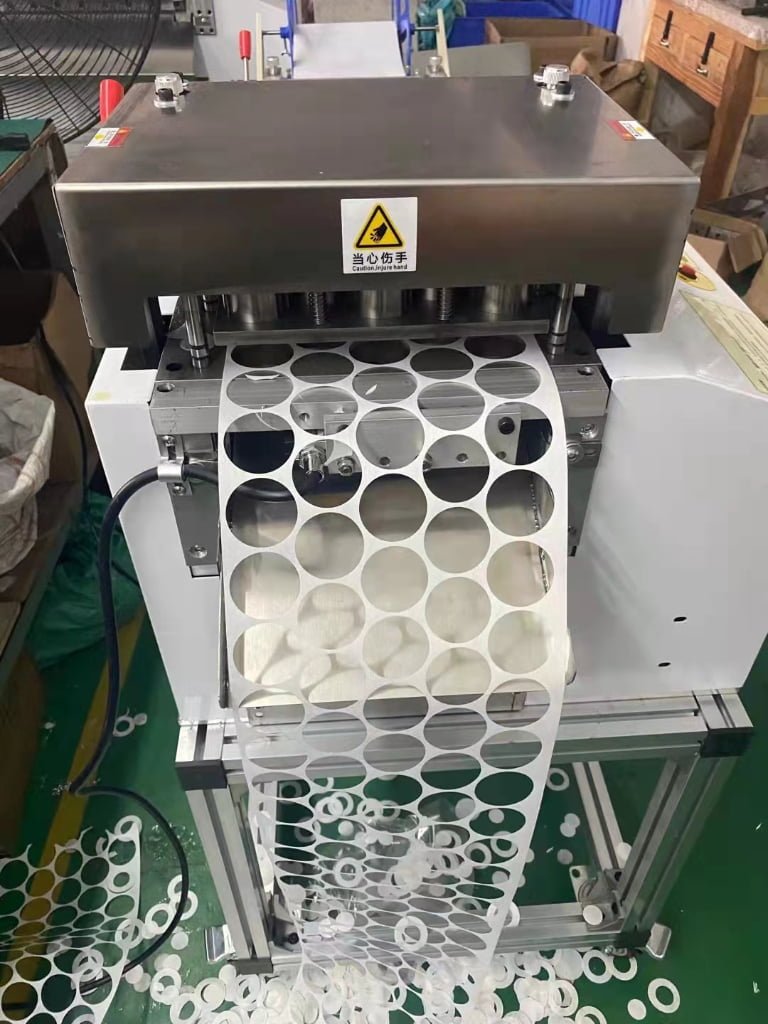
- Automatic punching cutting machine
- Round shape cutting machine
- Rotary bevel cutting machine
- Different shapes cutting machine
These machines apply cutting principles to flexible materials such as webbing, tubing, foam, wire, labels, and textiles.
Choosing the Right Cutting Tool
No single cutting tool works best for every application.
Tool selection depends on:
- Material type
- Required precision
- Production volume
- Surface finish requirements
- Budget
Selection Factors
| Requirement | Preferred Tool Type |
|---|---|
| Precision Turning | Single-Point |
| Hole Drilling | Double-Point |
| High-Speed Production | Multi-Point |
| Flexible Material Processing | Specialized Cutting Machine |
| Mass Production | Automated Systems |
The correct choice always depends on the application.
What Is the Best Cutting Tool for Beginners?
Beginners often feel overwhelmed by the large number of cutting tools available. The good news is that most people do not need advanced machining equipment when starting out.
The best beginner cutting tool is usually one that combines simplicity, safety, versatility, and affordability.
Characteristics of a Good Beginner Tool
A beginner-friendly cutting tool should:
- Be easy to operate
- Require minimal setup
- Produce predictable results
- Be widely available
- Have reasonable cost
Recommended Beginner Cutting Tools
Utility Knife
One of the most versatile tools available.
Suitable for:
- Plastic
- Foam
- Cardboard
- Webbing
- Packaging materials
Scissors
Ideal for lightweight materials.
Handheld Tube Cutter
Useful for tubing and hose applications.
Hot Knife
Excellent for nylon webbing and synthetic materials.
Beginner Tool Comparison
| Tool | Ease of Use | Cost | Versatility |
|---|---|---|---|
| Utility Knife | Excellent | Low | High |
| Scissors | Excellent | Low | Medium |
| Tube Cutter | Good | Medium | Specialized |
| Hot Knife | Good | Medium | Synthetic Materials |
For most beginners, a sharp utility knife is often the best starting point because it can handle many different materials.
When a Hot Knife Is the Better Choice
If the primary material is:
- Nylon webbing
- Polyester straps
- Rope
- Hook-and-loop tape
- Braided sleeving
A hot knife may actually be the best beginner tool because it cuts and seals simultaneously.
Benefits for Beginners
| Benefit | Result |
|---|---|
| Cleaner Edges | Better Appearance |
| Reduced Fraying | Less Rework |
| Easier Finishing | Faster Learning |
| Better Results | Increased Confidence |
This is why many new users working with synthetic materials quickly adopt hot knives.
Conclusion
The three primary types of cutting tools are single-point, double-point, and multi-point cutting tools. This classification is based on the number of cutting edges that engage the workpiece during machining. Single-point tools are commonly used for turning and shaping, double-point tools are most often represented by drills, and multi-point tools include milling cutters, taps, reamers, and many high-productivity machining tools. For beginners, the best cutting tool often depends on the material being processed. A utility knife is usually the most versatile starting option, while a hot knife is often the best choice for nylon webbing and other synthetic materials because it cuts and seals in a single operation.
Insights From HAOXINHE
At HAOXINHE, I work with manufacturers that process webbing, tubing, foam, wire, labels, hook-and-loop tape, and other flexible materials. One thing I have learned is that the most expensive cutting tool is not always the best choice. The ideal tool is the one that matches the material, production volume, and quality requirements.
For companies handling repetitive cutting operations, specialized equipment such as a webbing tape cutting machine, computer tube cutting machine, hot and cold cutting machine, automatic punching cutting machine, or rotary bevel cutting machine can dramatically improve productivity and consistency. These automated systems help reduce labor costs, improve cutting accuracy, minimize waste, and maintain reliable product quality across large production runs.