What Is the Best Method for Cutting Fabric?
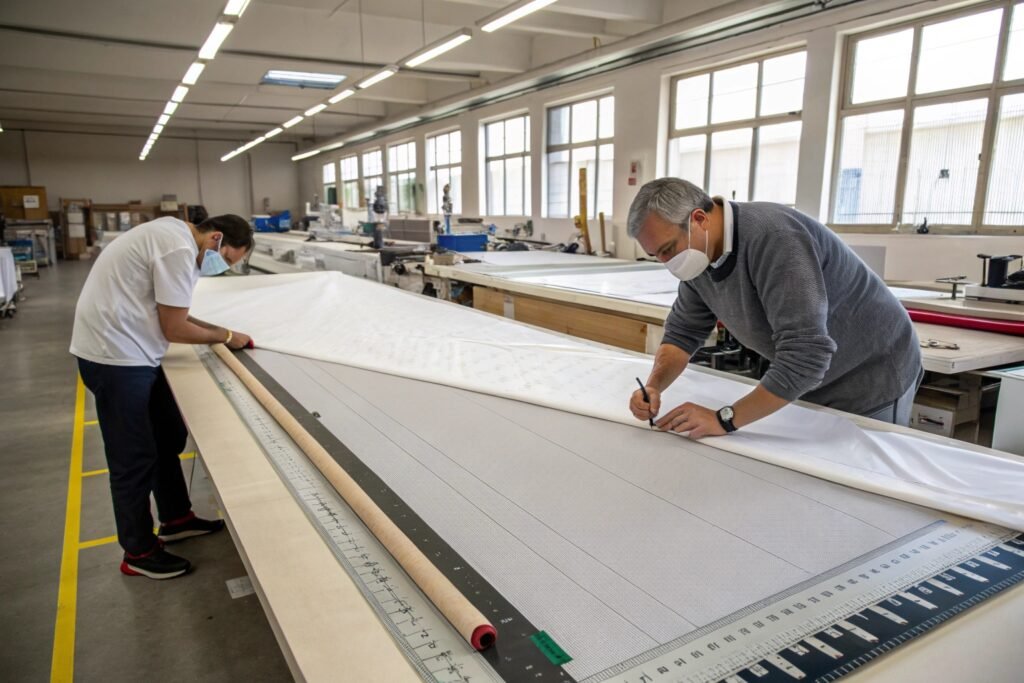
Fabric cutting is one of the most important steps in sewing, upholstery, garment manufacturing, quilting, and textile production. Even the best sewing techniques cannot fully correct mistakes made during cutting. If the fabric is cut inaccurately, the finished product may not fit properly, seams may become uneven, and material waste can increase significantly.
I have found that many cutting problems occur before the scissors or rotary cutter even touch the fabric. Wrinkles, poor alignment, inaccurate measurements, and fabric movement often cause more errors than the cutting tool itself.
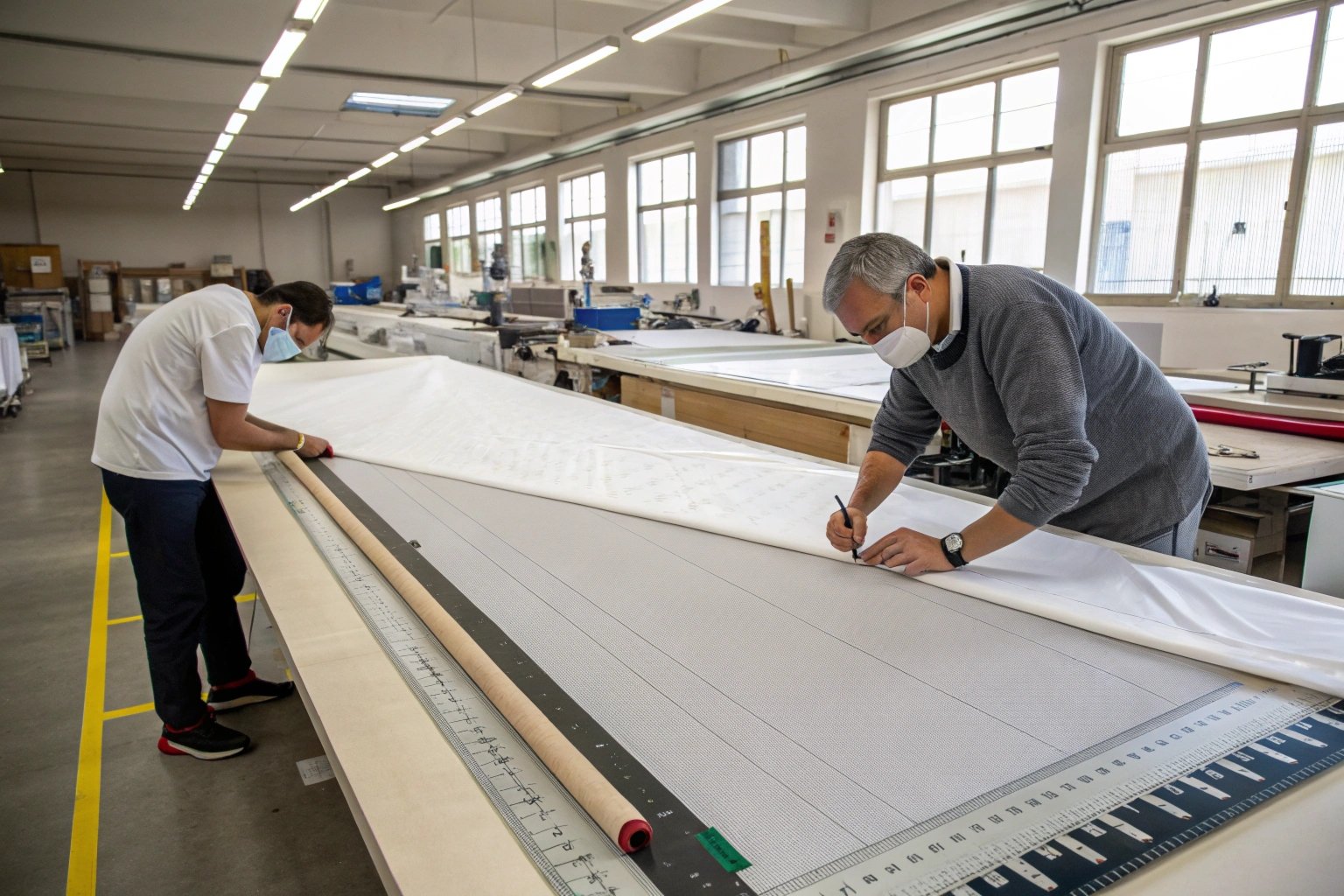
The best fabric-cutting method combines proper preparation, accurate measuring, stable positioning, and the correct cutting tool. While fabric scissors remain popular for detailed work, a sharp rotary cutter used on a cutting mat is often considered the most efficient general-purpose solution because it produces clean, straight cuts while keeping the fabric flat.
-
The best fabric-cutting method combines proper preparation, accurate measuring, stable positioning, and the right cutting tool to achieve clean edges, precise dimensions, and consistent results.
-
Preparing fabric by pressing, squaring the edges, and aligning it with the grain helps prevent distortion, improves accuracy, and reduces material waste during cutting.
-
Rotary cutters are widely regarded as the most efficient general-purpose option for straight cuts, while fabric scissors remain ideal for curves, detailed patterns, and precision adjustments.
-
Maintaining fabric stability with weights, pins, or clamps and using long, smooth cutting strokes can significantly improve cutting quality and overall project outcomes.
-
For synthetic webbing materials, hot knife cutting is often the preferred solution because it cuts and seals the fibers simultaneously, reducing fraying and improving durability in both manual and industrial applications.
The ideal cutting method depends on:
- Fabric type
- Pattern complexity
- Production volume
- Desired accuracy
- Cutting speed requirements
Understanding these factors helps ensure cleaner cuts and better finished products.
Why Proper Fabric Cutting Matters
Fabric cutting affects nearly every stage of production.
Even a small cutting error can create:
- Uneven seams
- Poor fit
- Wasted fabric
- Assembly difficulties
- Reduced product quality
Benefits of Accurate Fabric Cutting
| Benefit | Result |
|---|---|
| Better Accuracy | Improved Fit |
| Cleaner Edges | Professional Appearance |
| Reduced Waste | Lower Material Cost |
| Easier Sewing | Faster Assembly |
| Consistent Results | Better Quality |
Good cutting practices save both time and money.
Step 1: Prepare the Fabric Properly
Preparation is often overlooked, but it is one of the most important stages.
Before cutting, I always inspect and prepare the fabric.
Press the Fabric First
Wrinkles can distort measurements and cause inaccurate cuts.
Pressing the material helps:
- Remove wrinkles
- Improve accuracy
- Create a smoother cutting surface
- Prevent pattern distortion
Benefits of Pressing
| Benefit | Result |
|---|---|
| Flat Surface | Easier Measuring |
| Better Alignment | Improved Accuracy |
| Reduced Distortion | Cleaner Cuts |
A few minutes of preparation can prevent significant mistakes later.
Step 2: Square the Fabric
One of the best cutting habits is starting from a true straight edge.
This process is often called squaring the fabric.
Why Squaring Matters
If the edge is not square:
- Measurements become inaccurate
- Patterns may shift
- Finished pieces may not align correctly
Advantages of Squaring
| Benefit | Result |
|---|---|
| Straighter Cuts | Better Quality |
| More Accurate Measurements | Less Waste |
| Better Pattern Alignment | Improved Fit |
Starting from a square edge creates a reliable reference point for all future cuts.
Step 3: Align the Fabric on Grain
Fabric grain plays a major role in how the finished product behaves.
Cutting off-grain can affect:
- Fit
- Appearance
- Drape
- Stretch characteristics
Why Grain Matters
The grain direction influences how fabric hangs and moves.
Cutting on Grain Helps
- Improve garment fit
- Maintain shape
- Prevent twisting
- Increase consistency
Fabric Grain Benefits
| Benefit | Result |
|---|---|
| Better Drape | Improved Appearance |
| Proper Fit | More Comfort |
| Consistent Shape | Better Performance |
Ignoring grain direction often leads to disappointing results.
Step 4: Keep the Fabric Stable
Fabric movement is one of the biggest causes of cutting errors.
Before cutting, I secure the material properly.
Common Stabilization Methods
Pattern Weights
Weights hold the fabric flat without creating holes.
Pins
Pins can secure multiple layers effectively.
Clamps
Useful for larger materials in industrial settings.
Benefits of Stabilization
| Benefit | Result |
|---|---|
| Less Movement | Higher Accuracy |
| Better Control | Cleaner Cuts |
| Reduced Distortion | Improved Quality |
Keeping the material stationary greatly improves cutting precision.
Step 5: Choose the Right Cutting Tool
The cutting tool should match the project.
Different tools perform better in different situations.
Fabric Scissors
Fabric scissors remain one of the most versatile options.
They work particularly well for:
- Curves
- Detailed shapes
- Small projects
- Pattern adjustments
Rotary Cutters
Rotary cutters excel at:
- Straight cuts
- Quilting
- Multiple layers
- Long cutting lines
Tool Comparison
| Tool | Best For |
|---|---|
| Fabric Scissors | Curved Cuts |
| Rotary Cutter | Straight Cuts |
| Electric Cutter | Repetitive Work |
| Industrial Cutter | High Volume Production |
The best tool depends on the specific cutting task.
Why Rotary Cutters Are So Popular
Many professionals consider rotary cutters the most efficient general fabric-cutting tool.
Advantages of Rotary Cutters
- Fast operation
- High accuracy
- Smooth cutting action
- Minimal fabric movement
Best Applications
| Application | Performance |
|---|---|
| Quilting | Excellent |
| Long Straight Cuts | Excellent |
| Multi-Layer Cutting | Very Good |
| Curved Shapes | Good |
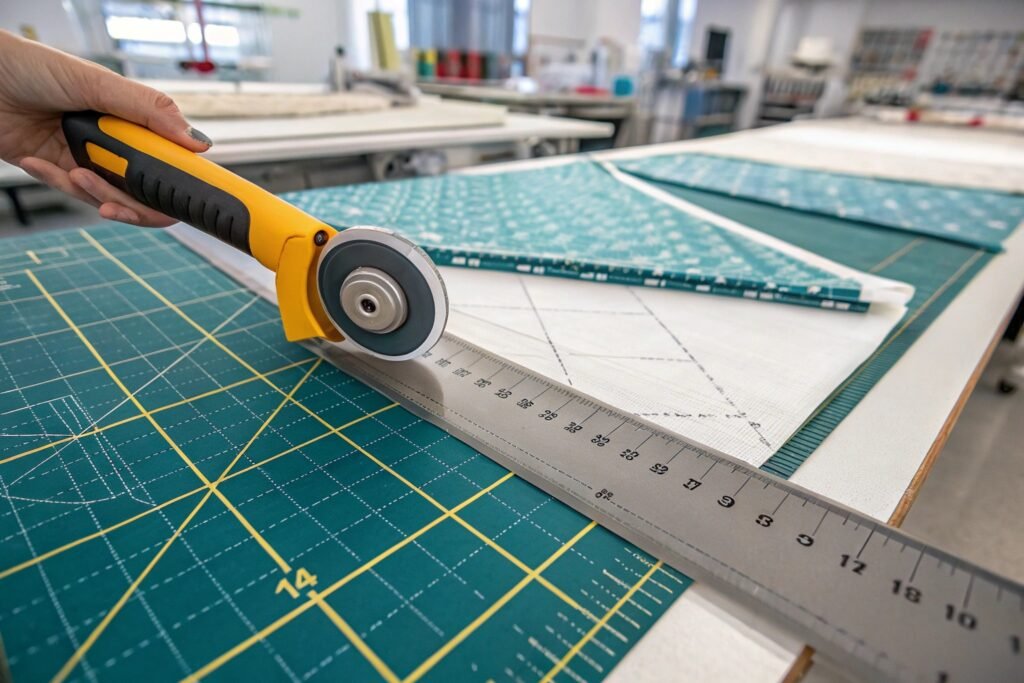
Because the blade rolls across the surface, fabric remains flat during cutting.
Use a Cutting Mat and Ruler
A rotary cutter performs best when paired with:
- Self-healing cutting mat
- Straight ruler
- Measuring guides
Benefits
| Tool | Benefit |
|---|---|
| Cutting Mat | Surface Protection |
| Ruler | Straight Guidance |
| Rotary Cutter | Clean Cuts |
Together, these tools significantly improve accuracy.
Step 6: Use Long, Smooth Cutting Strokes
Many beginners make the mistake of using short cutting motions.
Repeated small snips often create jagged edges.
Better Technique
Long, continuous strokes typically produce:
- Cleaner edges
- Straighter cuts
- Better appearance
Cutting Style Comparison
| Technique | Result |
|---|---|
| Long Smooth Stroke | Clean Edge |
| Multiple Small Snips | Jagged Edge |
| Sharp Blade | Better Finish |
| Dull Blade | Rough Edge |
The cutting technique is often just as important as the cutting tool.
Choosing the Best Fabric-Cutting Method
Different projects require different approaches.
Best Methods by Project Type
| Project | Recommended Method |
|---|---|
| Quilting | Rotary Cutter |
| Garment Sewing | Rotary Cutter + Scissors |
| Upholstery | Heavy-Duty Shears |
| Industrial Production | Automatic Cutter |
| Detailed Patterns | Fabric Scissors |
For general fabric cutting, a rotary cutter on a cutting mat is often the most efficient overall solution.
How to Cut Webbing Without Fraying?
Webbing presents a different challenge than ordinary fabric.
Nylon webbing, polyester webbing, and polypropylene webbing are woven synthetic materials. When cut, the exposed fibers tend to fray quickly.
The key is not only cutting the material but also sealing the edge.
Why Webbing Frays
Synthetic webbing consists of tightly woven fibers.
When cut:
- Fibers become exposed
- Strands loosen
- Edges begin unraveling
Problems Caused by Fraying
| Problem | Result |
|---|---|
| Loose Fibers | Poor Appearance |
| Edge Damage | Reduced Durability |
| Difficult Assembly | Slower Production |
Preventing fraying is essential for maintaining quality.
Best Method: Hot Knife Cutting
A hot knife is widely considered the best tool for cutting synthetic webbing.
How It Works
The heated blade:
- Cuts the material.
- Melts the fibers.
- Seals the edge.
- Prevents fraying.
Advantages
| Benefit | Result |
|---|---|
| Cuts and Seals Together | Faster Processing |
| Reduced Fraying | Better Appearance |
| Cleaner Edge | Professional Finish |
| Less Rework | Lower Labor Cost |
This is why hot knives are widely used in professional webbing production.
Alternative Method: Scissors Plus Heat Sealing
If a hot knife is unavailable, a simple manual method can still produce good results.
Step 1: Mark the Cut Line
Mark the desired length first.
Step 2: Use Sharp Scissors
Make one smooth cut.
Avoid sawing motions.
Step 3: Heat Seal Immediately
Use:
- Lighter
- Heated blade
- Soldering iron
- Heat source
The goal is to melt the fibers, not burn them.
Step 4: Press the Warm Edge
Pressing the edge while it remains warm helps fuse loose fibers together.
Benefits
| Benefit | Result |
|---|---|
| Better Fusion | Stronger Edge |
| Cleaner Appearance | Less Fraying |
| More Consistency | Better Quality |
This simple process can dramatically improve edge quality.
Industrial Solutions for Webbing Cutting
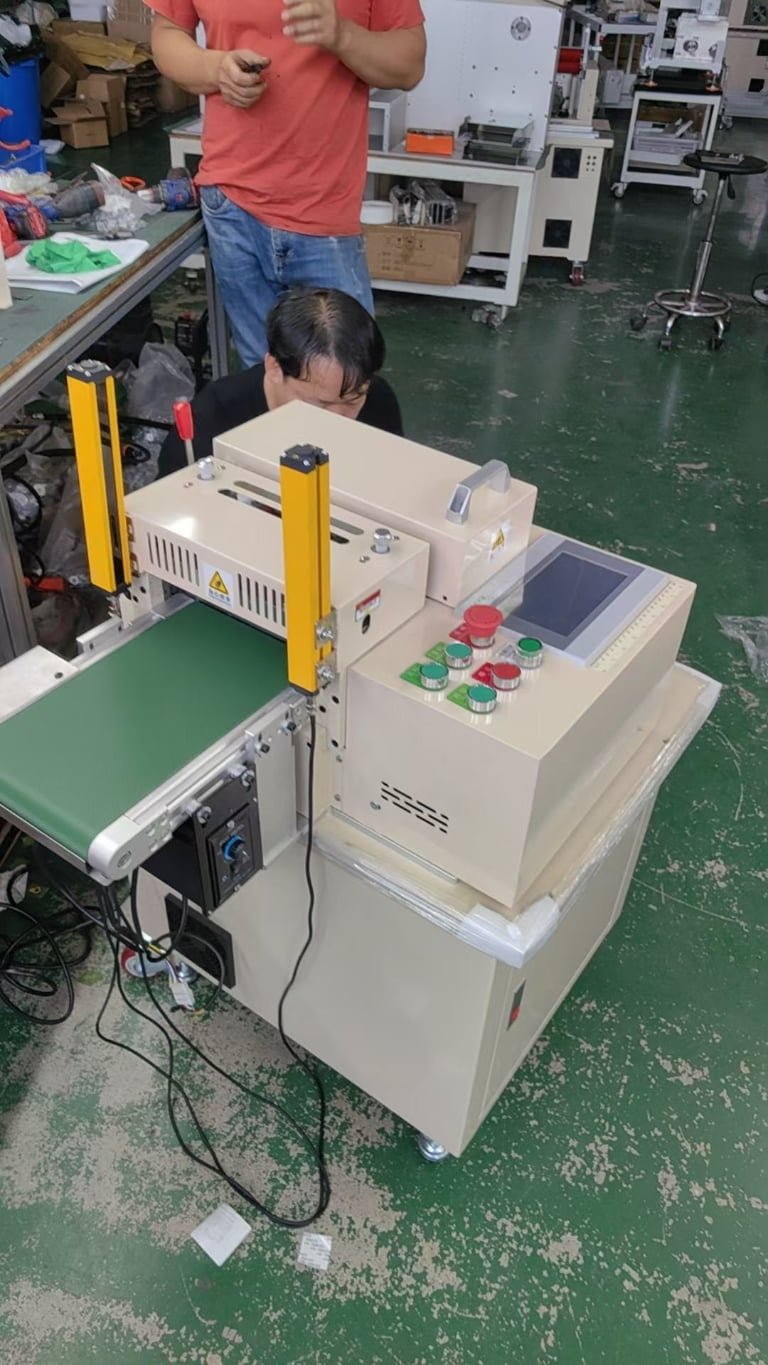
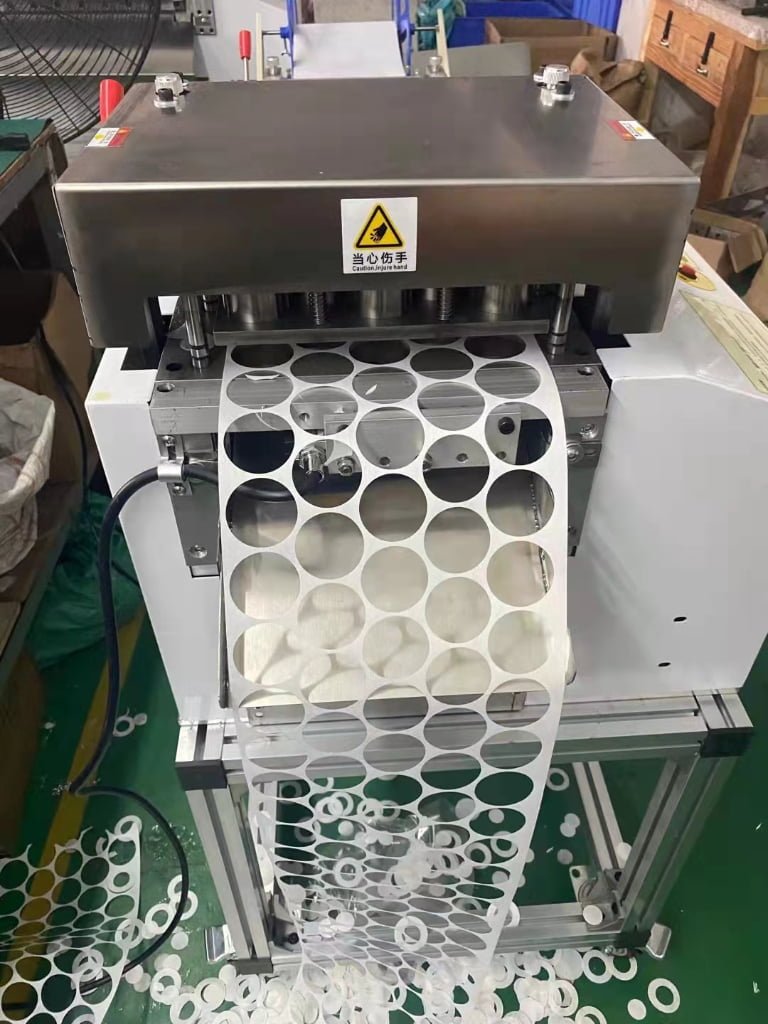
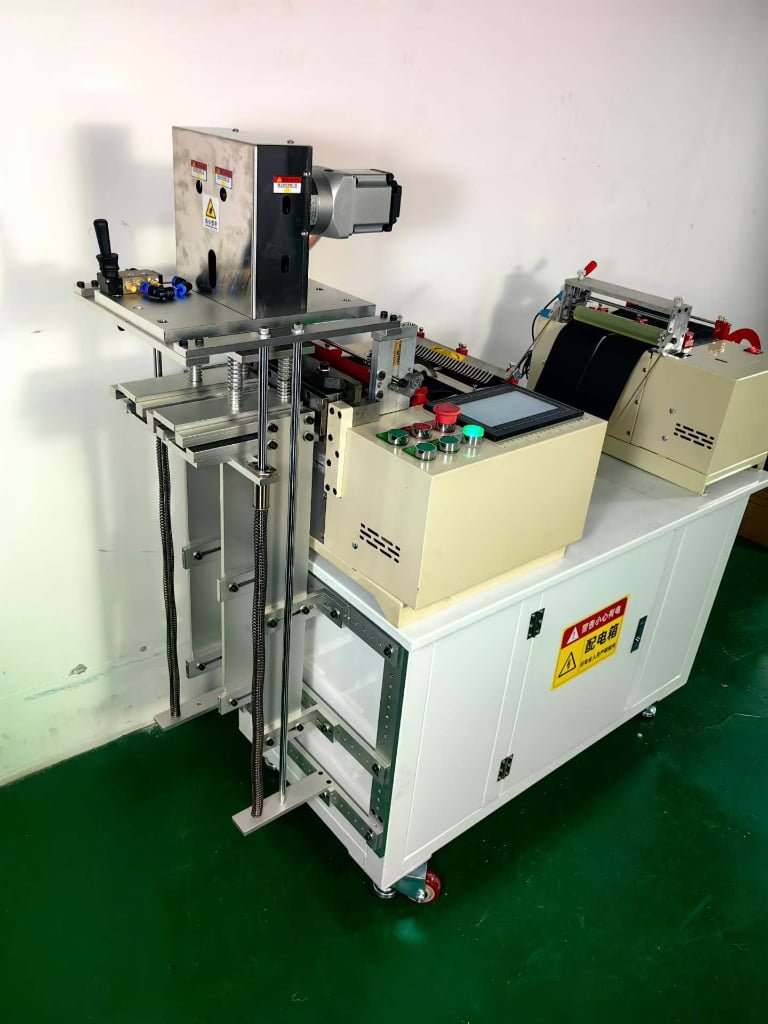
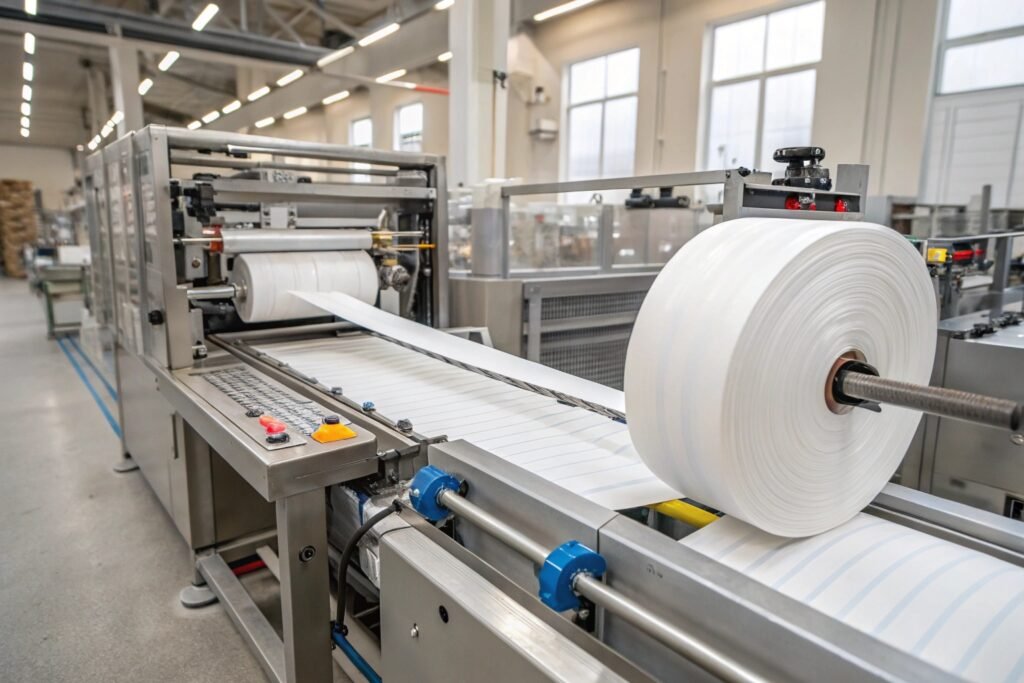
Manufacturers processing large quantities of webbing often use automated equipment.
Common systems include:
- Webbing tape cutting machine
- Hot and cold cutting machine
- High-speed trademark cutting machine
- Automatic punching cutting machine
- Round shape cutting machine
- Rotary bevel cutting machine
- Different shapes cutting machine
Advantages
| Benefit | Result |
|---|---|
| Automatic Feeding | Faster Production |
| Heat Sealing | Reduced Fraying |
| Accurate Lengths | Better Consistency |
| Reduced Labor | Lower Costs |
These systems are ideal for high-volume manufacturing.
Conclusion
The best method for cutting fabric begins with proper preparation. Squaring the fabric, aligning it on grain, stabilizing it with weights or pins, and using a sharp cutting tool all contribute to better results. For most projects, a rotary cutter used on a cutting mat provides the best balance of speed and accuracy, while fabric scissors remain ideal for curved and detailed cuts. When cutting synthetic webbing, preventing fraying is just as important as making the cut itself. A hot knife offers the most effective solution because it cuts and seals the material simultaneously, while manual cutting combined with immediate heat sealing provides a practical alternative for smaller projects.
Insights From HAOXINHE
At HAOXINHE, I work with customers that process webbing, ribbons, hook-and-loop tape, technical textiles, elastic materials, foam products, and other flexible materials. Through years of experience, I have found that cutting quality directly affects product consistency, production efficiency, and customer satisfaction.
For manufacturers producing large volumes of webbing and textile products, investing in a webbing tape cutting machine, hot and cold cutting machine, high-speed trademark cutting machine, or automatic punching cutting machine can significantly improve output while reducing labor costs. These systems combine measuring, feeding, cutting, sealing, and punching into a single workflow, helping manufacturers achieve cleaner edges, higher productivity, and more reliable quality control.