What Is a Fabric Cutter Called?
Fabric cutting is one of the most important processes in sewing, garment manufacturing, upholstery production, quilting, textile processing, and industrial fabrication. Every finished textile product begins with accurate cutting. Even the best sewing techniques cannot compensate for poorly cut fabric pieces.
When people ask, "What is a fabric cutter called?", the answer depends on the type of cutting tool being used. In home sewing, the most common answer is fabric scissors or fabric shears. In professional workshops, the term may refer to rotary cutters, electric fabric cutters, or industrial fabric cutting machines.
There is no single name that covers every fabric-cutting tool because different applications require different equipment. A hobbyist making simple garments may use dressmaking shears, while a factory cutting thousands of fabric pieces daily may rely on automated cutting systems.
-
A fabric cutter can refer to various tools, including fabric scissors, fabric shears, rotary cutters, electric cutters, and industrial cutting machines, with the best option depending on material type, precision requirements, and production volume.
-
Fabric scissors and shears remain the preferred choice for sewing and garment-making projects, while rotary cutters provide faster, more accurate straight cuts for quilting and repetitive tasks.
-
Electric fabric cutters improve productivity by reducing hand fatigue and delivering more consistent results, making them ideal for small-scale production environments.
-
Industrial cutting systems offer high-speed, high-precision fabric processing and are widely used in large-scale textile manufacturing to increase efficiency and reduce labor costs.
-
For webbing applications, clean hole punching is equally important, and methods such as hollow punches, heated tools, and automated punching machines help improve durability, accuracy, and overall product quality.
The best fabric cutter depends on:
- Fabric type
- Fabric thickness
- Production volume
- Required precision
- Budget
Understanding the different types of fabric cutters helps users choose the right solution for their specific projects.
Common Names for Fabric Cutters
Several terms are commonly used throughout the textile industry.
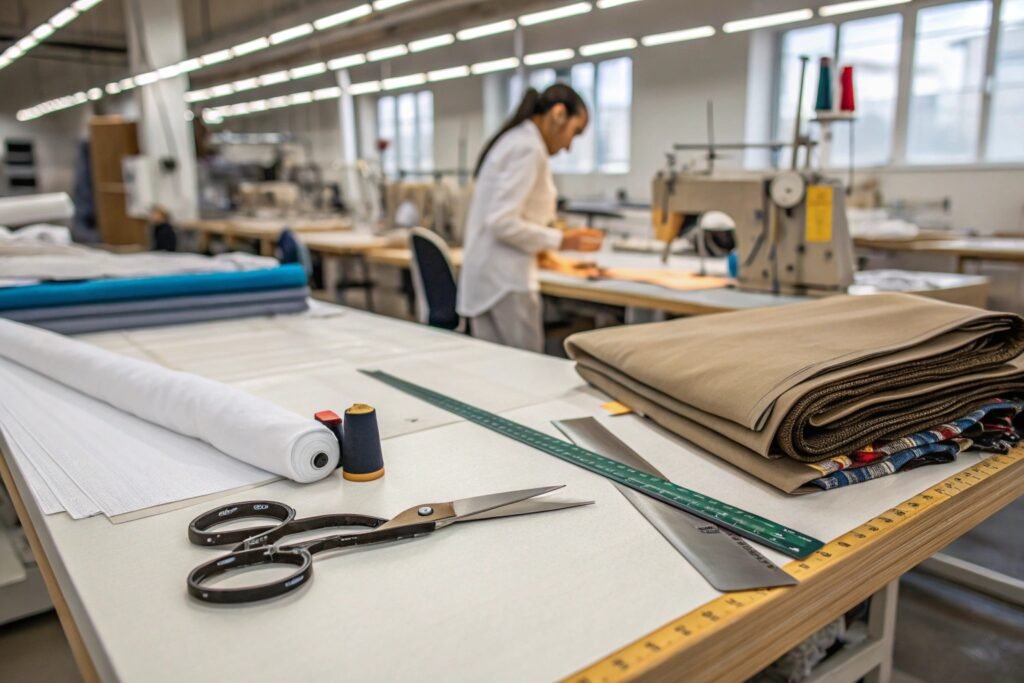
Fabric Scissors
Fabric scissors are the most widely recognized fabric-cutting tool.
They are designed specifically for cloth and have sharper blades than ordinary household scissors.
Fabric Shears
Fabric shears are a professional version of fabric scissors.
They typically feature:
- Longer blades
- Stronger leverage
- Greater cutting efficiency
- Improved accuracy
Dressmaking Shears
Dressmaking shears are widely used in garment production.
They are ideal for:
- Pattern cutting
- Clothing construction
- Alterations
- Fashion design
Comparison of Common Fabric Cutters
| Tool Name | Typical Use |
|---|---|
| Fabric Scissors | General Sewing |
| Fabric Shears | Professional Fabric Cutting |
| Dressmaking Shears | Garment Production |
| Rotary Cutter | Straight Cuts |
| Electric Fabric Cutter | Repetitive Cutting |
These names are often used interchangeably, depending on the industry and application.
Why Fabric Scissors Are So Popular
Fabric scissors remain one of the most commonly used cutting tools because they are:
- Affordable
- Easy to use
- Accurate
- Versatile
Advantages of Fabric Scissors
| Benefit | Result |
|---|---|
| Easy Control | Better Precision |
| Low Cost | Accessible |
| Versatile | Suitable for Many Fabrics |
| Portable | Convenient Use |
Most home sewing enthusiasts start with a quality pair of fabric scissors.
Why Household Scissors Are Not Ideal
Many beginners use ordinary household scissors for fabric.
However, this often leads to:
- Jagged edges
- Fabric distortion
- Increased effort
- Reduced accuracy
Comparison
| Tool | Fabric Cutting Quality |
|---|---|
| Household Scissors | Fair |
| Fabric Scissors | Good |
| Fabric Shears | Excellent |
Specialized fabric-cutting tools produce much better results.
Rotary Cutters: Another Popular Fabric Cutter
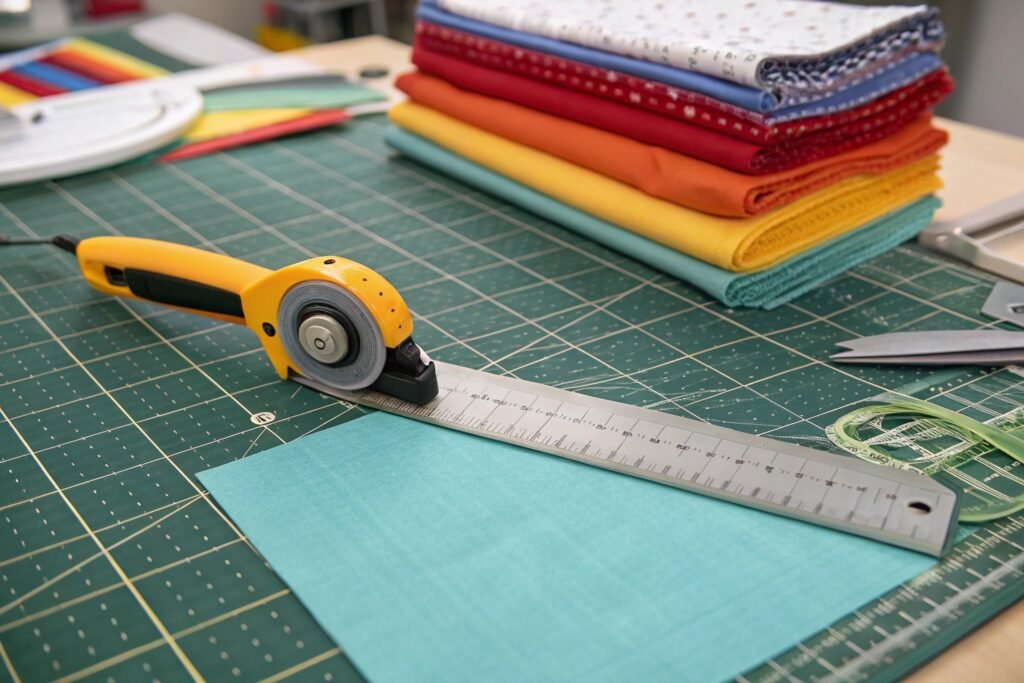
A rotary cutter uses a circular blade that rolls across the fabric surface.
Many professionals prefer rotary cutters for straight-line cutting.
Benefits of Rotary Cutters
- High speed
- Excellent accuracy
- Smooth cutting action
- Reduced fabric movement
Best Applications
| Application | Performance |
|---|---|
| Quilting | Excellent |
| Straight Cuts | Excellent |
| Multiple Layers | Very Good |
| Curved Cuts | Good |
Rotary cutters are especially useful for repetitive cutting tasks.
Why a Cutting Mat Is Important
Rotary cutters are typically used with a cutting mat.
A cutting mat helps:
- Protect the work surface
- Extend blade life
- Improve measuring accuracy
- Increase safety
Rotary Cutting Setup
| Tool | Purpose |
|---|---|
| Rotary Cutter | Cutting |
| Cutting Mat | Surface Protection |
| Ruler | Straight Guidance |
Together, these tools create a highly efficient cutting system.
Electric Fabric Cutters
When cutting volume increases, manual tools may become inefficient.
Electric cutters provide a faster solution.
Common Types
Electric Scissors
Designed to reduce hand fatigue.
Cordless Fabric Cutters
Portable and convenient for repetitive work.
Electric Rotary Cutters
Provide powered cutting performance.
Advantages
| Benefit | Result |
|---|---|
| Faster Cutting | Increased Productivity |
| Less Hand Strain | Better Comfort |
| Consistent Results | Higher Quality |
Electric tools are commonly used in small production environments.
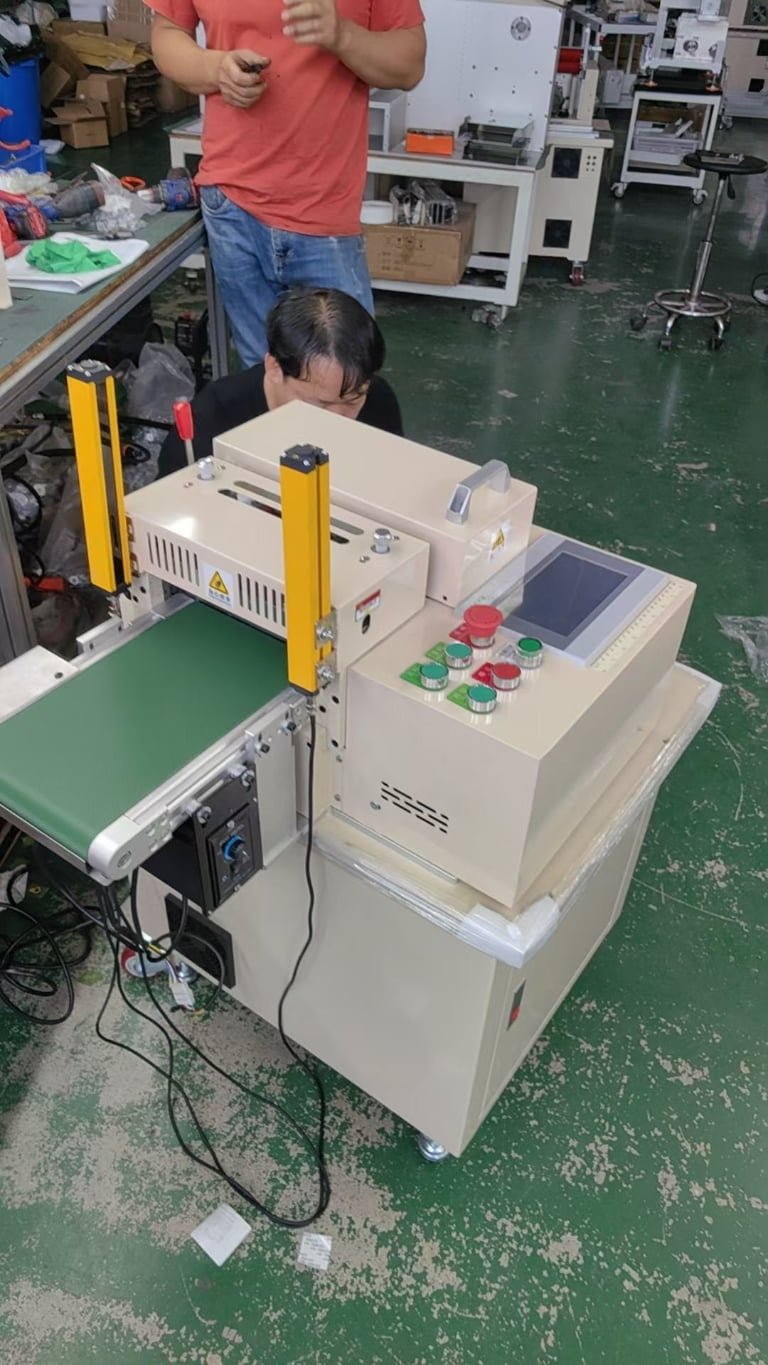
Industrial Fabric Cutting Machines
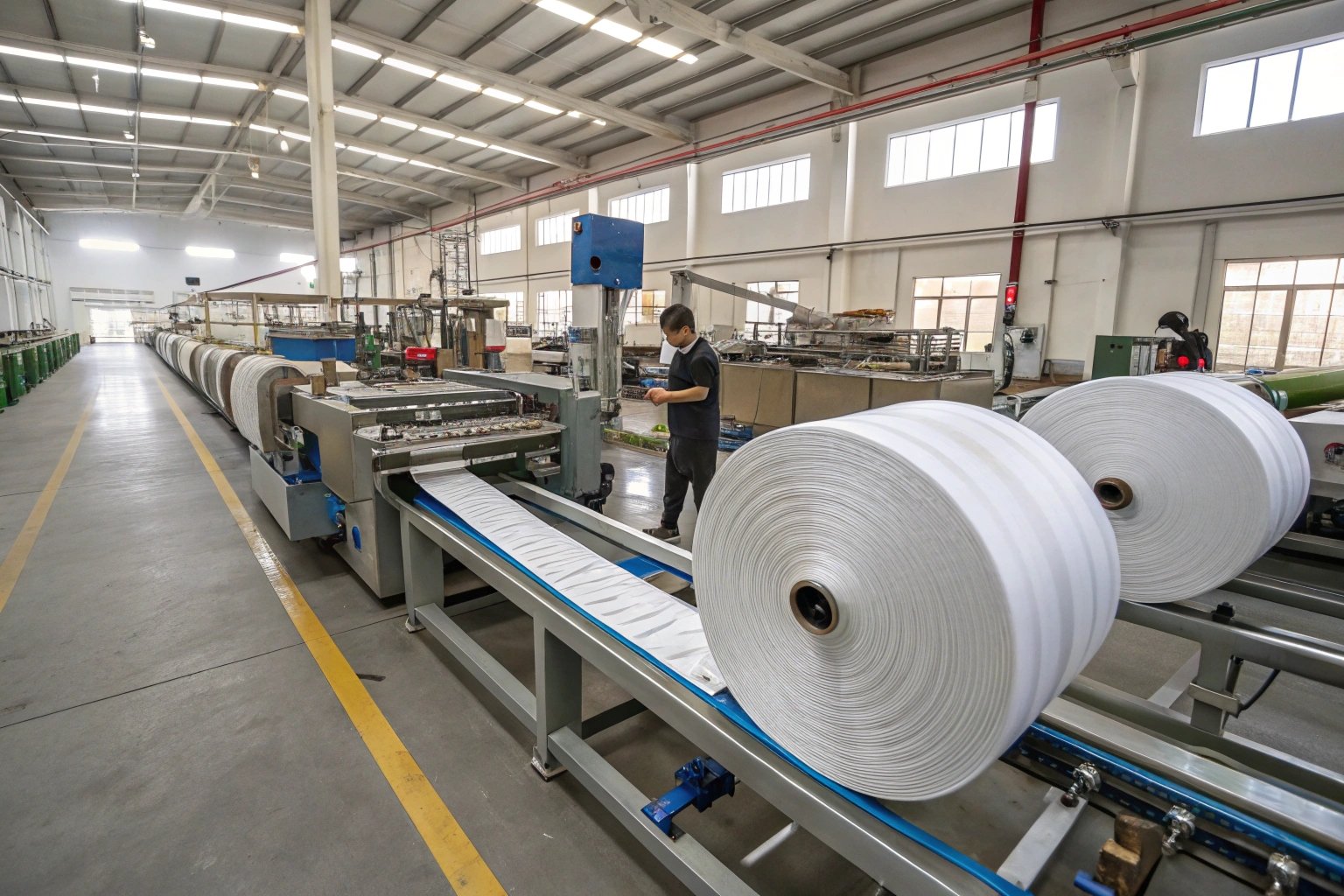
Factories often require large-scale cutting systems.
Industrial machines are designed to process large quantities of fabric quickly and accurately.
Common Industrial Machines
- Straight knife cutting machine
- Round knife cutting machine
- CNC fabric cutter
- Automatic fabric cutter
- Laser cutter
- Ultrasonic cutter
Benefits
| Benefit | Result |
|---|---|
| High Speed | Greater Output |
| High Accuracy | Better Consistency |
| Reduced Labor | Lower Costs |
| Multi-Layer Cutting | Improved Efficiency |
These machines are essential for large-scale textile manufacturing.
Which Fabric Cutter Is Best?
The answer depends on the project.
Quick Selection Guide
| Requirement | Recommended Tool |
|---|---|
| Home Sewing | Fabric Scissors |
| Garment Making | Dressmaking Shears |
| Quilting | Rotary Cutter |
| Thick Fabrics | Industrial Shears |
| High Volume Production | Automatic Cutter |
For most home users, fabric scissors and fabric shears remain the most practical choice.
How to Punch Holes in Webbing?
Webbing is commonly used in:
- Safety harnesses
- Pet collars
- Backpacks
- Cargo straps
- Tactical equipment
- Outdoor gear
Many webbing products require holes for:
- Buckles
- Rivets
- Fasteners
- Hooks
- Adjustment systems
Creating clean holes is important because poor punching can weaken the material and reduce product quality.
Why Proper Hole Punching Matters
Poorly formed holes may:
- Tear during use
- Look unprofessional
- Cause assembly issues
- Reduce durability
Benefits of Clean Hole Punching
| Benefit | Result |
|---|---|
| Better Appearance | Professional Finish |
| Stronger Material | Increased Durability |
| Easier Assembly | Faster Production |
| Improved Accuracy | Better Product Quality |
Proper punching techniques help maintain webbing performance.
Method 1: Hand Hole Punch
For small projects, a manual hole punch is often sufficient.
Advantages
- Low cost
- Easy operation
- Portable
Best Applications
- Pet collars
- Small straps
- DIY projects
Limitations
| Limitation | Effect |
|---|---|
| Slower Speed | Lower Productivity |
| Operator Variation | Inconsistent Results |
| Limited Capacity | Small Volumes Only |
Manual punches work well for occasional use.
Method 2: Hollow Punch Tool
A hollow punch creates circular holes by cutting through the material.
Advantages
- Cleaner holes
- Better precision
- Multiple size options
Process
- Place webbing on a cutting surface.
- Position the punch.
- Strike with a hammer.
- Remove the cut section.
This method produces cleaner holes than many improvised techniques.
Method 3: Heated Punching
Some synthetic webbings can be punched using heated tools.
Benefits
- Hole creation
- Edge sealing
- Reduced fraying
Suitable Materials
| Material | Suitable? |
|---|---|
| Nylon Webbing | Yes |
| Polyester Webbing | Yes |
| Cotton Webbing | No |
Heat helps seal synthetic fibers around the hole.
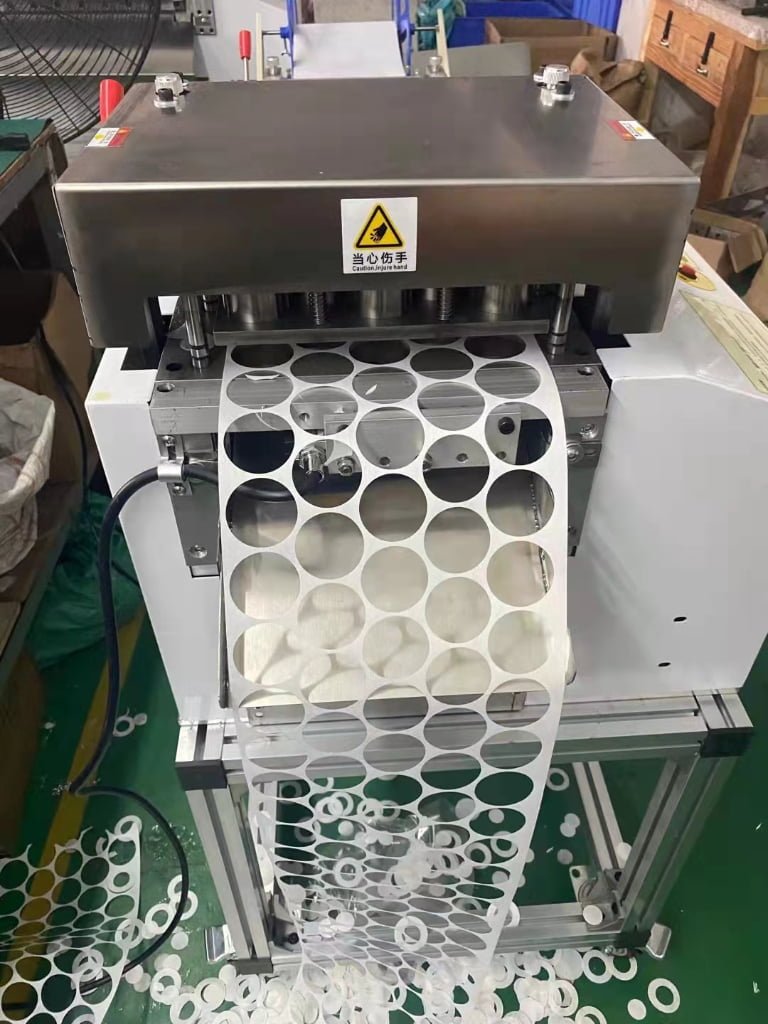
Method 4: Automatic Punching Machines
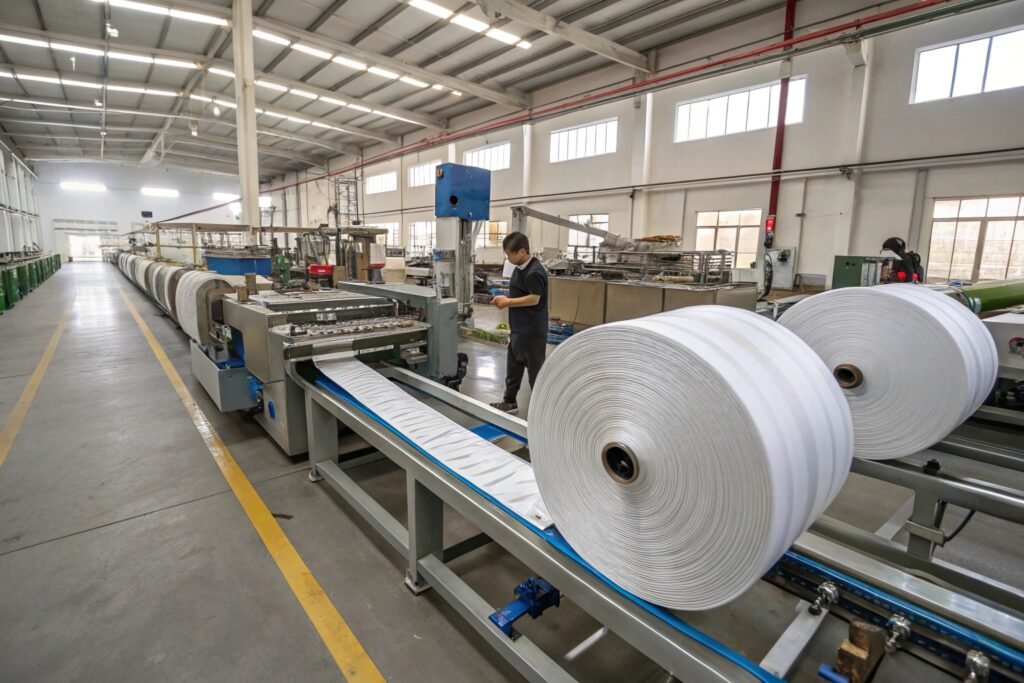
Manufacturers often require high-speed, repeatable hole punching.
Automatic punching systems provide the best results for production environments.
Advantages
| Benefit | Result |
|---|---|
| High Speed | Greater Output |
| Consistent Holes | Better Quality |
| Reduced Labor | Lower Costs |
| Precise Positioning | Improved Accuracy |
These machines are commonly used in industrial webbing processing.
Industrial Hole Punching Equipment
Many factories use:
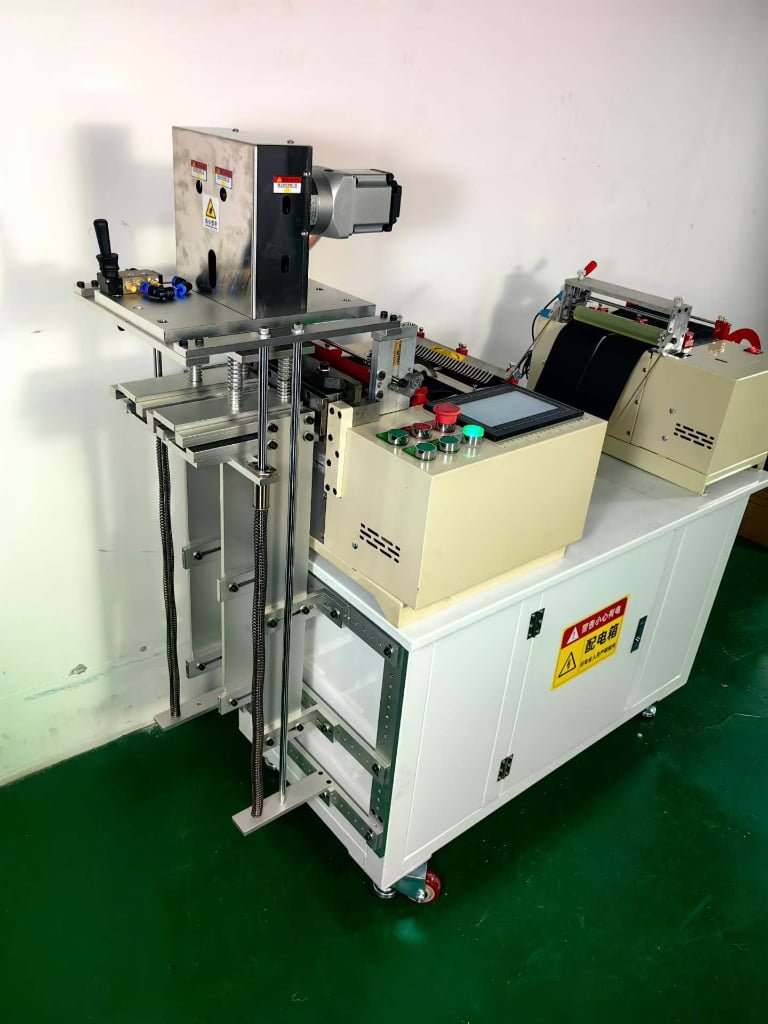
- Automatic punching cutting machine
- Webbing tape cutting machine
- Hot and cold cutting machine
- High-speed trademark cutting machine
These systems can cut, seal, and punch webbing in a single operation.
Common Hole Punching Mistakes
Several mistakes can reduce hole quality.
Using Dull Punches
Dull tools create rough edges.
Poor Support Surface
Soft surfaces reduce punching accuracy.
Incorrect Hole Placement
Misaligned holes create assembly problems.
No Edge Reinforcement
High-stress applications may require additional reinforcement.
Mistake Summary
| Mistake | Result |
|---|---|
| Dull Tool | Rough Hole |
| Poor Alignment | Assembly Problems |
| Weak Support | Inconsistent Results |
| No Reinforcement | Reduced Durability |
Avoiding these mistakes improves both quality and durability.
Conclusion
A fabric cutter can refer to several different tools, including fabric scissors, fabric shears, rotary cutters, electric cutters, and industrial cutting machines. The most familiar answer for most people is fabric scissors or fabric shears, while rotary cutters are often preferred for long straight cuts. When it comes to webbing, creating clean holes is just as important as cutting the material itself. Manual punches, hollow punches, heated punching tools, and automatic punching machines can all be effective depending on production requirements. For large-scale manufacturing, automated punching systems provide the highest levels of speed, consistency, and efficiency.
Insights From HAOXINHE
At HAOXINHE, I work closely with manufacturers that process nylon webbing, polyester straps, ribbons, hook-and-loop tape, elastic materials, and technical textiles. One thing I consistently observe is that punching quality directly affects product performance and assembly efficiency.
For companies producing webbing products in large quantities, a professional automatic punching cutting machine combined with a webbing tape cutting machine or hot and cold cutting machine can significantly improve production speed and consistency. These systems automate measuring, cutting, sealing, and hole punching, helping manufacturers reduce labor costs, minimize waste, and achieve reliable product quality across every production batch.