What Tool Is Used to Cut Webbing?
Webbing is widely used in products such as backpacks, pet collars, cargo straps, safety harnesses, tactical equipment, luggage, outdoor gear, and industrial lifting systems. Nylon webbing, polyester webbing, polypropylene webbing, and cotton webbing all offer excellent strength and flexibility, but they also present a common challenge: achieving a clean cut without excessive fraying.
Many people assume that any cutting tool will work. However, the quality of the cut directly affects the appearance, durability, and performance of the finished product. A rough cut can leave loose fibers, create uneven edges, and increase the amount of finishing work required.
The best cutting tool depends on several factors:
- Material type
- Production volume
- Desired edge quality
- Budget
- Speed requirements
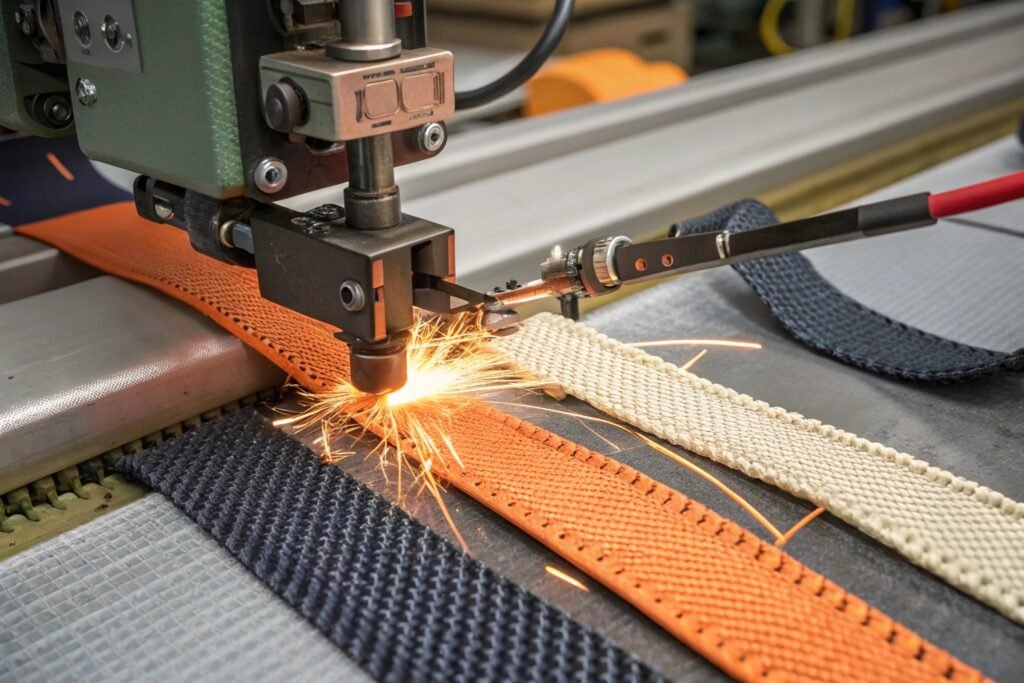
For most synthetic webbings such as nylon and polyester, a hot knife is generally considered the best cutting tool because it cuts and seals the material simultaneously.
- The best tool used to cut webbing is typically a hot knife, as it cuts and seals synthetic materials such as nylon and polyester in a single step, preventing fraying and improving edge quality.
- While scissors, utility knives, and razor blades can cut webbing effectively for small projects, they usually require additional heat sealing to maintain durability and a professional finish.
- For synthetic webbing, a hot knife cutter delivers cleaner edges, faster processing, and reduced finishing work, making it the preferred solution for both workshops and manufacturers.
- High-volume production often relies on automated webbing cutting machines that integrate measuring, feeding, cutting, and sealing functions to improve accuracy and efficiency.
- Selecting the right webbing cutting tool depends on material type, production scale, edge-finish requirements, and overall manufacturing goals.
Why Webbing Requires Special Cutting Methods
Unlike solid materials, webbing consists of woven fibers.
When these fibers are cut, the ends become exposed. If the edge is not sealed properly, the fibers may begin to unravel.
Common Problems After Cutting
| Problem | Result |
|---|---|
| Fraying | Poor Appearance |
| Loose Fibers | Reduced Durability |
| Uneven Cuts | Difficult Assembly |
| Extra Finishing Work | Higher Labor Costs |
This is why cutting and sealing are often treated as a single process when working with synthetic webbing.
The Most Common Tool: Hot Knife
A hot knife uses a heated blade to cut through webbing while simultaneously sealing the edge.
As the blade melts through the synthetic fibers, the exposed strands fuse together.
Advantages of a Hot Knife
| Benefit | Result |
|---|---|
| Cuts and Seals Together | Faster Processing |
| Prevents Fraying | Cleaner Edges |
| Better Appearance | Professional Finish |
| Reduced Labor | Less Finishing Work |
| Consistent Results | Better Quality |
This makes hot knives especially effective for:
- Nylon webbing
- Polyester webbing
- Synthetic straps
- Hook-and-loop tape
- Technical textiles
Why Synthetic Materials Respond Well
Nylon and polyester are thermoplastic materials.
When heated, they soften and melt rather than unravel.
This allows the cut edge to seal automatically during the cutting process.
Alternative Tools for Occasional Use
Not every project requires a hot knife.
For occasional cutting, simpler tools may be sufficient.
Sharp Scissors
Scissors work well for small jobs and light-duty applications.
However, they do not seal the edge.
Utility Knives and Razor Blades
Sharp blades can produce clean cuts when used correctly.
Tool Comparison
| Tool | Edge Quality | Fraying Protection |
|---|---|---|
| Scissors | Good | Poor |
| Razor Blade | Good | Poor |
| Utility Knife | Good | Poor |
| Hot Knife | Excellent | Excellent |
When using scissors or knives, edge sealing is usually required afterward.
Best Practices for Cutting Webbing
Regardless of the tool being used, several techniques improve results.
Mark the Cut Line
Before cutting, I always mark the desired length.
This improves:
- Accuracy
- Repeatability
- Consistency
Use a Stable Surface
A flat workbench helps prevent movement during cutting.
Make One Smooth Cut
A single continuous motion generally produces a cleaner edge than repeated sawing motions.
Cutting Technique Comparison
| Technique | Result |
|---|---|
| Single Smooth Cut | Clean Edge |
| Sawing Motion | Rough Edge |
| Sharp Blade | Better Finish |
| Dull Blade | Fiber Damage |
Proper cutting technique can dramatically improve quality.
Seal the Edge Immediately
If a hot knife is not used, the edge should be sealed as soon as possible.
This helps prevent the fibers from unraveling.
Common Sealing Methods
- Lighter
- Heated blade
- Soldering tool
- Hot knife
Immediate sealing typically provides the cleanest finish.
Press the Warm Edge
After heat sealing, gently pressing the edge while it remains warm can improve the seal.
Benefits include:
- Better fiber fusion
- Smoother appearance
- Increased durability
Manual vs Industrial Cutting
| Method | Best For |
|---|---|
| Scissors | Occasional Use |
| Utility Knife | Small Projects |
| Hot Knife | Professional Results |
| Industrial Cutter | High Volume Production |
The ideal method depends on production requirements.
Industrial Webbing Cutting Solutions
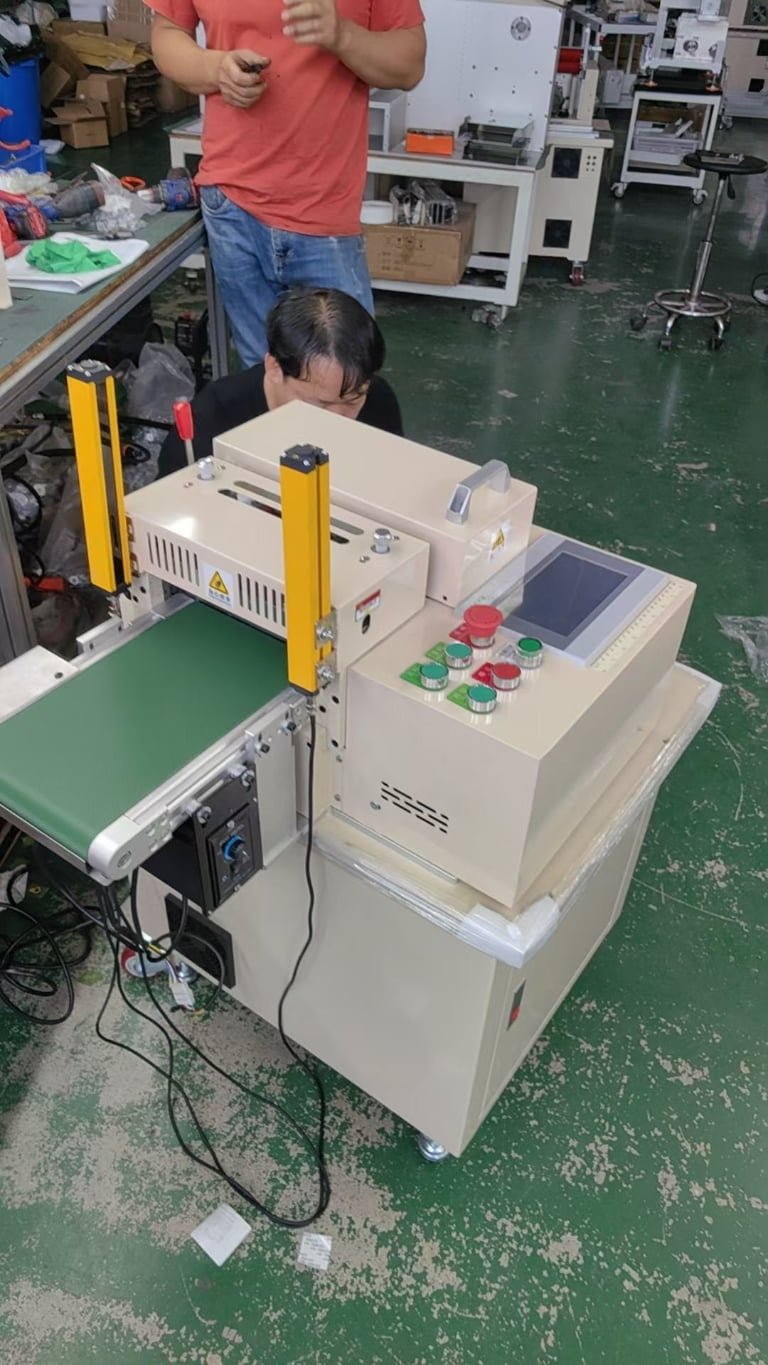
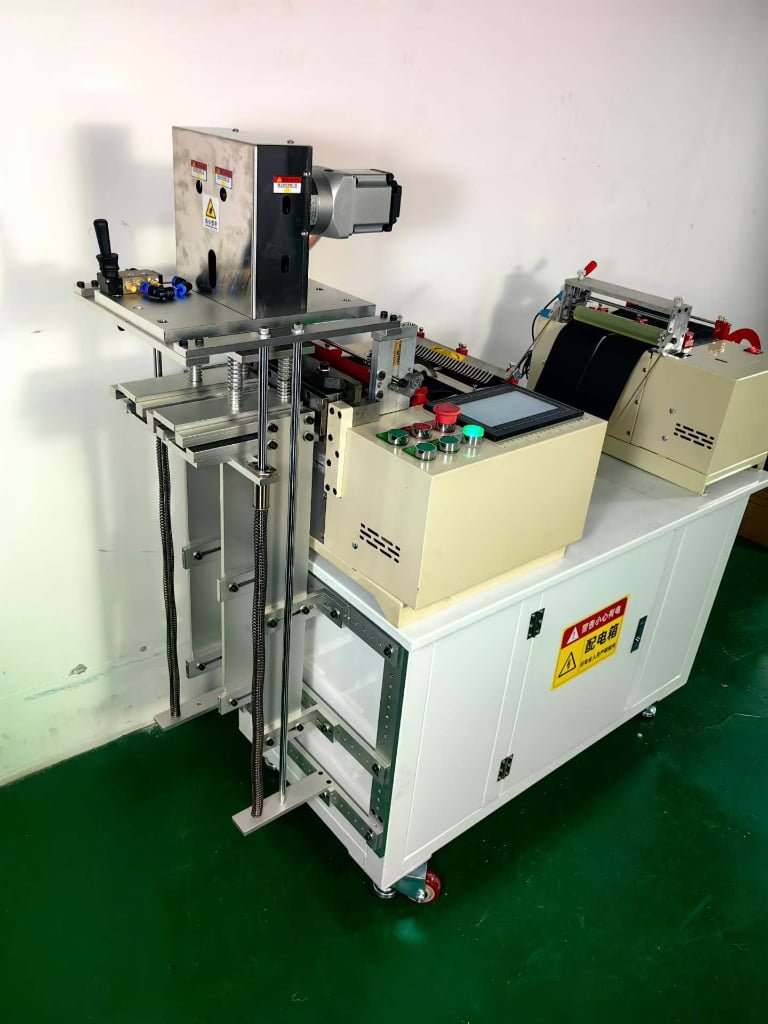
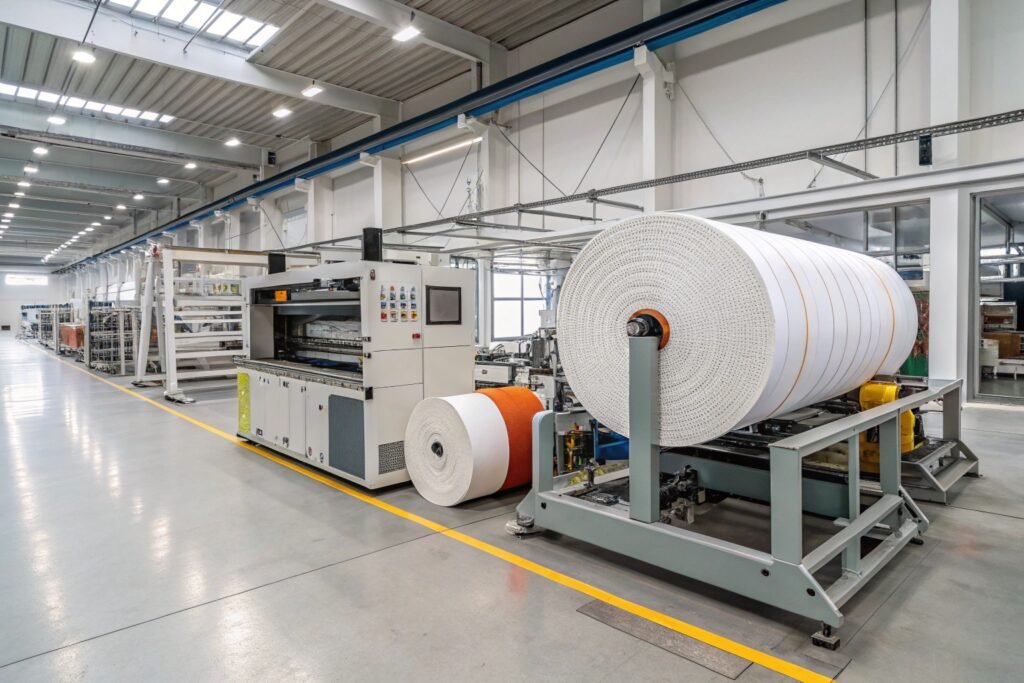
Manufacturers processing large quantities of webbing often rely on automated equipment.
These systems can:
- Feed material automatically
- Measure precise lengths
- Cut accurately
- Seal edges
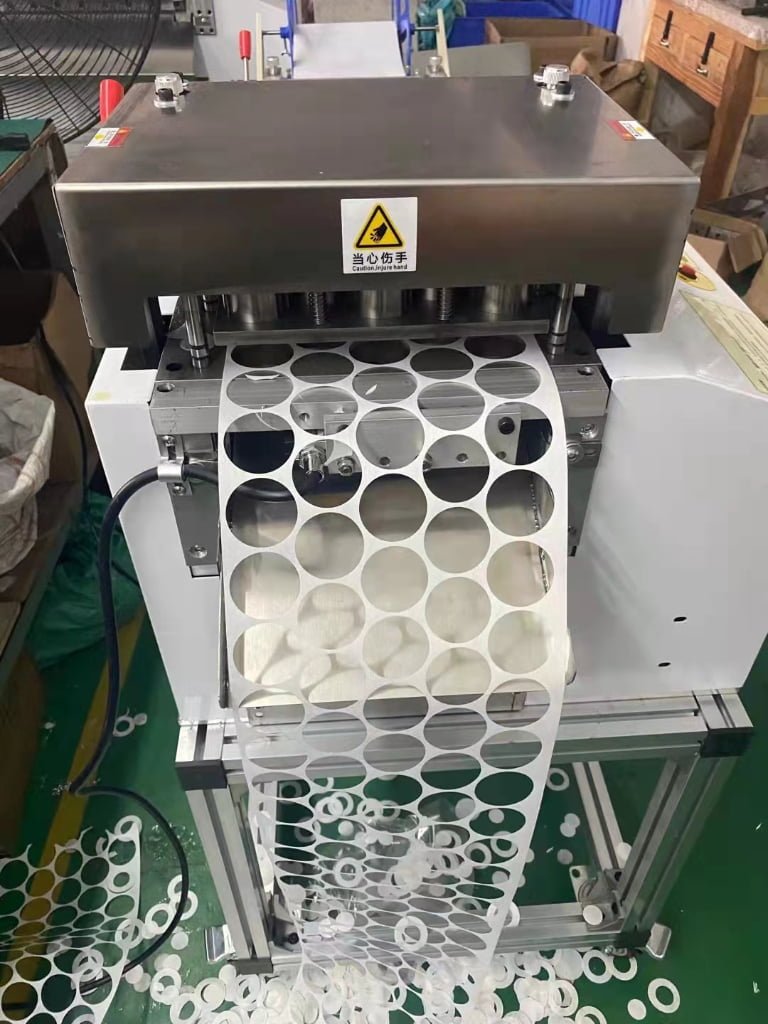
- Punch holes
- Create shapes
Common Industrial Equipment
- Webbing tape cutting machine
- Hot and cold cutting machine
- High-speed trademark cutting machine
- Automatic punching cutting machine
- Round shape cutting machine
- Rotary bevel cutting machine
- Different shapes cutting machine
These machines improve both productivity and consistency.
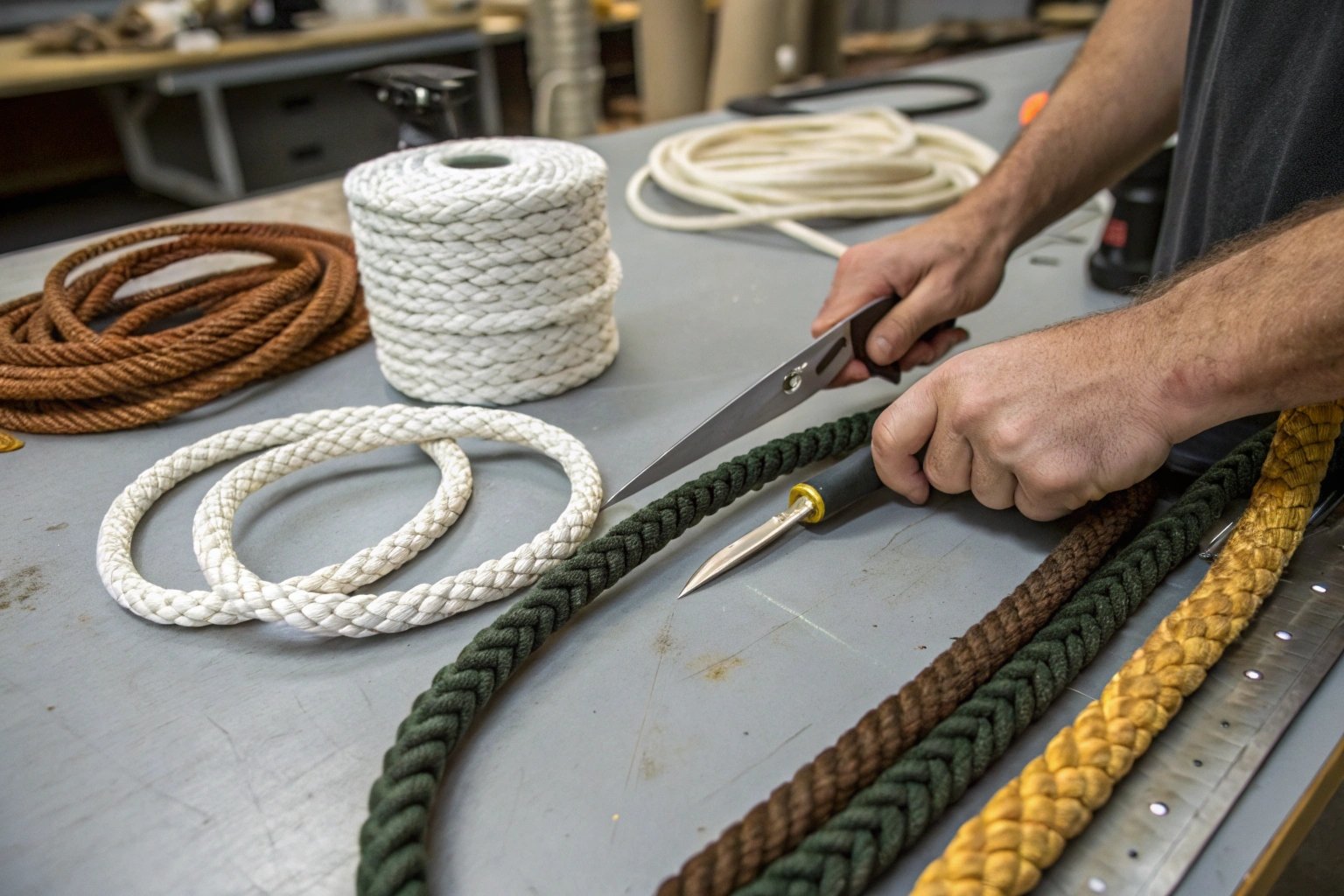
Can You Use a Box Cutter to Cut Rope?
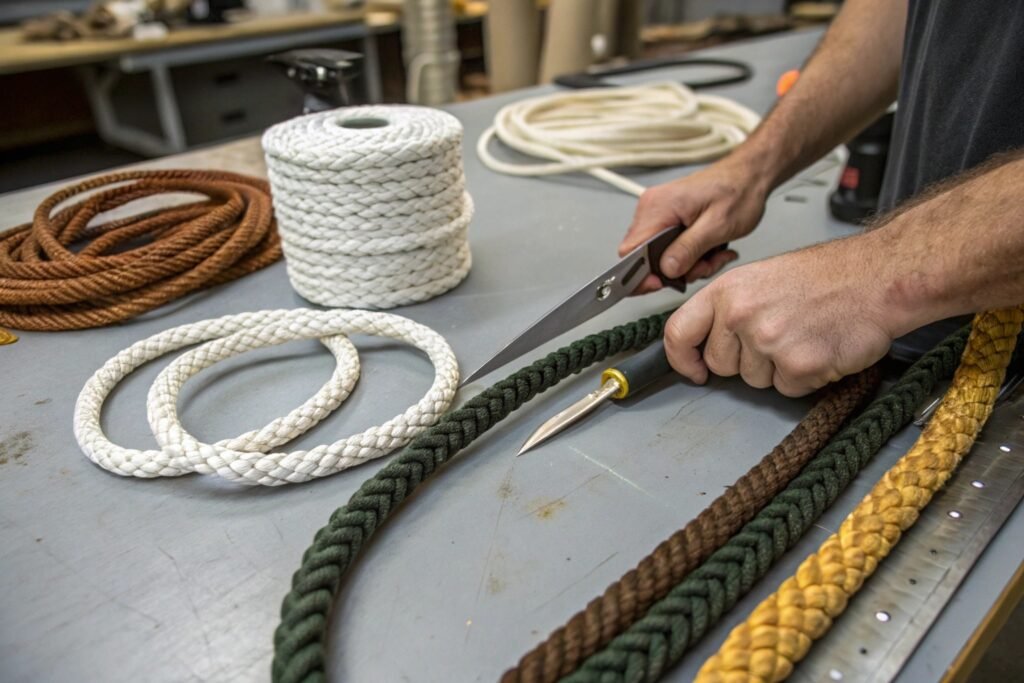
Yes, a box cutter can cut rope, but whether it is the best option depends on the rope material and thickness.
A box cutter uses a sharp replaceable blade that can slice through many types of rope effectively.
For occasional rope cutting, it is often a convenient and inexpensive solution.
Advantages of a Box Cutter
| Benefit | Description |
|---|---|
| Low Cost | Widely Available |
| Sharp Blade | Good Cutting Ability |
| Portable | Easy to Carry |
| Replaceable Blades | Consistent Sharpness |
For thin and medium-sized ropes, a box cutter can work surprisingly well.
Limitations of Box Cutters
Several challenges appear when cutting thicker ropes.
Common Problems
- Blade binding
- Fiber crushing
- Inconsistent cuts
- Increased effort
Thick braided ropes may require multiple passes.
Box Cutter Performance by Rope Type
| Rope Type | Performance |
|---|---|
| Nylon Rope | Good |
| Polyester Rope | Good |
| Paracord | Excellent |
| Cotton Rope | Good |
| Thick Marine Rope | Fair |
The sharper the blade, the better the results.
Tips for Better Results
Use a New Blade
Fresh blades produce cleaner cuts.
Wrap Tape Around the Cut Line
Masking tape helps hold fibers together during cutting.
Cut on a Stable Surface
Proper support improves safety and accuracy.
Make One Smooth Cut
Avoid repeated sawing motions whenever possible.
While a box cutter is useful, it is not always the most efficient option for frequent rope cutting.
What Blade Is Best for Cutting Rope?
The ideal blade depends on the rope material and application.
Different rope types respond better to different blade designs.
Straight Edge Blades
Straight blades are excellent for synthetic ropes when sharp.
Advantages
- Clean cuts
- Easy maintenance
- Precise control
Serrated Blades
Serrated blades excel on thicker or tougher ropes.
Advantages
- Better grip on fibers
- Easier cutting of thick rope
- Effective on natural materials
Hot Knife Blades
For synthetic ropes, heated blades often produce the best overall results.
Benefits
- Cuts and seals simultaneously
- Prevents fraying
- Creates professional finishes
Blade Comparison
| Blade Type | Synthetic Rope | Natural Rope |
|---|---|---|
| Straight Blade | Excellent | Good |
| Serrated Blade | Very Good | Excellent |
| Utility Blade | Good | Good |
| Hot Knife Blade | Excellent | Poor |
Best Blade by Rope Material
Nylon Rope
Hot knife blade or sharp utility blade.
Polyester Rope
Hot knife blade.
Paracord
Hot knife blade.
Cotton Rope
Sharp serrated blade.
Sisal Rope
Sharp serrated blade.
Why Hot Knife Blades Often Win
For synthetic ropes, hot knife blades provide several advantages.
| Benefit | Result |
|---|---|
| Cuts and Seals | One-Step Processing |
| Prevents Fraying | Cleaner Ends |
| Faster Production | Improved Efficiency |
| Better Appearance | Professional Finish |
Because nylon and polyester melt when heated, hot knife blades often provide the highest-quality result.
Choosing the Best Rope-Cutting Solution
The best tool depends on how often the rope is cut and what materials are involved.
Quick Selection Guide
| Requirement | Recommended Tool |
|---|---|
| Occasional Rope Cutting | Box Cutter |
| Thick Rope | Serrated Knife |
| Nylon Rope | Hot Knife |
| Polyester Rope | Hot Knife |
| High-Volume Production | Rope Cutting Machine |
| Best Overall Finish | Hot Knife Cutter |
Matching the tool to the material will always produce better results.
Conclusion
The most common tool used to cut webbing is a hot knife because it cuts and seals synthetic fibers at the same time. While scissors and razor blades can work for occasional projects, they usually require additional heat sealing to prevent fraying. A box cutter can cut many types of rope effectively, especially when equipped with a sharp blade, but it may struggle with thicker ropes. For rope cutting, the best blade depends on the material. Hot knife blades are often the preferred option for nylon and polyester ropes because they create clean, sealed edges in a single operation, while serrated blades are usually better suited for natural-fiber ropes.
Insights From HAOXINHE
At HAOXINHE, I work with manufacturers that process nylon webbing, polyester straps, rope, ribbons, hook-and-loop tape, elastic materials, tubing, and many other flexible products. Through years of experience, I have found that edge quality is one of the biggest factors affecting product appearance and production efficiency.
For companies processing synthetic materials at scale, investing in specialized equipment such as a webbing tape cutting machine, hot and cold cutting machine, high-speed trademark cutting machine, or different shapes cutting machine can dramatically improve productivity. These systems combine measuring, feeding, cutting, sealing, and shaping functions into a single workflow, helping manufacturers reduce labor costs, improve consistency, and maintain high-quality production standards.