What Is the Best Tool for Cutting Fabric Called?
Fabric cutting is one of the most important steps in sewing, upholstery, textile manufacturing, garment production, and industrial fabric processing. No matter how skilled a sewer or manufacturer may be, poor cutting can ruin the final result. Uneven edges, inaccurate dimensions, and distorted patterns often start with the wrong cutting tool.
Many beginners ask what the best fabric-cutting tool is called. The answer depends on the type of fabric, the complexity of the cut, and the production volume. While there are many cutting tools available, the most commonly used fabric-cutting tools are fabric scissors, fabric shears, rotary cutters, electric cutters, and industrial cutting machines.
Each tool serves a different purpose. A hobbyist making simple sewing projects may only need a good pair of fabric scissors. A textile factory cutting thousands of pieces daily requires a much more advanced solution.
The best cutting tool is not always the most expensive one. The ideal choice depends on the material, accuracy requirements, and production goals.
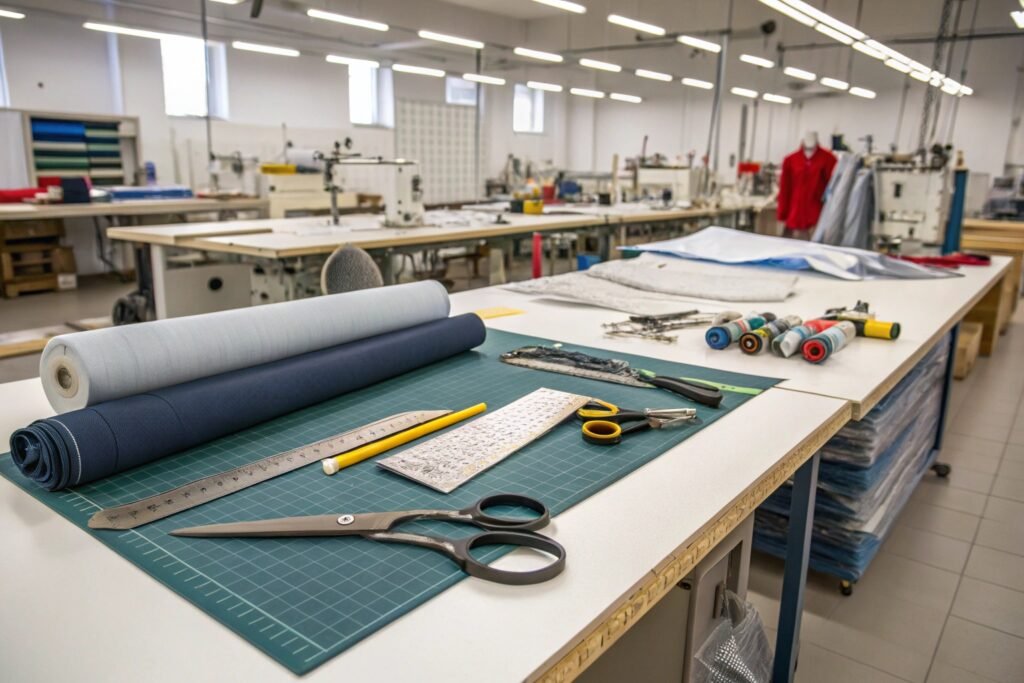
Why Fabric Requires Specialized Cutting Tools
Many people wonder why ordinary household scissors are not enough.
The answer is simple. Fabric behaves differently from paper, cardboard, or plastic. Soft materials can shift, stretch, bunch, or distort during cutting.
Specialized fabric-cutting tools are designed to:
- Produce cleaner edges
- Improve cutting accuracy
- Reduce fabric distortion
- Increase cutting speed
- Minimize operator fatigue
Benefits of Proper Fabric Cutting Tools
| Benefit | Result |
|---|---|
| Cleaner Cuts | Better Appearance |
| Higher Accuracy | Improved Fit |
| Faster Cutting | Greater Efficiency |
| Less Fabric Distortion | Better Quality |
| Reduced Waste | Lower Costs |
Using the right tool often saves time and material.
Fabric Scissors: The Most Common Fabric Cutting Tool
When most people think about fabric cutting, fabric scissors are usually the first tool that comes to mind.
Fabric scissors are specifically designed for cutting cloth. They have sharper blades and a different blade geometry than ordinary household scissors.
Why Fabric Scissors Are Popular
Fabric scissors offer several advantages:
- Easy to use
- Widely available
- Relatively inexpensive
- Suitable for most fabrics
Best Applications
Fabric scissors work particularly well for:
- Cotton
- Linen
- Denim
- Canvas
- Polyester fabrics
- Quilting materials
Advantages of Fabric Scissors
| Benefit | Description |
|---|---|
| Precision | Accurate Control |
| Versatility | Suitable for Many Fabrics |
| Low Cost | Affordable |
| Easy Learning Curve | Beginner Friendly |
Because of their simplicity, fabric scissors remain one of the most popular fabric-cutting tools worldwide.
Why Fabric Shears Are Better Than Household Scissors
Fabric shears are a specialized version of fabric scissors.
They are designed specifically for cloth cutting and generally feature:
- Longer blades
- Sharper edges
- Improved leverage
- Better cutting performance
Comparison
| Tool | Fabric Cutting Quality |
|---|---|
| Household Scissors | Fair |
| Fabric Scissors | Good |
| Fabric Shears | Excellent |
This is why experienced sewers rarely use ordinary household scissors for fabric work.
Rotary Cutters: Fast and Precise
Rotary cutters have become extremely popular in quilting, sewing, and textile applications.
A rotary cutter uses a circular blade that rolls across the fabric.
Why Rotary Cutters Are Popular
Rotary cutters offer:
- Fast cutting
- Straight cutting lines
- Smooth edges
- Reduced fabric movement
Best Applications
They are especially useful for:
- Quilting
- Pattern cutting
- Long straight cuts
- Layer cutting
Rotary Cutter Benefits
| Benefit | Result |
|---|---|
| High Speed | Faster Work |
| Straight Cuts | Better Accuracy |
| Minimal Fabric Shift | Cleaner Results |
| Multiple Layers | Increased Efficiency |
Many textile professionals prefer rotary cutters when large amounts of straight cutting are required.
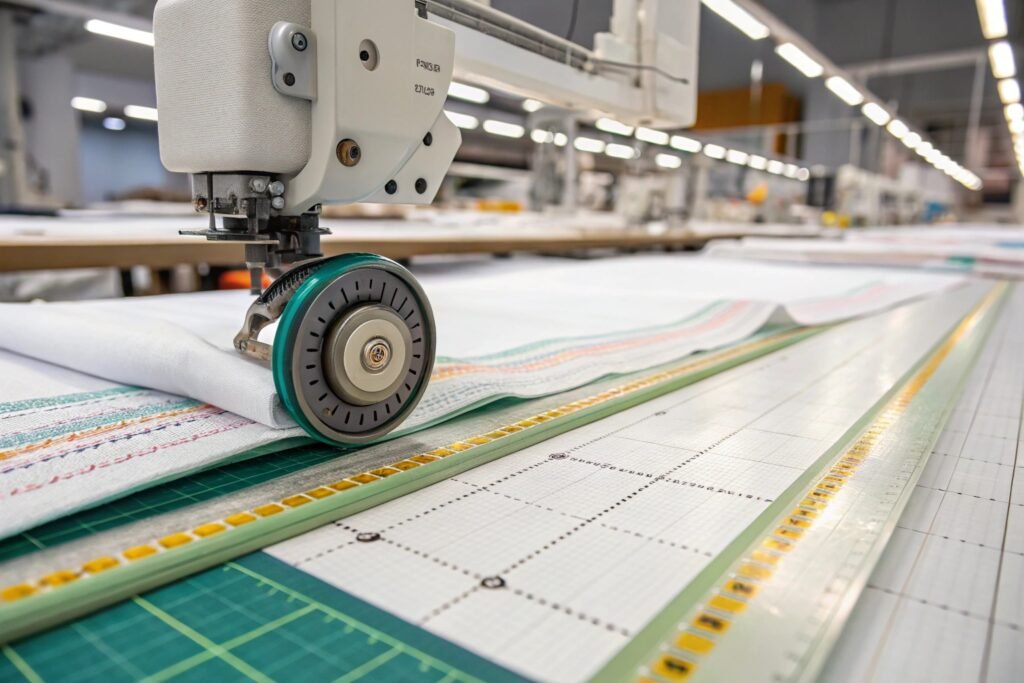
Why a Cutting Mat Is Important
A rotary cutter performs best when used with a cutting mat.
Functions of a Cutting Mat
A quality cutting mat:
- Protects the work surface
- Extends blade life
- Improves safety
- Supports accurate measurements
Benefits
| Benefit | Result |
|---|---|
| Surface Protection | Longer Table Life |
| Blade Protection | Longer Blade Life |
| Measurement Guides | Better Accuracy |
| Improved Stability | Cleaner Cuts |
A rotary cutter without a cutting mat is far less effective.
Electric Fabric Cutting Tools
As cutting volume increases, manual tools can become tiring.
Electric cutters solve this problem.
Types of Electric Fabric Cutters
Cordless Electric Scissors
Cordless electric scissors reduce hand strain during repetitive cutting.
Electric Rotary Cutters
These tools combine the advantages of rotary cutters with powered operation.
Benefits of Electric Cutting Tools
| Benefit | Result |
|---|---|
| Less Hand Fatigue | Better Comfort |
| Faster Cutting | Increased Productivity |
| Consistent Results | Improved Quality |
| Easier Thick Material Cutting | Better Efficiency |
Electric cutters are often used in small workshops and medium-volume production environments.
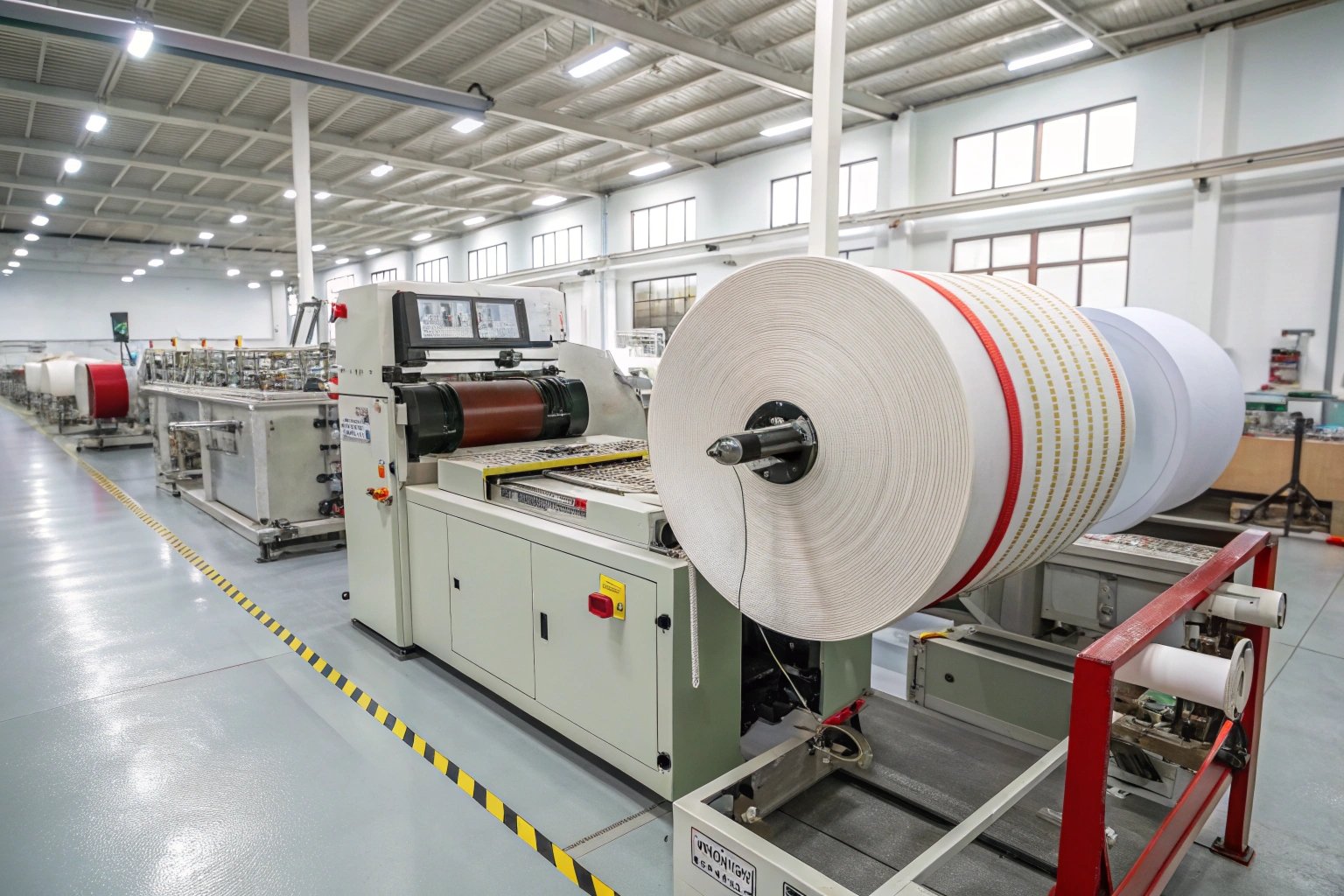
Industrial Fabric Cutting Equipment
Large-scale manufacturers require more powerful solutions.
Industrial cutting equipment is designed to process large quantities of fabric efficiently.
Common Industrial Fabric Cutting Machines
- Straight knife cutting machine
- Round knife cutting machine
- Automatic fabric cutting machine
- CNC cutting machine
- Laser cutting machine
- Ultrasonic cutting machine
Advantages of Industrial Equipment
| Benefit | Result |
|---|---|
| High Output | Faster Production |
| Better Accuracy | Improved Consistency |
| Reduced Labor | Lower Costs |
| Multi-Layer Cutting | Higher Efficiency |
Industrial systems dramatically increase productivity compared with manual cutting methods.
Scissors vs Rotary Cutters
Many people wonder which tool is actually better.
The answer depends on the project.
Fabric Scissors Are Better For
- Curved cuts
- Detailed shapes
- Small projects
- Pattern adjustments
Rotary Cutters Are Better For
- Long straight cuts
- Quilting
- Repetitive cutting
- Multi-layer cutting
Comparison Table
| Feature | Fabric Scissors | Rotary Cutter |
|---|---|---|
| Straight Cuts | Good | Excellent |
| Curved Cuts | Excellent | Good |
| Speed | Medium | High |
| Detail Work | Excellent | Fair |
| Layer Cutting | Fair | Excellent |
Both tools remain essential in many sewing environments.
What Is the Best Fabric Cutter?
The best fabric cutter depends on the application.
Different fabrics and production environments require different cutting solutions.
For Beginners
Most beginners benefit from starting with high-quality fabric scissors.
Advantages include:
- Simple operation
- Low cost
- Easy control
For Quilting
Rotary cutters are often considered the best option.
They provide:
- Excellent precision
- Fast cutting
- Consistent results
For Heavy Fabrics
Industrial shears work particularly well on:
- Canvas
- Upholstery fabrics
- Leather-like materials
- Heavy technical textiles
Best Fabric Cutter by Application
| Application | Best Tool |
|---|---|
| General Sewing | Fabric Scissors |
| Quilting | Rotary Cutter |
| Upholstery | Industrial Shears |
| Large Production Runs | Automatic Cutter |
| Technical Fabrics | CNC or Ultrasonic Cutter |
The ideal choice depends on the specific project requirements.
Fabric Cutting for Synthetic Materials
Synthetic materials often require specialized cutting methods.
Examples include:
- Nylon fabric
- Polyester fabric
- Webbing
- Ribbons
- Technical textiles
For these materials, heat-based cutting methods may offer additional benefits.
Advantages of Heat Cutting
| Benefit | Result |
|---|---|
| Sealed Edges | Less Fraying |
| Cleaner Finish | Better Appearance |
| Reduced Finishing Work | Higher Efficiency |
This is especially important for synthetic materials that tend to fray after cutting.
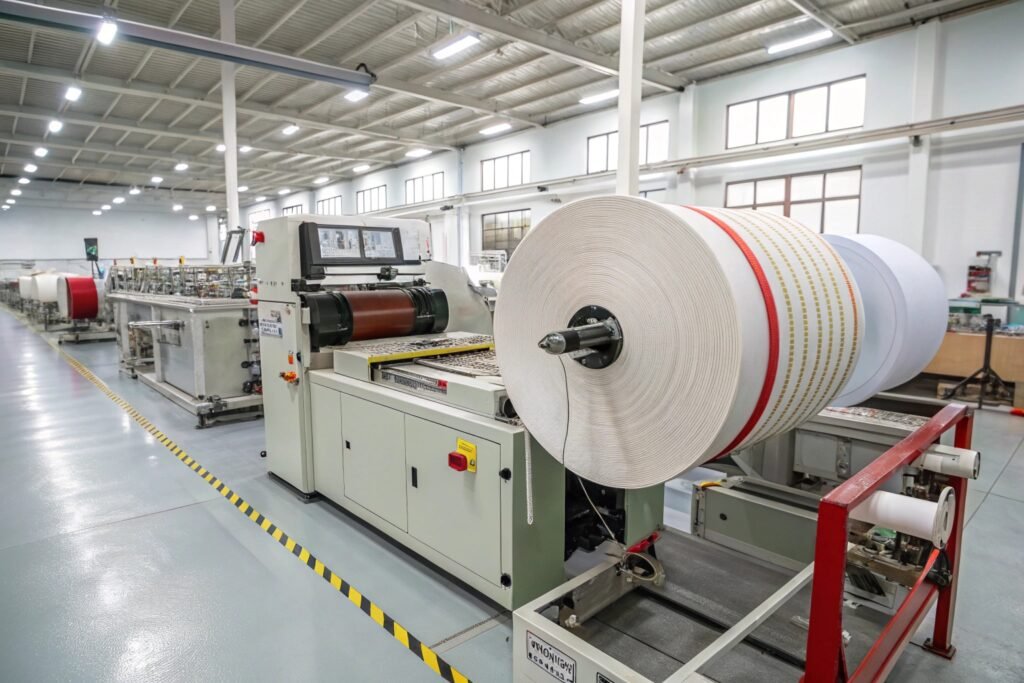
Industrial Cutting Solutions for Flexible Materials
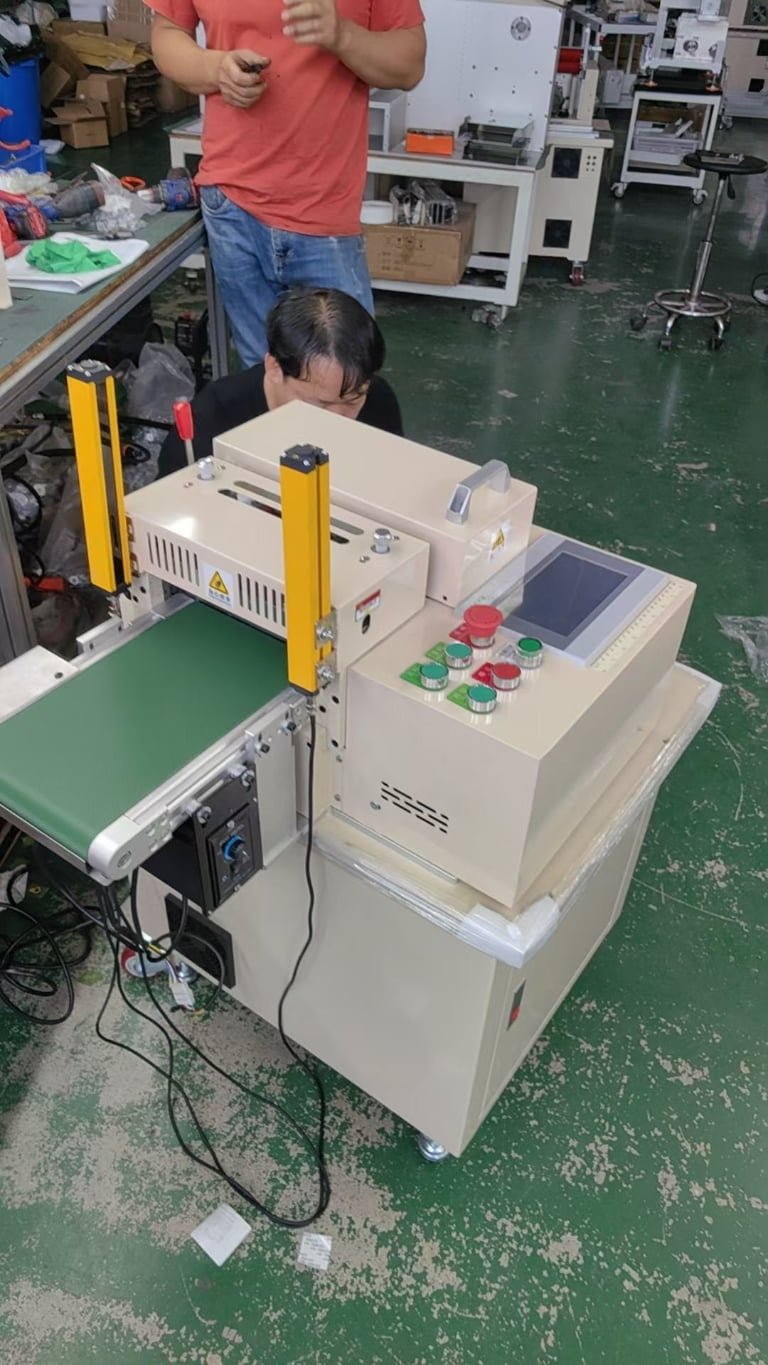
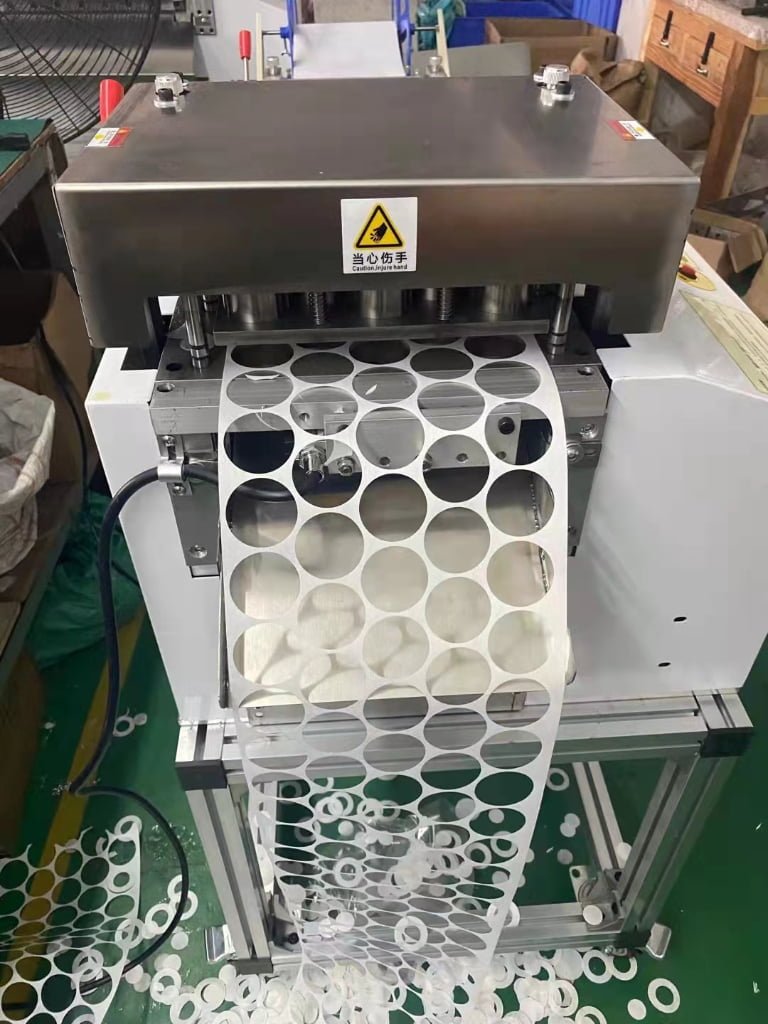
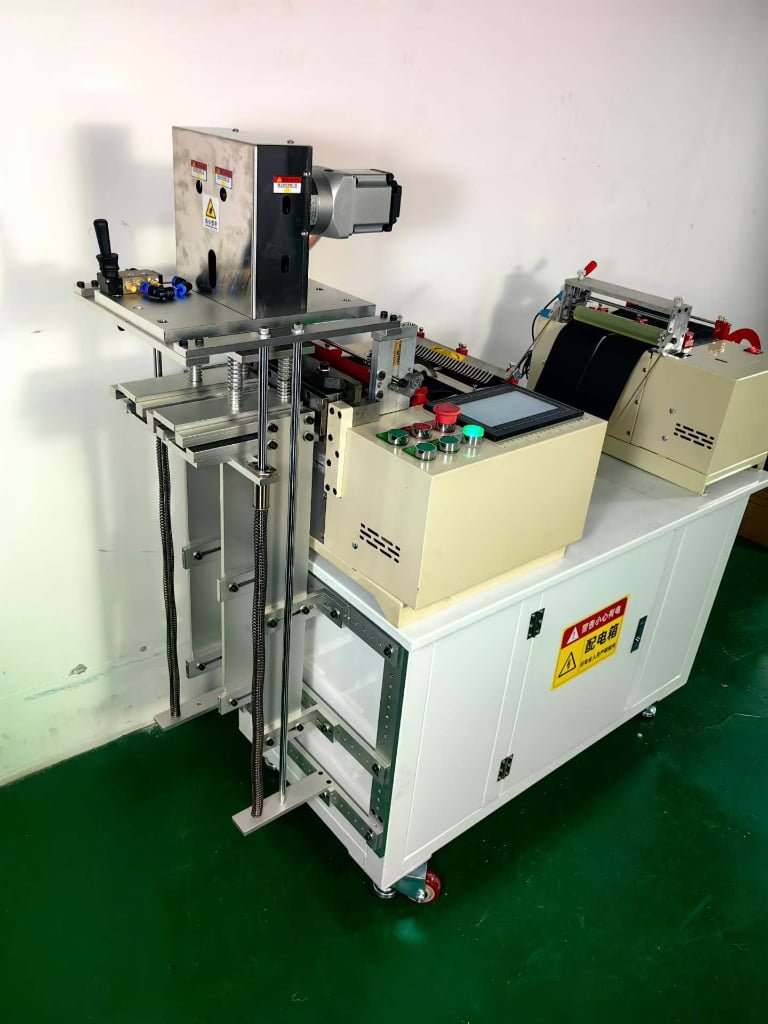
Manufacturers working with fabric, webbing, ribbons, and technical textiles often use specialized equipment such as:
- Webbing tape cutting machine
- Hot and cold cutting machine
- High-speed trademark cutting machine
- Automatic punching cutting machine
- Round shape cutting machine
- Rotary bevel cutting machine
- Different shapes cutting machine
These systems are designed to improve productivity while maintaining consistent quality.
Benefits of Automated Cutting Systems
| Benefit | Result |
|---|---|
| Automatic Feeding | Faster Processing |
| Precise Length Control | Better Accuracy |
| Consistent Quality | Less Waste |
| Reduced Labor Costs | Higher Profitability |
Automated systems become increasingly valuable as production volume grows.
Which Fabric Cutter Is Best Overall?
There is no single answer that fits every situation.
Quick Buying Guide
| Requirement | Best Choice |
|---|---|
| Beginner Sewing | Fabric Scissors |
| Quilting | Rotary Cutter |
| Thick Fabrics | Industrial Shears |
| Repetitive Cutting | Electric Cutter |
| Mass Production | Automatic Cutting Machine |
For most home users, fabric scissors and rotary cutters remain the two most practical options.
For manufacturers, automated cutting systems often provide the greatest return on investment.
Conclusion
The most common tool used for cutting fabric is a pair of fabric scissors or fabric shears. These tools are specifically designed for cloth and provide accurate, reliable cutting performance. Rotary cutters are often preferred for long straight cuts because they are fast and precise, while industrial shears perform well on heavy materials. The best fabric cutter ultimately depends on the fabric type, thickness, cutting shape, and production volume. For hobbyists and small workshops, fabric scissors and rotary cutters remain the most versatile options, while automated cutting machines provide the highest efficiency for industrial manufacturing.
Insights From HAOXINHE
At HAOXINHE, I work with customers that process webbing, ribbons, technical textiles, hook-and-loop tape, elastic materials, foam products, and various flexible fabrics. Through years of industry experience, I have found that cutting efficiency and edge quality directly influence manufacturing costs and product consistency.
For manufacturers handling large production volumes, investing in a webbing tape cutting machine, hot and cold cutting machine, high-speed trademark cutting machine, or automatic punching cutting machine can significantly improve productivity. These systems combine measuring, feeding, cutting, sealing, and punching functions into one streamlined workflow, helping companies reduce labor costs, minimize waste, and maintain consistent product quality across every production batch.