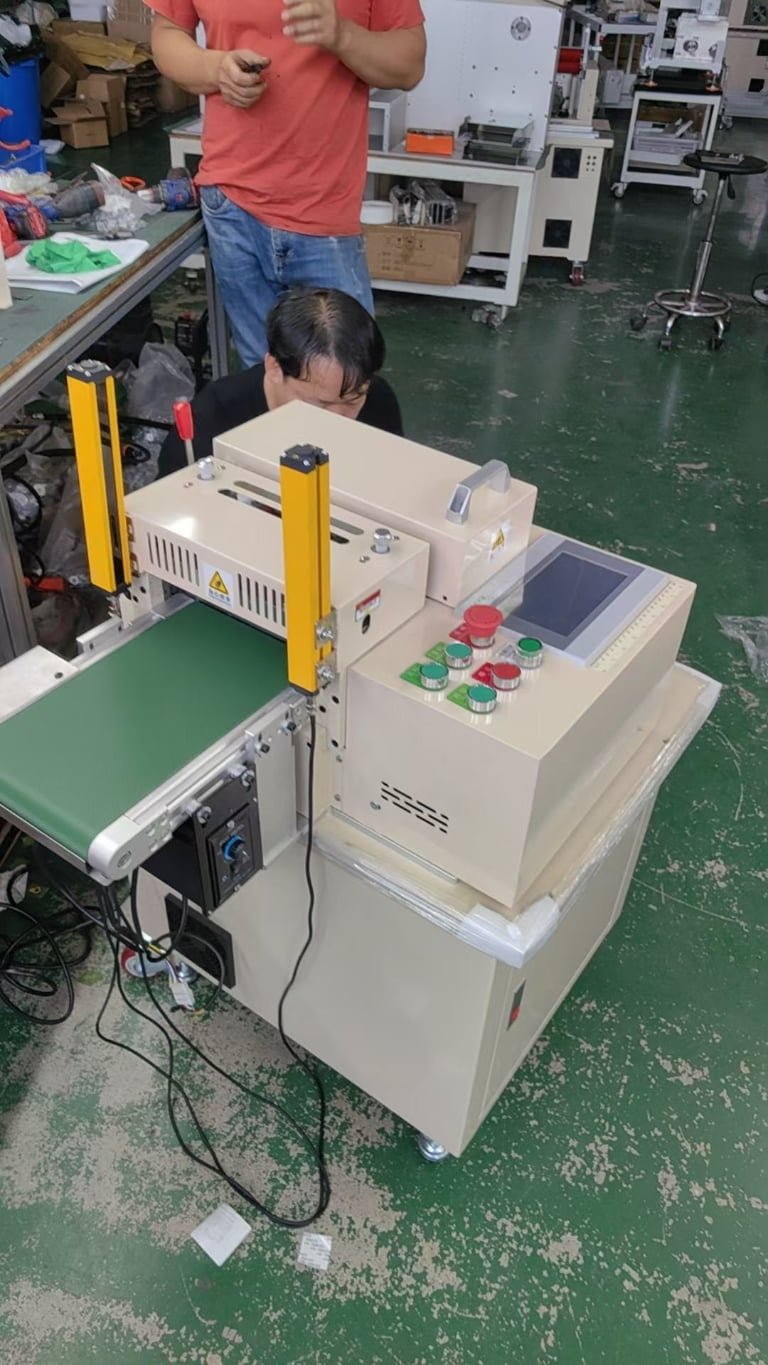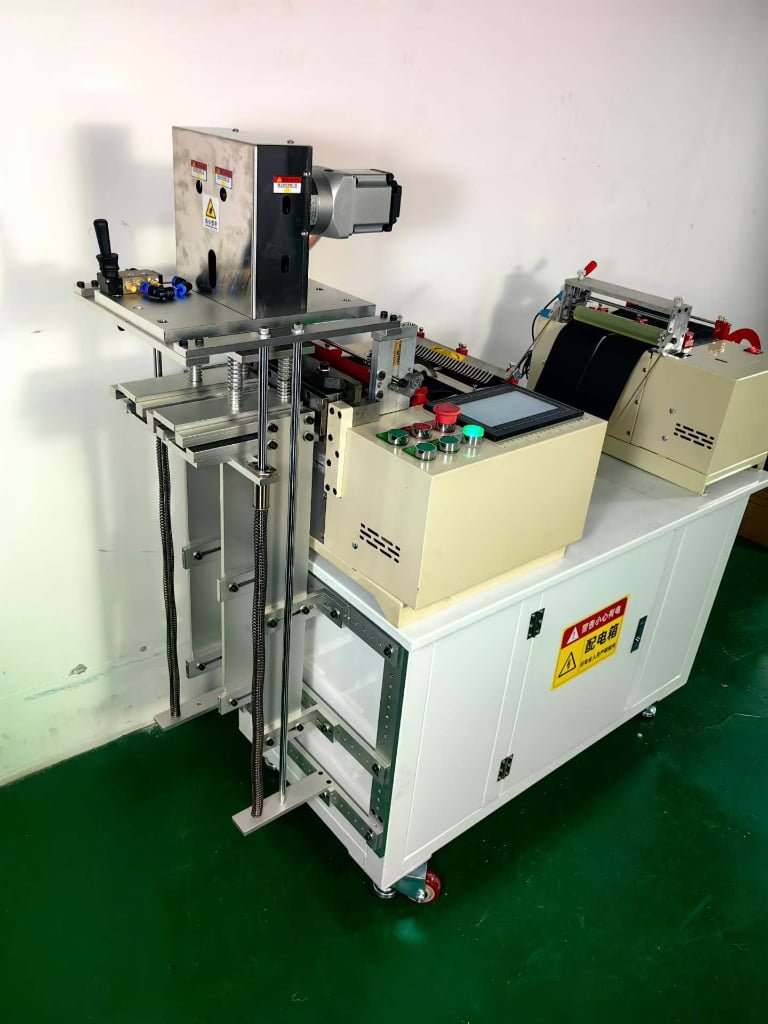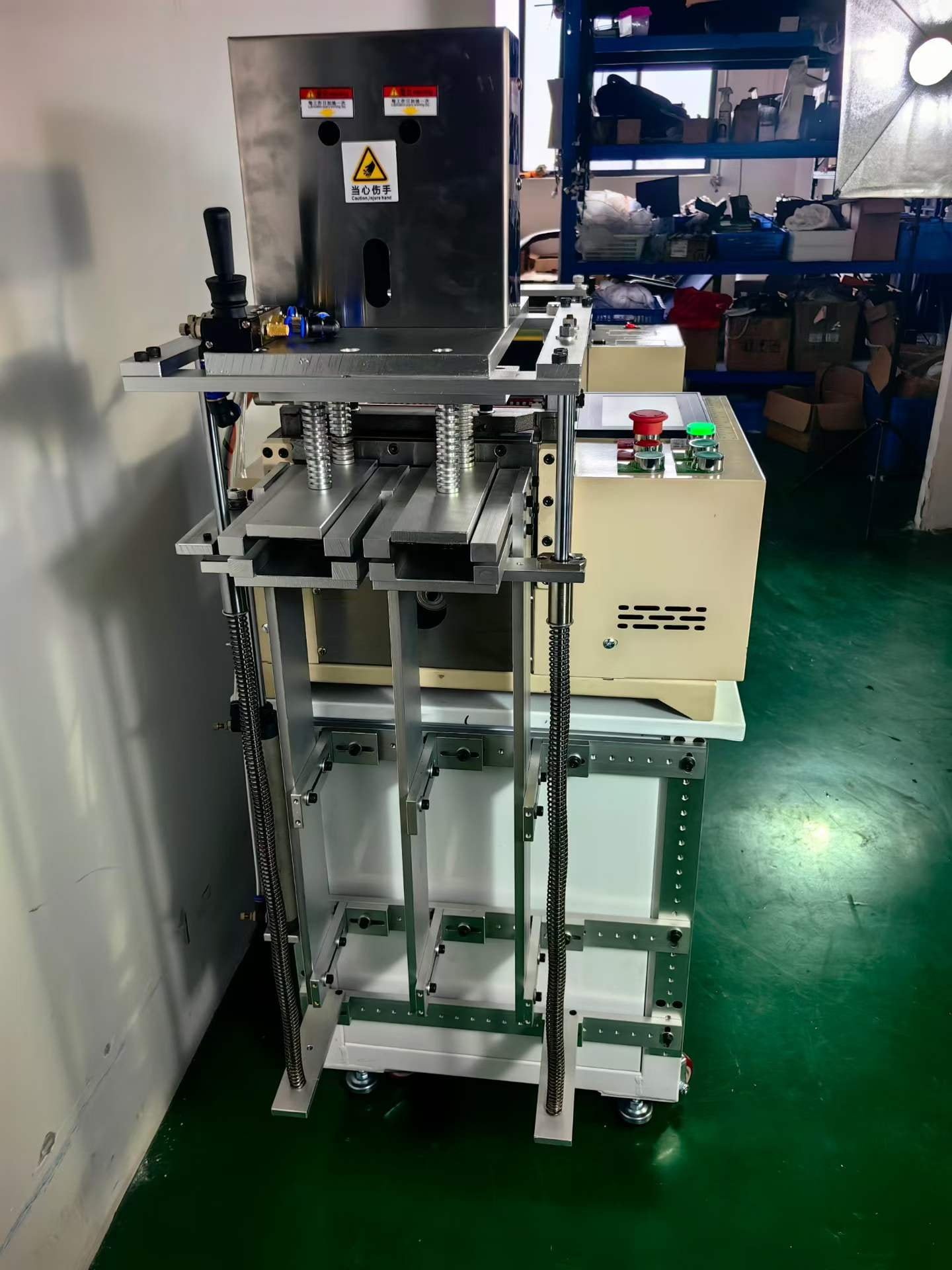
How to solve compatibility problems with a Solar Panel EVA Gasket Cutting Machine?
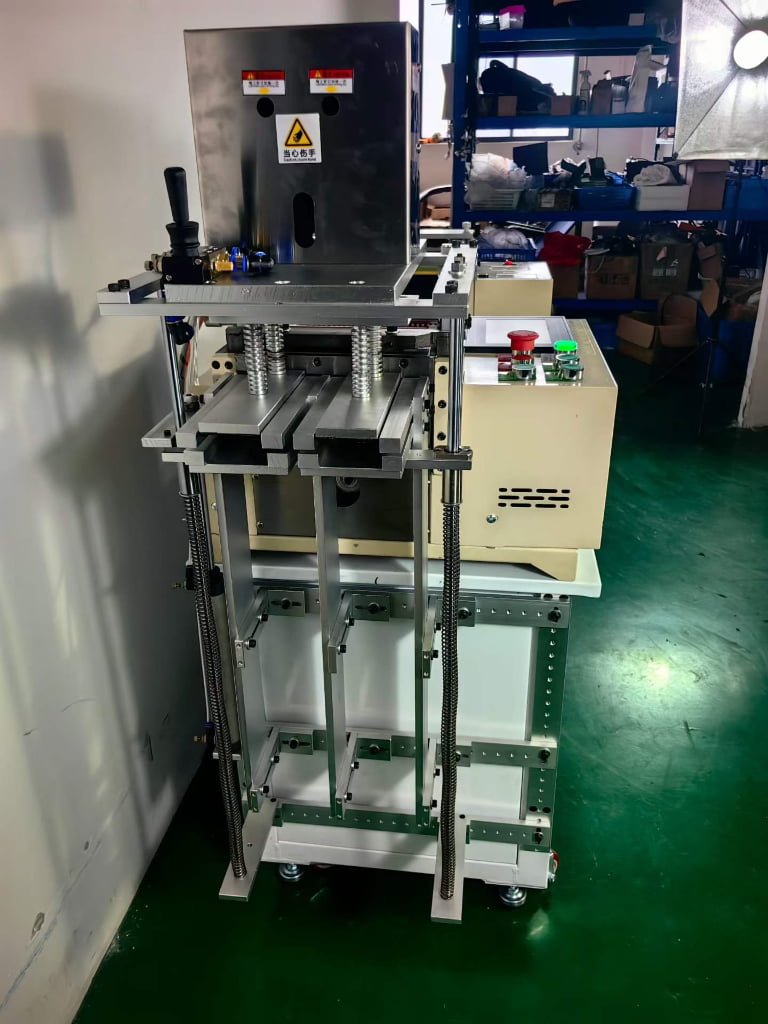
When photovoltaic factories introduce new solar module designs, one common problem is machine compatibility.
Many manufacturers ask:
"Can my existing Solar Panel EVA Gasket Cutting Machine process new EVA materials, larger modules, or different encapsulation films?"
The answer depends on the machine design, material characteristics, and production requirements1.
A solar EVA cutting machine is not only a cutting device.
It is a complete material preparation system that needs to control:
- Material feeding2
- Film tension
- Cutting accuracy
- Punching position
- Transfer movement
- Layup accuracy
A compatibility problem may appear as:
- Incorrect EVA size
- Material wrinkles
- Cutting defects
- Film movement
- Layup deviation
- Production line communication errors
At HAOXINHE, I always recommend customers identify the real cause before changing equipment.
Many problems can be solved through:
- Parameter adjustment
- New production recipes
- Tool replacement
- Sensor calibration
- Process optimization
A complete machine replacement is not always necessary.
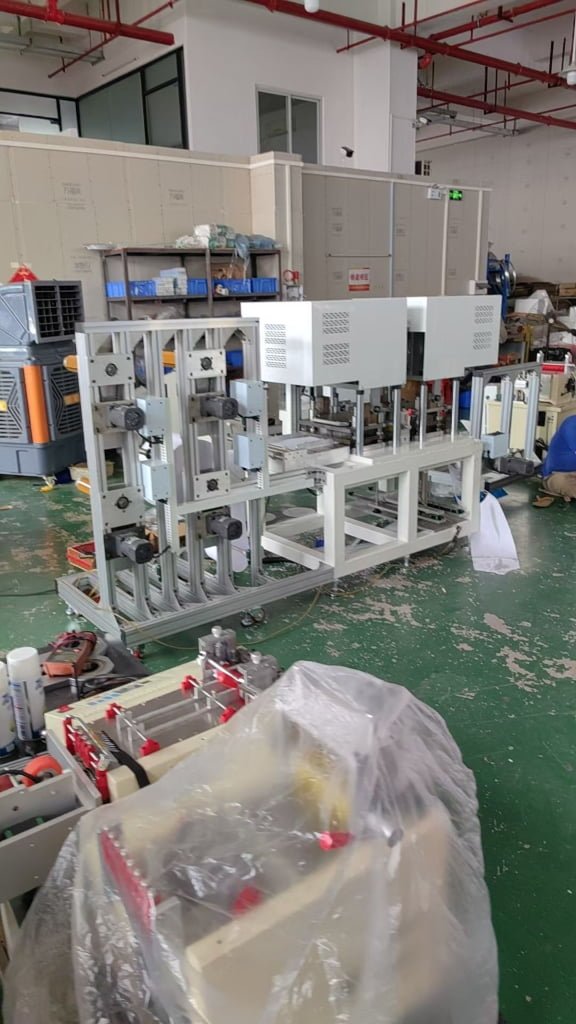
Can one EVA gasket cutting machine process different thicknesses and materials for solar modules?
A modern Solar Panel EVA Gasket Cutting Machine can often process different materials, but the machine must have suitable adjustment capability.
Different materials have different characteristics3:
- Thickness
- Hardness
- Elasticity
- Surface friction
- Adhesive behavior
A machine setting that works well for one material may not work for another.
| Material | Compatibility consideration |
|---|---|
| EVA film | Standard photovoltaic application |
| POE film | Different tension and cutting settings |
| PVB film | Different handling requirements |
| TPT backsheet | Different cutting conditions |
| Other multilayer films | Requires testing |
The correct approach is not asking:
"Can this machine cut this material?"
The better question is:
"Can this machine process this material with stable quality and production efficiency?"
1. Identify the real compatibility problem first
When production problems appear, operators should classify the issue.
A cutting problem may come from:
- Material mismatch
- Wrong machine setting
- Incorrect module size
- Feeding problem
- Sensor problem
- Line integration problem
| Problem category | Example |
|---|---|
| Material compatibility | EVA thickness change |
| Size compatibility | Larger module format |
| Cutting accuracy | Wrong sheet dimension |
| Transfer problem | EVA placement offset |
| Communication problem | Line signal error |
Correct diagnosis prevents unnecessary machine changes.
Many factories waste time because they adjust cutting parameters when the real problem is material feeding.
2. Check EVA roll specifications
The first compatibility check is the EVA roll.
The machine must support:
- Roll width4
- Roll diameter
- Roll weight
- Core size
If the roll exceeds machine limits, problems may include:
- Poor unwinding
- Uneven tension
- Material movement
- Feeding interruption
| Roll specification | Production impact |
|---|---|
| Width | Determines cutting capability |
| Diameter | Determines unwinder capacity |
| Weight | Determines loading ability |
| Core size | Determines installation |
Before purchasing new EVA material, factories should compare the material specification with the machine specification.
3. Confirm module size compatibility
Solar module sizes continue changing.
Larger modules require:
- Wider EVA film
- Longer cutting travel
- Larger transfer systems
The machine should match:
- Module length
- Module width
- Glass size
- Conveyor size
- Layup area
| Module change | Possible machine impact |
|---|---|
| Longer module | Need longer cutting travel |
| Wider module | Need wider feeding system |
| New layout | Need new recipe |
A machine suitable for one module format may not automatically support another format.
4. Create separate recipes for different materials
Different encapsulation materials need different machine parameters.
A production recipe should include:
- Material type
- Thickness
- Cutting speed
- Feeding tension
- Vacuum setting
- Position parameters
| Parameter | Reason |
|---|---|
| Tension | Controls film movement |
| Speed | Prevents material damage |
| Vacuum | Controls transfer stability |
| Cutting setting | Maintains edge quality |
Factories should never use an EVA recipe directly for POE or other materials.
Different films behave differently5.
5. Solve tension and tracking problems before cutting adjustments
Many cutting problems actually start from material movement.
Common causes include:
- Incorrect tension6
- Dirty rollers
- Poor guide alignment
- Sensor problems
Symptoms include:
- Skewed EVA sheets
- Uneven length
- Wrinkles
- Placement errors
| Cause | Solution |
|---|---|
| Loose tension | Adjust unwinding |
| Dirty roller | Clean contact surface |
| Guide deviation | Realign system |
| Sensor error | Calibrate sensor |
The correct sequence is:
- Stabilize material movement.
- Confirm straight feeding.
- Then adjust cutting accuracy.
6. Match blade settings with material structure
Different films require different cutting conditions.
A thicker or stronger material may need:
- Different blade type
- Different cutting force
- Different speed
Incorrect settings can create:
- Torn edges
- Incomplete cutting
- Film deformation
| Material condition | Required adjustment |
|---|---|
| Thicker film | Higher cutting capability |
| Softer film | Lower pressure control |
| Adhesive material | Cleaner cutting surface |
| Multilayer material | Different cutting settings |
Increasing pressure is not always the solution.
Too much pressure may damage material quality.
7. Check punching and special cutting compatibility
Some solar module designs require additional processing.
Examples include:
- Ribbon openings
- Junction box features
- Special holes
The factory should confirm:
- Punch size
- Punch location
- Film direction
- Registration accuracy
| Punching factor | Importance |
|---|---|
| Position | Matches module design |
| Size | Supports assembly |
| Accuracy | Prevents downstream problems |
Punching errors7 can affect later production steps.
8. Integrate the EVA cutter with the complete production line
A Solar Panel EVA Gasket Cutting Machine usually works together with other equipment.
The system may connect with:
- Glass loading
- Cell string layup
- Backsheet handling
- Laminator feeding
- MES systems
Important integration factors include:
| Integration item | Purpose |
|---|---|
| Conveyor height | Smooth transfer |
| PLC communication | Equipment coordination |
| Cycle time | Production balance |
| Alarm signal | Faster troubleshooting |
A fast cutting machine is not useful if the next process cannot receive the material.
The complete line speed must be balanced.
9. Improve vacuum transfer and positioning accuracy
Automatic layup systems often use vacuum handling.
Compatibility problems may come from:
- Weak suction8
- Damaged vacuum cups
- Air leakage
- Incorrect calibration
| Vacuum problem | Result |
|---|---|
| Low vacuum | EVA movement |
| Uneven vacuum | Wrinkles |
| Dirty cups | Poor holding |
Regular vacuum maintenance helps maintain placement accuracy.
10. Perform compatibility testing before mass production
Before introducing a new material or module design, factories should perform a complete test.
The test should include:
- Material loading
- Cutting
- Punching
- Transfer
- Layup
- Lamination evaluation
Important records include:
| Test item | Purpose |
|---|---|
| Cut length | Verify size |
| Diagonal accuracy | Verify shape |
| Flatness | Prevent lamination issues |
| Placement offset | Verify alignment |
| Scrap rate | Check efficiency |
Only after successful testing should the new production recipe be released.
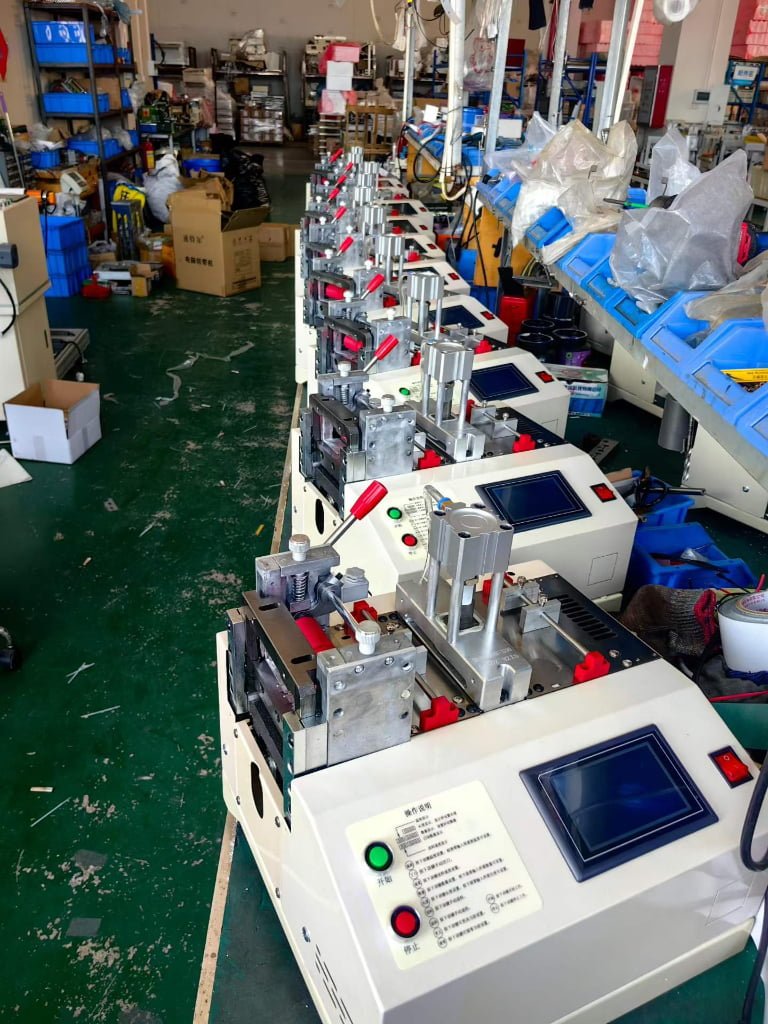
How can factories improve EVA cutting machine flexibility?
A flexible machine should support:
Multiple materials
The machine should allow:
- EVA
- POE
- Backsheet
- Other encapsulation materials
Multiple module sizes
The system should support:
- Current products
- Future designs
Quick recipe changes
Digital control helps operators switch between products faster.
| Flexibility feature | Benefit |
|---|---|
| Recipe storage | Faster changeover |
| Adjustable tension | Supports materials |
| Servo control | Better accuracy |
| Modular design | Easier upgrades |
Insights: How HAOXINHE helps customers solve cutting compatibility challenges
At HAOXINHE, I understand that international customers need equipment that can adapt to changing production requirements.
My customers usually care about:
- Machine flexibility
- Stable quality
- Custom design
- Fast technical support
- Long-term reliability
I provide customized cutting solutions for different industries, including:
- Packaging
- Printing
- Labels
- Plastic products
- Foam products
- Photovoltaic-related materials
My related machines include:
- Webbing tape cutting machine
- Hot and cold cutting machine
- High-speed trademark cutting machine
- Automatic punching cutting machine
- Round shape cutting machine
- Rotary bevel cutting machine
- Different shapes cutting machine
- Computer tube cutting machine
- Wire cutting and stripping machine
- Metal pipe cutting and beveling machine
- Webbing ribbon cutting machine
- Bubble wrap cutting machine
- PVC Edge Banding cutting machine
- Protective Foam Cutting Machine
I believe machine compatibility is not only about whether a machine can cut a material.
It is about whether the machine can maintain:
- Stable quality
- High efficiency
- Low waste
- Reliable production
With correct evaluation, testing, and parameter management, one Solar Panel EVA Gasket Cutting Machine can support multiple solar module production requirements.
-
"Solar Photovoltaic Manufacturing Basics", https://www.energy.gov/cmei/systems/solar-photovoltaic-manufacturing-basics. Research studies on photovoltaic manufacturing processes highlight that machine design, material properties, and production requirements are critical for ensuring compatibility with new solar module designs. Evidence role: general_support; source type: research. Supports: The factors that determine the compatibility of EVA cutting machines with new materials or designs.. ↩
-
"Solar Photovoltaic Manufacturing Basics", https://www.energy.gov/cmei/systems/solar-photovoltaic-manufacturing-basics. Educational resources on photovoltaic manufacturing emphasize that material feeding ensures consistent film movement, which is essential for accurate cutting and alignment. Evidence role: mechanism; source type: education. Supports: The importance of material feeding in the operation of EVA cutting machines.. ↩
-
"[PDF] 5: hotovoltaic Module Encapsulation Design and Materials Selection:", https://ntrs.nasa.gov/api/citations/19820023897/downloads/19820023897.pdf. Encyclopedic entries on photovoltaic materials describe the distinct properties of EVA, POE, and PVB films, including their thickness, elasticity, and adhesive behavior. Evidence role: definition; source type: encyclopedia. Supports: The varying characteristics of materials like EVA, POE, and PVB used in solar module production.. ↩
-
"7 Key Features to Look for in an EVA Foam Insert Cutting …", https://cncamor.com/7-features-to-look-for-in-eva-foam-insert-cutting-machine/. Educational materials on solar manufacturing explain that roll width directly influences the maximum size of material that can be processed by an EVA cutting machine. Evidence role: mechanism; source type: education. Supports: How roll width affects the cutting capability of EVA cutting machines.. ↩
-
"Solar Photovoltaic Manufacturing Basics | Department of Energy", https://www.energy.gov/cmei/systems/solar-photovoltaic-manufacturing-basics. Research in photovoltaic manufacturing confirms that films like EVA and POE have distinct processing requirements due to differences in elasticity, thickness, and adhesive properties. Evidence role: expert_consensus; source type: research. Supports: The need for unique machine settings for different encapsulation films in solar module production.. ↩
-
"Environmental Impacts of Grid-Scale Solar Development", https://extension.psu.edu/environmental-impacts-of-grid-scale-solar-development/. Educational resources on photovoltaic manufacturing detail how incorrect tension can lead to material misalignment, wrinkles, and cutting inaccuracies. Evidence role: mechanism; source type: education. Supports: The impact of incorrect tension on material feeding and cutting accuracy in EVA cutting machines.. ↩
-
"Mechanical integrity of photovoltaic panels under hailstorms: Mono vs …", https://pmc.ncbi.nlm.nih.gov/articles/PMC10878929/. Case studies in photovoltaic manufacturing document that punching inaccuracies can lead to misaligned components and assembly issues in later production stages. Evidence role: case_reference; source type: research. Supports: How punching errors in EVA cutting machines can disrupt downstream production steps.. ↩
-
"Influence of Lamination Conditions of EVA Encapsulation on Photovoltaic …", https://pmc.ncbi.nlm.nih.gov/articles/PMC10650427/. Educational materials on vacuum handling in manufacturing explain that insufficient suction can lead to material movement and surface defects like wrinkles. Evidence role: mechanism; source type: education. Supports: The impact of weak suction on material stability and quality in vacuum handling systems.. ↩