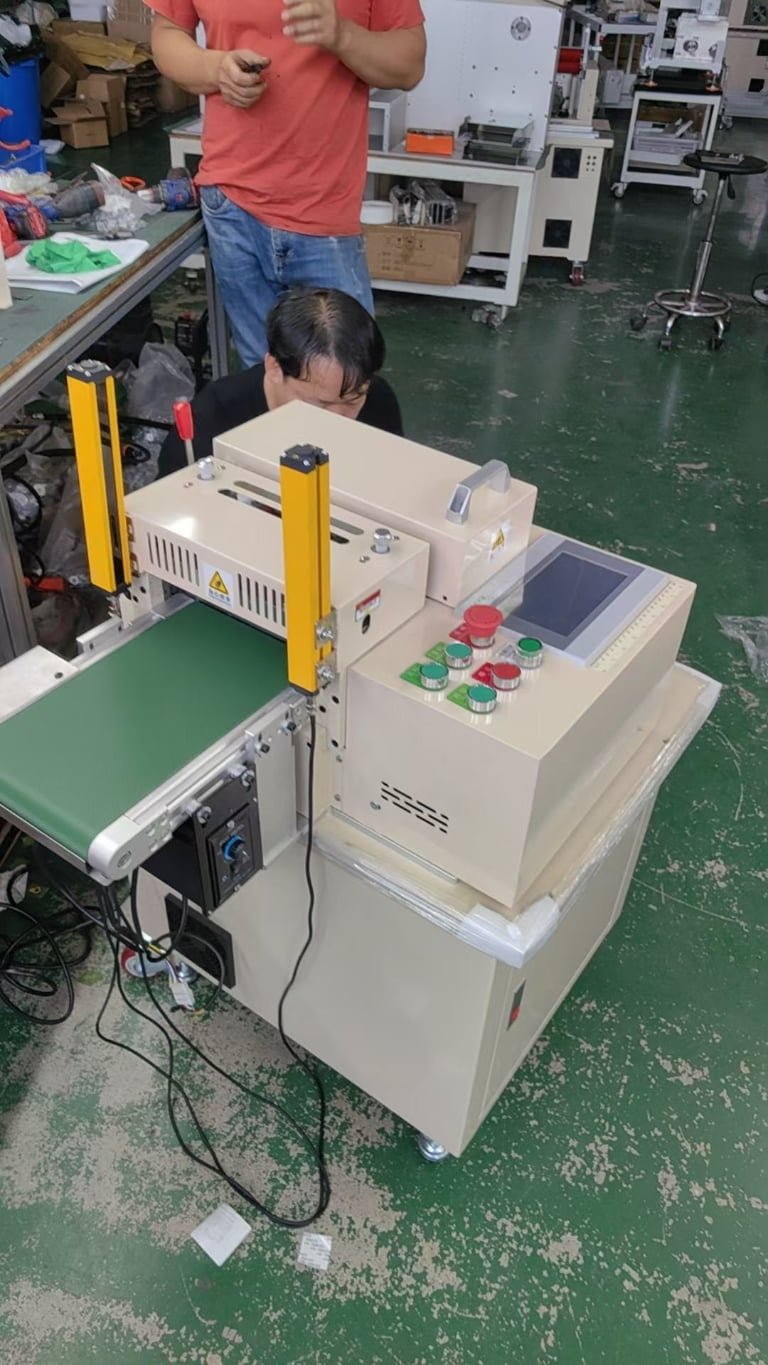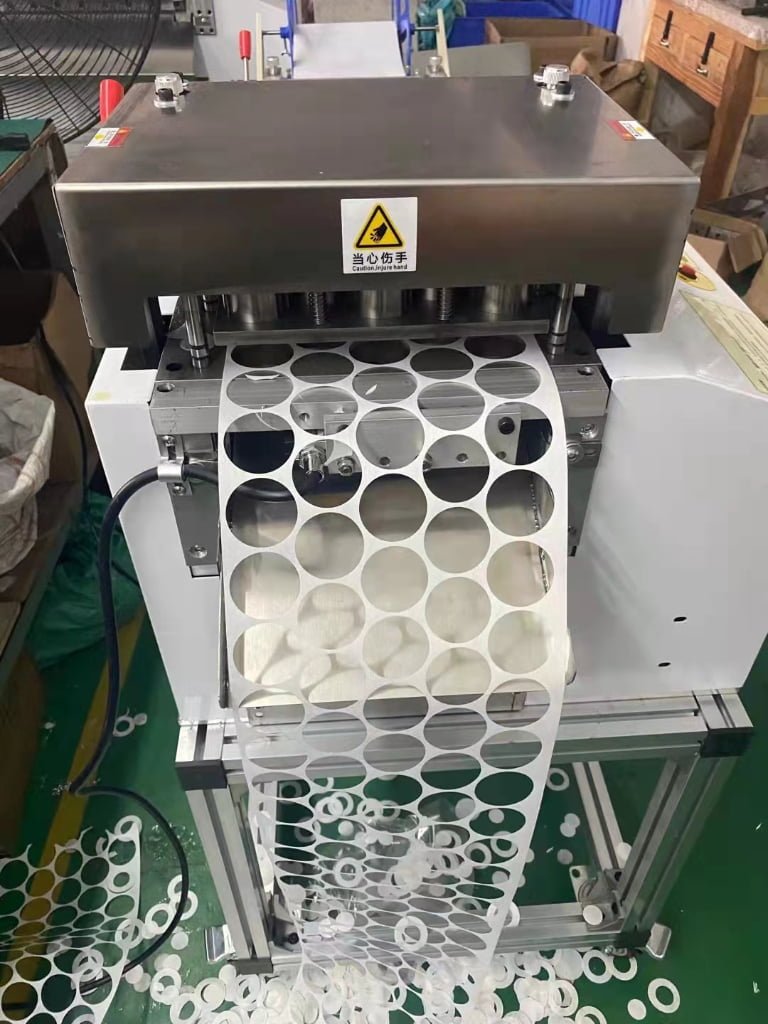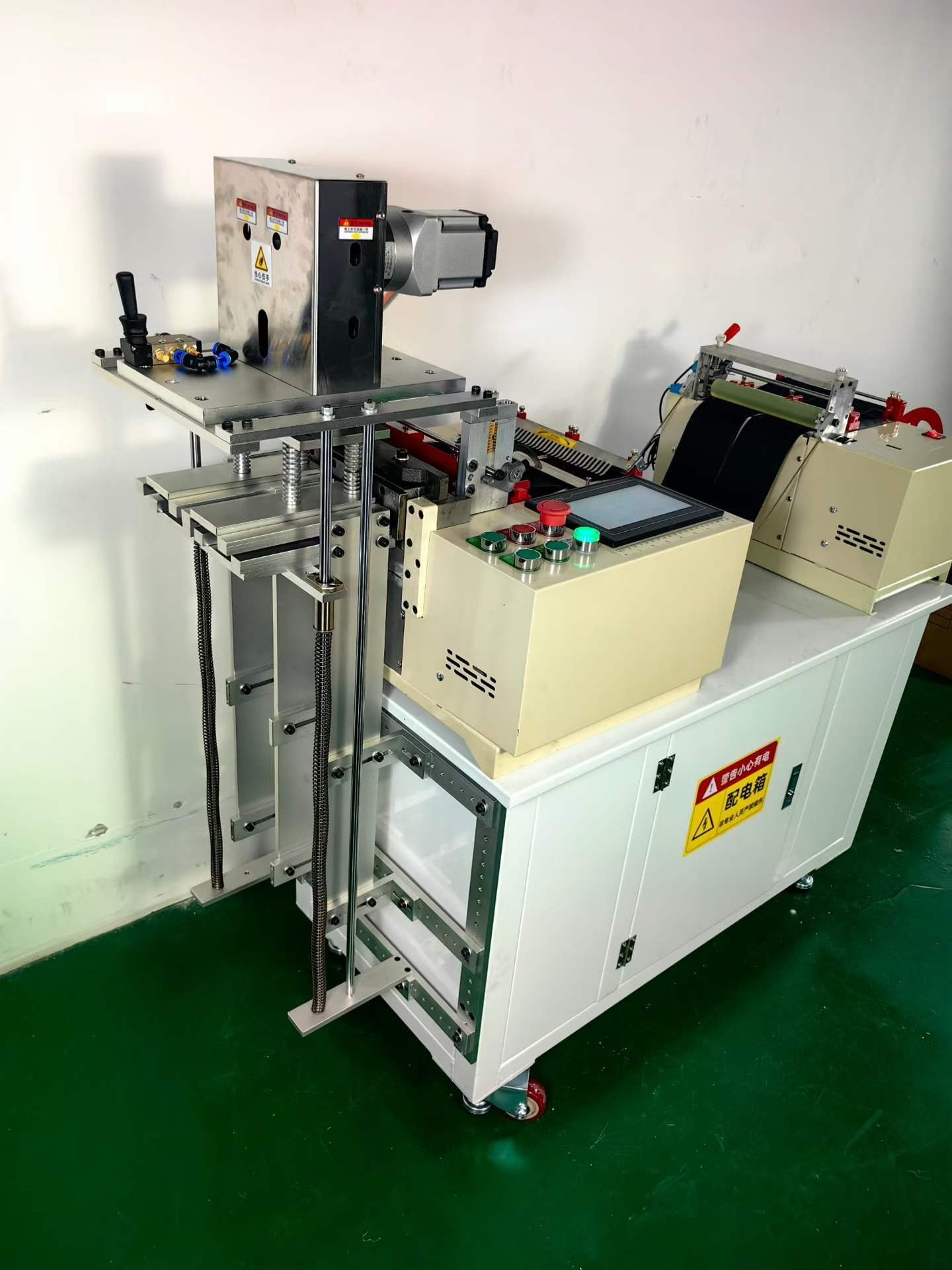
How to operate a Solar Panel EVA Gasket Cutting Machine correctly to avoid material waste?
When I talk with photovoltaic manufacturers about EVA cutting efficiency, I often find that material waste is not caused by only one problem.
Many factories lose EVA material because of small operation mistakes:
- Wrong roll width selection
- Incorrect tension adjustment
- Poor machine cleaning
- Wrong cutting parameters
- Incorrect product recipe
- Late blade replacement
A Solar Panel EVA Gasket Cutting Machine is a precision production device. The machine can provide excellent performance only when operators use the correct process.
In photovoltaic module production, EVA material is valuable1. Every wasted meter of EVA film increases production cost.
The goal of correct operation is not only producing more EVA sheets.
The goal is producing:
- Correct size
- Stable quality
- Low scrap rate
- Reliable production speed
At HAOXINHE, I always suggest customers create a standard operating procedure before starting mass production.
A good operating process should include2:
- Material preparation
- Machine setup
- First-piece inspection
- Continuous monitoring
- Waste analysis
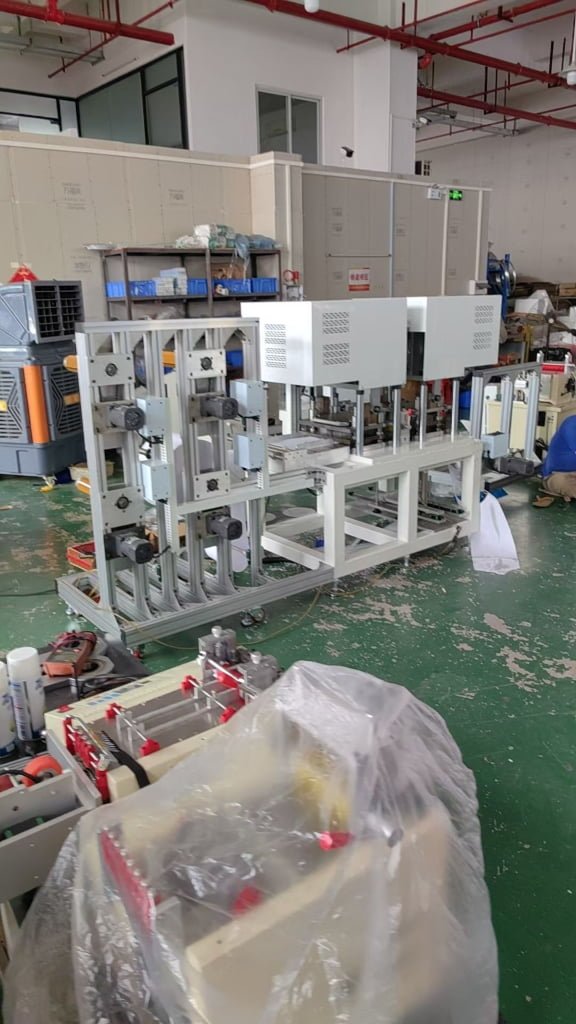
What common cutting errors happen during EVA gasket production and how can they be fixed?
During EVA gasket or photovoltaic EVA film cutting, common problems usually come from:
- Material handling
- Cutting settings
- Machine condition
- Operator operation
The following table shows common problems and solutions.
| Cutting problem | Possible cause | Solution |
|---|---|---|
| Wrong EVA size | Incorrect recipe | Load correct production setting |
| Wrinkle marks | Wrong tension | Adjust unwinding tension |
| Uneven cutting edge | Dull blade | Replace cutting blade |
| Material movement | Poor feeding | Check rollers and guides |
| Excess waste | Poor layout | Optimize roll width |
| Placement error | Sensor problem | Calibrate positioning system |
A systematic operation method helps factories reduce these problems.
1. Select the correct EVA roll width
The first step to reducing waste starts before the machine begins cutting.
The EVA roll width should match the module format.
If the roll is too wide:
- More side trimming is created.
- More material becomes waste.
If the roll is too narrow:
- The machine cannot produce the required EVA size.
| Roll width selection | Result |
|---|---|
| Too wide | Higher material waste |
| Correct width | Better utilization |
| Too narrow | Production limitation |
I recommend customers calculate:
- Module size
- EVA coverage area
- Cutting layout
- Required overhang
before ordering EVA rolls.
A small improvement in roll selection can save a large amount of material during long-term production.
2. Load EVA rolls correctly and control tension
Incorrect EVA roll loading is a common reason for cutting errors3.
Before production, operators should check:
- Roll center position
- Core fixing
- Material direction
- Unwind tension
The EVA film should be:
- Flat
- Stable
- Not stretched
| Tension problem | Production result |
|---|---|
| Too loose | Wrinkles and tracking problems |
| Too tight | EVA stretching |
| Correct tension | Stable feeding |
For photovoltaic EVA film, tension control is especially important because thin films can deform easily.
A stretched EVA sheet may create size errors even if the cutting system works correctly.
3. Clean rollers, sensors, and vacuum areas
Machine cleanliness directly affects cutting accuracy4.
During production, small contamination may accumulate:
- EVA dust
- Film particles
- Adhesive residue
- Release agent residue
These materials can affect:
- Feeding accuracy
- Sensor detection
- Vacuum holding
- Material positioning
| Cleaning area | Reason |
|---|---|
| Feeding rollers | Prevent slipping |
| Sensors | Maintain accurate detection |
| Vacuum surface | Maintain holding force |
| Guides | Prevent material deviation |
I recommend operators clean important areas before every production shift.
Regular cleaning prevents small problems from becoming large production losses.
4. Use the correct production recipe
Modern EVA cutting machines usually store production parameters.
A recipe may include:
- Module model
- EVA length
- EVA width
- Punch position
- Cutting speed
- Feeding distance
- Layup direction
Operators should always confirm the correct recipe before starting.
| Recipe information | Purpose |
|---|---|
| Module size | Controls EVA dimensions |
| Cutting length | Prevents wrong size |
| Punch position | Ensures correct features |
| Speed setting | Maintains stability |
Running the wrong recipe can waste an entire EVA roll.
Controlled recipe management helps reduce operator mistakes.
5. Approve the first cut before mass production
One of the most important operating rules is first-piece inspection.
Before continuous production, operators should check:
- Length
- Width
- Diagonal measurement
- Corner shape
- Punch position
- Surface condition
| First-piece check | Purpose |
|---|---|
| Dimension check | Confirm cutting accuracy |
| Visual check | Detect wrinkles |
| Position check | Confirm alignment |
| Flatness check | Prevent lamination problems |
Producing one wrong piece is much cheaper than producing hundreds of wrong pieces.
A good factory always confirms the first sample before full production.
6. Maintain sharp cutting blades
A cutting blade directly affects EVA quality5.
A worn blade may create:
- Torn edges
- Incomplete cuts
- Material deformation
- Uneven shapes
Operators should inspect blade performance regularly.
| Blade condition | Result |
|---|---|
| Sharp blade | Clean cutting |
| Slight wear | Monitor quality |
| Damaged blade | Replace immediately |
Waiting too long before blade replacement increases waste.
A planned replacement schedule is better than emergency replacement after defects appear.
7. Maintain accurate EVA alignment
EVA positioning accuracy affects final module quality6.
The machine should maintain:
- Correct feeding direction
- Stable position
- Accurate registration
Important components include:
- Edge guides
- Sensors
- Encoders
- Rollers
| Alignment problem | Production effect |
|---|---|
| Material drift | Wrong cutting position |
| Sensor error | Incorrect registration |
| Roller wear | Feeding instability |
Regular calibration helps maintain stable production.
8. Use validated production speed
Many operators believe faster speed always means higher efficiency.
This is not always true.
Too much speed may create:
- Material movement
- Cutting errors
- Wrinkles
- Position problems
The correct approach is using validated settings.
| Speed condition | Result |
|---|---|
| Too slow | Lower output |
| Correct speed | Stable production |
| Too fast | Higher defect risk |
I recommend increasing speed only after confirming:
- Cutting quality
- Position accuracy
- Material stability
A stable machine running slightly slower is often more profitable than a fast machine creating waste.
9. Manage EVA remnants properly
Not all leftover EVA material must become waste7.
Some clean remnants may be useful for:
- Smaller module formats
- Testing
- Machine setup
However, reusable material must be controlled.
Recommended practices:
- Label material type
- Record batch information
- Protect from contamination
- Store correctly
| Material condition | Action |
|---|---|
| Clean usable remnant | Store for approved use |
| Dirty material | Discard |
| Damaged film | Remove from production |
Good material management can reduce unnecessary waste.
10. Track scrap causes and improve the process
Many factories measure total waste but do not analyze the reason.
A better approach is tracking scrap by category.
Important data includes:
- Startup waste
- Wrong cuts
- Wrinkles
- Position errors
- Roll-end waste
- Operator mistakes
| Scrap category | Improvement direction |
|---|---|
| Width waste | Change roll size |
| Wrinkle waste | Adjust tension |
| Cutting waste | Check blade |
| Position waste | Calibrate sensors |
| Operator waste | Improve training |
Daily data review helps factories identify the biggest waste source8.
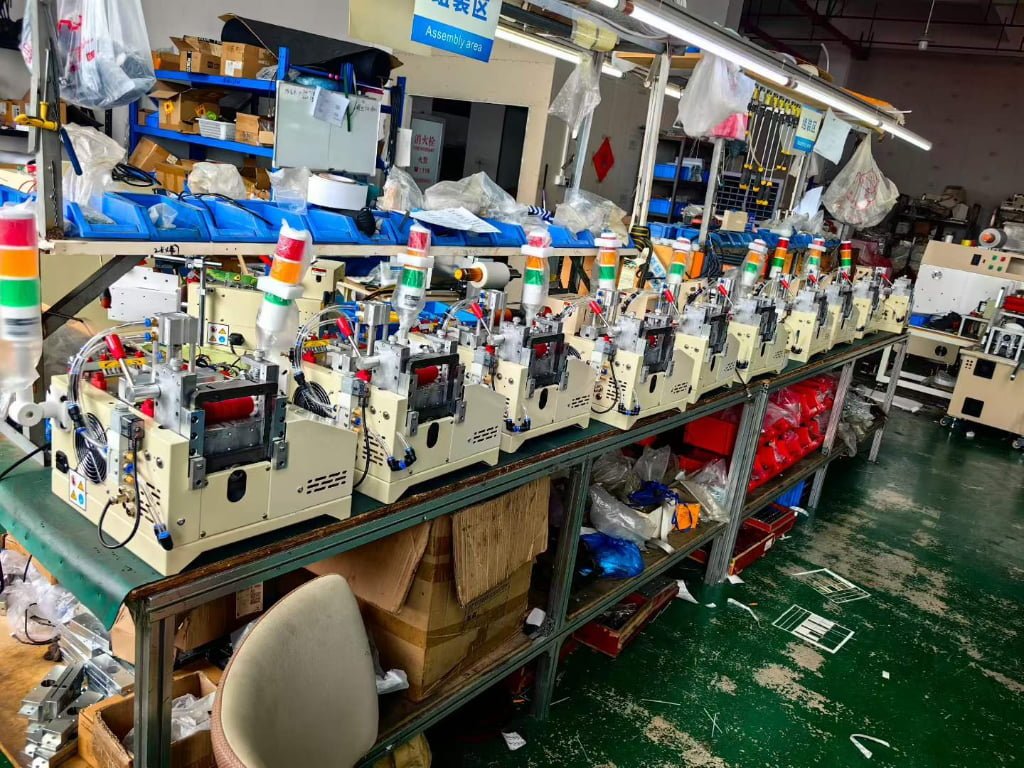
How can factories create a better EVA cutting operation system?
A professional operating system should include:
Operator training
Operators should understand:
- Machine structure
- Safety procedures
- Material handling
- Recipe selection
- Quality inspection
Standard inspection process
Factories should define:
- First-piece inspection
- Shift inspection
- Maintenance inspection
Preventive maintenance
Regular maintenance should include:
- Roller cleaning
- Sensor checking
- Blade inspection
- Electrical inspection
Waste monitoring
Factories should review:
- Material utilization rate
- Scrap causes
- Production efficiency
These systems help maintain stable production.
Insights: How HAOXINHE helps customers improve EVA cutting performance
At HAOXINHE, I understand that a machine purchase is only the beginning of the production journey.
My customers need equipment that can provide:
- Stable operation
- Low material waste
- Easy maintenance
- Long service life
I provide customized cutting solutions for different industries, including:
- Packaging
- Printing
- Labels
- Plastic products
- Foam products
- Photovoltaic-related materials
My related machines include:
- Webbing tape cutting machine
- Hot and cold cutting machine
- High-speed trademark cutting machine
- Automatic punching cutting machine
- Round shape cutting machine
- Rotary bevel cutting machine
- Different shapes cutting machine
- Computer tube cutting machine
- Wire cutting and stripping machine
- Metal pipe cutting and beveling machine
- Webbing ribbon cutting machine
- Bubble wrap cutting machine
- PVC Edge Banding cutting machine
- Protective Foam Cutting Machine
My international customers usually care about:
- Product quality
- Production efficiency
- Delivery reliability
- Technical support
I believe correct machine operation is one of the most important factors for reducing EVA waste.
A good Solar Panel EVA Gasket Cutting Machine combined with proper operation procedures can help factories:
- Reduce material loss
- Improve production efficiency
- Maintain stable module quality
- Increase business profitability
-
"Influence of Lamination Conditions of EVA Encapsulation on Photovoltaic …", https://pmc.ncbi.nlm.nih.gov/articles/PMC10650427/. EVA (ethylene-vinyl acetate) is a critical encapsulant material in solar panel manufacturing due to its durability, transparency, and adhesive properties. Evidence role: general_support; source type: encyclopedia. Supports: EVA material is valuable in photovoltaic module production.. Scope note: The valuation of EVA may depend on market conditions and specific production requirements. ↩
-
"Managing and Reducing Wastes: A Guide for Commercial Buildings – EPA", https://www.epa.gov/smm/managing-and-reducing-wastes-guide-commercial-buildings. Industry guidelines recommend structured operating procedures, including material preparation and waste analysis, to optimize EVA cutting efficiency. Evidence role: expert_consensus; source type: education. Supports: A good operating process for EVA cutting includes these specific steps.. Scope note: The recommended steps may vary based on machine type and production scale. ↩
-
"Mechanical Behavior of Closed-Cell Ethylene-Vinyl Acetate Foam … – PMC", https://pmc.ncbi.nlm.nih.gov/articles/PMC10780418/. Educational resources on EVA cutting highlight roll loading as a critical factor affecting cutting accuracy and material stability. Evidence role: general_support; source type: education. Supports: Incorrect EVA roll loading often leads to cutting errors.. Scope note: Specific error rates may vary across different production setups. ↩
-
"Which EVA Foam Cutting Machine Is Better for Clean Edges …", https://cncamor.com/oscillating-knife-vs-cnc-router-eva-foam-cutting-machine/. Research on manufacturing processes indicates that contamination on machine surfaces can disrupt material feeding and sensor accuracy. Evidence role: mechanism; source type: research. Supports: Machine cleanliness is essential for cutting accuracy.. Scope note: The impact of cleanliness may depend on the type of contamination and machine design. ↩
-
"A Comprehensive Understanding of Knife Cutting – PMC – NIH", https://pmc.ncbi.nlm.nih.gov/articles/PMC10420138/. Studies on cutting technologies confirm that blade sharpness is critical for achieving clean and precise cuts in thin films like EVA. Evidence role: mechanism; source type: research. Supports: The condition of the cutting blade affects EVA quality.. Scope note: The degree of impact may depend on the specific cutting machine and blade material. ↩
-
"Influence of Lamination Conditions of EVA Encapsulation on Photovoltaic …", https://pmc.ncbi.nlm.nih.gov/articles/PMC10650427/. Educational materials on photovoltaic manufacturing stress the role of precise material alignment in ensuring consistent module quality. Evidence role: general_support; source type: education. Supports: Accurate positioning of EVA material is crucial for module quality.. Scope note: The importance of alignment may vary with different module designs. ↩
-
"Back EVA recycling from c-Si photovoltaic module without …", https://pubmed.ncbi.nlm.nih.gov/34837742/. Studies on material reuse in manufacturing suggest that clean EVA remnants can be repurposed for smaller modules or testing applications. Evidence role: general_support; source type: research. Supports: Leftover EVA material can be reused for specific purposes.. Scope note: Reuse feasibility depends on the condition and size of the leftover material. ↩
-
"Identifying Waste in Business Processes – Cornell CALS", https://cals.cornell.edu/pro-dairy/our-expertise/business/lean-management/identifying-waste-business-processes. Research on manufacturing efficiency highlights the role of regular data analysis in identifying and addressing waste sources. Evidence role: general_support; source type: research. Supports: Daily data review helps identify waste sources.. Scope note: The effectiveness of data review may depend on the accuracy and granularity of the collected data. ↩