How to Use a Nylon Cutting Machine Correctly to Improve Cutting Efficiency?
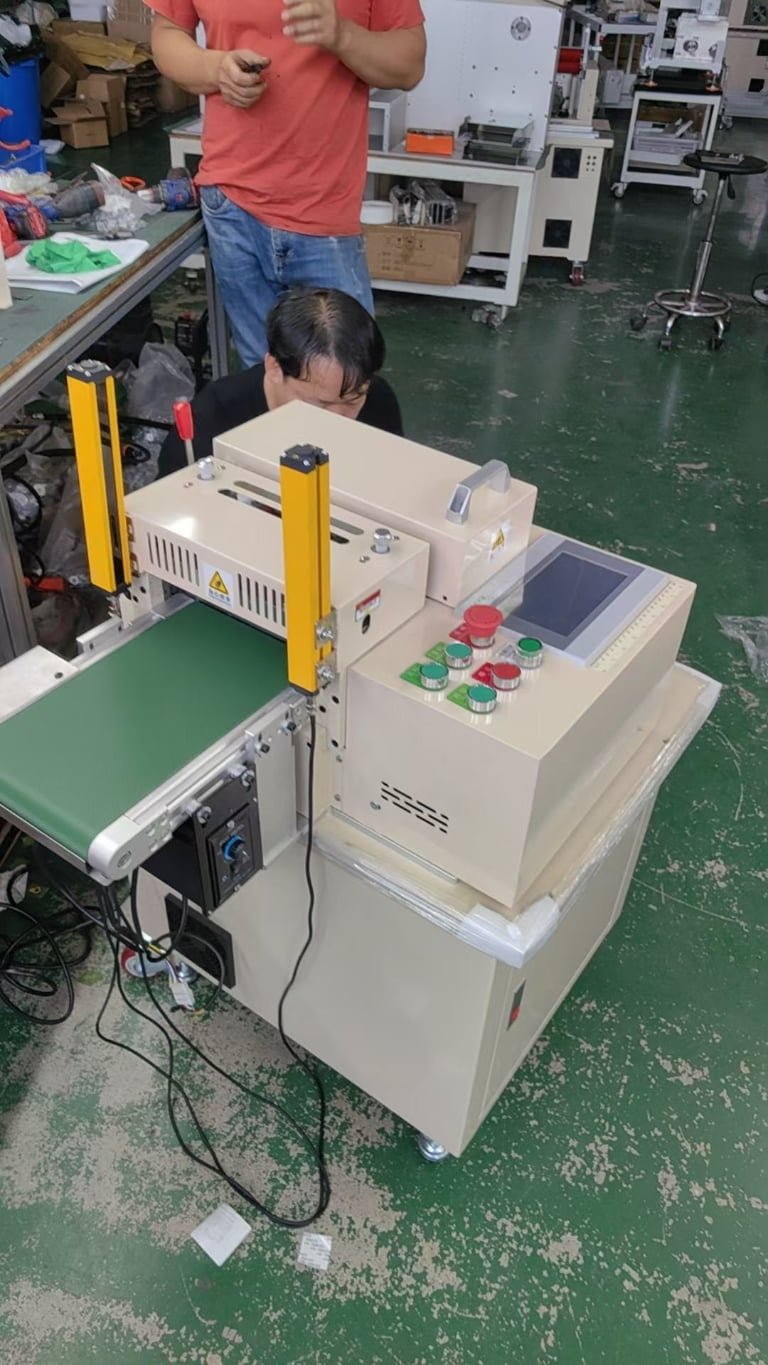
A nylon cutting machine can greatly improve production speed, cutting accuracy, and product consistency.1 However, the machine performance depends not only on the equipment itself. Correct operation is also very important.
Many factories purchase high-quality cutting machines but still experience problems such as:
- High material waste
- Uneven cutting lengths
- Rough edges
- Frequent machine stops
- Low production efficiency
In many cases, these problems happen because of incorrect operation, poor parameter settings, or insufficient maintenance.
For nylon strap, nylon webbing, nylon ribbon, and other synthetic materials, small adjustments can create big improvements.
From my experience in the cutting machine industry, efficient nylon cutting requires three important factors:
- Correct machine setup
- Proper cutting parameters
- Regular maintenance and operator training
A well-operated nylon cutting machine can help factories reduce waste, improve output, and maintain stable product quality.2
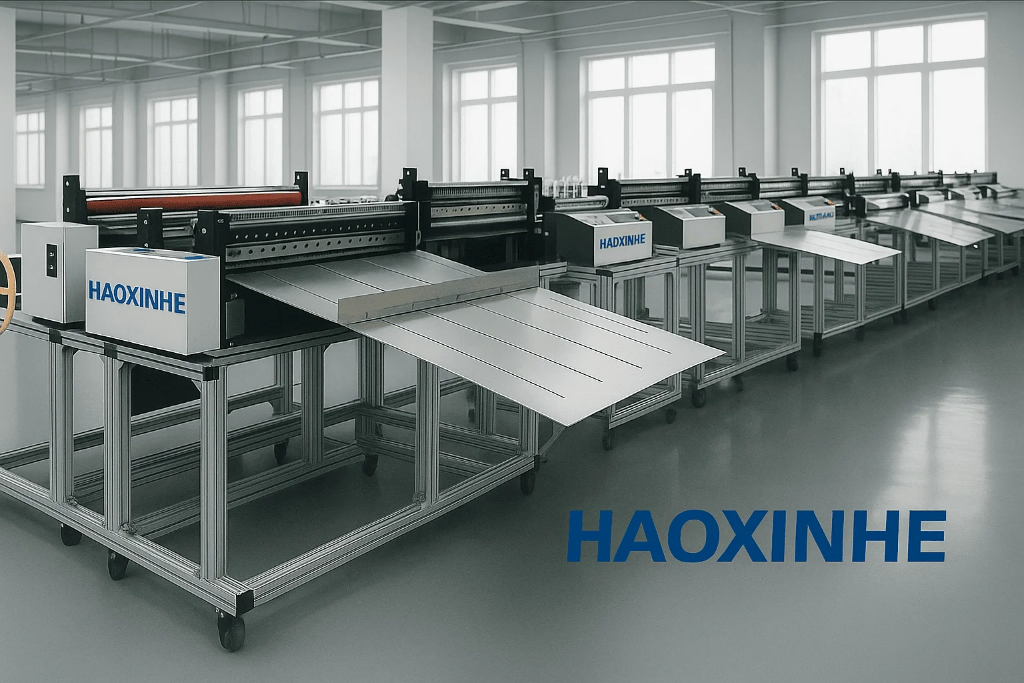
What are the basic operating steps of a nylon cutting machine?
Before starting production, operators should follow a standard process.
A professional operation procedure usually includes:
- Machine inspection
- Material installation
- Parameter setting
- Test cutting
- Mass production
- Quality inspection
Standard operating process
| Step | Operation | Purpose |
|---|---|---|
| 1 | Check machine condition | Prevent unexpected problems |
| 2 | Install nylon material | Ensure smooth feeding |
| 3 | Set cutting parameters | Match production requirements |
| 4 | Test sample cuts | Confirm quality |
| 5 | Start production | Maintain stable output |
| 6 | Inspect finished products | Reduce defective pieces |
Operators should not immediately start large-scale production without testing.
A few sample cuts can help identify problems early.
For example, operators can check:
- Cutting length
- Edge quality
- Cutting angle
- Material position
- Heat sealing condition
This simple step can prevent thousands of defective products.
How should nylon materials be installed correctly?
The first important step is correct material feeding.
Nylon materials such as webbing and straps must move smoothly through the machine.
If the material is loose, twisted, or incorrectly positioned, the machine may create:
- Wrong lengths
- Uneven cuts
- Material jams
- Production waste
Correct feeding requirements
| Requirement | Result |
|---|---|
| Straight material path | Better cutting accuracy |
| Proper tension | Prevents slipping |
| Stable roller pressure | Improves feeding |
| Correct alignment | Reduces waste |
For example, when using an automatic webbing angle cutting machine, the webbing should enter the feeding system smoothly without twisting.
If the webbing moves sideways during feeding, the cutting angle may become incorrect.
For factories producing large quantities of nylon straps, stable feeding is one of the most important factors affecting production efficiency.
How can operators reduce nylon cutting waste through correct length settings?
Length accuracy directly affects material usage.
If the machine cuts each piece longer than required by only a few millimeters, thousands of meters of material may be wasted over time.
A nylon cutting machine usually uses:
- Encoder systems
- Sensors
- Digital length control
These systems measure the feeding distance and control the cutting position.
Length calibration process
| Step | Action |
|---|---|
| 1 | Set required cutting length |
| 2 | Produce test pieces |
| 3 | Measure actual length |
| 4 | Compare with target length |
| 5 | Adjust parameters |
Operators should regularly check calibration because mechanical wear may affect accuracy over time.
Common causes of length errors include:
- Feeding roller wear
- Sensor problems
- Incorrect settings
- Material slipping
Regular calibration helps maintain stable production.3
How should cutting speed be adjusted for better efficiency?
Many factories believe faster cutting always means higher efficiency.4
However, excessive speed can create quality problems.
For nylon materials, the correct balance between speed and quality is important.
If cutting speed is too high:
- The blade may create friction.
- Nylon may melt incorrectly.
- The edge may become rough.
- The machine may vibrate.
If cutting speed is too low:
- Production capacity decreases.
- Labor cost increases.
Speed adjustment guide
| Situation | Recommended Action |
|---|---|
| Rough edge appears | Reduce speed or check blade |
| Material melts | Reduce heat or speed |
| Production is too slow | Increase speed gradually |
| Cutting is unstable | Check feeding system |
A professional operator should adjust speed according to:
- Nylon thickness
- Material type
- Cutting method
- Blade condition
How can blade maintenance improve nylon cutting efficiency?
The cutting tool is one of the most important parts of the machine.
A sharp and clean blade creates better cutting results.
A damaged blade can cause:
- Rough edges
- More pressure on the machine
- Higher energy consumption
- More rejected products
Blade maintenance checklist
| Maintenance Task | Benefit |
|---|---|
| Clean blade regularly | Maintain cutting quality |
| Check blade wear | Prevent defects |
| Replace damaged blades | Improve efficiency |
| Use correct blade type | Match material requirements |
For nylon webbing, the blade must match the material.
Different materials may require:
- Hot knife blade
- Cold cutting blade
- Rotary blade
- Special cutting tools
Using the wrong tool may increase waste and reduce machine life.
How should hot knife temperature be controlled?
Many nylon products use hot cutting because nylon fibers can melt and seal during cutting.5
A hot knife cutting system can provide:
- Clean edges
- Reduced fraying
- Better appearance
However, temperature control is very important.
Temperature problems
| Problem | Cause | Result |
|---|---|---|
| Low temperature | Insufficient heating | Loose fibers |
| High temperature | Excessive heat | Burn marks |
| Unstable temperature | Heating system issue | Different quality |
Operators should check:
- Edge appearance
- Cutting smoothness
- Material color change
- Sealing quality
The correct temperature depends on:
- Nylon type
- Thickness
- Cutting speed
A good automatic webbing cutting machine should allow easy temperature adjustment.
How can proper clamping improve cutting accuracy?
During cutting, nylon materials must stay stable.
Movement during cutting can create:
- Incorrect dimensions
- Uneven shapes
- Poor edge quality
For different machines, stability can come from:
- Rollers
- Clamping systems
- Guides
- Vacuum tables
Material holding methods
| Method | Suitable Application |
|---|---|
| Feeding rollers | Nylon webbing |
| Clamping fixture | Small parts |
| Vacuum hold-down | Nylon sheets |
| Guide system | Long strips |
Stable material positioning improves both quality and efficiency.
How can factories create standard cutting settings?
One common problem in factories is that different operators use different settings.
One operator may use:
- Different speed
- Different temperature
- Different pressure
This creates inconsistent production.
A better method is creating standard production recipes.
Example parameter record
| Product | Speed | Temperature | Length | Cutting Method |
|---|---|---|---|---|
| Nylon strap A | Medium | 280°C | 500mm | Hot cutting |
| Nylon ribbon B | High | 250°C | 300mm | Hot cutting |
| Cotton tape C | Medium | None | 400mm | Cold cutting |
Standard settings help:
- Reduce operator mistakes
- Shorten setup time
- Improve repeatability
This is especially useful for factories producing many different products.
How does regular inspection improve production efficiency?
Quality inspection should not only happen at the end of production.
Factories should check products during operation.
Regular inspection can identify problems early.
Operators should check:
- Cutting length
- Edge quality
- Cutting angle
- Product appearance
Inspection frequency
| Production Stage | Inspection |
|---|---|
| Start-up | First sample check |
| During production | Regular sampling |
| Before shipment | Final quality inspection |
Early detection prevents large amounts of defective products.
How should operators maintain a nylon cutting machine?
Maintenance directly affects efficiency.
A clean and well-maintained machine performs better.6
Daily maintenance
| Task | Purpose |
|---|---|
| Remove material waste | Prevent blockage |
| Clean cutting area | Maintain accuracy |
| Check blade condition | Prevent poor cuts |
| Check abnormal noise | Find early issues |
Weekly maintenance
| Task | Purpose |
|---|---|
| Check screws | Reduce vibration |
| Inspect rollers | Maintain feeding |
| Check electrical parts | Improve safety |
Monthly maintenance
| Task | Purpose |
|---|---|
| Inspect control system | Maintain stability |
| Check motors | Prevent downtime |
| Replace worn parts | Extend machine life |
How does operator training improve nylon cutting efficiency?
Even a high-quality machine needs skilled operators.
Operators should understand:
- Machine operation
- Parameter adjustment
- Safety procedures
- Common troubleshooting
Training should include:
| Training Topic | Purpose |
|---|---|
| Start and stop procedures | Safe operation |
| Material installation | Reduce feeding problems |
| Parameter settings | Improve quality |
| Troubleshooting | Reduce downtime |
A trained operator can quickly solve small problems before they become major production issues.
HAOXINHE Insights: How I help customers improve nylon cutting efficiency
At HAOXINHE, I understand that customers need more than a machine.
They need a complete production solution.
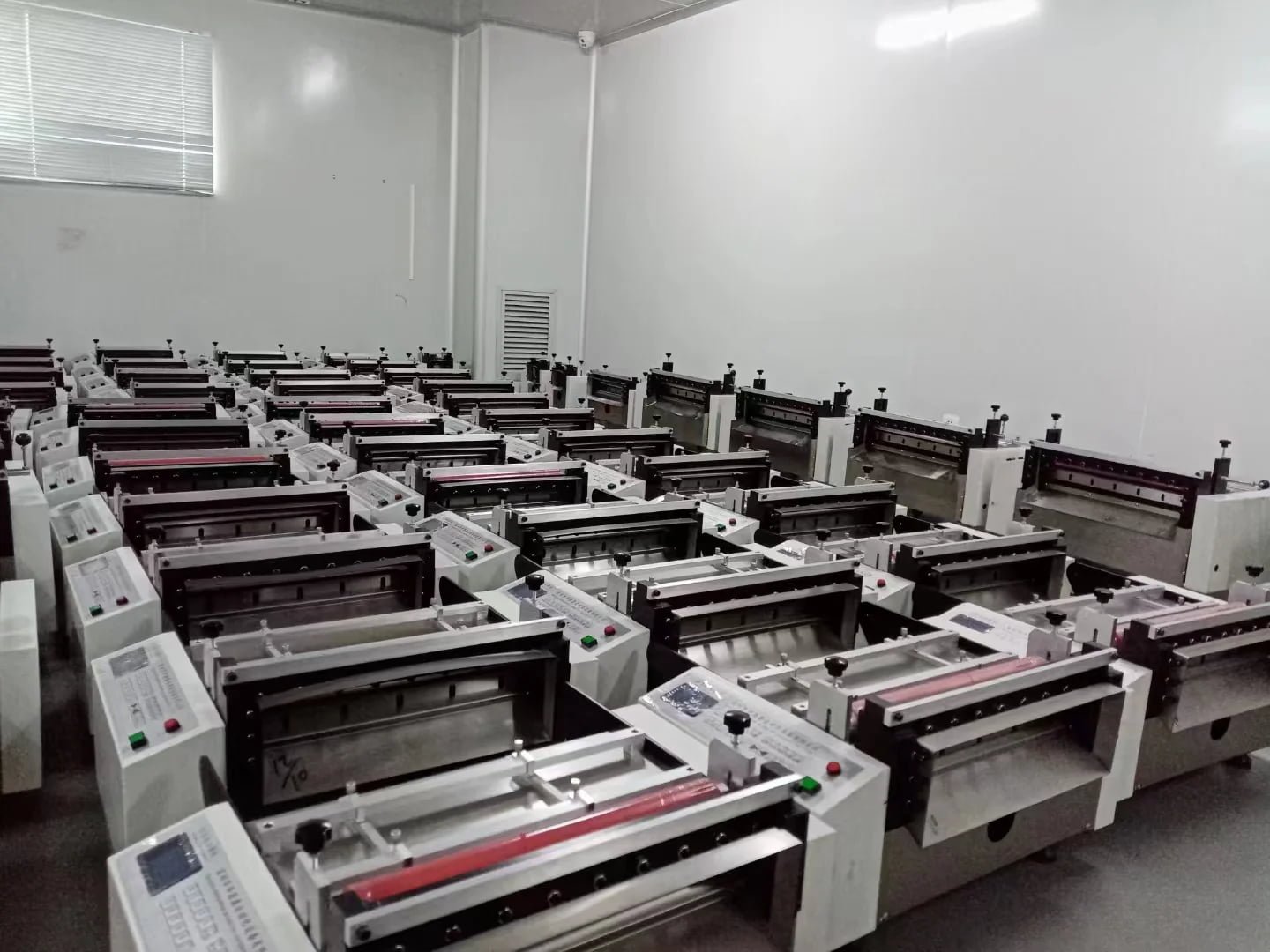
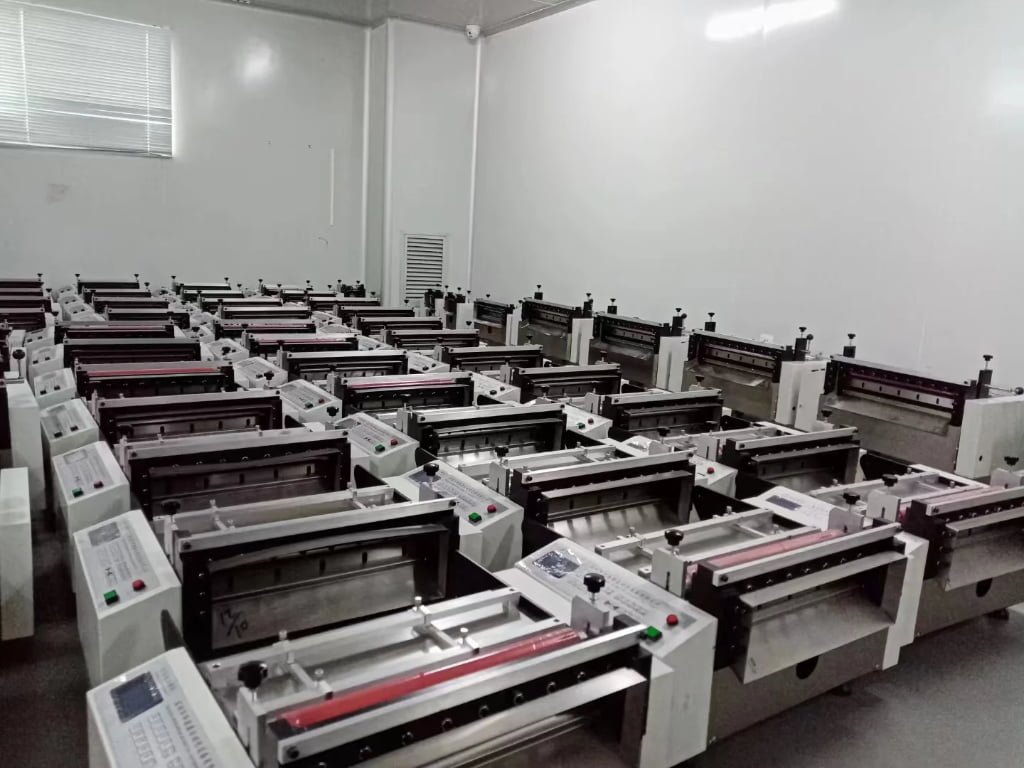
My factory provides professional cutting equipment for industries including:
- Packaging
- Textile
- Printing labels
- Pet products
- Plastic materials
- Industrial straps
My product range includes:
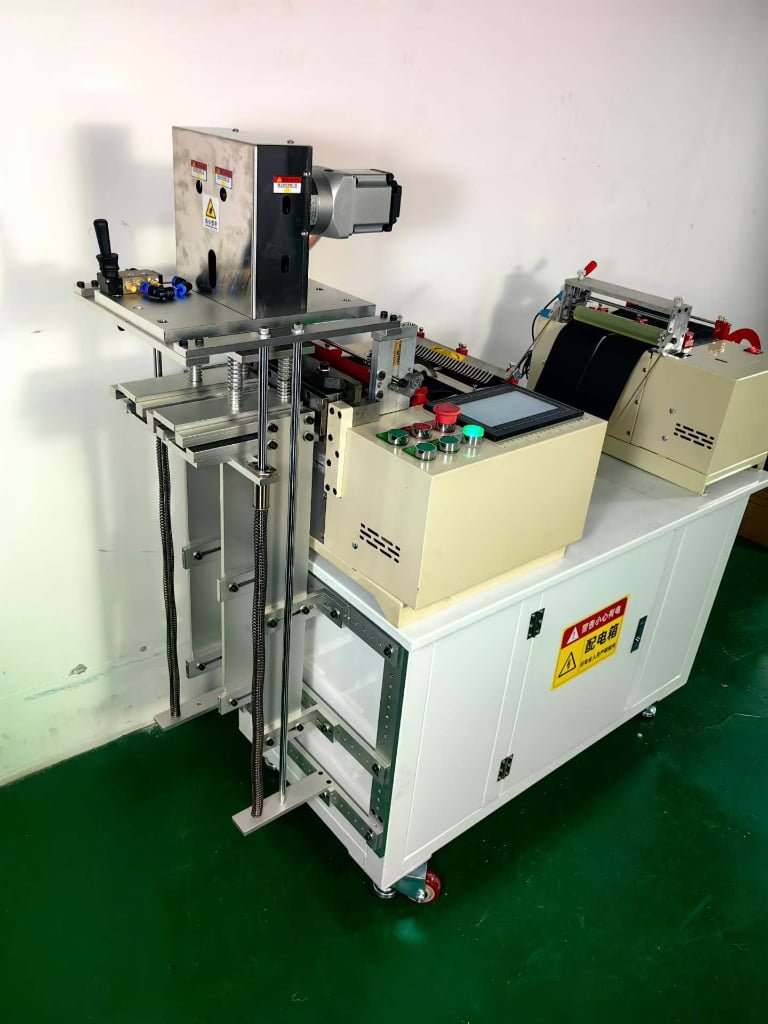
- Automatic webbing angle cutting machine
- Webbing tape cutting machine
- Hot and cold cutting machine
- High-speed trademark cutting machine
- Automatic punching cutting machine
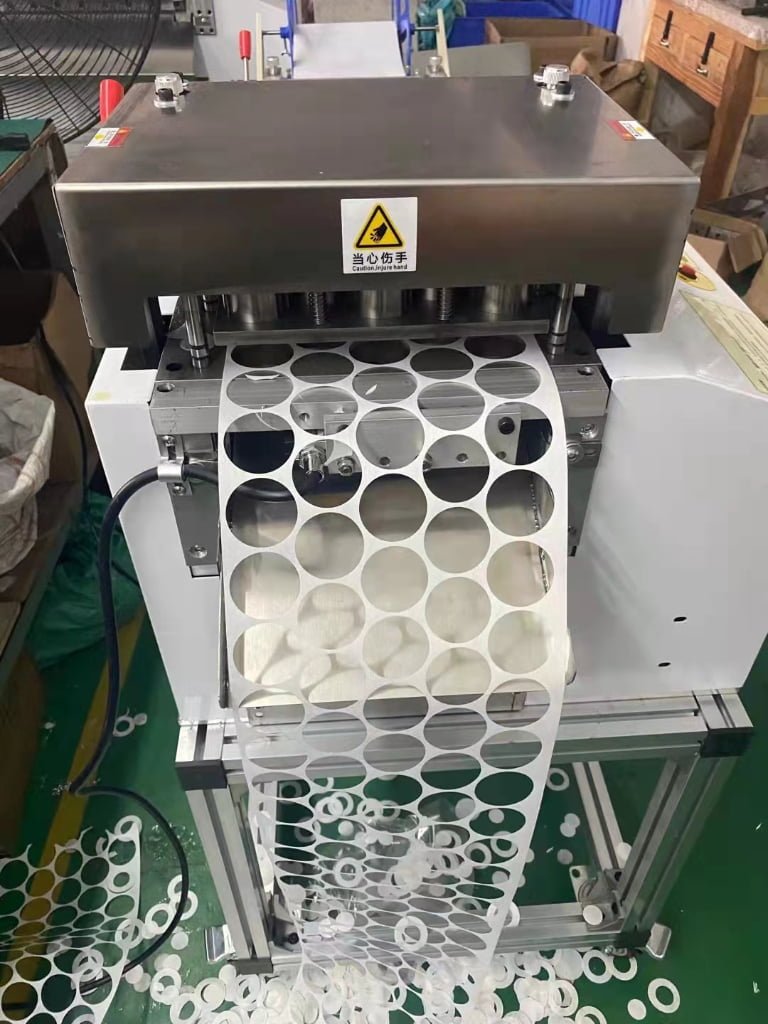
- Round shape cutting machine
- Rotary bevel cutting machine
- Different shapes cutting machine
- Webbing ribbon cutting machine
- Bubble wrap cutting machine
- PVC Edge Banding cutting machine
- Protective Foam Cutting Machine
| HAOXINHE Support | Customer Benefit |
|---|---|
| Machine customization | Better production matching |
| Technical guidance | Easier operation |
| Quality testing | More reliable performance |
| Spare parts support | Less downtime |
| Factory experience | Stable cooperation |
I believe production efficiency comes from the combination of good equipment, correct operation, and proper maintenance.
Conclusion
Using a nylon cutting machine correctly can significantly improve production efficiency and reduce material waste.
The most important operating steps include:
- Correct material feeding
- Accurate length calibration
- Proper speed adjustment
- Regular blade maintenance
- Stable temperature control
- Standardized operating procedures
A well-maintained machine can provide better cutting quality, lower production costs, and longer service life.
At HAOXINHE, I continue improving cutting solutions to help global customers achieve efficient, stable, and reliable nylon production.
-
"How Does a Cutting Machine Improve Production Speed?", https://www.anysew.com/blog/how-does-a-cutting-machine-improve-production-speed. Studies have shown that automated cutting machines, including those for nylon, enhance production efficiency by reducing manual errors and ensuring consistent output quality. Evidence role: general_support; source type: research. Supports: The source should support the claim that nylon cutting machines improve production speed, accuracy, and consistency.. Scope note: The source may provide general insights into automated cutting machines rather than specific data on nylon cutting machines. ↩
-
"Cutting Nylon Clothing Waste: Techniques for Efficiency", https://szoneierfabrics.com/reducing-waste-in-nylon-clothing-production/. Industry reports indicate that optimized operation of cutting machines can significantly reduce material waste and improve production consistency. Evidence role: general_support; source type: research. Supports: The source should support the claim that proper operation of nylon cutting machines leads to reduced waste, higher output, and consistent quality.. Scope note: The source may provide general insights applicable to various materials, not exclusively nylon. ↩
-
"Questions and Answers on Current Good Manufacturing …", https://www.fda.gov/drugs/guidances-drugs/questions-and-answers-current-good-manufacturing-practice-requirements-laboratory-controls. Studies emphasize that regular calibration of automated machines minimizes errors and ensures consistent production quality. Evidence role: general_support; source type: research. Supports: The source should support the claim that regular calibration of cutting machines ensures stable production.. Scope note: The source may discuss calibration broadly, not specifically for nylon cutting machines. ↩
-
"THE IMPACT OF LEAN MANUFACTURING CONCEPTS ON INDUSTRIAL …", https://www.researchgate.net/publication/381250819_THE_IMPACT_OF_LEAN_MANUFACTURING_CONCEPTS_ON_INDUSTRIAL_PROCESSES%27_EFFICIENCY_AND_WASTE_REDUCTION. Industry surveys reveal that manufacturers often equate higher cutting speeds with improved efficiency, though this is not always accurate. Evidence role: expert_consensus; source type: research. Supports: The source should confirm that many factories associate faster cutting speeds with higher efficiency.. Scope note: The source may not focus exclusively on nylon cutting machines. ↩
-
"Video: Cut Synthetics with a Hot Tool – Threads", https://www.threadsmagazine.com/2008/11/02/video-cut-synthetics-with-a-hot-tool. Studies on synthetic materials confirm that hot cutting effectively melts and seals nylon fibers, preventing fraying. Evidence role: mechanism; source type: research. Supports: The source should explain why hot cutting is suitable for nylon products and how it seals fibers.. Scope note: The source may not provide data on how widely hot cutting is used for nylon products. ↩
-
"Cutting Tool Maintenance: Maximise Tool Life and Performance", https://primatooling.co.uk/cutting-tool-maintenance-guide/. Maintenance studies in manufacturing confirm that regular cleaning and upkeep enhance machine efficiency and longevity. Evidence role: general_support; source type: research. Supports: The source should support the claim that maintenance improves the performance of cutting machines.. Scope note: The source may discuss maintenance broadly, not specifically for nylon cutting machines. ↩