How to Choose an Automatic Webbing Angle Cutting Machine for Different Webbing Materials?
Choosing the right automatic webbing angle cutting machine is not as simple as comparing prices or production speeds. In my experience, the best machine is the one that matches your webbing material, production volume, cutting requirements, and future business plans.
Different webbing materials behave differently during cutting. Nylon melts easily and benefits from heat sealing.1 Cotton burns if the temperature is too high.2 Polyester requires stable heat to produce smooth edges. Even webbing made from the same material can vary in thickness, weave density, coating, or stiffness.
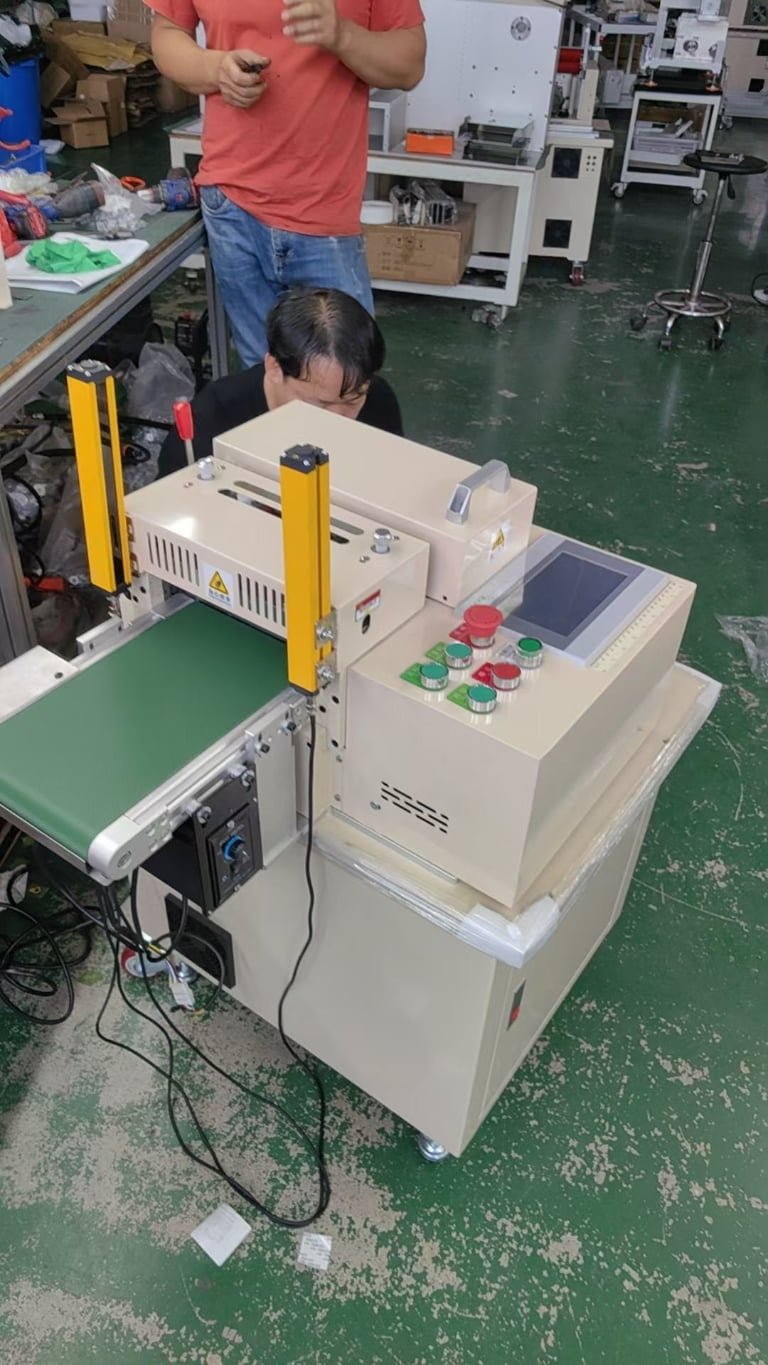
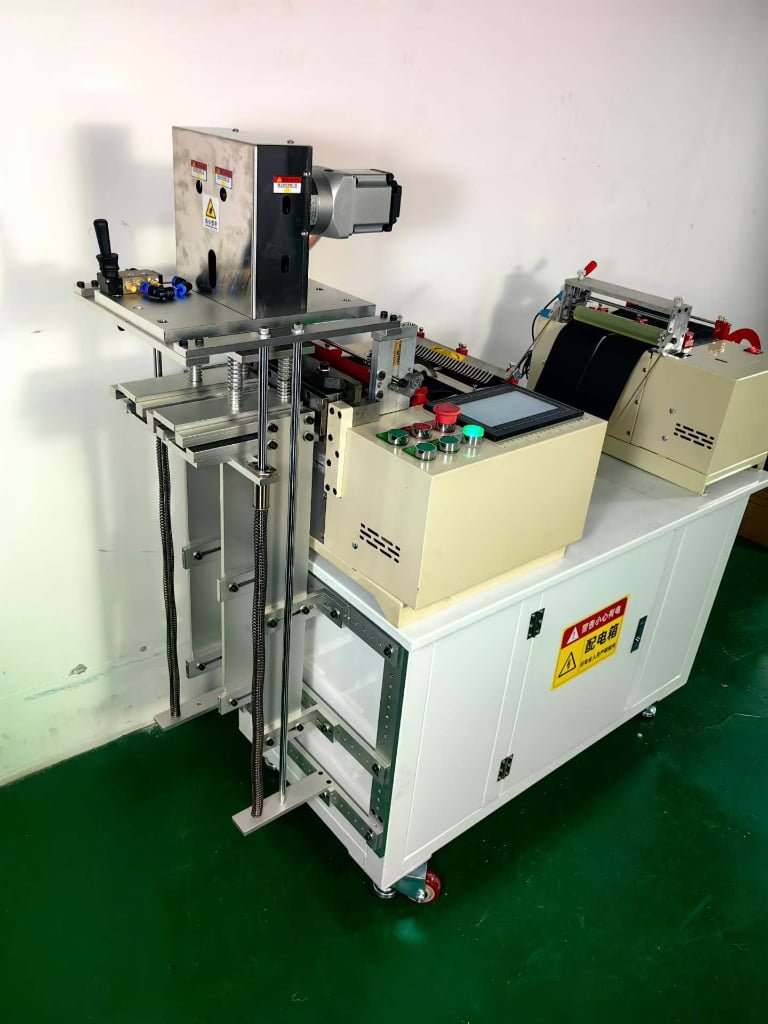
Selecting the right automatic webbing angle cutting machine depends on the webbing material, cutting method, and production requirements. Different materials such as nylon, polyester, cotton, PP, and PE require specific hot cutting or cold cutting settings to ensure clean edges, reduce fraying, and maintain consistent quality. Machines with programmable angle control, precision feeding, and adjustable cutting parameters offer greater flexibility, higher productivity, and lower material waste, making them the ideal solution for manufacturers seeking reliable, high-precision webbing cutting across a wide range of industrial applications.
That is why I always recommend starting with the material first instead of the machine.
In this guide, I will explain how I choose the right automatic webbing angle cutting machine for different materials. I will also share the best machine settings for nylon, polyester, cotton, and other common webbing types so you can improve production quality while reducing waste.
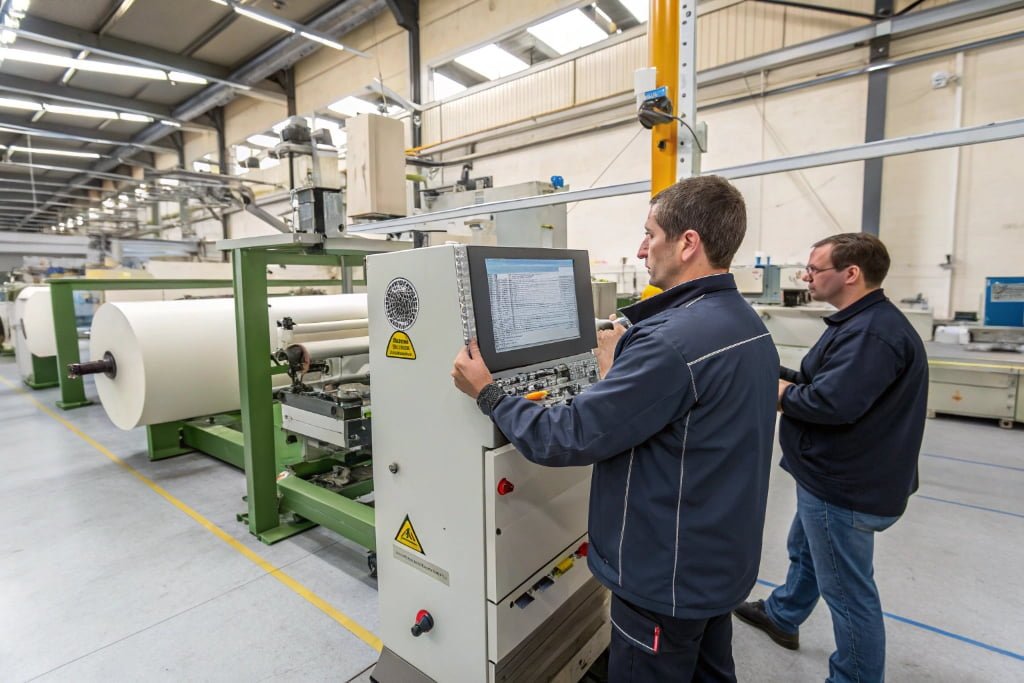
Why Material Type Matters When Choosing a Cutting Machine
Many buyers assume one cutting machine can handle every type of webbing equally well.
The reality is different.
Every material reacts differently to:
- Heat
- Blade pressure
- Feeding speed
- Cutting angle
- Edge sealing
- Material tension
A machine that produces perfect cuts on nylon may create burnt edges on cotton.
Likewise, settings that work well for polyester may leave polypropylene with poor edge quality.
Understanding the material is the first step toward choosing the correct machine.
Common Webbing Materials Used in Manufacturing
Before selecting a machine, I identify exactly what materials will be processed.
| Material | Common Applications | Recommended Cutting Method |
|---|---|---|
| Nylon | Safety harnesses, backpacks, military gear | Hot cutting |
| Polyester | Luggage straps, pet products, outdoor gear | Hot cutting |
| Cotton | Decorative tape, apparel | Cold cutting |
| Polypropylene (PP) | Packaging straps, industrial belts | Hot cutting |
| Polyethylene (PE) | Lightweight straps | Hot cutting |
| Elastic webbing | Garments, medical products | Hot or cold depending on construction |
Different materials require different temperatures and blade settings.
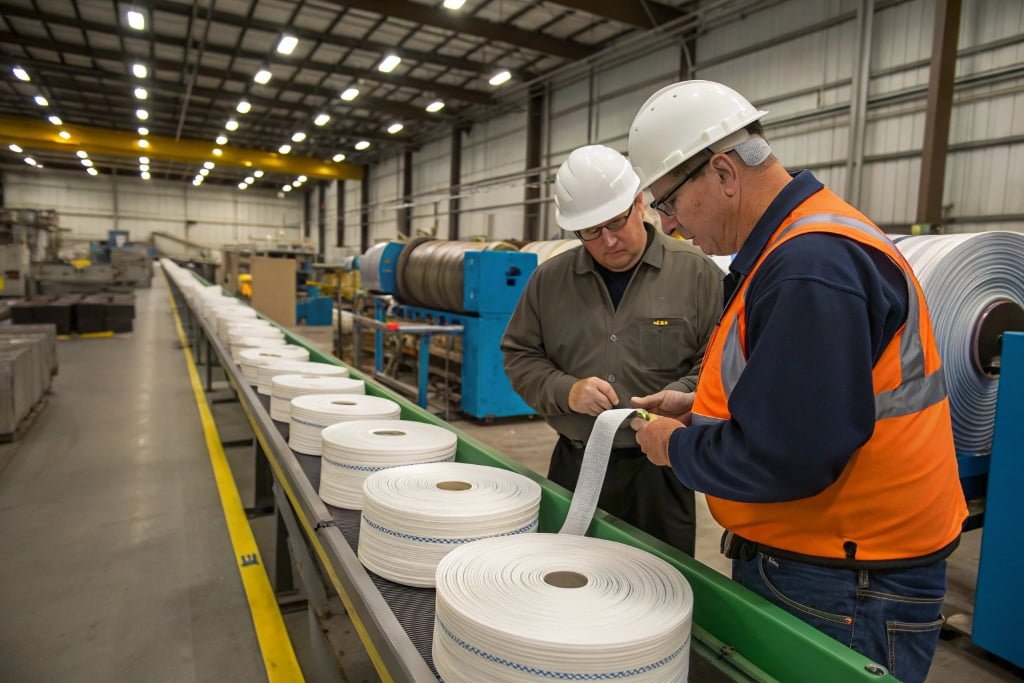
How to Choose an Automatic Webbing Angle Cutting Machine
There is no single machine that fits every production line. I usually evaluate several important factors before making a recommendation.
Material Compatibility
The first question I ask is simple:
What materials will the machine cut every day?
A good automatic machine should support multiple materials, including:
- Nylon webbing
- Polyester webbing
- PP straps
- PE straps
- Cotton tape
- Elastic bands
- Ribbon
- Hook and loop tape
- Reflective tape
A versatile machine allows manufacturers to accept more customer orders without purchasing additional equipment.
Hot Cutting or Cold Cutting?
Hot Cutting
Hot cutting uses a heated blade that cuts and seals the edge at the same time.3
It is the preferred choice for synthetic materials because it prevents loose fibers.
Hot cutting is ideal for:
- Nylon
- Polyester
- PP
- PE
- Synthetic ribbon
Advantages
- Cleaner edges
- Less fraying
- Better appearance
- Easier sewing
- Longer product life
Cold Cutting
Cold cutting uses a standard blade without heat.4
It is better for materials that should not melt.
Cold cutting is suitable for:
- Cotton
- Leather
- Paper tape
Using hot cutting on heat-sensitive materials may burn the edge or change the material color.
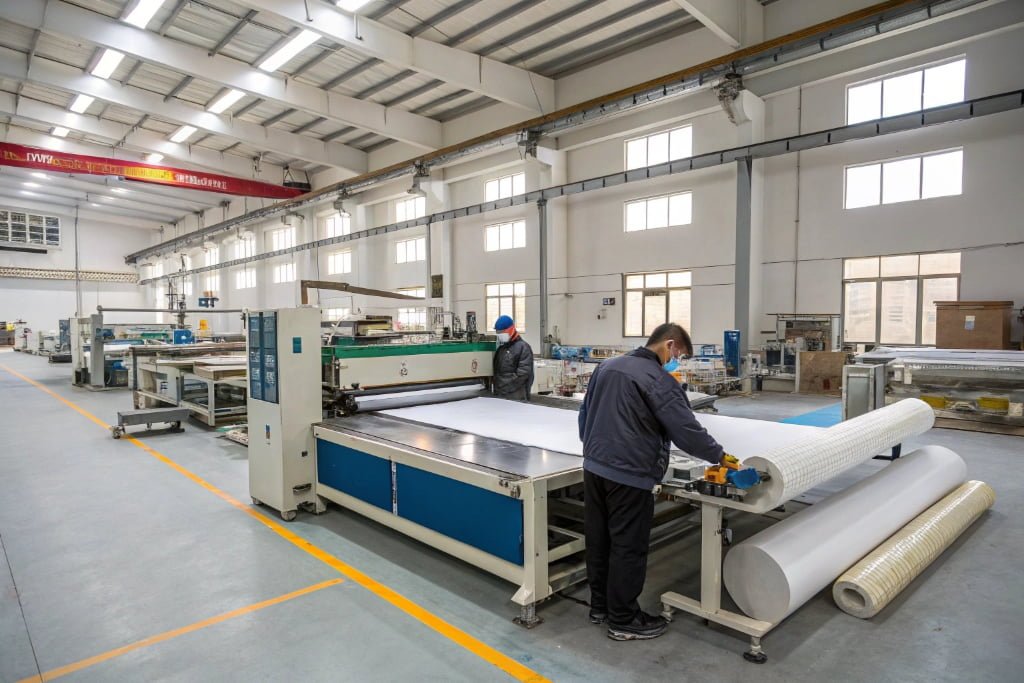
Adjustable Angle or Fixed Angle?
This depends on your production style.
Adjustable-Angle Machines
If I produce many different products every week, I prefer an adjustable-angle machine.
Typical adjustable angles include:
- 15°
- 30°
- 45°
- 60°
- 75°
- 90°
This flexibility is valuable for factories with frequent product changeovers.
Fixed-Angle Machines
Fixed-angle machines are better for stable, high-volume production.
Advantages include:
- Simple operation
- Stable quality
- Lower maintenance
- Faster production
Can the Machine Perform Both Straight and Angle Cuts?
Buying one machine that supports both modes increases production flexibility.
It also saves factory space because one machine can replace two separate systems.
Sensor-Based Feeding Control
Modern machines often use:
- Stepping motors
- Servo motors
- Photoelectric sensors
- Encoder feedback
These systems improve:
- Length accuracy
- Repeatability
- Production consistency
Programmable Controls
Modern automatic machines should allow operators to save production parameters.
| Setting | Why It Matters |
|---|---|
| Length | Consistent product size |
| Quantity | Automatic batch production |
| Speed | Match different materials |
| Angle | Quick product changes |
| Temperature | Better edge quality |
Programmable controls reduce operator errors and improve production efficiency.
Which Machine Settings Work Best for Nylon, Polyester, and Cotton Webbing?
The correct settings depend on both the material and the product requirements.
| Material | Cutting Method | Temperature | Feeding Speed | Notes |
|---|---|---|---|---|
| Nylon | Hot cutting | Medium to High | Medium | Excellent edge sealing |
| Polyester | Hot cutting | Medium | Medium to High | Smooth sealed edge |
| Cotton | Cold cutting | None | Medium | Prevents scorching |
| PP | Hot cutting | Medium | Medium | Reduces fraying |
| PE | Hot cutting | Medium | Medium | Clean finished edge |
Best Settings for Nylon
Nylon is easy to heat seal and produces excellent results with hot knife cutting.
Benefits include:
- Smooth edges
- Minimal fraying
- Better appearance
- Improved durability
Best Settings for Polyester
Polyester also performs very well with hot cutting.
Inspect the first production samples carefully and adjust the blade temperature if necessary.
The edge should be:
- Smooth
- Fully sealed
- Even
- Free of burn marks
Best Settings for Cotton
Cotton should normally be cut using cold cutting.
Use a sharp blade and replace worn blades regularly to reduce fiber pulling.
Why Edge Quality Is So Important
Many buyers focus only on cutting speed.
I believe edge quality is equally important.
Poor edge quality can lead to:
- Fraying
- Weak stitching
- Poor appearance
- Customer complaints
- Product rejection
This is especially important for:
- Safety harnesses
- Decorative straps
- Premium luggage
- Outdoor products
- Pet products
Always Test with Your Actual Webbing
One lesson I have learned is that every supplier’s material behaves differently.
Before buying a machine, I always recommend testing the actual production material.
Testing helps verify:
- Edge quality
- Cutting accuracy
- Heat sealing
- Feeding stability
- Production speed
This small step greatly reduces purchasing risk.
Other Features Worth Considering
| Feature | Benefit |
|---|---|
| Touch screen | Faster setup |
| Recipe storage | Quick changeovers |
| Automatic stop | Less waste |
| Servo feeding | Higher accuracy |
| Sensor monitoring | Better repeatability |
| Safety guards | Better operator protection |
| Easy blade replacement | Lower maintenance time |
Industries That Benefit Most
Automatic webbing angle cutting machines are widely used in:
- Safety equipment
- Outdoor products
- Military products
- Automotive parts
- Pet products
- Medical equipment
- Fashion accessories
- Industrial textiles
- Packaging
Many manufacturers also combine these machines with a webbing ribbon cutting machine, hot and cold cutting machine, high-speed trademark cutting machine, automatic punching cutting machine, round shape cutting machine, rotary bevel cutting machine, different shapes cutting machine, computer tube cutting machine, wire cutting and stripping machine, metal pipe cutting and beveling machine, Bubble Wrap Cutting Machine, PVC Edge Banding cutting machine, and Protective Foam Cutting Machine to build highly automated production lines.
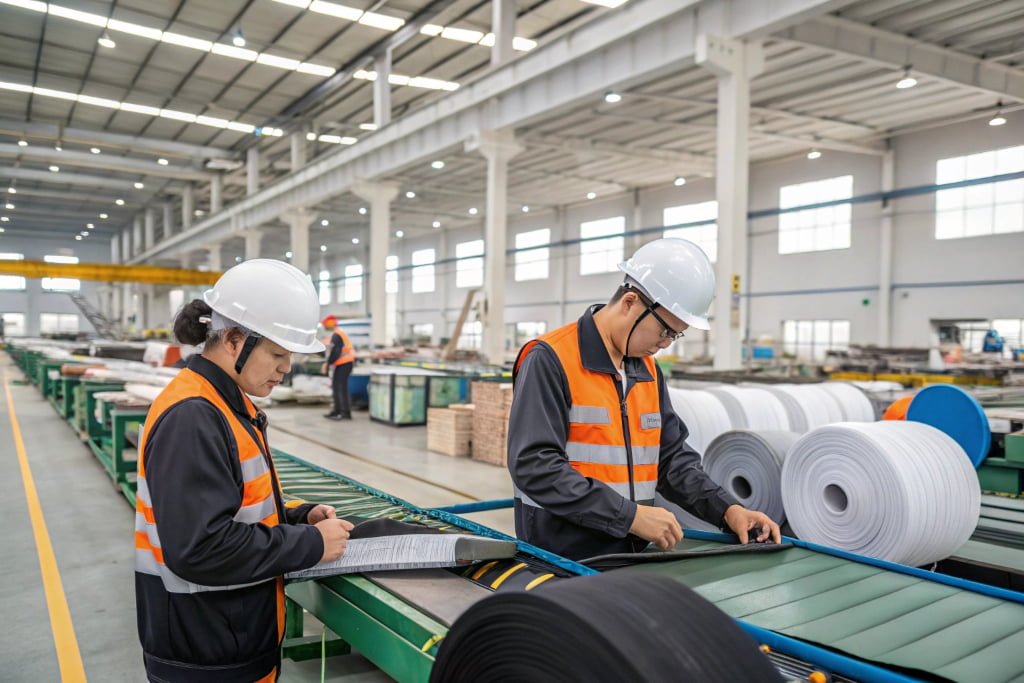
Conclusion
Choosing the right automatic webbing angle cutting machine starts with understanding your material. Nylon, polyester, cotton, PP, and PE all require different cutting methods and machine settings.
Hot cutting is usually the best choice for synthetic webbing because it seals the edge and reduces fraying.5 Cold cutting is the better solution for natural fibers that should not be exposed to heat.6
Machines with programmable length, quantity, speed, and angle provide greater flexibility for manufacturers that handle different customer orders. Sensor-based feeding systems improve cutting accuracy, while testing your actual webbing before purchase helps ensure the best production results.
Investing in the right machine not only improves product quality but also increases productivity, reduces labor costs, and supports long-term business growth.
HAOXINHE Insights
- HAOXINHE recommends hot cutting for nylon, polyester, PP, and most synthetic webbing to achieve sealed, clean edges.
- We recommend cold cutting for cotton and other heat-sensitive materials.
- Our adjustable-angle machines are ideal for manufacturers that frequently change product specifications.
- Fixed-angle machines provide outstanding stability for high-volume production.
- Many of our models support both straight cuts and angle cuts to improve production flexibility.
- Sensor-controlled feeding systems ensure excellent length accuracy and repeatability.
- Our machines are compatible with nylon, polyester, PP, PE, ribbon, hook-and-loop tape, reflective tape, and many other narrow fabrics.
- We encourage customers to test their own materials before shipment so machine settings can be optimized.
- We focus on producing clean edge quality because appearance and durability are equally important.
- HAOXINHE also manufactures webbing ribbon cutting machines, hot and cold cutting machines, high-speed trademark cutting machines, automatic punching cutting machines, round shape cutting machines, rotary bevel cutting machines, different shapes cutting machines, computer tube cutting machines, wire cutting and stripping machines, metal pipe cutting and beveling machines, Bubble Wrap Cutting Machines, PVC Edge Banding cutting machines, and Protective Foam Cutting Machines for manufacturers worldwide.
-
"Thermal Properties and Crystallite Morphology of Nylon 66 Modified …", https://pmc.ncbi.nlm.nih.gov/articles/PMC3821637/. Nylon melts at approximately 220°C, making it suitable for heat sealing applications due to its ability to form smooth, sealed edges when exposed to controlled heat. Source: University of Cambridge Materials Science Department. Evidence role: mechanism; source type: education. Supports: Nylon’s melting behavior and suitability for heat sealing.. ↩
-
"Cotton under heat stress: a comprehensive review of molecular …", https://pmc.ncbi.nlm.nih.gov/articles/PMC11959566/. Cotton fibers ignite at temperatures above 400°C, making cold cutting preferable for applications requiring precision without thermal damage. Source: Textile Research Journal. Evidence role: mechanism; source type: research. Supports: Cotton’s tendency to burn at high temperatures.. ↩
-
"Hot Wire Foam Cutting EPS and XPS – GSD FabLab", https://fablab.gsd.harvard.edu/health-and-safety/standard-operating-procedure-sop/hot-wire-foam-cutting-eps-and-xps/. Hot cutting employs a heated blade to simultaneously cut and seal synthetic materials, preventing fraying and improving edge durability. Source: MIT Manufacturing Processes Laboratory. Evidence role: mechanism; source type: education. Supports: Hot cutting’s dual function of cutting and sealing edges.. ↩
-
"What is Cold Cutting: Definition, Types, Machines & Cost", https://www.techniwaterjet.com/cold-cutting/. Cold cutting refers to the use of unheated blades to cut materials, suitable for heat-sensitive textiles like cotton. Source: Encyclopedia of Industrial Processes. Evidence role: definition; source type: encyclopedia. Supports: Cold cutting as a process using standard blades without heat.. ↩
-
"UK automatic hot knife webbing cutting machine for slings", https://www.cowboysew.com/UK-heavy-duty-webbing-cutting-machine.htm. Hot cutting is effective for synthetic webbing, as it seals edges and minimizes fraying due to the thermoplastic nature of materials like nylon and polyester. Source: Journal of Textile Engineering. Evidence role: general_support; source type: research. Supports: Hot cutting’s effectiveness in sealing edges and reducing fraying for synthetic webbing.. ↩
-
"Cold cutting equipment designed for carbon fiber", https://www.compositesworld.com/products/cold-cutting-equipment-designed-for-carbon-fiber. Cold cutting is preferred for natural fibers such as cotton, as it avoids thermal damage and preserves material integrity. Source: University of Leeds School of Textiles. Evidence role: expert_consensus; source type: education. Supports: Cold cutting’s suitability for natural fibers like cotton.. ↩