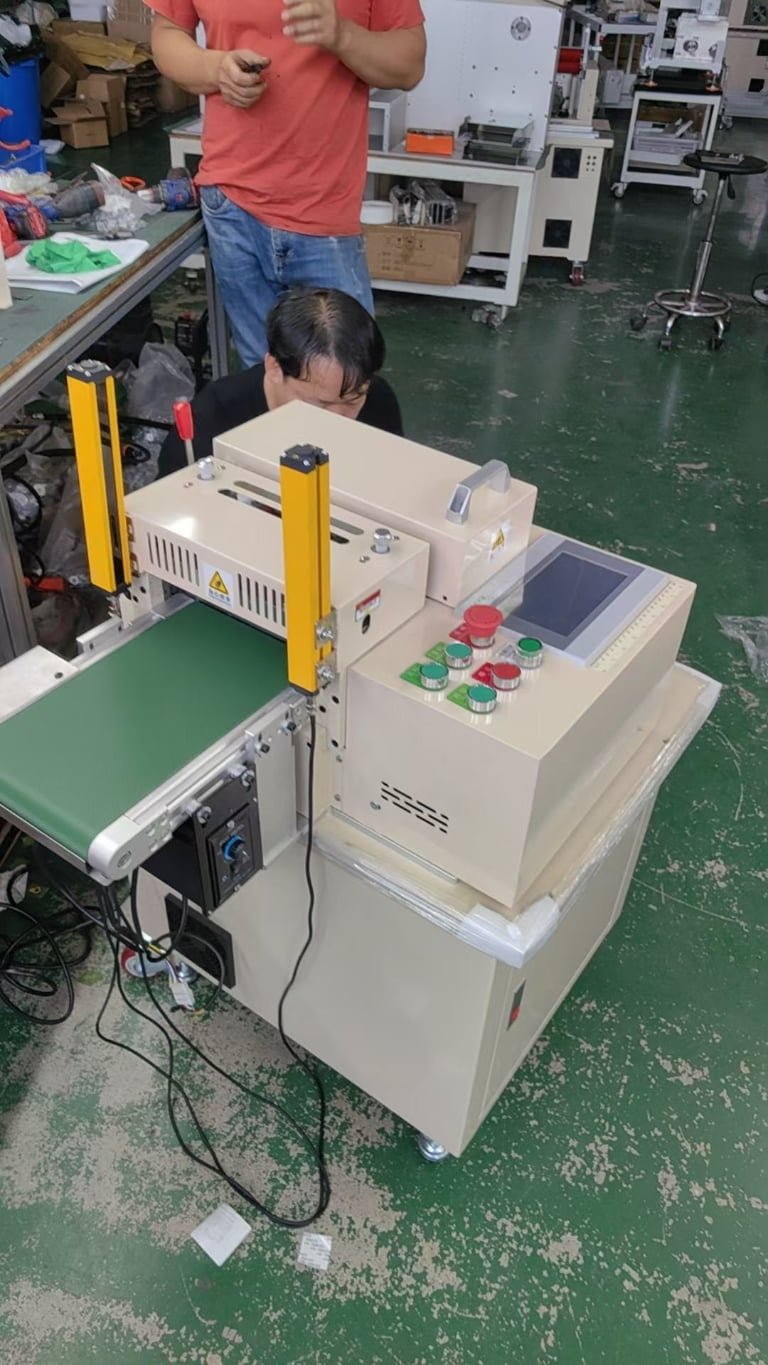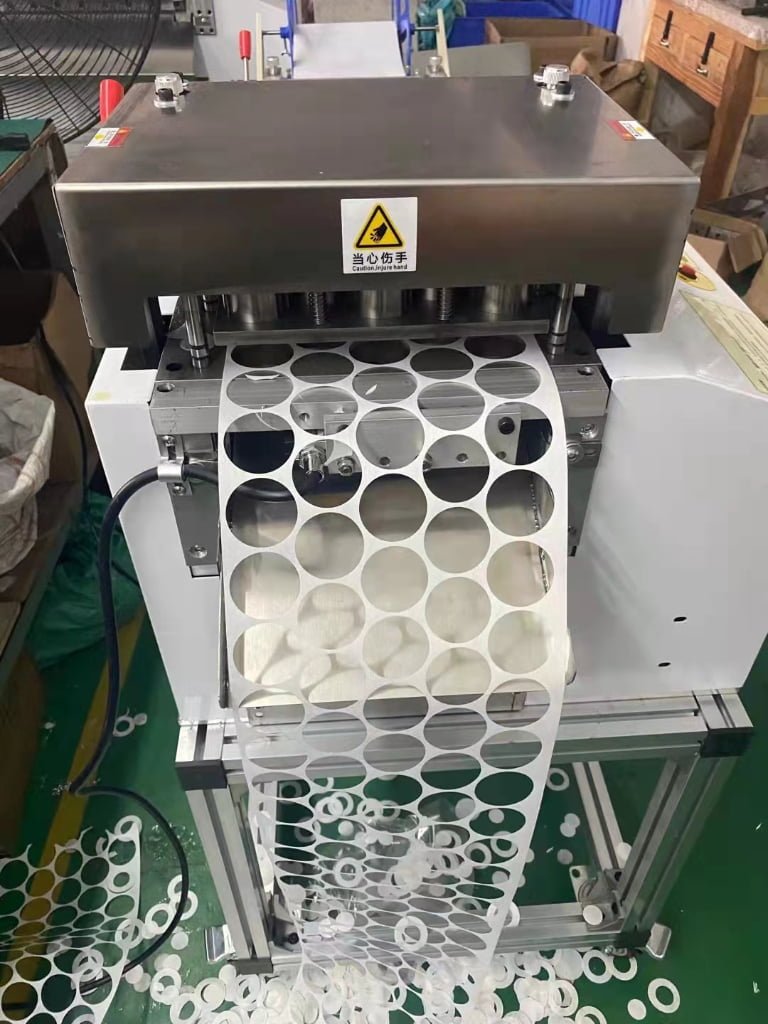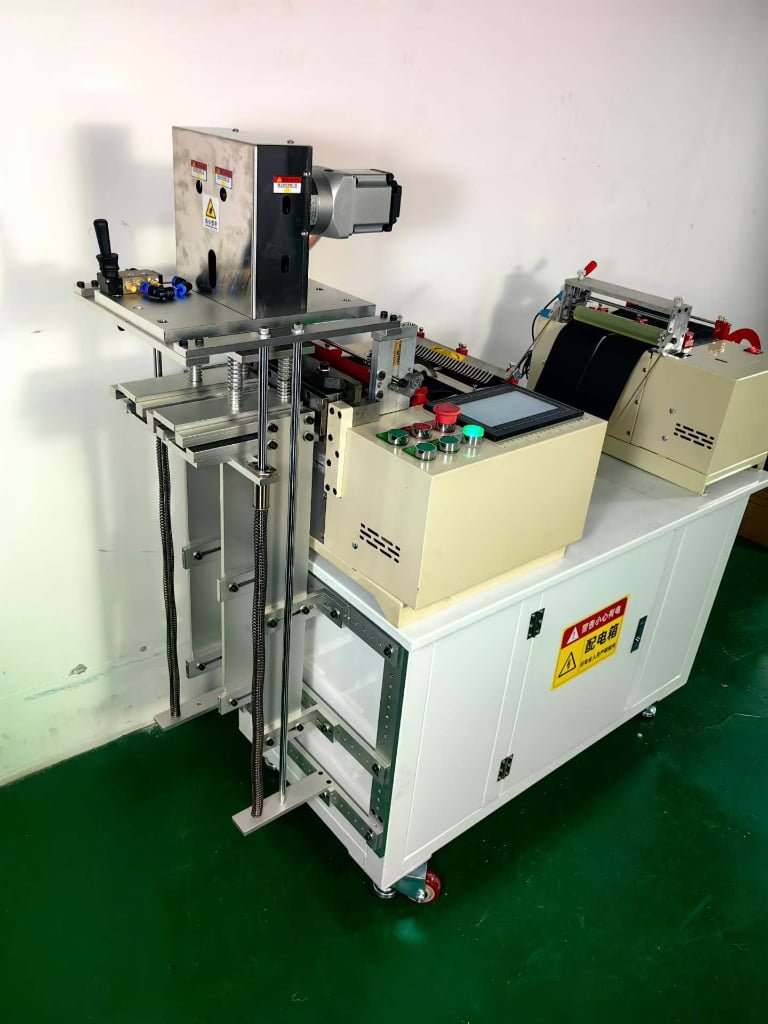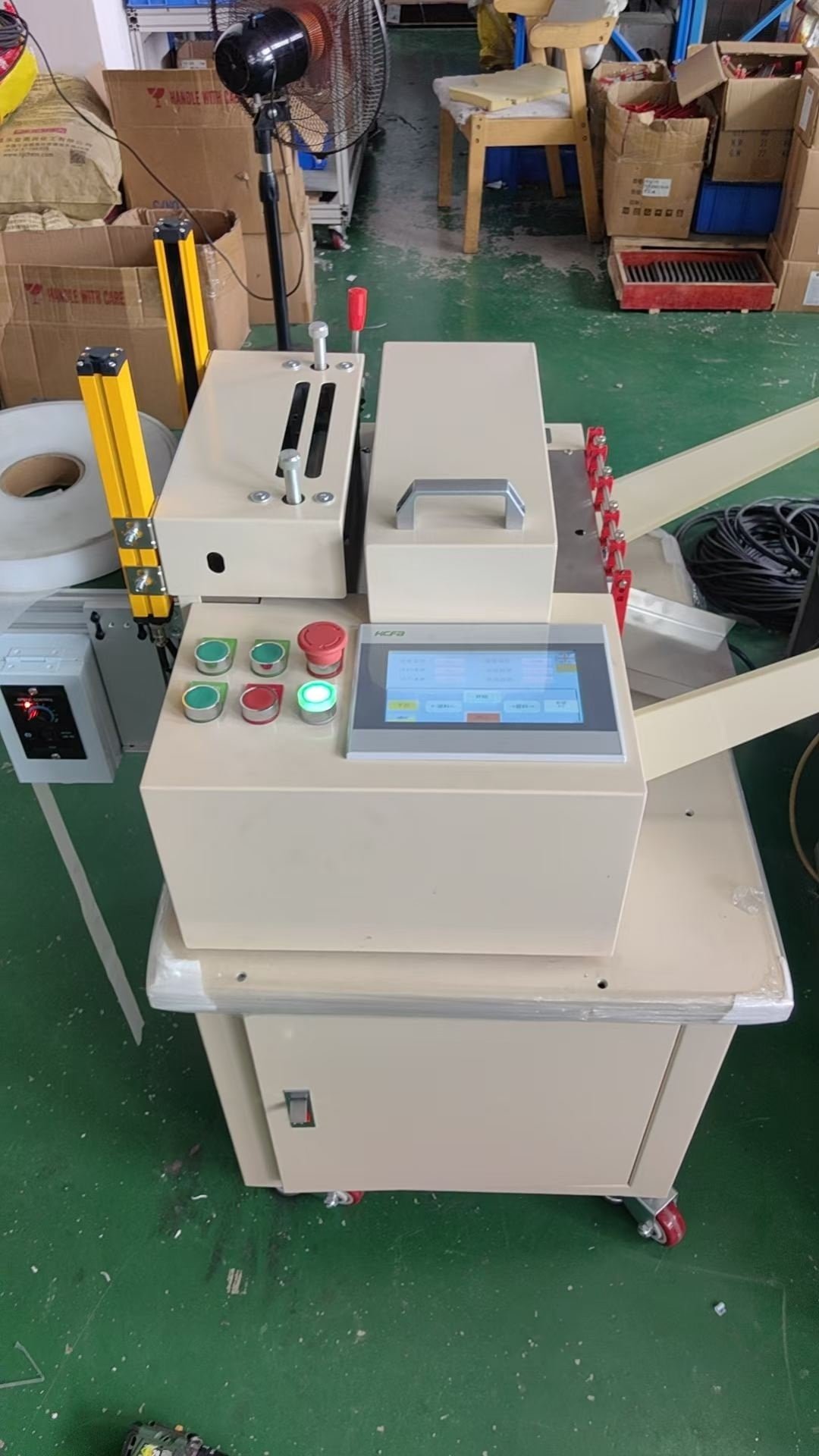
How to improve production efficiency with a Solar Panel EVA Gasket Cutting Machine?
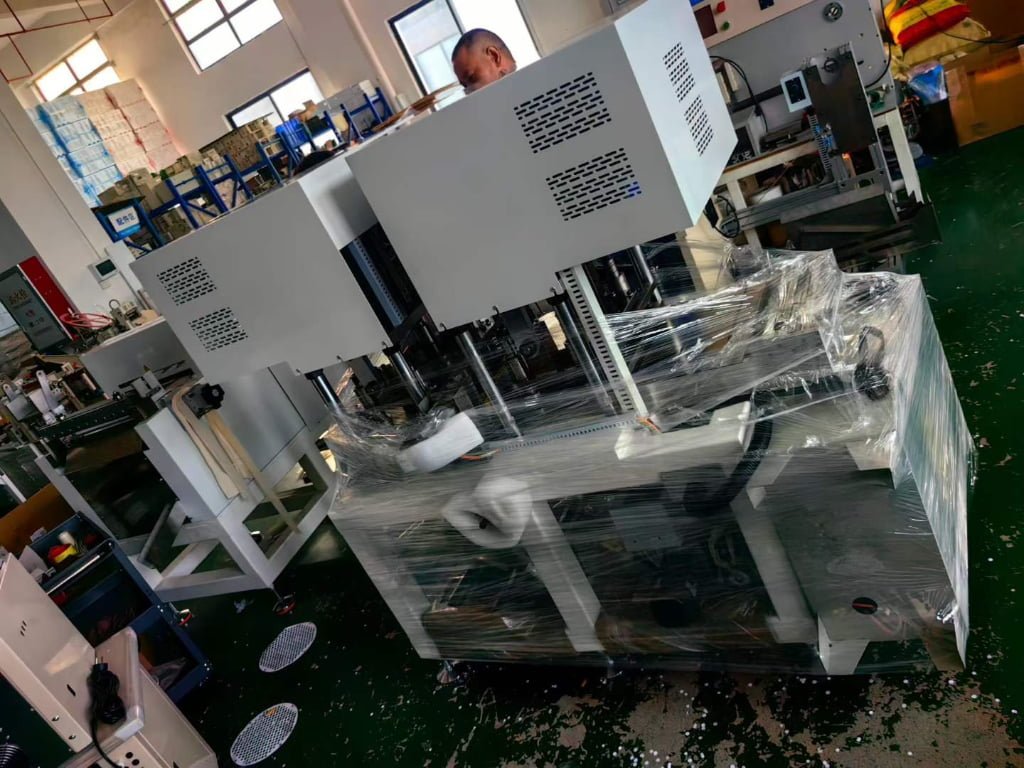
When photovoltaic factories increase production capacity, improving efficiency becomes a major goal.
Many factories first think about increasing machine speed.
However, higher speed does not always create higher productivity1.
Real production efficiency depends on the complete process, including:
- Material feeding
- EVA cutting
- Punching
- Film transfer
- Layup
- Quality inspection
- Machine downtime
A Solar Panel EVA Gasket Cutting Machine can become an important efficiency improvement tool when it is properly integrated into the production line.
Compared with manual EVA processing, automatic equipment can reduce2:
- Labor requirements
- Handling time
- Material waste
- Human errors
- Production variation
At HAOXINHE, I always recommend customers improve the complete production process instead of only focusing on machine speed.
The best production system should achieve:
- Stable output
- Low scrap rate
- Short changeover time
- Reliable operation
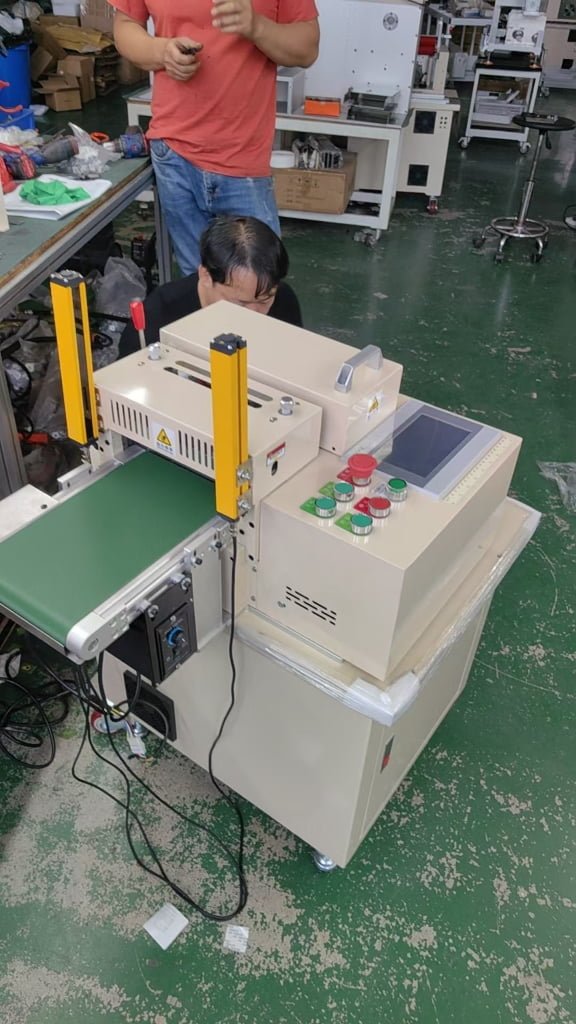
Manual cutting vs automatic EVA gasket cutting: how much labor and time can be saved?
The difference between manual and automatic EVA cutting is mainly related to:
- Production volume
- Labor cost
- Accuracy requirement
- Module variety
Manual processing requires operators to handle many steps.
Automatic systems combine these operations into one controlled process.
| Production method | Labor requirement | Production stability |
|---|---|---|
| Manual cutting | High labor input | Depends on operator skill |
| Semi-automatic cutting | Medium labor input | Better consistency |
| Fully automatic cutting | Low labor input | High repeatability |
For large photovoltaic factories, automatic production usually provides better long-term value.
1. Automate the complete EVA processing sequence
A complete automatic EVA cutting process may include:
- Roll loading
- Unwinding
- Feeding
- Cutting
- Punching
- Transfer
- Layup
Traditional manual production requires operators between each step.
This creates:
- Waiting time
- Handling errors
- Material contamination risk
| Process step | Manual method | Automatic method |
|---|---|---|
| Material feeding | Operator handling | Automatic feeding |
| Cutting | Manual operation | Program control |
| Transfer | Manual movement | Automatic transfer |
| Placement | Manual alignment | Vacuum positioning |
Automation reduces unnecessary human movement3.
This allows operators to focus more on:
- Quality monitoring
- Production management
- Maintenance
2. Match machine cycle time with the production line
A fast EVA cutting machine does not automatically improve the whole factory output.
The complete line speed depends on the slowest process4.
The production system includes:
- Glass loading
- Cell string placement
- EVA cutting
- Backsheet handling
- Lamination
| Production factor | Effect |
|---|---|
| Fast cutter | Higher potential output |
| Slow upstream process | Limits total capacity |
| Poor synchronization | Creates waiting time |
The goal is balanced production.
The EVA cutter should work together with the complete solar module production line.
3. Use production recipes to reduce setup time
Modern EVA cutting machines can store different production parameters.
A recipe may include:
- Module size
- EVA length
- Cutting position
- Feeding speed
- Tension setting
- Vacuum parameters
- Punch position
| Without recipes | With recipes |
|---|---|
| Manual adjustment | One-click selection |
| Higher setup errors | Lower operator mistakes |
| Longer changeover | Faster production switching |
Recipe management is especially valuable when factories produce multiple module models.
4. Improve EVA feeding stability before increasing speed
Many factories try to increase speed before solving feeding problems.
However, unstable feeding creates5:
- Wrinkles
- Film deviation
- Cutting errors
- Material waste
Important control systems include:
- Automatic spool centering
- Tension control
- Edge guiding
- Clean rollers
| Feeding improvement | Production benefit |
|---|---|
| Stable tension | Better cutting accuracy |
| Clean rollers | Less slipping |
| Correct guiding | Less material waste |
Stable feeding creates the foundation for higher speed.
5. Use automatic pick-and-place systems
Manual EVA placement requires operators to:
- Lift film
- Align position
- Adjust placement
This becomes difficult with large solar modules.
Automatic vacuum transfer systems can:
- Pick EVA film
- Move material
- Place accurately
| Method | Limitation |
|---|---|
| Manual placement | More labor and variation |
| Automatic placement | Higher consistency |
Automatic placement is especially useful for:
- Large modules
- High-volume production
- Precise ribbon alignment
6. Reduce changeover time with digital control
Photovoltaic factories often produce different module sizes.
Manual adjustment requires:
- Measuring
- Position adjustment
- Trial cutting
Digital HMI systems allow operators to:
- Select product recipe
- Change parameters
- Start production faster
| Changeover method | Time impact |
|---|---|
| Manual adjustment | Longer setup |
| Digital recipe switching | Faster change |
Shorter changeover time increases available production hours6.
7. Maintain cutting accuracy to avoid rework
Efficiency is not only about speed.
Producing defective EVA sheets creates hidden losses7.
Accuracy problems may cause:
- Module assembly problems
- Lamination defects
- Material waste
Important inspections include:
| Inspection item | Purpose |
|---|---|
| Length | Confirm size |
| Width | Confirm coverage |
| Diagonal | Confirm shape |
| Hole position | Confirm assembly |
| Placement offset | Confirm alignment |
Stable accuracy reduces downstream repair work.
8. Combine punching with cutting operations
Some solar modules require special EVA processing.
Examples include:
- Ribbon holes
- Special openings
- Module structure features
If punching is completed separately, factories need:
- Additional equipment
- Additional labor
- Extra handling
Integrated punching improves efficiency.
| Processing method | Result |
|---|---|
| Separate punching | More steps |
| Integrated punching | Faster process |
However, punching accuracy must be checked regularly.
9. Prevent downtime through preventive maintenance
Machine downtime directly reduces production efficiency8.
Common causes include:
- Blade wear
- Sensor failure
- Roller contamination
- Vacuum problems
- Material jams
A preventive maintenance system should monitor:
| Component | Maintenance action |
|---|---|
| Blade | Replace before quality drops |
| Rollers | Clean regularly |
| Sensors | Check accuracy |
| Vacuum system | Check pressure |
| Servo system | Monitor alarms |
Preventive maintenance keeps the machine available for production.
10. Measure OEE and improve the biggest loss
Overall Equipment Effectiveness (OEE) helps factories understand real performance.
OEE includes:
| OEE factor | Meaning |
|---|---|
| Availability | Machine running time |
| Performance | Actual speed |
| Quality | Good products percentage |
Factories should analyze:
- Downtime
- Material waste
- Changeover time
- Cutting defects
- Operator waiting time
The goal is not simply making the machine faster.
The goal is removing the biggest production limitation.
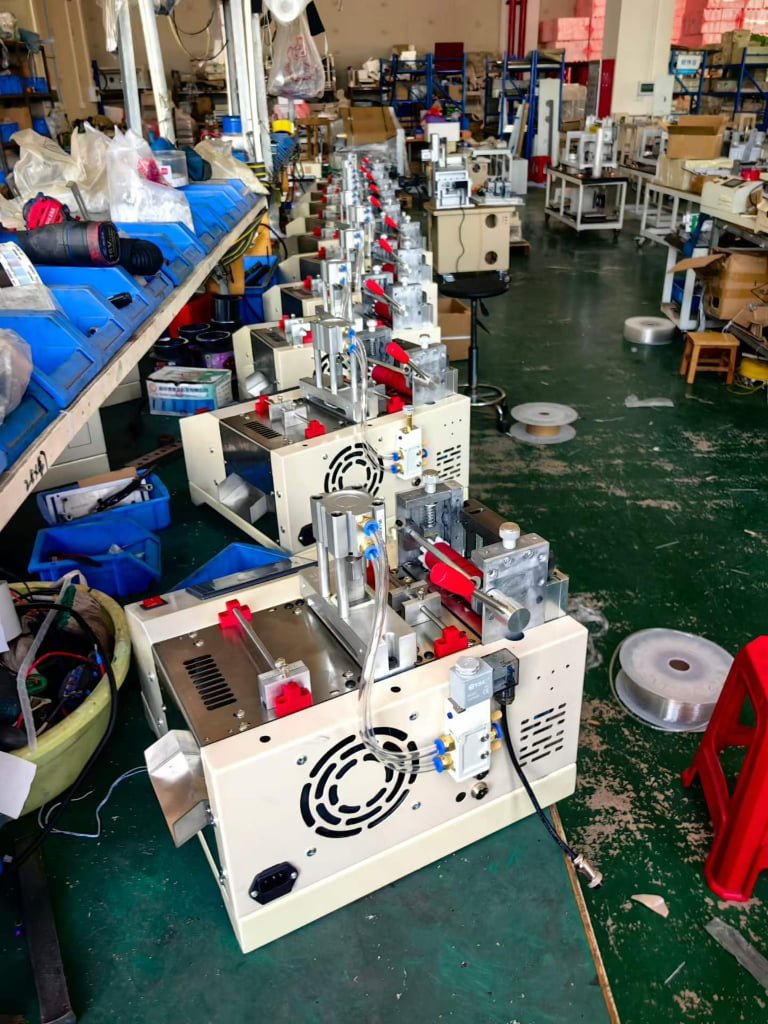
How much labor can automatic EVA cutting machines save?
The actual labor saving depends on factory size and automation level.
A typical comparison:
| Production activity | Manual process | Automatic process |
|---|---|---|
| EVA feeding | Operator required | Automatic system |
| Cutting | Operator monitoring | Program controlled |
| Material transfer | Manual handling | Vacuum transfer |
| Position alignment | Human adjustment | Servo positioning |
| Quality checking | More manual work | Data-supported inspection |
Automatic equipment does not always remove all operators.
Instead, it allows fewer workers to manage higher production output.
Benefits of automatic EVA cutting include:
Lower labor dependence
Factories reduce repetitive manual work.
Better production consistency
Machines repeat the same process every cycle.
Lower material waste
Precise feeding and cutting improve utilization.
Better production planning
Stable cycle time makes scheduling easier.
How can factories further improve EVA cutting efficiency?
A practical improvement plan includes:
Step 1: Analyze current production losses
Measure:
- Labor time
- Scrap rate
- Downtime
- Changeover time
Step 2: Improve machine settings
Optimize:
- Speed
- Tension
- Cutting parameters
- Vacuum settings
Step 3: Standardize production
Create:
- Operating procedures
- Maintenance plans
- Quality checks
Step 4: Use production data
Track:
- Output per hour
- Defect rate
- Machine alarms
Continuous improvement creates long-term efficiency.
Insights: How HAOXINHE supports efficient cutting solutions
At HAOXINHE, I understand that international customers need machines that improve real production results.
My customers usually focus on:
- Production efficiency
- Stable quality
- Competitive cost
- Reliable delivery
- Long-term support
I provide customized cutting equipment solutions for different industries, including:
- Packaging
- Printing
- Labels
- Plastic products
- Foam products
- Photovoltaic-related materials
My related machines include:
- Webbing tape cutting machine
- Hot and cold cutting machine
- High-speed trademark cutting machine
- Automatic punching cutting machine
- Round shape cutting machine
- Rotary bevel cutting machine
- Different shapes cutting machine
- Computer tube cutting machine
- Wire cutting and stripping machine
- Metal pipe cutting and beveling machine
- Webbing ribbon cutting machine
- Bubble wrap cutting machine
- PVC Edge Banding cutting machine
- Protective Foam Cutting Machine
I believe production efficiency comes from the combination of:
- Good machine design
- Proper automation
- Correct operation
- Preventive maintenance
A reliable Solar Panel EVA Gasket Cutting Machine can help photovoltaic factories reduce labor pressure, improve production stability, and build a more competitive manufacturing process.
-
"Ten Tips to Improve Productivity in Your Machining Operations", https://www.protemusa.com/latest-news/press-publications/189-ten-tips-to-improve-productivity-in-your-machining-operations. Studies on manufacturing systems indicate that increasing machine speed alone may not improve overall productivity if other processes in the production line are not optimized. Evidence role: general_support; source type: research. Supports: Higher machine speed does not always result in higher productivity due to bottlenecks in other parts of the production process.. Scope note: The support may vary depending on the specific manufacturing context and industry. ↩
-
"Benefits of Automation – Productivity Inc", https://productivity.com/benefits-of-automation/?srsltid=AfmBOoqZqGoNWwhgjrQodXu2aj5t8rVFp_lmFruCgncSWWetwRjkmjaF. Research on industrial automation highlights significant reductions in labor and material waste, as well as improved consistency and accuracy in production. Evidence role: general_support; source type: research. Supports: Automation reduces labor requirements, handling time, material waste, human errors, and production variation in manufacturing processes.. Scope note: The extent of these benefits may depend on the specific automation technology and industry. ↩
-
"Assessing the Real Impact of Automation on Jobs | Stanford HAI", https://hai.stanford.edu/news/assessing-the-real-impact-of-automation-on-jobs. Research on factory automation demonstrates that automated systems streamline workflows, reducing manual handling and enabling workers to focus on supervisory roles. Evidence role: general_support; source type: research. Supports: Automation reduces unnecessary human movement and allows operators to focus on higher-value tasks like quality monitoring and maintenance.. Scope note: The degree of labor reallocation depends on the level of automation implemented. ↩
-
"The impact of Industry 4.0 on bottleneck analysis in production …", https://www.sciencedirect.com/science/article/pii/S0360835222007896. Educational resources on production management explain that bottlenecks in a production line constrain the overall throughput. Evidence role: mechanism; source type: education. Supports: The slowest process in a production line determines the overall line speed due to bottleneck effects.. ↩
-
"Advancements in Non-Thermal Processing Technologies for …", https://pmc.ncbi.nlm.nih.gov/articles/PMC11394636/. Research on material handling in manufacturing shows that unstable feeding often results in defects and increased waste. Evidence role: mechanism; source type: research. Supports: Unstable feeding can cause wrinkles, film deviation, cutting errors, and material waste in manufacturing processes.. Scope note: The specific issues caused by unstable feeding may vary by material and process. ↩
-
"methods for reducing changeover times through scheduling", https://digitalcommons.uri.edu/theses/91/. Research on lean manufacturing practices shows that minimizing changeover time can significantly increase production capacity. Evidence role: general_support; source type: research. Supports: Reducing changeover time increases the number of production hours available for manufacturing.. Scope note: The impact of changeover time reduction may vary depending on the production schedule and factory operations. ↩
-
"EVA Foam as a Cost-Efficient Alternative to Traditional Foams", https://www.samadfoam.com/insights/eva-foam-as-a-cost-efficient-alternative-to-traditional-foam-materials. Studies on solar module manufacturing highlight the significant costs associated with defects in EVA sheets, including rework and material waste. Evidence role: general_support; source type: research. Supports: Defective EVA sheets lead to hidden losses, including assembly problems, lamination defects, and material waste.. Scope note: The extent of losses may depend on the defect rate and production scale. ↩
-
"Mitigating the Impact of Unplanned Downtime in Manufacturing", https://www.liveaction.com/resources/blog-post/mitigating-the-impact-of-unplanned-downtime-in-manufacturing/. Studies on manufacturing efficiency confirm that machine downtime significantly lowers overall production output and increases costs. Evidence role: general_support; source type: research. Supports: Machine downtime directly reduces production efficiency in manufacturing.. Scope note: The impact of downtime may vary depending on the production schedule and machine utilization rate. ↩