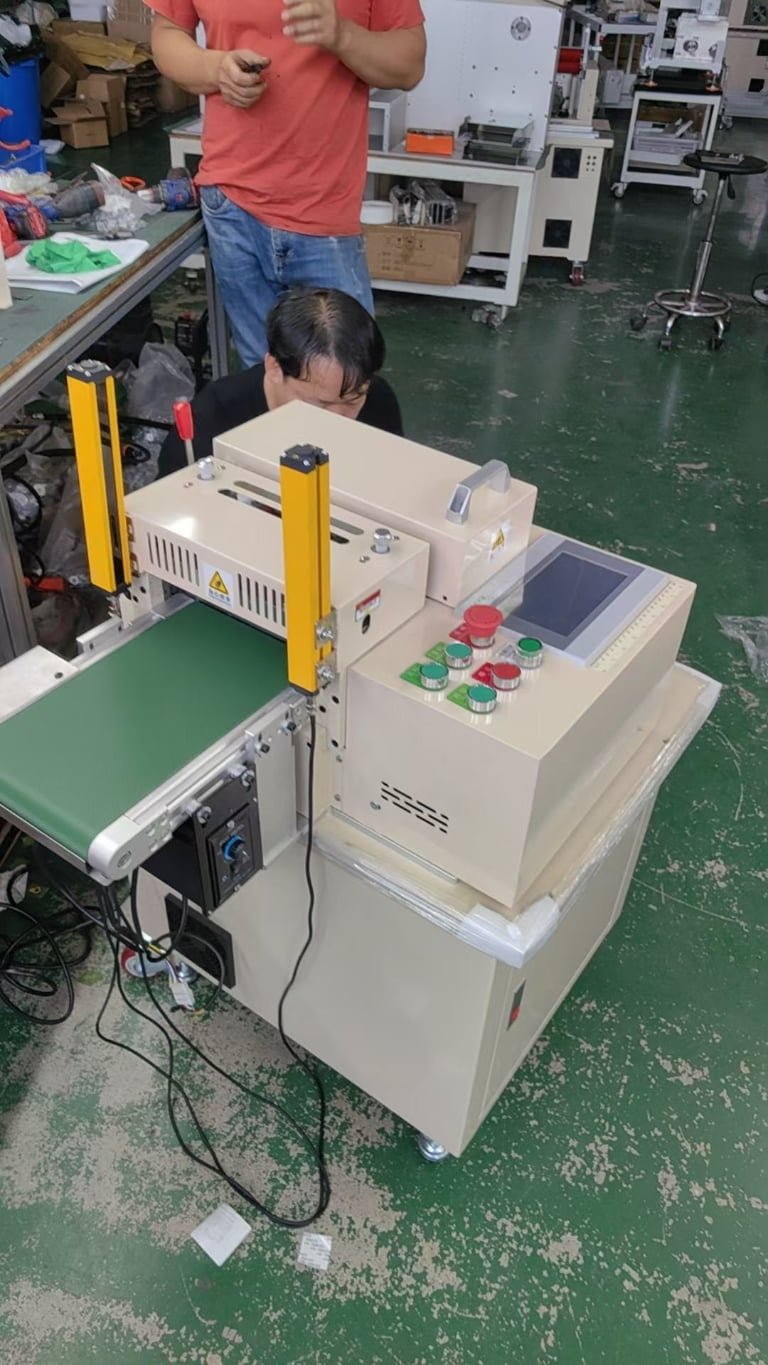
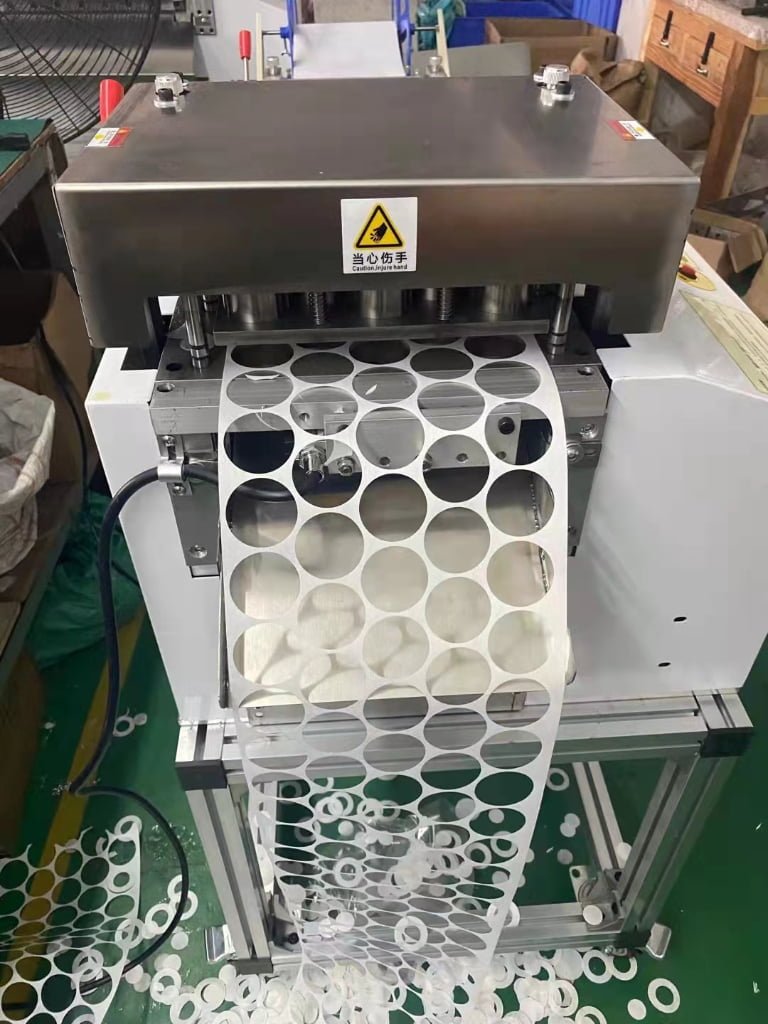
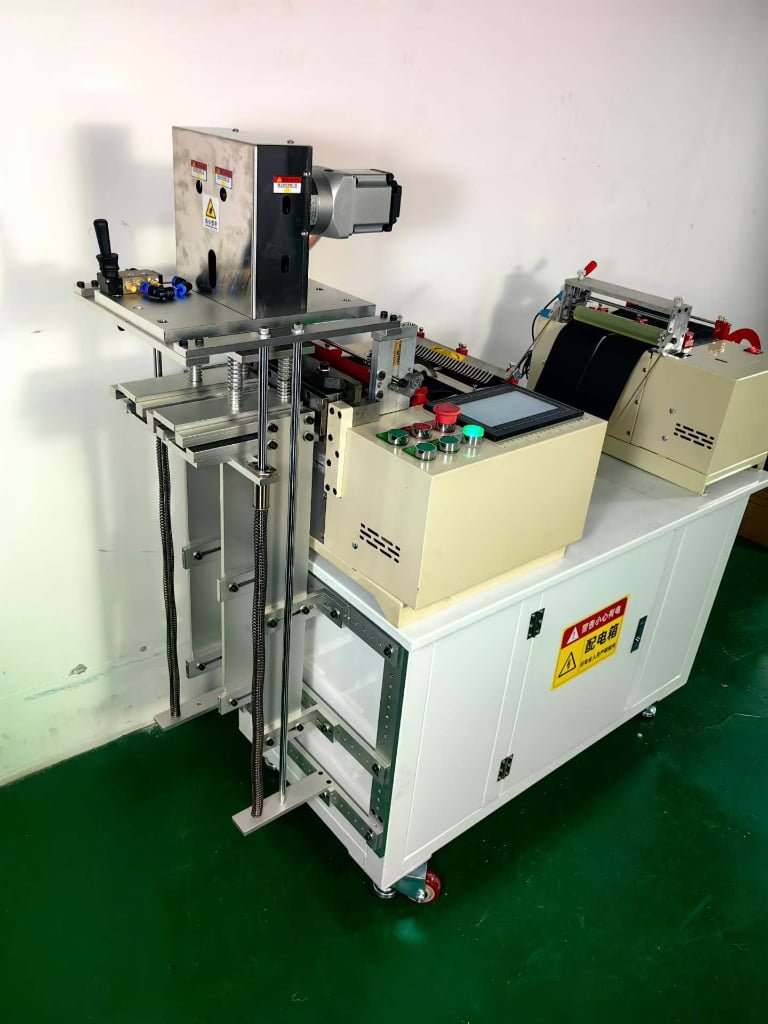
How to Integrate an Automatic Webbing Angle Cutting Machine into an Automated Production Line?
As labor costs continue to rise, more manufacturers are moving from standalone cutting machines to fully automated production lines. Instead of treating the cutting machine as an independent workstation, I prefer to integrate it into a complete manufacturing system that includes automatic feeding, inspection, sewing, winding, and packaging.
An automatic webbing angle cutting machine is often the core of this production line. When properly integrated with upstream and downstream equipment, it helps reduce labor, eliminate unnecessary handling, improve product consistency, and increase overall production efficiency1.
Whether I manufacture safety harnesses, lifting slings, cargo straps, backpack straps, pet products, or industrial webbings, a well-designed automation line delivers significant long-term benefits.
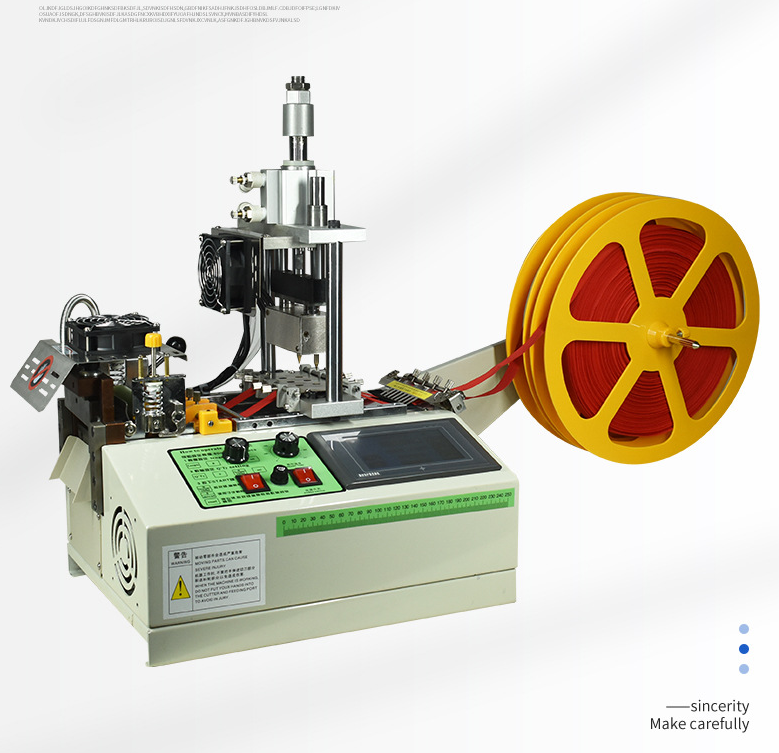
Which Feeding and Conveyor Systems Are Compatible?
Most automatic webbing angle cutting machines can be integrated with a wide range of feeding, conveying, and transfer systems. The best solution depends on the product type, production speed, material characteristics, and downstream manufacturing process.
1. Build the Cutting Machine into a Complete Production Cell
Instead of placing the cutting machine as a separate workstation, I recommend designing it as one part of a continuous production cell.
A typical production flow looks like this:
Roll Unwinding → Feeding → Angle Cutting → Inspection → Sewing/Folding → Packing
This layout reduces manual handling between operations and improves production flow.
Advantages
- Continuous material movement
- Less operator intervention
- Lower labor costs
- Higher production efficiency
- Better product consistency
2. Use PLC Synchronization Across the Entire Production Line
A modern production line should operate under one PLC control system.
The cutting machine can exchange signals with other equipment to synchronize:
- Machine start and stop
- Production quantity
- Cutting length
- Cutting angle
- Production speed
PLC-Controlled Parameters
| Parameter | Function |
|---|---|
| Length | Automatic feeding |
| Angle | Knife positioning |
| Quantity | Batch control |
| Speed | Line synchronization |
PLC communication keeps every machine operating at the same production pace2.
3. Add Automatic Measuring, Winding, and Packing Systems
After cutting, finished webbings can move directly into automatic downstream equipment.
Typical modules include:
- Length measuring
- Strap winding
- Coil binding
- Automatic packing
- Label printing
This eliminates manual collection and improves production efficiency.
For high-volume manufacturers, integrated packaging significantly reduces labor requirements3.
4. Position the Cutter Before Folding and Sewing
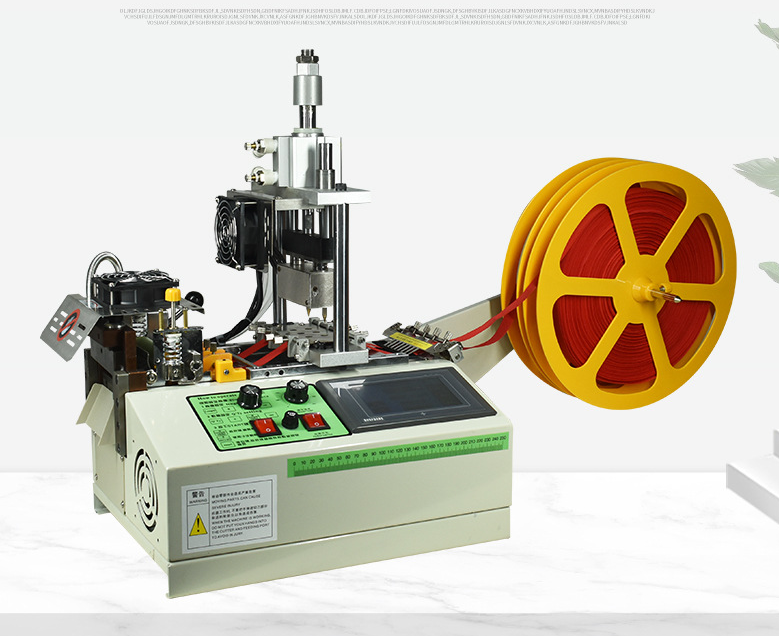
For lifting slings and safety harnesses, I usually position the angle cutting machine before the folding and sewing stations.
A common layout is:
Roll Stand → Inspection → Angle Cutting → Folding → Sewing → Final Inspection
Because every webbing piece has already been cut accurately, the folding and sewing machines can operate much more consistently.
5. Synchronize Production with Automatic Sewing Machines
Many manufacturers combine the cutting machine with programmable sewing equipment.
The cutting cycle should match the sewing cycle to prevent material accumulation.
Compatible equipment includes:
- Pattern sewing machines
- Automatic bartack machines
- Programmable sewing systems
- Multi-needle sewing machines
Production Balance
| Station | Typical Function |
|---|---|
| Cutting | Angle cutting |
| Transfer | Automatic conveyor |
| Folding | Strap preparation |
| Sewing | Product assembly |
Balanced production prevents bottlenecks.
6. Add Automatic Inspection and Monitoring
Automation becomes much more effective when quality inspection is integrated into the line.
Useful monitoring functions include:
- Material detection
- Missing piece detection
- Sensor alarms
- Production counting
- Error monitoring
- Automatic stop functions
Detecting problems early prevents defective products from reaching later production stages.
7. Program Multiple Product Recipes
Modern automatic angle cutting machines allow operators to store multiple production recipes.
Each recipe can include:
- Cutting length
- Start angle
- End angle
- Speed
- Quantity
- Temperature
Recipe management allows manufacturers to switch between different products without mechanical adjustments.
This greatly improves flexibility for factories producing multiple SKUs.
8. Use Automatic Marking for Downstream Positioning
Some cutting machines can print or mark reference points during production.
Typical markings include:
- Sewing position
- Folding line
- Assembly mark
- Length reference
These marks help downstream equipment position the webbing accurately.
As a result, fewer positioning sensors or vision systems may be required.
9. Centralize Production Control
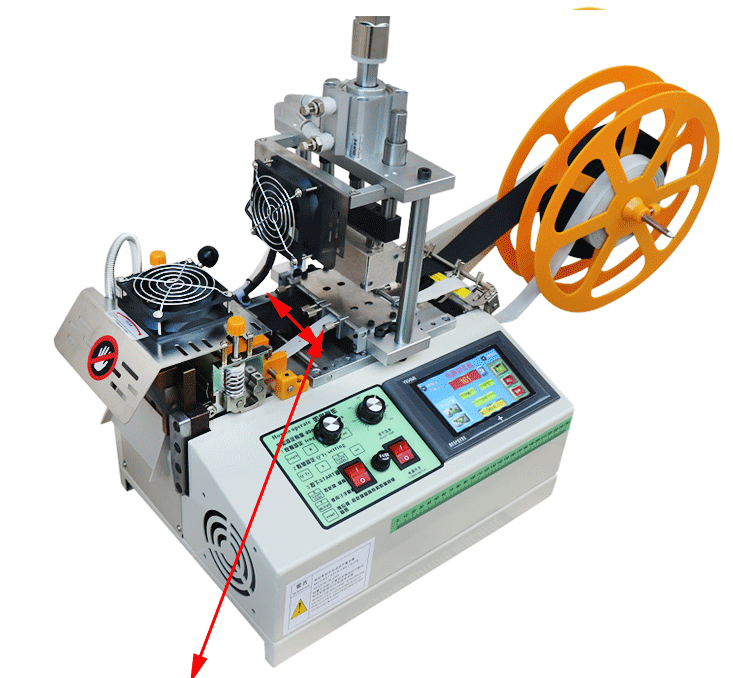
Instead of operating each machine independently, I recommend using one central HMI (Human-Machine Interface).
Operators can monitor:
- Production quantity
- Machine status
- Alarm messages
- Recipe selection
- Production speed
- Maintenance reminders
Benefits of Centralized Control
| Benefit | Result |
|---|---|
| One Interface | Easier operation |
| Faster Changeovers | Less downtime |
| Real-Time Monitoring | Better production control |
| Production Statistics | Improved management |
Centralized control simplifies daily production management.
10. Match Machine Capacity to the Entire Production Line
One common mistake is selecting a cutting machine that is either too fast or too slow.
The cutting machine should match:
- Material type
- Strap width
- Production speed
- Downstream equipment capacity
- Daily production targets
Selection Checklist
| Item | Why It Matters |
|---|---|
| Cutting Speed | Prevent bottlenecks |
| Servo Feeding | Stable material flow |
| Angle Range | Product flexibility |
| Automation Level | Production efficiency |
| PLC Compatibility | Easy integration |
A balanced production line delivers the highest efficiency.
Compatible Feeding and Conveyor Systems
Most automatic webbing angle cutting machines can be integrated with:
- Roll unwinding stands
- Servo feeding units
- Belt conveyors
- Roller conveyors
- Vacuum transfer systems
- Robotic pick-and-place systems
- Automatic stackers
- Winding machines
- Packaging equipment
Choosing compatible equipment allows the entire production line to operate smoothly.
Frequently Asked Questions
Can an automatic webbing angle cutting machine connect with sewing machines?
Yes. Most PLC-controlled cutting machines can synchronize with automatic sewing systems using signal communication and conveyors.
Which feeding system is best?
Servo feeding systems provide the highest positioning accuracy and are suitable for most automated production lines.
Can one production line manufacture different products?
Yes. Modern PLC controllers allow operators to save multiple production recipes, making it easy to switch between different webbing sizes, lengths, and cutting angles.
Why is centralized control important?
Centralized HMI systems simplify operation, improve production monitoring, reduce operator errors, and shorten product changeover times.
Conclusion
Integrating an automatic webbing angle cutting machine into a complete production line greatly improves manufacturing efficiency. By combining automatic feeding, PLC synchronization, conveyors, folding, sewing, inspection, and packaging, manufacturers can reduce labor costs while increasing production speed and product consistency.
The key to successful integration is selecting compatible feeding systems, balancing production capacity, and using intelligent control systems that allow every machine to work together as one automated process.
Whether I use a webbing tape cutting machine, hot and cold cutting machine, high-speed trademark cutting machine, automatic punching cutting machine, round shape cutting machine, rotary bevel cutting machine, different shapes cutting machine, computer tube cutting machine, wire cutting and stripping machine, metal pipe cutting and beveling machine, bubble wrap cutting machine, PVC edge banding cutting machine, or protective foam cutting machine, automation integration remains one of the best ways to improve long-term productivity4.
HAOXINHE Insights
At HAOXINHE, we specialize in more than standalone cutting machines. We help customers build complete automated production solutions by integrating servo feeding systems, PLC controllers, angle cutting, hole punching, automatic marking, conveyors, robotic transfer, and downstream sewing or packaging equipment into one efficient workflow. Our engineers customize each production line according to the customer’s material type, production capacity, and factory layout.
Our product portfolio includes webbing tape cutting machines, hot and cold cutting machines, high-speed trademark cutting machines, automatic punching cutting machines, round shape cutting machines, rotary bevel cutting machines, different shapes cutting machines, computer tube cutting machines, wire cutting and stripping machines, metal pipe cutting and beveling machines, bubble wrap cutting machines, PVC edge banding cutting machines, and protective foam cutting machines. With customized automation solutions and professional technical support, HAOXINHE helps manufacturers worldwide build smarter, faster, and more efficient production lines.
-
"Automated Cutting Process at a Garment Manufacturing Company", https://www.academia.edu/42003629/A_Study_on_the_Cost_Effectiveness_of_a_Semi_Automated_Cutting_Process_at_a_Garment_Manufacturing_Company. Research has shown that integrating cutting machines into automated production lines can reduce labor costs, improve product consistency, and enhance overall efficiency by minimizing manual handling and streamlining workflows. Evidence role: general_support; source type: research. Supports: The benefits of integrating an automatic webbing angle cutting machine into a production line.. Scope note: The specific benefits may vary depending on the type of production line and materials used. ↩
-
"5 Types of Communication Protocols in PLC Systems", https://www.opal-rt.com/blog/5-types-of-communication-protocols-in-plc-systems/. Programmable Logic Controllers (PLCs) enable synchronized operation across production lines by facilitating real-time communication and control between machines. Evidence role: mechanism; source type: education. Supports: The role of PLC communication in synchronizing machines in a production line.. Scope note: The effectiveness of synchronization may depend on the complexity of the production line and the PLC programming. ↩
-
"Automated Packaging Integration", https://arthurgrussell.com/packaging-integration/. Studies indicate that integrated packaging systems can reduce labor requirements by automating repetitive tasks, particularly in high-volume manufacturing environments. Evidence role: statistic; source type: research. Supports: The labor reduction benefits of integrated packaging systems in high-volume manufacturing.. Scope note: The extent of labor reduction may vary based on the level of automation and production scale. ↩
-
"The impact of automation and artificial intelligence on …", https://www.sciencedirect.com/science/article/abs/pii/S0160791X21001548. Automation integration has been shown to improve long-term productivity by reducing manual labor, increasing consistency, and streamlining production workflows. Evidence role: general_support; source type: research. Supports: The long-term productivity benefits of integrating automation into manufacturing processes.. Scope note: The productivity gains may vary depending on the level of automation and industry-specific factors. ↩