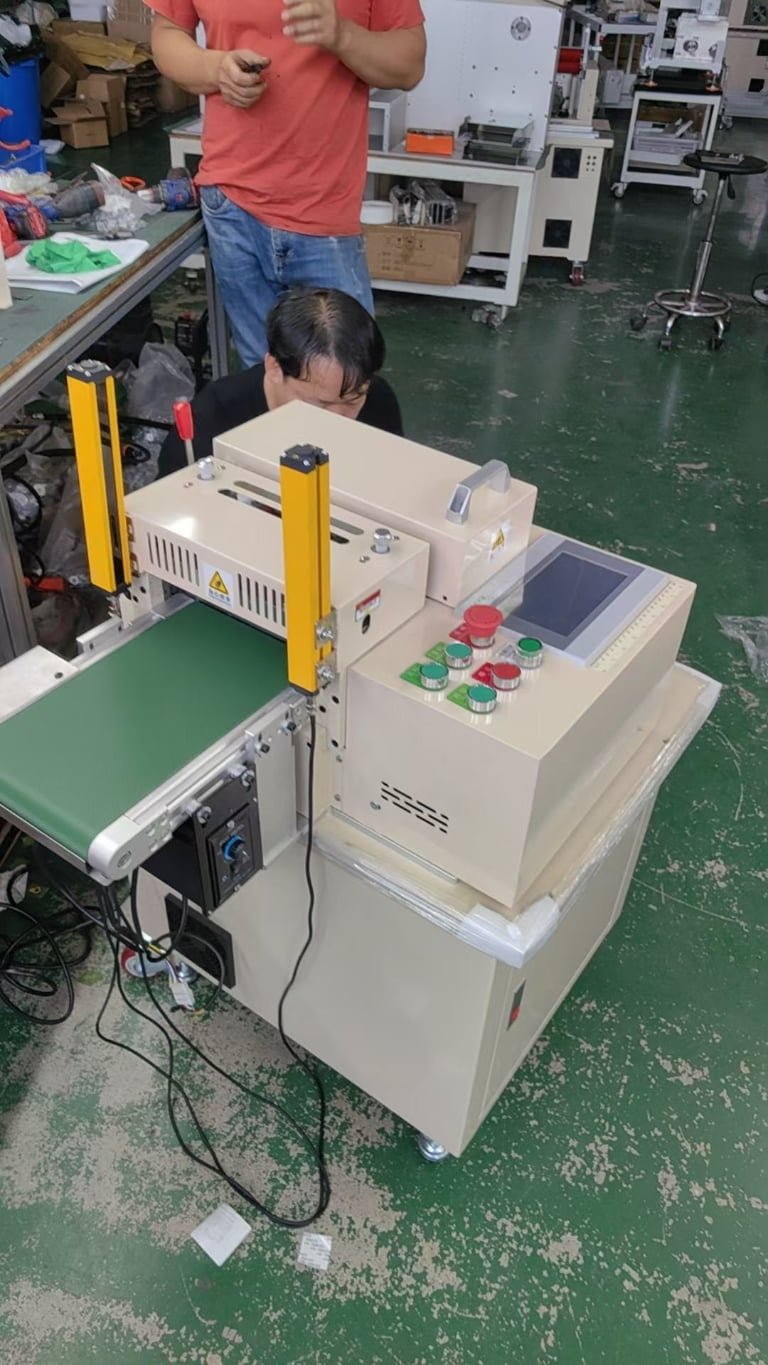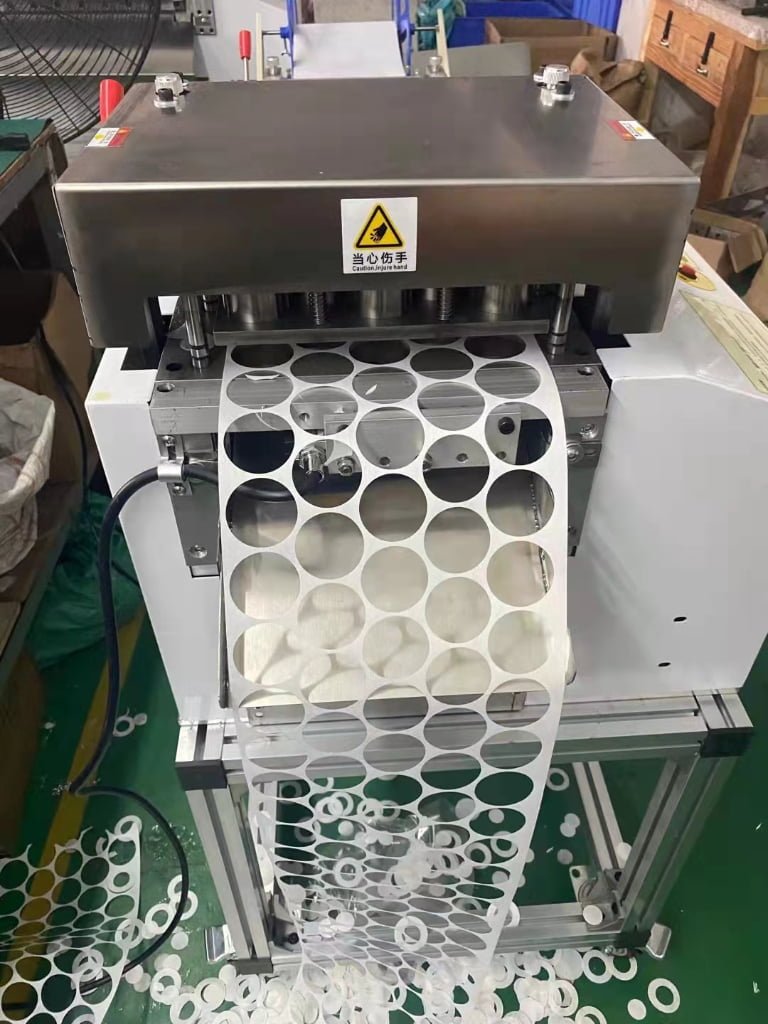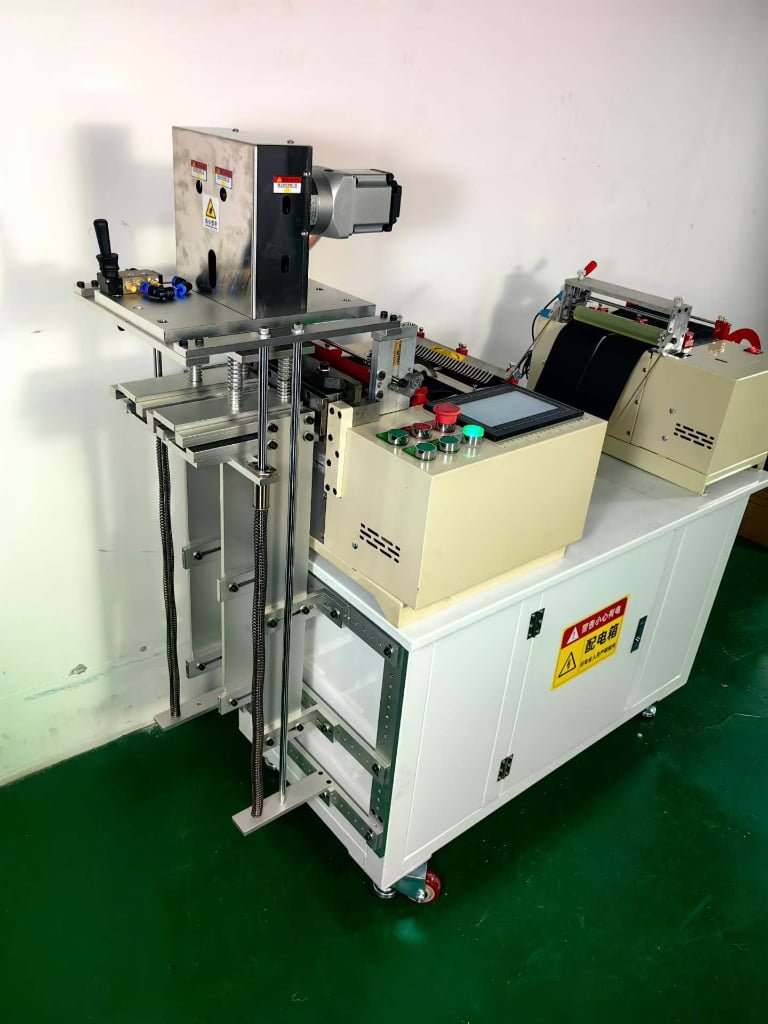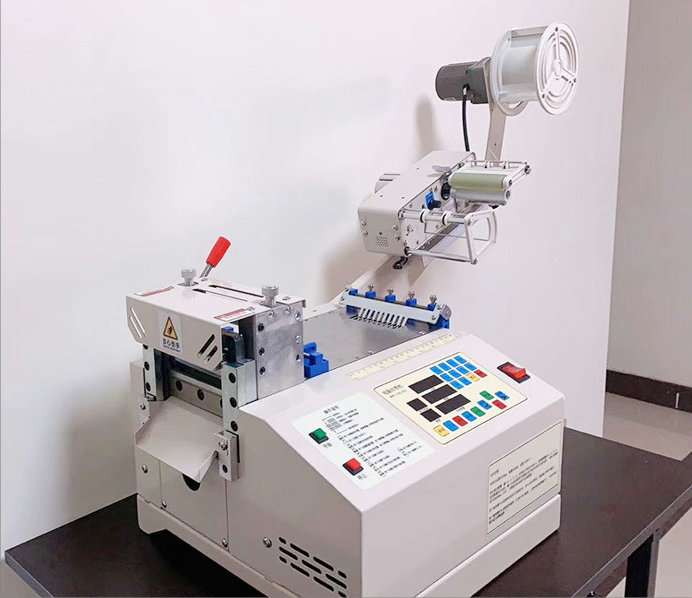
How Energy-Efficient Is an Automatic Webbing Angle Cutting Machine?
Meta Description: Learn how energy-efficient an automatic webbing angle cutting machine is. Discover average power consumption, factors affecting electricity usage, and practical tips to reduce energy costs during full-capacity production.
How Energy-Efficient Is an Automatic Webbing Angle Cutting Machine?
Energy efficiency has become an important consideration for manufacturers. Rising electricity prices and sustainability goals mean that buyers are looking beyond machine performance—they also want equipment that reduces operating costs.
When customers ask me about an automatic webbing angle cutting machine, one of the most common questions is:
"How much electricity does it actually consume?"
The good news is that modern automatic webbing cutting machines are surprisingly energy-efficient1. Compared with many industrial machines, they have relatively low installed power while delivering high production output. Even better, their automation helps reduce scrap, shorten production time, and improve energy efficiency per finished product.
Whether I use a webbing tape cutting machine, hot and cold cutting machine, high-speed trademark cutting machine, automatic punching cutting machine, or another automatic cutting solution, optimizing energy consumption helps reduce production costs over the long term.
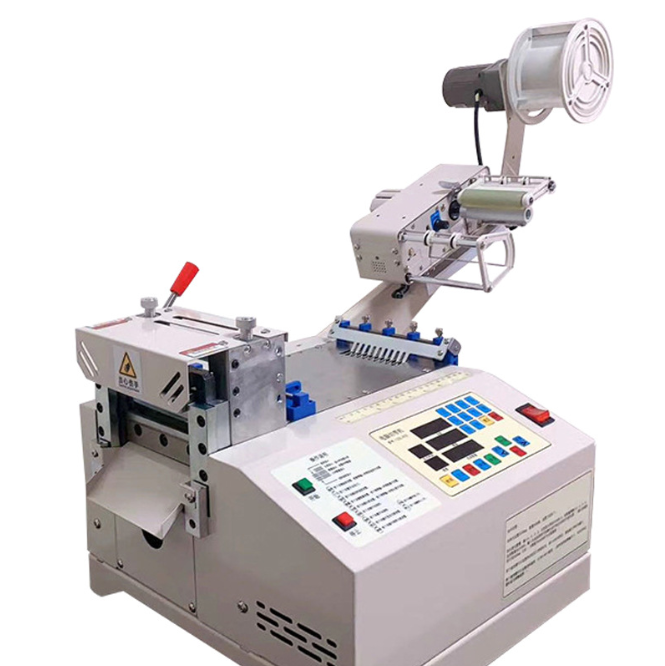
What Is the Average Power Consumption During Full-Capacity Production?
Most automatic webbing angle cutting machines have an installed power of approximately 0.4–0.5 kW, depending on the heating system, servo motors, and optional accessories. During continuous production, actual electricity consumption remains relatively low because the machine only powers the heating system and motors when required.
1. Automatic Webbing Cutting Machines Use Relatively Low Power
Compared with larger industrial equipment, automatic webbing cutting machines consume modest amounts of electricity.
Typical installed power ranges from:
| Machine Type | Installed Power |
|---|---|
| Cold Cutting Machine | 0.3–0.4 kW |
| Hot Knife Cutting Machine | 0.4–0.5 kW |
| Rotary Angle Cutting Machine | 0.5–0.8 kW |
Even during continuous operation, these machines require far less energy than hydraulic presses or large CNC equipment.
This makes them suitable for factories that want to control operating costs while maintaining high productivity.
2. Efficient Heating Systems Reduce Energy Waste
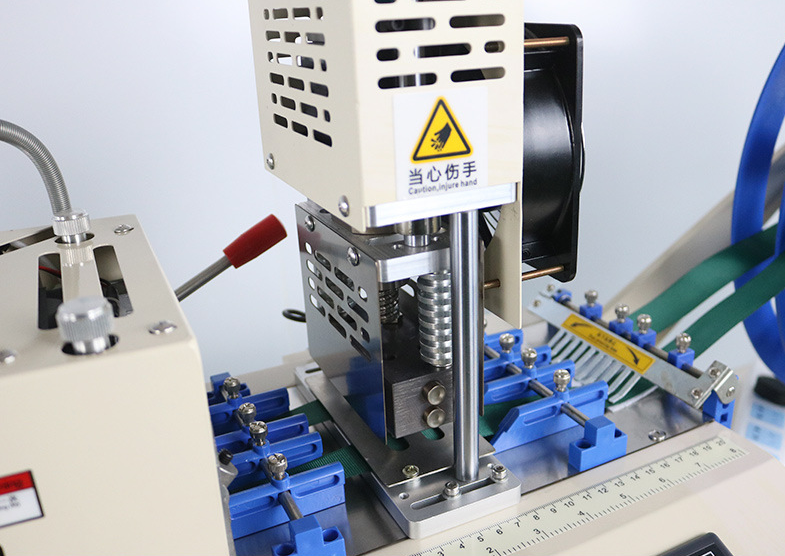
Hot knife cutting machines use electrical heating to seal synthetic webbing2.
Modern machines include:
- Intelligent temperature controllers
- Heating insulation
- Cooling fans
- Fast temperature recovery
Cooling fans help remove excess heat from the cutting area.
This prevents overheating while allowing the heater to operate more efficiently.
Benefits
- Stable blade temperature
- Lower thermal stress
- Reduced electricity consumption
- Longer heater life
Efficient temperature management saves energy throughout the production day.
3. Cold Cutting Consumes Less Electricity
Not every material requires heat sealing.
For materials that do not fray easily, cold cutting is often the better choice.
Because the heater remains off, electricity consumption decreases significantly.
Comparison
| Cutting Mode | Heater Required | Energy Consumption |
|---|---|---|
| Hot Knife | Yes | Medium |
| Cold Cutting | No | Low |
Selecting the correct cutting mode for each material improves both productivity and energy efficiency3.
4. Automation Reduces Energy Waste
Energy efficiency is not only about machine power.
It is also about producing more good parts with less wasted time.
Automatic machines reduce:
- Material waste
- Re-cutting
- Manual handling
- Idle machine time
Because fewer defective parts are produced, less electricity is consumed for each finished product.
This improves overall factory efficiency.
5. High Cutting Accuracy Saves Energy
Modern servo-controlled machines typically achieve cutting accuracy of approximately ±0.05 to ±0.1 mm.
Accurate cutting reduces:
- Product rejection
- Material waste
- Repeat production
- Secondary processing
Production Comparison
| Manual Cutting | Automatic Cutting |
|---|---|
| More Scrap | Less Scrap |
| More Rework | Higher Accuracy |
| Higher Energy per Product | Lower Energy per Product |
Producing the correct part the first time is one of the simplest ways to reduce energy consumption.
6. PLC Programming Optimizes Power Usage
Modern PLC systems allow operators to optimize machine settings4.
Typical adjustable parameters include:
- Cutting speed
- Blade temperature
- Feed length
- Production quantity
- Cutting mode
Instead of operating at maximum power all day, the machine automatically adjusts to production requirements.
This intelligent control reduces unnecessary electricity consumption.
7. Automatic Machines Use Heat More Efficiently Than Manual Hot Knives
Manual hot knives often remain continuously heated during production.
This wastes electricity while operators measure and position each piece.
Automatic machines only apply heat during the actual cutting cycle5.
Benefits include:
- Shorter heating time
- Lower standby power
- Better temperature control
- Faster production
The result is more finished products per kilowatt-hour.
8. High-Speed Production Reduces Idle Energy
Automatic machines operate much faster than manual processes6.
Because production finishes sooner:
- Motors spend less time running.
- Operators spend less time waiting.
- Machines remain idle for shorter periods.
Higher productivity means energy is used more effectively throughout the workday.
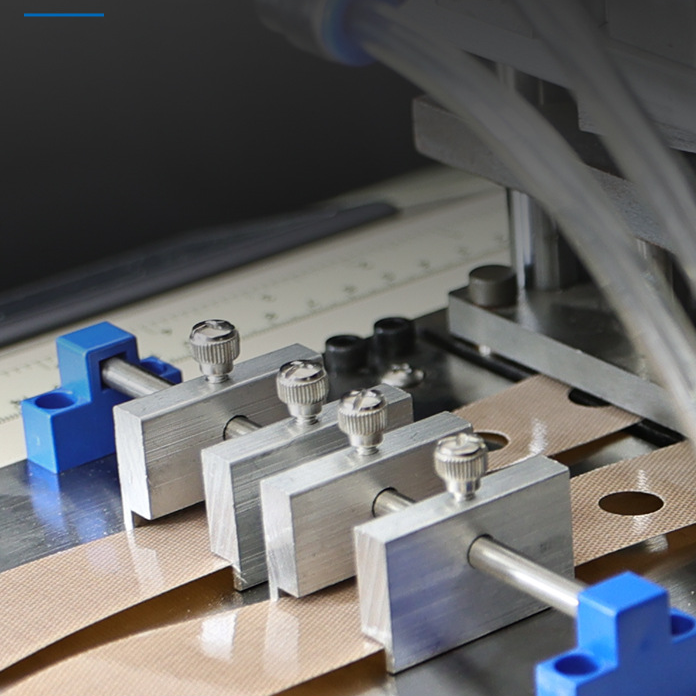
9. Choose the Right Cutting Mode for Each Material
One of the easiest ways to save electricity is selecting the correct cutting method.
Material Recommendations
| Material | Recommended Mode |
|---|---|
| Polyester Webbing | Hot Knife |
| Nylon Strap | Hot Knife |
| Cotton Tape | Cold Cutting |
| Elastic Tape | Material Dependent |
| Non-Fraying Fabric | Cold Cutting |
Using hot knife cutting only when edge sealing is necessary prevents unnecessary heater operation.
10. Higher Productivity Means Better Energy Efficiency
Although automatic machines cost more initially, they usually consume less energy per finished product.
This is because they combine:
- Faster cutting
- Better accuracy
- Less scrap
- Less labor
- Shorter production cycles
Why Automatic Machines Save Energy
| Benefit | Result |
|---|---|
| High Speed | More output per hour |
| Accurate Cutting | Less waste |
| Automatic Feeding | Less idle time |
| PLC Control | Optimized power use |
| Servo System | Efficient motion control |
Over time, these advantages significantly reduce production costs.
Tips to Reduce Power Consumption
I follow several simple practices to maximize energy efficiency.
- Use cold cutting whenever heat sealing is unnecessary.
- Set the correct blade temperature.
- Turn off heaters during long production breaks.
- Clean blades regularly to reduce cutting resistance.
- Maintain servo motors and bearings.
- Schedule preventive maintenance.
- Group similar production orders together.
- Avoid unnecessary machine idling.
Small improvements can generate meaningful energy savings over the life of the machine.
Frequently Asked Questions
How much electricity does an automatic webbing angle cutting machine use?
Most machines have an installed power of approximately 0.4–0.5 kW, although actual consumption depends on the cutting mode, heater usage, production speed, and machine configuration.
Is hot knife cutting less energy-efficient than cold cutting?
Generally, yes. Hot knife cutting requires electrical heating, while cold cutting mainly uses mechanical motion. However, hot knife cutting is necessary for synthetic materials that require sealed edges.
Does automation reduce electricity costs?
Yes. Automation reduces scrap, improves cutting accuracy, shortens production time, and increases output per kilowatt-hour7.
Can proper maintenance improve energy efficiency?
Absolutely. Clean blades, properly adjusted feed systems, and well-maintained motors reduce friction and allow the machine to operate more efficiently.
Conclusion
Modern automatic webbing angle cutting machines are highly energy-efficient compared with many other industrial processing systems. Their relatively low installed power, intelligent PLC controls, servo feeding, and optimized heating systems help manufacturers reduce electricity consumption while maintaining excellent productivity.
By choosing the correct cutting mode, adjusting temperature settings, reducing idle time, and maintaining the machine properly, manufacturers can significantly lower operating costs without sacrificing cutting quality.
Whether I operate a webbing tape cutting machine, hot and cold cutting machine, high-speed trademark cutting machine, automatic punching cutting machine, round shape cutting machine, rotary bevel cutting machine, different shapes cutting machine, computer tube cutting machine, wire cutting and stripping machine, metal pipe cutting and beveling machine, bubble wrap cutting machine, PVC edge banding cutting machine, or protective foam cutting machine, energy-efficient operation remains an important advantage for long-term manufacturing success.
HAOXINHE Insights
At HAOXINHE, we design our cutting machines with energy efficiency in mind. Our equipment combines servo-driven feeding systems, PLC intelligent control, optimized hot knife heating, and high-precision cutting to reduce electricity consumption while maintaining stable production performance. Operators can switch between hot and cold cutting modes, adjust temperature precisely, and store production recipes to minimize unnecessary energy use.
Our product range includes webbing tape cutting machines, hot and cold cutting machines, high-speed trademark cutting machines, automatic punching cutting machines, round shape cutting machines, rotary bevel cutting machines, different shapes cutting machines, computer tube cutting machines, wire cutting and stripping machines, metal pipe cutting and beveling machines, bubble wrap cutting machines, PVC edge banding cutting machines, and protective foam cutting machines. We help manufacturers worldwide improve productivity, reduce operating costs, and achieve sustainable, energy-efficient production.
-
"Industrial Efficiency Technologies", https://www.energy.gov/cmei/ito/industrial-efficiency-technologies. Studies on industrial equipment energy consumption indicate that automatic webbing cutting machines generally consume less power than larger industrial machinery, such as hydraulic presses or CNC equipment. Evidence role: general_support; source type: research. Supports: Modern automatic webbing cutting machines are energy-efficient compared to other industrial machines.. Scope note: The comparison may vary depending on the specific type and configuration of the machines being evaluated. ↩
-
"Hot Knives & Foam Cutters – GoldStar Tool", https://www.goldstartool.com/hot-knives-and-foam-cutters/. Educational resources on industrial cutting processes explain that hot knife cutting machines use electrical heating to melt and seal the edges of synthetic webbing materials. Evidence role: mechanism; source type: education. Supports: Hot knife cutting machines use electrical heating to seal synthetic webbing.. ↩
-
"Energy Efficiency", https://www.energystar.gov/about/how-energy-star-protects-environment/energy-efficiency. Studies on material-specific cutting methods show that optimizing the cutting mode can enhance both productivity and energy efficiency. Evidence role: general_support; source type: research. Supports: Choosing the correct cutting mode for each material improves productivity and energy efficiency.. Scope note: The benefits may depend on the material properties and machine capabilities. ↩
-
"Design of PLC based Building Control for Energy …", https://ieeexplore.ieee.org/document/10039827/. Research on PLC systems in industrial machines shows that programmable controls can optimize energy use by adjusting settings based on production requirements. Evidence role: mechanism; source type: research. Supports: PLC systems optimize machine settings to reduce unnecessary electricity consumption.. Scope note: The effectiveness of PLC optimization depends on the specific machine and programming. ↩
-
"Manual vs. Automatic Transmission Pros and Cons: Which Is Better?", https://www.edmunds.com/fuel-economy/five-myths-about-stick-shifts.html. Studies on automated cutting systems show that heat application is limited to the cutting cycle, leading to reduced electricity consumption compared to manual hot knives. Evidence role: mechanism; source type: research. Supports: Automatic machines apply heat only during the cutting cycle, reducing electricity waste.. Scope note: The extent of savings may depend on the specific machine and production setup. ↩
-
"Comparative Study on Automatic Fabric Cutting Machine …", https://www.academia.edu/96795707/Comparative_Study_on_Automatic_Fabric_Cutting_Machine_and_Straight_Knife_Cutting_Machine. Research on industrial automation confirms that automatic machines significantly outperform manual processes in speed and energy efficiency. Evidence role: general_support; source type: research. Supports: Automatic machines operate faster than manual processes, reducing idle energy and increasing productivity.. Scope note: Productivity gains may vary depending on the specific task and machine configuration. ↩
-
"The Benefits of Automation in Industrial Laser Cutting.", https://www.linkedin.com/pulse/benefits-automation-industrial-laser-cutting-eagle-group-lasers-idnif. Research on industrial automation highlights significant reductions in scrap and energy consumption, along with improved accuracy and productivity. Evidence role: general_support; source type: research. Supports: Automation reduces scrap, improves accuracy, and increases energy efficiency in production.. Scope note: The extent of these benefits may vary by industry and machine type. ↩