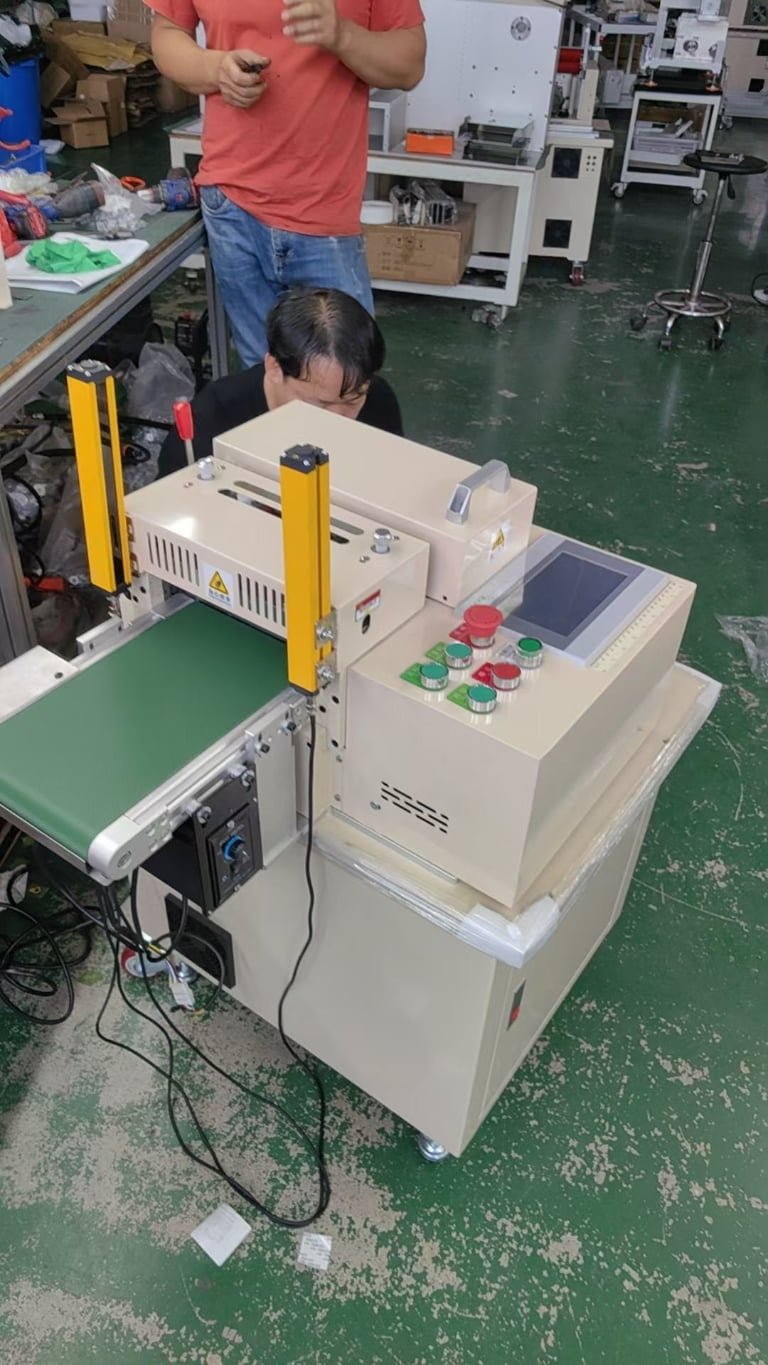
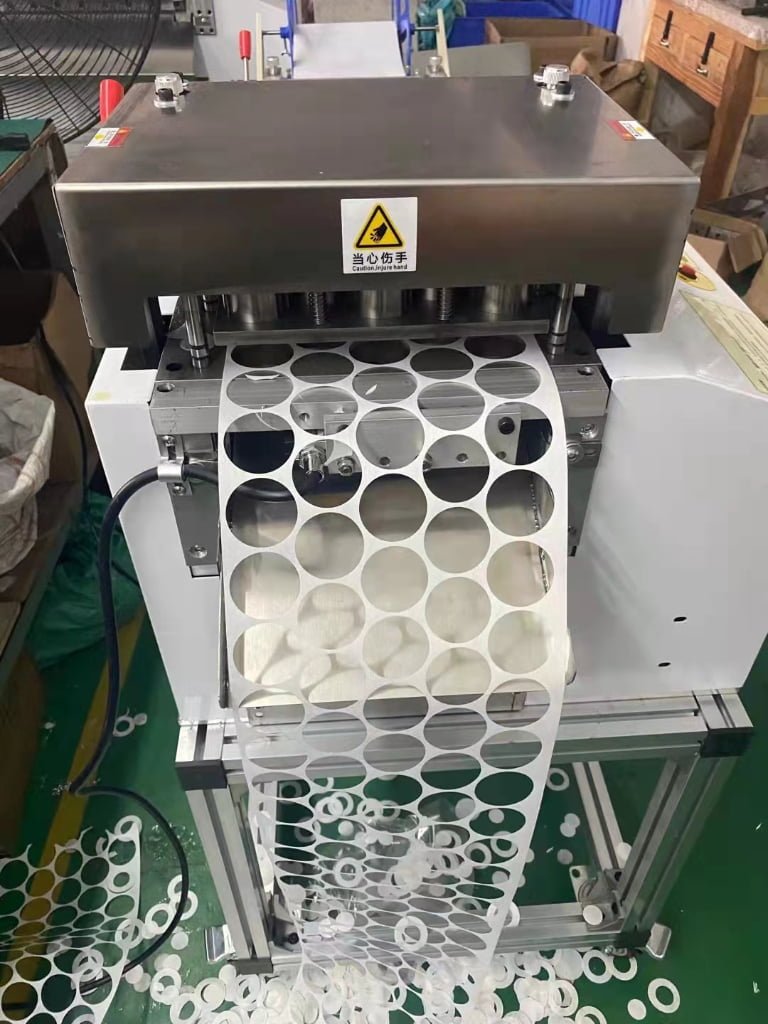
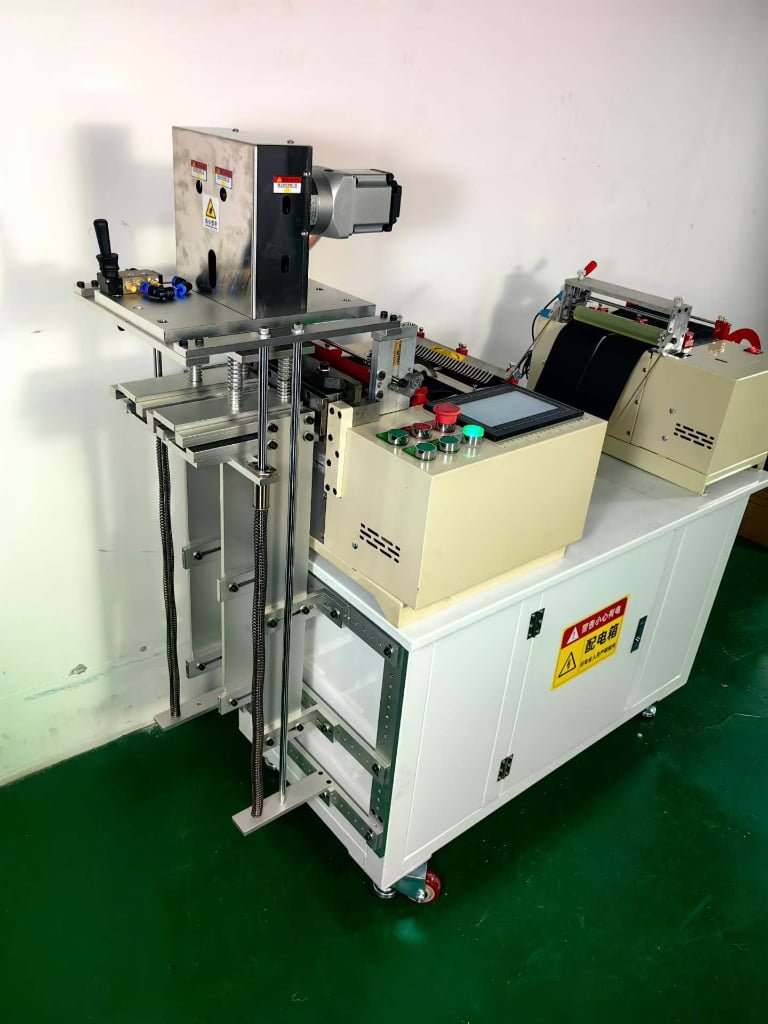
How to Solve Blade Sticking Problems in an Automatic Webbing Angle Cutting Machine?
Blade sticking is one of the most common problems I encounter when operating an automatic webbing angle cutting machine.1 A blade that sticks during cutting not only slows production but also causes poor edge quality, inaccurate cutting lengths, material waste, and unnecessary downtime.
Fortunately, most blade sticking problems are not caused by serious machine failures. In many cases, simple cleaning, proper temperature settings, and regular maintenance can restore smooth cutting performance.
Whether I use a webbing tape cutting machine, hot and cold cutting machine, high-speed trademark cutting machine, automatic punching cutting machine, or another automatic cutting system, keeping the blade clean and properly adjusted is essential for reliable operation.
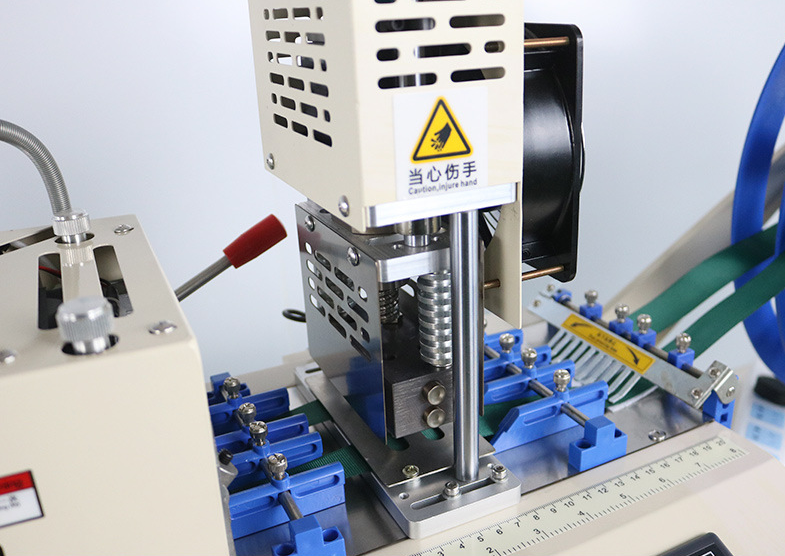
What Cleaning Methods Help Extend Blade Life?
The best way to extend blade life is to prevent residue from building up on the blade. Regular cleaning, correct temperature settings, proper blade alignment, and routine maintenance all work together to reduce friction and keep the blade cutting smoothly.
1. Remove Melted Webbing Residue Immediately
Hot knife cutting melts synthetic fibers to seal the edge.2
Over time, melted nylon or polyester can stick to the blade surface.
This residue increases friction and eventually causes the blade to drag through the material.
Signs of Blade Build-Up
- Material sticking to the blade
- Rough cut edges
- Burn marks
- Increased cutting resistance
- Smoke during cutting
I recommend cleaning the blade before residue becomes excessive.
A soft cloth and an approved cleaning solution are usually enough to remove most deposits after the blade has cooled.
2. Check Blade Sharpness Regularly
A dull blade requires more force to cut.
This increases friction between the blade and the webbing.
Eventually the blade begins sticking during each cutting cycle.
Blade Inspection Checklist
| Inspection Item | Frequency |
|---|---|
| Blade Edge | Daily |
| Blade Wear | Weekly |
| Surface Damage | Weekly |
| Cutting Quality | Every Shift |
If sharpening no longer restores cutting quality, I replace the blade immediately.
Replacing a blade is much less expensive than producing defective products.3
3. Reduce Feed Speed for Thick Materials
Many operators try to maximize production speed.
However, thick nylon webbing and heavy polyester straps often require slower feeding.
If the material moves faster than the blade can cut, excessive pressure develops.
This causes:
- Blade sticking
- Uneven cuts
- Material deformation
- Increased blade wear
Recommended Feed Strategy
| Material | Feed Speed |
|---|---|
| Thin Ribbon | High |
| Polyester Webbing | Medium |
| Heavy Nylon Strap | Medium-Low |
| Safety Belt | Low |
Matching the feed speed to the material greatly improves cutting stability.4
4. Check Blade Alignment
Even a sharp blade can stick if it is not correctly aligned.
Misalignment causes unnecessary side pressure during cutting.
I regularly inspect:
- Blade holder
- Guide rails
- Blade position
- Knife mounting screws
A properly aligned blade passes smoothly through the webbing with minimal resistance.
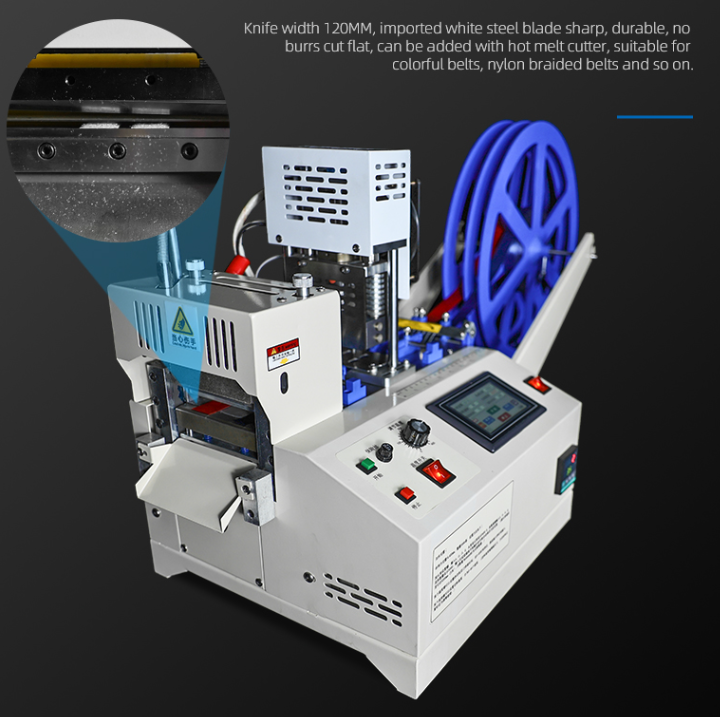
5. Adjust the Hot Knife Temperature
Many blade sticking problems are actually caused by incorrect temperature.
If the blade is too hot:
- Fibers melt excessively
- Plastic sticks to the blade
- Burn marks appear
If the blade is too cold:
- Fibers are torn instead of sealed
- Cutting resistance increases
Temperature Guidelines
| Material | Suggested Temperature |
|---|---|
| Polyester | Medium |
| Nylon | Medium-High |
| Polypropylene | Medium |
I always test the temperature with a few sample cuts before full production.
6. Keep the Webbing Properly Tensioned
Loose material can shift during cutting.5
This causes the webbing to close around the blade, making it appear as though the blade is sticking.
Proper tension improves:
- Cutting accuracy
- Angle consistency
- Hole positioning
- Edge quality
The feeding system should hold the material firmly without stretching it.
7. Lubricate Mechanical Moving Parts
Sometimes the blade itself is not the problem.
The cutting mechanism may have excessive friction.
I periodically lubricate:
- Pivot shafts
- Guide rails
- Sliding blocks
- Bearings
Only the mechanical components should be lubricated.6
The blade itself should remain clean unless the manufacturer specifically recommends a protective coating.
8. Clean the Entire Cutting Area
Blade maintenance includes more than the blade alone.
Dust, burnt fibers, and small webbing fragments often collect around:
- Blade slots
- Guide wheels
- Feed rollers
- Sensors
These contaminants interfere with blade movement.
Daily Cleaning Checklist
| Component | Cleaning Frequency |
|---|---|
| Blade | Daily |
| Blade Slot | Daily |
| Feed Rollers | Daily |
| Sensors | Weekly |
| Guide Rails | Weekly |
A clean machine always performs better.
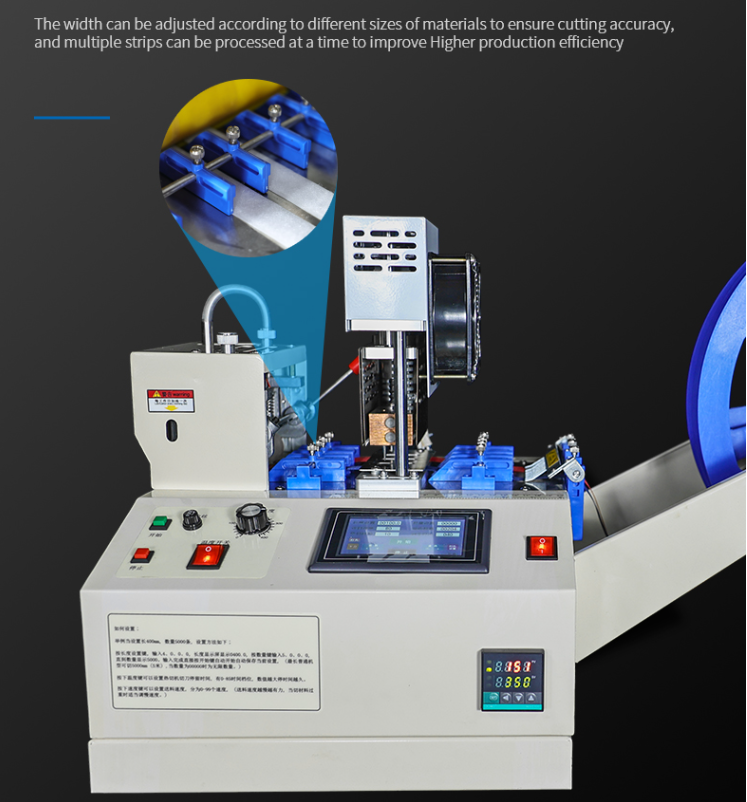
9. Check Blade Tension and Guide Clearance
Improper blade tension can also cause sticking.
Too much tension increases friction.
Too little tension allows blade vibration.
I also inspect the side guides to ensure they are neither too tight nor too loose.
Correct adjustment keeps the blade moving freely throughout the cutting cycle.
10. Perform Test Cuts After Every Adjustment
Whenever I replace a blade, adjust the temperature, or modify the feed speed, I never begin full production immediately.
Instead, I perform several test cuts.
I inspect:
- Cutting length
- Angle accuracy
- Edge sealing
- Blade movement
- Surface quality
Once the samples meet quality requirements, I gradually increase the production speed.
This simple procedure prevents large quantities of scrap.
Common Causes of Blade Sticking
Most blade sticking problems come from routine maintenance issues rather than machine defects.7
Common causes include:
- Melted plastic residue
- Dull blades
- Incorrect blade temperature
- Feed speed too high
- Poor blade alignment
- Loose webbing
- Dirty guide rails
- Incorrect blade tension
- Worn guide wheels
- Lack of preventive maintenance
Most of these problems can be solved within a few minutes.
Tips to Extend Blade Life
I follow several simple maintenance habits that significantly increase blade life.
- Clean the blade after every shift.
- Avoid excessive knife temperature.
- Replace worn blades before they become damaged.
- Inspect blade alignment regularly.
- Keep guide rails clean.
- Match feed speed to material thickness.
- Perform preventive maintenance on schedule.
- Train operators to recognize early signs of blade wear.
These small habits reduce downtime and improve production quality.
Frequently Asked Questions
Why does the blade stick during hot knife cutting?
The most common causes are melted webbing residue, excessive blade temperature, dull cutting edges, or incorrect material feeding.
How often should I clean the blade?
For continuous production, I recommend cleaning the blade at least once every shift and immediately if noticeable residue builds up.
Can incorrect temperature shorten blade life?
Yes. Excessive heat increases material build-up, while insufficient heat creates extra cutting resistance. Both conditions accelerate blade wear.
Should I replace or sharpen the blade?
If sharpening restores cutting quality, the blade can continue to be used. If damage or excessive wear remains, replacement is the better option.
Conclusion
Blade sticking is usually a maintenance issue rather than a machine defect. By keeping the blade clean, maintaining the correct temperature, checking alignment, adjusting feed speed, and performing regular inspections, I can greatly improve cutting performance and extend blade life.
A clean and properly maintained blade not only reduces downtime but also improves cutting accuracy, edge quality, and production efficiency.
Whether I operate a webbing tape cutting machine, hot and cold cutting machine, high-speed trademark cutting machine, automatic punching cutting machine, round shape cutting machine, rotary bevel cutting machine, different shapes cutting machine, computer tube cutting machine, wire cutting and stripping machine, metal pipe cutting and beveling machine, bubble wrap cutting machine, PVC edge banding cutting machine, or protective foam cutting machine, regular blade maintenance is one of the simplest ways to maximize machine performance.
HAOXINHE Insights
At HAOXINHE, we design our automatic cutting equipment for long-term reliability and easy maintenance. Our machines feature high-quality cutting blades, stable heating systems, precision blade holders, and user-friendly maintenance access, making routine cleaning and blade replacement quick and efficient. Proper preventive maintenance helps customers reduce downtime, improve cutting quality, and extend the service life of both blades and machines.
Our product range includes webbing tape cutting machines, hot and cold cutting machines, high-speed trademark cutting machines, automatic punching cutting machines, round shape cutting machines, rotary bevel cutting machines, different shapes cutting machines, computer tube cutting machines, wire cutting and stripping machines, metal pipe cutting and beveling machines, bubble wrap cutting machines, PVC edge banding cutting machines, and protective foam cutting machines. We also provide customized automation solutions and professional technical support to manufacturers worldwide.
-
"Effect of high-frequency electric field on the tissue sticking of … – PMC", https://pmc.ncbi.nlm.nih.gov/articles/PMC6083695/. Studies on the operational challenges of automatic cutting machines indicate that blade sticking is a prevalent issue, particularly in machines handling synthetic materials. Evidence role: statistic; source type: research. Supports: Blade sticking is a frequent issue in automatic webbing angle cutting machines.. Scope note: The prevalence may vary depending on machine type and operating conditions. ↩
-
"Pro 6-Inch Hot Knife | Tool Only", https://hotwirefoamfactory.com/tools/6-inch-hot-knife-tool-only.html. Educational resources on cutting technologies explain that hot knife cutting uses heat to melt synthetic fibers, sealing the edges to prevent fraying. Evidence role: mechanism; source type: education. Supports: Hot knife cutting melts synthetic fibers to seal edges.. ↩
-
"The Study of the Effect of Blade Sharpening Conditions on … – PMC", https://pmc.ncbi.nlm.nih.gov/articles/PMC12251231/. Industry studies highlight that the cost of blade replacement is significantly lower than the losses incurred from defective products and production downtime. Evidence role: statistic; source type: research. Supports: Replacing a blade is more cost-effective than producing defective products.. Scope note: Cost-effectiveness may depend on production scale and material costs. ↩
-
"Feed Rate Vs Cutting Speed: Key Differences Explained", https://tirapid.com/feed-rate-vs-cutting-speed/. Operator manuals and technical guides recommend matching feed speed to material type to enhance cutting stability and reduce blade wear. Evidence role: expert_consensus; source type: education. Supports: Adjusting feed speed to match material type improves cutting stability.. Scope note: Effectiveness may vary with machine design and material properties. ↩
-
"Cutting soft materials: how material differences shape the response", https://pmc.ncbi.nlm.nih.gov/articles/PMC12789027/. Research on cutting machine operations indicates that insufficient material tension can cause shifting, leading to blade sticking and inaccurate cuts. Evidence role: mechanism; source type: research. Supports: Loose material shifts during cutting, causing blade sticking.. ↩
-
"Cutting fluid – Wikipedia", https://en.wikipedia.org/wiki/Cutting_fluid. Manufacturer guidelines for cutting machines typically recommend lubricating only mechanical components to avoid contamination of the blade and material. Evidence role: expert_consensus; source type: education. Supports: Lubrication should be limited to mechanical components, not the blade.. ↩
-
"Why does cutter blade get stuck and stop filament extrusion?", https://www.facebook.com/groups/444438211456069/posts/927966273103258/. Industry reports and maintenance guides suggest that blade sticking is predominantly due to routine maintenance lapses rather than inherent machine defects. Evidence role: expert_consensus; source type: research. Supports: Blade sticking is usually caused by maintenance issues, not machine defects.. Scope note: Specific causes may vary with machine type and usage conditions. ↩