Automatic Roll to Sheet Cutting Machine vs Manual Sheet Cutter: Which Is Better?
When manufacturers need to convert rolls into sheets, one of the most common questions is whether to invest in an automatic roll to sheet cutting machine or continue using a manual sheet cutter.
At first glance, the answer may seem simple. Automatic machines cost more, while manual cutters require a smaller investment. However, purchase price is only one part of the equation.
In real production environments, factors such as productivity, labor costs, cutting accuracy, material waste, safety, and long-term operating costs often have a much bigger impact on profitability than the machine’s initial price.
I have worked with packaging companies, printing plants, paper converters, label manufacturers, and industrial material processors for many years. In many cases, companies initially chose manual cutting because of the lower upfront investment. As production volumes increased, they quickly discovered that labor costs, inconsistent quality, and production bottlenecks became much more expensive than the machine itself.
This is why many manufacturers eventually upgrade to automatic roll-to-sheet cutting systems.
In this article, I will compare automatic roll-to-sheet cutting machines and manual sheet cutters in detail, helping buyers understand which solution provides the best value for their production requirements.
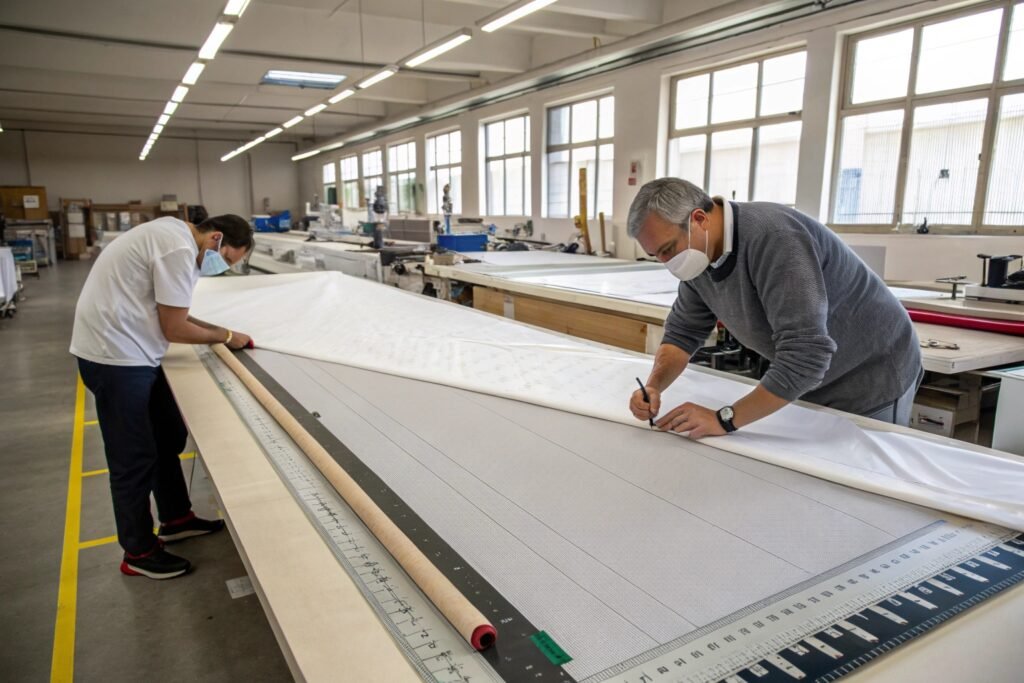
How Do Productivity, Labor Costs, and Accuracy Compare Between Both Systems?
Automatic roll-to-sheet cutting machines outperform manual sheet cutters in productivity, labor efficiency, cutting consistency, and long-term operating costs. Manual cutters remain useful for low-volume applications where budget and flexibility are more important than throughput.
Quick Comparison Overview
| Feature | Automatic Roll to Sheet Cutter | Manual Sheet Cutter |
|---|---|---|
| Production Speed | High | Low |
| Labor Requirement | Low | High |
| Cutting Accuracy | High | Operator Dependent |
| Material Waste | Low | Higher |
| Safety | Better | More Operator Exposure |
| Initial Cost | Higher | Lower |
| Long-Term Cost | Lower | Higher |
| Best For | Industrial Production | Small Workshops |
The best choice depends on production volume, quality requirements, and long-term business goals.
Productivity Comparison: Which System Produces More Output?
Productivity is often the first factor buyers evaluate.
Automatic roll-to-sheet cutting machines are designed for continuous production. Once the job settings are entered, the machine automatically feeds material, measures length, performs cutting operations, and often counts or stacks finished sheets.
Manual cutting requires operators to perform many of these tasks themselves.
Productivity Differences
Automatic Machines
- Continuous operation
- Minimal operator involvement
- Faster cutting cycles
- Consistent output rates
Manual Cutters
- Frequent operator handling
- Slower cutting process
- More interruptions
- Output depends on worker speed
Production Capacity Comparison
| Production Factor | Automatic Machine | Manual Cutter |
|---|---|---|
| Sheets Per Hour | High | Low |
| Continuous Operation | Yes | Limited |
| Long Production Runs | Excellent | Difficult |
| Repeat Jobs | Fast | Time Consuming |
For industrial production environments, automatic systems almost always deliver significantly higher output.
Labor Costs: Which System Requires Less Workforce?
Labor costs continue to rise worldwide.
As a result, many manufacturers are looking for ways to reduce labor dependency.
Automatic roll-to-sheet cutting machines can dramatically lower labor requirements.
Labor Requirements
| Task | Automatic System | Manual System |
|---|---|---|
| Material Feeding | Automatic | Manual |
| Measuring Length | Automatic | Manual |
| Cutting | Automatic | Manual |
| Counting | Automatic | Manual |
| Stacking | Often Automatic | Manual |
One operator can often supervise an automatic cutting machine while performing other production tasks.
Manual cutting usually requires constant attention.
Long-Term Labor Impact
Automatic Machines
- Fewer operators required
- Reduced overtime
- Lower training requirements
Manual Cutters
- Higher labor dependency
- Greater operator fatigue
- More production variability
For companies processing large volumes every day, labor savings alone can justify automation.
Accuracy Comparison: Why Consistency Matters
Many buyers focus on speed and cost, but accuracy often has the greatest effect on profitability.
Poor accuracy creates waste, customer complaints, and rework.
Automatic roll-to-sheet cutting machines use programmable controls and precision feeding systems to maintain consistent cut lengths.
Accuracy Comparison
| Factor | Automatic Cutter | Manual Cutter |
|---|---|---|
| Length Consistency | Excellent | Variable |
| Repeatability | High | Operator Dependent |
| Edge Quality | Consistent | Inconsistent |
| Long Production Runs | Stable | More Variation |
Why Accuracy Creates Value
Reduced Scrap
Fewer defective sheets.
Better Product Quality
Improved customer satisfaction.
Easier Downstream Processing
Printing, laminating, and packaging become more efficient.
For industries requiring tight tolerances, automation provides a significant advantage.
Material Waste: Which System Uses Material More Efficiently?
Material costs often exceed labor costs in many converting operations.
Even small improvements in material utilization can create substantial savings.
Manual cutting relies heavily on operator measurements.
Human error increases the risk of:
- Incorrect lengths
- Crooked cuts
- Misaligned sheets
- Material damage
Automatic systems eliminate much of this risk.
Waste Comparison
| Source of Waste | Automatic Machine | Manual Cutter |
|---|---|---|
| Measuring Errors | Very Low | Higher |
| Misfeeds | Low | Moderate |
| Rework | Low | Higher |
| Scrap Rate | Lower | Higher |
Over time, lower material waste contributes significantly to return on investment.
Safety Comparison: Protecting Operators
Workplace safety is another important consideration.
Automatic roll-to-sheet cutting machines are designed to reduce direct operator contact with cutting components.
Automatic Machine Safety Features
Blade Guards
Protect operators during operation.
Enclosed Cutting Zones
Reduce exposure to moving parts.
Emergency Stop Systems
Allow rapid shutdown.
Automatic Feeding
Reduces manual handling.
Manual Cutter Risks
| Safety Factor | Automatic Machine | Manual Cutter |
|---|---|---|
| Blade Exposure | Low | High |
| Repetitive Motion | Low | High |
| Manual Handling | Low | High |
| Injury Risk | Lower | Higher |
Improved safety often leads to lower downtime and fewer workplace incidents.
Flexibility and Job Changes
Some buyers assume manual cutters are more flexible because operators can make adjustments quickly.
However, modern automatic systems offer programmable controls that simplify job changes.
Benefits of Programmable Automation
Stored Job Settings
Repeat jobs can be recalled instantly.
Multiple Sheet Sizes
Operators can switch dimensions quickly.
Reduced Setup Errors
Parameters are saved electronically.
Job Change Comparison
| Function | Automatic Machine | Manual Cutter |
|---|---|---|
| Repeat Orders | Excellent | |
| Multiple Sizes | Excellent | |
| Setup Consistency | High | |
| Human Error Risk | Low |
For companies running many different orders each day, automation often provides greater flexibility than manual operation.
When Is a Manual Sheet Cutter Still a Good Choice?
Despite the advantages of automation, manual sheet cutters still have a place in certain environments.
Best Situations for Manual Cutters
Low Production Volume
Small output requirements.
Limited Budget
Lower initial investment.
Prototype Work
Occasional cutting tasks.
Small Workshops
Limited production space.
Manual Cutter Advantages
| Advantage | Benefit |
|---|---|
| Lower Cost | Easier Purchase |
| Simpler Operation | Minimal Training |
| Compact Design | Less Space Required |
For small businesses, manual equipment may still be a practical option.
Total Cost of Ownership: Looking Beyond Purchase Price
Many buyers focus only on initial machine cost.
This approach can be misleading.
Cost Factors to Consider
| Cost Category | Automatic Machine | Manual Cutter |
|---|---|---|
| Purchase Price | Higher | Lower |
| Labor Cost | Lower | Higher |
| Material Waste | Lower | Higher |
| Production Capacity | Higher | Lower |
| Long-Term ROI | Better | Lower |
A machine that costs more initially may generate much greater savings over its lifetime.
This is why industrial manufacturers often choose automation even when manual equipment appears less expensive.
Which System Is Better for Industrial Production?
For industrial-scale manufacturing, automatic roll-to-sheet cutting machines are usually the stronger long-term investment.
Reasons Industrial Plants Prefer Automation
Higher Throughput
More production capacity.
Lower Labor Dependency
Reduced workforce requirements.
Better Accuracy
Improved product consistency.
Lower Waste
Better material utilization.
Greater Automation
Higher operational efficiency.
For companies competing in high-volume markets, these advantages often outweigh the higher purchase price.
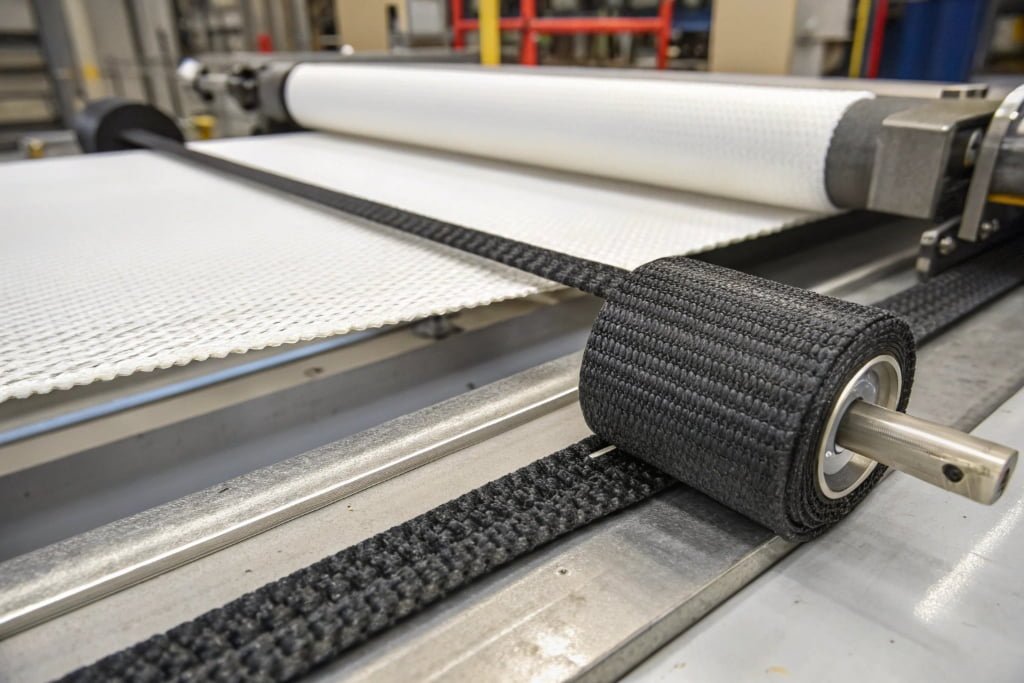
Conclusion
Automatic roll-to-sheet cutting machines and manual sheet cutters each serve different production needs.
Manual cutters remain useful for low-volume applications, small workshops, and businesses with limited budgets. However, as production requirements increase, the advantages of automation become increasingly clear.
Automatic machines provide higher productivity, lower labor costs, better accuracy, reduced material waste, improved safety, and stronger long-term profitability.
For most industrial converting operations, an automatic roll-to-sheet cutting machine is not simply a piece of equipment—it is a long-term investment in productivity, consistency, and business growth.
Insights: Why HAOXINHE Supports Automated Cutting Solutions
At HAOXINHE, we work with manufacturers that process paper, film, foam, webbing, labels, packaging materials, and many other substrates. Over the years, we have seen how automation helps companies increase production capacity while reducing labor dependence and material waste.
Our goal is to provide cutting solutions that combine precision, reliability, and ease of operation.
HAOXINHE Product Portfolio
- Webbing Tape Cutting Machine
- Hot and Cold Cutting Machine
- High-Speed Trademark Cutting Machine
- Automatic Punching Cutting Machine
- Round Shape Cutting Machine
- Rotary Bevel Cutting Machine
- Different Shapes Cutting Machine
- Computer Tube Cutting Machine
- Wire Cutting and Stripping Machine
- Metal Pipe Cutting and Beveling Machine
- Webbing Ribbon Cutting Machine
- Bubble Wrap Cutting Machine
- PVC Edge Banding Cutting Machine
- Protective Foam Cutting Machine
HAOXINHE Equipment Advantages
| Feature | Customer Benefit |
|---|---|
| Servo-Controlled Feeding | Higher Accuracy |
| Programmable Controls | Faster Setup |
| Automatic Counting | Lower Labor Costs |
| Multi-Material Processing | Greater Flexibility |
| Durable Construction | Long Service Life |
| Custom Solutions | Better Production Fit |
My Experience Working with Cutting Machine Buyers for Over 20 Years
Over the past 20 years, I have helped manufacturers compare manual cutting methods and automated cutting systems across many industries. One pattern appears again and again. Most companies start by looking at the purchase price, but after a deeper discussion, they realize that labor costs, production efficiency, and material waste have a much larger impact on profitability.
I remember working with a paper converting company that was still using manual cutting equipment for several production lines. The management team initially hesitated to invest in automation because of the higher machine cost. After reviewing their labor expenses, scrap rates, and production bottlenecks, we calculated the total operating cost of both systems. The results surprised them. The labor savings alone could recover a large portion of the investment within a relatively short period.
Several months after installing an automatic roll-to-sheet cutting machine, they reported higher output, more consistent product quality, and significantly lower operator workload. Experiences like this have taught me that the right decision should never be based only on machine price. The most successful buyers evaluate throughput, precision requirements, labor costs, and long-term operating expenses before making a decision.
In my experience, companies that focus on total production efficiency rather than initial purchase cost usually achieve the best long-term results.