From Chaos to Order: Upgrading Your Packing Station with a Bubble Cutter
Many warehouses do not realize how much productivity they lose because of poor packing station organization.
I have visited packaging departments where:
- Bubble wrap rolls covered the floor
- Workers searched for scissors every few minutes
- Packaging materials piled up beside tables
- Empty cartons blocked walking paths
- Finished shipments mixed with unpacked products
At first, these problems may look small.
Still, over time, disorganized packing stations create:
- Slower packaging speed
- More worker fatigue
- Higher error rates
- Material waste
- Shipping delays
- Safety risks
As order volume grows, chaos inside the packaging area becomes even more expensive.
This is why many logistics companies and manufacturers now upgrade their packaging departments using equipment like:
- Bubble wrap cutting machine
- webbing tape cutting machine
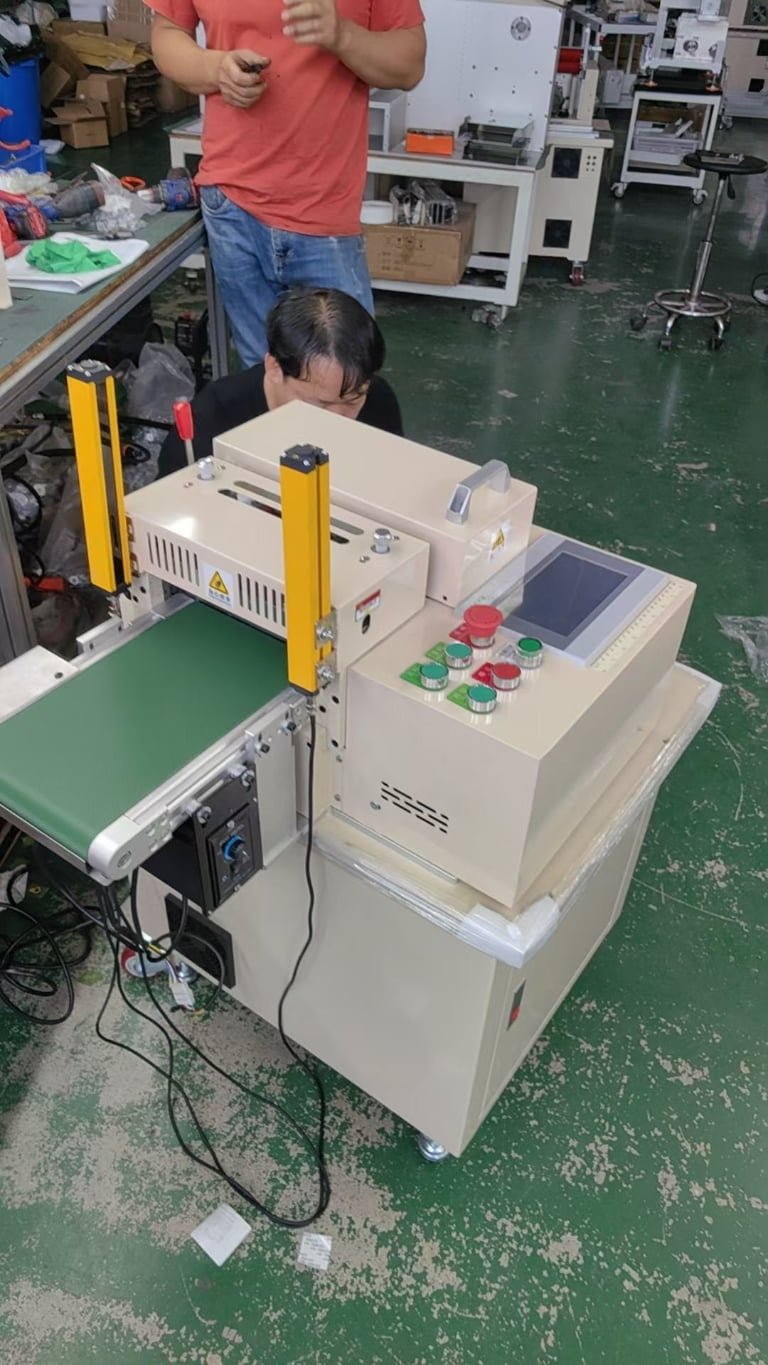
- Protective Foam Cutting Machine
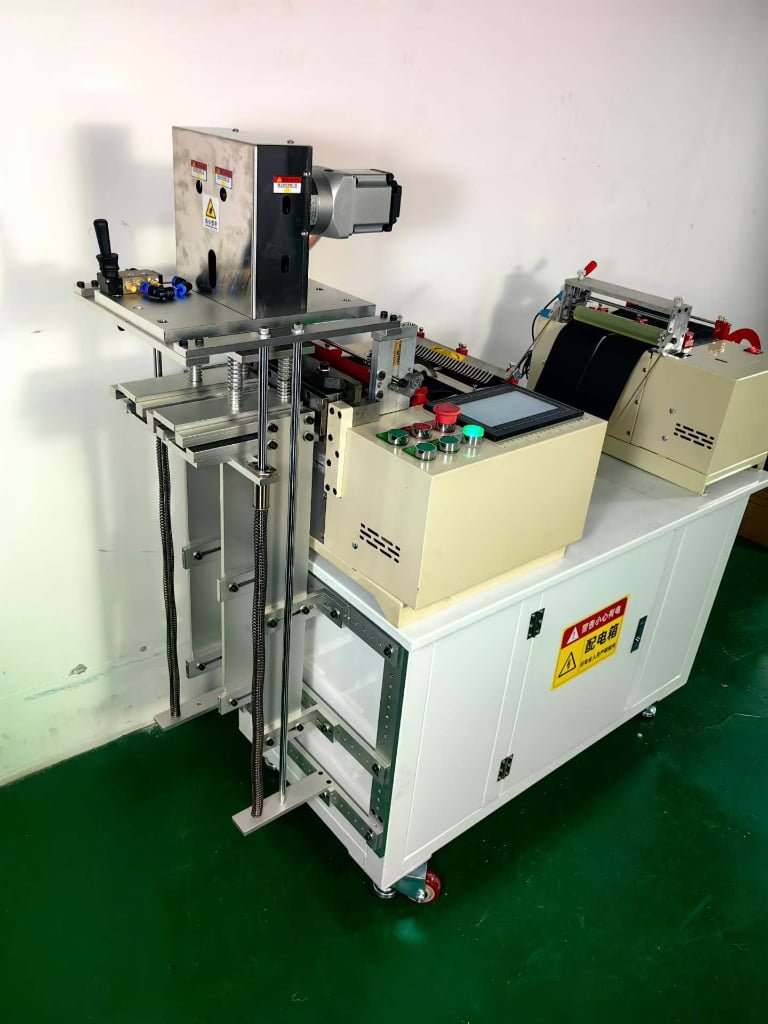
- hot and cold cutting machine
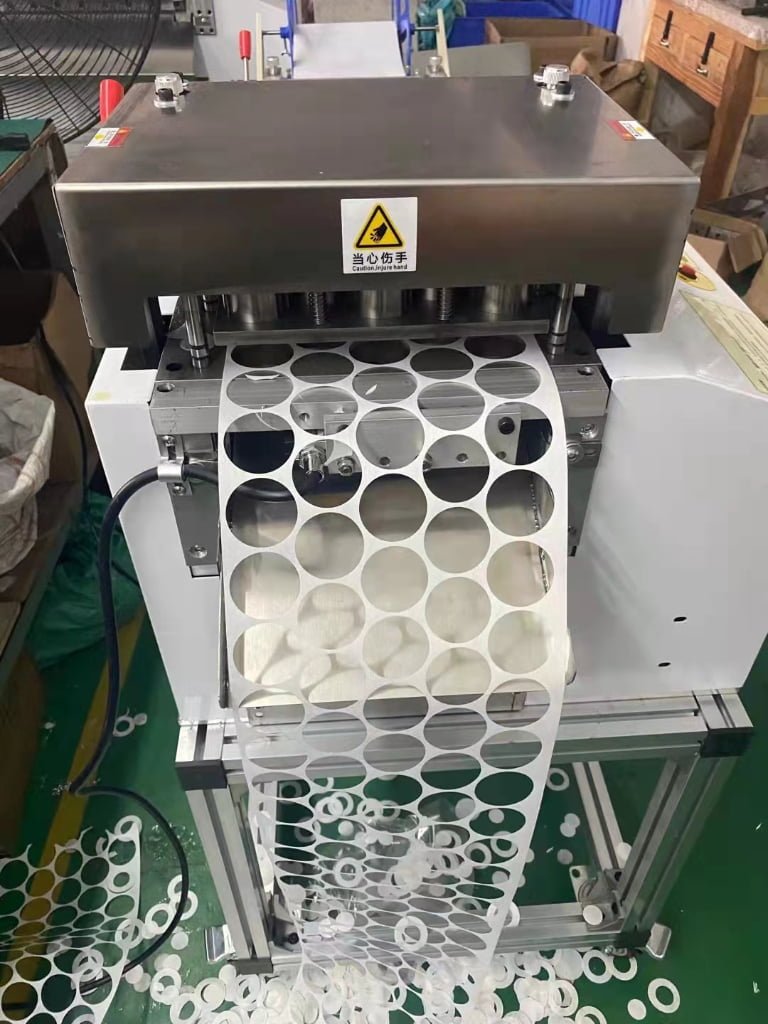
- automatic punching cutting machine
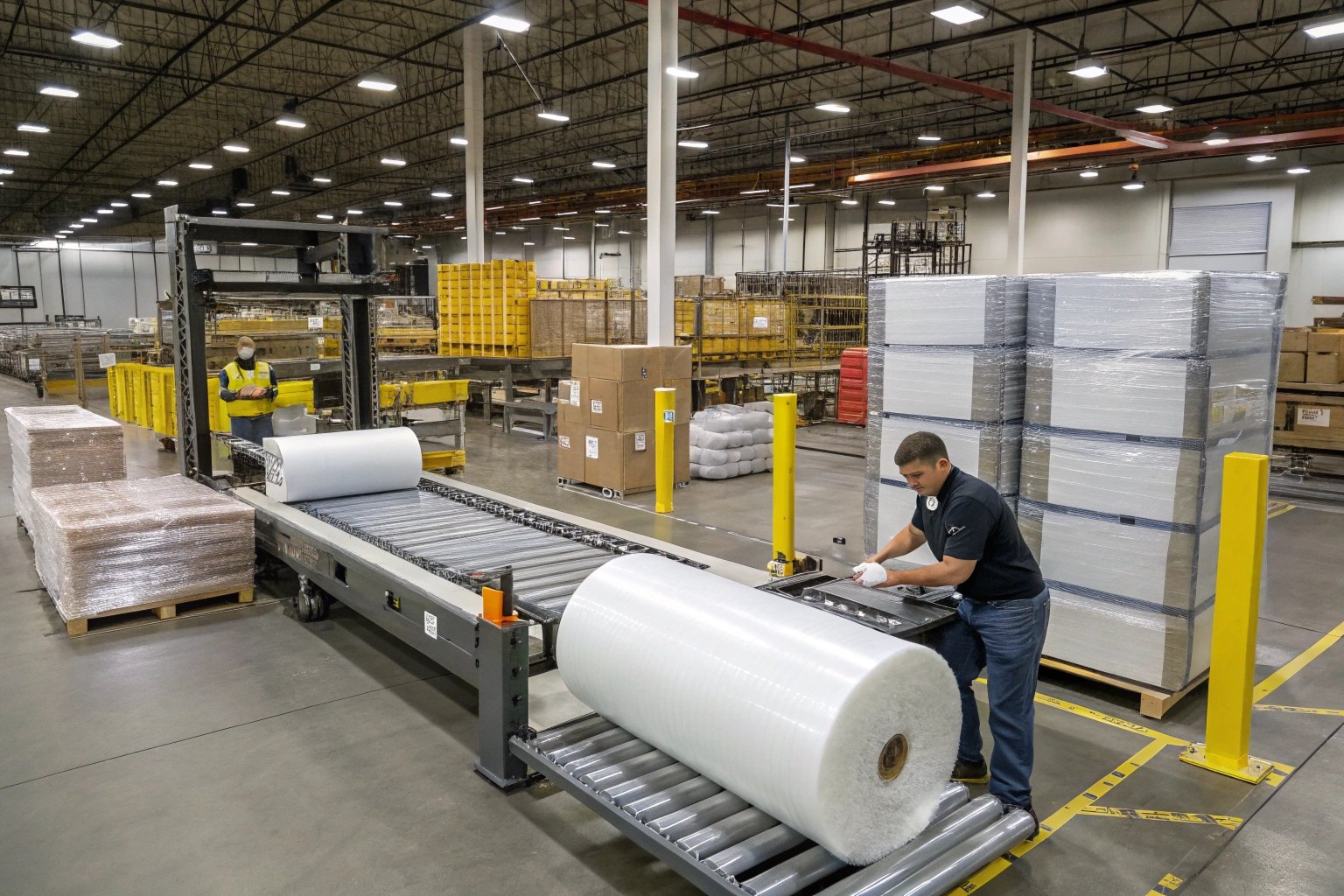
A properly designed bubble wrap cutting station can transform a cluttered warehouse area into a cleaner, faster, and more scalable operation.
In this article, I will explain how to design a more organized industrial packing station and how a bubble cutter improves workflow efficiency during daily warehouse operations.
-
Manual bubble wrap cutting creates inconsistent packaging quality, increasing transit damage risks and reducing protection for fragile products.1
-
Repetitive hand cutting adds hidden labor expenses through measuring, trimming, cleanup, and worker fatigue during daily warehouse operations.2
-
Oversized manual wrapping increases dimensional shipping weight, leading to higher freight costs and reduced logistics efficiency over time.
-
Automated cutting machines improve fulfillment speed by delivering accurate material sizing and stable packaging throughput across shifts.3
-
Modern logistics companies adopt automated cutting systems to reduce waste, improve scalability, and support smarter warehouse automation.
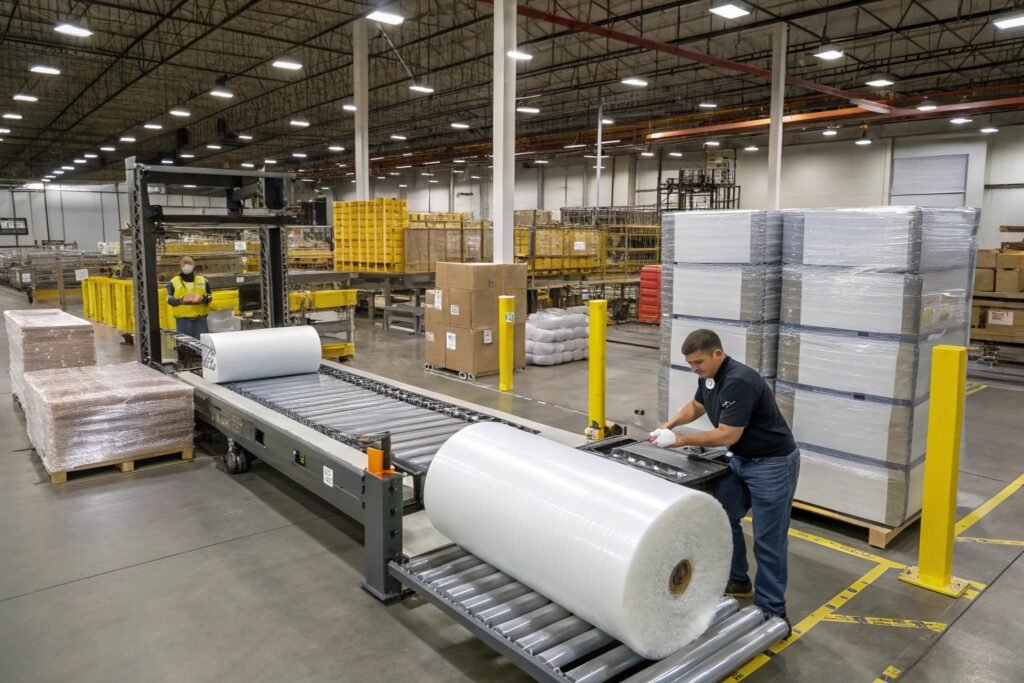
Why Packing Station Organization Matters More Than Most Warehouses Think
Many companies focus heavily on:
- Inventory systems
- Shipping software
- Warehouse automation
- Carrier management
Still, the physical packing station itself often receives very little attention.
This is a mistake.
The packing station is where:
- Orders get finalized
- Products receive protection
- Shipping speed is determined
- Packaging quality becomes visible
A poorly organized station slows every shipment moving through the warehouse.
Clutter Creates Hidden Operational Costs
When workers constantly:
- Search for tools
- Move materials
- Reposition packaging rolls
- Clean scrap waste
- Untangle materials
they lose productive time every hour.
These small interruptions add up quickly.
Common Packing Station Problems
| Problem | Operational Impact |
|---|---|
| Bubble wrap rolls on floor | Worker movement delays |
| Manual cutting tools everywhere | Safety risks |
| Uneven material storage | Clutter accumulation |
| Mixed packaging supplies | Slower packing |
| Excess packaging scraps | Cleaning interruptions |
| Poor workstation layout | Worker fatigue |
Over time, disorganized packaging stations reduce throughput and increase labor pressure.
Clean Workflows Improve Employee Performance
Workers perform better when the environment is organized.4
A clean station improves:
- Focus
- Packing speed
- Accuracy
- Morale
- Safety
This becomes extremely important during high-volume shipping periods.
How to Design an Ergonomic and Clean Industrial Packing Station
Good packaging station design is not only about appearance.
It directly affects:
- Productivity
- Worker comfort
- Material flow
- Shipping speed
The goal is reducing unnecessary movement while keeping materials easily accessible.
Keep Frequently Used Materials Within Reach
Workers should not walk long distances to access:
- Bubble wrap
- Tape
- Labels
- Foam
- Cartons
Frequently used materials should stay close to the operator.
This reduces wasted motion and improves workflow speed.
Use Vertical Space Efficiently
Many warehouses waste valuable vertical space.
Wall-mounted systems help organize:
- Bubble wrap rolls
- Tools
- Tape dispensers
- Packaging accessories
This keeps the floor area cleaner and safer.
Separate Material Preparation From Final Packing
One common mistake is combining:
- Material cutting
- Packing
- Finished shipment staging
inside the same small workspace.
This creates congestion.
Smart warehouses separate:
- Material preparation area
- Packing zone
- Completed shipment area
This creates smoother movement throughout the workflow.
Recommended Packing Station Layout
| Zone | Main Purpose |
|---|---|
| Material prep area | Bubble wrap and foam cutting |
| Packing table | Product packaging |
| Finished goods section | Completed shipments |
| Supply storage | Cartons and accessories |
| Scrap collection area | Waste management |
Ergonomics Reduce Worker Fatigue
Workers often stand for long shifts.
Poor workstation design increases:
- Back strain
- Shoulder fatigue
- Repetitive motion stress
Ergonomic improvements help workers maintain consistent performance throughout the day.
Important ergonomic factors include:
- Proper table height
- Easy material access
- Reduced bending
- Minimal reaching distance
- Organized tool placement
Machines like a Bubble wrap cutting machine reduce repetitive manual cutting motions significantly.
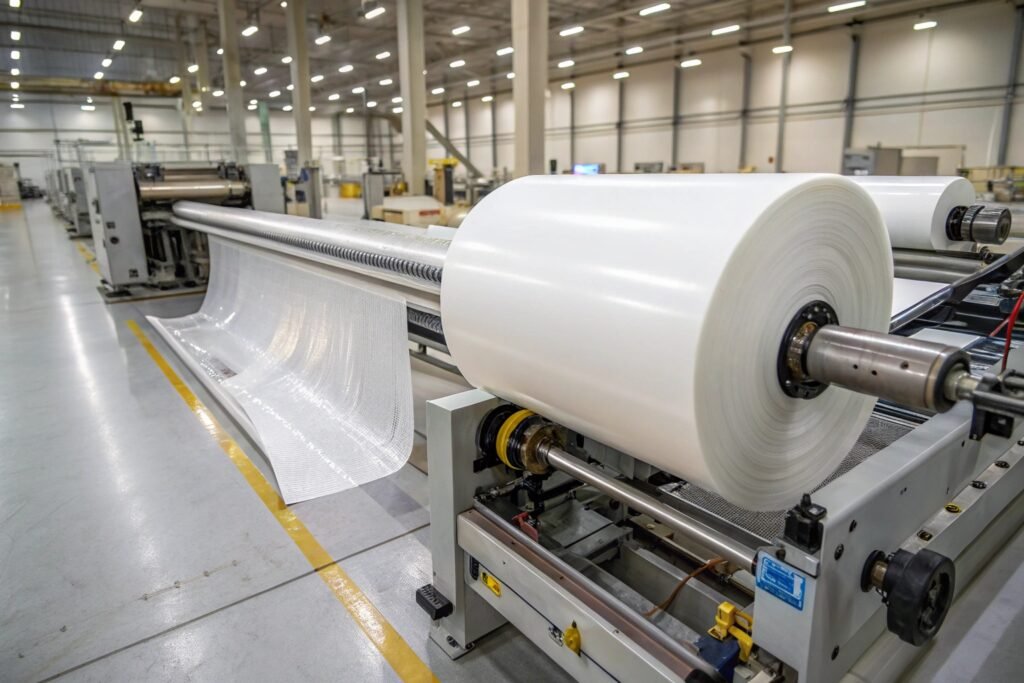
Where Should the Bubble Wrap Roll Cutter Be Placed for Best Workflow?
The location of the bubble cutter strongly affects packaging efficiency.
A poorly positioned cutter can create:
- Worker congestion
- Traffic interruptions
- Material delays
The right placement improves workflow immediately.
Place the Cutter Near High-Usage Packing Zones
Bubble wrap should be easily accessible to packers handling fragile products.
The cutter should stay:
- Close enough for fast access
- Far enough to avoid congestion
This balance is very important.
Avoid Blocking Main Walking Paths
Many warehouses place bubble wrap rolls beside walkways.
This creates:
- Safety risks
- Worker interruptions
- Material damage
A dedicated cutting station keeps materials organized and controlled.
Centralized Cutting Stations Improve Material Control
Some warehouses use centralized cutting stations that prepare materials for multiple packers.
This approach:
- Reduces duplicate equipment
- Improves material consistency
- Simplifies supervision
- Reduces floor clutter
Bubble Cutter Placement Options
| Placement Style | Best Use Case |
|---|---|
| Individual station cutter | Small packing teams |
| Centralized cutter | High-volume warehouses |
| Wall-mounted cutter | Limited floor space |
| Mobile cutting station | Flexible workflows |
Workflow Direction Matters
Efficient packaging flow should move in one direction:
- Product arrives
- Material gets prepared
- Packing completed
- Shipment moves out
Crossing paths creates confusion and delays.
Automation equipment like:
- Bubble wrap cutting machine
- Protective Foam Cutting Machine
- PVC Edge Banding cutting machine
- different shapes cutting machine
works best when integrated into organized linear workflows.
How Does Standardizing Bubble Sheet Sizes Improve Warehouse Neatness?
One hidden source of packaging chaos is inconsistent material sizing.
When workers manually cut bubble wrap:
- Sheet lengths vary constantly
- Scrap pieces accumulate
- Materials pile up unevenly
This creates visual and operational disorder.
Standard Sizes Create Predictable Workflows
Using fixed sheet sizes helps warehouses:
- Organize storage easier
- Reduce scrap clutter
- Improve packing speed
- Simplify training
Workers quickly learn which size fits each product category.
This improves consistency across all shifts.
Standardization Reduces Material Waste
Manual cutting often produces:
- Uneven edges
- Oversized sheets
- Unused scraps
Automated cutting systems produce cleaner and more repeatable results.
Benefits of Standardized Bubble Sheets
| Benefit | Operational Result |
|---|---|
| Uniform material lengths | Cleaner stations |
| Reduced scrap waste | Easier cleaning |
| Consistent packaging | Faster workflows |
| Better material stacking | Improved storage |
| Easier employee training | Lower error rates |
Organized Materials Improve Visual Management
Visual management is important in industrial operations.
Clean packaging stations make it easier to:
- Identify shortages
- Monitor workflow
- Detect problems quickly
A neat station also improves professionalism during customer or auditor visits.
Consistency Helps During Peak Seasons
Peak periods become easier to manage when packaging materials stay standardized.
Temporary workers can quickly understand:
- Which sheet size to use
- Where materials belong
- How packaging flow works
This reduces confusion during high-pressure operations.
Machines like:
- hot and cold cutting machine
- round shape cutting machine
- webbing tape cutting machine
- computer tube cutting machine
all support material consistency across industrial applications.
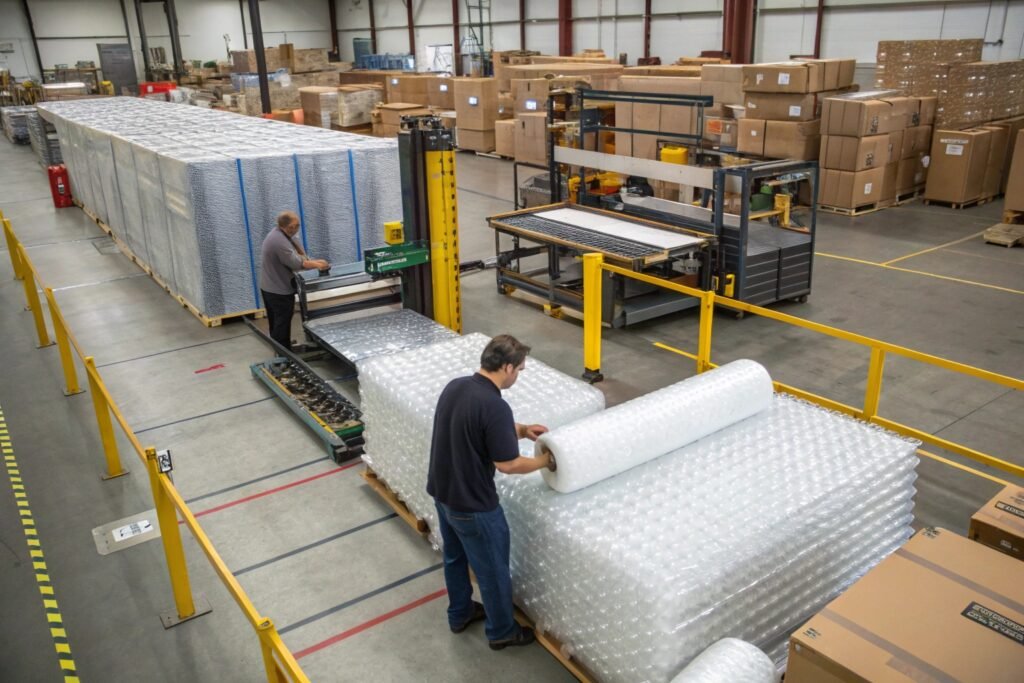
What Accessories Can Be Added to a Cutting Station for Better Sorting?
A bubble cutter works best when combined with smart workstation accessories.
Accessories help organize:
- Materials
- Tools
- Waste
- Finished sheets
This improves speed and cleanliness.
Roll Holders Improve Material Feeding
Heavy bubble wrap rolls are difficult to manage manually.
Roll holders:
- Stabilize material feeding
- Reduce operator strain
- Prevent floor clutter
- Improve cutting accuracy
Storage Bins Help Organize Finished Materials
Prepared sheets should not pile randomly on tables.
Sorting bins help separate:
- Different sheet sizes
- Product categories
- Fragile packaging materials
This keeps workflows organized.
Scrap Collection Systems Reduce Mess
Bubble wrap scraps quickly create clutter.
Dedicated scrap collection bins help:
- Maintain cleanliness
- Improve safety
- Simplify waste disposal
Useful Packing Station Accessories
| Accessory | Main Benefit |
|---|---|
| Roll holder | Stable material feeding |
| Tool rack | Faster tool access |
| Scrap collection bin | Cleaner workspace |
| Adjustable shelves | Better organization |
| Label holders | Easier identification |
| Material sorting trays | Faster packing flow |
Lighting Also Improves Packaging Accuracy
Poor lighting increases:
- Packing mistakes
- Labeling errors
- Worker fatigue
Bright workstations improve visibility and efficiency.5
Mobile Workstations Add Flexibility
Some warehouses prefer mobile cutting stations.
These systems allow:
- Flexible layout changes
- Seasonal adjustments
- Temporary overflow support
This flexibility is useful in fast-changing fulfillment environments.
Equipment such as:
- Bubble wrap cutting machine
- automatic punching cutting machine
- rotary bevel cutting machine
- wire cutting and stripping machine
can often be integrated into modular workstation systems.
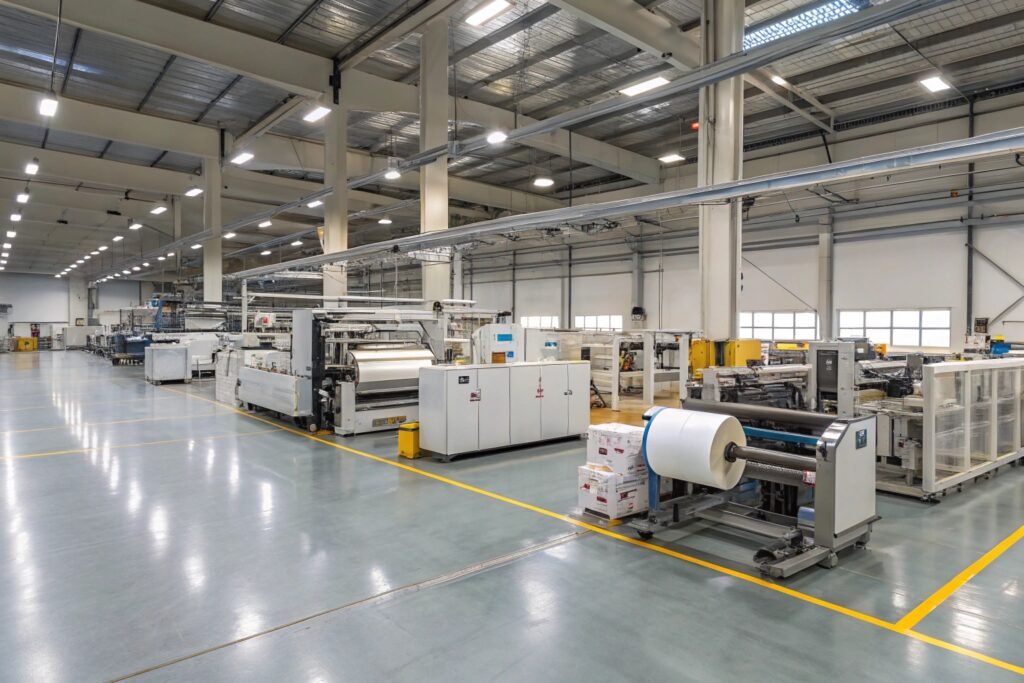
Why Organized Packing Stations Improve Scalability
As shipping volume increases, disorder becomes more expensive.
A chaotic packaging area creates:
- Slower throughput
- Higher stress
- More worker mistakes
- Material waste
- Safety problems
Clean and standardized systems scale more easily.
Organized Systems Reduce Training Time
New workers learn faster when:
- Materials have fixed locations
- Workflows stay consistent
- Stations remain uncluttered
This becomes extremely valuable during peak hiring periods.
Better Workflow Improves Throughput
When workers spend less time:
- Searching
- Walking
- Recutting materials
- Cleaning clutter
they can process more shipments every hour.
Packaging Becomes More Predictable
Predictability is one of the biggest advantages of organized operations.
Managers can:
- Forecast labor more accurately
- Monitor productivity easier
- Maintain quality consistency
Automation supports these goals by reducing manual variability.
Conclusion
A disorganized packing station creates hidden costs throughout warehouse operations.
Clutter, manual cutting, poor layout, and inconsistent material preparation all reduce packaging efficiency.6
Upgrading with a Bubble wrap cutting machine helps warehouses:
- Improve organization
- Reduce clutter
- Standardize workflows
- Increase packing speed
- Improve worker safety
- Reduce packaging waste
Combined with ergonomic station design and smart accessories, automated cutting systems transform packaging departments from chaotic workspaces into clean, scalable operations.
As logistics and e-commerce continue growing, organized packaging workflows will become even more important for operational success.7
Insights About HAOXINHE
HAOXINHE provides advanced industrial cutting equipment for logistics, packaging, textile, and material processing industries worldwide.
The company helps customers improve:
- Packaging organization
- Material preparation efficiency
- Workflow standardization
- Labor productivity
- Industrial scalability
HAOXINHE Main Product Solutions
| Product | Main Function |
|---|---|
| Bubble wrap cutting machine | Automated cushioning preparation |
| Webbing tape cutting machine | Precision tape and ribbon cutting |
| Hot and cold cutting machine | Synthetic material processing |
| Protective Foam Cutting Machine | Foam material cutting |
| Automatic punching cutting machine | Integrated punching applications |
| Round shape cutting machine | Circular cutting operations |
| Rotary bevel cutting machine | Angled material processing |
| Different shapes cutting machine | Custom profile cutting |
| Computer tube cutting machine | Tube processing automation |
| Wire cutting and stripping machine | Cable handling solutions |
| Metal pipe cutting and beveling machine | Industrial pipe cutting |
| PVC Edge Banding cutting machine | Furniture edge processing |
Why Industrial Buyers Choose HAOXINHE
- Stable machine quality
- Custom equipment support
- Multiple factory production lines
- Competitive B2B pricing
- Export experience in Europe and North America
- Reliable technical communication
- Flexible industrial solutions
HAOXINHE continues helping global manufacturers and logistics companies build cleaner, faster, and more scalable packaging operations through intelligent cutting automation.
-
"Product Damage Is the Most Expensive Problem – Shippers Supply", https://www.shippers-supply.com/about-us/the-packaging-papers/prevent-product-damage. Packaging engineering research demonstrates that consistent application of protective materials is essential for maintaining product integrity during shipping, with inadequate or inconsistent cushioning contributing to higher damage rates. Evidence role: general_support; source type: research. Supports: that inconsistent protective packaging increases product damage risk during transit. Scope note: General packaging research; does not specifically compare manual versus automated bubble wrap cutting methods. ↩
-
"Work-related fatigue: A hazard for workers experiencing … – PMC – NIH", https://pmc.ncbi.nlm.nih.gov/articles/PMC9325913/. Occupational health research demonstrates that repetitive manual tasks, including cutting and material handling, contribute to cumulative worker fatigue and reduced productivity over extended shifts. Evidence role: expert_consensus; source type: research. Supports: that repetitive manual tasks increase worker fatigue and reduce productivity. Scope note: General ergonomics research on repetitive tasks; not specific to bubble wrap cutting operations. ↩
-
"Automation in the Life Science Research Laboratory – PMC – NIH", https://pmc.ncbi.nlm.nih.gov/articles/PMC7691657/. Industrial engineering research shows that automated material processing systems reduce cycle time variability, maintain consistent output quality across shifts, and typically achieve higher throughput rates than manual operations. Evidence role: general_support; source type: research. Supports: that automated systems improve process consistency and throughput compared to manual operations. Scope note: General automation research; not specific to bubble wrap cutting or packaging applications. ↩
-
"Impact of Employees’ Workplace Environment on … – PMC – NIH", https://pmc.ncbi.nlm.nih.gov/articles/PMC9136218/. Industrial psychology and lean manufacturing research consistently show that organized work environments reduce cognitive load, minimize search time, and improve task completion rates. Evidence role: expert_consensus; source type: research. Supports: that organized work environments improve employee performance and productivity. ↩
-
"Effects of Lighting Quality on Working Efficiency of Workers in Office …", https://pmc.ncbi.nlm.nih.gov/articles/PMC6877933/. Occupational health research demonstrates that appropriate workplace illumination reduces visual fatigue, improves task accuracy, and enhances overall work performance, particularly for detail-oriented tasks. Evidence role: expert_consensus; source type: research. Supports: that adequate workplace lighting improves task performance and reduces errors. ↩
-
"Association between working hours, work engagement, and … – PMC", https://pmc.ncbi.nlm.nih.gov/articles/PMC6499355/. Operations management research identifies workplace organization, standardized processes, and optimized layout as critical factors affecting throughput, labor productivity, and error rates in material handling operations. Evidence role: general_support; source type: research. Supports: that workplace organization and layout design significantly impact operational efficiency. Scope note: General operations research; not specific to packaging station efficiency metrics. ↩
-
"The E-commerce Boom Isn’t Over: Implications for Logistics Real …", https://www.prologis.com/insights-news/research/e-commerce-boom-isnt-over-implications-logistics-real-estate. Industry analysis indicates that sustained e-commerce growth drives increased order volumes and faster fulfillment expectations, placing greater emphasis on efficient, scalable packaging operations to maintain competitive service levels. Evidence role: general_support; source type: institution. Supports: that e-commerce growth increases operational demands on fulfillment and packaging systems. Scope note: Industry trend analysis; does not specifically address packaging workflow organization as a competitive factor. ↩