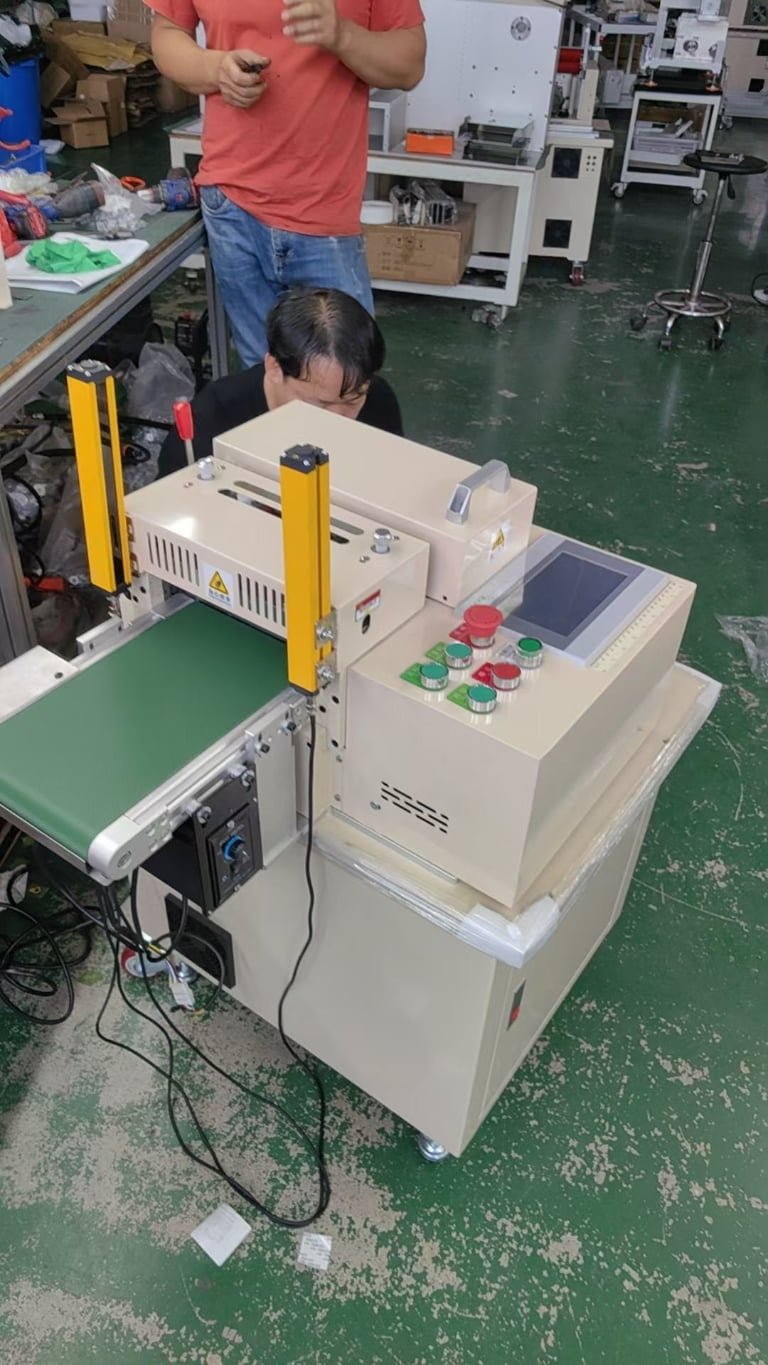
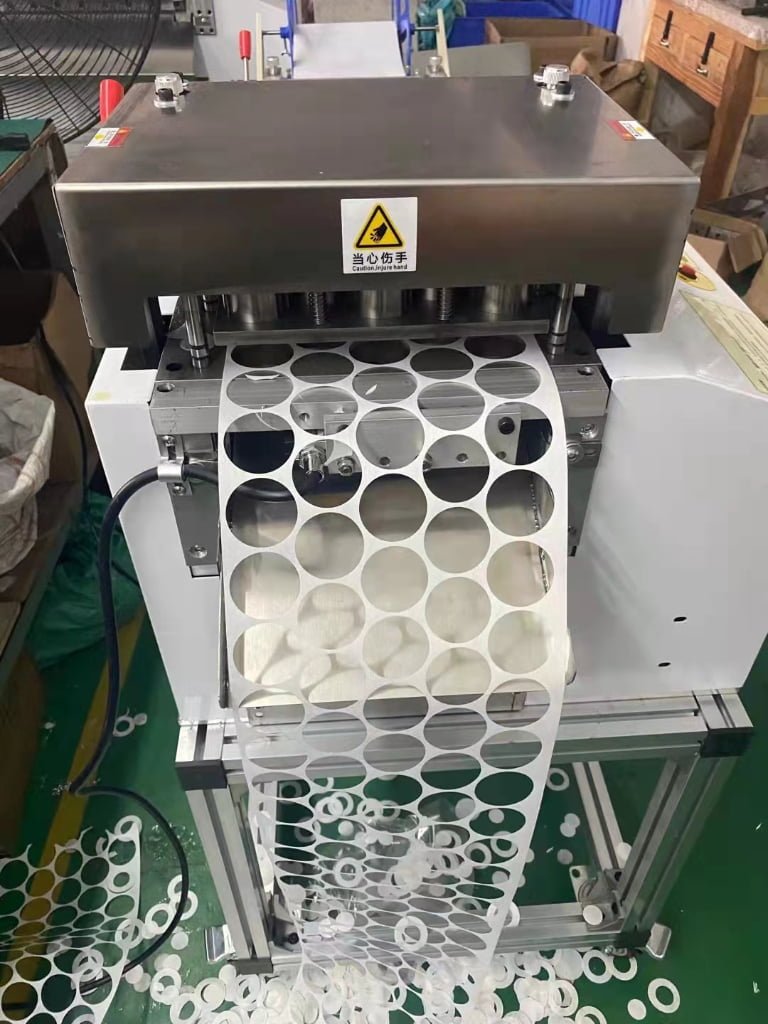
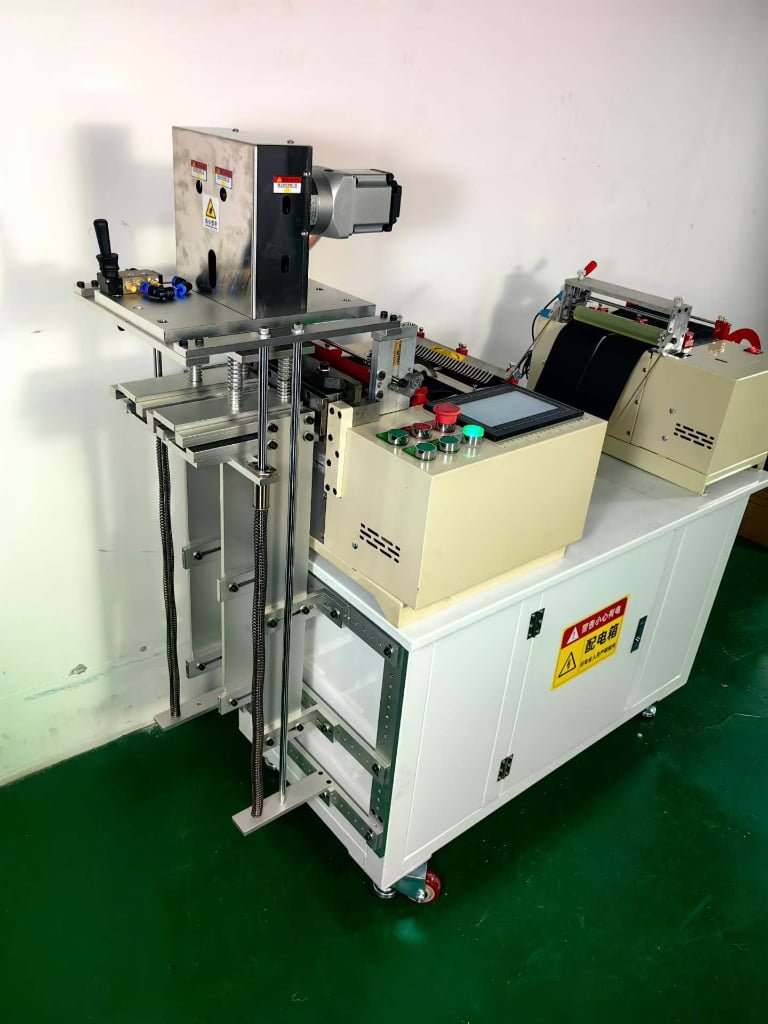
How to evaluate a nylon cutting machine supplier before purchasing?
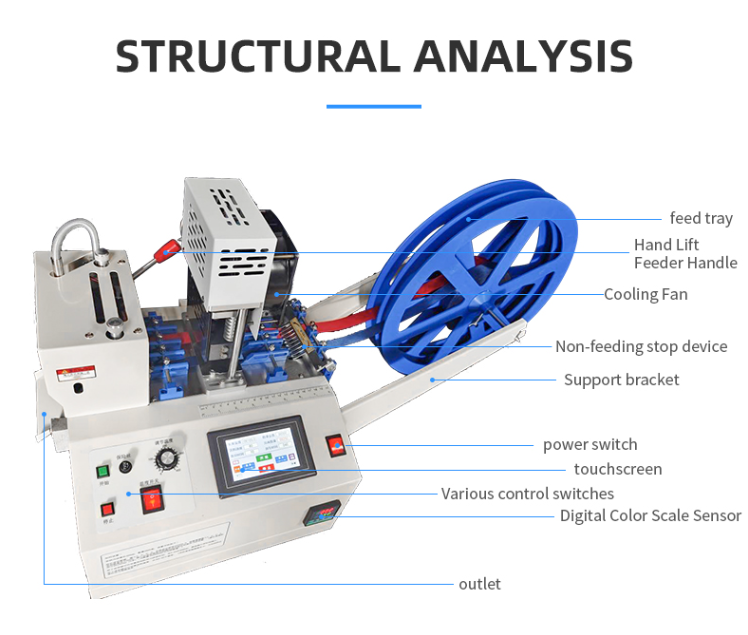
When international buyers plan to purchase a nylon cutting machine, choosing the right supplier is often more important than choosing the machine model.
A cutting machine is a long-term production investment.1
A reliable supplier can help customers achieve:
- Stable production
- Lower maintenance costs
- Faster problem solving
- Better product quality
- Long-term business growth
However, choosing the wrong supplier can create many problems:
- Machine performance does not match expectations2
- Delivery is delayed
- Spare parts are difficult to obtain
- Technical support is slow
- Machine customization is impossible
Many buyers compare only the price.
I understand why price is important. Every company wants competitive purchasing costs.
However, for industrial equipment, the lowest price is not always the lowest cost.
A machine with poor quality may create higher expenses through:
- Production downtime
- Material waste
- Repair costs
- Customer complaints
At HAOXINHE, I work with global customers who purchase cutting equipment for packaging, labels, textile products, plastic materials, and industrial applications.
Before cooperation, I believe buyers should evaluate the supplier carefully.
A professional supplier should have:
- Real factory ability
- Strong quality control
- Technical experience
- Stable delivery capability
- Reliable after-sales service
In this article, I will explain how buyers can evaluate a nylon cutting machine supplier and what questions they should ask before purchasing.
What questions should buyers ask about factory capacity, quality inspection, and delivery time?
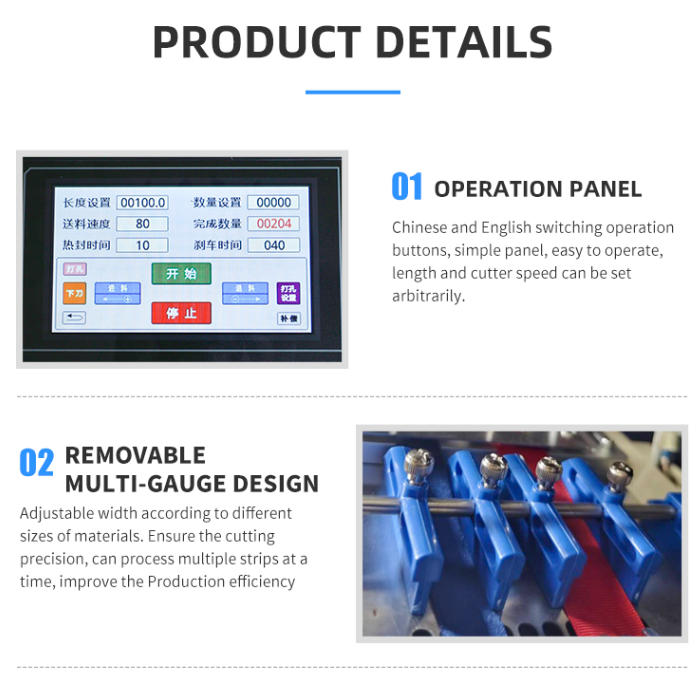
Before placing an order, buyers should collect information from three main areas:
- Factory capacity
- Quality inspection system
- Delivery ability
These three areas directly affect the final purchasing experience.
| Evaluation Area | Important Questions |
|---|---|
| Factory capacity | Do you manufacture machines yourself? |
| Quality control | How do you test machines before shipment? |
| Delivery | How long is production time? |
| Technical support | Who provides after-sales service? |
| Customization | Can you modify machine design? |
1. Check whether the supplier is a real manufacturer
The first question I recommend buyers ask is:
“Are you the actual factory producing this machine?”
This question is very important.
Some suppliers are manufacturers.
Some suppliers are trading companies.
Both can provide value, but buyers should understand who controls:
- Machine design
- Production process
- Component selection
- Quality inspection
- Technical support
A real factory should be able to explain:
- How the machine is assembled
- Which components are used
- How production is controlled
- How problems are solved
For example, if a customer needs a customized webbing tape cutting machine, direct factory communication is usually faster because engineers can discuss technical requirements directly.
| Supplier Type | Production Control |
|---|---|
| Factory | Direct control |
| Trading company | Depends on partner factory |
At HAOXINHE, I believe transparency is the foundation of international cooperation.
Customers should know who produces their equipment.
2. Ask about factory production capacity
Factory capacity affects:
- Delivery time
- Production stability
- Customization ability
Buyers should ask:
- How many machines can you produce monthly?
- How many production lines do you have?
- How many employees work in production?
- Do you have your own assembly area?
A supplier with stronger production ability can usually handle larger orders more smoothly.
| Factory Information | Why Buyers Should Check |
|---|---|
| Production lines | Shows manufacturing ability |
| Assembly area | Shows real factory operation |
| Engineering team | Shows customization ability |
| Testing area | Shows quality control |
For example, customers ordering multiple machines for distribution need a supplier who can maintain consistent quality across different units.
3. Check manufacturing experience
Experience matters because industrial machines require practical knowledge.
A supplier with many years of manufacturing experience usually understands:
- Material differences
- Customer applications
- Common machine problems
- Production improvements
A nylon cutting machine is not only a mechanical product.
It involves:
- Feeding system
- Cutting technology
- Electrical control
- Material handling
A supplier with experience can provide better recommendations.
| Experience Area | Customer Benefit |
|---|---|
| Material knowledge | Better machine matching |
| Engineering experience | Better customization |
| Export experience | Easier communication |
| Problem-solving experience | Faster support |
4. Ask for certifications and quality documents
A professional supplier should provide relevant certifications.
Common documents include:
- ISO 9001
- CE documents
- RoHS reports when required
- Machine inspection records
These documents show that the supplier follows structured processes.
However, buyers should not only look at certificate logos.
They should check:
- Company name
- Validity date
- Certification scope
- Machine relevance
| Document | Purpose |
|---|---|
| ISO 9001 | Quality management |
| CE | Safety compliance |
| RoHS | Electrical material compliance |
| Inspection report | Machine testing |
At HAOXINHE, I understand that international buyers need clear documents for importing and selling equipment.
5. Understand the quality inspection process
Quality inspection is one of the most important supplier evaluation points.3
Buyers should ask:
“How do you test the machine before shipment?”
A professional factory should have inspection steps.
For example:
Incoming inspection
The factory checks:
- Motors
- Controllers
- Electrical components
- Mechanical parts
Assembly inspection
The factory checks:
- Machine structure
- Wiring
- Mechanical alignment
Final testing
The factory checks:
- Cutting accuracy
- Machine operation
- Safety functions
| Inspection Stage | Checking Items |
|---|---|
| Incoming material | Component quality |
| Assembly | Machine structure |
| Testing | Cutting performance |
| Final inspection | Shipment condition |
6. Ask for real machine testing with your material
A very important question is:
“Can you test my material before production?”
Different materials behave differently.4
For example:
- Nylon webbing
- Ribbon
- Plastic film
- Foam
- PVC materials
may require different settings.
A good supplier should allow customers to test:
- Cutting quality
- Cutting speed
- Edge condition
- Length accuracy
| Test Item | Customer Goal |
|---|---|
| Material cutting | Confirm compatibility |
| Length accuracy | Confirm precision |
| Continuous operation | Confirm stability |
| Production speed | Confirm capacity |
At HAOXINHE, I recommend customers provide real samples because practical testing gives more reliable results.
7. Check machine components and brands
The quality of components affects machine life.
Buyers should ask suppliers for a component list.
Important parts include:
- Motor brand
- Servo system
- Controller
- Sensor
- Blade system
- Electrical components
A supplier who clearly explains components usually has better product transparency.
| Component | Why It Matters |
|---|---|
| Motor | Feeding stability |
| Controller | Machine operation |
| Sensor | Accuracy |
| Blade | Cutting quality |
| Electrical parts | Safety |
For example, a high-speed trademark cutting machine needs stable components because it operates at higher production speed.
8. Evaluate delivery time carefully
Delivery time directly affects business planning.5
A delayed machine can cause:
- Missed customer orders
- Production delays
- Lost market opportunities
Before ordering, buyers should ask:
- What is normal production time?
- When does production start?
- How do you handle delays?
- When will inspection happen?
| Delivery Stage | Buyer Should Confirm |
|---|---|
| Order confirmation | Production schedule |
| Production | Progress updates |
| Testing | Inspection date |
| Shipment | Shipping documents |
At HAOXINHE, I understand that delivery reliability is very important for distributors and industrial customers.
9. Evaluate after-sales support
A machine purchase does not end after shipment.
Customers may need:
- Installation guidance
- Operation training
- Spare parts
- Technical support
Before purchasing, buyers should ask:
- Who supports the machine?
- How fast do you respond?
- Are spare parts available?
- Can you provide remote assistance?
| Support Service | Importance |
|---|---|
| Installation support | Faster startup |
| Spare parts | Reduced downtime |
| Technical help | Faster problem solving |
| Training | Better operation |
10. Compare total ownership cost, not only purchase price
A professional buyer should calculate the total cost.
The total cost includes:
- Machine price
- Electricity cost
- Maintenance
- Spare parts
- Labor requirements
- Production efficiency
A cheaper machine may cost more over time.6
| Cost Factor | Why It Matters |
|---|---|
| Purchase price | Initial investment |
| Energy consumption | Monthly operating cost |
| Maintenance | Long-term expense |
| Production efficiency | Business profit |
Questions buyers should ask before choosing a nylon cutting machine supplier
| Question | Purpose |
|---|---|
| Are you a factory? | Verify supplier identity |
| How many production lines do you have? | Check capacity |
| Can you customize machines? | Check engineering ability |
| Can you test my material? | Reduce purchase risk |
| What certificates can you provide? | Confirm compliance |
| What is your delivery time? | Plan production |
| How do you support customers after sales? | Reduce future problems |
Why HAOXINHE is a reliable nylon cutting machine supplier
At HAOXINHE, I focus on helping global customers find suitable cutting solutions.
My customers include companies from:
- Packaging industry
- Label industry
- Printing industry
- Textile industry
- Plastic industry
- Pet product industry
I provide different cutting machines, including:
- Webbing tape cutting machine
- Hot and cold cutting machine
- High-speed trademark cutting machine
- Automatic punching cutting machine
- Round shape cutting machine
- Rotary bevel cutting machine
- Different shapes cutting machine
- Computer tube cutting machine
- Wire cutting and stripping machine
- Metal pipe cutting and beveling machine
- Webbing ribbon cutting machine
- Bubble wrap cutting machine
- PVC Edge Banding Cutting Machine
- Protective Foam Cutting Machine
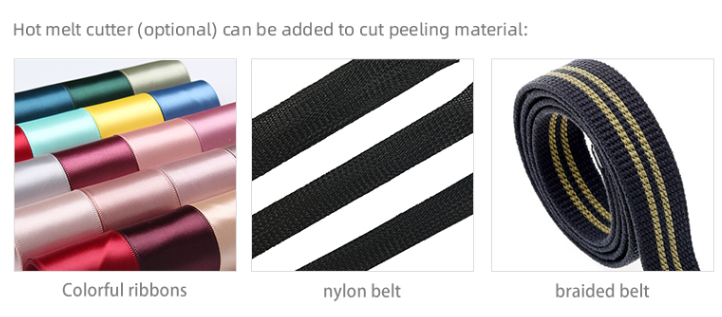
| HAOXINHE Advantage | Customer Benefit |
|---|---|
| Factory direct production | Better cost control |
| Multiple production lines | Stable delivery |
| Engineering support | Custom solutions |
| Quality inspection system | Reliable performance |
| Export experience | Easier cooperation |
Final supplier evaluation checklist
Before purchasing a nylon cutting machine, buyers should confirm:
| Item | Completed |
|---|---|
| Supplier factory verified | ✓ |
| Production ability checked | ✓ |
| Certifications reviewed | ✓ |
| Material testing completed | ✓ |
| Components confirmed | ✓ |
| Delivery schedule confirmed | ✓ |
| After-sales support confirmed | ✓ |
HAOXINHE Insights
At HAOXINHE, I believe choosing a supplier is choosing a long-term production partner.
A reliable supplier should provide more than a competitive price.
A reliable supplier should provide:
- Stable machine quality
- Honest communication
- Strong manufacturing ability
- Professional technical support
- Long-term cooperation
For buyers importing nylon cutting machines, careful supplier evaluation before purchase can reduce risks and create better business results.
My goal is to help customers build a reliable supply chain and use cutting equipment to improve their production efficiency.
-
"Top 10 Reasons to Invest in a CNC Laser Cutting Machine", https://www.senmocn.com/info-detail/top-10-reasons-to-invest-in-a-cnc-laser-cutting-machine. Industrial cutting machines are often designed for extended use, with lifespans ranging from several years to decades, depending on maintenance and usage conditions. Evidence role: general_support; source type: education. Supports: Cutting machines are considered long-term production investments.. Scope note: Specific lifespan data may vary by machine type and manufacturer. ↩
-
"Supplier Collaboration: Elevating Manufacturing …", https://www.jaggaer.com/blog/supplier-collaboration-elevating-manufacturing. Case studies from manufacturing industries highlight instances where poor supplier quality led to equipment malfunction and reduced operational efficiency. Evidence role: case_reference; source type: institution. Supports: Choosing the wrong supplier can lead to machines that underperform.. Scope note: Specific cases may not generalize to all suppliers or industries. ↩
-
"Quality Inspection: Systematic Evaluation of Products and Processes", https://www.tacto.ai/en/procurement-glossary/quality-inspection. Quality inspection ensures that products meet specified standards, reducing the risk of defects and improving customer satisfaction. Evidence role: general_support; source type: education. Supports: Quality inspection is a critical factor in evaluating suppliers.. Scope note: Inspection effectiveness depends on the thoroughness of the process. ↩
-
"Suggested Material Settings – School of Architecture Digital Technologies …", https://cloud.wikis.utexas.edu/wiki/pages/viewpage.action?pageId=75282727. Research demonstrates that variations in material properties, such as thickness and elasticity, require adjustments in machine settings for optimal performance. Evidence role: mechanism; source type: research. Supports: Material properties affect machine performance and settings.. Scope note: Specific adjustments depend on the type of material and machine. ↩
-
"Beyond expectations: On-Time Delivery’s impact on revenue", https://deposco.com/blog/on-time-delivery/. Timely delivery of equipment is essential for maintaining production schedules and meeting customer demands. Evidence role: general_support; source type: research. Supports: Delivery time is a critical factor in business planning.. Scope note: Impact severity may vary by industry and order size. ↩
-
"Maintenance Costs and Advanced Maintenance Techniques in … – PMC", https://pmc.ncbi.nlm.nih.gov/articles/PMC9890517/. Studies on total cost of ownership show that lower-priced machines often incur higher maintenance and operational costs over their lifespan. Evidence role: statistic; source type: research. Supports: Lower initial costs can lead to higher long-term expenses for machines.. Scope note: Cost differences depend on machine type and usage conditions. ↩