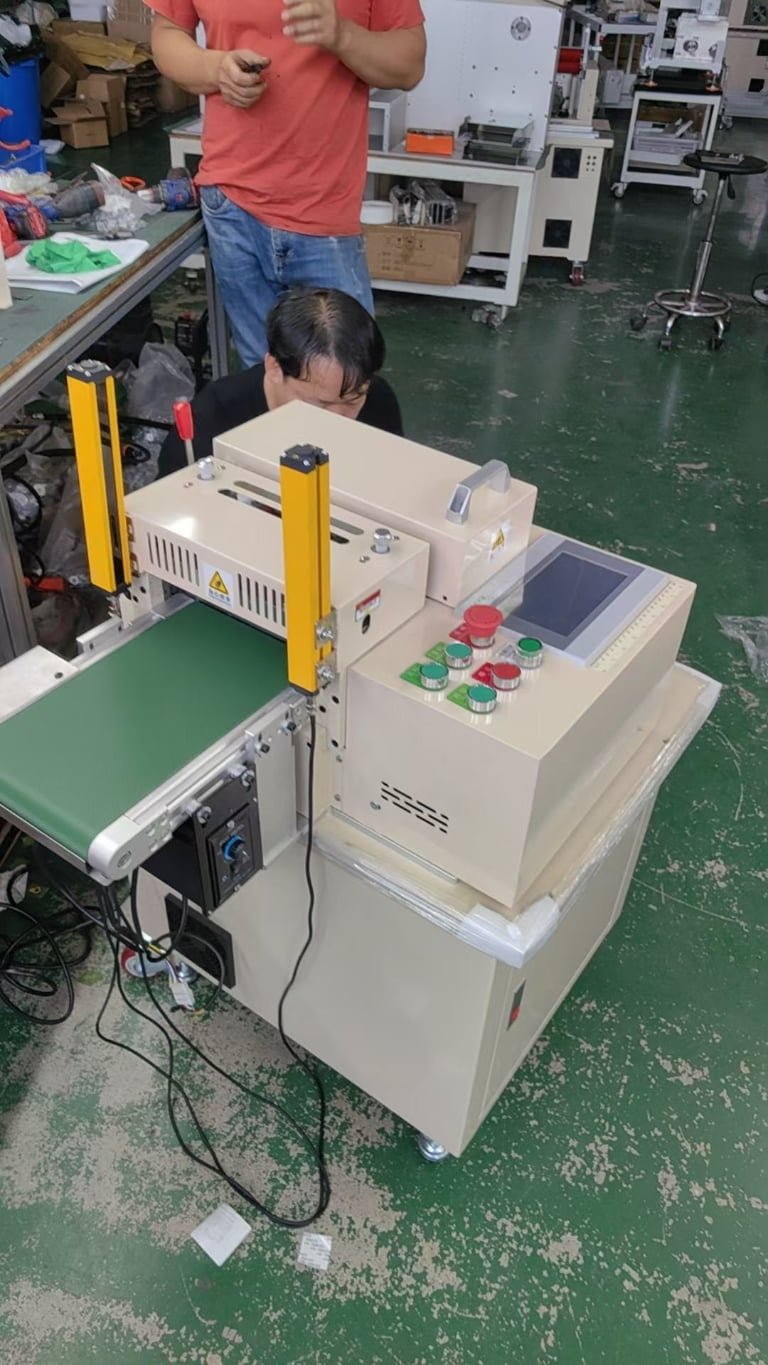
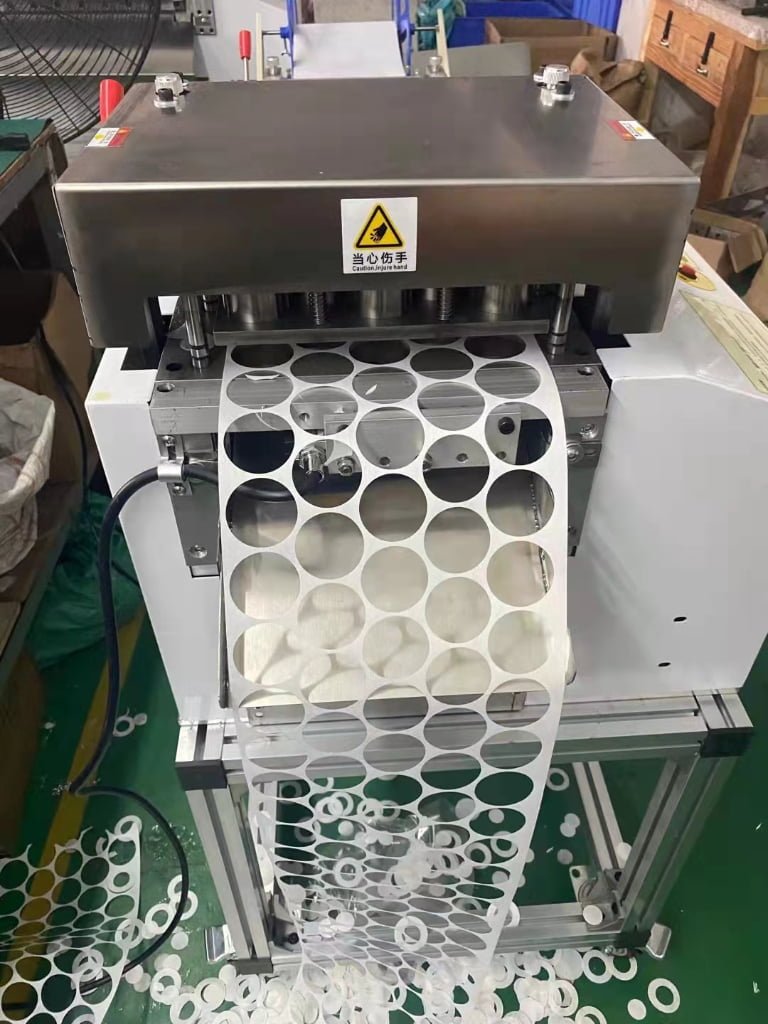
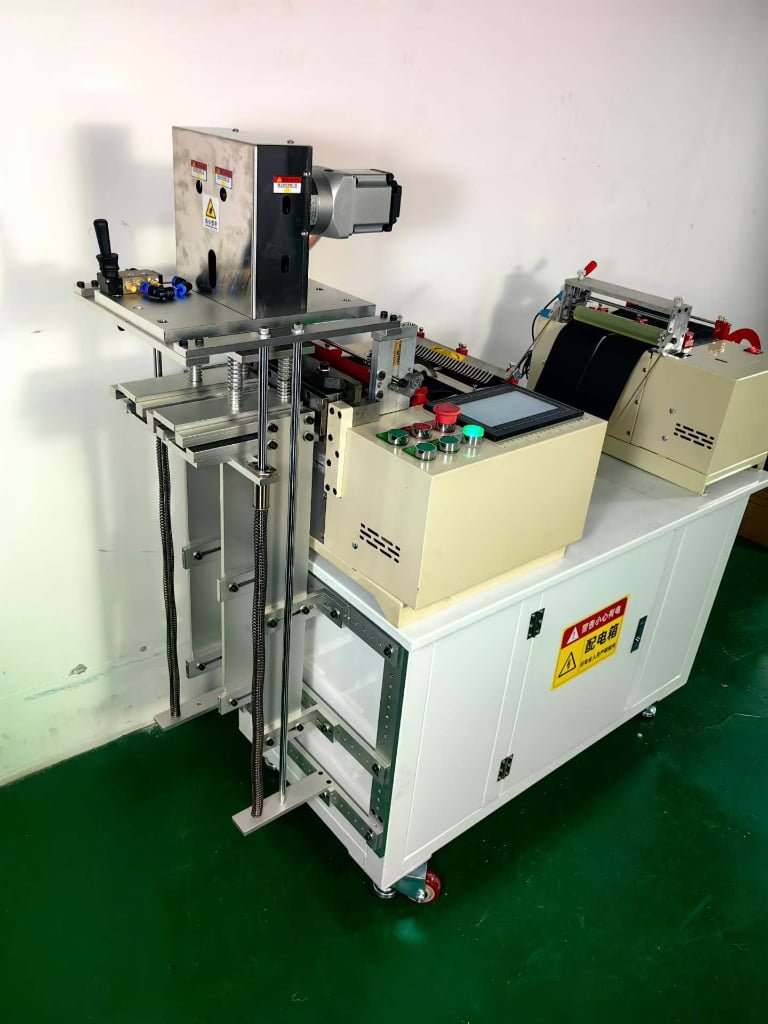
How to Select a Nylon Cutting Machine for Webbing Manufacturers?
Choosing the right nylon cutting machine is one of the most important decisions for a webbing manufacturer. The machine you select directly affects production speed, cutting accuracy, edge quality, labor costs, and long-term profitability.
Many buyers compare machines based only on price. However, the lowest-priced machine is not always the best investment1. A machine that cannot handle your material thickness, struggles with different webbing widths, or produces inconsistent edge sealing can create much higher costs through material waste, downtime, and customer complaints.
For most webbing manufacturers, the best machine is the one that matches your primary material, production volume, edge quality requirements, and future expansion plans.
In this guide, I will explain how to choose the right nylon cutting machine and discuss the machine specifications required for different webbing widths and thicknesses.
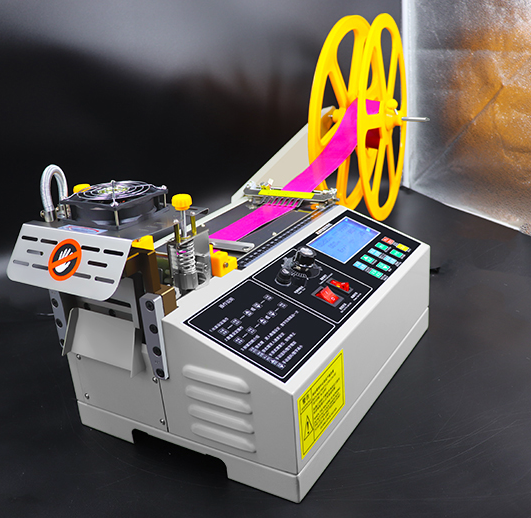
What Machine Specifications Are Required for Different Webbing Widths and Thicknesses?
There is no single machine specification that fits every webbing manufacturer.
The correct machine depends on several production factors, including:
- Webbing width
- Material thickness
- Material type
- Required cutting length
- Daily production volume
- Hot cutting or cold cutting
- Edge quality requirements
The table below provides general guidance.
| Webbing Type | Typical Machine Requirement | Recommended Cutting Method |
|---|---|---|
| Narrow Webbing | Precision feeding and positioning | Hot or Cold Cut |
| Medium Webbing | Stable servo feeding | Hot Cut |
| Wide Webbing | Wider feeding system and stronger clamping | Hot or Cold Cut |
| Thick Industrial Webbing | High cutting force and rigid frame | Hot Cut |
Note: Machine capacity varies by manufacturer. Always confirm the supported webbing width, thickness, material type, and production speed before purchasing.
Start by Identifying Your Main Material
The first question I ask is simple:
What material do I cut most often?
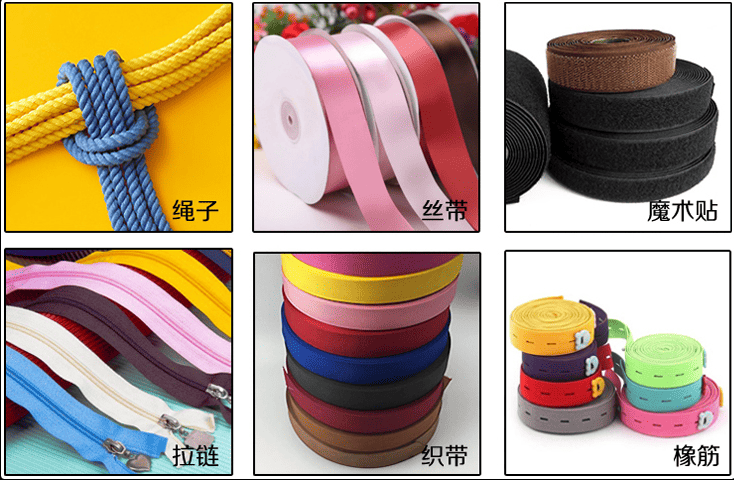
Many webbing factories process multiple products, including:
- Nylon webbing
- Polyester webbing
- Polypropylene (PP) webbing
- Kevlar webbing
- Elastic tape
- Cotton tape
- Velcro
- Ribbon
Each material behaves differently during cutting.
Material Comparison
| Material | Recommended Cutting Method |
|---|---|
| Nylon | Hot Knife |
| Polyester | Hot Knife |
| PP Webbing | Hot Knife |
| Kevlar | Cold Cut |
| Cotton Tape | Cold Cut |
| Velcro | Hot or Cold Cut |
| Elastic Tape | Hot or Cold Cut |
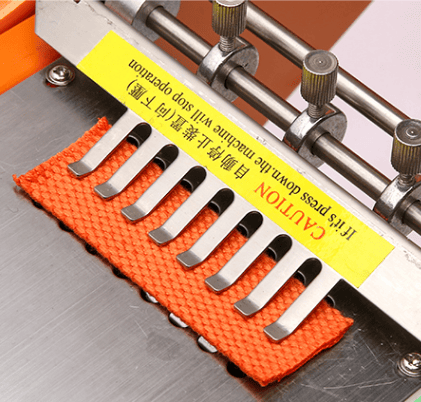
If nylon is your primary product, a hot knife nylon cutting machine is usually the most efficient solution because it cuts and seals the edge in a single operation.
Match the Machine to Webbing Width
Webbing width has a major influence on machine selection.
Very narrow products require extremely accurate feeding.
Wide straps require:
- Larger feeding rollers
- Stronger clamping
- Better alignment
- More rigid machine construction
Before purchasing, confirm the machine’s supported width range.
Width Selection Guide
| Webbing Width | Recommended Features |
|---|---|
| Narrow | Precision servo feeding |
| Medium | Standard automatic feeding |
| Wide | Reinforced guide system |
| Extra Wide | Heavy-duty feeding mechanism |
Choosing a machine designed for your actual product size improves both accuracy and productivity2.
Check Maximum Material Thickness
Thickness is just as important as width.
Thin decorative ribbon requires very little cutting force.
Heavy-duty webbing requires:
- Stronger blades
- More powerful drive systems
- Stable feeding
- Better heat control
Machines intended for lightweight materials may struggle with thick industrial straps.
Thickness Comparison
| Material Thickness | Machine Requirement |
|---|---|
| Thin Webbing | Standard cutting system |
| Medium Thickness | Higher stability |
| Thick Webbing | Heavy-duty cutting mechanism |
| Multi-layer Webbing | High rigidity and adjustable pressure |
Buying a machine with enough capacity today also allows room for future product expansion3.
Should You Choose Hot Cutting or Cold Cutting?
One of the most important decisions is selecting the cutting method.
Hot Knife Cutting
Best for:
- Nylon
- Polyester
- PP webbing
- Synthetic straps
Advantages include:
- Edge sealing
- Reduced fraying
- Professional appearance
Cold Cutting
Better for:
- Cotton
- Kevlar
- Heat-sensitive materials
- Materials that should not melt
Many manufacturers benefit from a hot and cold cutting machine because it provides greater production flexibility.
Adjustable Dwell Time Is Essential
Many buyers pay attention to blade temperature.
However, dwell time is equally important.
Dwell time controls how long the heated blade stays in contact with the material.
If the dwell time is too short:
- The edge may not seal completely.
If the dwell time is too long:
- The edge may melt.
- Material may shrink.
- Surface discoloration may appear.
Dwell Time Effects
| Dwell Time | Cutting Result |
|---|---|
| Too Short | Weak sealing |
| Correct | Clean sealed edge |
| Too Long | Burn marks and deformation |
Machines with programmable dwell time make it much easier to process different nylon grades.
Automatic Feeding Improves Batch Production
Manual feeding creates variation.
Automatic feeding improves:
- Length accuracy
- Repeatability
- Production speed
- Labor efficiency
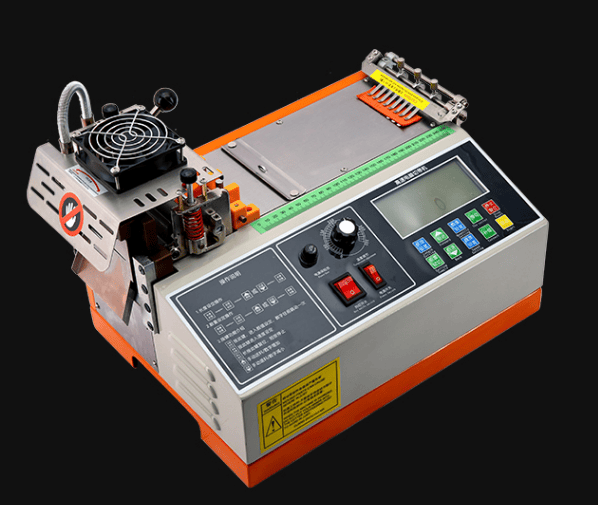
Modern machines usually include:
- Servo motors
- Encoder measurement
- Automatic feeding rollers
- Digital length programming
These features are especially valuable for factories producing thousands of identical pieces every day.
Automation Benefits
| Feature | Production Benefit |
|---|---|
| Servo Feeding | Stable material movement |
| Automatic Measuring | Accurate cutting length |
| Digital Programming | Faster product changeover |
| Automatic Counting | Better production management |
Automation reduces operator error while improving consistency.
Choose Machines with Intelligent Sensors
Sensors greatly improve production reliability4.
Useful sensor functions include:
- Printed mark detection
- End-of-roll detection
- Material presence detection
- Length verification
- Position correction
These systems reduce:
- Scrap
- Material waste
- Feeding errors
- Incorrect cutting positions
Factories producing printed webbing or branded straps particularly benefit from precision sensing systems.
Consider Anti-Static Features
Synthetic materials often generate static electricity5.
Static can cause:
- Material sticking
- Feeding problems
- Dust accumulation
- Sensor interference
Modern webbing machines may include:
- Anti-static brushes
- Grounding systems
- Air blowers
- Static elimination devices
These features improve production stability during high-speed operation.
Compare Production Speed with Labor Savings
Maximum cutting speed is only one measure of performance.
More important questions include:
- How many operators are required?
- How much material is wasted?
- How often is setup needed?
- How much downtime occurs?
Production Comparison
| Production Method | Labor Requirement | Productivity |
|---|---|---|
| Manual Cutting | High | Low |
| Semi-Automatic Machine | Medium | Good |
| Fully Automatic Machine | Low | Excellent |
In many factories, one automatic cutting machine replaces several manual workstations while delivering much more consistent quality.
Evaluate Maintenance Requirements
Easy maintenance reduces long-term operating costs.
Before purchasing, I always check:
- Blade replacement time
- Cleaning procedure
- Spare part availability
- Touch-screen diagnostics
- Sensor accessibility
- Technical support
A machine that is simple to maintain usually experiences less downtime throughout its service life.
Maintenance Checklist
| Component | Inspection Frequency |
|---|---|
| Blade | Daily |
| Feed Rollers | Weekly |
| Sensors | Weekly |
| Temperature Controller | Weekly |
| Servo System | Monthly |
| Complete Machine | Quarterly |
Preventive maintenance keeps production stable and reduces unexpected failures6.
Choose a Machine That Supports Future Growth
Buying equipment based only on today’s products can limit future opportunities.
I always consider:
- Will I process wider webbing later?
- Will I add polyester or PP materials?
- Will production volume increase?
- Will I need automatic punching or angle cutting?
Choosing a machine with additional capacity often provides a better long-term return on investment.
Whether I invest in a webbing tape cutting machine, hot and cold cutting machine, high-speed trademark cutting machine, automatic punching cutting machine, round shape cutting machine, rotary bevel cutting machine, different shapes cutting machine, computer tube cutting machine, Bubble Wrap Cutting Machine, Protective Foam Cutting Machine, PVC Edge Banding Cutting Machine, wire cutting and stripping machine, or metal pipe cutting and beveling machine, I always evaluate the equipment based on material compatibility, automation level, cutting quality, maintenance requirements, and future production needs rather than focusing only on the purchase price.
Conclusion
Selecting the right nylon cutting machine requires a clear understanding of your materials, production goals, and future business plans. Webbing width, material thickness, cutting method, automation level, sensor functions, and maintenance requirements all play important roles in machine performance. For manufacturers working mainly with nylon webbing, a hot knife system usually provides the best combination of clean edge sealing and production efficiency. If your factory processes a wider range of materials, a hot and cold cutting machine offers greater flexibility. The best investment is the machine that delivers reliable quality, stable productivity, and room for future growth.
HAOXINHE Insights
At HAOXINHE, we understand that every webbing manufacturer has different production requirements. That is why our webbing tape cutting machines, hot and cold cutting machines, high-speed trademark cutting machines, automatic punching cutting machines, round shape cutting machines, rotary bevel cutting machines, different shapes cutting machines, computer tube cutting machines, Bubble Wrap Cutting Machines, Protective Foam Cutting Machines, PVC Edge Banding Cutting Machines, wire cutting and stripping machines, and metal pipe cutting and beveling machines are designed with flexibility, precision, and long-term reliability in mind.
Our machines feature precision servo feeding, programmable touch-screen controls, adjustable hot and cold cutting modes, digital temperature management, intelligent sensors, and stable mechanical structures to support a wide range of webbing widths and thicknesses. By helping customers choose equipment based on their primary materials, desired edge quality, and daily production volume, we enable manufacturers to reduce waste, improve efficiency, and build scalable production lines that continue to deliver value as their business grows.
-
"10 Ways to Improve Manufacturing Production Efficiency", https://www.netsuite.com/portal/resource/articles/erp/improve-production-efficiency.shtml. A study on industrial equipment pricing and performance found that lower-cost machines often result in higher long-term expenses due to increased maintenance and operational inefficiencies. Evidence role: general_support; source type: research. Supports: Low-cost machines can lead to higher operational costs due to inefficiencies.. Scope note: The study may focus on general industrial equipment rather than nylon cutting machines specifically. ↩
-
"Accurate real-time design and control of an automatic polymorph glass …", https://www.sciencedirect.com/science/article/pii/S2590123025022856. Research on industrial machine design emphasizes the importance of matching equipment specifications to product dimensions for optimal performance. Evidence role: general_support; source type: research. Supports: Tailored machine design improves accuracy and productivity in industrial cutting processes.. Scope note: The findings may apply broadly to industrial machines, not exclusively nylon cutting equipment. ↩
-
"What Is Capacity Planning?", https://www.ibm.com/think/topics/capacity-planning. Research on industrial equipment investment highlights the advantages of purchasing machines with scalable capacity for long-term growth. Evidence role: general_support; source type: research. Supports: Machines with additional capacity enable future product expansion and business growth.. Scope note: The findings may apply broadly to industrial equipment, not exclusively nylon cutting machines. ↩
-
"Advanced Sensor Technologies in Cutting Applications – PMC", https://pmc.ncbi.nlm.nih.gov/articles/PMC12899726/. Studies on sensor integration in manufacturing show that technologies like printed mark detection and material presence sensors enhance accuracy and reduce waste. Evidence role: mechanism; source type: research. Supports: Sensors improve production reliability by reducing errors and material waste.. Scope note: The research may focus on general sensor applications rather than nylon cutting machines specifically. ↩
-
"Assessment of Electrostatic Potential Resulting from Friction Between …", https://scholarworks.boisestate.edu/cgi/viewcontent.cgi?article=1130&context=commhealth_facpubs. Studies on static electricity in industrial environments highlight its role in causing material sticking and sensor malfunctions during production. Evidence role: mechanism; source type: research. Supports: Static electricity in synthetic materials can interfere with manufacturing processes, including feeding and sensor operations.. Scope note: The research may focus on general manufacturing rather than nylon cutting specifically. ↩
-
"The Importance of Reliability and Maintainability in …", https://rmc.utk.edu/the-importance-of-reliability-and-maintainability-in-manufacturing/. Studies on industrial equipment maintenance show that regular preventive measures significantly reduce operational disruptions and extend machine lifespan. Evidence role: general_support; source type: research. Supports: Preventive maintenance reduces downtime and improves production stability.. Scope note: The research may focus on general industrial equipment rather than nylon cutting machines specifically.