What Materials Can an Automatic Webbing Angle Cutting Machine Cut?
An automatic webbing angle cutting machine is designed to process many different flexible materials with high accuracy and excellent repeatability. Whether I manufacture safety products, luggage accessories, sports equipment, military gear, pet products, or industrial textiles, choosing the right cutting machine starts with understanding which materials it can handle.
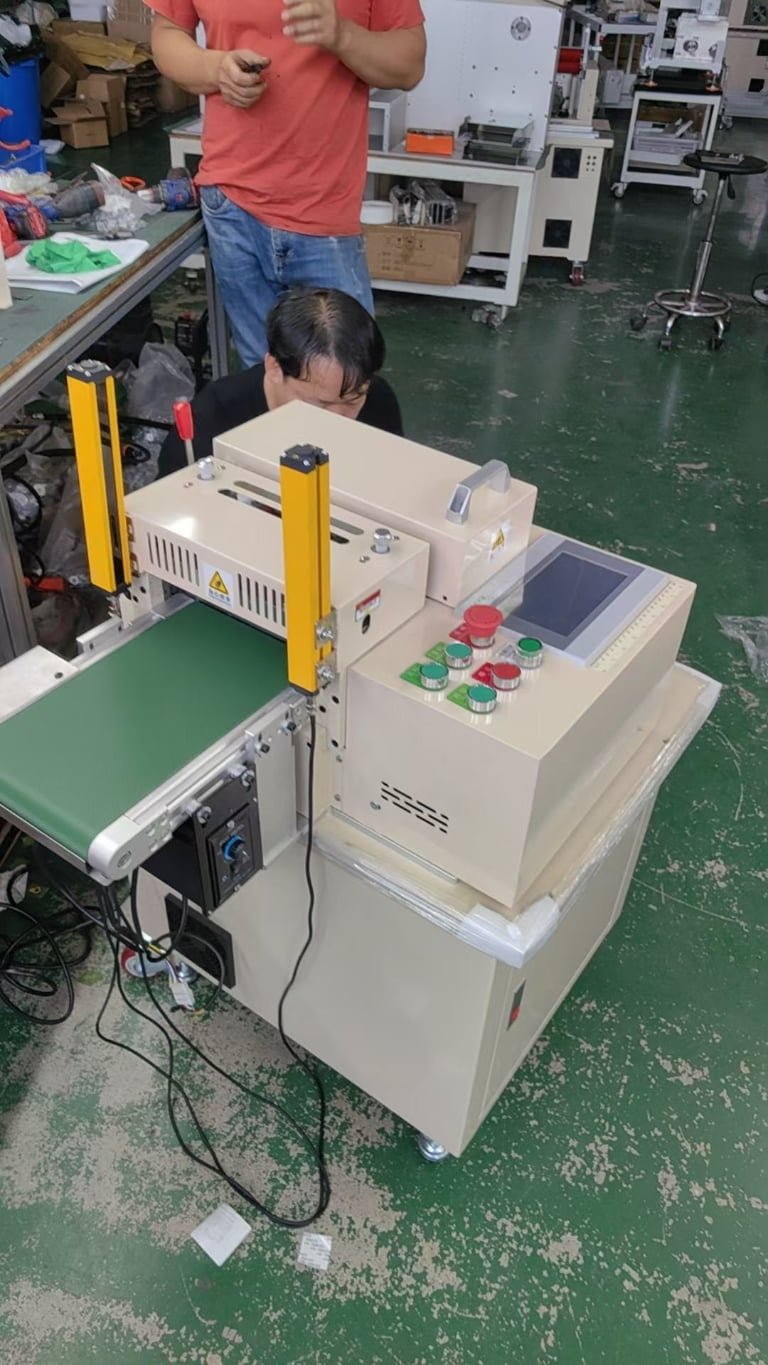
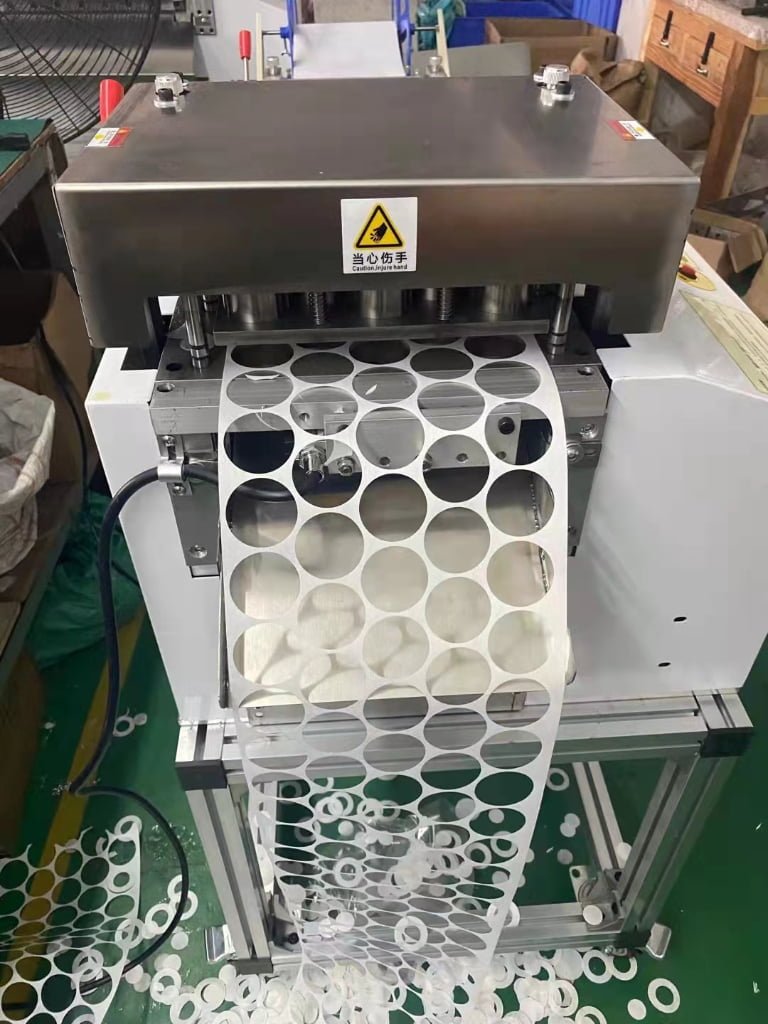
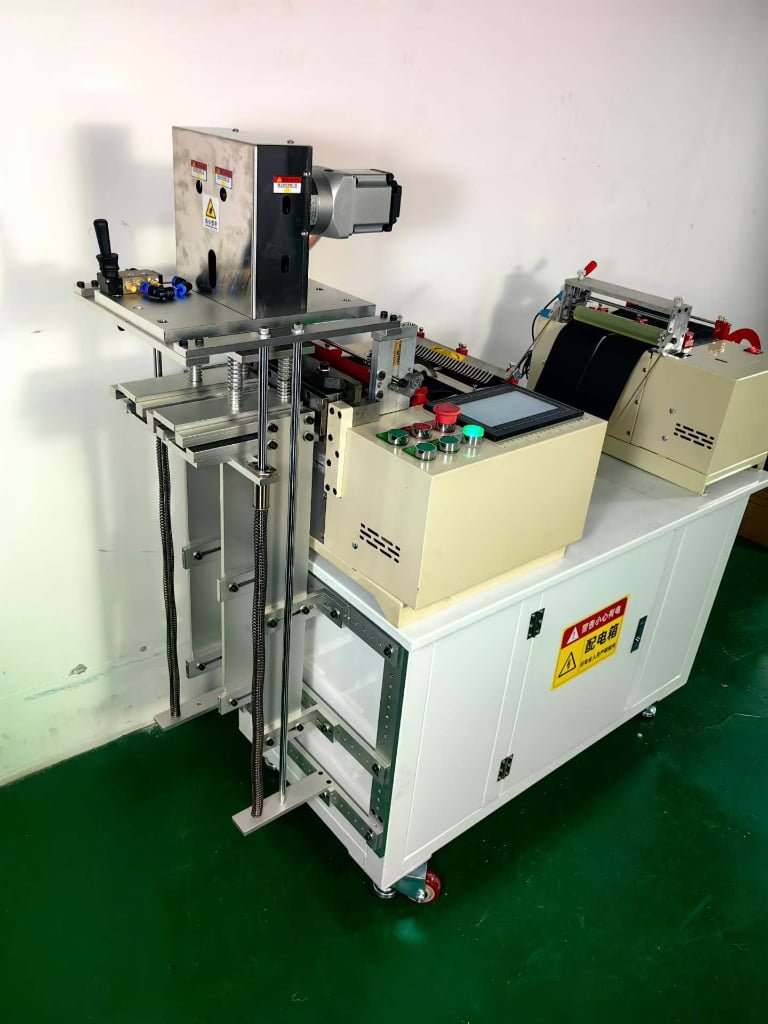
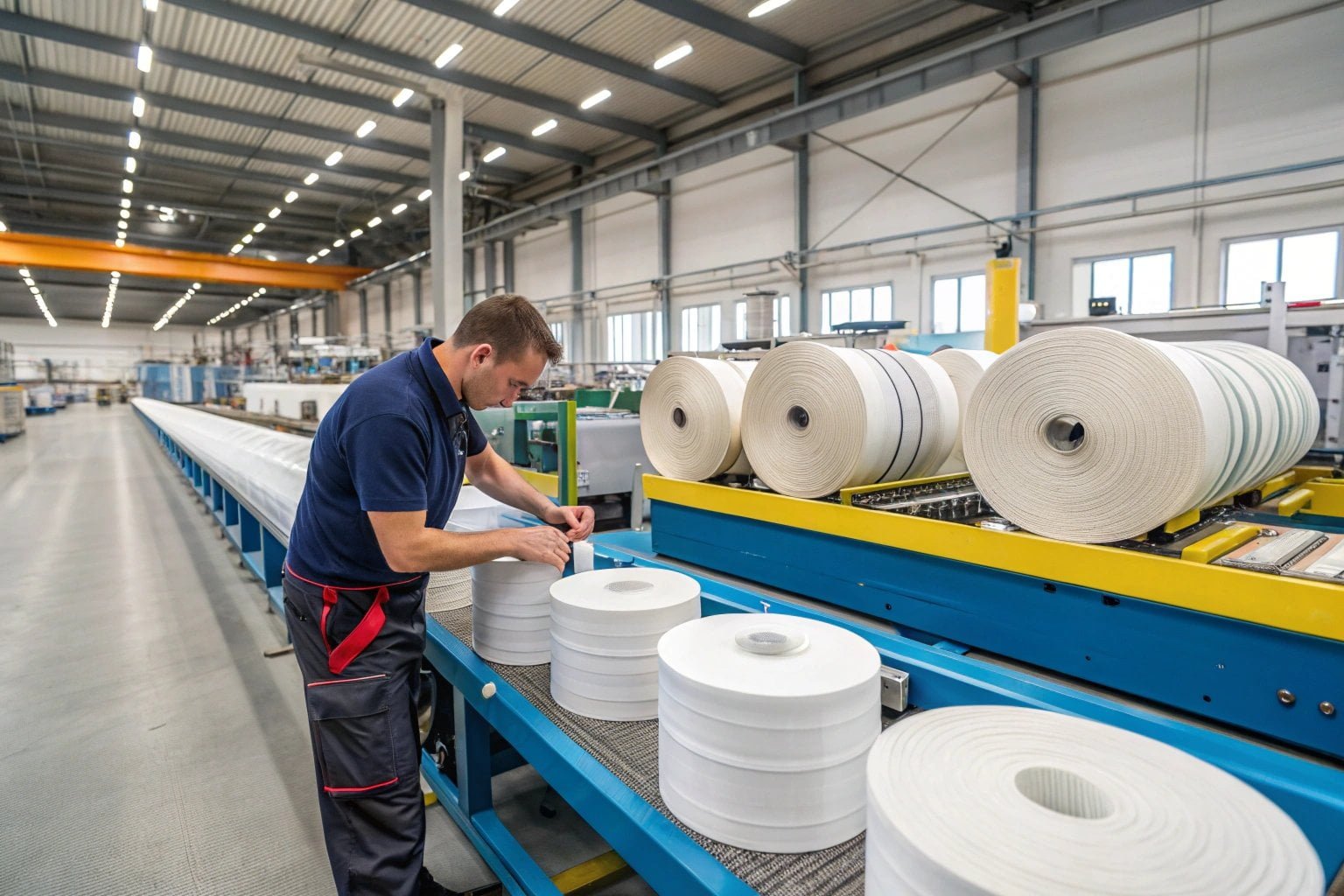
An automatic webbing angle cutting machine is designed to cut a wide range of materials, including nylon, polyester, polypropylene, elastic webbing, cotton, Kevlar, hook-and-loop tape, and heavy-duty straps with high precision and repeatable accuracy. By supporting both hot knife and cold blade cutting, it delivers clean edges, minimizes fraying, and adapts to different material properties. Selecting the correct cutting method, machine configuration, and processing parameters ensures consistent quality, higher production efficiency, and reliable performance across diverse industrial webbing and narrow fabric applications.
One of the most common questions I receive from buyers is:
"Can one machine cut different types of webbing?"
The answer is yes, but the cutting quality depends on the material, blade type, heating system, and machine configuration. Some materials cut perfectly with a hot knife, while others perform better with a cold blade or a specially configured cutting system.
In this guide, I explain which materials an automatic webbing angle cutting machine can process, how different materials behave during cutting, and what machine settings help achieve the best results.
The same principles also apply to a webbing tape cutting machine, hot and cold cutting machine, high-speed trademark cutting machine, automatic punching cutting machine, round shape cutting machine, rotary bevel cutting machine, Bubble Wrap Cutting Machine, and PVC Edge Banding Cutting Machine.
Why Does Material Type Matter?
Not every webbing behaves the same way during cutting.
Some materials melt easily when heated, while others do not melt at all. Thickness, fiber structure, coatings, and weave density also affect cutting quality.
Choosing the correct cutting method helps me achieve:
- Smooth edges
- Accurate cutting angles
- Less material waste
- Better edge sealing
- Higher production efficiency
- Longer blade life
Understanding the material before production saves both time and cost.
How Does an Automatic Webbing Angle Cutting Machine Work with Different Materials?
Most modern machines use one of two cutting methods:
- Hot knife cutting
- Cold blade cutting
Hot-knife systems combine cutting and edge sealing in a single operation.
Cold blades produce clean mechanical cuts without melting the material.
Cutting Method Comparison
| Cutting Method | Best For |
|---|---|
| Hot knife | Synthetic webbing |
| Cold blade | Natural fibers and heat-sensitive materials |
| Hot and cold combination | Mixed production requirements |
Many advanced machines allow both cutting methods on the same equipment.
Can It Cut Nylon Webbing?
Yes.
Nylon is one of the most suitable materials for an automatic webbing angle cutting machine equipped with a hot knife.
The heated blade melts the edge slightly while cutting, creating a smooth seal that helps prevent fraying.
Nylon Characteristics
| Feature | Performance |
|---|---|
| Cutting quality | Excellent |
| Hot knife compatibility | Excellent |
| Edge sealing | Excellent |
| Production speed | High |
Because nylon melts evenly, it is widely used in:
- Seat belts
- Backpack straps
- Safety harnesses
- Military equipment
- Outdoor gear
Nylon is often the easiest material to process with automatic hot-cutting equipment.
Can It Cut Polyester Webbing?
Polyester performs very similarly to nylon.
Hot-knife cutting produces smooth, sealed edges with minimal fraying.
Polyester is commonly used for:
- Luggage straps
- Cargo belts
- Packaging straps
- Industrial belts
- Promotional lanyards
Polyester Performance
| Feature | Performance |
|---|---|
| Cutting accuracy | Excellent |
| Heat sealing | Excellent |
| Edge quality | Smooth |
| Stability | Very good |
Polyester is one of the most popular materials for automatic production.
Can It Cut Polypropylene Webbing?
Yes.
Polypropylene webbing also responds well to hot-knife cutting.
Because polypropylene melts at a lower temperature than nylon, I usually reduce the blade temperature slightly to avoid excessive melting.
Polypropylene Characteristics
| Feature | Performance |
|---|---|
| Hot knife suitability | Excellent |
| Edge sealing | Very good |
| Heat sensitivity | Higher than nylon |
| Fraying resistance | Good after sealing |
Correct temperature adjustment is important for achieving clean edges.
Can It Cut Elastic Webbing?
Yes, but elastic materials require more careful adjustment.
Elastic webbing stretches during feeding, so I pay close attention to:
- Feeding tension
- Blade temperature
- Cutting speed
- Material alignment
Too much heat may distort the edge or reduce elasticity.
Elastic Webbing Setup
| Parameter | Recommendation |
|---|---|
| Feeding tension | Moderate |
| Cutting speed | Medium |
| Temperature | Carefully adjusted |
| Sample testing | Strongly recommended |
Testing before production helps determine the best settings.
Can It Cut Cotton Webbing?
Yes, but the cutting method is different.
Unlike synthetic materials, cotton does not melt when heated.
This means hot-knife sealing provides little benefit.
Instead, cotton is usually processed with a cold blade unless slight edge scorching is acceptable for the application.
Cotton Characteristics
| Feature | Performance |
|---|---|
| Hot knife sealing | Poor |
| Cold blade cutting | Excellent |
| Edge fraying | Possible |
| Additional finishing | Sometimes required |
If sealed edges are not necessary, cotton cuts very well with a sharp mechanical blade.
Can It Cut Kevlar Webbing?
Yes, but Kevlar is much more challenging than standard synthetic webbing.
Kevlar fibers are designed for high strength and heat resistance, making them more difficult to cut than nylon or polyester.
When processing Kevlar, I usually require:
- Stronger blade materials
- Higher cutting force
- Stable feeding
- Slower cutting speed
Kevlar Characteristics
| Feature | Performance |
|---|---|
| Cutting difficulty | High |
| Blade wear | Faster |
| Heat sealing | Limited |
| Machine requirements | Heavy-duty configuration |
For frequent Kevlar production, I recommend confirming machine compatibility with the manufacturer before purchasing.
Can It Cut Hook-and-Loop (Velcro) Materials?
Yes.
Many automatic cutting machines can process hook-and-loop fasteners.
However, the cutting method depends on the product structure.
Some products include:
- Sew-on backing
- Adhesive backing
- Molded hooks
- Soft loops
Different constructions may require different blade temperatures or cutting methods.
Testing is especially important when changing suppliers.
Can It Cut Thick Straps and Heavy-Duty Slings?
Yes, provided the machine is designed for heavy materials.
Thick webbing requires:
- Stronger feeding rollers
- More powerful motors
- Durable blade systems
- Stable clamping
Heavy Material Requirements
| Component | Requirement |
|---|---|
| Feeding system | High force |
| Blade | Heavy-duty |
| Motor | Higher power |
| Machine frame | Strong rigidity |
Heavy industrial applications benefit from machines specifically designed for high-load production.
How Do Width and Thickness Affect Cutting?
Material dimensions directly influence machine performance.
As width and thickness increase:
- Cutting force increases.
- Feeding becomes more demanding.
- Blade wear accelerates.
- Cutting speed may need to decrease.
Material Dimension Effects
| Material Change | Effect |
|---|---|
| Greater width | More feeding control needed |
| Greater thickness | Higher cutting force |
| Multi-layer material | Slower production |
| Dense weave | Faster blade wear |
Matching the machine to the material specifications improves long-term reliability.
Why Do Different Materials Need Different Settings?
Every material responds differently to heat and cutting pressure.
For the best results, I adjust:
- Blade temperature
- Cutting speed
- Feeding speed
- Dwell time
- Blade pressure
Setup Factors
| Material Property | Machine Adjustment |
|---|---|
| Soft material | Lower pressure |
| Thick material | Higher cutting force |
| Heat-sensitive material | Lower temperature |
| Dense material | Slower speed |
Small adjustments often make a significant difference in edge quality.
Why Should Every New Material Be Tested?
Even materials with the same name may behave differently.
Changes in:
- Supplier
- Fiber composition
- Thickness
- Surface coating
- Weaving method
can all influence cutting performance.
I always perform several sample cuts before beginning mass production.
Sample Testing Checklist
| Inspection Item | Verify |
|---|---|
| Cutting angle | ✓ |
| Length accuracy | ✓ |
| Edge quality | ✓ |
| Heat sealing | ✓ |
| Material appearance | ✓ |
Testing helps prevent unexpected production problems.
How to Choose the Right Machine for Your Material
The best machine is not simply the fastest or the most expensive.
Instead, I choose equipment based on:
- Material type
- Production volume
- Required edge quality
- Product dimensions
- Cutting angle requirements
- Future production plans
Machine Selection Guide
| Production Requirement | Recommended Machine |
|---|---|
| Nylon and polyester | Hot-knife automatic machine |
| Cotton products | Cold blade machine |
| Mixed materials | Hot and cold cutting machine |
| Heavy-duty webbing | Reinforced automatic machine |
| High-volume production | Fully automatic servo machine |
Selecting the correct machine improves productivity and product quality.
Material Compatibility Overview
| Material | Can It Be Cut? | Recommended Method |
|---|---|---|
| Nylon | ✅ Yes | Hot knife |
| Polyester | ✅ Yes | Hot knife |
| Polypropylene | ✅ Yes | Hot knife |
| Elastic webbing | ✅ Yes | Controlled hot knife |
| Cotton | ✅ Yes | Cold blade |
| Kevlar | ✅ Yes | Heavy-duty blade system |
| Hook-and-loop | ✅ Yes | Depends on construction |
| Thick slings | ✅ Yes | Heavy-duty automatic machine |
Insights from HAOXINHE
At HAOXINHE, we understand that every manufacturer processes different materials with different production goals. That is why our cutting equipment is designed to handle a wide range of flexible materials while providing accurate angle cutting, stable feeding, and consistent edge quality.
Our product range includes:
- Automatic webbing angle cutting machine
- Webbing tape cutting machine
- Hot and cold cutting machine
- High-speed trademark cutting machine
- Automatic punching cutting machine
- Round shape cutting machine
- Rotary bevel cutting machine
- Different shapes cutting machine
- Computer tube cutting machine
- Wire cutting and stripping machine
- Metal pipe cutting and beveling machine
- Bubble Wrap Cutting Machine
- PVC Edge Banding Cutting Machine
- Protective Foam Cutting Machine
Our engineering team helps customers select the most suitable machine configuration based on material type, cutting angle, edge sealing requirements, production volume, and future expansion plans. With programmable controls, servo feeding systems, and optional hot-knife technology, HAOXINHE machines deliver reliable performance across textile, packaging, automotive, safety, and industrial manufacturing industries.
Conclusion
An automatic webbing angle cutting machine can process a wide variety of materials, including nylon, polyester, polypropylene, elastic webbing, cotton, Kevlar, hook-and-loop materials, and heavy-duty straps. However, the best cutting method depends on each material’s properties.
Synthetic materials such as nylon, polyester, and polypropylene perform exceptionally well with hot-knife cutting because the heated blade seals the edge and minimizes fraying. Cotton generally achieves better results with a cold blade, while elastic webbing requires careful control of temperature and feeding tension. Kevlar and thick industrial straps demand stronger machine configurations and more durable cutting systems.
By matching the machine settings to the material, performing sample cuts, and selecting equipment that fits both production volume and quality requirements, I can consistently produce clean, accurate, and professional cutting results.