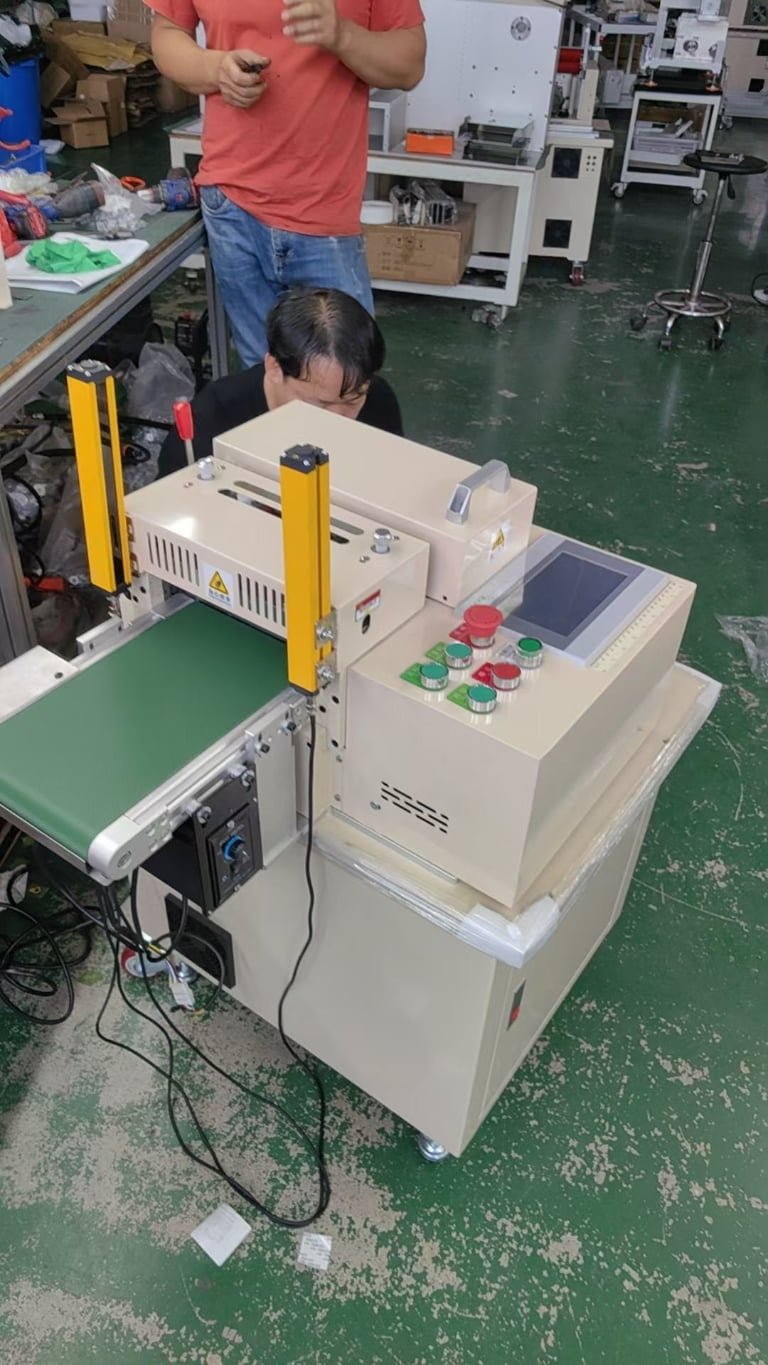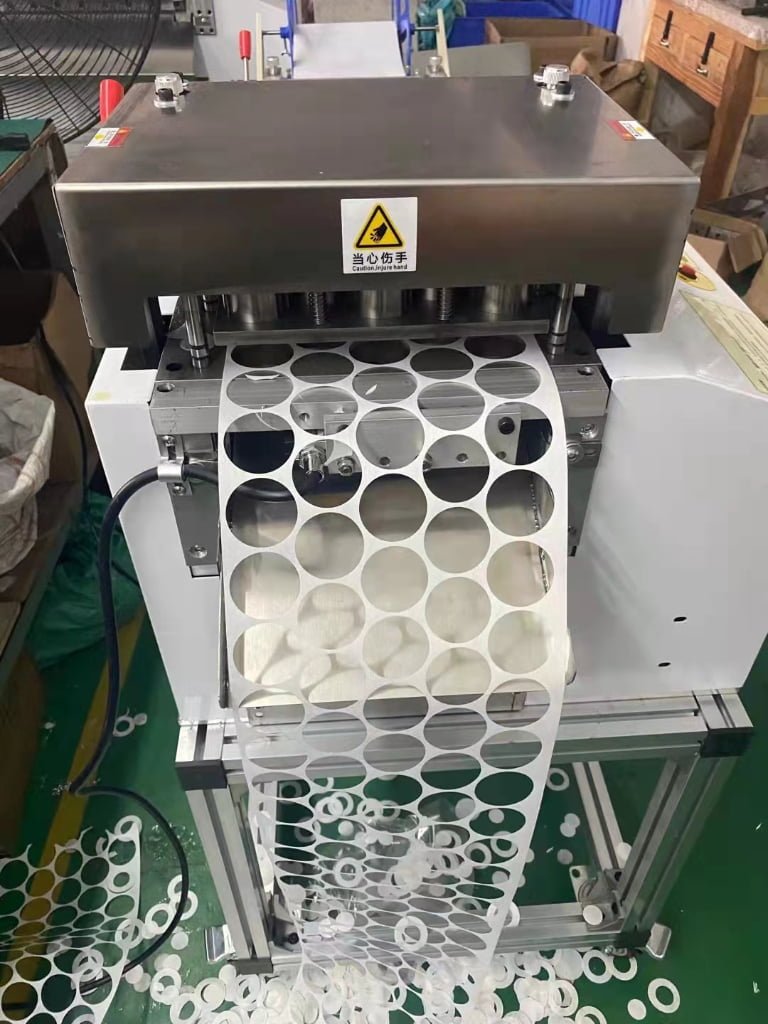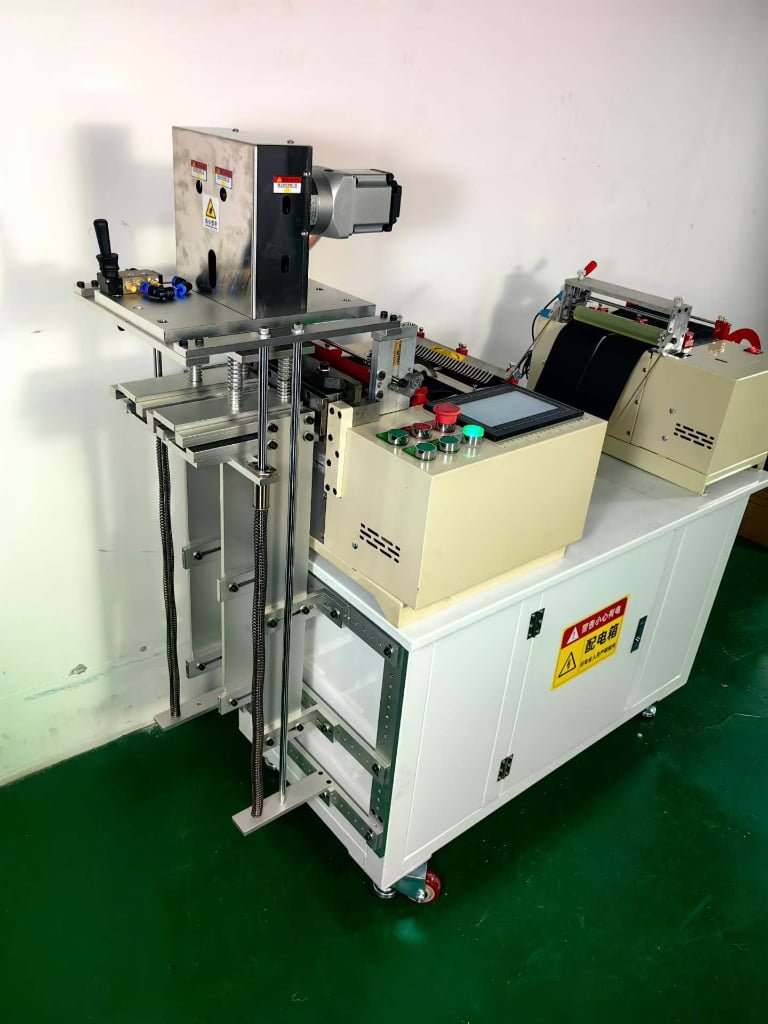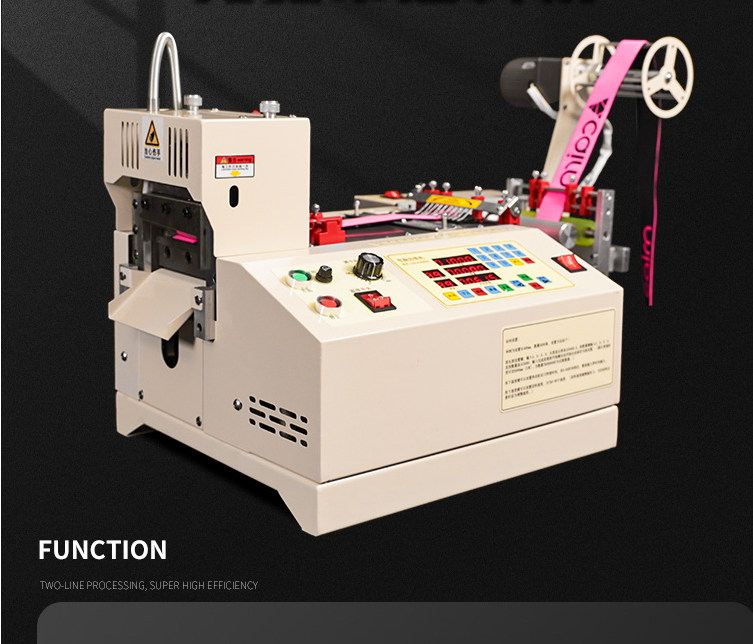
What Safety Standards Should Be Followed When Operating a Nylon Cutting Machine?
Industrial nylon cutting machines can greatly improve production efficiency, but they also introduce potential risks if they are not operated correctly. Whether you use a webbing tape cutting machine, hot and cold cutting machine, or high-speed trademark cutting machine, safety should always be the first priority.
Modern cutting machines include many built-in safety systems1, but safe operation also depends on trained operators, regular maintenance, and proper workplace management.
In this guide, I will explain the essential safety standards, protective machine features, and best practices that help reduce risks during continuous industrial cutting operations.
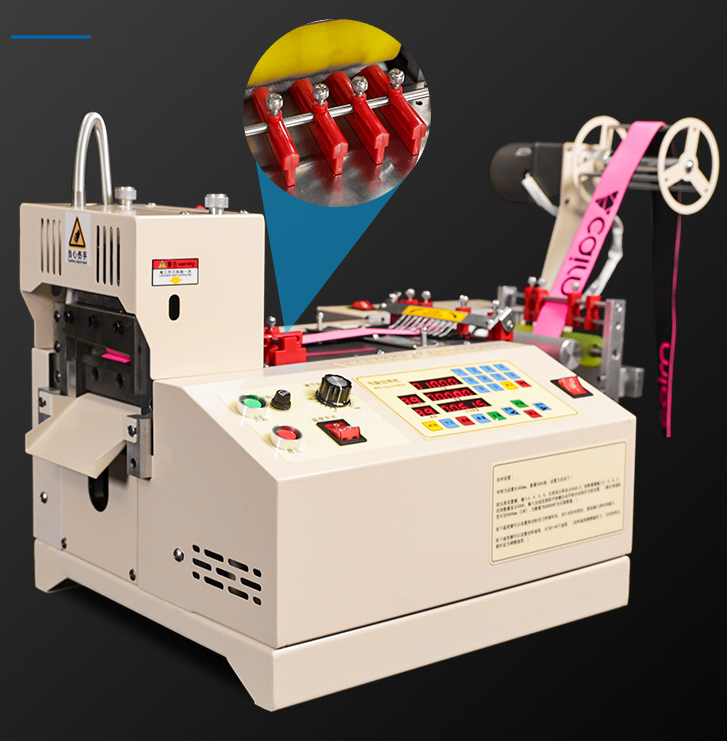
Which Protective Features Reduce Risks During Continuous Industrial Cutting Operations?
The safest nylon cutting machines combine mechanical protection, electrical safety, operator training, and routine maintenance.
Modern machines are no longer designed only for speed and accuracy. They are also built to reduce accidents caused by moving blades, hot knives, feeding rollers, and electrical systems.
The following safety features and operating standards should be considered before purchasing or operating any industrial cutting equipment.
Why Is Safety So Important for Nylon Cutting Machines?
A nylon cutting machine performs thousands of cutting cycles every hour.
Many models use:
- High-temperature hot knives
- Fast-moving blades
- Automatic feeding rollers
- Pneumatic clamping systems
- Servo motors
Without proper protection, these moving parts can create hazards such as:
- Cuts
- Pinch injuries
- Burns
- Electrical shock
- Flying debris
- Material jams
Fortunately, modern industrial equipment is designed to minimize these risks when operators follow correct procedures.
Operator Training Is the First Safety Standard
The most important safety feature is not the machine itself.
It is a well-trained operator.
Every employee should receive formal training before operating a webbing ribbon cutting machine or automatic punching cutting machine.
Training should include:
- Machine startup procedures
- Safe shutdown methods
- Material loading
- Blade replacement
- Emergency stop operation
- Jam removal
- Daily inspection
- Hazard recognition
Operators should also read the machine manual and understand the manufacturer’s recommended operating limits.
Why Training Matters
| Benefit | Result |
|---|---|
| Fewer operating mistakes | Lower accident risk |
| Better machine care | Longer equipment life |
| Faster troubleshooting | Less downtime |
| Consistent production | Higher product quality |
Regular refresher training is equally important, especially when new machine models or production materials are introduced.
Blade Guards Protect Operators
The cutting blade is the most obvious hazard.
Modern machines should always include protective guards around:
- Hot knives
- Cold blades
- Rotary cutters
- Feeding rollers
- Pinch points
These guards prevent accidental hand contact during operation.
Operators should never remove or bypass safety guards, even if doing so appears to improve production speed.
Removing a guard may expose workers to serious injury and may also violate workplace safety regulations2.
Common Guard Types
| Guard Type | Purpose |
|---|---|
| Fixed Guard | Permanent protection around blades |
| Adjustable Guard | Allows different material sizes |
| Interlocked Guard | Stops machine when opened |
| Transparent Shield | Protects while maintaining visibility |
Interlocked safety guards are especially valuable because they automatically stop machine movement whenever a protective cover is opened.
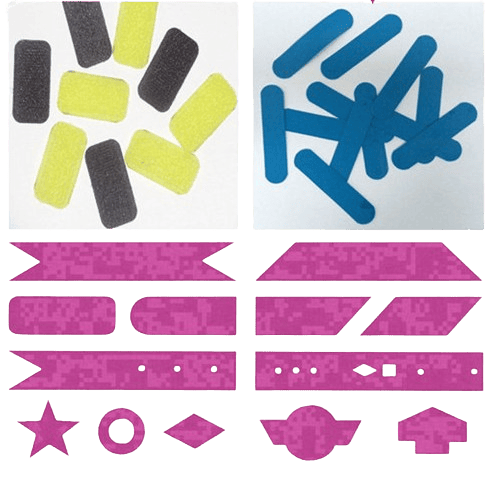
Emergency Stop Buttons Must Be Easy to Reach
Every industrial cutting machine should have clearly marked emergency stop buttons.
Emergency stops should be:
- Bright red
- Easy to reach
- Clearly labeled
- Tested regularly
Operators should know exactly where each emergency stop is located before starting production.
Large production lines may also include multiple emergency stop stations positioned around the machine.
Emergency Stop Checklist
| Inspection Item | Check Frequency |
|---|---|
| Emergency button works | Daily |
| Reset function operates correctly | Weekly |
| Warning labels remain visible | Monthly |
| Wiring inspection | Scheduled maintenance |
Testing emergency stop functions should be part of every preventive maintenance program.
Wear the Correct Personal Protective Equipment (PPE)
Personal protective equipment provides another layer of protection.
Typical PPE includes:
- Safety glasses with side shields
- Safety shoes
- Hearing protection when noise levels are high
- Cut-resistant gloves when replacing blades
- Protective work clothing
However, gloves should not be worn when hands are close to moving rollers or rotating parts because loose glove material may become trapped.
Recommended PPE
| Equipment | Purpose |
|---|---|
| Safety Glasses | Eye protection |
| Steel-Toe Shoes | Foot protection |
| Ear Protection | Noise reduction |
| Cut-Resistant Gloves | Blade handling only |
| Protective Clothing | General workplace safety |
The correct PPE depends on the production environment and machine configuration.
Keep Clothing, Jewelry, and Hair Away from Moving Parts
Loose clothing can easily become caught in rotating rollers or feeding mechanisms.
Operators should avoid:
- Loose sleeves
- Neckties
- Scarves
- Bracelets
- Rings
- Necklaces
Long hair should always be secured before operating machinery.
These simple precautions greatly reduce the risk of entanglement.
Factories should include these requirements in their standard operating procedures3.
Lockout/Tagout Procedures Prevent Serious Accidents
Maintenance introduces different hazards than normal production.
Before performing any maintenance work, operators should completely isolate all energy sources.
Lockout/tagout (LOTO) procedures normally include:
- Disconnect electrical power
- Shut off pneumatic pressure
- Release stored energy
- Lock isolation switches
- Attach warning tags
- Verify zero energy before maintenance
LOTO should always be followed before:
- Blade replacement
- Clearing jams
- Cleaning inside the machine
- Electrical repair
- Pneumatic maintenance
Ignoring lockout procedures is one of the leading causes of industrial machine injuries4.
Keep the Work Area Clean and Organized
Good housekeeping improves both safety and productivity.
Offcuts, textile fibers, and packaging waste should never accumulate around the machine.
Operators should regularly remove:
- Nylon scraps
- Polyester fibers
- Dust
- Bubble wrap waste
- Foam particles
Use brushes or industrial vacuums rather than hands to clear material near the cutting area.
Benefits of a Clean Workspace
| Clean Workplace | Safety Benefit |
|---|---|
| Dry floor | Fewer slips |
| Clear walkways | Easier evacuation |
| Less dust | Lower fire risk |
| Organized tools | Faster maintenance |
A clean factory also improves overall production efficiency.
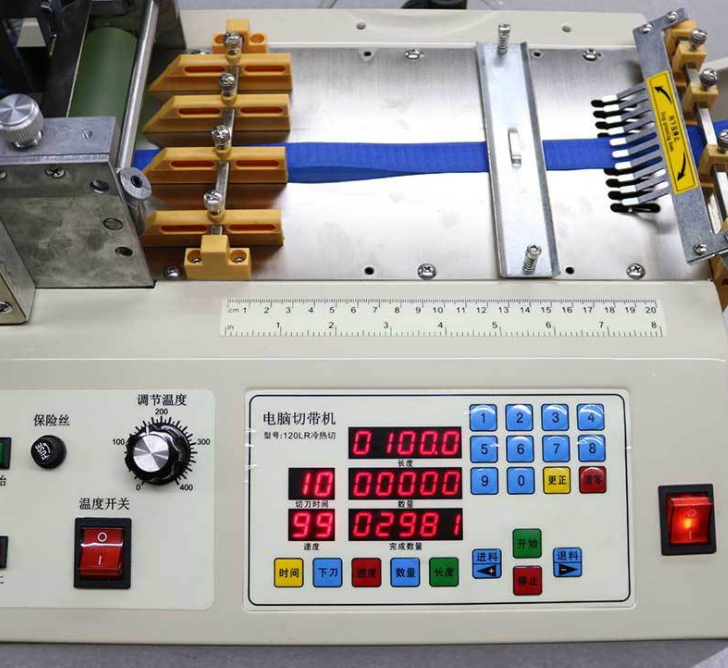
Clearly Mark Hazard Zones
Industrial cutting equipment should have clearly identified danger areas.
Common warning methods include:
- Floor markings
- Safety barriers
- Warning labels
- Flashing indicator lights
- Audible alarms
These visual reminders help prevent workers from entering hazardous areas while machines are running.
Many modern high-speed trademark cutting machines automatically activate warning lights whenever production starts.
Operate Within the Machine’s Rated Capacity
Every cutting machine is designed for specific operating limits5.
Operators should never exceed:
- Maximum material thickness
- Maximum cutting width
- Rated production speed
- Blade temperature limits
- Continuous duty cycle
Running beyond these limits increases wear, reduces cutting quality, and may create unnecessary safety risks.
Before introducing new materials such as Protective Foam, Bubble Wrap, PVC Edge Banding, or heavy industrial webbing, verify that the machine is designed for those applications.
Typical Operating Limits
| Parameter | Follow Manufacturer Specification |
|---|---|
| Material Width | Yes |
| Material Thickness | Yes |
| Cutting Speed | Yes |
| Blade Temperature | Yes |
| Duty Cycle | Yes |
Following the manufacturer’s recommendations also helps maintain warranty coverage and extends machine life.
Regular Maintenance Keeps Safety Systems Reliable
Safety devices only work when they are properly maintained.
Routine inspections should include:
- Blade condition
- Guard alignment
- Emergency stop function
- Electrical wiring
- Pneumatic hoses
- Servo motors
- Temperature controllers
- Sensors
- Lubrication points
Preventive maintenance reduces unexpected failures and keeps protective systems operating correctly.
Many factories schedule inspections daily, weekly, and monthly depending on production volume.
Built-In Protective Features Found on Modern Nylon Cutting Machines
Today’s industrial cutting machines include many automatic safety technologies.
Some of the most useful features include:
Safety Interlock System
Stops machine movement when protective covers are opened.
Overload Protection
Automatically shuts down the machine if excessive force is detected.
Temperature Protection
Prevents overheating of hot knives and heating elements.
Material Detection Sensors
Monitor proper material feeding and reduce jam risks.
Automatic Fault Alarm
Displays warning messages when abnormal conditions occur.
Servo Position Monitoring
Ensures cutting accuracy while reducing unexpected mechanical movement.
Safety Feature Comparison
| Protective Feature | Safety Benefit |
|---|---|
| Interlocked Guards | Prevent blade contact |
| Emergency Stop | Immediate shutdown |
| Overload Protection | Prevent equipment damage |
| Temperature Control | Reduce overheating |
| Material Sensors | Prevent feeding jams |
| Fault Alarm | Faster troubleshooting |
| Servo Monitoring | Stable machine movement |
These technologies greatly reduce operator exposure to hazards during continuous production6.
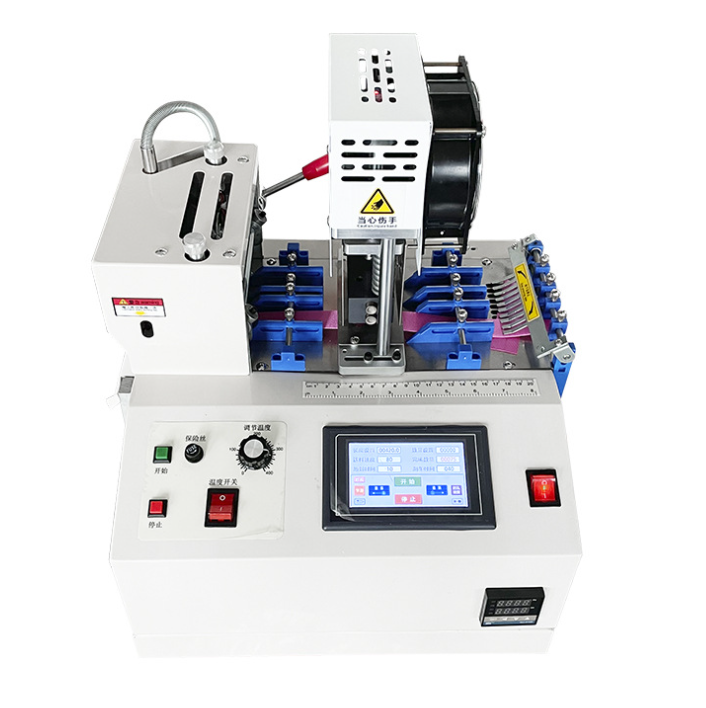
Safe Material Handling Reduces Production Risks
Different materials require different machine settings.
For example:
- Nylon requires higher blade temperatures.
- Polyester needs careful temperature adjustment to avoid discoloration.
- PP webbing melts at lower temperatures.
- PVC should be processed with adequate ventilation.
- Elastic tape requires lower feeding tension.
- Bubble wrap and protective foam often require lower blade temperatures to prevent deformation.
Using the correct settings reduces machine stress and improves operator safety7.
Modern hot and cold cutting machines often store multiple cutting recipes, allowing operators to switch between materials without manually adjusting every parameter.
Choosing a Machine with Better Safety Features
When comparing suppliers, I always evaluate safety before production speed.
The machine should include:
- Fully enclosed cutting area
- Emergency stop buttons
- Interlocked safety guards
- Stable servo feeding
- Accurate temperature control
- Automatic fault detection
- Clear warning indicators
- Easy maintenance access
- Reliable electrical protection
These features not only protect workers but also reduce downtime and improve long-term production stability.
Whether I purchase a webbing tape cutting machine, rotary bevel cutting machine, computer tube cutting machine, wire cutting and stripping machine, metal pipe cutting and beveling machine, or different shapes cutting machine, I always make safety a primary selection criterion.
Conclusion
Safe operation of a nylon cutting machine depends on much more than operator experience. Proper training, effective machine guarding, emergency stop systems, lockout/tagout procedures, appropriate PPE, routine maintenance, and disciplined housekeeping all work together to reduce workplace risks. Modern industrial cutting machines are equipped with advanced protective features, but these systems only provide full protection when operators follow established safety procedures and manufacturers’ operating guidelines.
HAOXINHE Insights
At HAOXINHE, we believe productivity should never come at the expense of safety. Our webbing tape cutting machines, hot and cold cutting machines, high-speed trademark cutting machines, automatic punching cutting machines, rotary bevel cutting machines, different shapes cutting machines, computer tube cutting machines, Bubble Wrap Cutting Machines, Protective Foam Cutting Machines, wire cutting and stripping machines, and metal pipe cutting and beveling machines are designed with operator protection in mind.
We integrate features such as precision servo control, adjustable temperature systems, emergency stop functions, protective blade covers, stable feeding mechanisms, and user-friendly touch-screen controls to support safe and efficient production. As factories increasingly operate around the clock, investing in equipment with comprehensive safety features helps reduce downtime, protect employees, and maintain consistent product quality over the long term.
-
"HEALTH AND SAFETY GUIDE FOR TEXTILE …", https://stacks.cdc.gov/view/cdc/209335/cdc_209335_DS1.pdf. A study on industrial cutting equipment safety features highlights the integration of interlocked guards, emergency stop systems, and overload protection as standard mechanisms to reduce operator risks. Evidence role: general_support; source type: research. Supports: Modern cutting machines are equipped with built-in safety systems to reduce accidents.. Scope note: The study may focus on specific machine types and not cover all models. ↩
-
"1910.212 – General requirements for all machines.", http://www.osha.gov/laws-regs/regulations/standardnumber/1910/1910.212. OSHA regulations mandate the use of machine guards to prevent operator injuries, with documented cases showing increased risks when guards are removed. Evidence role: case_reference; source type: government. Supports: Removing safety guards can lead to serious injuries and violate workplace safety regulations.. Scope note: Specific examples may focus on U.S. regulations and not global standards. ↩
-
"PERSONAL PROTECTIVE EQUIPMENT STANDARD …", https://www.tntech.edu/safety/pdf/Personal_Protective_Equipment.pdf. Safety training programs recommend including attire guidelines in SOPs to prevent entanglement hazards in manufacturing environments. Evidence role: expert_consensus; source type: education. Supports: Factories should include clothing, jewelry, and hair safety requirements in their standard operating procedures.. Scope note: Recommendations may vary by industry and machine type. ↩
-
"Commonly Used Statistics | Occupational Safety and …", http://www.osha.gov/data/commonstats. The National Safety Council reports that failure to follow lockout/tagout procedures contributes to a significant percentage of industrial machine-related injuries annually. Evidence role: statistic; source type: institution. Supports: Ignoring lockout/tagout procedures is a major cause of industrial machine injuries.. Scope note: Statistics may vary by industry and region. ↩
-
"1910.213 – Woodworking machinery requirements.", http://www.osha.gov/laws-regs/regulations/standardnumber/1910/1910.213. Technical manuals from manufacturers emphasize the importance of adhering to operating limits to ensure safety and equipment longevity. Evidence role: mechanism; source type: education. Supports: Cutting machines are designed with specific operating limits that should not be exceeded.. Scope note: Guidelines may vary by manufacturer and machine model. ↩
-
"New safety technology in the workplace", https://www.tdi.texas.gov/tips/safety/safety-technology.html. Studies on industrial automation show that features like interlocked guards and fault alarms reduce operator risks during continuous production. Evidence role: general_support; source type: research. Supports: Modern safety technologies significantly reduce operator exposure to hazards.. Scope note: The studies may focus on specific industries or machine types. ↩
-
"How to Relax in Stressful Situations: A Smart Stress Reduction …", https://pmc.ncbi.nlm.nih.gov/articles/PMC7349817/. Research on industrial equipment operation shows that adhering to recommended settings minimizes mechanical stress and reduces operator exposure to hazards. Evidence role: mechanism; source type: research. Supports: Correct machine settings reduce stress on equipment and improve operator safety.. Scope note: Findings may be specific to certain types of machines. ↩