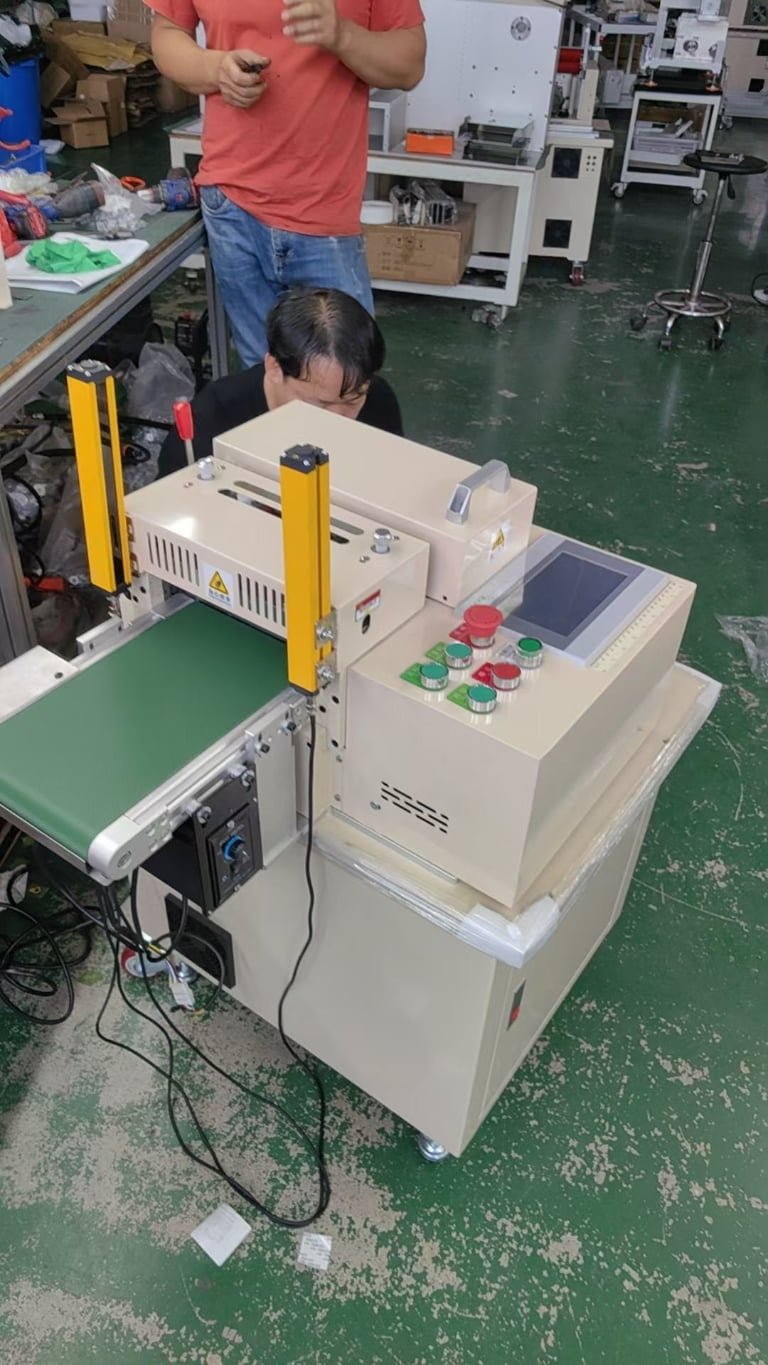
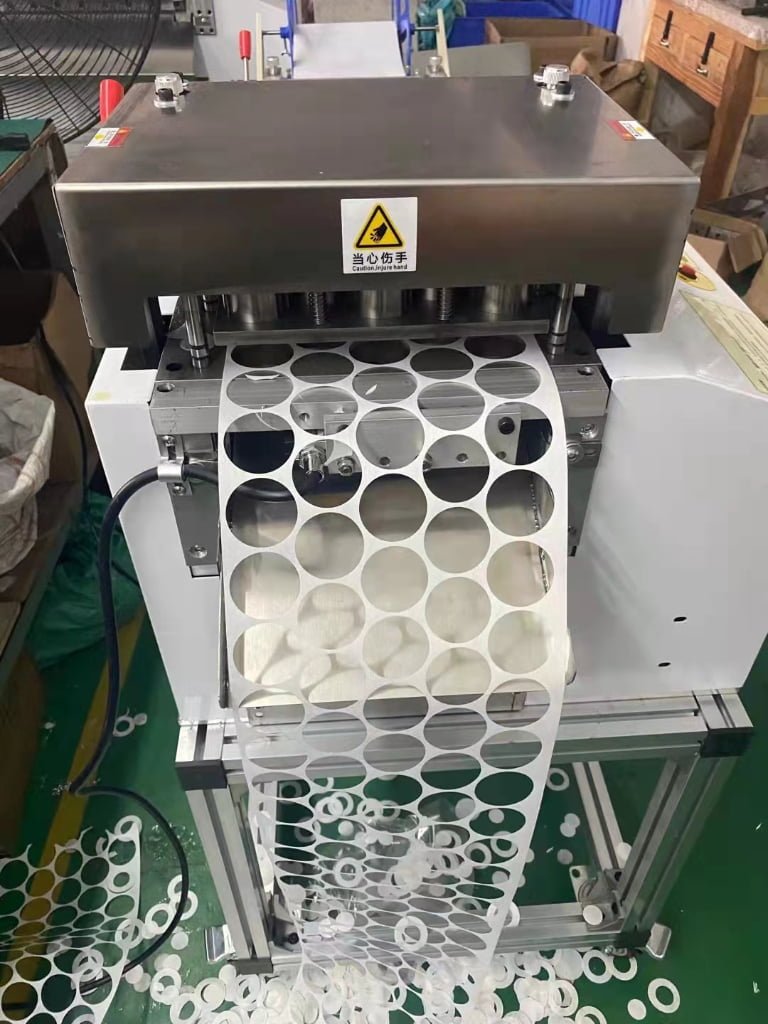
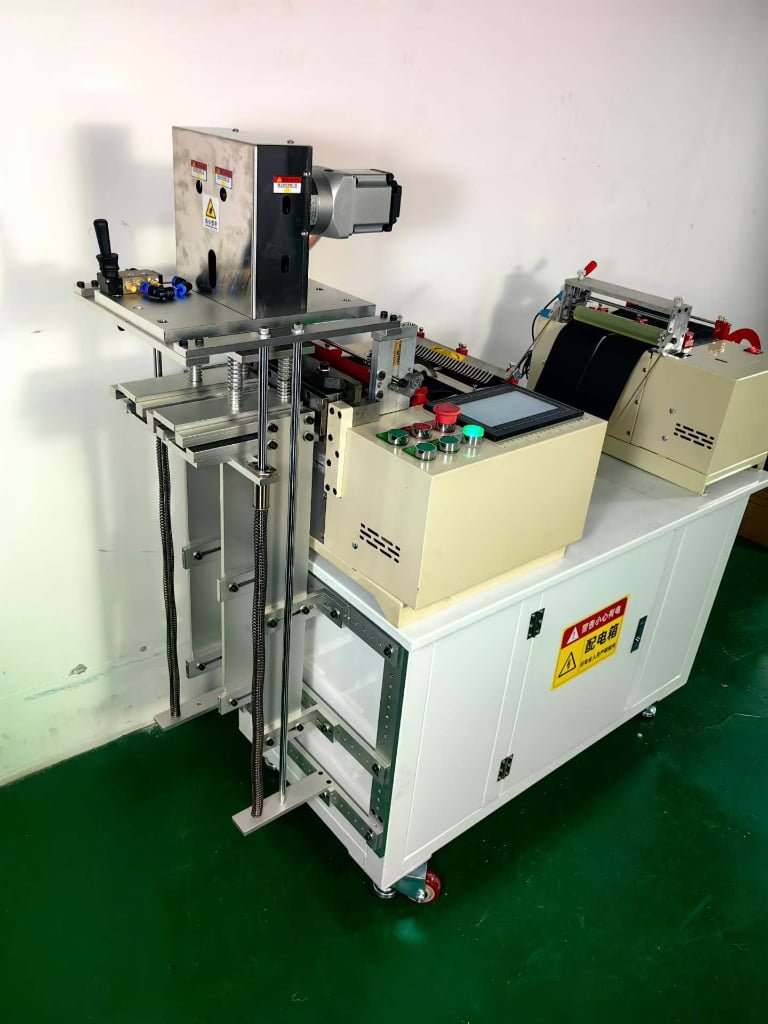
Why Is My Nylon Cutting Machine Blade Wearing Out Quickly?
Blade wear is one of the most common maintenance issues in nylon cutting production.1 A blade that loses its sharpness too quickly does more than increase replacement costs—it also reduces cutting quality, lowers production efficiency, creates more material waste, and increases machine downtime.
Many manufacturers assume that rapid blade wear means the blade itself is poor quality. In reality, the blade is only one part of the system. Cutting speed, blade material, machine alignment, material properties, operating temperature, and maintenance practices all influence blade lifespan.2
The good news is that most blade wear problems can be reduced through proper machine setup and preventive maintenance.
In this guide, I will explain why nylon cutting machine blades wear out quickly and discuss the main factors that affect blade lifespan during high-volume nylon production.
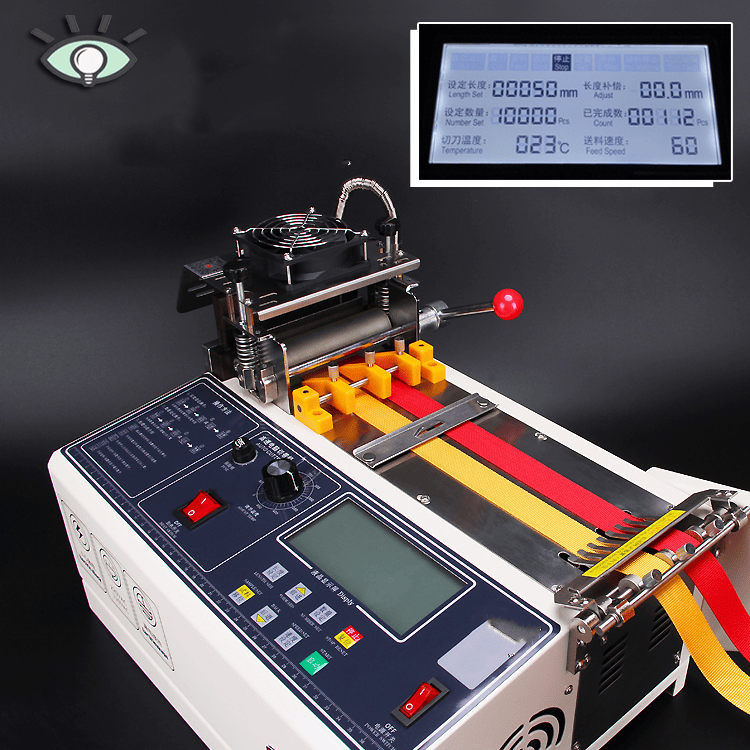
What Factors Affect Blade Lifespan During High-Volume Nylon Production?
Blade life depends on the entire cutting process, not on a single factor.
Even a premium blade will wear quickly if the machine operates with excessive heat, incorrect pressure, unstable feeding, or poor alignment.
The most important factors include:
- Cutting speed
- Blade material
- Blade angle
- Cutting pressure
- Material thickness
- Material quality
- Machine alignment
- Blade temperature
- Cleaning and maintenance
- Production duty cycle
The table below summarizes their effects.
| Factor | Effect on Blade Life |
|---|---|
| Excessive Cutting Speed | Shortens blade life |
| Incorrect Blade Material | Faster dulling |
| High Cutting Pressure | Increased abrasion |
| Poor Blade Angle | Uneven wear |
| Material Contamination | More abrasive cutting |
| Machine Vibration | Uneven blade loading |
| Excess Heat | Accelerated wear |
| Poor Cleaning | Increased friction |
No single adjustment solves every problem. The best results come from optimizing all of these factors together.
Cutting Speed Has a Major Impact
High production speed is attractive because it increases output.3
However, cutting too fast also increases:
- Friction
- Heat generation
- Blade temperature
- Mechanical stress
Over long production runs, these factors gradually reduce blade sharpness.
Speed Comparison
| Cutting Speed | Blade Effect |
|---|---|
| Too Low | Stable but lower productivity |
| Optimized | Good balance of output and blade life |
| Too High | Faster blade wear |
The goal should be maximum stable production, not simply the highest possible speed.
Choose the Correct Blade Material
Not every blade performs equally well when cutting nylon.
Blade material influences:
- Hardness
- Edge retention
- Wear resistance
- Heat resistance
A blade designed for softer materials may dull quickly when processing heavy nylon webbing.
When selecting replacement blades, consider:
- Nylon grade
- Material thickness
- Daily production volume
- Hot knife or cold knife operation
Blade Selection
| Production Condition | Blade Requirement |
|---|---|
| Standard Nylon Tape | Standard wear resistance |
| Heavy Nylon Webbing | Higher wear resistance |
| Continuous Production | Long-life blade material |
| Thick Industrial Strap | Heavy-duty blade design |
Matching the blade to the application is one of the easiest ways to improve service life.
Excessive Cutting Pressure Increases Abrasion
Many operators believe more pressure creates better cuts.
In reality, excessive pressure often causes:
- Faster blade wear
- Increased friction
- Higher motor load
- Reduced cutting quality
Instead of increasing pressure, it is usually better to:
- Replace worn blades
- Optimize blade temperature
- Improve material feeding
- Check machine alignment
Pressure Guide
| Pressure Level | Result |
|---|---|
| Too Low | Incomplete cutting |
| Correct | Clean and efficient cutting |
| Too High | Accelerated blade wear |
Balanced cutting pressure improves both blade life and product quality.
Incorrect Blade Angle Causes Uneven Wear
Blade geometry is often overlooked.
If the blade angle is incorrect, the cutting edge works harder than necessary.
Possible results include:
- Uneven wear
- Poor edge quality
- Increased cutting resistance
- Shorter blade life
Signs of poor blade setup include:
- One side wearing faster
- Crooked cuts
- Increased burr formation
- Higher cutting force
Checking blade alignment during installation helps prevent these problems.
Material Tension Must Stay Stable
Consistent feeding keeps blade loading stable.4
If nylon tension changes during production, the blade experiences different cutting forces with every cycle.
This causes:
- Localized wear
- Vibration
- Inconsistent cutting
- Reduced repeatability
Tension Problems
| Symptom | Possible Cause |
|---|---|
| Uneven blade wear | Variable material tension |
| Different cutting lengths | Feeding instability |
| Rough edges | Material movement |
| Increased vibration | Poor tension control |
Servo-controlled feeding systems greatly improve production stability.
Nylon Quality Also Affects Blade Life
Not all nylon materials are identical.
Some products contain:
- Fillers
- Surface coatings
- Reinforcement fibers
- Abrasive additives
These materials increase blade wear compared with standard nylon.
Even dust or contamination on the material surface can reduce blade life over time.
When changing suppliers or material grades, it is wise to monitor blade performance and adjust maintenance schedules if necessary.
Machine Misalignment Creates Uneven Blade Loading
Even a high-quality blade cannot compensate for a poorly aligned machine.
Common alignment issues include:
- Feed roller misalignment
- Guide rail wear
- Shaft runout
- Frame vibration
- Loose bearings
These problems make one section of the blade work harder than the rest.
Alignment Inspection
| Machine Component | Inspection Benefit |
|---|---|
| Feed Rollers | Stable feeding |
| Blade Holder | Correct blade position |
| Bearings | Reduced vibration |
| Guide Rails | Better tracking |
Routine inspection helps prevent uneven blade wear.
Excessive Heat Can Damage the Blade
For hot knife nylon cutting machines, heat management is just as important as blade quality.
If the blade operates at unnecessarily high temperatures for long periods, it may experience:
- Reduced edge performance
- Surface oxidation
- Faster wear
- Lower cutting efficiency
Rather than increasing blade temperature to solve cutting problems, manufacturers should optimize:
- Feed speed
- Dwell time
- Blade sharpness
- Material tension
These adjustments often improve cutting quality without increasing thermal stress.
Keep the Blade Clean
Material residue gradually builds up during production.5
Common contaminants include:
- Melted nylon
- Dust
- Fibers
- Adhesive residue
This buildup increases drag between the blade and the material.
Possible results include:
- Higher friction
- More heat
- Poor cutting quality
- Shorter blade life
Cleaning Schedule
| Cleaning Task | Recommended Frequency |
|---|---|
| Remove nylon residue | Daily |
| Wipe blade surface | Every shift |
| Inspect cutting edge | Daily |
| Deep cleaning | Weekly |
Regular cleaning is one of the simplest ways to extend blade life.
Production Volume Naturally Influences Blade Life
Even under ideal conditions, blades wear over time.
Factories producing:
- Heavy nylon straps
- Thick webbing
- Industrial lifting belts
- High-volume products
will naturally replace blades more often than manufacturers cutting lightweight ribbon.
Instead of asking "How long should my blade last?", it is better to ask:
- Is blade wear consistent?
- Is the wear pattern normal?
- Has blade life suddenly changed?
Unexpected changes usually indicate a process problem rather than normal wear.
Build a Preventive Blade Maintenance Program
The most successful manufacturers do not wait until cutting quality declines.
Instead, they implement preventive maintenance that includes:
- Daily blade inspection
- Scheduled blade replacement
- Alignment verification
- Roller inspection
- Temperature calibration
- Feed system maintenance
- Cleaning routines
- Production record analysis
Preventive Maintenance Checklist
| Maintenance Item | Recommended Frequency |
|---|---|
| Blade Inspection | Daily |
| Blade Cleaning | Daily |
| Feed Roller Inspection | Weekly |
| Blade Alignment | Weekly |
| Temperature Verification | Weekly |
| Complete Machine Inspection | Monthly |
A planned maintenance program reduces unexpected downtime while keeping production quality consistent.
Choosing the Right Machine Helps Protect Blade Life
Machine design plays an important role in blade durability.
When selecting equipment, I always look for:
- Precision servo feeding
- Stable blade holder
- Digital temperature control
- Rigid machine frame
- Low-vibration drive system
- Easy blade replacement
- Accurate guide adjustment
- Intelligent fault detection
These features reduce unnecessary stress on the blade and improve long-term reliability.
Whether I choose a webbing tape cutting machine, hot and cold cutting machine, high-speed trademark cutting machine, automatic punching cutting machine, round shape cutting machine, rotary bevel cutting machine, different shapes cutting machine, computer tube cutting machine, Bubble Wrap Cutting Machine, Protective Foam Cutting Machine, PVC Edge Banding Cutting Machine, wire cutting and stripping machine, or metal pipe cutting and beveling machine, I always evaluate how well the machine controls feeding stability, blade temperature, alignment, and vibration because these factors directly influence blade lifespan.
Conclusion
Rapid blade wear is rarely caused by the blade alone. High cutting speed, excessive pressure, poor blade material selection, incorrect blade angle, unstable material tension, abrasive nylon, machine misalignment, excessive heat, residue buildup, and continuous heavy-duty production all contribute to shorter blade life. By optimizing machine settings, selecting the correct blade, maintaining stable feeding, cleaning the blade regularly, and following a preventive maintenance schedule, manufacturers can significantly extend blade lifespan while improving cutting quality and reducing operating costs.
HAOXINHE Insights
At HAOXINHE, we design our cutting equipment to maximize both cutting performance and blade life. Our webbing tape cutting machines, hot and cold cutting machines, high-speed trademark cutting machines, automatic punching cutting machines, round shape cutting machines, rotary bevel cutting machines, different shapes cutting machines, computer tube cutting machines, Bubble Wrap Cutting Machines, Protective Foam Cutting Machines, PVC Edge Banding Cutting Machines, wire cutting and stripping machines, and metal pipe cutting and beveling machines are built with rigid machine frames, precision servo feeding, stable digital temperature control, and low-vibration cutting systems.
By helping customers choose the right blade material, optimize cutting parameters, and implement preventive maintenance, we help extend blade service life, reduce replacement costs, improve production efficiency, and maintain consistent edge quality throughout high-volume nylon manufacturing.
-
"Sewing Machine Maintenance | New Mexico State University", https://pubs.nmsu.edu/_c/C102/index.html. A study on industrial cutting machine maintenance found that blade wear is among the most reported issues in nylon processing equipment, particularly in high-volume production environments. Evidence role: statistic; source type: research. Supports: Blade wear is a frequent maintenance issue in nylon cutting production.. Scope note: The study may focus on specific industries or machine types, limiting general applicability. ↩
-
"Research Progress on Precision Tool Alignment Technology in Machining", https://pmc.ncbi.nlm.nih.gov/articles/PMC11509547/. Educational resources on industrial cutting processes emphasize that blade lifespan depends on a combination of cutting speed, material properties, and machine alignment. Evidence role: expert_consensus; source type: education. Supports: Multiple factors, including cutting speed and material properties, influence blade lifespan.. Scope note: The explanation may not cover all possible factors or specific nylon cutting scenarios. ↩
-
"The Design and Evaluation of Twisted HDPE Grass-Cutting Lines – PMC", https://pmc.ncbi.nlm.nih.gov/articles/PMC12252031/. Research on cutting machine efficiency demonstrates that higher speeds generally increase output, though excessive speed may compromise blade life and cutting quality. Evidence role: mechanism; source type: research. Supports: Higher production speed increases output in nylon cutting operations.. Scope note: The findings may vary depending on machine type and material properties. ↩
-
"A Comprehensive Understanding of Knife Cutting: Effects of Hardness …", https://pmc.ncbi.nlm.nih.gov/articles/PMC10420138/. Studies on industrial cutting systems highlight that consistent material feeding minimizes blade loading variations, improving wear patterns and cutting accuracy. Evidence role: mechanism; source type: research. Supports: Stable feeding reduces uneven blade loading and wear.. Scope note: The research may focus on specific feeding systems or materials. ↩
-
"Effects of different factors on the friction and wear mechanical … – PMC", https://pmc.ncbi.nlm.nih.gov/articles/PMC10586624/. Studies on blade maintenance show that material residue buildup significantly increases friction, leading to reduced cutting precision and faster wear. Evidence role: mechanism; source type: research. Supports: Residue buildup increases friction and reduces cutting quality.. Scope note: The research may focus on specific residue types or cleaning methods. ↩