How Much Does an Automatic Webbing Angle Cutting Machine Cost?
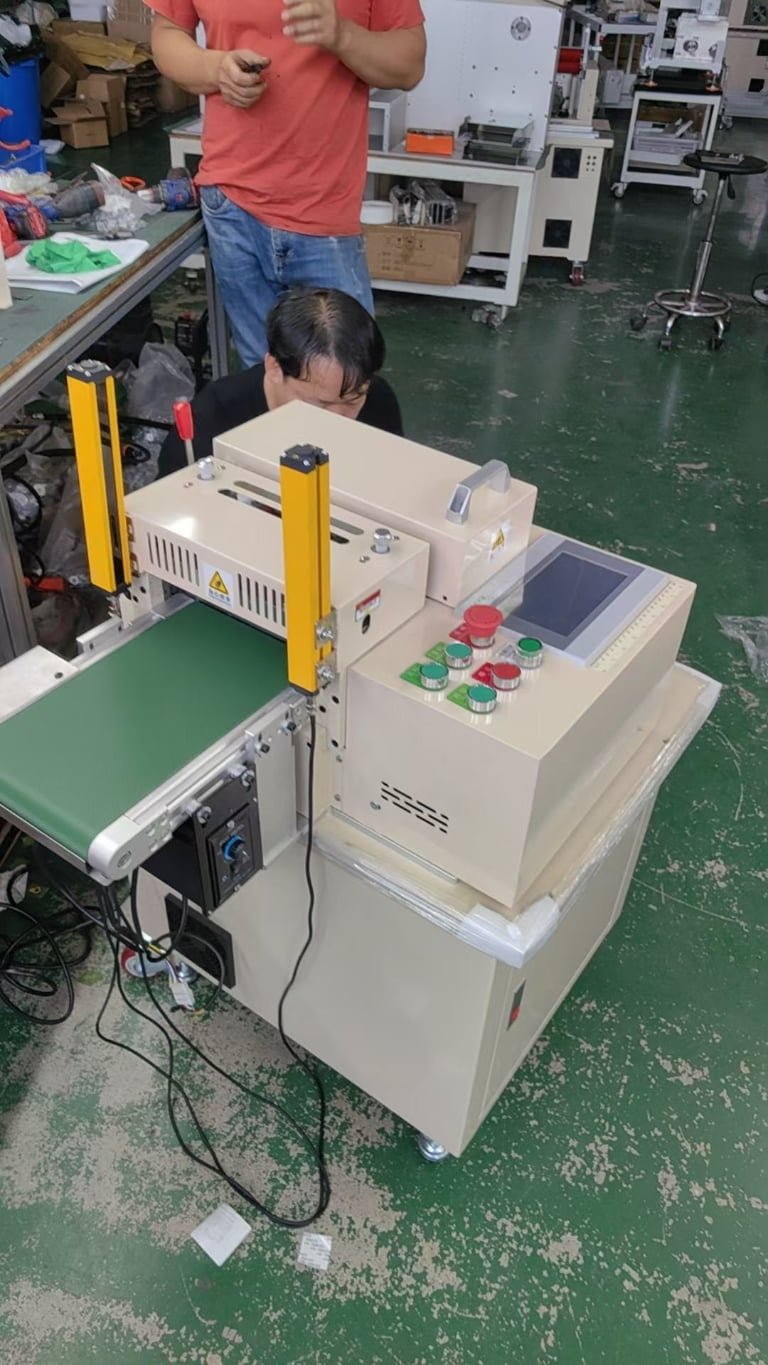
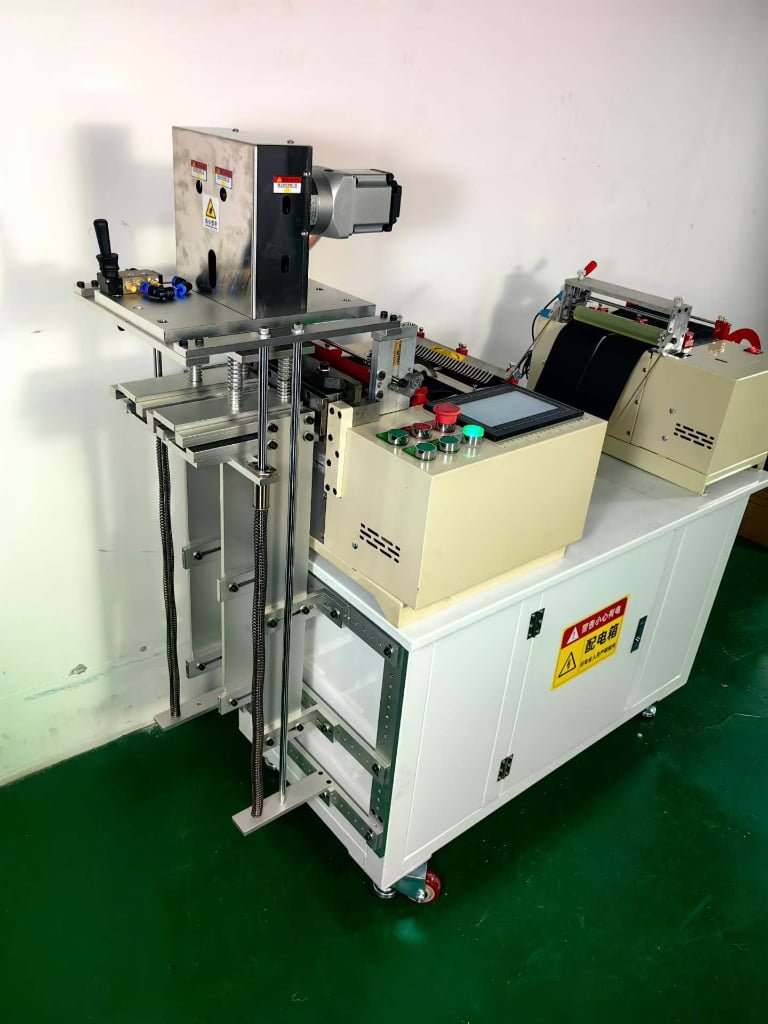
If you are planning to invest in an automatic webbing angle cutting machine, price is probably one of your first questions. However, there is no single answer because machine prices vary widely depending on cutting capacity, automation level, blade type, angle functions, production speed, and build quality.
Some entry-level machines cost only a few hundred dollars1, while industrial systems designed for continuous factory production can cost several thousand dollars. The lowest purchase price is not always the lowest total cost because maintenance, spare parts, energy consumption, and productivity all affect your long-term investment.
In this guide, I will explain the typical price ranges, what influences machine cost, and how to evaluate the total cost of ownership before making a purchase.
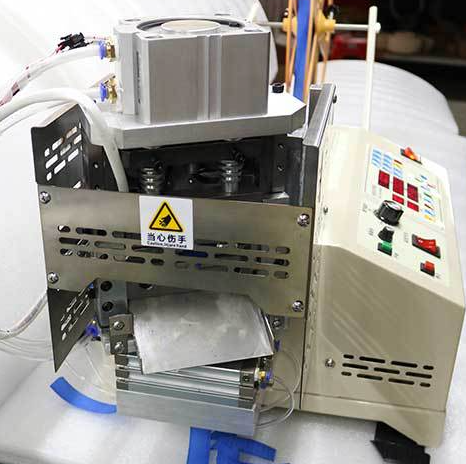
What Factors Affect Machine Price and Operating Costs?
The price of an automatic webbing angle cutting machine depends on factors such as cutting width, hot or cold knife capability, angle cutting functions, automation level, cutting speed, machine construction, certifications, and after-sales support2. Operating costs are influenced by blade replacement, heating elements, maintenance, electricity, spare parts, labor savings, and machine productivity.
Instead of focusing only on the purchase price, buyers should evaluate the machine’s total lifetime cost and return on investment (ROI).
Typical Price Range of Automatic Webbing Angle Cutting Machines
Machine prices generally fall into three categories.
| Machine Type | Typical Price (USD) | Suitable Users |
|---|---|---|
| Entry-level bench-top machine | $400–700 | Small workshops |
| Mid-range automatic machine | $800–1,500 | Growing manufacturers |
| Heavy-duty industrial angle cutter | $1,500–3,000+ | Continuous factory production |
Prices vary depending on machine configuration, country of origin, and optional features.
Higher-end machines often include servo feeding, digital angle adjustment, hot and cold cutting modes, and more durable construction.
Entry-Level Machines
Small automatic cutters are designed for light production.
These machines normally include:
- Straight cutting
- Basic angle cutting
- LCD controller
- Narrow cutting width
- Hot or cold knife options
Typical applications include:
- Shoelaces
- Decorative ribbons
- Elastic bands
- Small textile workshops
- Packaging materials
For businesses producing a few thousand pieces per day, these machines can offer an affordable starting point.
However, they may not be suitable for 24/7 industrial production.
Dive Deeper: Why Industrial Machines Cost More
Many buyers compare machines only by appearance.
Two machines may look nearly identical, yet one costs twice as much.
The difference usually lies inside the machine.
Industrial automatic webbing angle cutting machines are designed for continuous operation.
They use stronger mechanical structures, higher-quality motion components, and more reliable control systems.
Features That Increase Machine Cost
| Feature | Why It Costs More |
|---|---|
| Servo or precision stepper motors | Higher positioning accuracy |
| Heavy-duty frame | Less vibration |
| Precision guide rails | Better feeding stability |
| Industrial PLC controller | Greater reliability |
| Digital angle control | Higher cutting accuracy |
| Premium electrical components | Longer service life |
Factories operating multiple production shifts cannot afford frequent downtime3.
Investing in a more robust machine often reduces maintenance costs and increases productivity over several years.
When calculating return on investment, the purchase price is only one part of the overall equation.
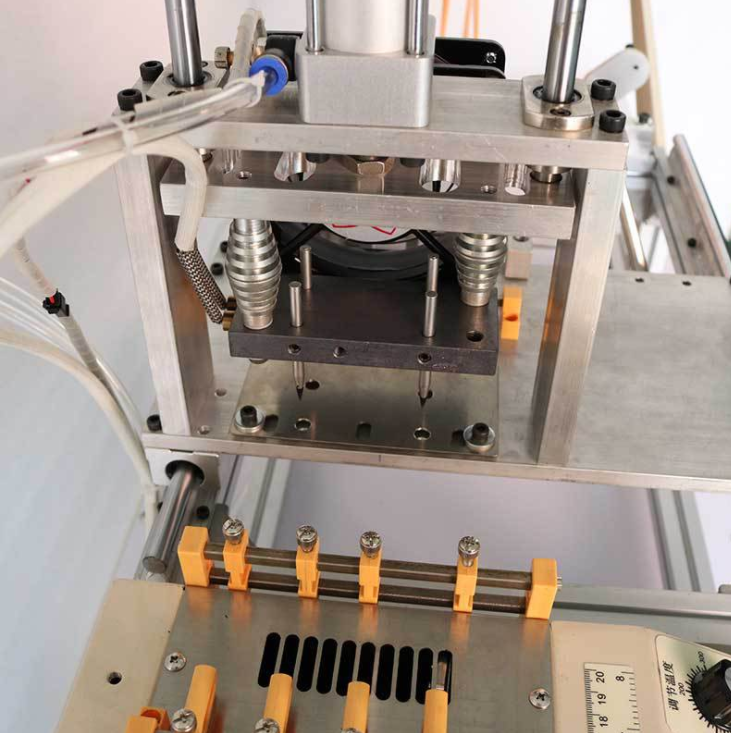
Cutting Width Has a Major Impact on Price
One of the biggest price factors is maximum cutting width.
A wider machine requires:
- Larger machine frame
- Stronger feeding motors
- Bigger rollers
- Larger blades
- More powerful drive systems
Typical relationship between cutting width and price:
| Maximum Cutting Width | Relative Cost |
|---|---|
| Up to 100 mm | Low |
| Around 120 mm | Moderate |
| Around 320 mm | High |
| Up to 600 mm | Premium |
As machine width increases, manufacturing costs rise significantly because larger components must maintain the same level of cutting accuracy and feeding stability.
Choose a machine that matches your current and future production needs rather than purchasing unnecessary capacity.
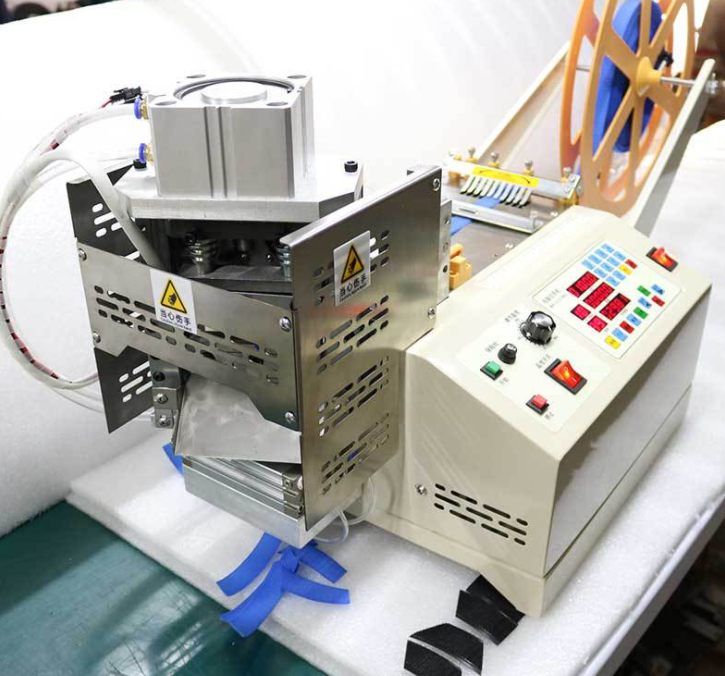
Hot Knife vs Cold Knife Affects Price
Most modern hot and cold cutting machines support both cutting methods.
A hot knife includes:
- Heating element
- Temperature controller
- Thermal insulation
- Power regulation system
These additional components increase the purchase price.
However, they also provide important production advantages for synthetic materials.
Hot knife benefits include:
- Sealed edges
- Less fraying
- Better product appearance
- Reduced secondary processing
Cold knife systems are simpler and usually less expensive.
They are often selected for cotton, canvas, and heat-sensitive fabrics.
Multi-Angle Cutting Functions Increase Investment
Basic machines usually perform straight cuts.
Advanced industrial systems can automatically produce:
- Straight cuts
- 45° cuts
- Multi-angle cuts
- Custom angle cuts
- Various programmed shapes
Adding automatic knife rotation requires:
- Extra motors
- Precision positioning
- More advanced software
- Additional mechanical components
As functionality increases, machine cost also rises.
For companies producing multiple product types, the added flexibility often justifies the higher investment.
Dive Deeper: Brand, Certifications, and After-Sales Support Matter
When comparing quotations, I always recommend looking beyond the machine itself.
The supplier is just as important as the equipment.
Machines from reputable manufacturers often cost more because they include:
- Better quality control
- Reliable components
- Technical documentation
- Operator training
- Spare parts availability
- Warranty support
- Faster technical service
Supplier Comparison Checklist
| Evaluation Item | Why It Matters |
|---|---|
| CE or relevant certifications | Safety and compliance |
| Warranty period | Lower ownership risk |
| Spare parts availability | Reduced downtime |
| Technical support | Faster troubleshooting |
| Installation guidance | Easier startup |
A cheaper machine without reliable service can become much more expensive if production stops while waiting for replacement parts.
For industrial manufacturers, after-sales support is part of the total value of the investment.
Hidden Operating Costs
The purchase price is only the beginning.
Every machine generates operating costs throughout its service life.
Typical expenses include:
- Blade replacement
- Heating element replacement
- Electricity
- Lubrication
- Spare parts
- Preventive maintenance
- Operator training
Choosing a machine with standardized blades and readily available spare parts usually reduces long-term maintenance costs.
Machines designed for simple maintenance also reduce downtime.
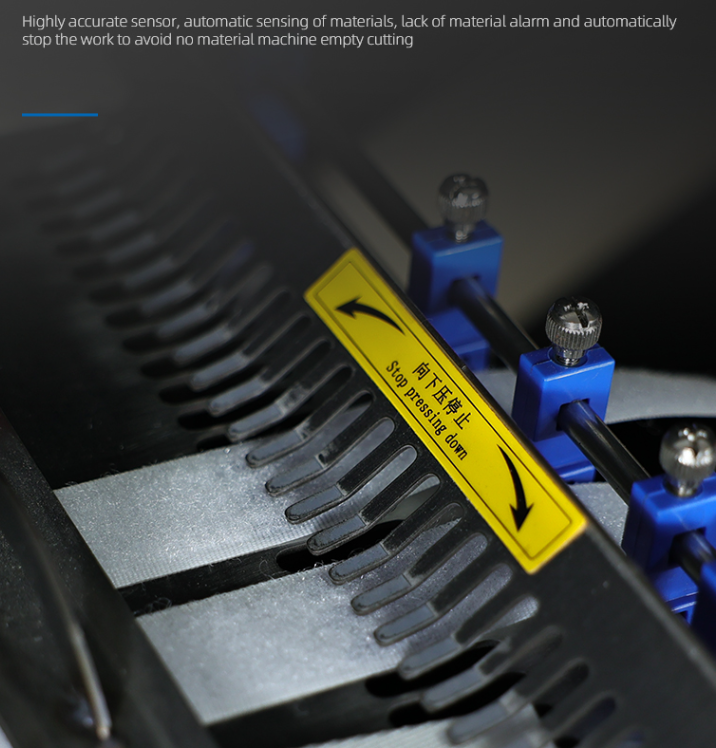
Dive Deeper: Productivity Has the Biggest Impact on ROI
Many buyers focus on saving a few hundred dollars when purchasing equipment.
However, production efficiency usually has a much greater impact on profitability.
Imagine two machines.
Machine A costs less but produces only 40 cuts per minute.
Machine B costs more but produces 80 cuts per minute while requiring less operator intervention.
Productivity Comparison
| Factor | Basic Machine | Industrial Machine |
|---|---|---|
| Cutting speed | Lower | Higher |
| Labor requirement | Higher | Lower |
| Downtime | More frequent | Less frequent |
| Production capacity | Lower | Higher |
| Long-term ROI | Moderate | Better |
If labor costs are high, the more productive machine often pays for itself much faster.
The same applies to factories producing safety harnesses, automotive webbing, luggage straps, military products, or industrial lifting slings.
Higher productivity lowers the cost per finished part4.
How to Choose the Right Budget
I usually recommend matching the budget to production requirements.
| Production Scale | Recommended Budget |
|---|---|
| Small workshop | $400–800 |
| Medium factory | $1,000–2,000 |
| Large industrial production | $1,500–3,000+ |
Instead of asking only, "What is the cheapest machine?", ask:
- What materials will I cut?
- How many pieces will I produce each day?
- Do I need hot knife sealing?
- Do I need automatic angle cutting?
- Will production increase next year?
These questions help determine the most cost-effective investment.
Tips for Reducing Total Operating Costs
To maximize your return on investment, I recommend:
- Buy the correct machine size.
- Use high-quality blades.
- Perform preventive maintenance.
- Replace worn parts before failure.
- Train operators properly.
- Keep spare parts in stock.
- Choose a supplier with reliable technical support.
- Request multiple quotations before purchasing.
Good maintenance and proper machine selection often save more money than choosing the lowest purchase price5.
Conclusion
The cost of an automatic webbing angle cutting machine can range from approximately USD 400–700 for entry-level bench-top models to USD 1,500–3,000 or more for heavy-duty industrial systems with automatic angle cutting, hot knife sealing, and advanced automation.
Machine price is influenced by cutting width, production capacity, hot and cold cutting capability, multi-angle functions, machine construction, automation level, and supplier support. Operating costs depend on factors such as blade replacement, maintenance, electricity, spare parts, and overall production efficiency.
When evaluating equipment, it is important to look beyond the initial purchase price. A well-built industrial machine with reliable components, higher productivity, and strong after-sales support often delivers a much lower cost per finished part and a faster return on investment over its service life.
HAOXINHE Insights
At HAOXINHE, I believe that choosing the right machine is about long-term value rather than simply finding the lowest price. Our equipment is designed to deliver reliable performance, stable cutting accuracy, and low operating costs for manufacturers that depend on consistent production.
Our product portfolio includes:
- Automatic webbing angle cutting machine
- Webbing ribbon cutting machine
- Hot and cold cutting machine
- High-speed trademark cutting machine
- Automatic punching cutting machine
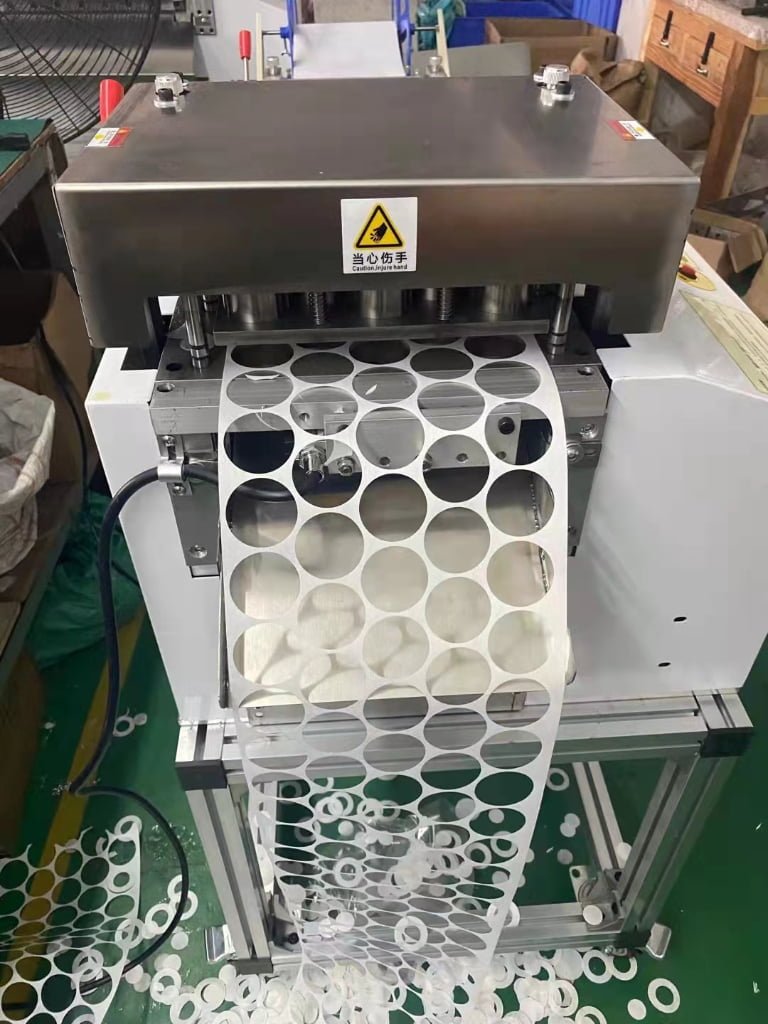
- Round shape cutting machine
- Rotary bevel cutting machine
- Different shapes cutting machine
- Computer tube cutting machine
- Wire cutting and stripping machine
- Metal pipe cutting and beveling machine
- Bubble wrap cutting machine
- PVC Edge Banding cutting machine
- Protective Foam Cutting Machine
We work closely with customers to recommend the most suitable configuration based on material type, cutting width, production volume, and automation requirements. By balancing machine capability with operating efficiency, HAOXINHE helps manufacturers achieve lower lifetime costs, higher productivity, and a stronger return on investment.
-
"Heavy Duty Automatic Hot Knife Webbing Cutting Machine", https://www.cowboysew.com/hot-webbing-cutting-machine.htm. Market research reports or industry publications often provide price ranges for entry-level and industrial webbing angle cutting machines, but regional variations and specific configurations may affect these estimates. Evidence role: statistic; source type: research. Supports: Supports the price range of entry-level and industrial webbing angle cutting machines.. Scope note: Prices may vary significantly based on geographic location and machine specifications. ↩
-
"Automatic Webbing Angle Cutting Machine vs Manual Cutting …", https://cutopix.com/automatic-webbing-angle-cutting-machine-vs-manual-cutting-machine-what-are-the-differences/. Research articles or industry analyses often outline how features like automation level, certifications, and construction quality affect machine pricing. Evidence role: mechanism; source type: research. Supports: Supports the claim that various technical and support factors influence the price of webbing angle cutting machines.. Scope note: The relative importance of each factor may vary by manufacturer and market segment. ↩
-
"The Importance of Reliability and Maintainability in …", https://rmc.utk.edu/the-importance-of-reliability-and-maintainability-in-manufacturing/. Educational resources or industry case studies often discuss the financial and operational impact of downtime in multi-shift manufacturing environments. Evidence role: general_support; source type: education. Supports: Supports the claim that frequent downtime is costly for factories operating multiple shifts.. Scope note: The specific cost of downtime may depend on the industry and production scale. ↩
-
"[PDF] Productivity, Prices and Productivity in Manufacturing: a Demsetzian …", https://chicagounbound.uchicago.edu/cgi/viewcontent.cgi?article=2637&context=law_and_economics. Educational resources or industry case studies often discuss the relationship between productivity and cost efficiency in manufacturing. Evidence role: general_support; source type: education. Supports: Supports the claim that higher productivity reduces the cost per finished part.. Scope note: The impact may vary depending on labor costs and production scale. ↩
-
"Understanding the impact of maintenance and reliability on ROI", https://www.manufacturingdive.com/news/understand-impact-maintenace-reliability-roi-op-ed-abs-group/719326/. Educational resources or industry analyses often highlight the cost-saving benefits of good maintenance and appropriate machine selection. Evidence role: general_support; source type: education. Supports: Supports the claim that maintenance and proper machine selection reduce long-term costs.. Scope note: The extent of savings may vary based on machine type and operational practices. ↩