How to Reduce Material Waste When Using an Automatic Webbing Angle Cutting Machine?
Material waste directly affects manufacturing costs. Even small improvements in material utilization can save thousands of dollars each year, especially for factories processing large volumes of nylon webbing, polyester straps, safety belts, and industrial tapes.
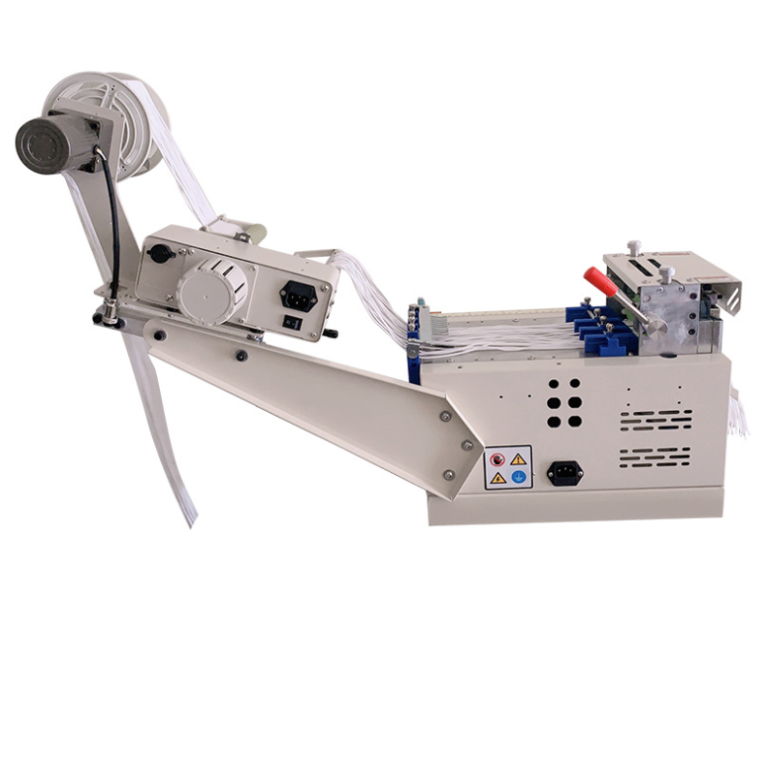
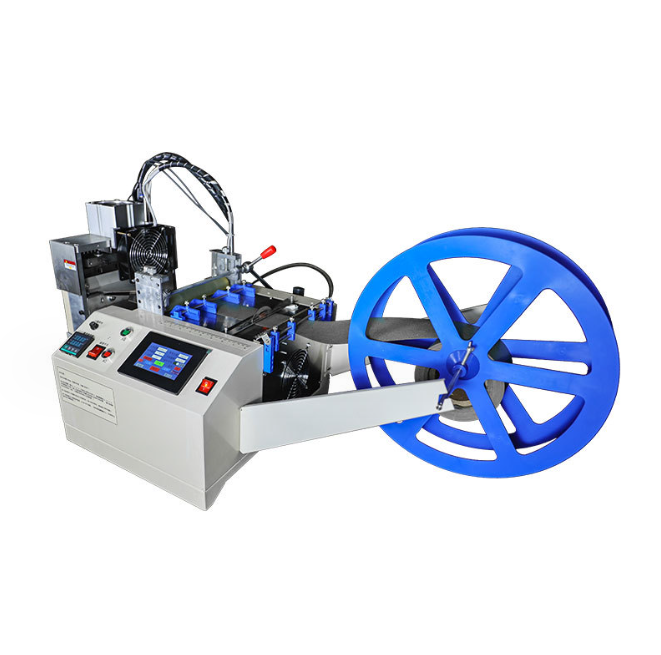
An automatic webbing angle cutting machine already reduces waste compared with manual cutting because it provides consistent length control and repeatable angle accuracy. However, achieving the lowest possible scrap rate requires more than simply using an automatic machine. Proper programming, machine calibration, production planning, and operator practices all play important roles1.
In this guide, I will explain the best methods for reducing material waste and identify the programming techniques that improve material utilization the most.
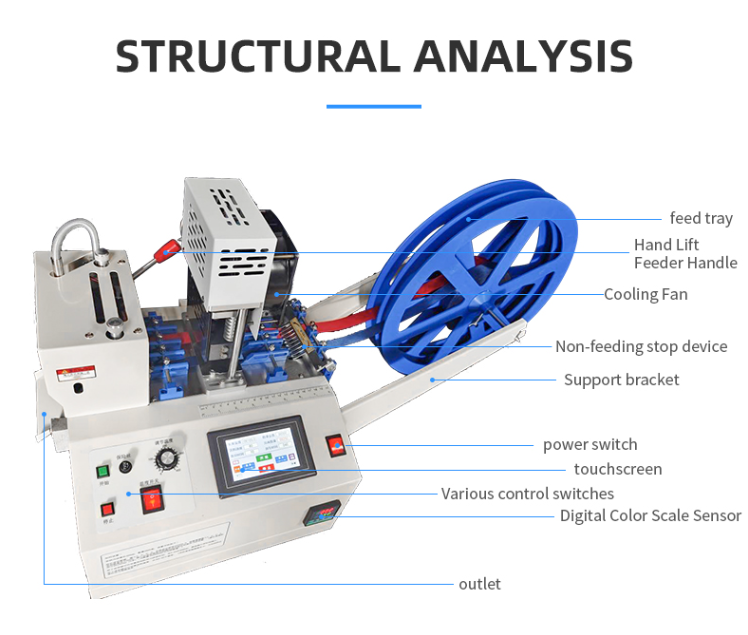
Which Programming Methods Improve Material Utilization?
The most effective programming methods include entering precise cutting lengths, saving angle presets, storing production recipes, optimizing batch layouts, grouping similar materials together, and using intelligent automation features that minimize setup adjustments. Combined with accurate calibration and stable feeding, these methods significantly reduce scrap while improving production efficiency.
Material savings are achieved by preventing mistakes before they happen rather than correcting them afterward.
Why Material Waste Happens
Many factories assume waste comes only from defective materials.
In reality, most scrap is created during production.
Common causes include:
- Incorrect cutting length
- Wrong cutting angle
- Burnt edges
- Feeding errors
- Setup mistakes
- Frequent product changes
- Operator errors
Reducing these problems immediately improves material utilization.
Program Exact Cutting Lengths
Modern automatic webbing angle cutting machines allow operators to enter precise cutting lengths directly into the PLC controller.
Instead of estimating dimensions manually, the machine feeds the exact programmed length every cycle.
Benefits include:
- Less overcutting
- Better consistency
- Lower scrap
- Higher repeatability
| Programming Method | Material Utilization |
|---|---|
| Manual estimation | Lower |
| Digital length programming | Much higher |
Accurate programming is the foundation of waste reduction.
Save Standard Angle Presets
Changing between different products often creates unnecessary test cuts2.
Instead of entering angles manually every time, save commonly used settings such as:
- 0°
- 30°
- 45°
- Double-angle cuts
Using stored presets allows operators to switch products quickly while avoiding repeated trial-and-error adjustments.
This saves both production time and material.
Dive Deeper: Optimize Hot-Knife Temperature to Prevent Scrap
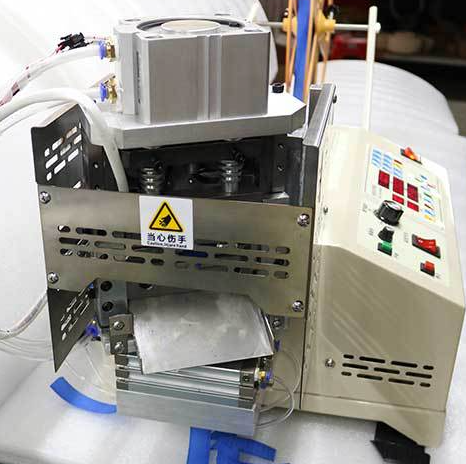
One of the easiest ways to waste expensive webbing is overheating.
If the hot knife operates above the ideal sealing temperature:
- Edges become burnt.
- Material becomes brittle.
- Finished parts fail inspection.
If the temperature is too low:
- Edges fray.
- Products require rework.
The objective is to use the lowest temperature that consistently seals the edge.
Hot-Knife Optimization
| Setting | Result |
|---|---|
| Temperature too low | Unsealed edges |
| Optimal temperature | Clean sealed edges |
| Temperature too high | Burnt scrap |
Temperature should also match:
- Material type
- Thickness
- Production speed
Whenever a new material batch arrives, perform several test cuts before beginning full production.
A few minutes of testing can prevent hundreds of defective parts later.
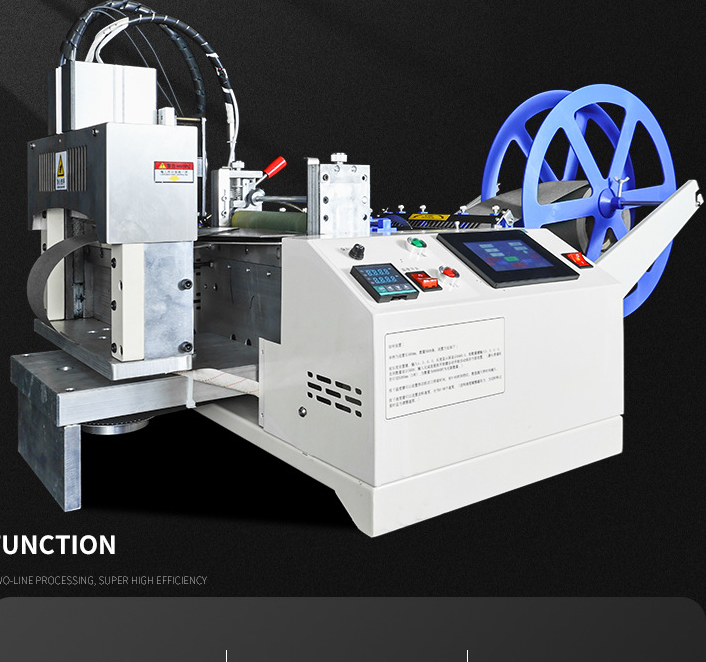
Standardize Materials During Production
Frequent material changes require operators to repeatedly adjust3:
- Temperature
- Feed pressure
- Cutting speed
- Angle
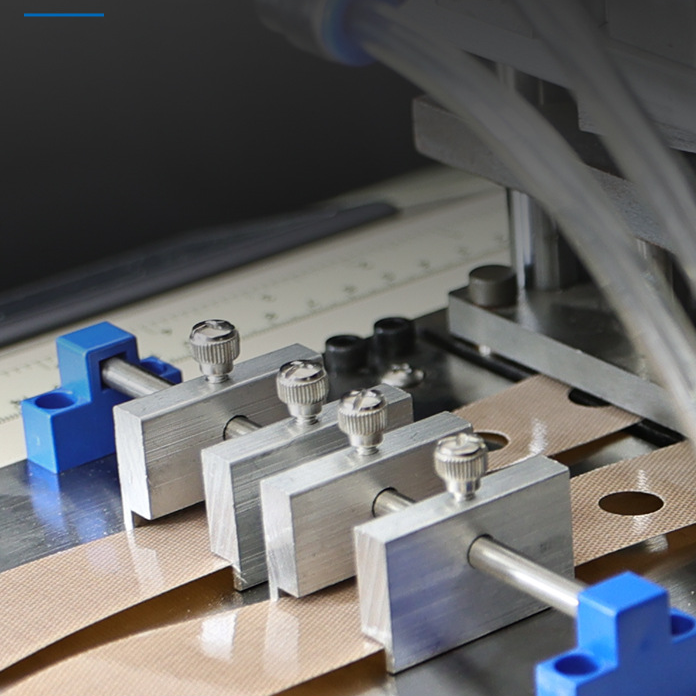
- Blade position
Every adjustment creates the possibility of additional scrap.
Instead, organize production by grouping similar materials.
Examples include:
| Production Group | Similar Materials |
|---|---|
| Group 1 | Nylon webbings |
| Group 2 | Polyester straps |
| Group 3 | Cotton tapes |
| Group 4 | Heavy-duty technical webbings |
Longer production runs with similar materials reduce setup waste.
Plan Cutting Layouts Carefully
Production planning also affects material utilization.
Whenever possible:
- Combine similar orders.
- Minimize leftover roll ends.
- Reduce unnecessary short off-cuts.
Good planning increases the percentage of usable material from every webbing roll.
Even small improvements become significant over thousands of production cycles.
Calibration Prevents Systematic Waste
Some factories lose material every day without realizing it.
If the machine consistently cuts only 0.5 mm longer than programmed, thousands of parts may consume several extra meters of webbing every production shift.
Proper calibration prevents these hidden losses4.
Calibration Checklist
| Inspection Item | Purpose |
|---|---|
| Feed rollers | Accurate feeding |
| Length sensor | Correct measurements |
| Encoder | Stable positioning |
| Blade alignment | Precise cutting |
| Angle verification | Consistent geometry |
Accurate calibration not only improves quality but also reduces unnecessary material consumption.
This is especially important for high-volume production.
Multi-Lane Cutting Improves Material Utilization
Some industrial webbing ribbon cutting machines support multi-lane cutting.
Instead of processing one strip at a time, multiple webbings are cut simultaneously.
Benefits include:
- Better use of machine width
- Higher productivity
- Lower trim loss
This approach is particularly useful for narrow webbings.
Automatic Marking Reduces Rework
Some advanced machines combine:
- Cutting
- Marking
- Position indicators
Adding sewing marks or fold lines during cutting helps downstream operators assemble products correctly5.
Fewer assembly mistakes mean fewer rejected products.
Less rework also reduces unnecessary material consumption.
Dive Deeper: Operator Training Has a Major Impact on Waste
Even the most advanced automatic webbing angle cutting machine depends on skilled operators.
Simple inspection routines help detect
-
"Managing and Reducing Wastes: A Guide for Commercial …", https://www.epa.gov/smm/managing-and-reducing-wastes-guide-commercial-buildings. Educational resources on manufacturing efficiency emphasize that proper machine setup, planning, and skilled operation are key to minimizing waste. Evidence role: general_support; source type: education. Supports: Programming, calibration, production planning, and operator practices are critical for reducing material waste.. Scope note: The effectiveness of these practices may depend on the specific manufacturing context. ↩
-
"Transforming Manufacturing Waste into Profit – Baker Library", https://www.library.hbs.edu/working-knowledge/transforming-manufacturing-waste-into-profit. Studies on manufacturing efficiency indicate that frequent product changes can lead to increased test cuts and material waste. Evidence role: general_support; source type: research. Supports: Product changes in manufacturing often result in test cuts, contributing to material waste.. Scope note: The extent of waste may vary depending on the machine and operator experience. ↩
-
"Effects of UV radiation on natural and synthetic materials – PMC", https://pmc.ncbi.nlm.nih.gov/articles/PMC10088630/. Educational resources on industrial cutting processes explain that material changes often require multiple machine adjustments to maintain quality. Evidence role: mechanism; source type: education. Supports: Frequent material changes necessitate adjustments to machine settings such as temperature, feed pressure, and cutting speed.. Scope note: The specific adjustments needed may vary depending on the machine and material properties. ↩
-
"How Calibration Impacts Quality Assurance", https://allanchem.com/calibration-impacts-quality-assurance/. Educational materials on industrial machine maintenance emphasize that accurate calibration reduces waste and improves efficiency. Evidence role: general_support; source type: education. Supports: Proper calibration of cutting machines prevents hidden material losses.. Scope note: The extent of waste reduction may vary depending on the machine and production context. ↩
-
"Effect of Cutting Conditions on Roughness and Cutting Force When …", https://pmc.ncbi.nlm.nih.gov/articles/PMC12985697/. Research on integrated cutting and marking systems indicates that pre-applied marks improve downstream assembly accuracy. Evidence role: general_support; source type: research. Supports: Adding sewing marks or fold lines during cutting reduces assembly errors and improves product quality.. Scope note: The effectiveness of marking systems may depend on operator training and marking precision. ↩