Rotary Knife vs Guillotine Knife Roll to Sheet Cutting Machine: Which Cutting Method Is Better?
When buyers compare roll-to-sheet cutting machines, they often focus on speed, automation, and cutting width. However, one of the most important factors is often overlooked: the knife system.
The cutting method directly affects production speed, material compatibility, edge quality, maintenance requirements, and long-term operating costs.
In modern converting operations, the two most common cutting technologies are rotary knife systems and guillotine knife systems. Both methods can produce high-quality sheets, but they work in very different ways and are designed for different applications.
I have worked with paper converters, packaging manufacturers, film processors, foam producers, and label manufacturers for more than 20 years. One question I hear frequently is whether a rotary knife machine is always better than a guillotine knife machine. The answer is not that simple.
The best choice depends on the material being processed, production volume, quality requirements, and workflow design.
In this guide, I will compare rotary knife and guillotine knife roll-to-sheet cutting machines and explain which cutting method delivers the best results for different industrial applications.
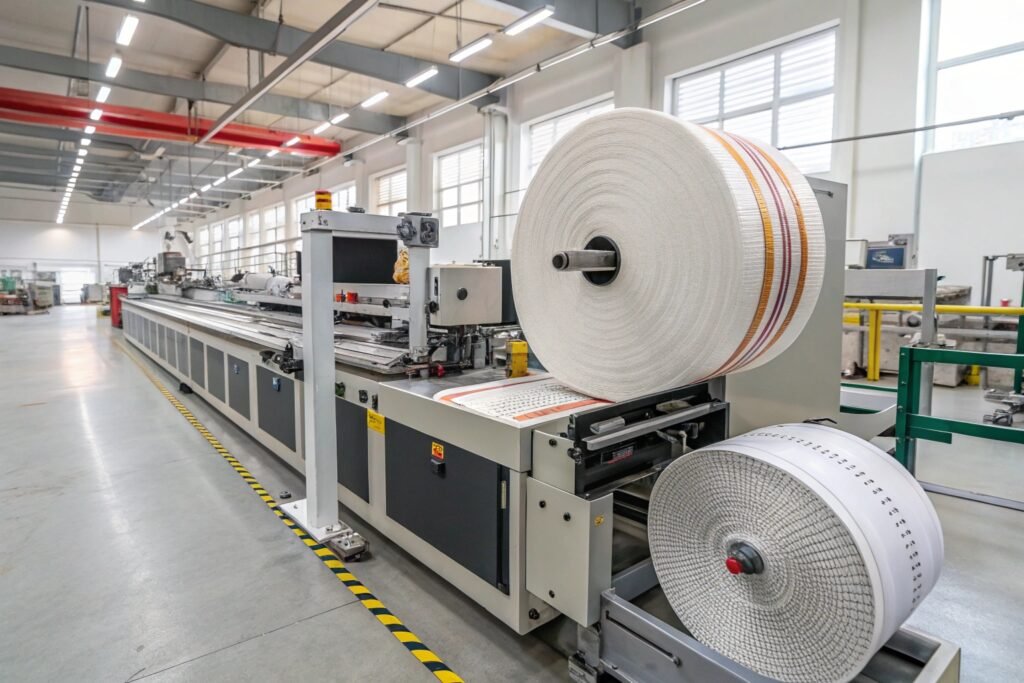
How Do Different Knife Systems Affect Material Compatibility and Output Quality?
Rotary knife systems are generally better for high-speed continuous roll processing, flexible materials, and thin substrates. Guillotine knife systems are often better for thicker materials, heavier board, and applications requiring stack cutting. The ideal choice depends on material characteristics, production speed requirements, and desired output quality.
Quick Comparison Overview
| Feature | Rotary Knife | Guillotine Knife |
|---|---|---|
| Cutting Motion | Continuous Rotation | Up-and-Down Stroke |
| Production Speed | High | Moderate |
| Flexible Materials | Excellent | |
| Thick Materials | Moderate | |
| Continuous Roll Processing | Excellent | |
| Stack Cutting | Limited | |
| Edge Quality on Thin Materials | Excellent | |
| Machine Footprint | Smaller | |
| Operator Safety | Higher | |
| Heavy Board Applications | Moderate | Excellent |
For most roll-to-sheet converting applications, rotary systems dominate because they support continuous production.
However, guillotine systems still offer important advantages in certain applications.
How Rotary Knife Systems Work
A rotary knife system uses a continuously rotating blade that cuts material while the web is moving.
The cutting process is smooth and continuous.
Unlike a guillotine knife, the material does not need to stop for every cut.
Rotary Cutting Process
Continuous Material Feeding
The web moves continuously through the machine.
Synchronized Blade Rotation
The knife rotates at a controlled speed.
Continuous Cutting Action
The blade cuts without interrupting material flow.
Advantages of Rotary Operation
| Advantage | Benefit |
|---|---|
| Continuous Motion | Higher Throughput |
| Smooth Cutting Action | Better Edge Quality |
| Reduced Vibration | Improved Accuracy |
| Faster Production | Greater Efficiency |
This design makes rotary systems highly attractive for high-volume manufacturing.
How Guillotine Knife Systems Work
A guillotine knife uses a vertical cutting action.
The blade moves downward through the material to complete each cut.
This cutting style resembles traditional paper cutters used in printing and finishing operations.
Guillotine Cutting Process
Material Positioning
The material stops at the target length.
Vertical Blade Movement
The knife descends through the material.
Sheet Separation
The cut is completed before feeding resumes.
Advantages of Guillotine Systems
| Advantage | Benefit |
|---|---|
| Strong Cutting Force | Handles Thick Materials |
| Clean Stack Cutting | Multiple Sheets at Once |
| Simple Design | Proven Reliability |
| Good for Board Materials | Better Thickness Capacity |
For thick materials, guillotine systems often outperform rotary knives.
Why Rotary Knives Dominate High-Speed Roll-to-Sheet Production
Speed is one of the biggest reasons manufacturers choose rotary knife technology.
Because the blade rotates continuously, production can continue without frequent stops.
Productivity Comparison
| Factor | Rotary Knife | Guillotine Knife |
|---|---|---|
| Material Flow | Continuous | Intermittent |
| Maximum Throughput | Higher | Lower |
| Production Efficiency | Excellent | Good |
| High-Speed Applications | Ideal | Limited |
Why Continuous Motion Matters
Less Start-Stop Movement
Reduces mechanical stress.
Higher Production Capacity
More sheets per hour.
Better Workflow Stability
Material movement remains consistent.
For converters producing thousands of sheets daily, these benefits become extremely valuable.
Material Compatibility: Which Knife Handles Different Materials Better?
Material type is often the most important factor when selecting a knife system.
Rotary Knife Performance
Rotary systems perform exceptionally well with:
- Paper Rolls
- Labels
- Plastic Films
- PET Film
- PE Film
- Nonwoven Fabrics
- Packaging Materials
- Webbing Materials
Guillotine Knife Performance
Guillotine systems perform better with:
- Heavy Board
- Thick Cardboard
- Multi-Layer Sheets
- Stack Cutting Applications
- Rigid Materials
Material Compatibility Table
| Material Type | Rotary Knife | Guillotine Knife |
|---|---|---|
| Printing Paper | Excellent | Good |
| Film Materials | Excellent | Fair |
| Labels | Excellent | Good |
| Cardboard | Good | Excellent |
| Thick Board | Fair | Excellent |
| Flexible Materials | Excellent | Good |
This is one reason rotary systems dominate the flexible packaging industry.
Edge Quality Comparison
Many buyers focus on speed but forget that cut quality affects downstream operations.
Poor edges can create problems during printing, laminating, packaging, and converting.
Rotary Knife Edge Quality
Because rotary knives use a rolling cutting action, they often create smoother edges on flexible materials.
Guillotine Knife Edge Quality
Guillotine systems can also produce excellent cuts, especially on thicker materials.
Edge Quality Comparison
| Quality Factor | Rotary Knife | Guillotine Knife |
|---|---|---|
| Thin Film Edges | Excellent | Good |
| Paper Edges | Excellent | Excellent |
| Thick Board Edges | Good | Excellent |
| Burr Reduction | Better | Good |
For thin materials, rotary knives often provide superior results.
Precision and Length Control
Modern converting operations require highly accurate sheet lengths.
Both systems can achieve excellent precision when properly designed.
However, rotary systems often provide advantages during continuous production.
Why Rotary Systems Excel
Stable Material Flow
Continuous feeding improves consistency.
Reduced Shock Loading
Less machine vibration.
Better Synchronization
Blade and web movement remain coordinated.
Accuracy Comparison
| Precision Factor | Rotary Knife | Guillotine Knife |
|---|---|---|
| Long Runs | Excellent | |
| High-Speed Accuracy | Excellent | |
| Short Batch Work | Good | |
| Continuous Production | Excellent |
For long production runs, rotary systems generally maintain more consistent performance.
Safety Considerations
Safety is becoming increasingly important in modern factories.
Rotary Knife Safety Benefits
Enclosed Blade Systems
Operators have limited blade exposure.
Guided Cutting Mechanisms
Reduced accidental contact.
Automated Operation
Less operator intervention.
Guillotine Safety Challenges
The chopping motion of a guillotine knife creates greater exposure risk if safety systems are inadequate.
Safety Comparison
| Safety Factor | Rotary Knife | Guillotine Knife |
|---|---|---|
| Blade Exposure | Lower | |
| Operator Contact Risk | Lower | |
| Automated Operation | Better | |
| Industrial Safety | Higher |
For high-frequency industrial use, rotary systems are often considered safer.
Machine Footprint and Installation
Factory floor space has become increasingly valuable.
Rotary Knife Advantages
Rotary systems often have a more compact design.
This makes them easier to integrate into automated production lines.
Footprint Comparison
| Installation Factor | Rotary Knife | Guillotine Knife |
|---|---|---|
| Space Requirement | Lower | |
| Integration Ease | Higher | |
| Mobility | Better | |
| Production Line Compatibility | Excellent |
For facilities with limited space, compact machine design can be an important advantage.
Which Knife System Is Better for Your Production Line?
The answer depends on your application.
Choose a Rotary Knife If You Need:
- High-speed production
- Continuous roll processing
- Flexible materials
- Thin films
- Labels
- Packaging materials
- Automated production lines
Choose a Guillotine Knife If You Need:
- Thick board processing
- Heavy paper grades
- Stack cutting
- Short production runs
- Rigid materials
Decision Guide
| Production Requirement | Recommended System |
|---|---|
| Flexible Packaging | Rotary Knife |
| Label Converting | Rotary Knife |
| Film Processing | Rotary Knife |
| Paper Converting | Rotary Knife |
| Heavy Board Cutting | Guillotine Knife |
| Stack Cutting | Guillotine Knife |
For most modern roll-to-sheet converting applications, rotary knife technology provides the strongest combination of speed, precision, and efficiency.
Conclusion
Both rotary knife and guillotine knife roll-to-sheet cutting machines have important roles in industrial manufacturing.
Rotary knife systems excel in high-speed continuous production, flexible material processing, smoother edge quality, and automated converting workflows. Guillotine knife systems remain valuable for thick materials, heavy board, and stack cutting applications.
The best cutting method is not determined by the knife itself. It is determined by the material being processed, production volume, quality expectations, and workflow requirements.
For most paper, film, label, and packaging applications, rotary knife systems are typically the preferred solution because they offer higher productivity, better efficiency, and excellent cut quality.
Insights: Why HAOXINHE Focuses on Matching Knife Systems to Customer Applications
At HAOXINHE, we understand that selecting the correct knife system is one of the most important decisions when purchasing a cutting machine. Different materials require different cutting technologies, and choosing the wrong system can reduce productivity, increase waste, and create unnecessary maintenance costs.
Our engineering team helps customers evaluate material characteristics, production targets, and quality requirements before recommending a cutting solution.
HAOXINHE Product Portfolio
- Webbing Tape Cutting Machine
- Hot and Cold Cutting Machine
- High-Speed Trademark Cutting Machine
- Automatic Punching Cutting Machine
- Round Shape Cutting Machine
- Rotary Bevel Cutting Machine
- Different Shapes Cutting Machine
- Computer Tube Cutting Machine
- Wire Cutting and Stripping Machine
- Metal Pipe Cutting and Beveling Machine
- Webbing Ribbon Cutting Machine
- Bubble Wrap Cutting Machine
- PVC Edge Banding Cutting Machine
- Protective Foam Cutting Machine
HAOXINHE Equipment Advantages
| Feature | Customer Benefit |
|---|---|
| Rotary Cutting Technology | Higher Production Speed |
| Servo Feeding Systems | Better Accuracy |
| Multi-Material Compatibility | Greater Flexibility |
| Automatic Operation | Reduced Labor Costs |
| Durable Knife Systems | Longer Service Life |
| Custom Engineering Solutions | Better Application Fit |
My Experience Working with Cutting Machine Buyers for Over 20 Years
Over the past 20 years, I have helped customers process everything from thin PET film and label stock to thick foam materials, webbing products, and industrial paper. One of the most common mistakes I see is buyers assuming that one cutting technology is always better than another.
I remember working with a customer in the packaging industry who was convinced that a guillotine system would provide the best cutting quality because it looked more powerful. After reviewing the material, production speed requirements, and daily output targets, it became clear that a rotary knife system was the better choice. The customer needed continuous roll processing rather than stack cutting.
After installation, the production line achieved higher throughput, cleaner edges, and significantly lower labor requirements than originally expected. On the other hand, I have also worked with customers processing heavy board materials where a guillotine system was absolutely the right decision.
These experiences have taught me that successful machine selection is never about choosing the most popular technology. It is about understanding the material, production goals, and workflow. When those factors are evaluated correctly, the right knife system becomes much easier to identify, and the customer achieves better long-term results.