The Role of Bubble Wrap Cutting Machines in Furniture Manufacturing & Shipping
Furniture manufacturers face a constant challenge. They must protect large, heavy, and often fragile products during storage and transportation. A small scratch on a wooden table, a dent on a cabinet corner, or damage to upholstered furniture can lead to customer complaints, returns, and financial losses.
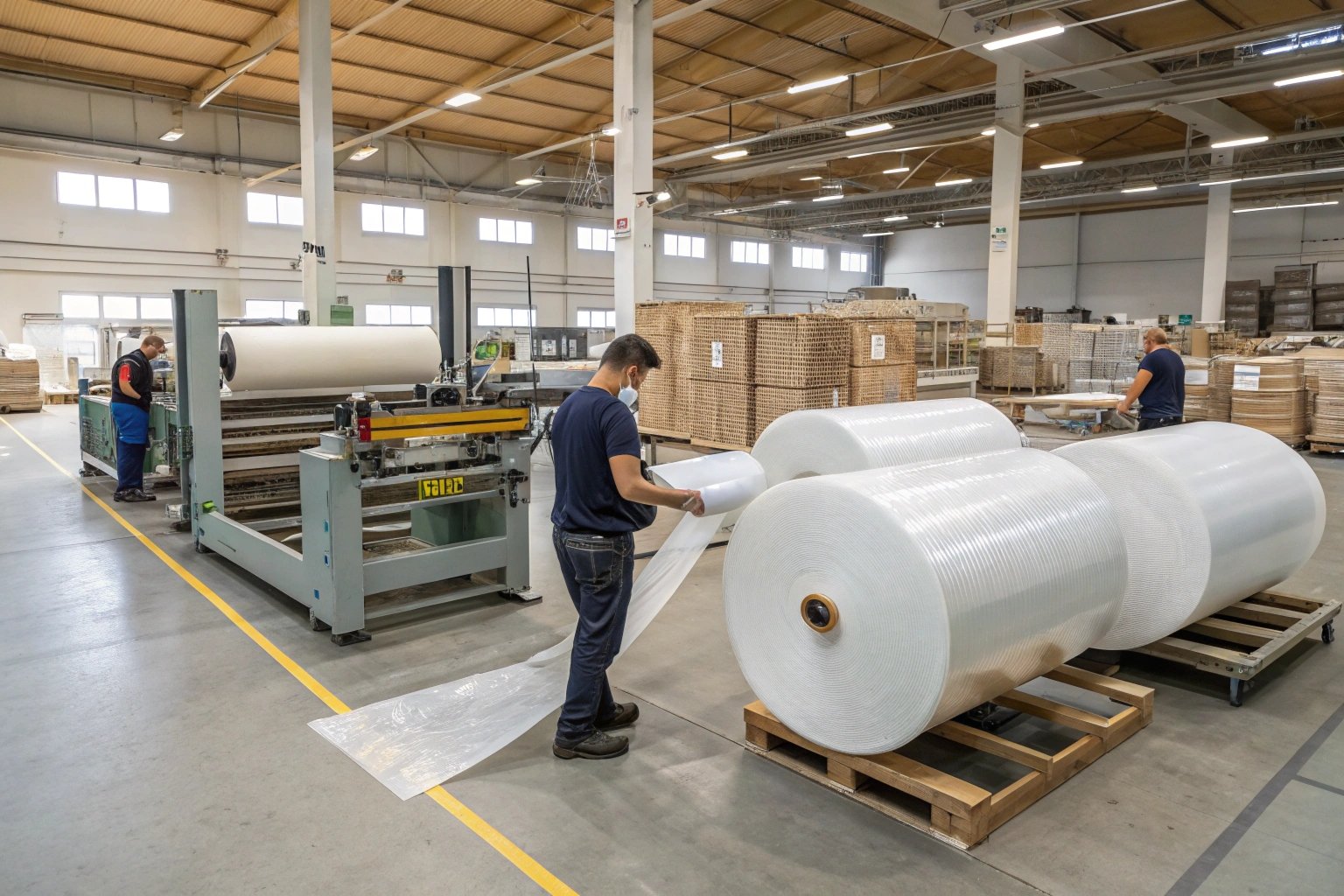
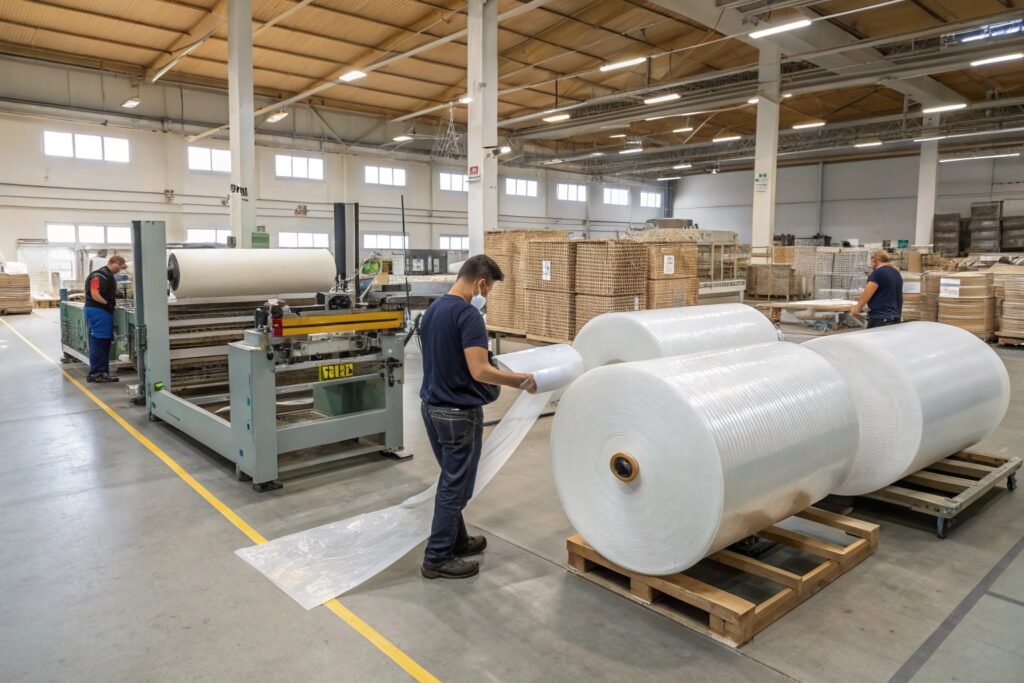
This is why protective packaging plays such an important role in modern furniture production and logistics. Among all packaging materials, bubble wrap remains one of the most widely used solutions1 because it provides lightweight cushioning, surface protection, and shock absorption.
However, manually cutting bubble wrap for different furniture sizes often creates waste2, slows packing operations, and leads to inconsistent packaging quality. This is where a Bubble Wrap Cutting Machine becomes valuable.
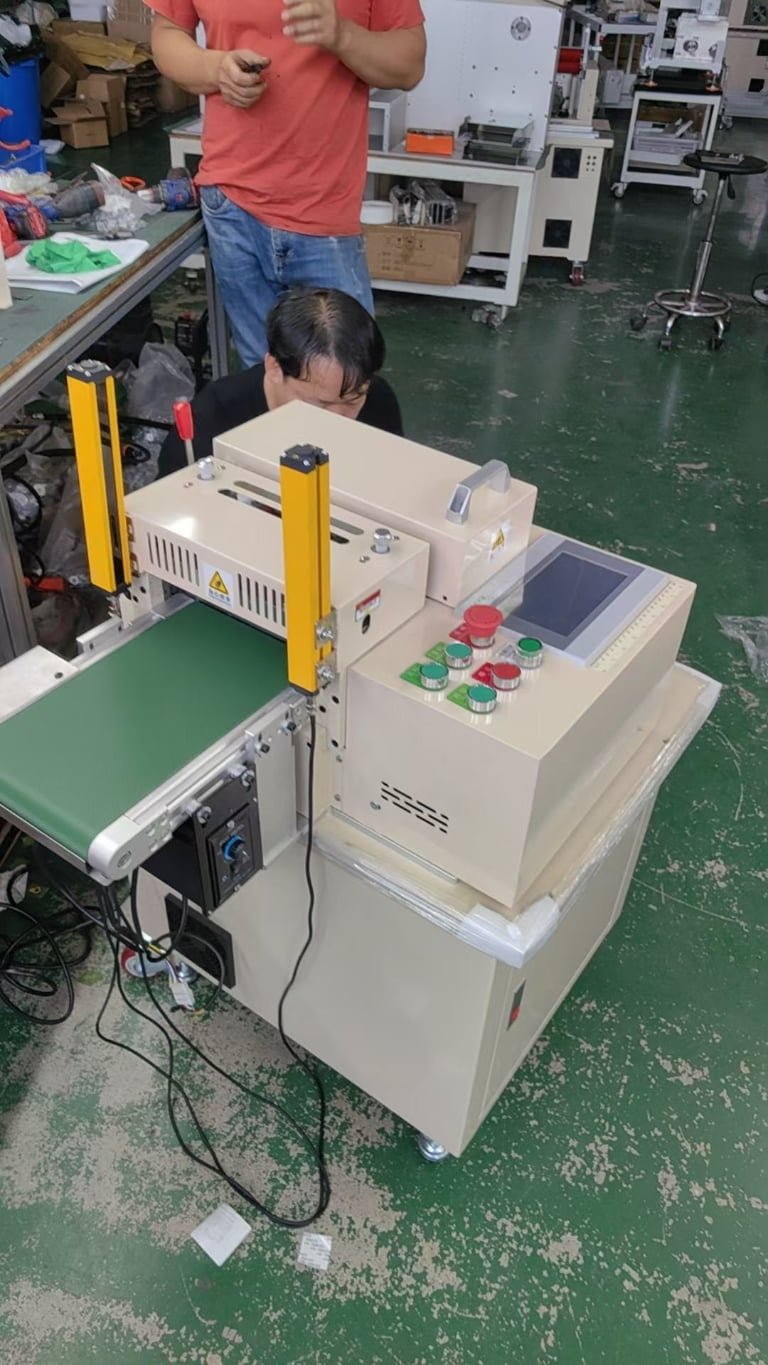
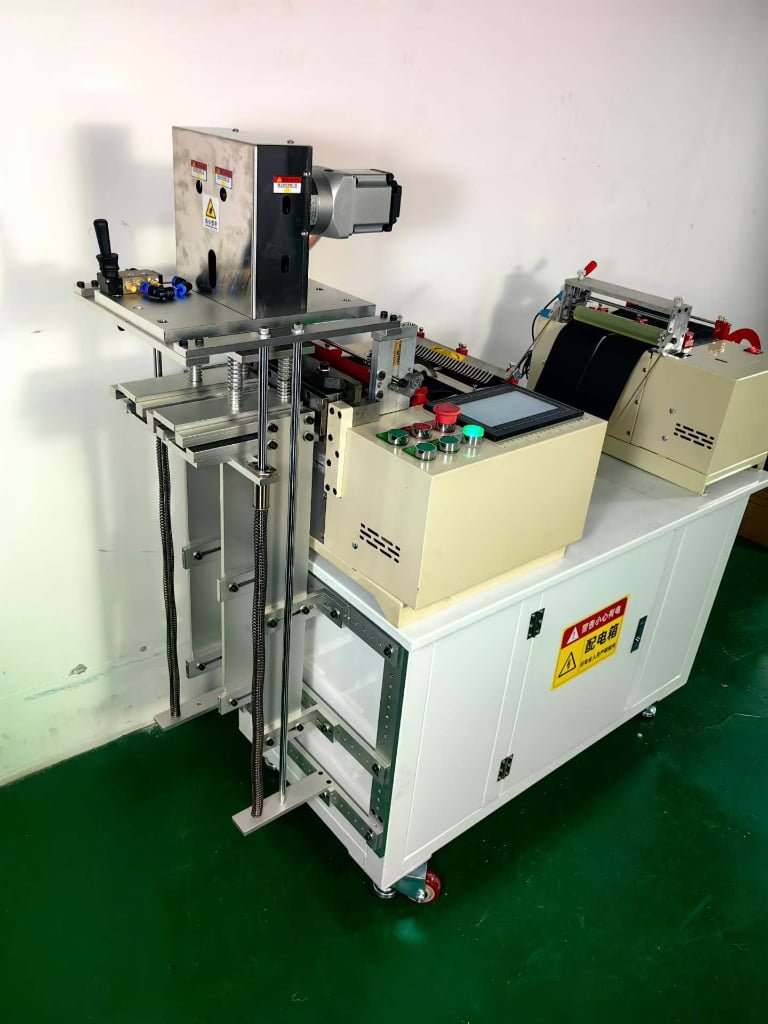
A modern Bubble Wrap Cutting Machine helps furniture manufacturers cut protective materials faster, more accurately, and with less waste. It allows packing teams to produce customized bubble wrap sheets and strips that fit specific furniture components while improving workflow efficiency.
- A Bubble Wrap Cutting Machine enables furniture manufacturers to create precise protective packaging for sofas, chairs, cabinets, tables, and other large products while improving efficiency and consistency.
- Automated cutting reduces labor costs, material waste, and packaging errors by delivering accurate bubble wrap strips and sheets tailored to specific furniture dimensions.
- Wide-width cutting systems and servo-controlled length adjustment provide better protection for large wooden panels, delicate surfaces, and vulnerable furniture components.
- When integrated with stretch film and foam packaging processes, automated cutting supports faster logistics operations and stronger product protection during transportation.
- By standardizing packaging workflows, reducing material consumption, and increasing throughput, Bubble Wrap Cutting Machines have become an essential solution for modern furniture manufacturing and shipping operations.
Why Bubble Wrap Matters in Furniture Packaging
Furniture products are different from many consumer goods. They are often:
- Large and bulky
- Heavy and difficult to handle
- Vulnerable to scratches
- Prone to corner damage
- Expensive to replace
A dining table may require edge protection. A sofa may need leg wrapping. A cabinet may need complete surface coverage. Because every product has different dimensions, packaging materials must often be customized.
Bubble wrap provides:
| Protection Function | Benefit |
|---|---|
| Impact absorption | Reduces damage during transport |
| Surface protection | Prevents scratches and abrasion |
| Corner cushioning | Protects vulnerable edges |
| Lightweight design | Adds protection without significant weight |
| Flexible coverage | Fits irregular furniture shapes |
When furniture manufacturers use a Bubble Wrap Cutting Machine, they can create precise protective pieces instead of relying on manual cutting.
How to Cut Long Continuous Bubble Strips for Wrapping Sofa and Chair Legs?
One of the most common furniture packaging tasks involves wrapping sofa legs, chair legs, table supports, and narrow structural components.
Manual cutting creates several problems:
- Inconsistent strip lengths
- Slow production speed
- Material waste
- Worker fatigue
- Uneven packaging quality
A Bubble Wrap Cutting Machine solves these issues by feeding bubble wrap rolls automatically and cutting continuous strips at programmed lengths.
Benefits of Continuous Strip Cutting
| Traditional Manual Cutting | Automated Bubble Wrap Cutting |
|---|---|
| Variable strip length | Consistent strip length |
| High labor involvement | Minimal operator input |
| Slow processing | High-speed cutting |
| More waste | Optimized material usage |
| Operator dependent | Repeatable results |
Typical Furniture Applications
Sofa Legs
Most furniture factories package hundreds of sofas each day. Every sofa may have four to eight exposed legs.
A programmed Bubble Wrap Cutting Machine can automatically produce strips sized specifically for each leg dimension.
Chair Legs
Dining chairs often require individual protection to prevent scuffing during stacking and transportation.
Pre-cut bubble wrap strips improve packaging consistency and speed.
Metal Furniture Frames
Metal furniture can scratch painted surfaces during shipment.
Continuous bubble wrap strips provide a protective barrier while maintaining packing efficiency.
Dive Deeper: Why Consistent Strip Length Matters
Many furniture manufacturers focus on the furniture itself but overlook the packaging process. In reality, packaging consistency directly affects shipping quality3. When workers manually estimate bubble wrap lengths, some pieces become too short while others become excessively long. Both situations create problems.
Short pieces may leave furniture parts exposed. Long pieces increase packaging costs and create unnecessary waste. Over time, even small variations can consume thousands of square meters of excess bubble wrap every year.
A Bubble Wrap Cutting Machine eliminates this variation. Operators can program exact cut lengths based on specific furniture models. Every sofa leg receives the same amount of protection. Every chair frame receives identical wrapping coverage.
This standardization becomes even more important for large-scale exporters. When shipping containers contain hundreds of furniture units, consistent packaging improves stacking efficiency and reduces movement during transport. Uniform protective materials create predictable packaging dimensions, making warehouse operations easier and reducing packing errors.
Many furniture companies also use integrated cutting equipment such as Webbing Ribbon Cutting Machine, Automatic Punching Cutting Machine, and Different Shapes Cutting Machine systems to prepare additional packaging materials alongside bubble wrap. These automated workflows help maintain consistent packaging standards throughout the entire production line.
What Cutter Configurations Are Best for Wide Wooden Panel Protection?
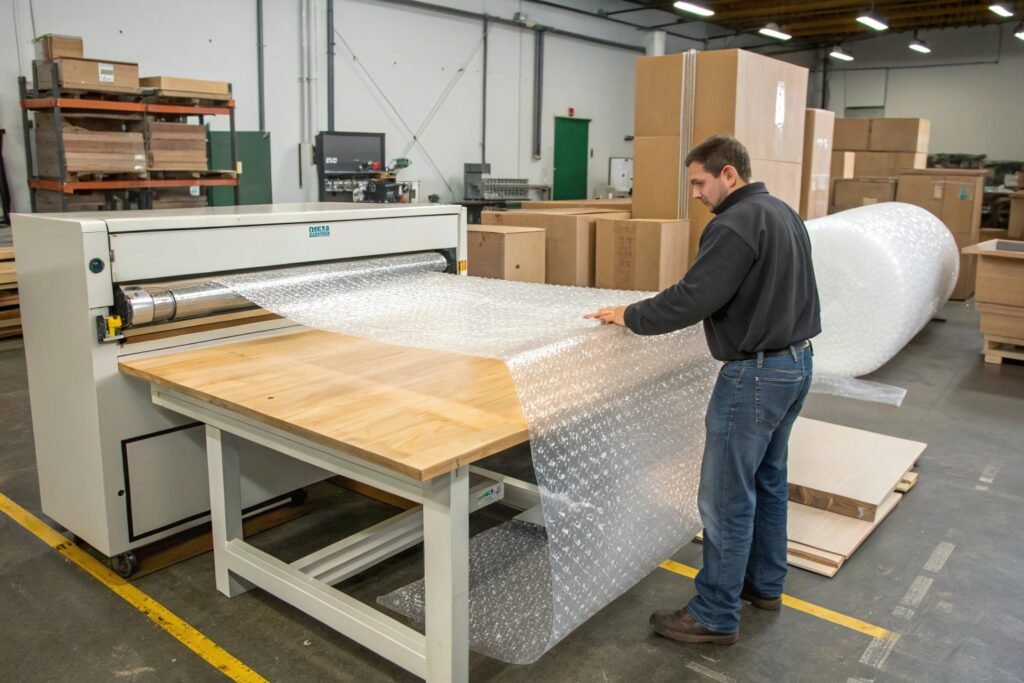
Large wooden surfaces require a different cutting approach.
Examples include:
- Dining table tops
- Cabinet doors
- Wardrobe panels
- Shelving systems
- Office furniture surfaces
These components often require wide-area cushioning rather than narrow strips.
Recommended Machine Configurations
| Configuration | Best Application |
|---|---|
| Wide-width cutting system | Large furniture panels |
| Servo length control | Precise sheet sizing |
| Automatic feeding | High-volume production |
| Hot knife cutting | Clean edge finishing |
| Roll-to-sheet conversion | Surface protection sheets |
Wide Sheet Protection Advantages
Wide bubble wrap sheets provide:
- Faster packaging
- Better surface coverage
- Reduced overlap
- Lower material consumption
- Improved appearance
Dive Deeper: Choosing the Right Width Capacity
Furniture manufacturers often underestimate the impact of cutting width. A machine designed for narrow strips may work well for chair legs but struggle with large dining tables or wardrobe doors.
Wide-panel furniture requires bubble wrap sheets that cover broad surfaces without excessive seams. Multiple overlapping pieces increase labor time and can create pressure points during transportation.
A properly configured Bubble Wrap Cutting Machine with wide-width feeding capability can convert large bubble wrap rolls into custom-sized sheets. This approach improves both productivity and protection quality.
The best configuration usually depends on furniture dimensions. Manufacturers producing kitchen cabinets or wardrobes often benefit from wider cutting systems. Companies focused on chairs and sofas may prioritize high-speed strip cutting instead.
Many advanced packaging operations combine bubble wrap cutting with other automated equipment such as Protective Foam Cutting Machine, PVC Edge Banding Cutting Machine, and Round Shape Cutting Machine solutions. This allows operators to prepare multiple protective materials from a centralized packaging workstation.
Another important factor is cut accuracy. Servo-controlled cutting systems maintain consistent sheet lengths, ensuring that every furniture panel receives uniform coverage. This reduces packaging variability and supports quality control initiatives across the production facility.
How to Combine Bubble Wrap and Stretch Film Cutting in Furniture Logistics?
Modern furniture packaging rarely relies on a single material.
Most logistics departments use:
- Bubble wrap
- Stretch film
- Foam protection
- Corner guards
- Cartons
- Pallets
Bubble wrap protects surfaces.
Stretch film secures the protective layers and stabilizes loads.
Combined Packaging Workflow
| Packaging Step | Material |
|---|---|
| Surface protection | Bubble wrap |
| Edge protection | Foam or corner guards |
| Unit stabilization | Stretch film |
| Shipping preparation | Cartons or pallets |
Integrated Cutting Solutions
Many furniture factories now integrate:
- Bubble Wrap Cutting Machine
- Protective Foam Cutting Machine
- Webbing Ribbon Cutting Machine
- Automatic Punching Cutting Machine
These systems allow operators to prepare multiple packaging materials from one workstation.
Dive Deeper: Why Multi-Material Packaging Works Better
Furniture logistics is becoming more complex because shipping distances continue to increase. Products may travel from manufacturing plants in China to distribution centers in Europe or North America. During this journey, furniture experiences vibration, stacking pressure, loading impacts, and environmental changes.
Bubble wrap alone protects surfaces but may not secure the package4. Stretch film alone stabilizes loads but provides little cushioning.
Combining both materials creates a stronger packaging system.
The process usually begins with bubble wrap sheets or strips cut by a Bubble Wrap Cutting Machine. Workers apply these pieces to vulnerable furniture areas. Stretch film then secures the protective layer around the product.
When both materials are cut accurately, packaging becomes faster and more consistent. Workers spend less time measuring materials and more time completing shipments.
Advanced furniture exporters often automate additional packaging processes using equipment such as High-Speed Trademark Cutting Machine, Rotary Bevel Cutting Machine, Computer Tube Cutting Machine, and Wire Cutting and Stripping Machine systems. While these machines serve different functions, they contribute to a fully automated packaging environment that improves operational efficiency.
The result is a packaging workflow that protects furniture more effectively while maintaining high throughput during peak shipping periods.
Can a Machine Help Reduce the Total Volume of Packaging Used for Furniture?
The answer is yes.
One of the largest hidden costs in furniture packaging is material overuse.
Workers often cut larger pieces than necessary because they want to avoid insufficient coverage.
This leads to:
- Higher packaging costs
- Increased waste
- Larger package dimensions
- Higher shipping expenses
How Cutting Automation Reduces Packaging Volume
| Improvement Area | Impact |
|---|---|
| Precise length control | Less material waste |
| Repeatable cutting | Standardized packaging |
| Better fitting protection | Reduced overlap |
| Controlled inventory use | Lower packaging costs |
| Efficient wrapping process | Faster throughput |
Dive Deeper: The Link Between Precision Cutting and Packaging Reduction
Many furniture companies assume that stronger protection always means using more packaging material. In reality, better packaging design often reduces material consumption.
A Bubble Wrap Cutting Machine helps achieve this by producing exact material lengths based on actual furniture dimensions. Instead of relying on operator estimates, the machine creates repeatable protective pieces that match product requirements.
This precision reduces excessive overlap. It also prevents workers from wrapping multiple unnecessary layers around furniture components.
Over thousands of shipments, even small material savings become significant5. Lower bubble wrap consumption means lower purchasing costs. Smaller package dimensions can reduce freight charges6. Less waste also supports sustainability goals that many furniture brands now prioritize.
On-demand cutting further improves efficiency. Instead of storing large inventories of pre-cut bubble wrap sheets, manufacturers can produce packaging materials when needed. This supports lean manufacturing principles and reduces warehouse space requirements.
Furniture companies seeking advanced packaging optimization often integrate Bubble Wrap Cutting Machines with Protective Foam Cutting Machines, Different Shapes Cutting Machines, Metal Pipe Cutting and Beveling Machines, and other specialized cutting equipment. These systems help create a complete packaging strategy that balances protection, efficiency, and cost control.
Key Benefits of Bubble Wrap Cutting Machines for Furniture Manufacturers
| Benefit | Result |
|---|---|
| Faster packaging | Higher throughput |
| Consistent cut sizes | Better quality control |
| Reduced labor | Lower operating costs |
| Less material waste | Improved profitability |
| Better protection | Fewer shipping damages |
| On-demand production | Reduced inventory requirements |
| Standardized workflows | Easier training and management |
Conclusion
The role of a Bubble Wrap Cutting Machine in furniture manufacturing and shipping goes far beyond simply cutting packaging material. It helps furniture companies create faster, cleaner, and more standardized packaging processes.
For wrapping sofa legs and chair legs, continuous strip cutting improves consistency and speed. For large wooden panels, wide-width cutting configurations provide better surface protection. When combined with stretch film workflows, bubble wrap cutting supports stronger logistics performance. Most importantly, precise cutting helps reduce packaging waste while maintaining high protection standards.
As furniture manufacturers continue to seek better efficiency and lower packaging costs, automated solutions such as Bubble Wrap Cutting Machines, Protective Foam Cutting Machines, PVC Edge Banding Cutting Machines, Webbing Ribbon Cutting Machines, Round Shape Cutting Machines, and other advanced cutting equipment will play an increasingly important role in modern packaging operations.
Insights: Why HAOXINHE Bubble Wrap Cutting Solutions Fit Furniture Packaging
HAOXINHE specializes in industrial cutting equipment designed for flexible materials, strips, sheets, and tubular products. For furniture manufacturers and exporters, HAOXINHE cutting solutions offer several advantages:
| HAOXINHE Advantage | Furniture Packaging Benefit |
|---|---|
| Customizable machine configurations | Adaptable to different furniture sizes |
| Stable cutting accuracy | Consistent protective packaging |
| High-speed automation | Increased packing line productivity |
| Multiple material compatibility | Bubble wrap, foam, film, webbing, and more |
| Factory-direct manufacturing | Competitive pricing and support |
HAOXINHE’s product range includes:
- Bubble Wrap Cutting Machine
- Webbing Ribbon Cutting Machine
- Hot and Cold Cutting Machine
- High-Speed Trademark Cutting Machine
- Automatic Punching Cutting Machine
- Round Shape Cutting Machine
- Rotary Bevel Cutting Machine
- Different Shapes Cutting Machine
- Computer Tube Cutting Machine
- Wire Cutting and Stripping Machine
- Metal Pipe Cutting and Beveling Machine
- PVC Edge Banding Cutting Machine
- Protective Foam Cutting Machine
For furniture manufacturers looking to improve packaging quality, reduce material waste, and increase shipping efficiency, these cutting solutions provide a practical path toward standardized and scalable packaging operations.
-
"Containers and Packaging: Product-Specific Data", https://www.epa.gov/facts-and-figures-about-materials-waste-and-recycling/containers-and-packaging-product-specific. Industry reports indicate bubble wrap accounts for a significant portion of protective packaging materials used in furniture and consumer goods shipping, though exact market share varies by region and application. Evidence role: statistic; source type: research. Supports: the prevalence of bubble wrap in protective packaging applications. Scope note: Market data may be aggregated across multiple industries rather than furniture-specific ↩
-
"[PDF] Approaches to Reducing Waste in Manufacturing and Service Sectors", https://digitalcommons.murraystate.edu/cgi/viewcontent.cgi?article=1346&context=bis437. Manufacturing research on lean production indicates that manual cutting operations typically generate 15-30% more material waste compared to automated cutting systems due to inconsistent measurements and operator variability. Evidence role: general_support; source type: research. Supports: that manual cutting processes generally produce more material waste than automated methods. Scope note: Data reflects general manufacturing contexts rather than bubble wrap specifically ↩
-
"[PDF] Design of Supply Chain Network to Reduce Impacts of Damages …", https://soar.wichita.edu/server/api/core/bitstreams/6b271a4d-9acc-41c2-b7da-a55801063341/content. Supply chain research demonstrates that standardized packaging protocols correlate with reduced damage rates during transportation, though the magnitude of improvement depends on product type and shipping conditions. Evidence role: expert_consensus; source type: research. Supports: the relationship between packaging standardization and reduced shipping damage. ↩
-
"[PDF] Load Securement and Packaging Methods to Reduce Risk of …", https://repository.rit.edu/cgi/viewcontent.cgi?article=1008&context=japr. Packaging engineering literature distinguishes between cushioning materials (which absorb impact) and load stabilization materials (which prevent movement), noting that air-filled cushioning primarily serves the former function. Evidence role: general_support; source type: research. Supports: the functional distinction between cushioning and load stabilization in packaging. ↩
-
"Lean Manufacturing and Environment Rejuvenation Case Study …", https://nepis.epa.gov/Exe/ZyPURL.cgi?Dockey=P100YVCI.txt. Manufacturing economics demonstrates that per-unit cost reductions, even fractions of a percent, generate substantial savings when multiplied across thousands or millions of production units annually. Evidence role: general_support; source type: education. Supports: the principle that small per-unit improvements yield substantial aggregate savings in high-volume operations. ↩
-
"Dimensional weight – Wikipedia", https://en.wikipedia.org/wiki/Dimensional_weight. Freight carriers commonly use dimensional weight pricing, which calculates shipping costs based on package volume when dimensional weight exceeds actual weight, making package size reduction a cost factor. Evidence role: mechanism; source type: institution. Supports: the freight pricing mechanism that relates package dimensions to shipping costs. ↩