What Is the Maximum Width Capacity for Standard Bubble Wrap Roll Cutters?
Bubble wrap is widely used in the packaging industry. Many factories, warehouses, e-commerce sellers, and protective packaging suppliers use bubble wrap every day. Because of this, companies need fast and accurate cutting equipment to improve production speed and reduce labor costs1.
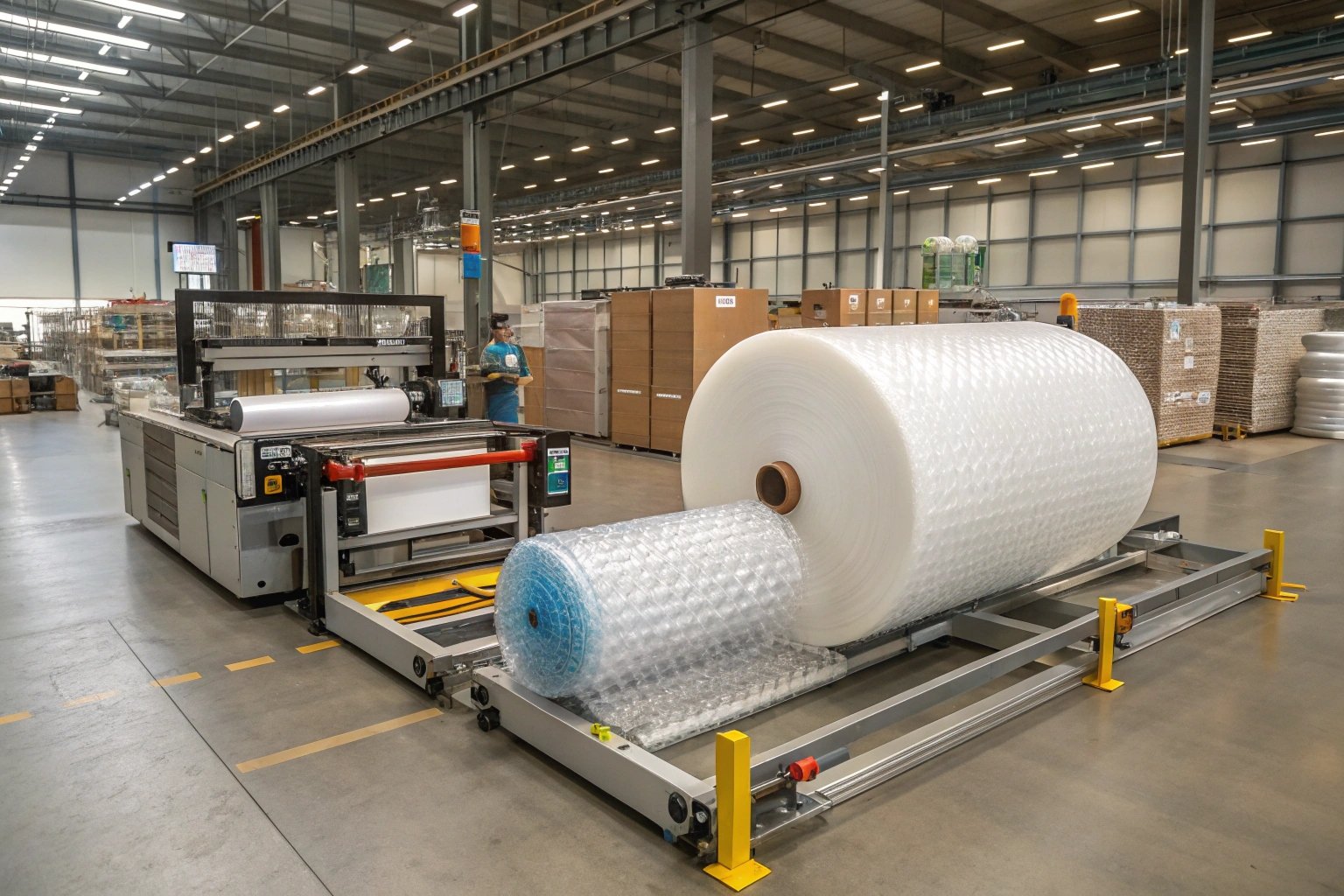
Most standard bubble wrap roll cutters support a maximum width of 1500 mm (59 inches) because this matches common industrial bubble wrap roll sizes.
- Standard machines typically handle 500–1500 mm rolls. Automatic systems most commonly support 1500 mm widths.
- Adjustable machines can process multiple roll sizes using movable guides and servo feeding systems.
- Oversized rolls can cause feeding instability, blade misalignment, motor overload, and material waste, so width compatibility is critical for stable production.
One of the most common questions buyers ask me is this:
“What is the maximum width capacity for a standard bubble wrap roll cutter?”
The answer depends on the machine type, production scale, and roll specifications. In most cases, the standard maximum width for commercial bubble wrap roll cutters is around 1500 mm (1.5 meters / 59 inches). This size matches many standard industrial bubble wrap rolls used in packaging operations.
In this article, I will explain:
- Standard bubble wrap roll widths
- Typical machine width capacities
- Whether one machine can cut multiple roll sizes
- Problems caused by oversized rolls
- Extra-wide custom cutting solutions for heavy industries
I will also share practical buying advice based on my experience in the cutting equipment industry.
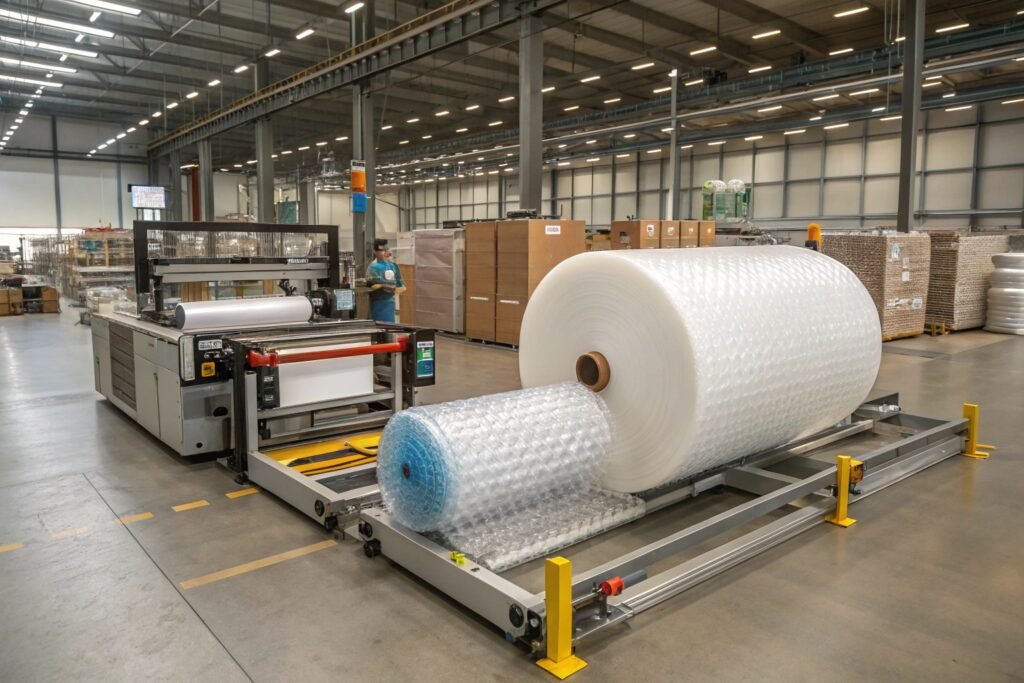
Why Width Capacity Matters in Bubble Wrap Cutting
Width capacity is one of the most important specifications when choosing a bubble wrap cutting machine. Many buyers focus only on cutting speed or automation level. But the machine width decides whether the equipment can actually handle the material.
If the machine width is too small:
- The roll cannot enter the feeding system
- The cutting blade cannot reach the edges
- The material may wrinkle during feeding
- The motor may overload
- Production becomes unstable
This is why width matching is very important.
For example, if your bubble wrap roll is 1500 mm wide, your machine should usually support slightly more than 1500 mm. Many factories leave extra feeding space for stable operation.
What Are the Industry Standard Widths for Commercial Bubble Wrap Rolls?
Commercial bubble wrap rolls come in many sizes. Different industries use different widths depending on the packaging application.
Common Bubble Wrap Roll Widths
| Roll Width | Typical Usage |
|---|---|
| 300 mm | Small parcel packaging |
| 500 mm | E-commerce packing |
| 750 mm | Medium carton protection |
| 1000 mm | Warehouse packaging |
| 1200 mm | Industrial packaging |
| 1500 mm | Large-scale packaging operations |
The most common industrial benchmark is 1500 mm width. Many packaging factories use this size because it balances material coverage and machine compatibility.
Why 1500 mm Became the Industry Standard
There are several reasons:
Better Material Efficiency2
Wider rolls reduce roll replacement frequency. This improves workflow efficiency.
Lower Labor Costs
Operators spend less time changing rolls.
Faster Packaging Speed
Large packaging stations can cover products faster using wider material.
Better Compatibility
Most industrial automatic packaging systems support rolls around 1500 mm.
Because of this, many manufacturers design bubble wrap cutting machines around the 1500 mm standard.
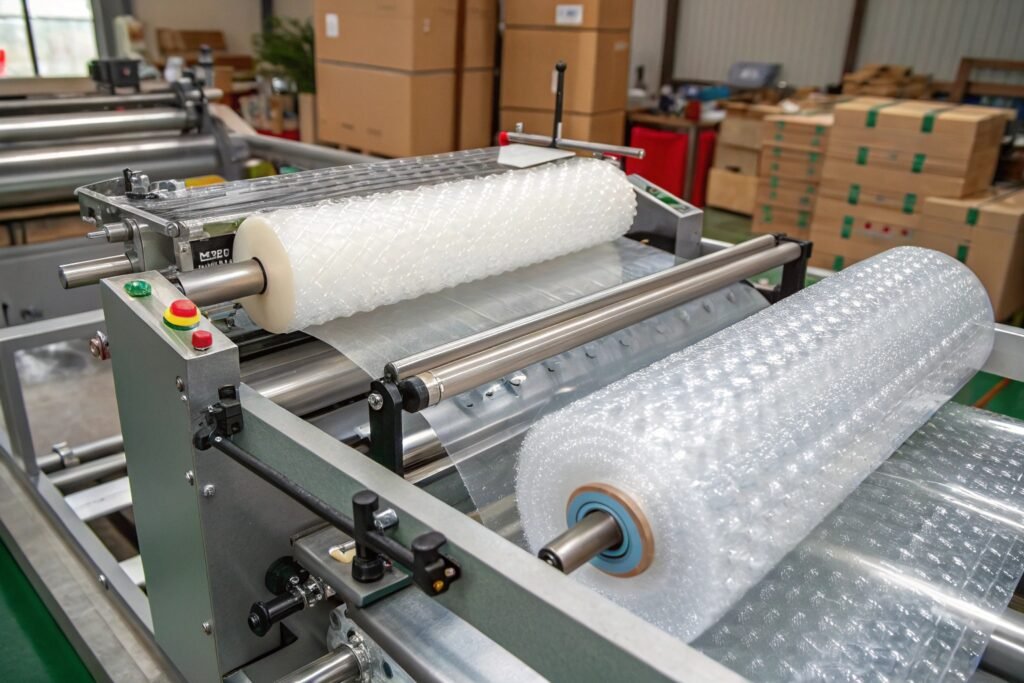
What Is the Standard Maximum Width Capacity for Bubble Wrap Roll Cutters?
The standard width capacity depends on machine type.
Manual Bubble Wrap Cutters
Manual systems usually support smaller widths.
| Machine Type | Typical Width Capacity |
|---|---|
| Manual tabletop cutter | 300–800 mm |
| Semi-automatic cutter | 500–1200 mm |
| Automatic roll cutter | 1000–1500 mm |
| Industrial converting machine | 1500–2000 mm |
Most standard automatic bubble wrap cutting machines support:
- 1000 mm
- 1200 mm
- 1500 mm
Among these, 1500 mm is the most common maximum standard width3.
Can a Single Machine Handle Rolls Ranging from 500 mm to 1500 mm Width?
Yes. Many modern bubble wrap cutting machines can handle multiple widths on one machine.
This is very common in flexible packaging factories.
How Multi-Width Machines Work
The machine usually includes:
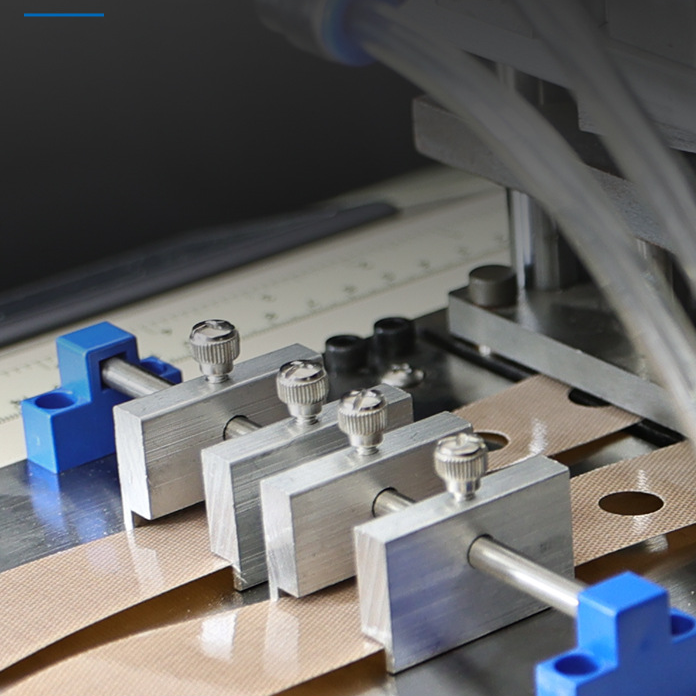
- Adjustable feeding guides
- Movable roller systems
- Adjustable blade positioning
- Servo-controlled feeding systems
These features allow operators to switch between narrow and wide materials.
For example:
| Roll Width | Machine Adjustment Needed |
|---|---|
| 500 mm | Narrow guide adjustment |
| 750 mm | Roller repositioning |
| 1000 mm | Standard setup |
| 1500 mm | Full-width configuration |
Modern automatic cutting systems can switch widths quickly.
Benefits of Multi-Width Machines
Lower Equipment Cost
One machine can replace several smaller machines.
Better Production Flexibility
Factories can handle multiple customer orders.
Easier Inventory Management
Operators can process different roll sizes without changing equipment.
Better ROI
The machine utilization rate becomes higher.
This is why many buyers choose adjustable-width cutting equipment instead of fixed-width systems.
At HAOXINHE, we often recommend flexible-width systems for packaging factories that process different bubble wrap sizes.
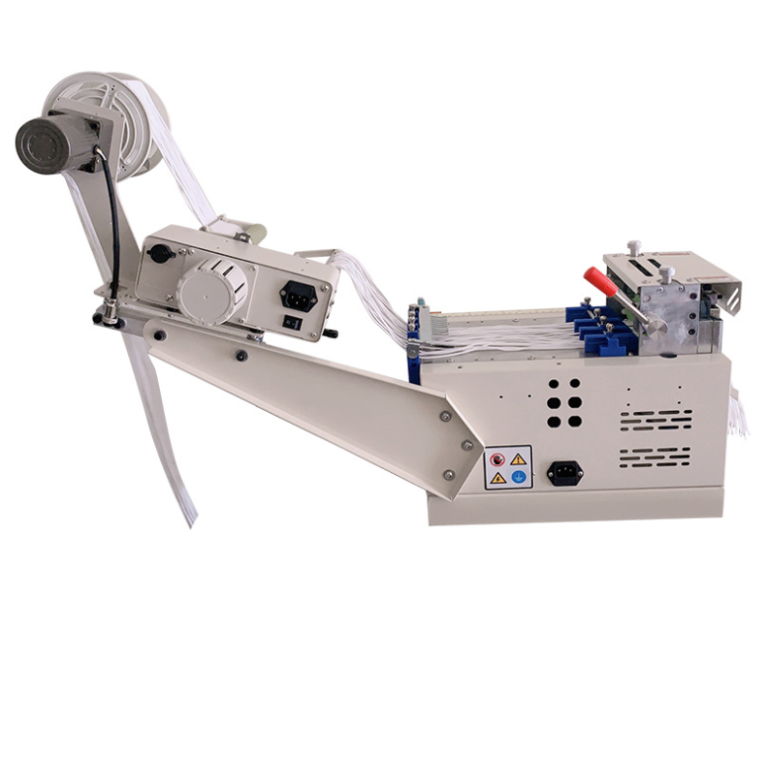
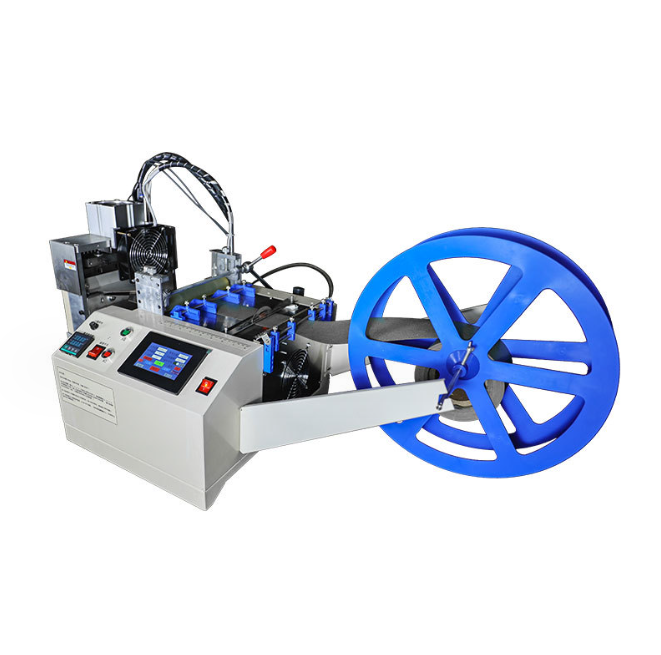
Our Bubble Wrap Cutting Machine, hot and cold cutting machine, and different shapes cutting machine can all be customized for multi-width production environments.
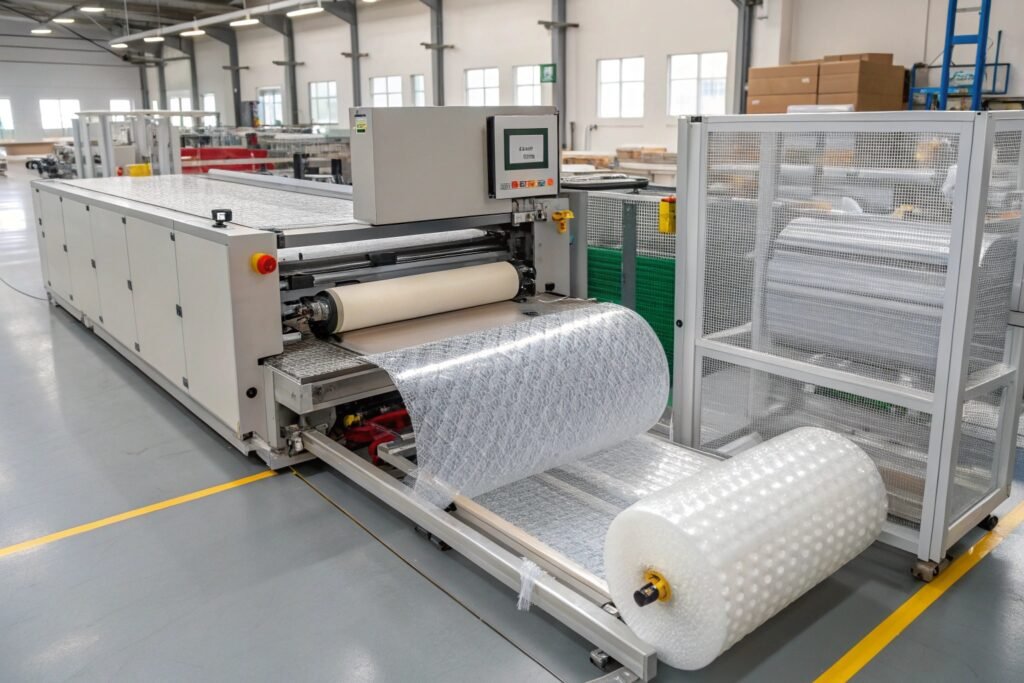
What Happens If You Feed an Oversized Roll Into the Cutter?
This is a very important issue.
Some operators try to force oversized rolls into machines that are too small. This can cause serious problems.
Common Problems Caused by Oversized Rolls
| Problem | Result |
|---|---|
| Feeding misalignment | Poor cutting accuracy |
| Roller overload | Motor stress |
| Material wrinkling | Product waste |
| Blade instability | Uneven cutting |
| Machine vibration | Mechanical wear |
| Sensor failure | Automation errors |
Mechanical Damage Risks
Oversized rolls put extra pressure on:
- Feeding rollers
- Servo motors
- Bearings
- Blade systems
- Frame structure
Over time, this may shorten machine lifespan.
Safety Risks
Oversized materials may suddenly shift during feeding.
This can create:
- Blade accidents4
- Material jams
- Emergency shutdowns
This is why machine manufacturers always specify maximum width capacity clearly.
Width Capacity Is Different From Roll Diameter Capacity
Many buyers confuse width capacity with roll diameter.
These are completely different specifications.
Width Capacity
This refers to:
The maximum horizontal material width the machine can process.
Example:
- 1500 mm width capacity
Roll Diameter Capacity
This refers to:
The maximum outside diameter of the material roll.
Example:
- 600 mm roll diameter
Both limits are important.
A machine may support:
- 1500 mm width
- But only 500 mm roll diameter
Always check both specifications before purchasing.
Are There Custom Extra-Wide Cutting Options Available for Heavy Industries?
Yes. Heavy industries often require much larger cutting systems.
Some industries use:
- Foam insulation rolls
- Large protective packaging sheets
- Automotive cushioning materials
- Construction protective films
- Industrial air bubble materials
Because of this, many manufacturers offer customized extra-wide machines.
Common Extra-Wide Capacities
| Machine Category | Width Capacity |
|---|---|
| Standard industrial | 1500 mm |
| Wide-format system | 1600–1800 mm |
| Heavy industrial system | 2000 mm+ |
| Fully customized system | 2500 mm+ |
Industries Using Extra-Wide Machines
Automotive Industry5
Large protective materials are needed for car parts.
Furniture Industry
Wide cushioning materials protect large furniture panels.
Construction Industry
Protective foam and insulation materials often require large widths.
Logistics Centers
High-volume packaging systems benefit from wide material feeding.
At HAOXINHE, we also provide customized solutions for:
- Protective Foam Cutting Machine
- PVC Edge Banding Cutting Machine
- Webbing ribbon cutting machine
- Rotary bevel cutting machine
- Automatic punching cutting machine
- Different shapes cutting machine
Many customers request custom width configurations based on their production needs.
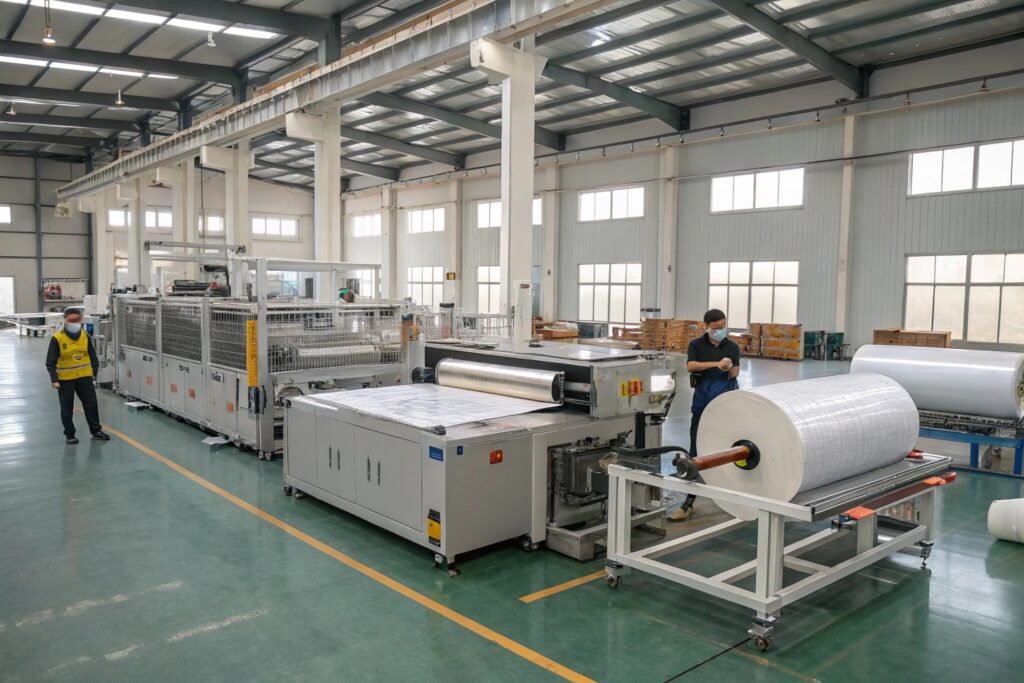
How to Choose the Correct Width Capacity
Choosing the correct width is very important for long-term production efficiency.
Step 1: Measure Your Largest Roll Width
Always start from the largest material you plan to process.
Example:
If your widest roll is 1450 mm, choose at least:
- 1500 mm machine
- Or slightly larger
Step 2: Consider Future Expansion
Many factories grow production later.
It is often smarter to buy slightly larger equipment now.
Step 3: Check Material Type
Soft materials like bubble wrap behave differently from:
- PVC
- Foam
- Webbing
- Metal strips
Material flexibility affects feeding stability.
Step 4: Consider Automation Level
Fully automatic systems usually support wider ranges more efficiently.
Bubble Wrap Cutting Machine vs Other Cutting Machines
Many buyers ask whether bubble wrap cutting machines are similar to other cutting systems.
The answer is partly yes.
Modern industrial cutting platforms often share core technologies.
Similar Technologies
| Technology | Application |
|---|---|
| Servo feeding6 | Bubble wrap cutting |
| Hot knife cutting | Webbing ribbon cutting machine |
| Pneumatic punching | Automatic punching cutting machine |
| Rotary blade cutting | Rotary bevel cutting machine |
| Tube feeding | Computer tube cutting machine |
Because of this, experienced manufacturers can customize machines for many materials.
At HAOXINHE, we apply cutting technology across multiple industries, including:
- Bubble wrap
- Foam
- Ribbon
- PVC edge banding
- Tubes
- Metal pipes
- Protective materials
Important Questions Buyers Should Ask Before Purchasing
Before buying a bubble wrap cutter, I always suggest asking these questions.
Width Questions
- What is the maximum width?
- Is the width adjustable?
- Does the machine support future expansion?
Material Questions
- Can it process multi-layer bubble wrap?
- Can it handle thick protective foam?
- Is tension control included?
Production Questions
- What is the cutting speed?
- What is the accuracy tolerance?
- Can it run continuously?
Maintenance Questions
- Are spare parts available?
- Is remote support available?
- How often should blades be replaced?
These questions help avoid expensive purchasing mistakes.
Insights About HAOXINHE Bubble Wrap Cutting Solutions
Flexible Width Customization
At HAOXINHE, we understand that every factory has different production requirements. Some customers only need 500 mm cutting width. Others require 1500 mm or larger industrial systems.
Because of this, we provide flexible customization options.
Multi-Material Cutting Experience
Our engineering team works with many material types, including:
- Bubble wrap
- Foam
- PVC edge banding
- Webbing tape
- Tubes
- Protective films
This allows us to optimize machine feeding stability and cutting accuracy.
Strong Manufacturing Capacity
We operate with:
- 5 production lines
- Export experience in Europe and North America
- OEM and customized production support
Our cutting equipment includes:
- Bubble Wrap Cutting Machine
- Webbing ribbon cutting machine
- Hot and cold cutting machine
- High-speed trademark cutting machine
- Automatic punching cutting machine
- Rotary bevel cutting machine
- Computer tube cutting machine
- Wire cutting and stripping machine
- Metal pipe cutting and beveling machine
Focus on Stable Production
Many buyers worry about delayed shipments, unstable quality, and poor communication.
We focus heavily on:
- Quality control
- Stable machine performance
- Fast technical communication
- Reliable export packaging
This helps customers reduce downtime and improve long-term production efficiency.
Conclusion
The standard maximum width capacity for most commercial bubble wrap roll cutters is usually around 1500 mm. This size matches common industrial bubble wrap roll widths used in packaging operations worldwide.
However, machine capacity can vary greatly depending on:
- Manual vs automatic systems
- Production scale
- Material type
- Industry application
Many modern machines can handle multiple widths ranging from 500 mm to 1500 mm through adjustable feeding systems.
If oversized rolls are forced into undersized machines, operators may face:
- Feeding instability
- Material waste
- Mechanical damage
- Safety risks
For heavy industrial applications, customized extra-wide cutting systems above 2000 mm are also available.
When selecting a machine, buyers should always evaluate:
- Maximum width
- Roll diameter
- Material compatibility
- Future production expansion
A properly matched cutting system improves efficiency, reduces downtime, and increases long-term production stability.
-
"How to Use Manufacturing Automation to Cut Costs | EAD Corporate", https://eadcorporate.com/how-to-use-manufacturing-automation-to-cut-costs/. Manufacturing automation studies indicate that automated cutting systems can reduce labor requirements in packaging operations, though specific savings vary by production scale and implementation. Evidence role: statistic; source type: research. Supports: that automated cutting equipment reduces labor costs in manufacturing operations. Scope note: Cost reduction varies significantly based on production volume and existing processes ↩
-
"Size press practices and formulations affecting paper properties and …", https://bioresources.cnr.ncsu.edu/resources/size-press-practices-and-formulations-affecting-paper-properties-and-process-efficiency-a-review/. Manufacturing operations research indicates that reducing material changeover frequency through larger roll sizes can improve throughput in continuous production environments, though benefits depend on production volume and setup time. Evidence role: general_support; source type: research. Supports: that larger material rolls reduce changeover frequency and improve operational efficiency. Scope note: Efficiency gains vary based on production scale and material handling systems ↩
-
"Laser cutting – Wikipedia", https://en.wikipedia.org/wiki/Laser_cutting. Packaging machinery industry specifications frequently reference 1500mm as a standard maximum width for roll-fed cutting systems, aligning with common material roll dimensions in industrial applications. Evidence role: general_support; source type: institution. Supports: that 1500mm represents a common specification for industrial cutting equipment. Scope note: Equipment specifications vary by manufacturer and target market segment ↩
-
"[PDF] Materials Handling and Storage – OSHA", https://www.osha.gov/sites/default/files/publications/OSHA2236.pdf. Industrial safety guidelines identify material handling and cutting operations as hazard areas where improper equipment use or material specifications can lead to mechanical failures and operator injuries. Evidence role: general_support; source type: government. Supports: that improper material handling in cutting equipment creates safety hazards. Scope note: Specific risks depend on equipment design, safety features, and operational procedures ↩
-
"Choosing The Best Packaging Material For Automotive Parts", https://www.lamarpackagingsystems.com/choosing-the-best-packaging-material/. Automotive industry packaging standards reference the use of wide-format protective materials for large components and assemblies during transport and storage, requiring specialized handling equipment. Evidence role: case_reference; source type: institution. Supports: that automotive manufacturing uses wide protective packaging materials. Scope note: Specific material dimensions vary by component size and manufacturer requirements ↩
-
"Technical Standards for Industrial Controls, Automation, and …", https://programs.scciowa.edu/current/admissions/technical-standards/industrial-controls-automation-and-robotics-technology.aspx. Industrial automation literature describes servo-controlled feeding and various cutting methods as standard technologies in modern manufacturing equipment, enabling precision and flexibility across material types. Evidence role: general_support; source type: education. Supports: that servo control and automated cutting technologies are widely adopted across industrial cutting equipment. Scope note: Technology adoption varies by equipment class, price point, and application requirements ↩